



New Hampshire
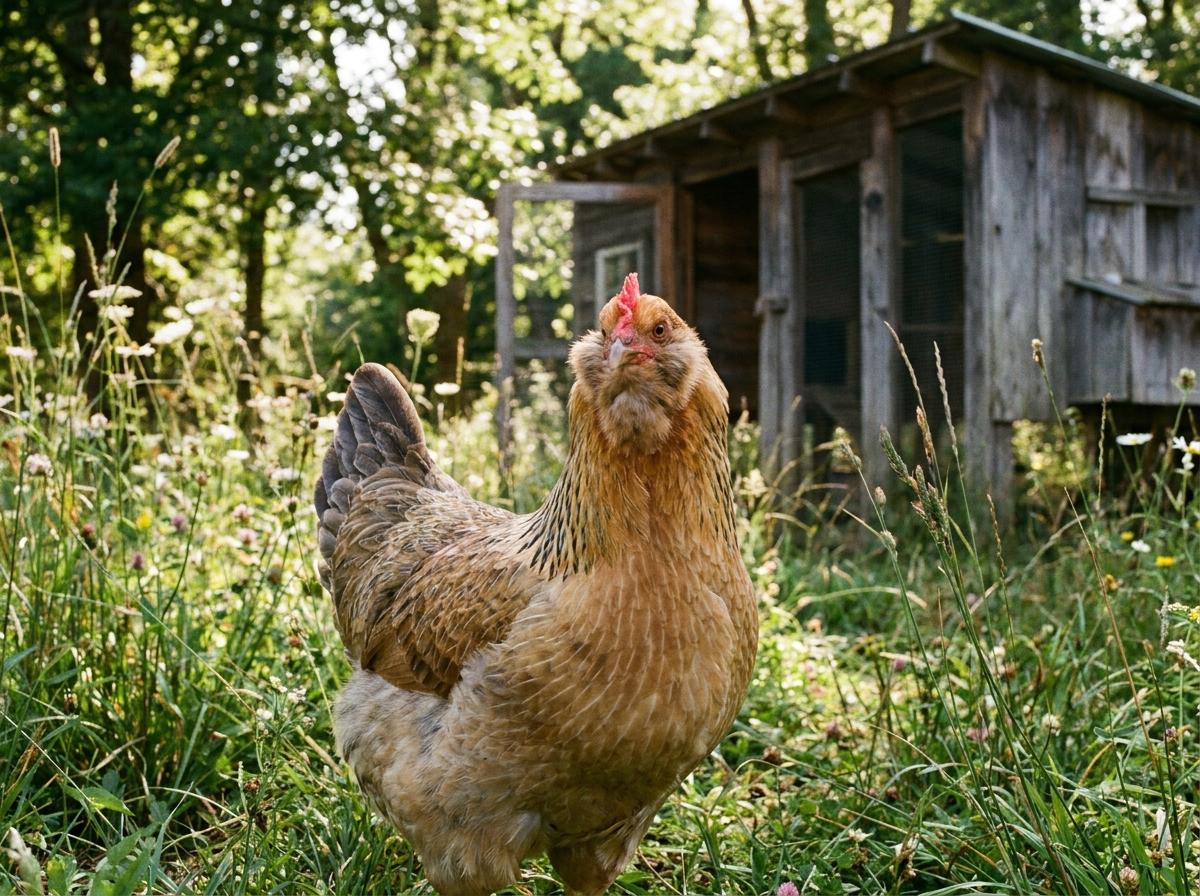
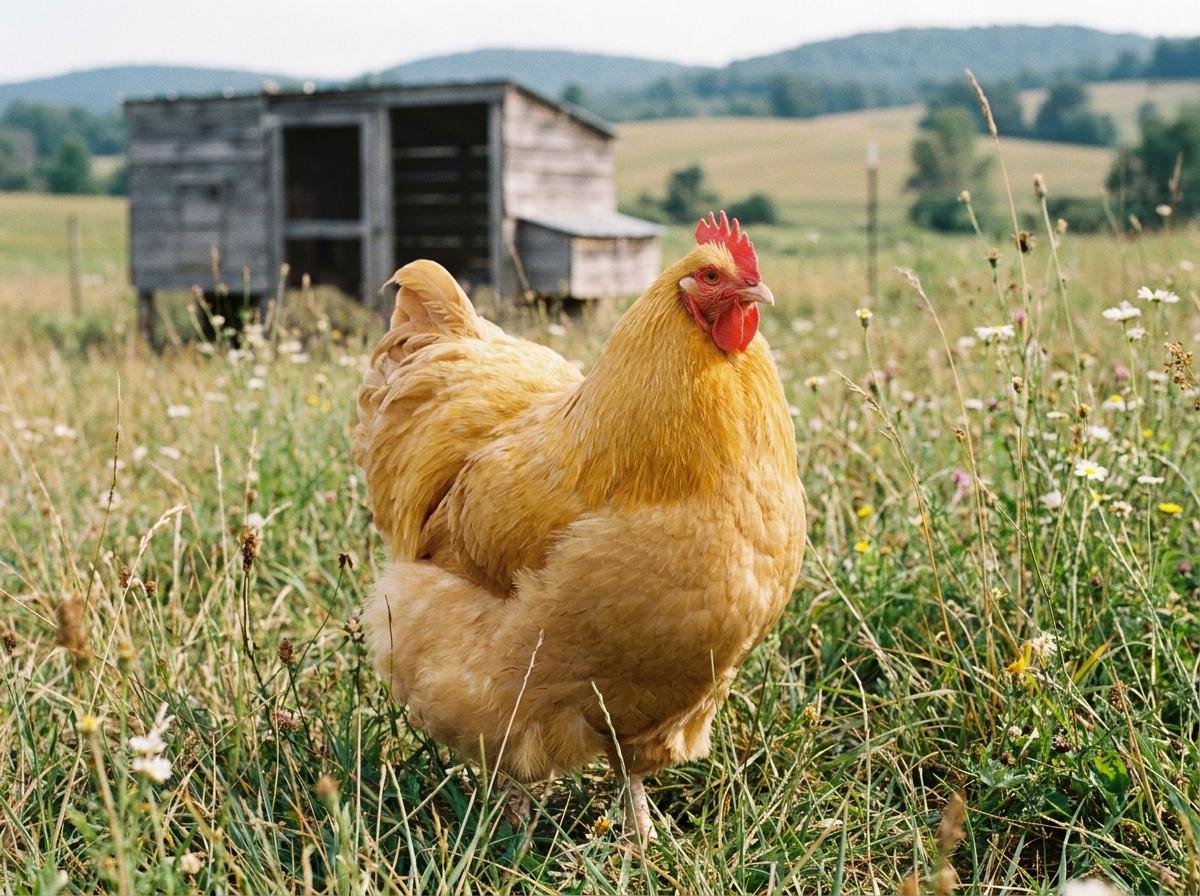
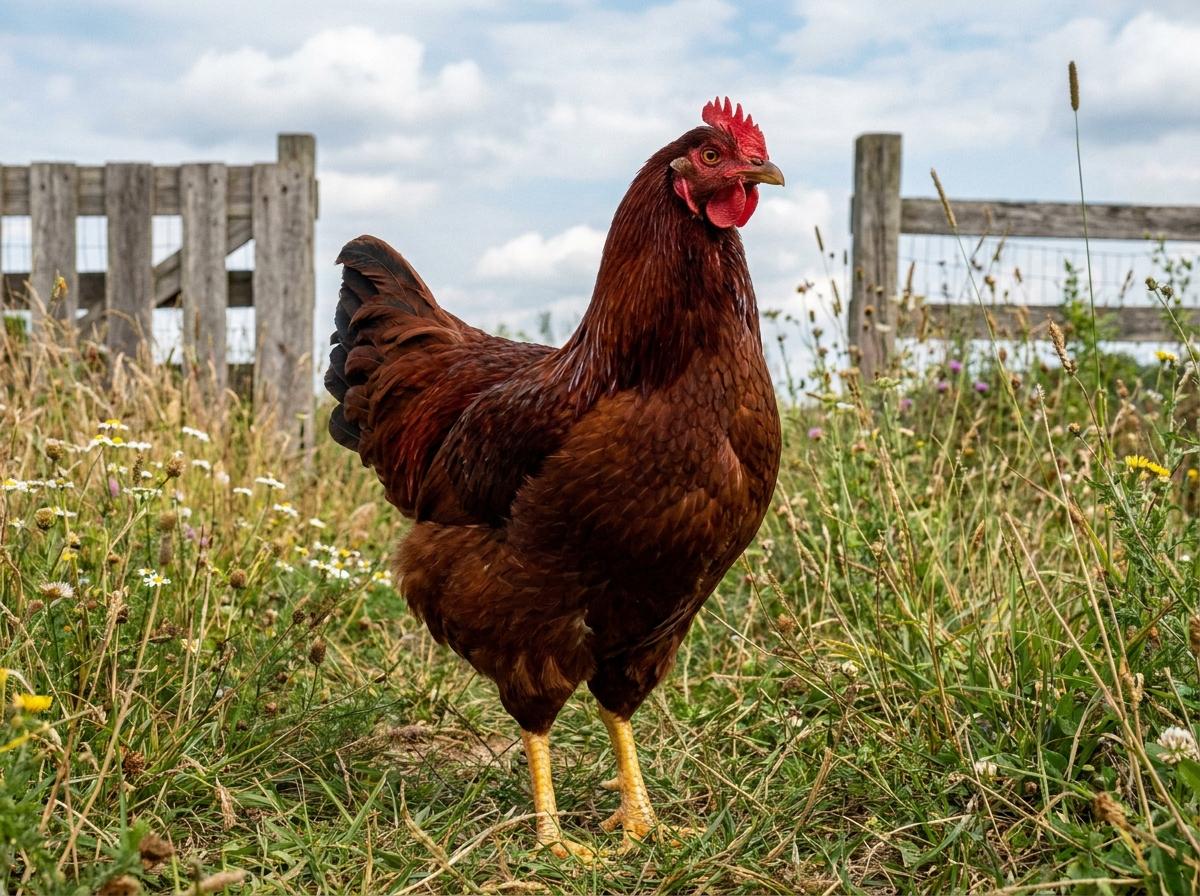
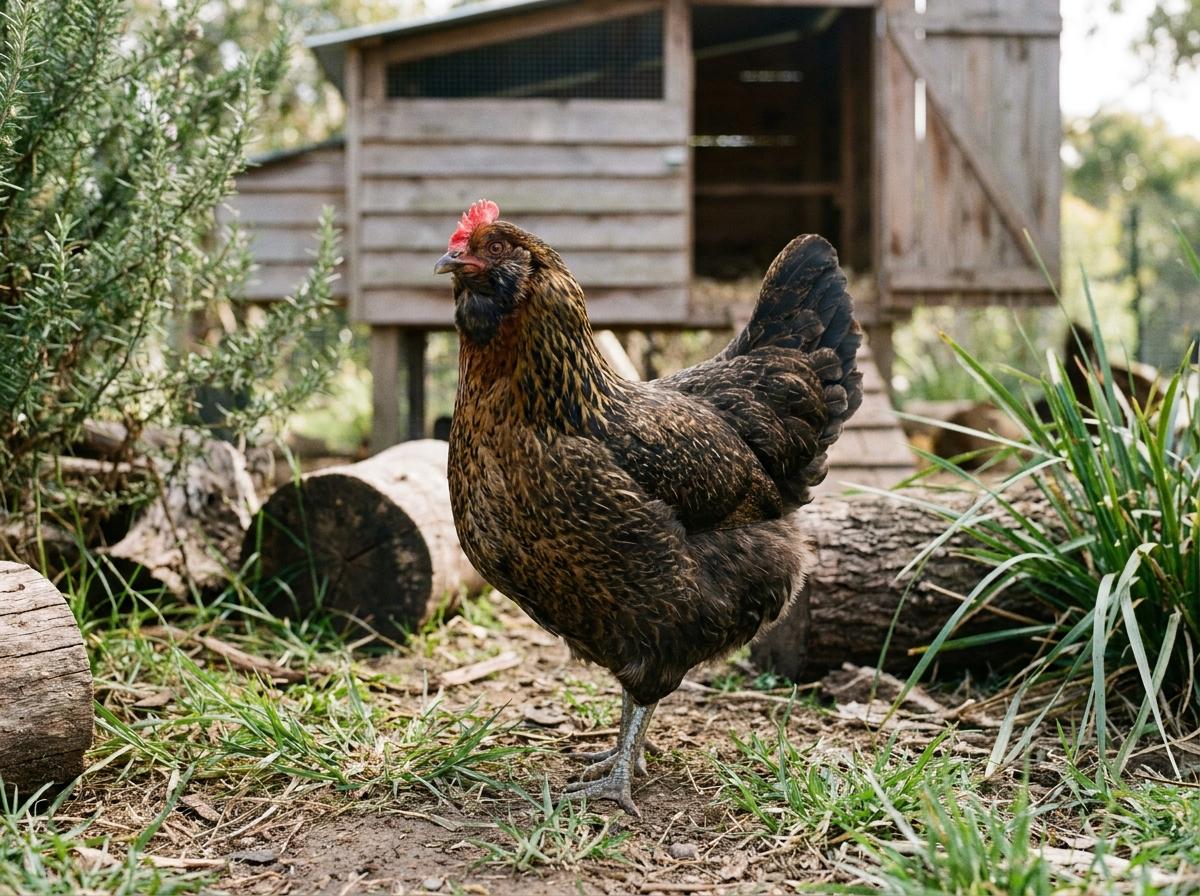
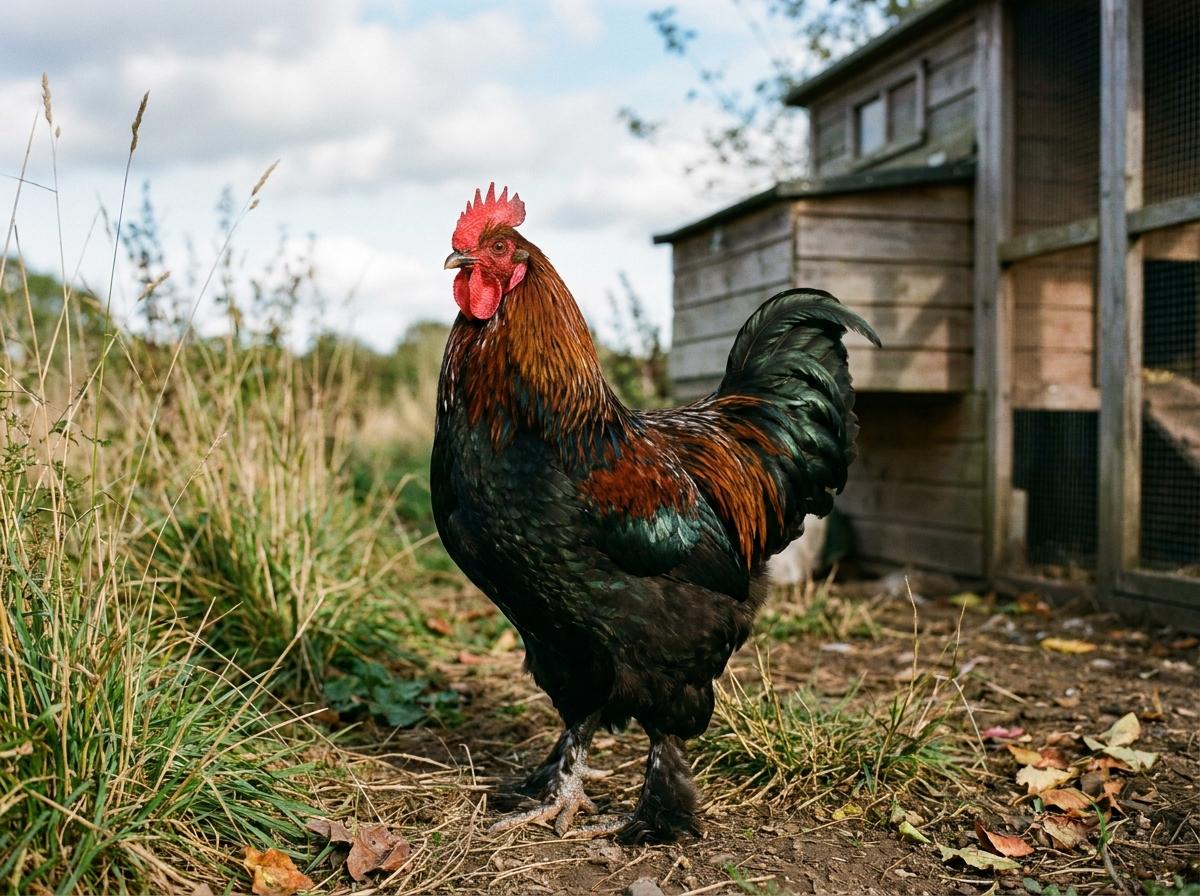
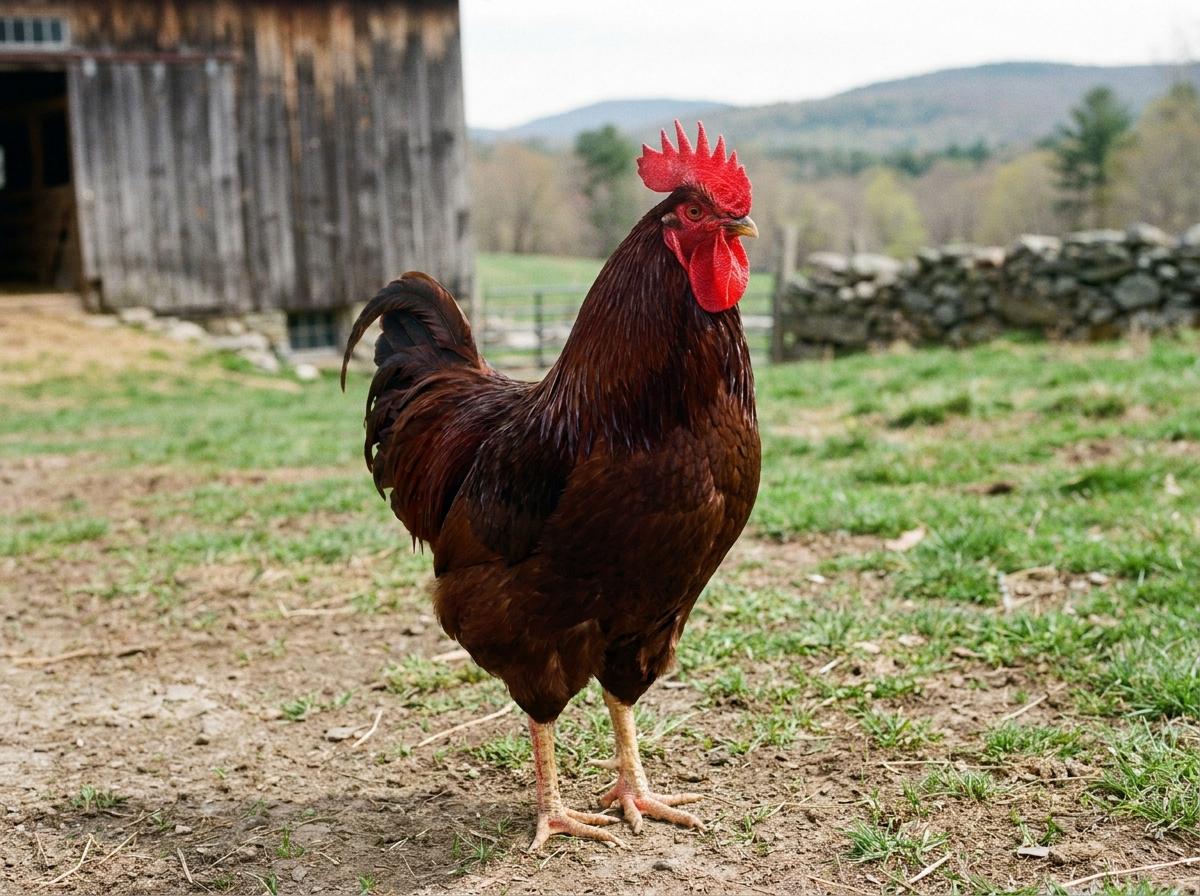
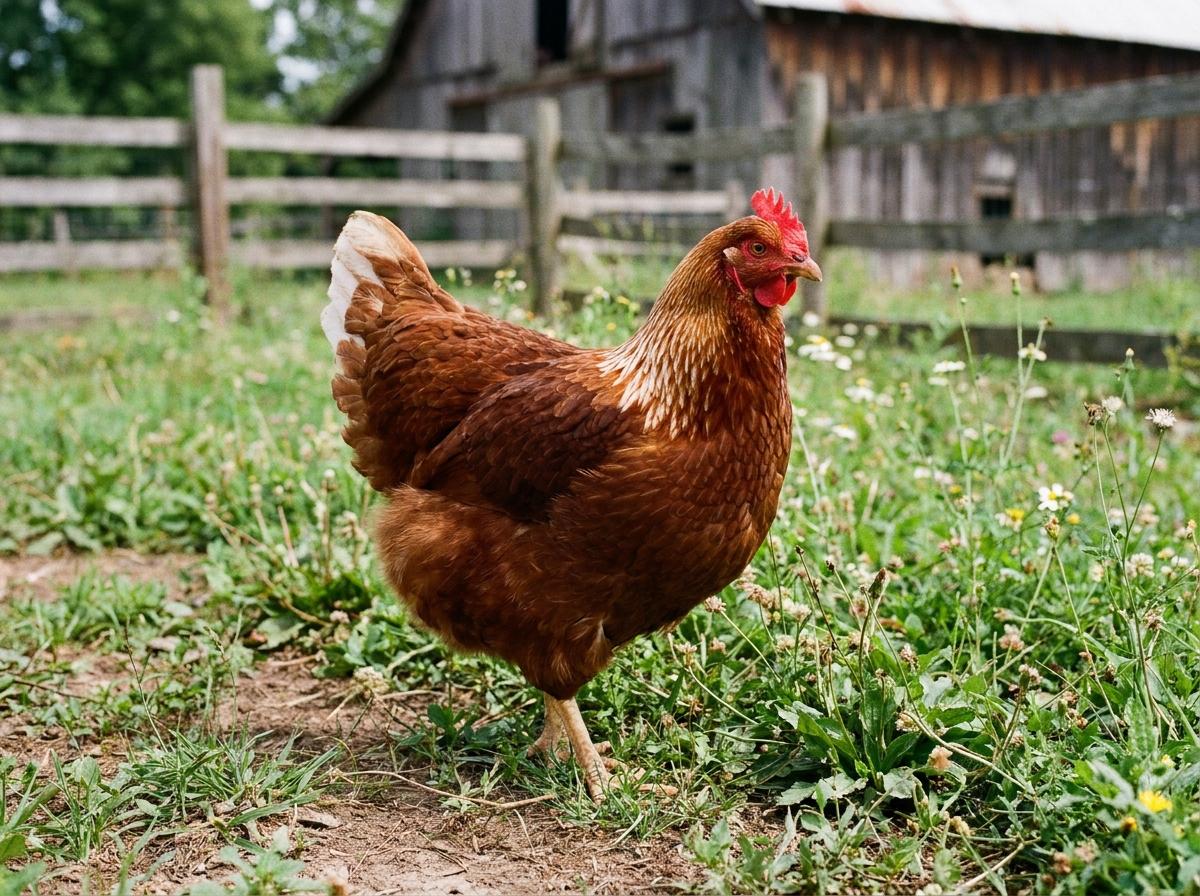
The New Hampshire chicken is an American dual-purpose breed developed in the early twentieth century from Rhode Island Red stock, especially in New Hampshire and nearby New England flocks. Selection favored earlier maturity, faster feathering, good brown-egg production, and a useful table carcass, giving the breed a broader, somewhat lighter red appearance than many Rhode Island Reds. Birds have a single comb, yellow skin and legs, reddish bay plumage with black in the tail and wing, and a practical farm type that made them important before specialized broiler and layer hybrids took over much of the market.
New Hampshires fit backyard, homestead, and small farm flocks when people want both eggs and occasional meat birds from the same line. Hens are steady layers of medium to large brown eggs, while cockerels grow well enough to be worth raising for the freezer in slower, traditional systems. They are generally calm but active, with large combs that need frostbite protection in hard winter weather. Breeders often watch for depth of body, strong legs, even color, and vigor, since hatchery birds, exhibition lines, and utility strains may differ noticeably in size and productivity.