Sign in
Caumont

Caumont

None for sale right now Email me when one is listed

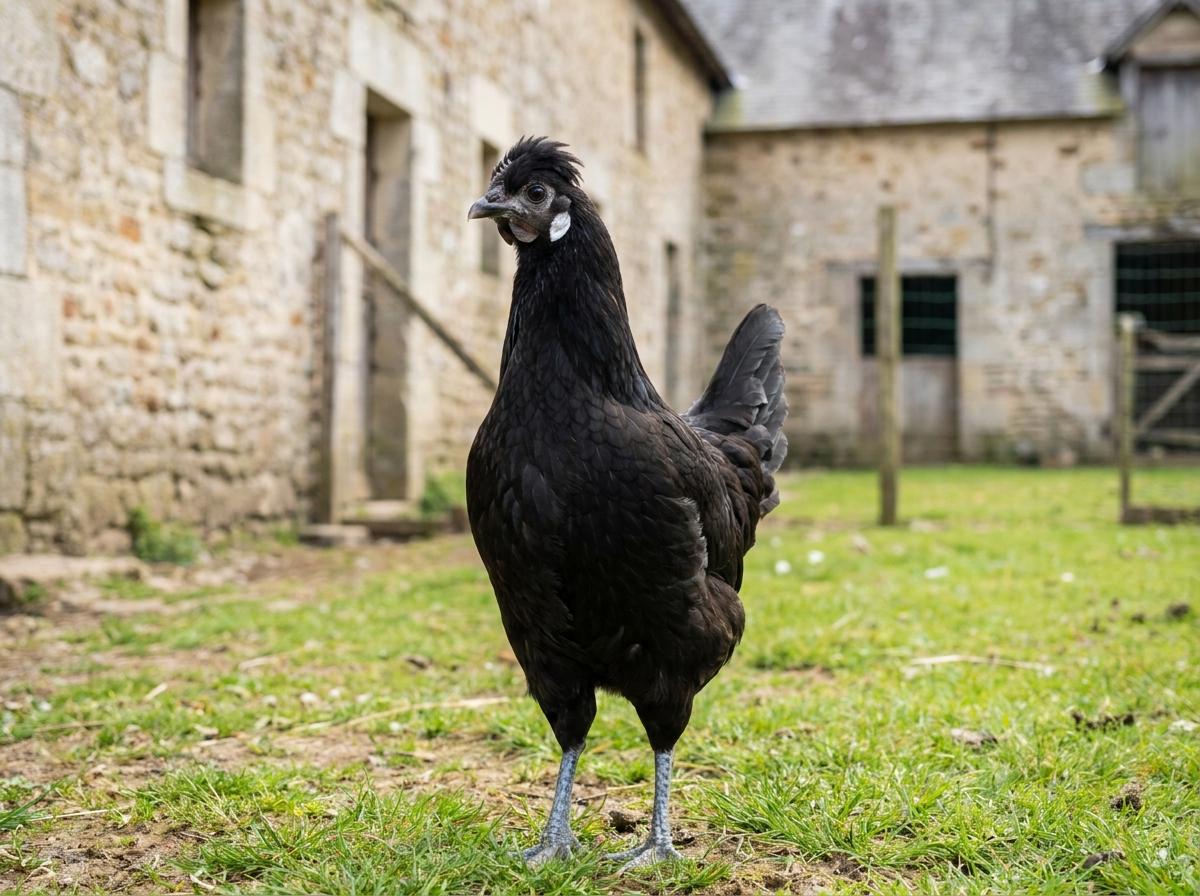
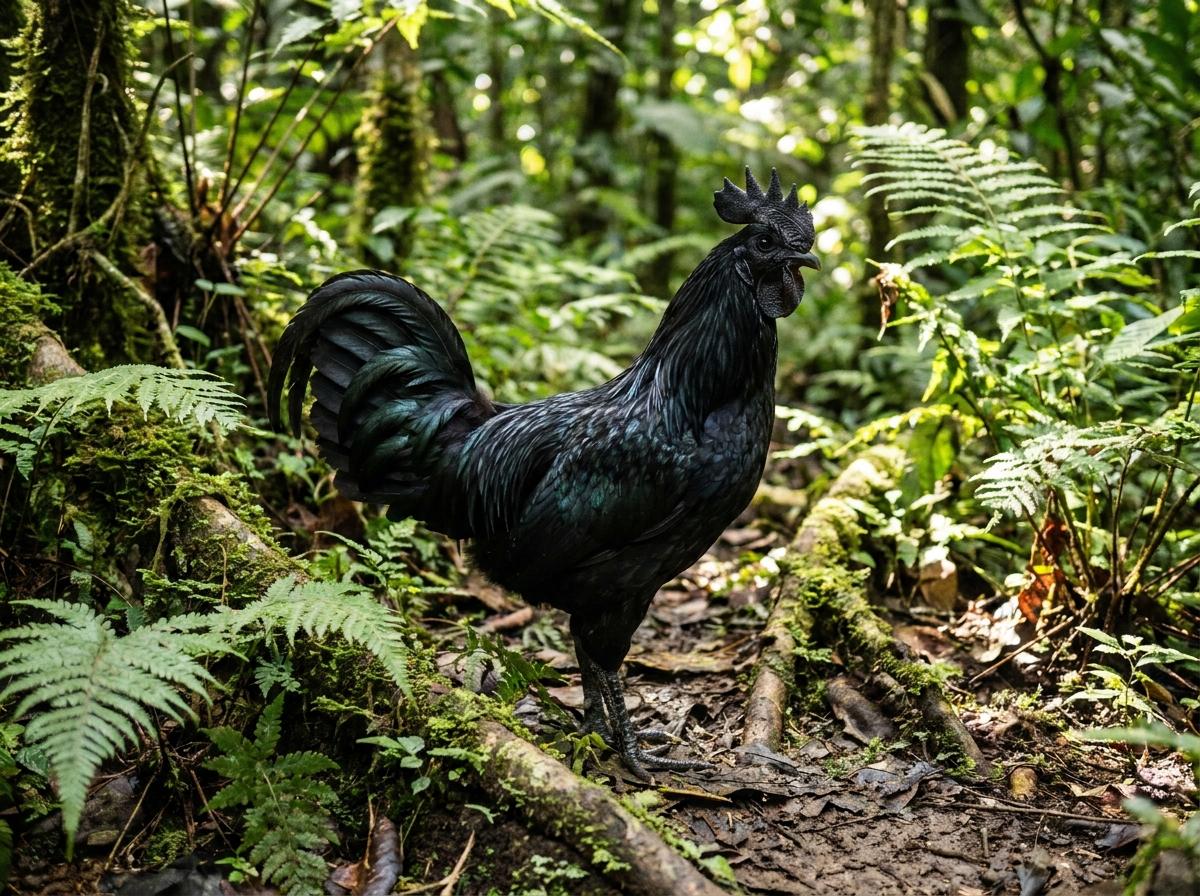
The Caumont is a rare French chicken breed from Normandy, named for the Caumont area and historically grouped with the region's black table fowl. It is generally described as a crested, clean-legged breed, usually black, and related in type and history to Norman breeds such as the Crevecoeur and Merlerault. Documentation outside France is limited, and small surviving populations may vary in details of comb, crest, and body size.

Today's Caumonts are kept chiefly by conservation-minded breeders and poultry historians rather than commercial farms. They need dry housing, predator-safe outdoor space, and feed that supports growth without making breeding birds fat. The crest can collect mud or parasites, so exhibition and breeding stock benefit from regular checks. Anyone buying Caumonts should look for traceable French or recognized preservation lines, because black crested crossbreds can be mistaken for the breed.
Quick facts

Guides & articles
25

Looking for Caumonts?

None are listed on Creatures right now. We'll email you when one is.

Add your first Caumont to Creatures

Share a public profile so buyers, breeders, and pedigrees can connect back to this breed page. Keep records for your chickens.

More Chicken Breeds

Each breed has its own page with listings, profiles, and breeders.

Guides & articles

Guides and articles for Caumont owners.

View all 25 guides

How Much Does a Chicken Cost? Chicks, Pullets, Hens, and Coop Setup

The bird itself is cheap. A day-old chick of a common production breed like a Rhode Island Red was running about $4.50 to $5.65 straight run across the four in-stock hatcheries we could compare for unsexed birds, a small sample rather than a survey, or roughly $5.30 to $7.15 for a sexed pullet across five, […]

What to Feed Chickens: Starter, Grower, and Layer

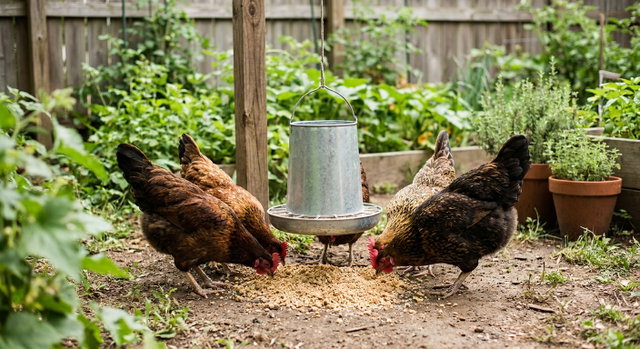
Feed chickens a complete, age-matched formulated feed as the free-choice base of the diet, and match the feed to the bird’s stage: chick starter for chicks, a grower or developer feed after the starter, and a layer feed (commonly around 16 percent protein with added calcium) once your hens actually start laying. A good complete […]

Hatching Eggs in an Incubator: Temperature and Timing

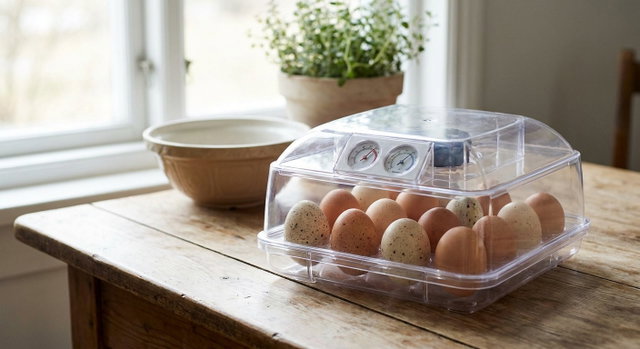
Chicken eggs hatch in 21 days, and a good incubator hatch comes down to holding three things steady: temperature at about 99.5 to 100 degrees Fahrenheit in a forced-air incubator, humidity around 50 to 55 percent for the first 18 days, and turning the eggs several times a day until day 18. On day 18 […]

Chicken Egg Colors: Shell Pigments, Green Eggs and a Useful Flock Record

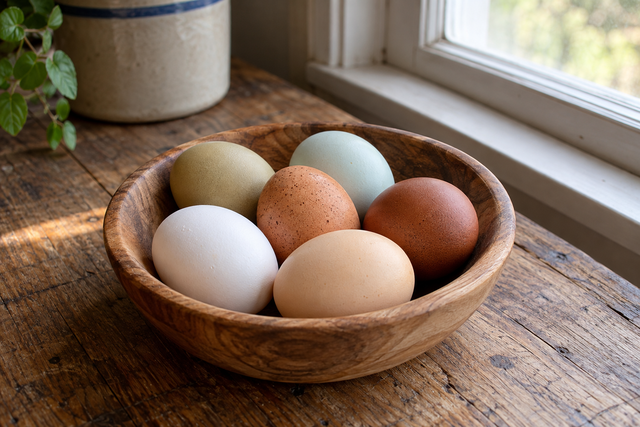
Chicken egg colors come mainly from pigments deposited as the shell forms. Protoporphyrin contributes brown tones, biliverdin contributes blue-green tones, and combinations can produce green or olive shells. The shell’s color does not tell you that the egg is more nutritious. Start an egg laying record to connect a shell photograph with its date and […]

Chicken Flock Counts: Track a Flock Without Naming Every Bird

A chicken flock count record keeps a shared history when birds are managed together and do not yet need individual profiles. Creatures calls this a Count group. It suits a batch or flock tracked by number, provided you do not present the group history as proof that every bird received the same individual care. For […]

How Long Do Chickens Live? Backyard Hen Lifespan vs Production Reality

Most backyard hens live six to eight years, and individual birds reach eleven. Six to eight is the figure the University of Wisconsin Division of Extension gives small flock owners, and the University of Illinois College of Veterinary Medicine puts it at as long as eight years with good care and no major health problems. […]

Caumont Tools

Calculators, generators, and guides preset for Caumont.

All 25 guides

Every chicken guide, grouped by topic.