

Author: Elliott Garber, DVM · Updated
The Shift to Selling Cattle Online
The livestock industry has changed. Ten years ago, most cattle sales happened at local auction barns, through word of mouth, or at breed association consignment sales. Those channels still matter, but they are no longer the only game in town.
Online livestock sales have grown dramatically, driven by buyers who want access to specific breeds, bloodlines, and individual animals beyond their local market. Sellers who embrace online channels reach more buyers, command better prices, and sell faster than those who rely solely on traditional methods.
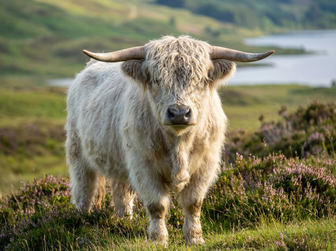
This guide walks you through the practical steps of selling cattle online, from building your listings and pricing your animals to managing inquiries, handling logistics, and closing deals. The principles apply whether you’re selling registered highland cattle, commercial feeder calves, or anything in between.
Why Sell Online?
The case for selling cattle online comes down to three advantages: reach, pricing power, and control.
Depending on your sales volume, you may need a livestock dealer license before selling cattle commercially.
Expanded Buyer Pool
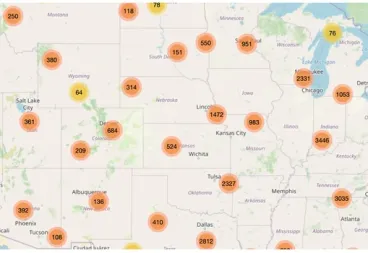
At a local auction, your buyers are the people who showed up that day within driving distance of the sale barn. Online, your buyer pool is national. A highland cattle breeder in Virginia can sell to a buyer in Oregon. A commercial ranch in Montana can market preconditioned calves to feedlot operators in Kansas. Geography stops being a limiting factor.
This matters most for registered breeding stock and specialty breeds, where the ideal buyer for your specific animal might be three states away. The more niche your animals, the more you benefit from national exposure.
Better Pricing
Private treaty sales (where you set a price and sell directly to an individual buyer) can outperform auction prices for some animals, especially when you have targeted buyers, strong records, and time to market the animal. Auctions can win when competitive buyer pressure is stronger. When you sell online, you’re conducting a private treaty sale to a buyer who specifically sought out your animal, evaluated your listing, and decided yours is the one they want. That’s a fundamentally different dynamic than an auction where your animal is one of 200 lots moving through a ring in an afternoon.
Online sales also let you capture the full retail value of your animal rather than splitting proceeds with an auction barn (which typically charges 3 to 6 percent commission plus yardage fees).
Control Over Presentation
At an auction, your animal gets 60 seconds in the ring and whatever the auctioneer says about it. Online, you control the entire presentation: photos, video, pedigree details, health records, temperament description, and your story as a breeder. You can build a complete animal profile that showcases everything that makes your animal worth the asking price.
Setting Up Your Online Presence
Choose the Right Platform
Where you list matters. The major options include:
Livestock-specific marketplaces: Platforms like the Creatures Marketplace are purpose-built for livestock sales. They offer breed-specific search, verified buyer accounts, integrated health records, and an audience of active livestock buyers. The advantage is that people browsing these platforms are specifically looking to buy animals.
Social media (Facebook groups, Instagram): Facebook livestock groups have large audiences and are free to post in. The downside is that posts are ephemeral (buried in the feed within hours), there’s no search functionality, buyer quality varies widely, and scam risk is significantly higher. Social media works best as a supplement to a dedicated marketplace listing, not a replacement.
General classifieds (Craigslist, Facebook Marketplace): High volume of tire-kickers and lowballers. Useful for low-value animals where you just want to move them quickly. Not ideal for registered breeding stock.
For registered breeding stock and higher-value animals, a livestock-specific marketplace gives you the best combination of qualified buyers, search visibility, and transaction security.
Build a Breeder Profile
Before you list individual animals, establish your breeder identity. Buyers want to know who they’re buying from. A strong breeder profile includes:
- Your operation name and location
- The species and breeds you raise
- Your breeding philosophy and goals
- Your experience and any breed association memberships
- Photos of your farm and operation
Think of your breeder profile as your online reputation. Over time, it accumulates sale history, buyer reviews, and documented animals that collectively build trust with future buyers.
If you also run a farm website, use the website privacy checklist to check animal privacy, public display, documents and location details from a visitor’s perspective before sharing it.
Creating Listings That Sell
The quality of your listing directly determines whether buyers inquire. Here’s what separates listings that sell from listings that sit.
Photography
Photos are the most important element of any online livestock listing. Period. Buyers scroll through listings by thumbnail image, and if your photo doesn’t stop them, nothing else matters.
What works:
- Shoot in natural light (golden hour, early morning, or overcast days produce the best results)
- Photograph the animal at eye level, not from above
- Include at least 4 to 6 photos: both sides (profile), front, rear, and 1 to 2 candid shots showing temperament or setting
- For breeding stock, ensure conformation is clearly visible (clean background, animal standing square)
- Include scale reference if the animal’s size is a selling point
What doesn’t work:
- Blurry, dark, or poorly lit photos
- Photos taken from 50 feet away where the animal is a speck in a field
- Single photo from one angle
- Photos with distracting backgrounds (junk piles, other animals crowding the frame)
Video is increasingly expected, especially for higher-value animals. A 30 to 60 second video showing the animal walking, being handled, and interacting in its environment adds dimension that photos cannot capture.
Description
Write your listing description as if the buyer cannot see the animal in person (because they probably can’t). Include:
- Breed and registration status: Registered name, registration number, breed association
- Age and date of birth: Exact date, not just “yearling” or “2-year-old”
- Sex and reproductive status: Open heifer, bred cow (to what bull, due date), intact bull, gelded steer
- Pedigree highlights: Sire and dam names, notable ancestors, bloodline strengths
- Conformation and physical traits: Color, markings, horn status, structural strengths
- Temperament and handling: Be specific. “Halter-broke since 4 months, loads and leads quietly, stands for hoof trimming” is far more useful than “gentle”
- Health history: Vaccination protocol, deworming, any testing performed
- Reason for selling: Buyers always wonder. Be upfront.
Attach complete health and vaccination records to your listing. Documented animals sell faster and for more money because buyers can evaluate the animal’s care history before making a decision.
Pricing
Price your animals based on market data, not emotion. Our livestock pricing guide covers this in depth, but the short version: research recent sale results from breed association auctions, compare against active marketplace listings for similar animals, and position your price based on your animal’s specific strengths and weaknesses relative to the market.
Include a price in your listing. Listings that say “contact for price” or “make an offer” get fewer inquiries than listings with a stated price. Buyers want to know if an animal is in their budget before reaching out. Build a 10 to 15 percent negotiation buffer into your asking price if you’re comfortable negotiating.
Before publishing, work through the livestock sale listing checklist to check the animal’s identity, photos, supporting records, and actual sale terms.
Managing Buyer Inquiries
Once your listing is live, handling inquiries well is what separates sellers who close deals from sellers who don’t.
Response Time
Respond to inquiries within a few hours, not days. Serious buyers are often evaluating multiple animals simultaneously. If you take three days to respond, they’ve already moved on. If you can’t respond immediately, at least acknowledge the message and let the buyer know when you’ll have a detailed response.
Qualifying Buyers
Not every inquiry is a serious buyer. Learn to identify tire-kickers early so you can focus your energy on legitimate prospects. Signs of a serious buyer:
- They ask specific questions about the animal (pedigree, health, temperament)
- They mention their operation, experience, or what they’re looking for
- They ask about logistics (transport, timing, payment)
- They want to schedule a visit or video call
Signs of a tire-kicker or potential scammer:
- They lead with “what’s your lowest price” without asking about the animal
- They want to pay with unusual methods (wire transfer to a third party, overpayment with refund)
- Their questions don’t match the listing (asking about a bull when you’re selling a heifer)
- They pressure you for immediate action without normal due diligence
For more on protecting yourself, read our guide on livestock fraud prevention.
Virtual Farm Visits
Not every buyer can visit in person, especially for interstate sales. Offering a video call where you walk the buyer through the animal, its environment, and its behavior can close sales that would otherwise stall. Use FaceTime, Zoom, or any video platform the buyer is comfortable with.
During a virtual visit, be transparent. Show the animal from multiple angles, demonstrate its temperament, point out any imperfections, and answer questions honestly. Transparency builds trust, and trust closes deals.
Handling Logistics
Payment
Establish clear payment terms before the animal leaves your property. Common payment methods for livestock transactions include:
- Cash: Simple and immediate, but impractical for large or remote transactions
- Personal or cashier’s check: Common for in-person sales. For large amounts, a cashier’s check provides more security
- Wire transfer or ACH: Standard for higher-value animals and remote transactions. Confirm receipt before releasing the animal
- Platform payment (Creatures): Payment processing through the marketplace provides transaction records and a layer of buyer/seller protection
Always get paid before the animal leaves your property. “I’ll send payment after I receive the animal” is not an acceptable arrangement.
Health Certificates and Compliance
For interstate sales, you will need a Certificate of Veterinary Inspection (CVI) issued by a USDA-accredited veterinarian. Schedule the exam at least 2 to 3 weeks before the planned transport date to allow time for any required testing.
Know the regulatory requirements for both your state and the buyer’s state. Some states require import permits, specific disease tests, or vaccinations beyond the standard CVI.
Transport
For local sales, buyers often pick up the animal themselves. For long-distance sales, you have two options:
Buyer arranges transport: The buyer hires a livestock transporter to pick up the animal from your property. This is the most common arrangement for interstate sales. Your responsibility is having the animal and all paperwork ready at the agreed pickup time.
Seller arranges transport: You hire a transporter and include the cost in your sale price or charge it separately. This can be a selling advantage if the buyer is unfamiliar with livestock transport options.
Regardless of who arranges transport, confirm that the transporter has insurance, the vehicle meets federal transport standards, and all required documentation (CVI, test results, identification) travels with the animal.
Building Your Reputation as an Online Seller
The sellers who consistently succeed online treat it as a long-term investment in their reputation, not a one-time transaction.
Follow Up After Every Sale
Check in with buyers after they receive the animal. Ask how it’s settling in, if they have questions, and whether they’re satisfied. This simple step builds goodwill, generates word-of-mouth referrals, and often leads to repeat business. Happy buyers come back for their next animal and tell their friends.
Document Your Program
Over time, build a body of documented animals, sale results, and buyer reviews that tells the story of your program. A breeder with 30 documented animals, consistent health records, and positive buyer feedback commands premiums that a new seller with a bare-bones profile cannot.
Create profiles for all your animals, not just the ones currently for sale. Your herd book is your track record. Buyers evaluating a heifer from your program want to see her dam, sire, and siblings. The more complete your documented herd, the more credible your program appears.
Stay Active
Regularly update your listings, add new animals, and keep your profiles current. An active presence signals a serious, ongoing operation. Stale listings with outdated information suggest an inactive seller.
Common Mistakes When Selling Cattle Online
Underinvesting in Photos
This bears repeating because it’s the single most common mistake. If you have a $5,000 animal represented by a blurry phone photo taken from across the pasture, you’re leaving money on the table. Spend 30 minutes taking good photos. The return on that time investment is enormous.
Create a free Creatures account to build compelling animal profiles with photos, pedigrees, and health records that help buyers make confident decisions.
Incomplete Listings
Listings missing basic information (age, registration status, price) frustrate buyers and signal carelessness. Fill out every field. Answer every question before it’s asked. The less a buyer has to guess, the more likely they are to inquire.
Ignoring Health Documentation
Buyers increasingly expect complete health records for breeding stock. Sellers who can show a documented vaccination history, deworming schedule, and veterinary exam results command premiums. Sellers who say “he’s healthy, trust me” lose to competitors who provide documentation.
Poor Communication
Slow responses, vague answers, and defensive reactions to buyer questions kill deals. Be prompt, thorough, and professional in every interaction. Treat every inquiry as a potential $5,000 sale, because it might be.
Your Online Selling Checklist
- Set up your breeder profile with your operation details, breeds, and philosophy.
- Create animal profiles for your entire herd, not just animals for sale.
- Document health records with vaccinations, testing, and veterinary care.
- Take quality photos and video in natural light showing conformation, temperament, and setting.
- List on the Marketplace with complete descriptions, documented records, and data-driven pricing.
- Respond promptly to inquiries and offer virtual farm visits for remote buyers.
Selling cattle online is a skill, and like any skill, it improves with practice. Start with one or two animals, learn what works, refine your approach, and build from there. The sellers who do this well build reputations and businesses that compound over time.
Frequently Asked Questions
Is it safe to sell livestock online?
Yes, with reasonable precautions. Use established livestock marketplaces rather than general classifieds, verify buyer identity before finalizing sales, collect payment before releasing the animal, and document the entire transaction. Our fraud prevention guide covers the specific warning signs and protective measures in detail.
How do I ship cattle to a buyer in another state?
Most interstate sales use professional livestock transport services. The buyer or seller hires a transporter who picks up the animal at your farm and delivers it to the buyer’s location. You’ll need a valid CVI and any required test results. Plan transport timing around CVI validity (typically 30 days) and weather conditions. Factor transport costs ($1 to $3 per loaded mile is a common range) into your pricing or negotiate separately with the buyer.
What percentage does an online marketplace charge?
Fees vary by platform. Traditional auction barns typically charge 3 to 6 percent commission plus per-head yardage fees. Online marketplaces have different fee structures. Factor these costs into your pricing strategy regardless of which channel you use. The net proceeds after fees are what matter, and online private treaty sales typically net more than auction sales even after platform fees.
Creatures is purpose-built for livestock sellers. You can list on the Creatures marketplace and create a profile for your animals to highlight each animal’s pedigree and health history.
How long does it take to sell a cow online?
It depends on the animal, the price, the season, and the quality of your listing. Well-priced, well-presented animals with complete documentation can sell within days. Overpriced or poorly presented animals may sit for months. Spring and early summer are historically the strongest selling seasons. If your listing has been active for 60+ days without serious inquiries, revisit your price, photos, and description.
Should I sell at auction or online?
Both have their place. Auctions are best for high-volume commercial livestock where speed matters more than price optimization. Online private treaty sales are best for registered breeding stock, specialty breeds, and higher-value animals where presentation, documentation, and direct buyer relationships drive premium prices. Many sellers use both channels strategically: auctions for commercial stock and online listings for breeding stock.







