


Author: Elliott Garber, DVM · Updated
What Separates Sellers Who Move Livestock Quickly from Those Who Don’t
Selling livestock is part science, part salesmanship, and part patience. The breeders and farmers who consistently move animals at strong prices share common habits: they understand their market, present their animals well, price strategically, and make the buying process as frictionless as possible.
Whether you’re selling registered breeding stock, commercial cattle, backyard poultry, or companion animals like miniature donkeys, the fundamentals below apply. This guide covers everything from market research to closing the deal.
1. Know Your Market Before You Set a Price
Pricing livestock without market research is guessing. And guessing usually means leaving money on the table or sitting on unsold animals for months.
Start by tracking what comparable animals actually sell for (not just what they’re listed at). Auction reports, breed association sale results, and completed listings on platforms like the Creatures Marketplace give you real transaction data. There’s a meaningful difference between asking prices and selling prices, and smart sellers know both.
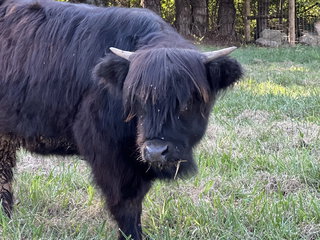
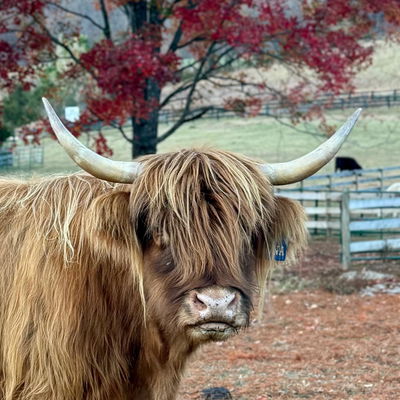
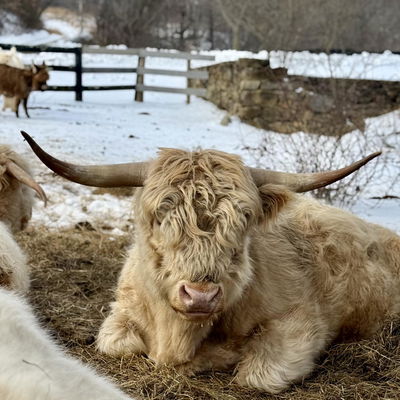
Factors that drive market value include breed and registration status, age, sex, proven genetics or production records, color (in breeds where rare colors command premiums), training or handling, and geographic demand. A registered highland cattle heifer in the Northeast will command a very different price than an unregistered commercial steer in Texas.
Seasonal timing matters too. Spring and fall are historically stronger for cattle sales. Poultry demand spikes before spring as people plan flocks. Holiday seasons drive interest in heritage pig breeds and pygmy goats as families look for homestead animals. Plan your breeding cycles around when demand peaks.
2. Present Animals at Their Best
Healthy, well-presented animals sell faster and for more money. This seems obvious, but the number of listings with blurry photos of muddy animals in cluttered pens says otherwise.
Health and Condition
Before listing any animal for sale, make sure it’s current on vaccinations, deworming, and hoof or foot care. Have a veterinarian conduct a pre-sale exam if you’re selling high-value breeding stock. Provide a Certificate of Veterinary Inspection (CVI, also called a health certificate) when required for interstate transport.
Body condition should be appropriate for the species and breed. An underweight animal raises questions about management. An obese one suggests metabolic problems down the road. Aim for the breed-appropriate sweet spot.
Photography and Video
For online sales, your photos ARE your first impression. Use natural light, shoot from multiple angles (front, side, rear, and a three-quarter view), and photograph the animal on level ground against a clean background. Include a reference for scale when selling breeds where size matters.
Video is even more valuable. A 30-second clip showing the animal walking, turning, and interacting with a handler tells buyers more than 10 photos. For horses, show them moving at all gaits. For breeding stock, show conformation from all angles.
3. Price Strategically
Pricing is where art meets data. Set your price too high and you’ll get no inquiries. Too low and buyers assume something is wrong.
Use a tiered approach:
- Registered breeding stock: Price based on pedigree quality, proven offspring, conformation, and breed demand. Check recent sale results from your breed association.
- Unregistered or companion animals: Price based on local market rates, age, temperament, and training. These buyers are often price-sensitive and shopping comparatively.
- Commercial livestock: Price per pound or per head based on current commodity markets. USDA market reports provide weekly benchmarks.
Build a small negotiation buffer into your asking price (10-15%), but be transparent about your pricing rationale. Buyers who understand why an animal is priced where it is are more likely to pay full price. A breeding pair of ADMS-registered miniature donkeys with strong pedigrees justifies a premium. A gelding without papers does not.
4. Write Listings That Answer Every Question
The best livestock listings anticipate what buyers want to know and answer it upfront. Every unanswered question is friction that slows down the sale.
A strong listing includes:
- Species, breed, and registration status (include registry and registration number)
- Date of birth and sex
- Height, weight, or other relevant measurements
- Color and markings
- Temperament description (honest, specific, not just “friendly”)
- Health history: vaccinations, deworming, genetic testing results
- Lineage/pedigree highlights for registered animals
- What the animal has been used for (breeding, show, companion, production)
- Training level and handling experience
- Reason for selling (buyers always wonder, so just say it)
- Price and whether it’s firm or negotiable
- Location and transportation options
Creatures Marketplace listings support all of this information in a structured format, making it easy for buyers to find and compare animals. The platform also supports photo galleries and video uploads.
5. Choose the Right Sales Channels
Different animals sell best through different channels. Use the right combination for your situation.
Online Marketplaces
Online platforms like Creatures offer the widest reach and are increasingly where serious buyers start their search. The advantages include 24/7 visibility, breed-specific search filters, and the ability to reach buyers across the country. Best for registered breeding stock, companion animals, and any animal where you want to reach beyond your local market.
Livestock Auctions
Traditional auctions work well for commercial livestock, volume sales, and situations where you need to sell on a specific date. The downsides are auction fees (typically 3-8% commission), less control over pricing, and the stress of transport and handling on sale day. Breed-specific consignment sales through organizations like national breed associations can command strong prices for registered stock.
Social Media
Facebook groups, Instagram, and breed-specific forums are excellent for building awareness and generating inquiries, but they lack buyer protection, transaction infrastructure, and search functionality. Use social media to drive traffic to your formal listings, not as your primary sales platform.
Word of Mouth and Breeder Networks
For high-value breeding stock, reputation and referrals within the breed community often drive the best sales. Attend livestock shows, join breed associations, and maintain a breeder directory listing so buyers can find you.
6. Negotiate Professionally and Close the Deal
Negotiation is a normal part of livestock sales, but it doesn’t have to be adversarial.
Respond to inquiries promptly (within 24 hours, ideally within a few hours). Buyers who are ready to purchase often contact multiple sellers simultaneously. The first seller to respond with helpful, detailed information has a significant advantage.
When a buyer makes an offer below your asking price, respond with the reasoning behind your price rather than just countering with a number. “This jennet is priced at $3,500 because she’s ADMS-registered, has a proven production record with three healthy foals, and comes from a lineage that consistently produces 32-inch animals” is more persuasive than “I can do $3,200.”
Consider offering value-adds instead of price reductions: including delivery within a certain radius, providing a starter supply of feed, or offering ongoing support and mentorship for first-time buyers.
7. Handle Legal and Regulatory Requirements
Livestock sales involve real legal obligations. Cutting corners here can result in fines, lawsuits, or damaged reputation.
Health Certificates and Interstate Transport
Most states require a CVI (Certificate of Veterinary Inspection) for livestock crossing state lines. This must be issued by a USDA-accredited veterinarian within 30 days of transport (varies by state). Some states require additional testing for specific diseases (brucellosis, tuberculosis, EIA for horses).
Registration and Transfer
For registered animals, complete the transfer paperwork with the breed registry at the time of sale. Include a signed bill of sale with the animal’s identification (registration number, microchip, brand, or ear tag), sale price, date, and contact information for both parties.
Animal Welfare Compliance
Ensure all animals are transported humanely in appropriately sized, ventilated vehicles with access to water. Follow USDA and state regulations for animal welfare during transport. Failure to comply can result in penalties and permanently damage your reputation in the breeding community.
Start Selling on Creatures
The livestock market has moved online, and sellers who adapt are the ones building sustainable businesses. Creatures Marketplace connects breeders and sellers with verified buyers across the country, with breed-specific search, health record integration, and secure transactions.
List your operation in the Breeder Directory to build your online presence, and create your first listing to start reaching buyers today.
Start Selling on Creatures
Creatures makes it easy to go from managing your animals to listing them for sale, all in one place.
- Add your animals first: Create animal profiles with photos, breed information, and registration details.
- Build credibility with records: Log health records, vaccinations, and breeding history. Buyers trust sellers who provide documented care histories.
- List for sale: Once your animal has a profile, list it on the Creatures Marketplace with verified records attached.
- Get found by buyers: Join the Breeder Directory so buyers can find you by species, breed, and location.
Frequently Asked Questions
What is the best online marketplace to sell livestock?
The best platform depends on what you’re selling. For registered breeding stock, companion animals, and specialty breeds, Creatures offers breed-specific search filters, verified buyers, and secure transactions. For commodity livestock sold by weight, traditional auction barns and USDA-regulated markets may be more appropriate.
How do I know if I’m getting a fair price for my livestock?
Research recent sale results from breed association auctions, completed listings on online marketplaces, and USDA market reports for commercial livestock. Prices vary significantly by region, season, registration status, and individual animal quality. Getting a fair price starts with understanding what comparable animals actually sell for.
What documents do I need when selling livestock?
At minimum, you need a bill of sale and health records. For interstate transport, a Certificate of Veterinary Inspection (CVI) from a USDA-accredited veterinarian is typically required. Registered animals should include transfer paperwork for the appropriate breed registry. Some states require additional documentation for specific species.
How do I protect myself from scams when selling livestock online?
Use platforms with buyer verification and secure payment processing. Never ship an animal before payment has fully cleared. Be cautious of buyers who want to pay by wire transfer, money order, or cryptocurrency. Request a deposit to confirm serious intent, and keep written records of all communications. Read our guide on livestock fraud prevention for detailed strategies. For real auction data and pricing trends, follow our Small Cows, Big News newsletter.