



The Highland Cow: A Unique Breed from Scotland
Author: Elliott Garber, DVM
Origins of the Highland Breed
Highland cattle are one of the oldest registered cattle breeds in the world, with roots stretching back centuries in the Scottish Highlands and western islands. The breed evolved in some of Britain’s harshest terrain, where bitter winds, heavy rainfall, and sparse vegetation shaped an animal built for survival. While the exact timeline of their development is debated, highland cattle were well established as a distinct type long before formal record-keeping began.
The Highland Cattle Herd Book, established in 1884 by the Highland Cattle Society of Scotland, is one of the oldest breed registries in existence. That early documentation recorded two distinct types within the breed. The Kyloe, raised on the western islands and coastal Highlands, tended to be smaller, hardier, and predominantly black in color. The mainland type was typically larger, with red or dun coats. Over time, crossbreeding between these two populations produced the modern highland we recognize today, though the red coat color has become the most common.
For centuries, highland cattle were the economic backbone of remote Scottish communities. They were regularly driven on foot to markets in the Lowlands and England along established drove roads, journeys that could cover hundreds of miles and take weeks. These cattle drives were a major feature of Scottish rural life from the medieval period through the 18th century. The breed’s ability to walk long distances on rough terrain while maintaining body condition made them ideal for this purpose.
Physical Characteristics
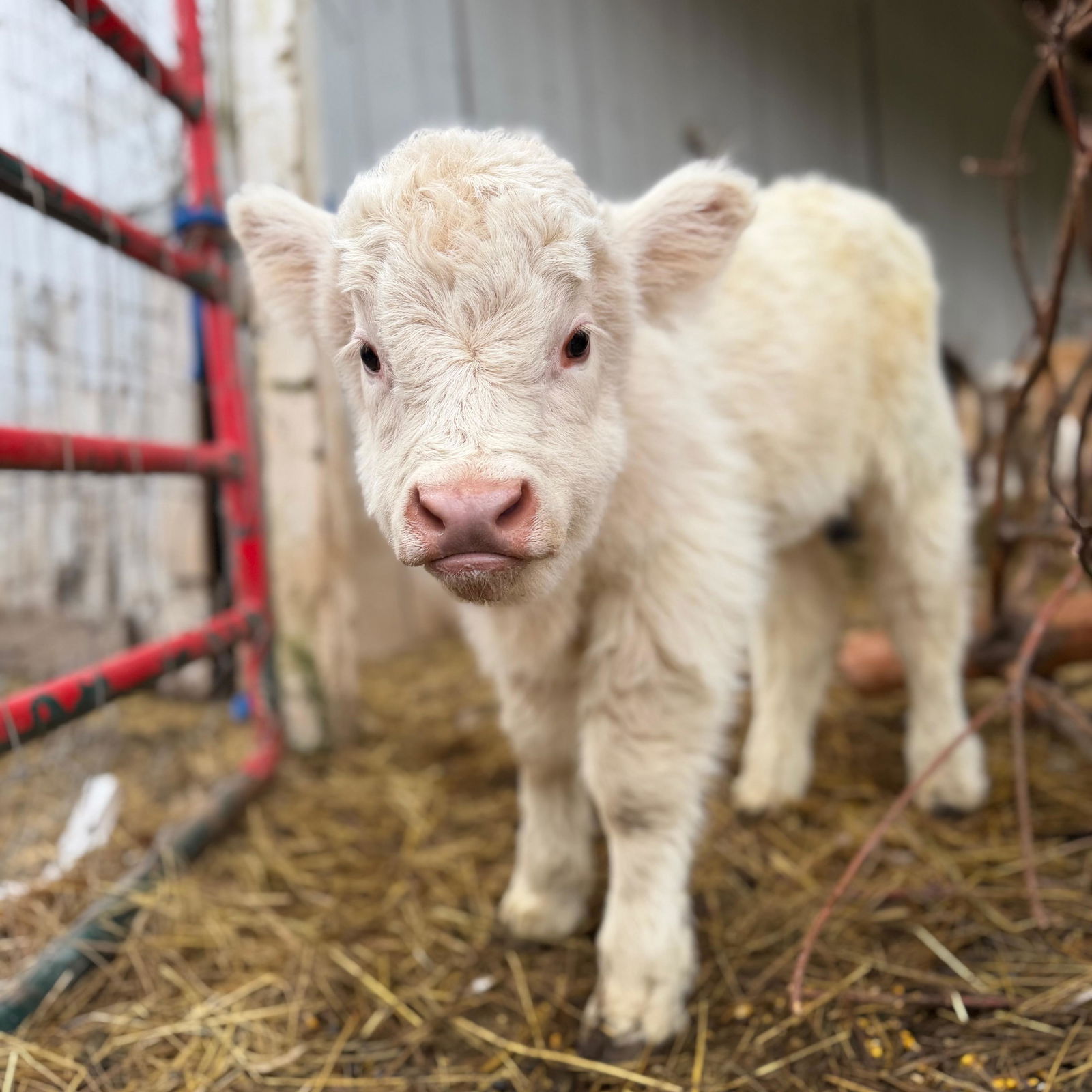
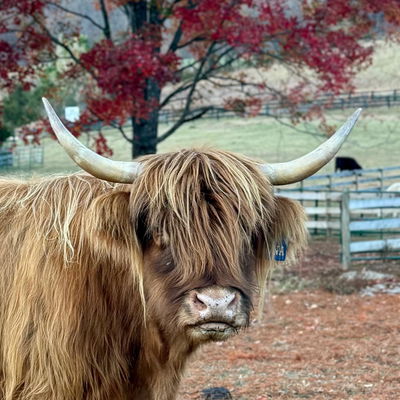
The highland’s appearance is unmistakable. A thick, flowing coat (the long fringe over the eyes is called a “dossan”), wide sweeping horns, and a sturdy, compact frame set them apart from every other cattle breed. These features are not cosmetic. Each one serves a functional purpose shaped by centuries of natural and selective pressure.
The Double Coat
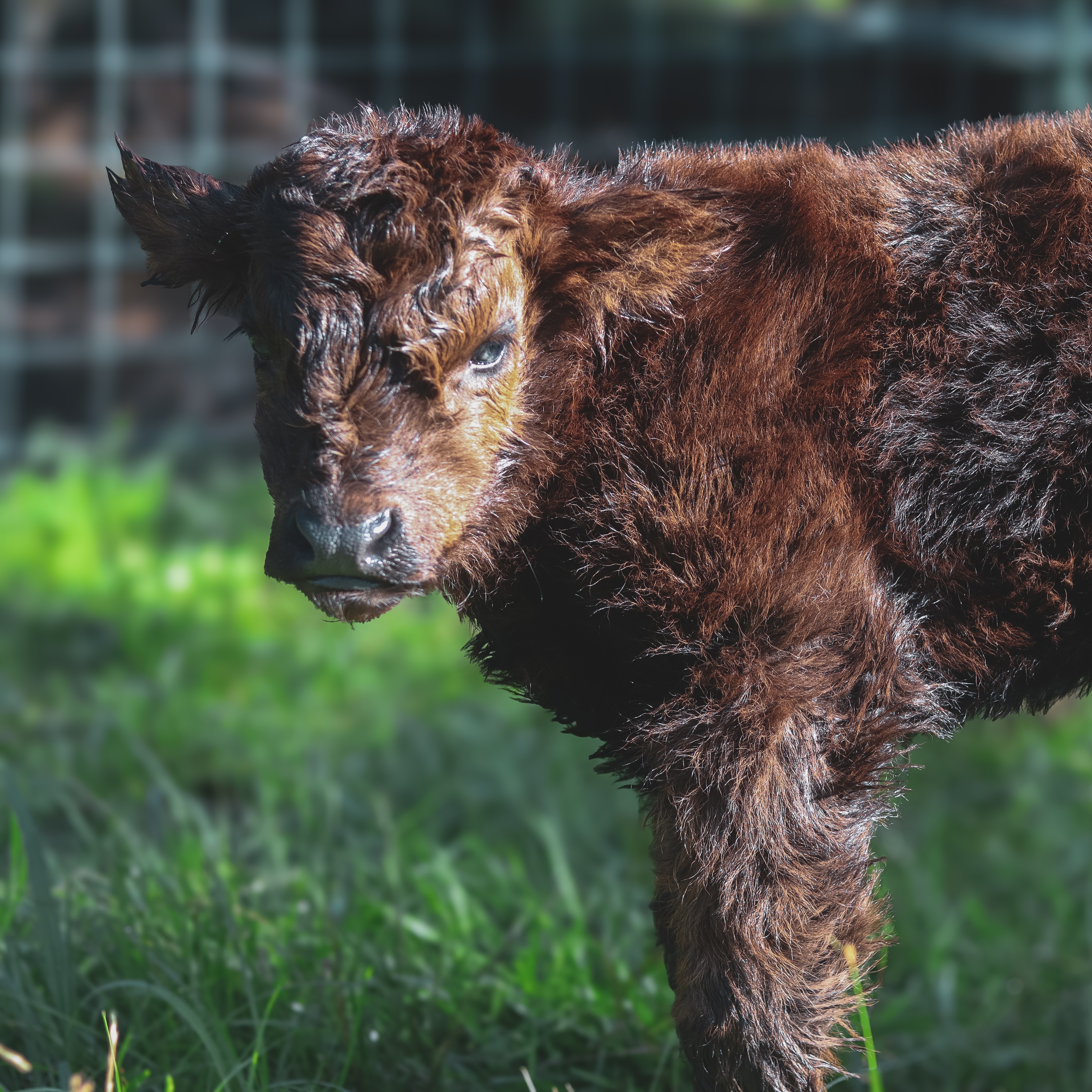
Highland cattle carry a double coat that functions as a natural weather system. The outer layer consists of long, oily guard hairs that shed rain and snow, keeping moisture away from the skin. Beneath this sits a dense, soft undercoat that traps warm air against the body, providing insulation comparable to what other cattle breeds achieve only through a thick layer of subcutaneous fat. This distinction matters: because highlands rely on hair rather than fat for warmth, their meat is naturally leaner than that of most beef breeds.
In warmer months, highlands shed much of their undercoat, which helps them adapt to a wider range of climates than many people expect. While they are associated with cold, wet environments, highland cattle are raised successfully across the United States, Australia, and continental Europe. The coat does require some management. Regular observation for external parasites and occasional grooming, particularly around the face and eyes, keeps the hair functional and the animal comfortable.
Horns
Both bulls and cows grow horns, though their shape differs between the sexes. Cows typically develop longer, more upswept horns with a graceful curve. Bulls carry shorter, thicker horns that angle more forward and horizontal. Highland horns serve practical purposes in their native environment: foraging through snow to reach buried vegetation, clearing brush, and establishing herd hierarchy. In managed settings, the horns demand respect and thoughtful handling infrastructure. Chutes, gates, and feeders need to accommodate horn spread, and handlers should understand how highlands use their horns when stressed or crowded.
Size and Build
Standard highland cows typically stand 42 to 48 inches at the hip, with mature cows weighing 900 to 1,300 pounds and bulls reaching 1,500 to 1,800 pounds. Their build is compact and well-muscled, with strong legs and hard, dark hooves suited to rocky, uneven ground. Miniature highland cattle, defined by the Miniature Highland Cattle Society as under 42 inches at the hip at three years of age, have become increasingly popular for small acreage and hobby farms. Terms like “teacup” or “micro mini” are marketing labels rather than recognized breed categories, and buyers should understand what they are actually purchasing.
Recognized Coat Colors
Highland cattle come in a range of recognized colors, each with a long history within the breed. Red is by far the most common today and the color most people picture when they think of the breed. Black was historically more prevalent, particularly among the island Kyloe type, and remains well represented. Other recognized colors include yellow (a warm golden tone), dun (a muted brownish-gray), white, brindle (a striped pattern mixing dark and light), and silver. Color preferences have shifted over the centuries. Queen Victoria reportedly expressed a preference for the red color during a visit to the Highlands, and some breed historians credit this with tipping the population toward the red coats we see dominating show rings and pastures today.
Hardy Nature and Foraging Ability
The highland’s reputation for hardiness is not exaggerated. These cattle thrive in conditions that would stress or harm less adapted breeds: high altitude, heavy rainfall, persistent wind, poor-quality forage, and limited shelter. Their cold tolerance is exceptional, and they generally need only basic windbreaks rather than enclosed barns, even through harsh winters.
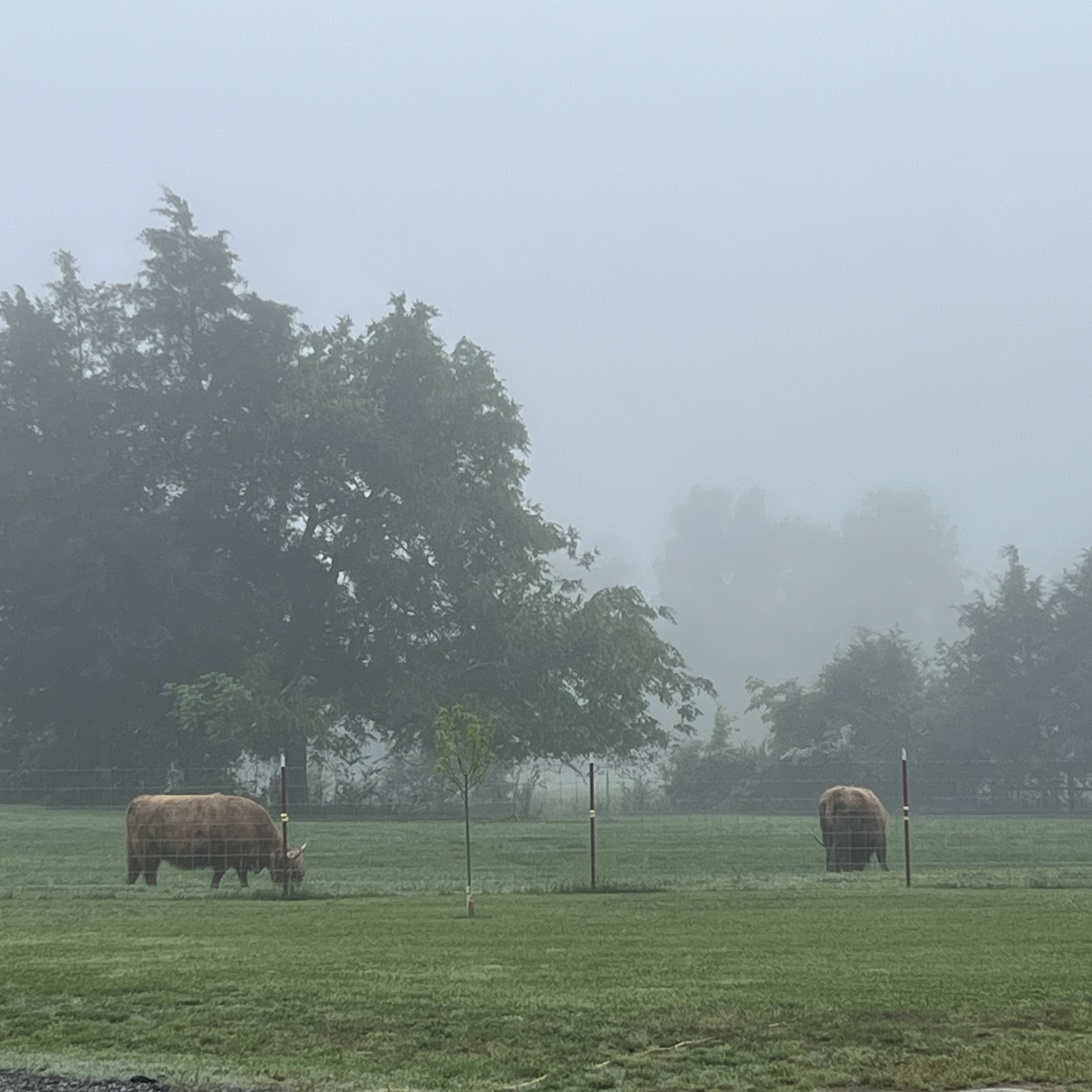
What makes highlands particularly valuable for land managers is their foraging behavior. Unlike most cattle breeds that are primarily grazers, highlands are both browsers and grazers. They will eat coarse grasses, sedges, rushes, heather, brambles, and woody browse that other cattle ignore. This versatility means they can maintain good body condition on rough ground without supplemental feed for much of the year, and it makes them outstanding conservation grazers for managing overgrown or ecologically sensitive land.
Their efficient feed conversion translates directly to lower operating costs for producers. Highland cattle typically require less purchased feed, fewer veterinary interventions, and simpler infrastructure than mainstream beef breeds. For small farms and homesteads, this economic advantage is significant.
Temperament
Highland cattle are widely regarded as docile and manageable, particularly when handled regularly from a young age. Cows are attentive, protective mothers with strong maternal instincts and excellent calving ease. Small calf size at birth, combined with the breed’s wide pelvic structure, means unassisted births are the norm rather than the exception. This is a major practical advantage, especially for operations without round-the-clock calving supervision.
Their calm disposition has made highlands a favorite for agritourism operations and small farms where animals and people interact frequently. That said, any horned animal requires informed handling. Understanding highland behavior and body language is essential for safe, low-stress management.
Highland Cattle in the United States
Highland cattle first arrived in North America in the late 1800s, and the American Highland Cattle Association (AHCA) was established in 1948 to maintain breed records and promote the breed in the U.S. Today, highlands are found across all 50 states, with strong concentrations in the Pacific Northwest, Upper Midwest, and Northeast, regions where their cold tolerance and foraging ability align well with local conditions.
The breed’s popularity has surged in recent years, driven by growing interest in small-scale farming, sustainable agriculture, and the simple appeal of owning one of the world’s most photogenic cattle breeds. Prices reflect this demand. Miniature highland calves typically sell for $3,000 to $8,000 or more, while proven breeding cows can command $5,000 to $15,000 and up depending on genetics, registration, and size. If you are looking to add highlands to your property, browse highland cattle for sale on Creatures or connect with established highland cattle breeders in our directory.
Whether raised for beef production, conservation grazing, breeding stock, or simply the pleasure of keeping a beautiful, historically significant breed, highland cattle reward their owners with resilience, low maintenance costs, and a temperament that makes daily management a genuine pleasure. Few breeds combine practical utility and visual impact quite like the highland. For a deeper look at what makes these animals tick, explore our complete highland cattle breed guide.