Chartreux
A Chartreux is a substantial French cat with a blue coat, warm-colored eyes and a reputation for quiet companionship. Quiet does not mean inactive, invisible or willing to be ignored. The useful distinction is between a cat that communicates softly and a household that makes space to notice it.
Start your search in the Creatures breeder directory, then ask about the particular cat’s play, routines and handling. Those conversations are more revealing than a promise that every Chartreux will have the same easygoing personality. You can also save a Chartreux listing alert to get an email when a matching animal is listed.

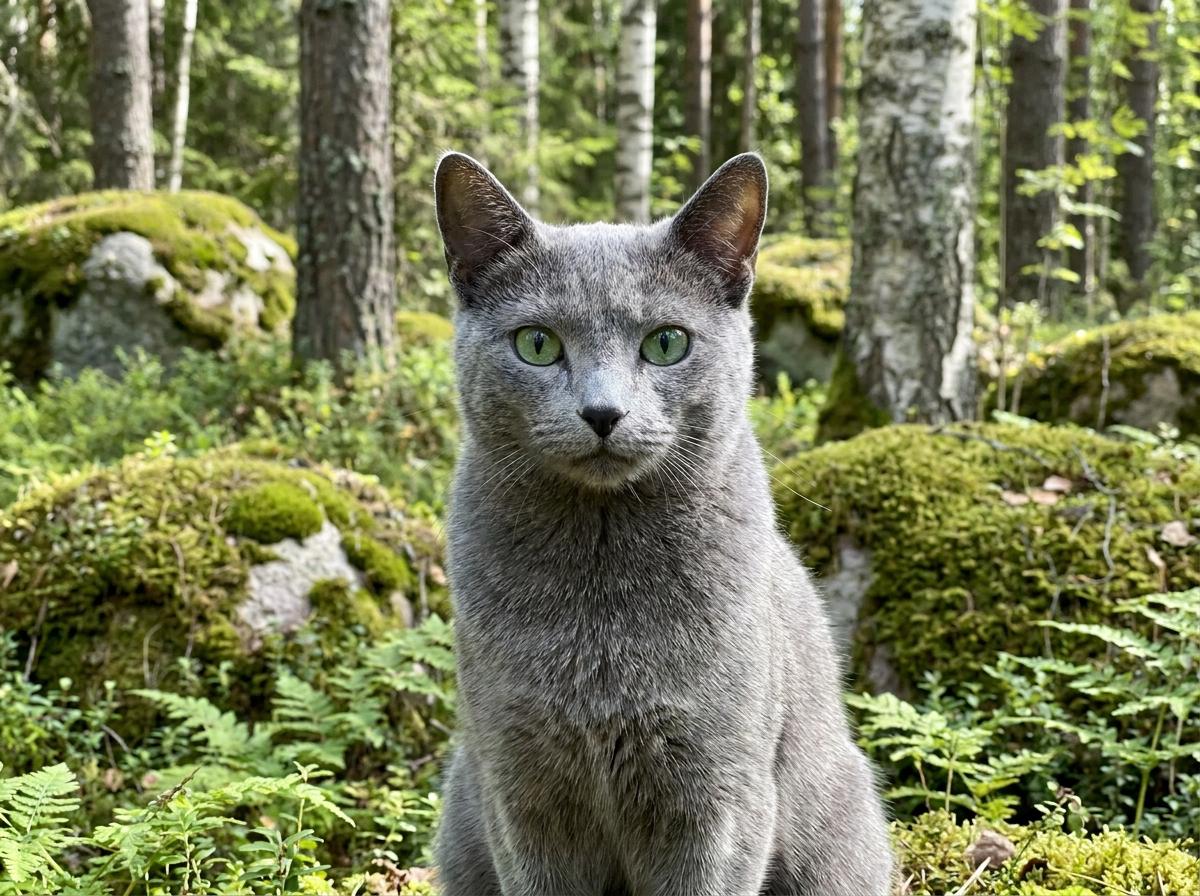
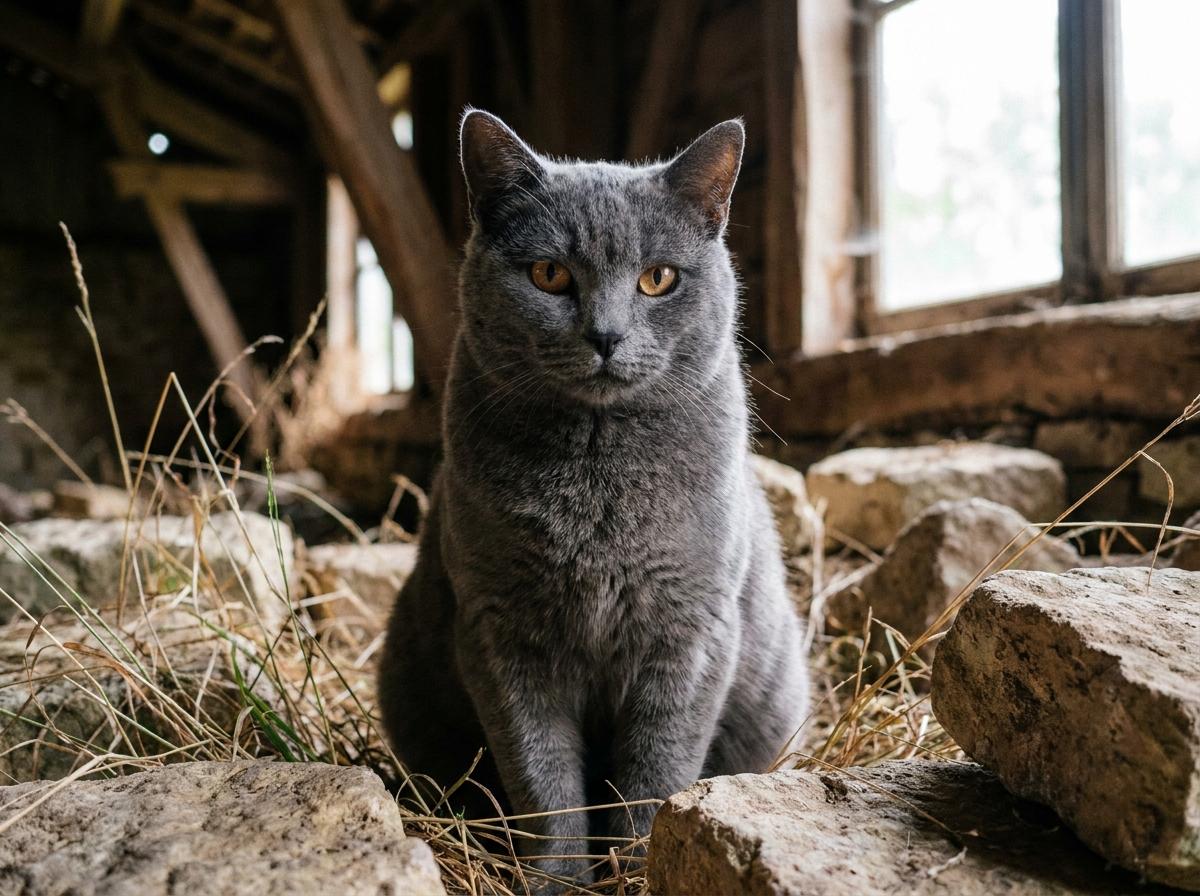
AI-generated illustration.
| Origin | France; selective breeding from the 1920s |
|---|---|
| Coat | Blue only, with a woolly undercoat |
| Eyes | Gold to copper |
| Build | Powerful body, fine legs and tapered muzzle |
| Maturity | About 3 to 5 years; males can reach 14 lb |
| Health question | Veterinary patella assessment |
Browse listings, public profiles, breeders, or add your animal.
The blue cat of France
The CFA Chartreux profile describes a powerful French cat with relatively fine legs, gold-to-copper eyes and a rounded head that narrows to a small muzzle. Selective breeding began in the 1920s from French blue-cat colonies; the breed reached North America in 1970. The silent-monastery story is a legend, not a documented explanation of temperament.
CFA puts maturity at three to five years, with males sometimes reaching 14 pounds and females smaller. These are descriptive figures, not a feeding target. Ask to see mature relatives when considering a kitten, and judge body condition with your veterinarian rather than encouraging a young cat to reach an adult’s weight early.
The British Shorthair is a useful comparison for a blue-cat shortlist. A Chartreux has a tapering muzzle and comparatively fine limbs, rather than a uniformly round, heavy outline. Color alone proves neither breed. Preserve uncertain ancestry honestly when adopting a cat without papers.
North American breeders often follow a French year-letter naming tradition, omitting K, Q, W, X, Y and Z. Ask the breeder which initial applies before registering a kitten. The free cat name generator can suggest a call name, while the free cat pedigree chart maker helps keep that name connected to the registered parents.
What quiet companionship looks like at home
Do not make volume the measure of attachment. Observe whether the cat chooses to sit nearby, approaches for contact, brings a toy or follows a familiar routine. Give a new cat time to show those preferences. The behavior seen during a single busy visit may be very different from an ordinary evening.
Ask the current keeper how they know the cat wants something. A useful answer might describe the animal waiting at a play area or approaching at meal time. Then ask what happens when the household routine changes. You are learning the cat’s communication, not testing whether it performs a breed description on demand.
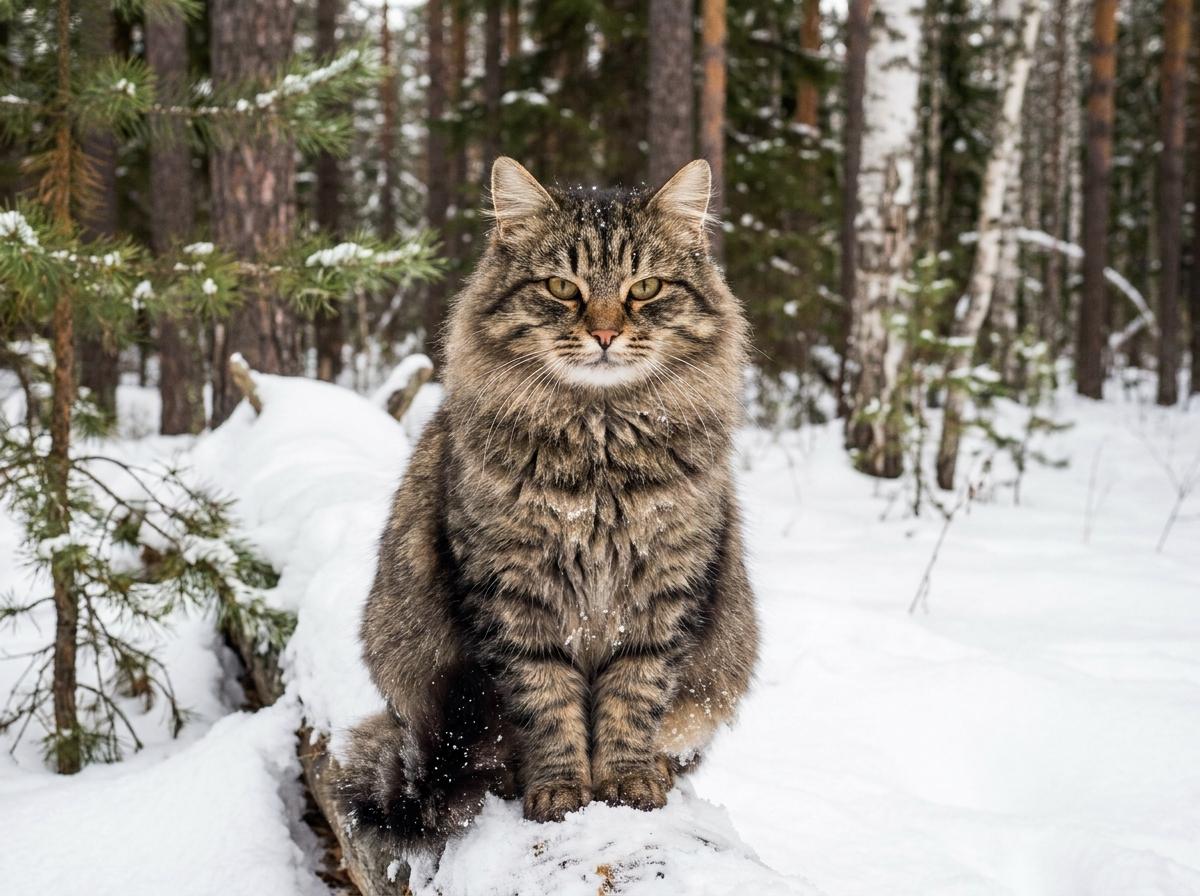
A dense coat can also lead buyers to compare the Siberian. Its longer seasonal coat asks for a different grooming routine; compare adult coats in person rather than choosing from blue or tabby photographs.

AI-generated illustration.
Set up a home where subtle changes are visible
Think through access before the cat arrives. Can it reach its resting place without crossing a dog’s bed? Can it use litter equipment without being cornered by another cat? Is there a retreat where visitors will leave it alone? These are useful planning questions even for an animal described as adaptable.
Create a simple baseline note from the keeper’s account: usual meals, preferred litter, typical activity and places it likes to rest. Add your own observations after the cat settles. A baseline makes a later change easier to explain accurately.
“Quiet breed” should never become a reason to overlook discomfort. Cornell’s dental disease guidance explains that dental conditions can be painful and affect eating. Difficulty eating, a changed mouth odor or a change in behavior deserves a veterinary conversation, not an assumption that the cat is simply reserved.
A practical approach to the woolly coat
The short coat has a woolly underlayer, so shorthaired does not mean shed-free. CFA describes heavier seasonal shedding in spring and fall and suggests a wide-spaced metal comb. Ask the keeper to demonstrate how the comb reaches through the coat without pulling, then adjust the routine when loose hair increases. CFA also advises against choosing a Chartreux if you have cat allergies, citing its dense woolly undercoat. Discuss your allergy with an allergist before committing.
Keep sessions comfortable and check what is happening underneath the topcoat. Most Chartreux do not need routine baths; if bathing is necessary, ask for advice because the coat resists wetting. Stop and get help with painful skin or a close mat instead of forcing the comb through it.
The same CFA account identifies patellar luxation, a kneecap disorder, in some Chartreux. Ask whether the cat and breeding parents have had their knees assessed by a veterinarian and request any findings. A quiet cat should still move comfortably. Changed jumping, limping or reluctance to be handled deserves veterinary attention rather than a personality explanation.
Adult weight gain is another reason to distinguish the naturally muscular build from excess body fat. Agree on feeding and body-condition checks with your veterinarian, especially as activity changes with age.
How to compare breeders and adult placements
Ask about the cat’s household experience in concrete terms. Has it lived with dogs? What happens when unfamiliar people visit? How has it handled travel? If it has lived with children, ask what those interactions actually involved. An adult’s known history can be especially helpful when you have a specific home situation to match.
For a kitten, ask how the breeder introduces ordinary household experiences and how they decide a kitten is ready for placement. Request the veterinary records and registration information available before you commit. For an adult, ask why it is being placed and whether there are established routines you should preserve.
A useful seller conversation includes reasons a particular placement might not suit. Be cautious when every kitten is described as perfect for every home. You should be able to discuss your circumstances without being pushed toward a deposit before the questions are answered.
Price, availability and paperwork
There is no single quote that represents every Chartreux placement. Ask for a dated written price, what it includes and any separate transport or registration costs. If the seller offers a waiting list, ask what the payment reserves and what happens if no suitable cat becomes available.
Use the cat cost guide to organize the continuing costs. A quieter animal still needs veterinary care, food, litter, enrichment and care during your absence. Build the budget around those obligations instead of assuming a calm reputation means a cheap pet.

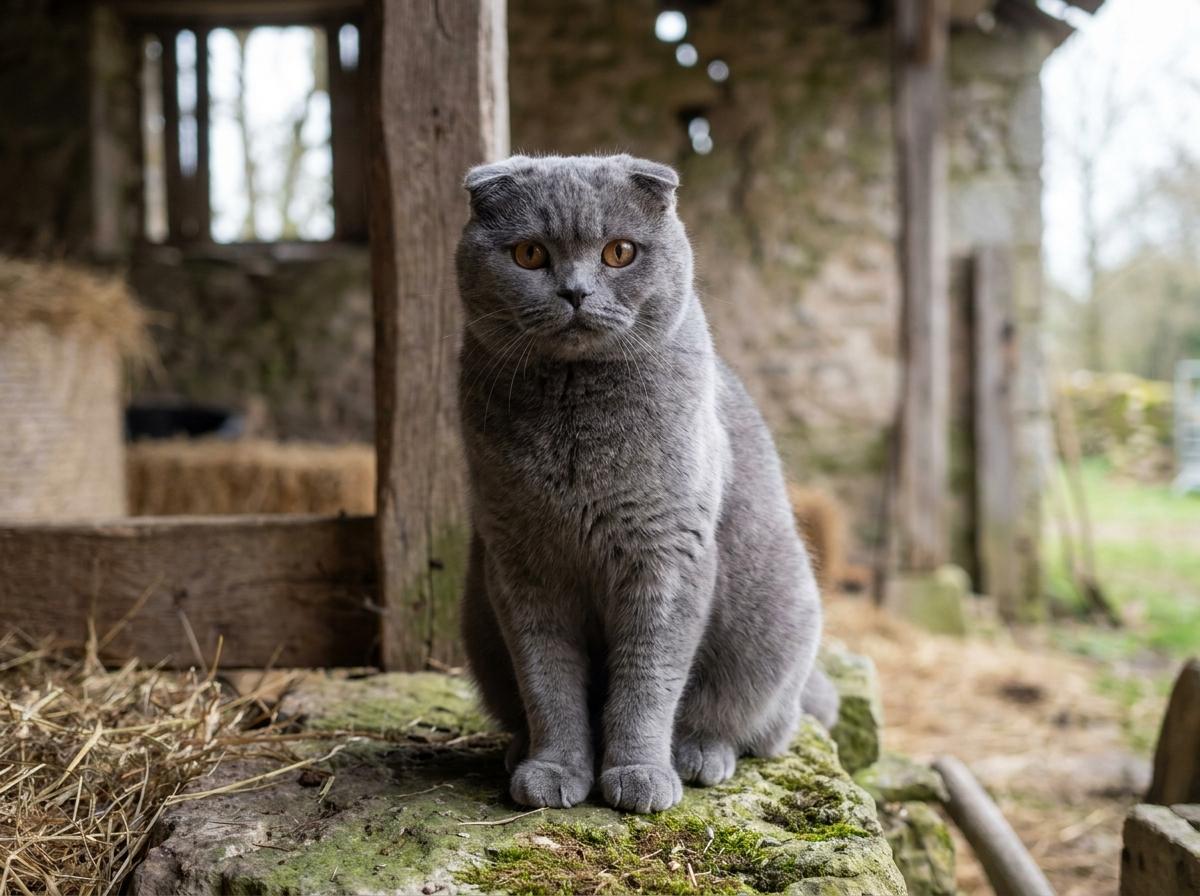
AI-generated illustration.
Keep records that help the next carer
A knee assessment and a vaccination record answer different questions. Review both at handover; the kitten vaccination guide explains how to prepare the latter for your clinic.
Separate what is documented from what was reported. Save the pedigree and veterinary paperwork as originals. Put a seller’s verbal description in a note attributed to that person. When something is your own observation, date it and say what happened.
A useful care note might say that the cat approaches the brush after dinner and leaves after its shoulders are combed. A less useful one says that Chartreux “love grooming.” The first can guide another person; the second generalizes past the animal in front of you.
For a broader comparison of home needs and ownership choices, return to the cat hub. If your priority is a particular temperament, remain open to an adult whose documented behavior matches your home, even if its appearance differs from your first shortlist.
Chartreux questions
Are all gray cats Chartreux?
No. Blue is a coat color, not proof of ancestry. A breed claim should be supported by pedigree or other reliable history.
Are Chartreux silent?
Many are described as quiet, but silence is not a guarantee. Learn the individual’s usual behavior and take unexplained changes seriously.
Is the monastery story established history?
CFA presents it as legend. It should not be used as a factual explanation of breed development or temperament.
Is an adult worth considering?
Yes. An adult can offer clearer information about established habits and handling, provided the keeper shares that history honestly.
Do this next on Creatures
Still looking? Get an alert when a Chartreux is listed, browse Chartreux breeders, or check current Chartreux listings. The Help Center explains saved searches and email alerts.
Already caring for one? Add a record when you have a dated document or useful observation. The form opens for visitors; a free account is needed to save. The Help Center explains adding an animal and adding a record.
Breeders and organizations can create an organization profile for their work. The organization and team guide explains the setup.