

British Shorthair
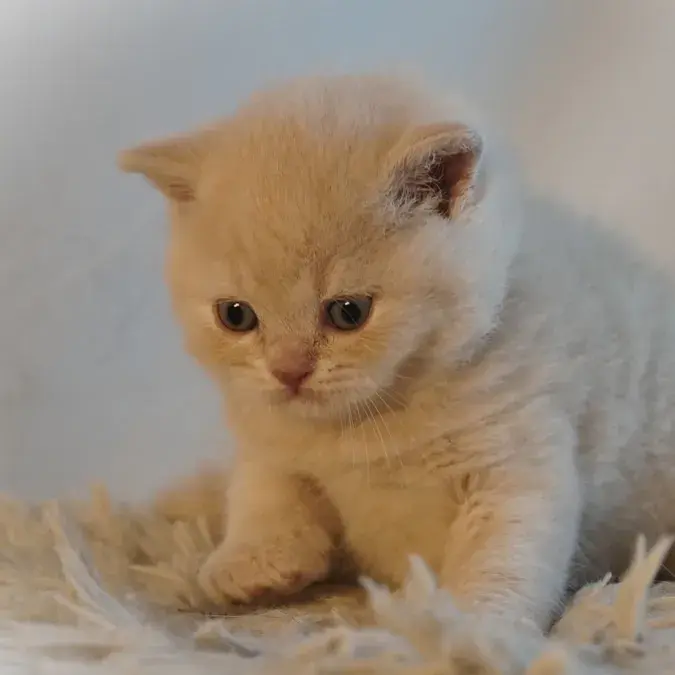
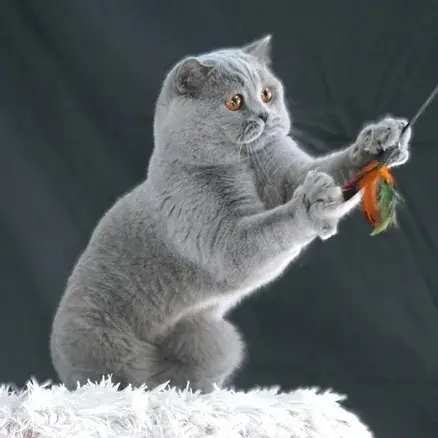
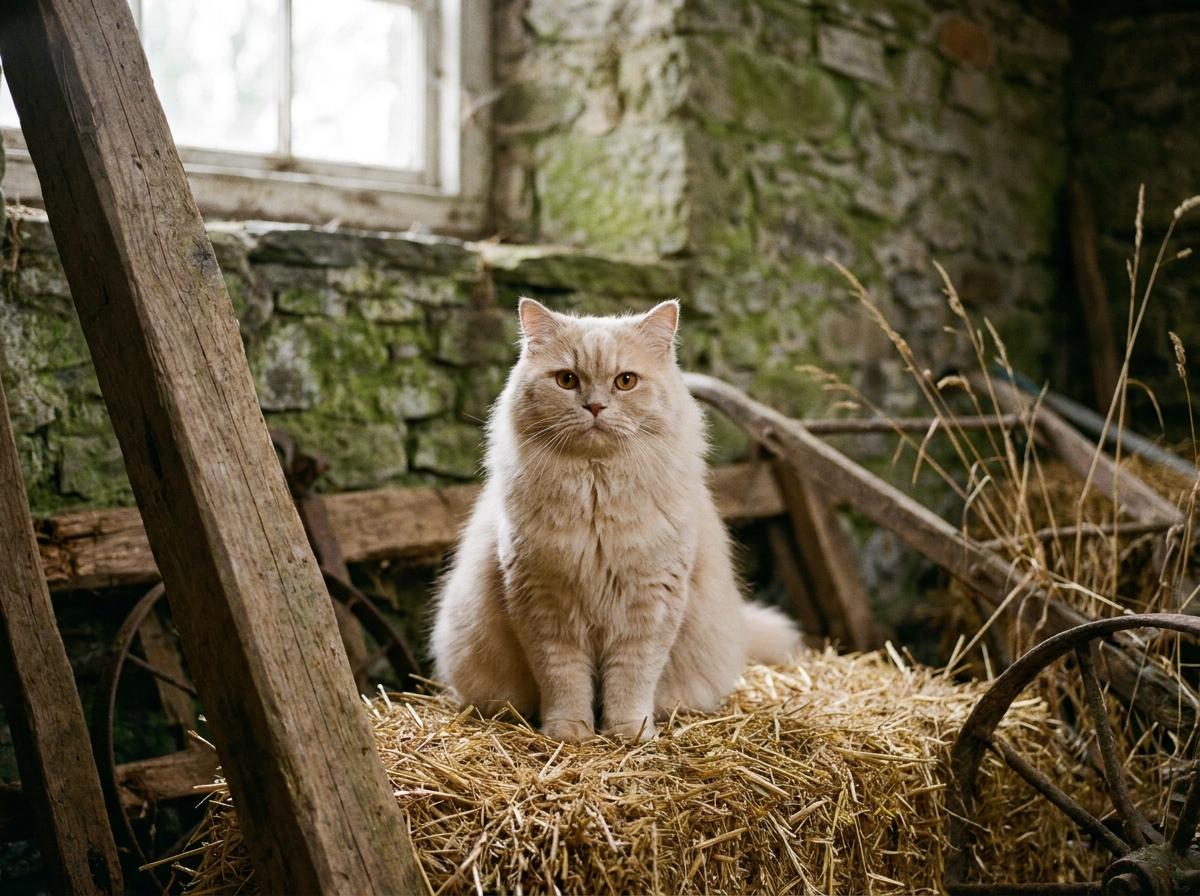
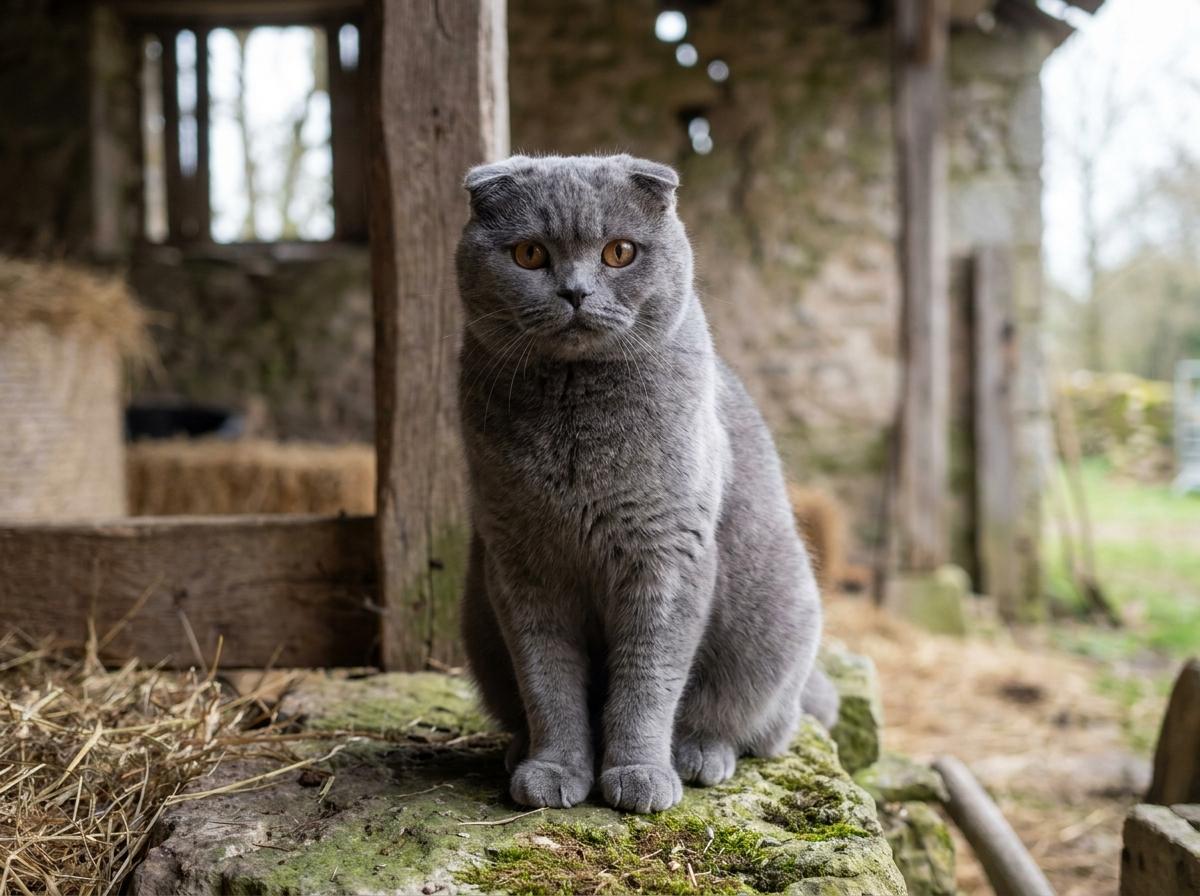
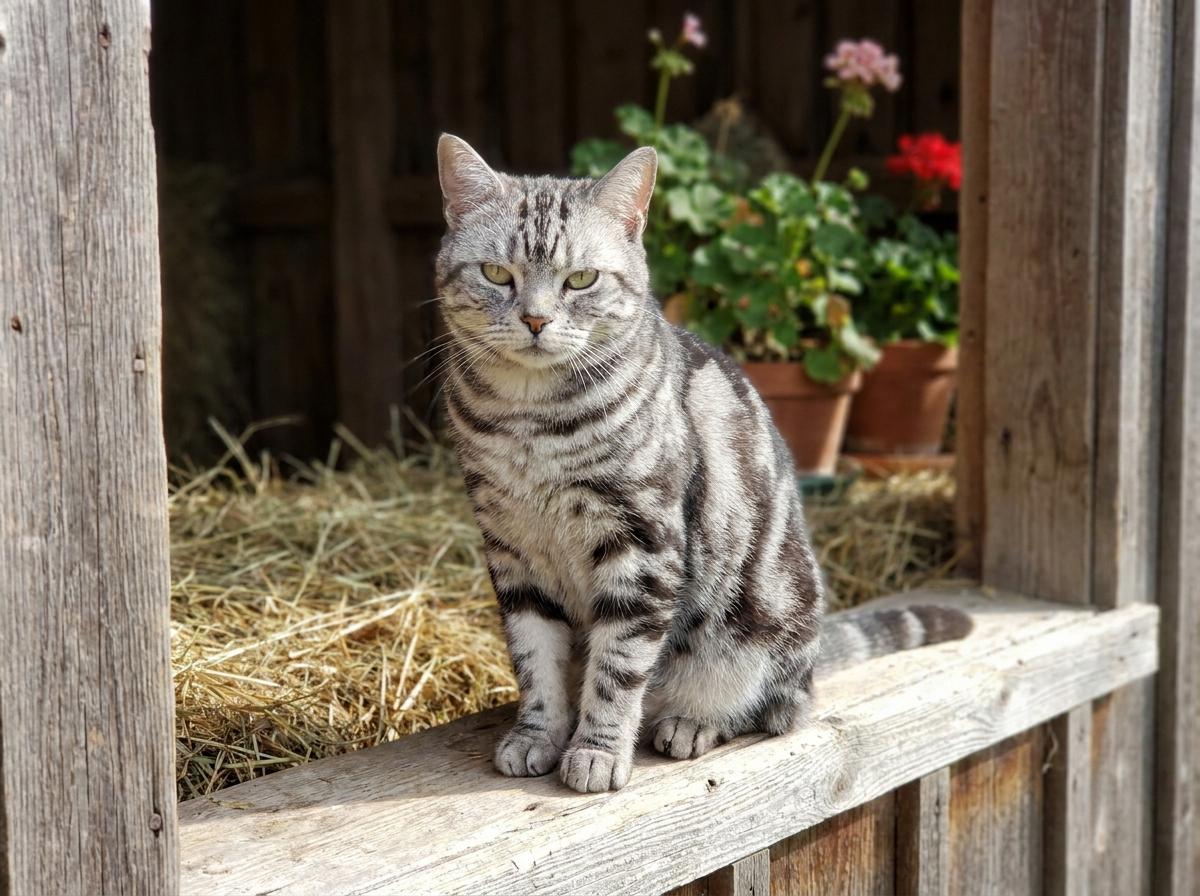
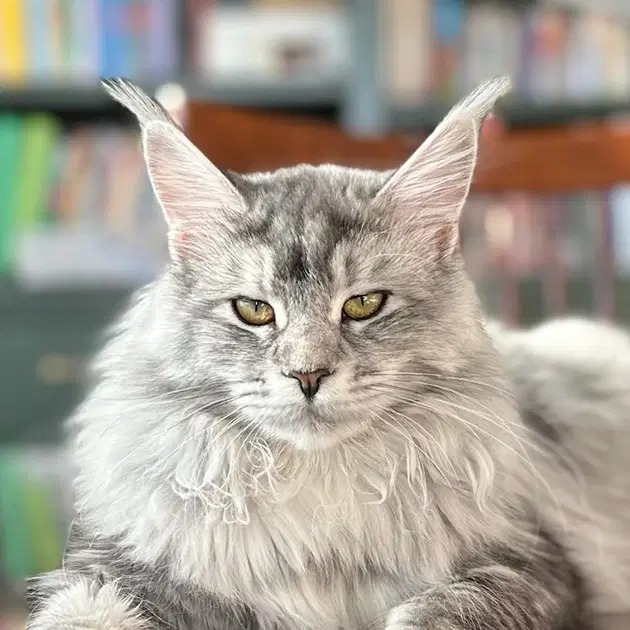
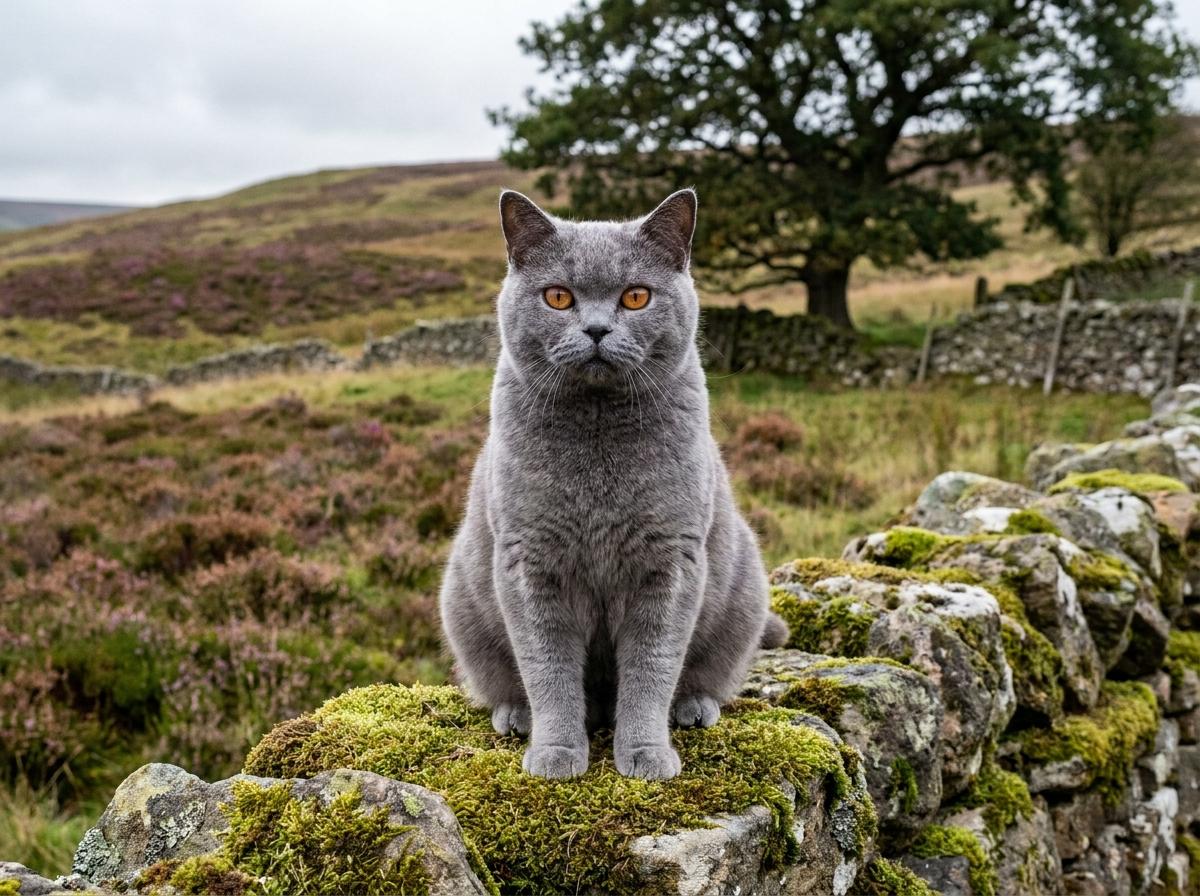
The British Shorthair is Britain’s own pedigree shorthair: a compact, heavily built cat with a round head, full cheeks, small wide-set ears, big round eyes, and a coat so dense it feels more like plush upholstery than fur. The blue version, with copper or deep gold eyes, is the one most people picture (so much so that “British Blue” is used as a name for the whole breed), but the major registries accept it in dozens of colors and patterns. Temperamentally it is known as a calm, undemanding companion. It matures slowly, puts on weight easily, and has two health issues every buyer should ask about: hypertrophic cardiomyopathy (HCM) and polycystic kidney disease (PKD).
This guide covers where the breed came from, what the CFA, GCCF, and TICA standards actually ask for, the colors, the health screening that separates a careful breeder from a careless one, and what to check before you buy. If you are still comparing cats, the Creatures cat species page sets the breeds side by side, and if you already know this is your breed, you can find British Shorthair breeders on Creatures while you read.

| Origin | Great Britain; developed from British street and farm cats into a show breed from the 1870s |
|---|---|
| Registries | Recognized by the GCCF (UK), the CFA (championship since 1980), and TICA |
| Build | Compact, powerful, and broad-chested on short to medium legs; females noticeably smaller than males |
| Coat | Short, very dense, and crisp to the touch, standing away from the body rather than lying flat |
| Colors | Blue is the classic; self, tabby, tipped, smoke, tortoiseshell, and bicolor are all standard, and pointed colors are accepted by the GCCF and TICA but not the CFA |
| Maturity | Takes a full 3 to 5 years to reach adult development, per the CFA and GCCF standards |
| Health checks to ask about | Echocardiogram screening for HCM, a PKD1 DNA test, and blood typing in breeding cats |
| Kitten age | GCCF rules: not before 13 weeks; the CFA advises at least 12 weeks and ideally 16 |
Browse listings, public profiles, breeders, or add your animal.
What is a British Shorthair?
A British Shorthair is a pedigree breed, not simply a gray cat from Britain. The Governing Council of the Cat Fancy (GCCF), the UK’s main registry, describes the breed’s ancestor as the ordinary non-pedigree shorthair of Britain, which probably descends from European domestic cats brought over by the Romans. What turned those working cats into a breed was the Victorian cat fancy: selective breeding for a particular type (round, solid, and dense-coated), written standards, and pedigree records.
The breed’s closest relative is the British Longhair, which is the same cat in a semi-long coat. The GCCF treats the two as varieties of one breed it simply calls the “British,” while TICA judges them under a single British breed group standard with separate names. In everyday use, “British Shorthair” means the short-coated cat, and that is the subject of this guide.
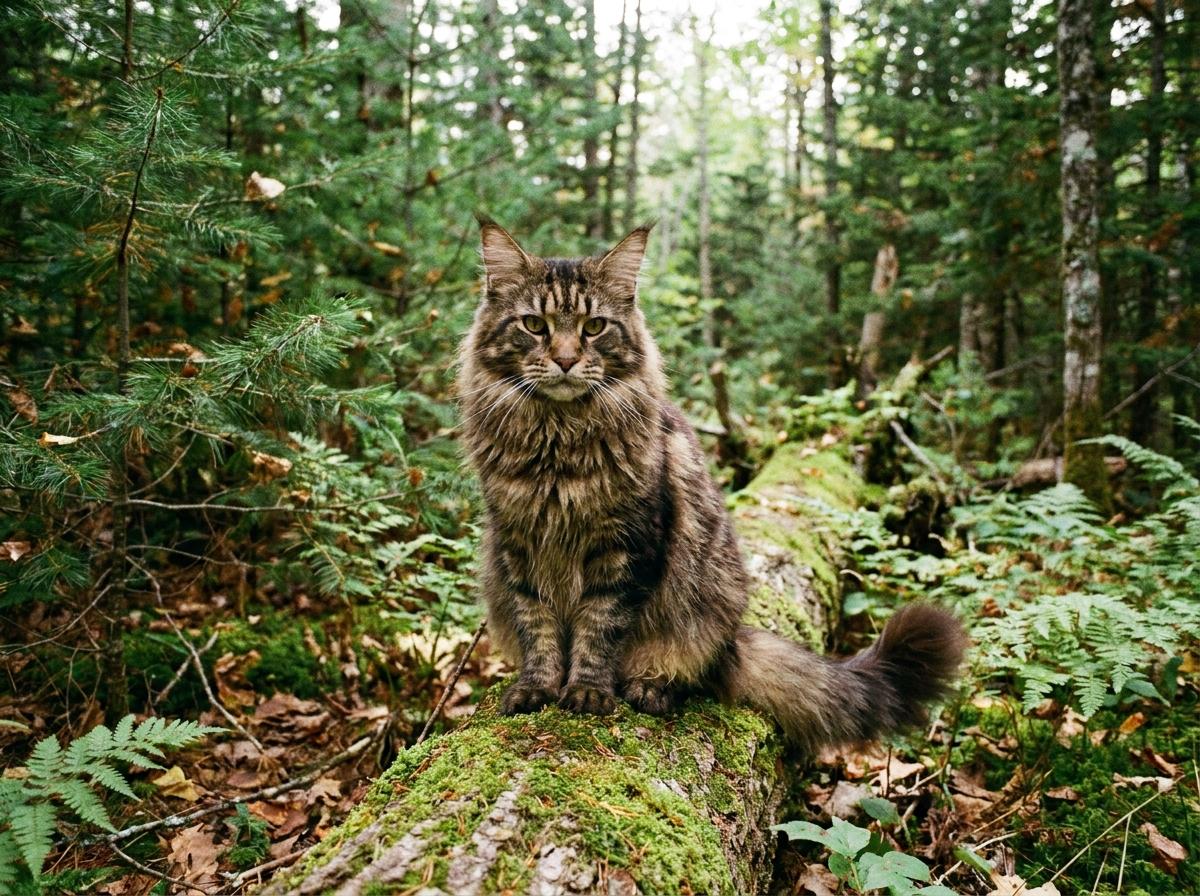
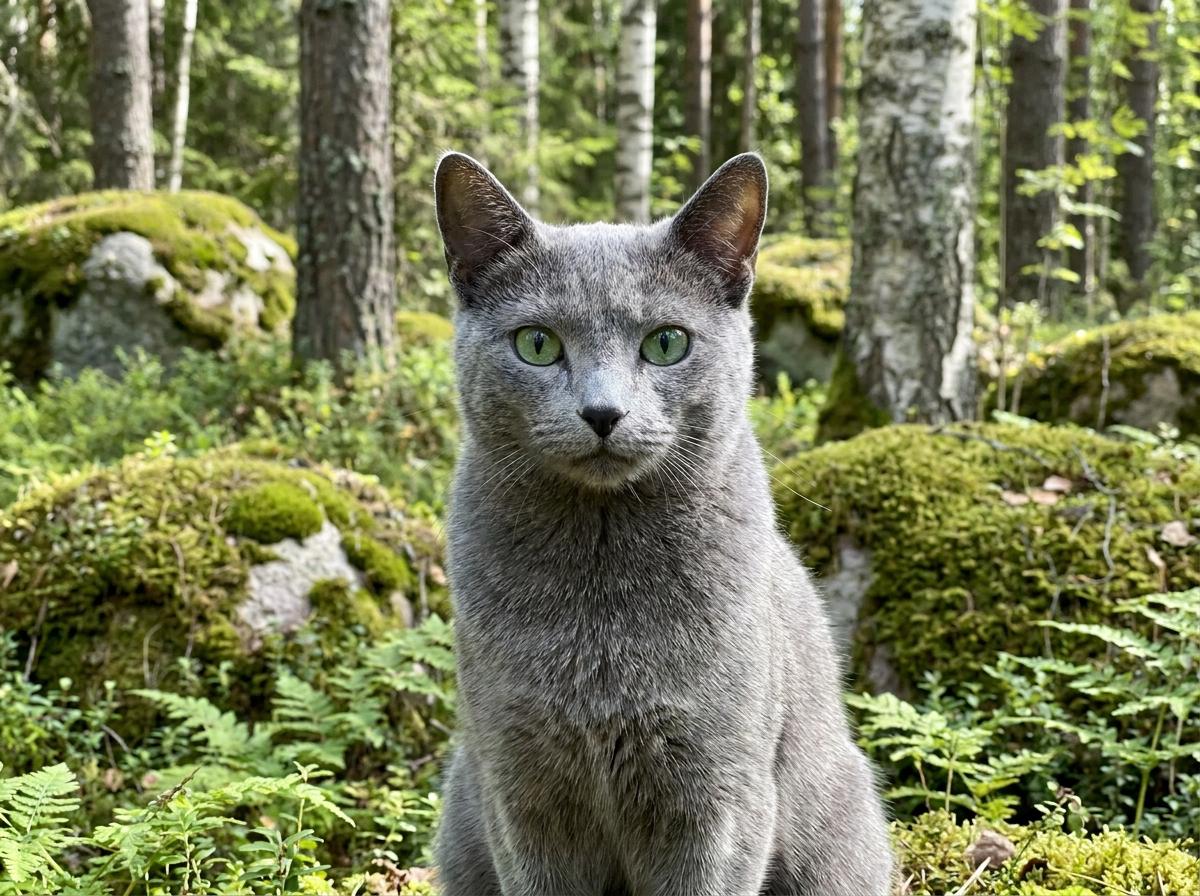
People sometimes confuse the British Shorthair with two other blue breeds. The Russian Blue is a finer-boned, longer-bodied cat with green eyes. The French Chartreux is another sturdy blue breed, and it was one of the breeds British breeders borrowed from when numbers crashed after the Second World War. A British Shorthair should look rounder in the head than either.
The Nebelung has a different blue semi-long coat and a playful, often reserved temperament; compare individual cats rather than assuming either breed is quiet.
History: from street cat to show cat
Harrison Weir, the artist often called the “father of the cat fancy,” organized the first cat show in Britain, held at the Crystal Palace in London on 13 July 1871. According to the GCCF’s breed history, Weir drew up the first standards cats were judged against, and the show’s Best in Show was a blue tabby shorthair. Weir later founded the National Cat Club in 1887. Shorthairs dominated the earliest shows.
The two world wars nearly undid that work. The GCCF says the First World War had a devastating impact on the breed and that only a few enthusiasts kept it going through the Second. A 1995 breed article published by the Cat Fanciers’ Association (written by Dana L. Jacobs) describes what followed: breeders brought unregistered domestic shorthairs into their lines, then other registered shorthairs, and finally a generation of outcrosses to Persians to restore the breed’s type and bone. The GCCF lists the outcross breeds as the Russian Blue, Burmese, and Chartreux, plus the Persian for type and boning.
Those outcrosses shaped the modern cat in two ways. They helped rebuild the round head and heavy body, and they also brought in genes the old British cat did not have. The Persian connection is the likely reason PKD turns up in the breed today, which is covered under health below.
Across the Atlantic, the CFA granted the British Shorthair championship status in 1980. TICA recognizes it too, under a British breed group standard that also covers the British Longhair and lists no permissible outcrosses.
What the standards ask for

All three major registries describe the same basic cat, and the CFA and GCCF use almost identical opening words: compact, well balanced, and powerful, with good depth of body, a full broad chest, short strong legs, rounded paws, and a tail thick at the base with a rounded tip.
Head. Round and massive, with round underlying bone structure, set on a short thick neck. The cheeks are full and the chin firm. The CFA standard asks for a medium, broad nose with a gentle dip in profile and no stop or break, and it disqualifies a head so foreshortened that the nostrils are narrowed. The GCCF standard of points similarly withholds awards for a snub nose, a pronounced stop, or a reduced nasal aperture. TICA’s British standard is the outlier in wording, describing a short, straight nose with a well-pronounced change of direction. The practical point for a buyer is shared by all three: a British Shorthair should have a round face without a flat, squashed, Persian-style nose.
Ears and eyes. Small to medium ears, rounded at the tips and set far apart so they fit the rounded outline of the head. Eyes are large, round, well opened, and set wide apart.
Body. Medium to large, level-backed, and “four-square of cobby type” in the GCCF’s words, as broad across the rump as across the shoulders. The GCCF notes that adolescent cats between about 9 months and 2 years may look rangy, which is normal for a slow-maturing breed.
Coat. Short, very dense, and crisp. The CFA calls it “firm to the touch, with a crisp, resilient texture,” not double coated or woolly, and says that if you push it against the grain, it springs back toward its original position. TICA’s standard says the coat should be so dense it is hard to see the skin when you part it. Soft, flat, or fluffy coats are faulted by all three.
Size and maturity. The CFA and GCCF both say the breed takes a full three to five years to reach full maturity. The standards themselves set no weight range. The CFA’s breed profile says males may reach 17 pounds and that females are smaller, and every standard describes females as less massive than males. A heavy frame is not the same thing as fat, which matters for the health section below.
Colors: blue and far beyond

The blue British Shorthair is the breed’s signature for good reason. The CFA standard asks for “any sound shade of blue, very level in color,” with a sound medium shade preferred over an uneven lighter one, no tabby markings or white anywhere, blue nose leather and paw pads, and gold or copper eyes. The GCCF self-color group asks for copper, orange, or deep gold eyes.
Beyond blue, the standards cover:
- Self (solid) colors: white, black, blue, red, cream, chocolate, and lilac, plus cinnamon and fawn in the GCCF and as “any other variety” colors in the CFA.
- Tabbies: classic, mackerel, and spotted, in standard and silver versions.
- Tipped, shaded, and chinchilla: color restricted to the tips of the hairs over a pale undercoat, in silver and golden forms.
- Smokes: a white or pale silver undercoat under deeply tipped color.
- Tortoiseshells, blue-creams, and their dilutes.
- Bicolors and calicos: color with white, like the black and white cat above, plus the van pattern (mostly white with color on the head and tail).
Pointed colors are where the registries split. The GCCF has a full colourpointed group (the Himalayan pattern, with a pale body and darker mask, ears, legs, and tail) and requires a clear blue eye in those cats. TICA’s British standard lists both the traditional and pointed categories and “all” colors. The CFA does the opposite and disqualifies a British Shorthair showing the Himalayan pattern, treating it as evidence of hybridization. So a colorpoint British Shorthair can be a correctly registered GCCF or TICA cat and still be ineligible to show in the CFA. If a particular color matters to you, ask the breeder which registry the kitten is registered with.
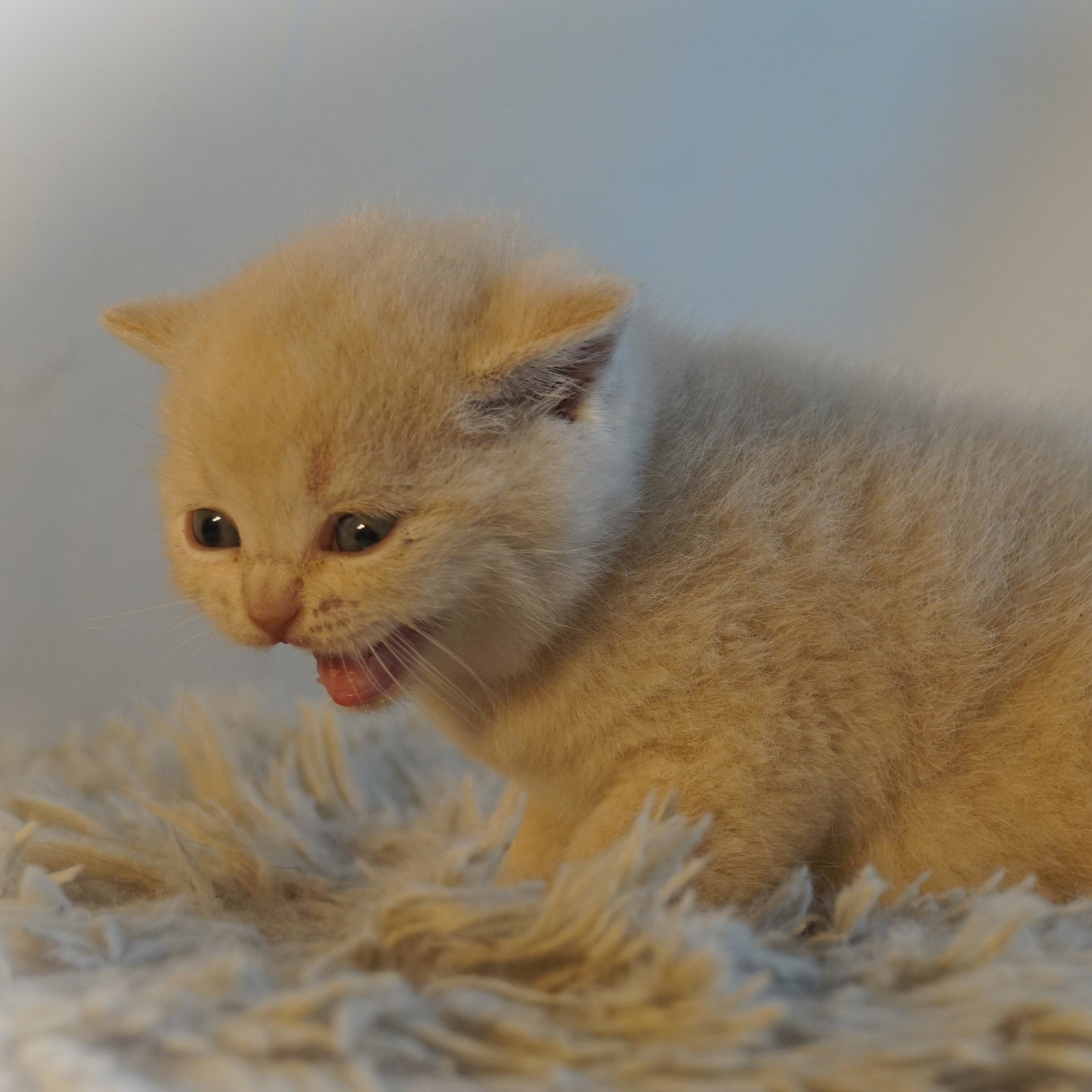
Eye color follows coat color. Most colors call for gold to copper eyes. Silver tabbies and some tipped and shaded silvers may have green or hazel eyes, whites may be blue, gold, copper, or odd-eyed, and pointed cats have blue eyes.
Temperament
The registries’ descriptions line up well with what owners report. The CFA calls British Shorthairs calm and quiet, says they enjoy supervising you from a nearby distance, and notes that they “will wait for an invitation to sit on the couch beside you.” The GCCF describes them as patient, tolerant, “a bit lazy,” and not talkative, while noting they form strong bonds with their people. TICA’s standard puts it plainly: the British is “a four feet on the floor breed” that likes to be handled with gentle firmness and supported when carried.
In practice, that means a cat that usually tolerates a busy household, does not demand constant attention, and often dislikes being picked up and carried around. Children who learn to sit on the floor and let the cat come to them tend to get along with it best. Individual cats vary, so meet the kitten and, if you can, its mother.
A calm cat still needs daily play. British Shorthairs are strong and capable of bursts of activity, and play is the main tool you have against the weight gain the breed is prone to. If you want a quiet shorthaired cat but prefer a pointed coat with white feet, our guide to the Snowshoe covers a very different breed with that look.
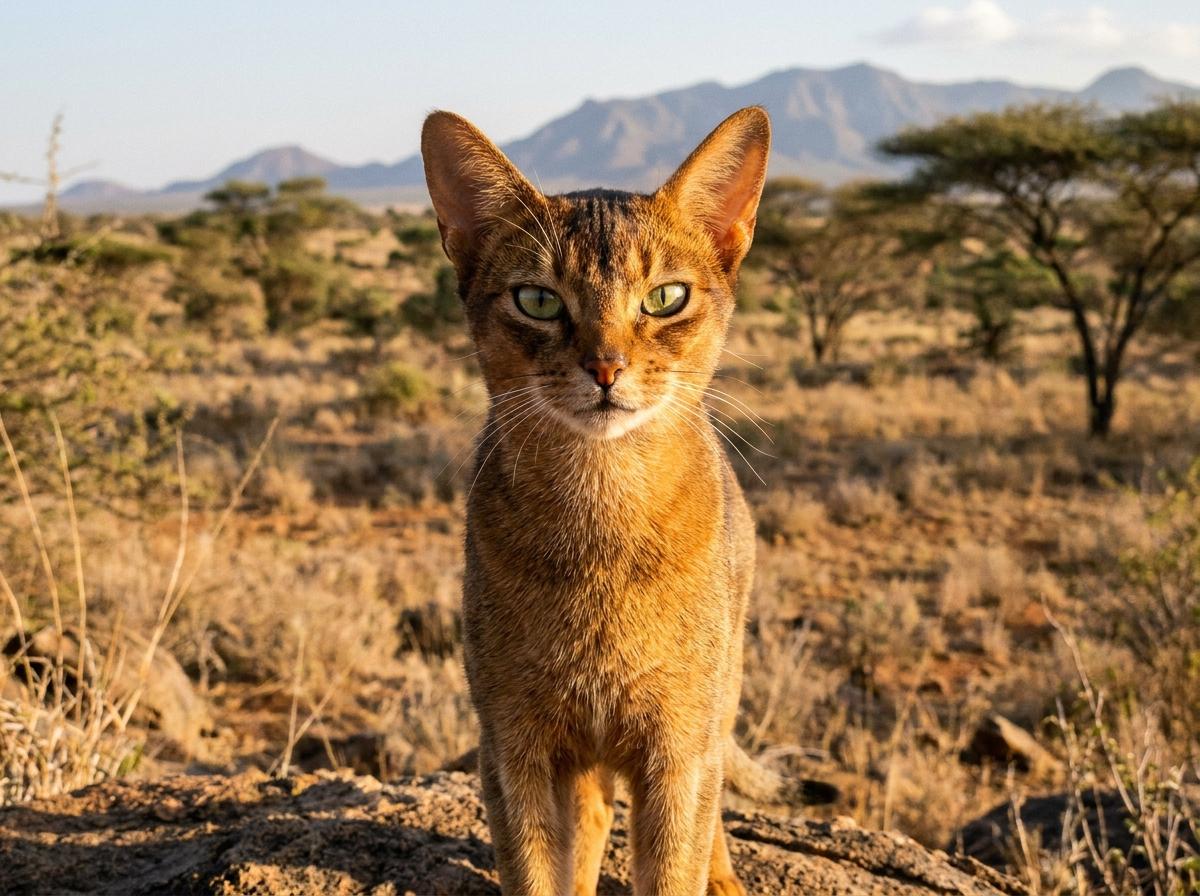
If you are comparing sociable breeds, the Abyssinian guide explains why this active cat needs daily play and climbing space.
Health: what to ask about
The CFA’s breed profile states that there are no breed-specific health issues of concern, and many British Shorthairs do live long, healthy lives. Veterinary research and the GCCF’s own guidance still point to a short list of conditions that responsible breeders screen for. None of the following is a reason to avoid the breed. All of it is a reason to buy from a breeder who tests, and to keep your own cat’s records. Medical decisions belong with your veterinarian.
Hypertrophic cardiomyopathy (HCM)
HCM thickens the muscular walls of the heart and is the most common heart disease of cats, according to the Cornell Feline Health Center, which lists the British Shorthair among the breeds in which it is seen. Many affected cats show no signs at all. Others develop heart failure (fast or labored breathing, open-mouth breathing, lethargy) or a blood clot that can suddenly paralyze the hind legs, and sudden death, though rare, can occur.
There is no DNA test for HCM in the British Shorthair. The GCCF’s HCM guidance lists the breed among those with a reported increased incidence and recommends regular echocardiography (a heart ultrasound) of breeding cats by a qualified cardiologist. International Cat Care recommends an annual echocardiogram for breeding cats during their breeding years. The strongest breed-specific evidence comes from a Danish study of 329 British Shorthairs screened by echocardiography, which classed 8.5 percent as HCM-positive, found the disease often started early (a median age of 2.7 years at diagnosis), and found it far more often in males. The authors strongly recommended echocardiographic screening in the breed, especially for breeding cats.
What to ask a breeder: have the parents been scanned by a cardiologist, how recently, and can you see the results? A single clear scan on a young cat does not rule out later disease, which is why repeat scans matter.
Polycystic kidney disease (PKD)
PKD causes cysts in the kidneys that grow over time and gradually reduce kidney function. In cats, a dominant variant in the PKD1 gene is found mainly in Persians and Persian-derived breeds. A 2015 case report of four British Shorthairs with PKD found the Persian variant in two of them and linked its presence to the breed’s past outcrossing with Persians.
The good news is that the common variant has a simple DNA test, and the GCCF’s breed page says PKD, “once a problem within the breed, is now under control” because responsible breeders use it. Two caveats keep this from being a closed book. First, the DNA test only detects that one variant: a large 2026 study of insured cats in Japan found the variant in seven of the nine cats it examined that had been diagnosed with cystic kidneys, so some cystic kidney disease has other causes. Second, the same study found PKD1 carrier frequency falling overall after widespread testing began but saw no significant decline in British Shorthairs between 2019 and 2022. Ask for PKD1 DNA results on both parents, and treat kidney ultrasound as a sensible extra that some breeders also do.
Blood type B and newborn kittens
Most cats are blood type A, but the CFA notes that many British Shorthair lines carry type B. That matters to breeders more than pet owners. A type B queen has natural antibodies against type A blood, and the Merck Veterinary Manual explains that type A or AB kittens nursing from her can develop neonatal isoerythrolysis, a severe immune-mediated anemia in newborns, which is prevented by blood typing the queen and kittens and managing colostrum. For pet owners, knowing your cat’s blood type is useful if it ever needs a transfusion. For a breeder, blood typing breeding cats is basic good practice. Breeders planning a litter can work out the due date with the cat gestation calculator, and our guide to how long cats are pregnant covers what happens week by week.
ALPS
Autoimmune lymphoproliferative syndrome is an inherited immune disease described so far only in British Shorthairs, in which kittens in multiple litters died. Researchers traced it to a recessive variant in the FAS-ligand gene, and a DNA test now identifies carriers. The GCCF requires evidence of a negative ALPS test for British Shorthairs imported from another registry since 1 March 2025 before they can be registered for breeding. It is a sensible question to add to your list, especially for imported lines.
For another breed’s single-gene test, the European Burmese guide shows how to read a hypokalemia report without treating it as overall health clearance.
Weight and obesity
This is the problem most British Shorthair owners will actually meet. The GCCF warns that the breed has a slow metabolism and that care must be taken to prevent excess fat, even though a well-padded, muscular body is correct. An Australian study of veterinary records for about 1,900 British Shorthairs, published in Frontiers in Veterinary Science in 2023, found that the average body condition score of neutered males, neutered females, and entire females fell in the overweight range, and it cites earlier work showing Australian British Shorthairs were more likely than other breeds to be overweight.
In the UK VetCompass study cited below, a non-ideal body weight was linked to a shorter life. Weigh your cat regularly, feed measured meals rather than a bowl that is always full, and ask your vet to show you how to score body condition by feel. Because the breed is broad-framed by design, the scale alone can mislead you: what matters is whether you can feel the ribs under a thin layer of fat.
Lifespan
The GCCF’s breed page gives a lifespan of 14 to 20 years. Veterinary records paint a more cautious picture: a 2024 VetCompass study of UK cats that died in 2019 put life expectancy at birth for British cats at about 9.6 years, compared with about 11.9 years for crossbred cats, with individual lifespans ranging past 22 years. The same study linked a non-ideal body weight and being left entire with a shorter life. Many British Shorthairs do live well into their teens, and weight control and regular vet checks are the parts of that you control.
Grooming and everyday care

The dense coat is low-maintenance but not no-maintenance. For most of the year, a weekly comb-through with a fine metal comb or a rubber grooming mitt removes dead hair and gives you a chance to feel for lumps, fleas, and changes in body condition. The GCCF notes that shorthaired British cats need extra attention during the moulting seasons, when the thick undercoat sheds heavily; a few extra sessions a week in spring and autumn keeps hair off your furniture and out of your cat’s stomach.
If you are also weighing a longhaired breed, the Turkish Angora guide compares a silky single coat’s grooming with this dense short coat.
Beyond the coat, the routine is ordinary good cat care:
- Diet. The GCCF advises feeding kitten food for at least the first year, while bone is being laid down, then a measured adult diet. Portion control matters more in this breed than in most.
- Play. Two short play sessions a day with a wand toy or chase game burns calories and keeps a placid cat engaged. Puzzle feeders slow down fast eaters.
- Climbing and resting spots. A sturdy cat tree with wide platforms suits a heavy cat better than a narrow, wobbly one.
- Teeth, nails, and ears. Check them during the weekly groom and ask your vet about dental care at annual visits.
- Vet visits. Keep up vaccinations, parasite control, and annual checks, and mention the breed so your vet can listen closely for a heart murmur. A murmur is a reason to discuss an echocardiogram.
A written log of weights, vaccinations, and vet findings makes slow changes easy to spot, which is exactly the kind of change weight gain and kidney disease produce.
Buying a British Shorthair kitten
British Shorthairs are widely bred, so the challenge is less finding a kitten than finding a well-bred one. Work through these points with any breeder.
Health testing on the parents. Ask for PKD1 DNA results for both parents, recent echocardiogram reports from a cardiologist for both, and their blood types. Breeders working with imported lines should also be able to show ALPS results. A breeder who is vague about testing, or who says the breed “has no problems,” is telling you something useful.
Registration papers. A pedigree British Shorthair should be registered with a recognized registry such as the GCCF, CFA, or TICA. The GCCF’s buying advice says a GCCF kitten should come with a pedigree certificate showing at least three generations, a registration document in the kitten’s name, and a vaccination card showing the full course, and that it is a breach of GCCF rules for a breeder to ask you to sign away any of these. If you want a printable copy of a kitten’s three-generation pedigree, the free cat pedigree chart maker builds one without an account. Pet kittens are often registered so they cannot be bred from, which is normal; the GCCF calls registration that is suitable for breeding “active” registration.
Age at homing. Under GCCF rules, a kitten must not go to a new home until at least seven days after completing its full vaccination course, which in practice means at least 13 weeks old. The CFA advises at least 12 weeks and ideally 16, for socialization and immunity. A breeder offering 8-week-old pedigree kittens is not following registry guidance. Our kitten vaccination schedule explains which shots a kitten should have had by the time it comes home.
Meet the cats. Visit in person or by live video, see the kitten with its mother, and look at where the cats live. The kittens should be clean, bright-eyed, and confident with handling. Our guide to vetting a cat breeder is written for Maine Coons, but its paperwork and deposit checks apply to any pedigree kitten.
Watch the type. A well-bred British Shorthair kitten should show the round head and wide-set ears of the breed, but a flat, squashed face with narrowed nostrils is faulted by the CFA and GCCF standards. Round, not flat, is the goal.
Price. Prices vary with country, color, show or breeding potential, and the breeder’s testing program. Expect a pedigree price: a pet kitten from an established cattery that health-tests costs far more than a shelter adoption fee, and rarer colors or breeding rights cost more again. Very cheap “British Shorthair” kittens without papers or test results are usually cheap for a reason. Our guide to what a cat costs to buy and keep covers the ongoing budget.
Is a British Shorthair right for you?
A British Shorthair tends to suit you if you want:
- a calm, fairly quiet cat that is affectionate on its own terms;
- a cat that copes with ordinary household noise and gets along with considerate children and other pets;
- modest grooming, most of it a weekly comb;
- a solid, sturdy cat rather than a lap-draping one.
It is a harder fit if you want a cat that loves being carried and cuddled on demand, or if you cannot commit to measured feeding and daily play, because a sedentary, free-fed British Shorthair gains weight easily. Budget for a breeder who health-tests, and for annual vet care over what can be a long life.
Once you have your cat, a name comes next; the Creatures cat name generator is a quick place to start.
Frequently asked questions
Are all British Shorthairs blue?
No. Blue is the most famous color, and “British Blue” is a common nickname, but the GCCF, CFA, and TICA standards accept many colors and patterns, including black, white, cream, lilac, chocolate, tabbies, tipped and shaded silvers and goldens, smokes, tortoiseshells, and bicolors. Pointed colors are accepted by the GCCF and TICA but disqualified by the CFA.
What eye color should a British Shorthair have?
It depends on the coat. A blue British Shorthair should have gold or copper eyes, and most colors call for gold to copper. Some silver varieties may have green or hazel eyes, whites can be blue, gold, copper, or odd-eyed, and pointed cats have blue eyes.
How big do British Shorthairs get?
They are medium to large, heavily built cats that take three to five years to mature fully. The standards give no weight range; the CFA’s breed profile says males may reach 17 pounds, and females are smaller. A lean, muscular adult is the goal, not the heaviest possible cat.
Do British Shorthairs like to be held?
Many do not enjoy being carried. The CFA says they are “not fond of being carried around,” and TICA’s standard calls them a “four feet on the floor breed.” Most are affectionate companions that prefer to sit near you.
What health tests should the parents have?
At minimum, a PKD1 DNA test and a recent echocardiogram by a cardiologist for HCM, plus blood typing for breeding cats. For imported lines, ask about an ALPS DNA test as well.
What is the difference between a British Shorthair and a British Longhair?
Coat length. The British Longhair has the same body and head type in a semi-long coat. The GCCF treats both as varieties of the British, and TICA judges them under one breed group standard.
Is a British Shorthair the same as a Russian Blue?
No. Both can be blue, but the Russian Blue is a finer, longer-bodied breed with green eyes, while the blue British Shorthair is round-headed and cobby with gold or copper eyes.
Do this next on Creatures
Whether you are still choosing, waiting for the right kitten, or already sharing your sofa with a British Shorthair, Creatures keeps the listings, breeders, and records in one place.
Get alerted. Set a free British Shorthair listing alert and we will email you when a new one is posted. No account needed to start. See saving searches and using your watchlist.
Find a breeder. Look up trusted catteries with the British Shorthair breeders in the Creatures directory, and check British Shorthair listings on the marketplace for kittens posted there. Ask every breeder for the parents’ PKD1 and echocardiogram results.
Add your cat. Already have one? Create a free profile for your British Shorthair in a few minutes, no account needed to start. The walkthrough is in adding an animal to Creatures.
Keep the records. Add weight, vaccination, echocardiogram, and vet records so slow changes show up as a trend. The record sheet opens for any visitor, and a free account saves what you enter. See adding a record and health and medical records, and set monthly weigh-ins and annual vet checks as reminders with reminders and upcoming care.
Breed British Shorthairs? Create your cattery’s profile, no account needed to start, then get listed in the breeder directory so buyers looking for health-tested British Shorthairs can find you.