


Ivory
Combination
Author: Elliott Garber, DVM · Updated
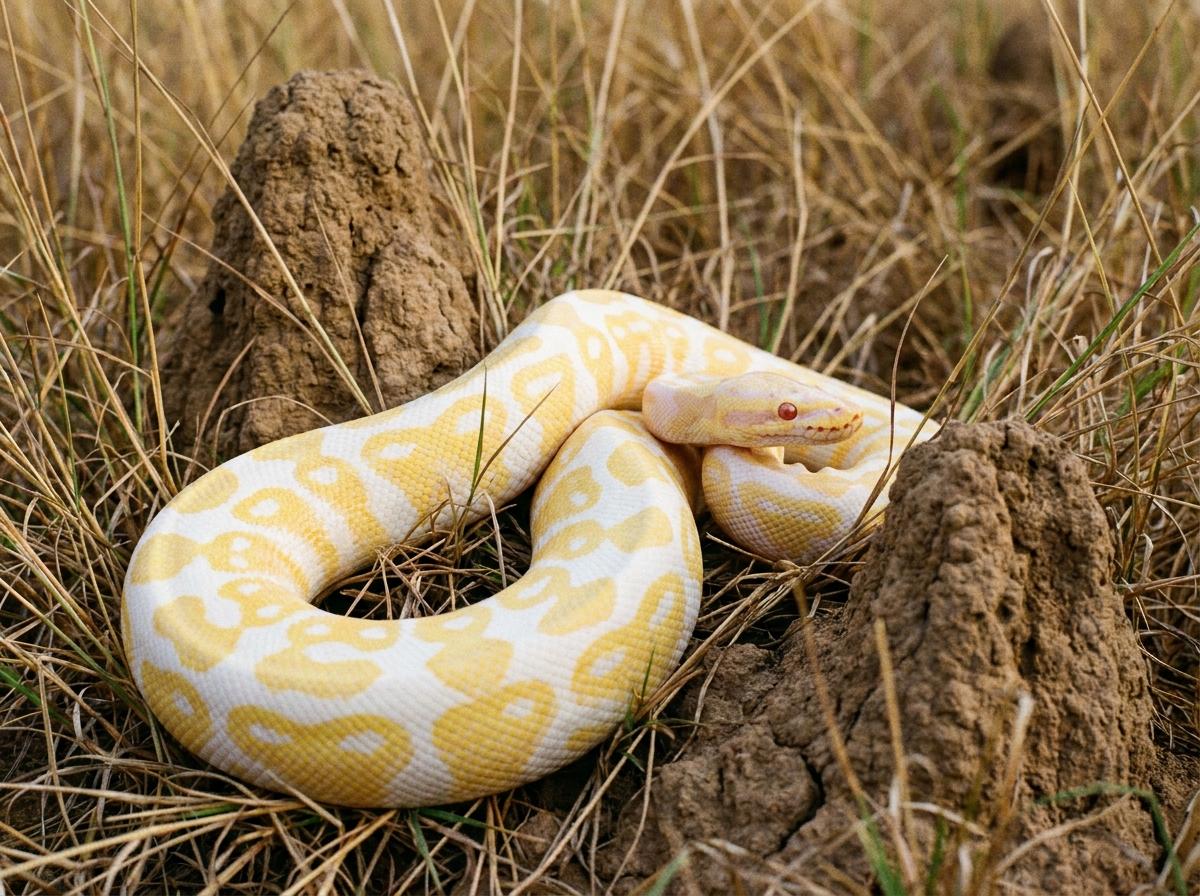
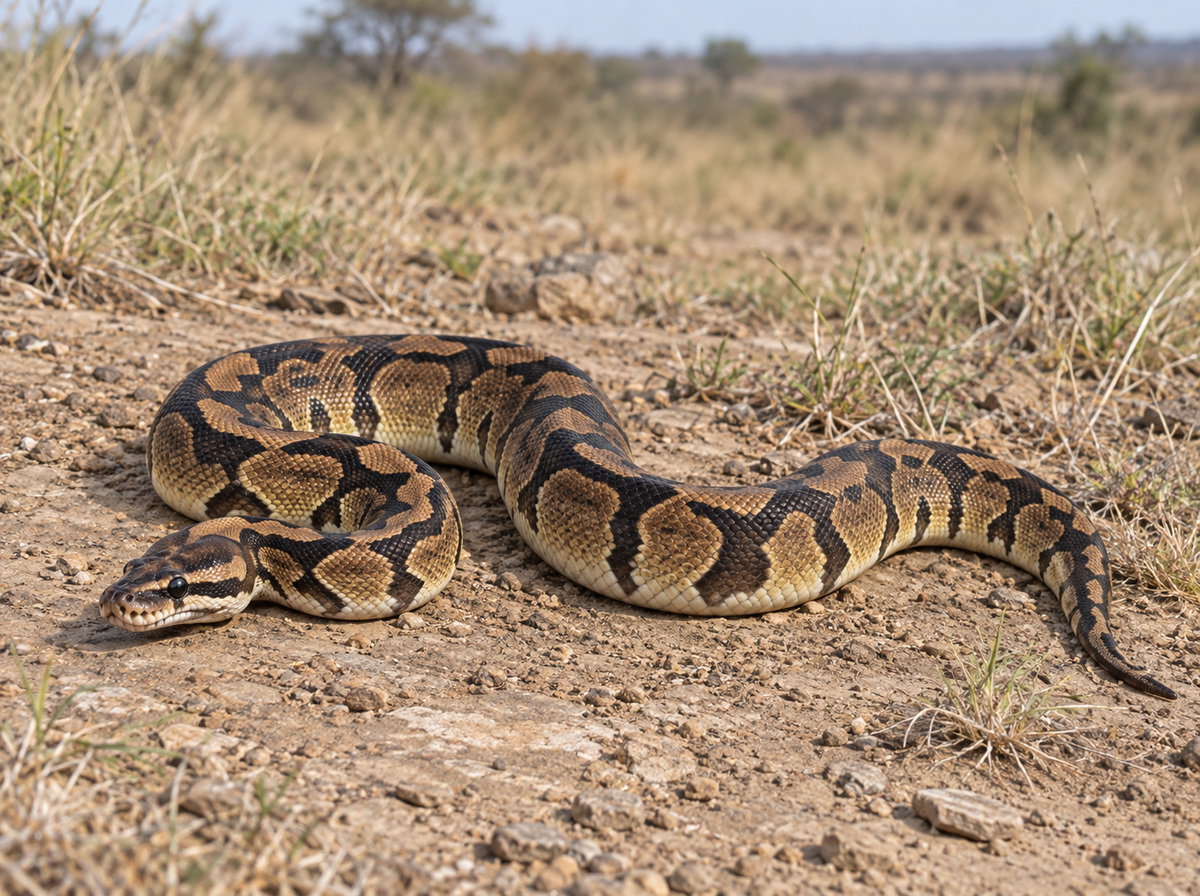
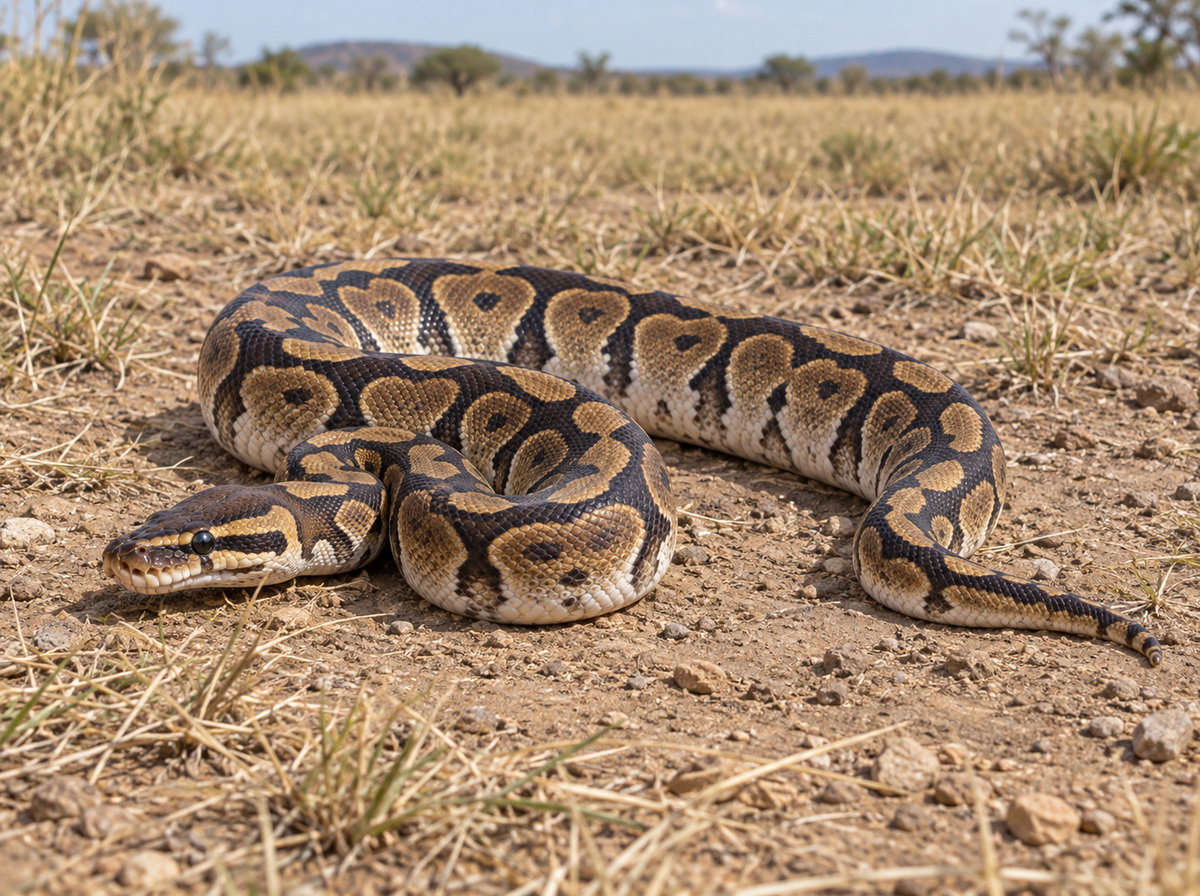
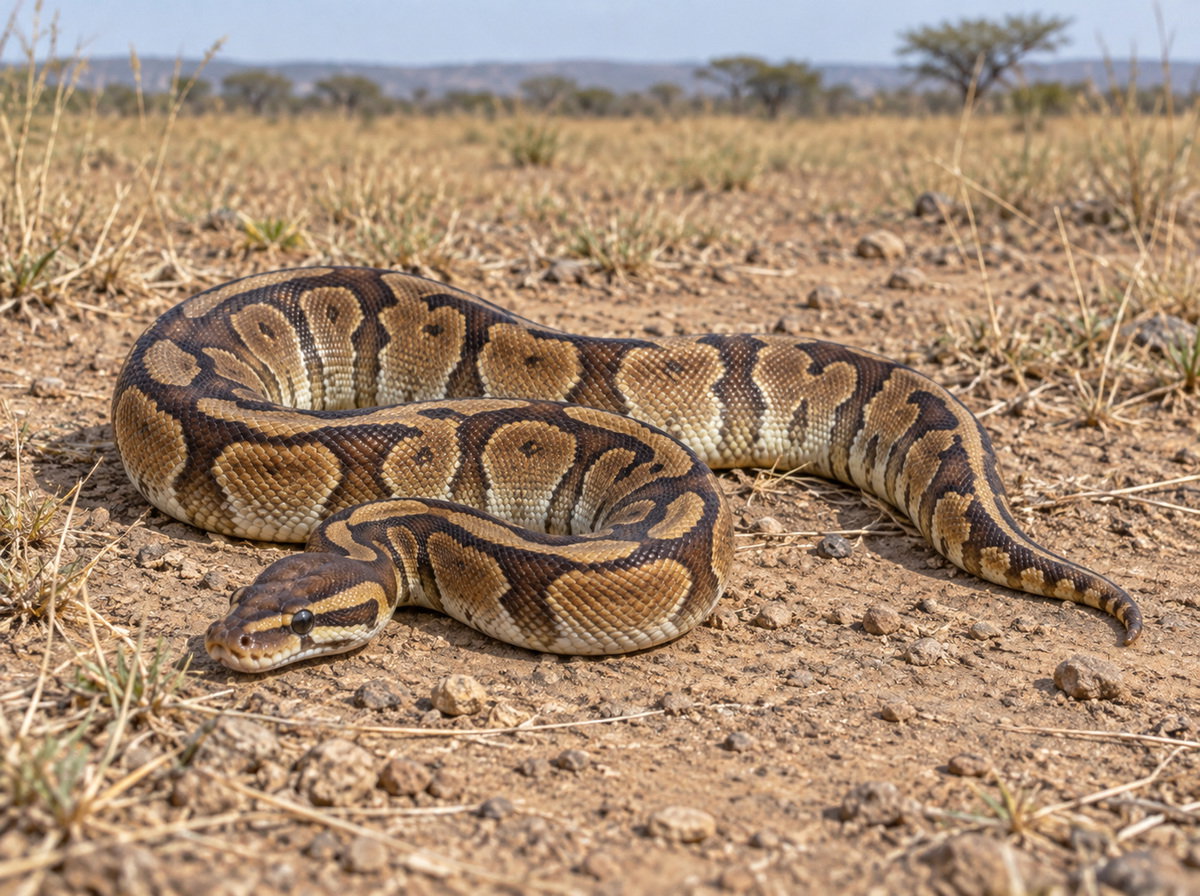
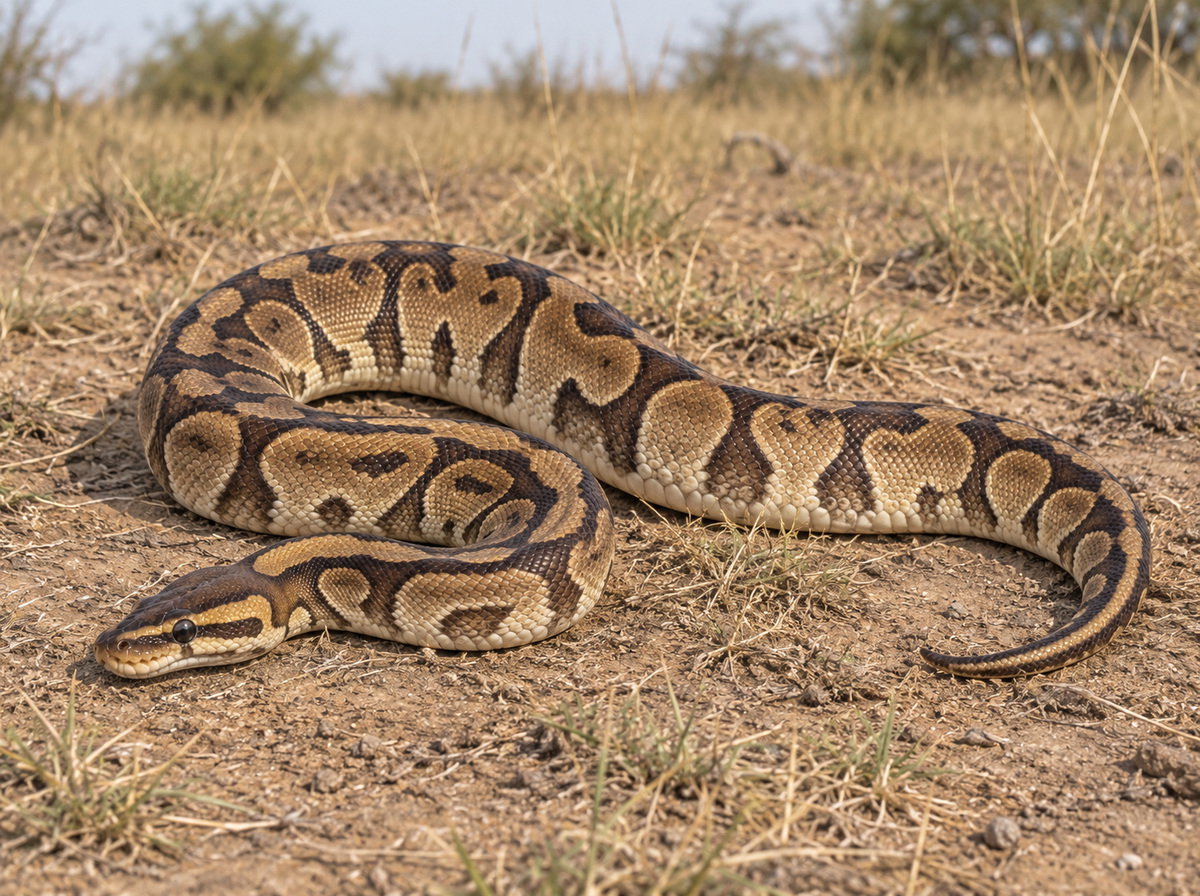
Ivory is the name used for the homozygous, or “super,” form of Yellow Belly in ball pythons. It usually produces a nearly white or cream snake, often with a faint yellow dorsal line and some head shading. It is not a general name for every white ball python.
The starting point is the Yellow Belly relationship. An Ivory has two Yellow Belly copies at that locus; an ordinary single-copy Yellow Belly can retain much more typical pattern and colour. If the sale includes additional morph claims, each deserves its own evidence.

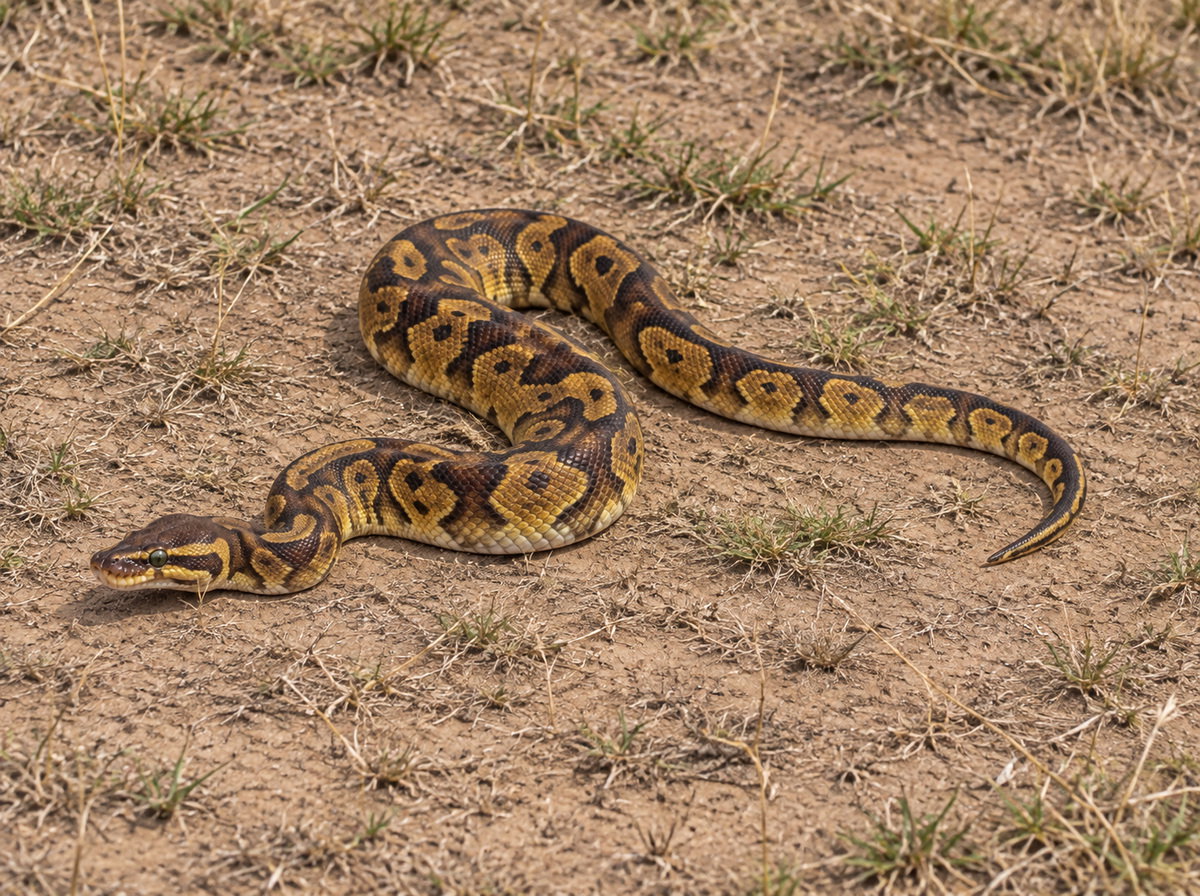
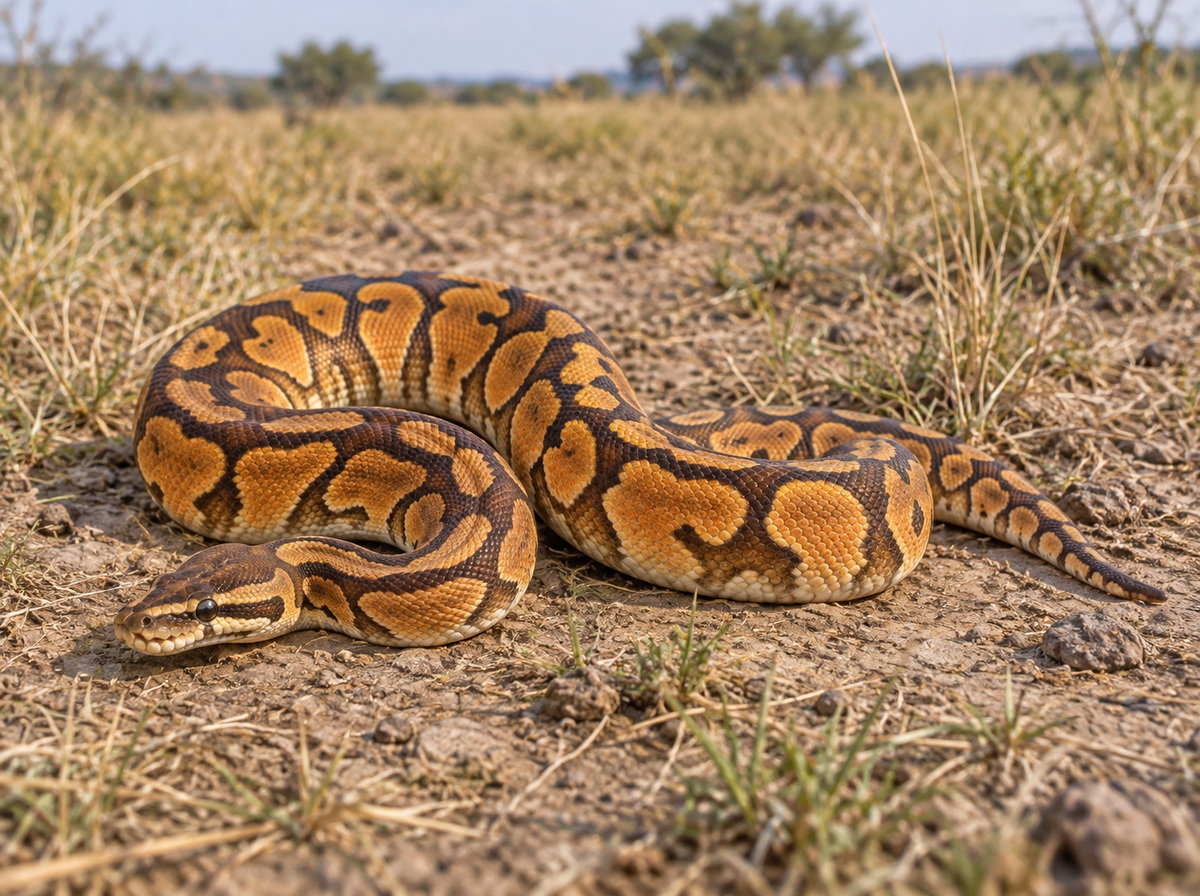
AI-generated illustration of an Ivory appearance. The visible colour is not proof of an individual snake’s genotype.
| Species | Ball python, Python regius |
|---|---|
| Morph identity | Homozygous Yellow Belly |
| Typical appearance | Nearly white or cream, with possible yellow and grey traces |
| Common confusion | Other white or leucistic ball python combinations |
| Buying evidence | Parent records, individual identification and feeding history |
Browse listings, public profiles, breeders, or add your animal.
Why two copies look different
A 2023 genetic study of ball python colour and pattern found an association between Yellowbelly and a variant affecting the EDNRB2 gene. In the study, homozygous Yellowbelly animals were nearly white, while heterozygotes showed much subtler changes. The work also examined related alleles behind several other named patterns.
The practical lesson is that a lightly altered parent and a nearly white offspring can belong to the same genetic system. “Super” here refers to the two-copy form; it does not mean a healthier, larger or more valuable snake. It is also not a reason to assume that another white morph is genetically interchangeable with Ivory.
There is little benefit in guessing hidden additional traits from a washed-out photograph. Ask for the pairing that produced the animal, the parents’ recorded identities and the basis for any genetic testing claim. If a seller provides a test result, check that the tested animal and the actual variant match what is being sold.

AI-generated head detail. Dark eyes and pale scales are visual clues, not a genetic test.
Ivory versus other white ball pythons
Ivories can retain a yellow line or wash and grey or lavender head shading. Age, other traits, lighting and exposure can change how obvious these are in a picture. Request neutral-light photographs and a short video of the exact snake, including the head and full body.
The Blue-Eyed Leucistic label describes a different group of combinations. Eye colour can be a helpful initial clue, but it should not become a complete identification key. Pale animals can look deceptively similar, especially when a phone camera brightens the image.
An Albino is another distinct genetic description. A white-looking body does not make Ivory an albino, and a cream tint does not prove a particular extra gene. Keep the sale description as specific as the evidence permits rather than upgrading an unknown white snake to a detailed combination.
Care and health questions
Ivory is still a ball python. The RSPCA’s royal python guidance emphasizes an enclosure that allows full stretching, a controlled thermal gradient, secure retreats, climbing opportunities and fresh water. A pale morph needs these choices just as a patterned one does.
Set up and check the enclosure before arrival. Use suitable lighting with cover and shaded retreats, and protect the animal from direct contact with heat sources. Do not assume that a nearly white snake should live in darkness or that every pale morph has identical lighting needs. Seek individual advice when an eye or skin condition is suspected.
Ask for dated feeding records, prey type and size, recent weights, sheds and any veterinary history. Find out whether the snake is reliably taking appropriately prepared frozen-thawed prey. A statement that the morph is “healthy” does not establish the condition of this individual. Watch normal movement and breathing; discuss worrying signs or persistent feeding problems with a reptile veterinarian.

AI-generated portrait on a branch. This scene is not a complete enclosure or lighting plan.
Price and a useful viewing checklist
Do not treat a historical price or a heavily advertised combination as today’s ordinary Ivory price. Request a current quote that identifies the snake, location, age, sex, additional claimed traits and transport costs. Documentation and established feeding are more useful comparisons than the palest photograph.
Before paying, resolve three separate questions: what the animal is, how it is doing, and what the sale includes. A pairing record addresses identity; feeding and health records address history; written terms address collection and arrival arrangements. None replaces the others.
For a companion animal, there is no need to turn ownership into a breeding project. If breeding is proposed, get a complete assessment of all traits and lineage rather than relying on the word Ivory alone.
Common questions
Is Ivory the same as Super Yellow Belly?
Yes, that is the established morph usage: the homozygous Yellow Belly form.
Should an Ivory be completely white?
Not necessarily. A faint yellow dorsal line or subtle head shading can be present. Appearance varies and cannot establish every gene carried.
Does “super” mean it needs different food or reaches a different size?
No. The term describes the genetic form. Plan care around a ball python’s age, body condition and individual needs.
Do this next on Creatures
Use the Ivory hub and ball python hub to compare identity and care, then match any seller’s morph description to the individual’s records.
To see what a pairing can produce, the free Ball Python Morph Calculator shows that two Yellow Bellies give about 1 in 4 Ivory babies per egg.