


Author: Elliott Garber, DVM · Published
You walk out to the coop on a cold morning, glance at the run, and see feathers everywhere. A few hens look rough across the neck and back. Egg baskets are lighter. One bird is hanging back instead of racing for feed. If you’re managing a serious laying flock or breeding pen, that timing feels wrong. Winter is coming, and your birds look less protected than they did a month ago.
That reaction is normal. So is the molt. The problem isn’t the molt itself. The problem is letting a normal molt roll straight into winter without changing how you feed, house, and handle the flock. Good winter management turns molting season from a setback into a controlled recovery period. Poor management turns it into cold stress, pecking, weight loss, and birds that go into spring behind where they should be.
Table of Contents
- Why Chickens Molt Before Winter
- The bird is rebuilding protection
- Why serious keepers pay close attention
- Reading the Signs Molting Timelines and Winter Risks
- What a normal molt usually looks like
- Where winter changes the risk
- Fueling Feather Growth A Winter Molting Nutrition Plan
- Why regular layer feed falls short
- A practical feeding approach
- High-Protein Supplements for Molting Chickens
- Creating a Safe and Stress-Free Coop Environment
- Do this instead of toughing it out
- Cut social pressure while feathers come back
- Managing the Egg Slump and Protecting Breeding Stock
- Use the egg slump to sort your flock honestly
- Protect breeding stock before they fall behind
- Your Winter Molt Management Checklist
- Daily checks
- Weekly feed plan
- Coop adjustments
Why Chickens Molt Before Winter
A hen can look half-plucked just as the nights turn sharp and damp. That rattles people for good reason, especially if those birds are breeders, late-season growers, or part of a flock that still needs to carry its weight through winter. In many cases, though, fall feather loss is the body doing scheduled maintenance at an inconvenient time.
Molting replaces old, worn plumage with a new feather coat that insulates better, sheds weather better, and holds up better under winter conditions. Shorter day length usually sets that process in motion in late summer or fall, and many birds go through their first adult molt around 16 to 18 months. The hard part for a keeper is timing. Some birds start early and finish cleanly before serious cold. Others are still bare-backed when the first cold rain or hard wind hits.
That timing creates a significant management problem for small farms and breeding pens. A natural molt can still turn into a winter setback if the bird loses cover faster than she regrows it.
The bird is rebuilding protection
A molting chicken is pouring nutrients and energy into feathers. That is expensive work for the body. Old plumage may look intact from a distance, but once feathers are frayed, broken, or thinned out, they do a poorer job of trapping heat and keeping moisture off the skin.
This is a detail many owners miss. Molt looks ugly, but its purpose is practical. The bird is replacing worn gear before the hardest weather of the year.
Practical rule: In autumn, start by asking whether feather loss follows a normal molt pattern before you assume illness or parasites.
That matters even more in flocks with economic value. A strong layer can look rough. A proven cock bird can lose condition in a hurry. A keeper pullet can seem like a poor prospect for a few weeks, then come back with excellent feather quality once the molt finishes.
Why serious keepers pay close attention
Winter changes the stakes. A backyard pet flock might ride out a rough molt with only a dip in looks and egg count. A breeding group or small production flock has more to lose. Poor feather cover raises cold stress. Cold stress drags down body condition. Body condition affects fertility, laying persistence, and how well a bird handles the rest of the season.
That is why I treat a fall molt as a planning signal, not a curiosity.
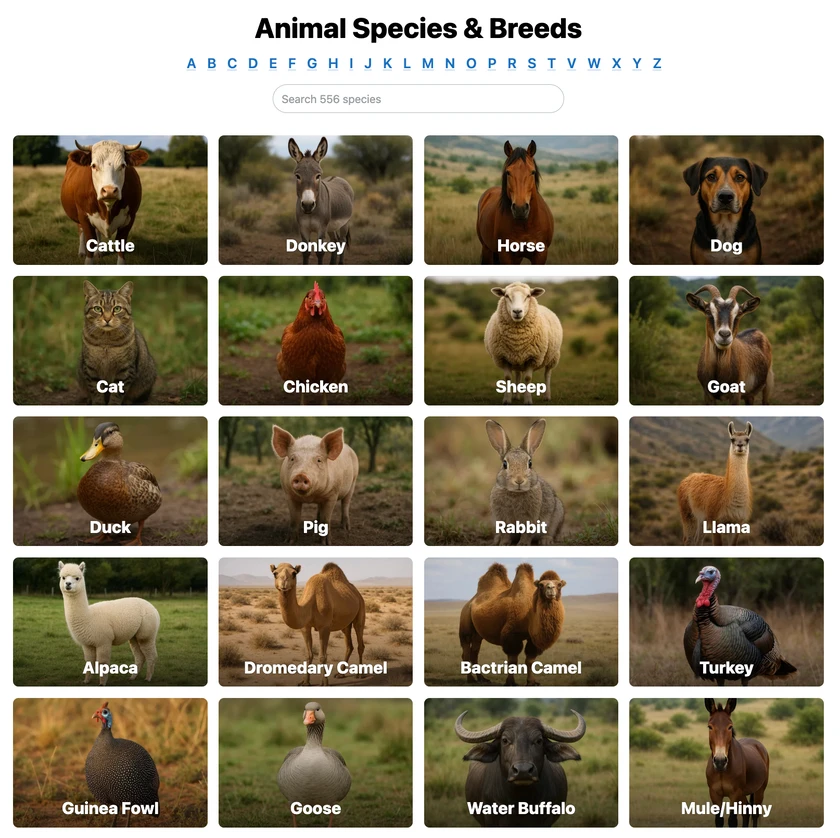
Birds going into molt need protection from avoidable stress, and the keeper needs to make decisions early instead of waiting for weather to expose weak points. If you are newer to managing poultry as livestock rather than backyard pets, this chicken species overview gives helpful background on the bird itself. In practice, winter-proofing the molt comes down to one question. Will this bird finish feather regrowth with enough warmth, feed, and stability to come out sound on the other side?
Reading the Signs Molting Timelines and Winter Risks
A normal molt has a pattern. Trouble also has a pattern. The hard part is telling which one you’re looking at before winter weather punishes a mistake.
A five-step infographic showing the stages of chicken molting from early feather loss to health concerns.
A standard chicken carries around 8,000 feathers, and molting replaces those worn feathers so the bird can stay warm through winter. In seasonal laying flocks, most chickens significantly reduce or stop egg production while molting. Exposed skin is also vulnerable to frostbite when cold comes with wind or precipitation, so keeping molting hens indoors on harsh days is critical, as noted in Backyard Chickens’ in-depth look at molt.
What a normal molt usually looks like
Most normal molts don’t produce random baldness all over the bird at once. Feather loss often starts in visible places like the head and neck, then moves across the body. The pattern is usually fairly even from side to side.
You’ll often notice a few common signs:
- Loose feathers everywhere: The coop floor, roost area, and run tell the story before the bird does.
- Pin feathers coming in: New growth looks like stiff quills. These are tender, and birds often dislike being touched when they’re coming in.
- A rough, narrow body shape: A fully feathered bird looks rounder than a molting bird.
- Less social tolerance: Birds in molt can get irritable. Roost squabbles and pecking often get worse if space is tight.
A healthy molt usually comes with alert eyes, interest in feed, and normal movement. The bird may look bad, but it shouldn’t look collapsed.
If feather loss is sharply lopsided, the bird is weak, or you see discharge, don’t dismiss it as “just molt.”
Where winter changes the risk
The winter piece is what raises the stakes. Bare skin by itself is a management issue. Bare skin plus wet litter, wind exposure, or a cold snap becomes a real threat.
The biggest winter risks are practical:
- Cold stress: A bird with thin coverage burns energy just staying warm.
- Frostbite exposure: Skin without feather protection is more vulnerable on hard-weather days.
- Pecking damage: Red, exposed skin attracts attention from flockmates.
- Setbacks from damp conditions: Wet birds chill fast, especially when plumage isn’t complete.
What doesn’t work is wishful thinking. If a hen is patchy and the weather turns ugly, don’t leave her out because “chickens are hardy.” They are hardy. A half-feathered bird in wind-driven wet cold is a different calculation.
Normal molt also creates confusion because birds can act quieter and lay less while still being healthy. That’s why I focus on three questions first: Is the feather loss broadly even, is the bird still eating, and is the weather about to outpace her regrowth? Those answers tell you whether you’re looking at routine chicken molting winter management or a situation that needs closer intervention.
Fueling Feather Growth A Winter Molting Nutrition Plan
Many flocks lose ground. Owners see feathers drop, keep feeding the same ration, and hope birds push through. Some do. Good birds are resilient. But that approach wastes time and often leaves molting hens entering the cold with less condition than they should have.
Why regular layer feed falls short
Feathers are expensive tissue. From a nutrition standpoint, feathers are about 80 to 85% protein, so molting chickens need a marked increase in protein support. Guidance commonly recommends moving birds to a complete feed around 20% protein during molt because hens can’t efficiently sustain both egg production and feather regrowth at the same time, according to OverEZ Chicken Coop’s molting guidance.
That explains why a standard layer ration often underperforms during molt. Layer feed is built around a bird that’s producing eggs. A molting hen has different priorities. Her body is redirecting resources toward feather regrowth.
You don’t need a complicated theory to see the result. On a poor molt ration, birds stay ragged longer. On a better molt ration, they usually tighten up faster, regain coverage more cleanly, and handle cold more comfortably.
A practical feeding approach
Start with the base ration, not treats. During molt, switch the flock to a higher-protein complete feed in the 20 to 25% protein range. That’s the foundation. Everything else is secondary.
Then tighten up the rest of the feeding routine:
- Keep feed available consistently. Molting birds don’t need feast-or-famine swings.
- Prioritize nutrient density over novelty. A solid flock feed does more than a bucket of scraps.
- Add protein-rich extras with restraint. Supplements help, but they shouldn’t replace the main ration.
- Watch body condition and droppings. If birds get loose manure or back off feed, you’ve pushed the extras too far.
Mealworms, black oil sunflower seeds, fish meal, scrambled eggs, and larvae products can all be useful tools depending on what’s available and affordable in your area. If you use insect-based supplements, this black soldier fly overview is worth knowing because many keepers rely on those larvae products as a practical protein add-on.
What works: build around a complete feed, then use supplements to top up.
What doesn’t: trying to “treat” a hard molt with snacks while the base ration stays weak.
High-Protein Supplements for Molting Chickens
| Supplement | Protein Content (Approx.) | Feeding Notes |
|---|---|---|
| Mealworms | Qualitatively high | Good as a limited topper. Easy to overfeed because birds love them. |
| Black oil sunflower seeds | Qualitatively supportive | Useful in cold weather, but don’t let seeds displace the main feed. |
| Fish meal | Qualitatively high | Strong option in a balanced ration. Go lightly if birds aren’t used to it. |
| Scrambled eggs | Qualitatively rich | Handy for small flocks. Best used occasionally, not as the core plan. |
| Black soldier fly larvae | Qualitatively high | Convenient protein supplement for keepers who want an easy add-on. |
A few cautions matter. Don’t pile on rich supplements all at once. Don’t chase regrowth by dumping random leftovers into the run. And don’t assume every slow molt is a feed problem. Nutrition is central, but birds also need dry housing, less stress, and protection from harsh weather if you want this plan to work.
Creating a Safe and Stress-Free Coop Environment
A good coop setup shortens the list of problems you have to solve. A bad setup multiplies them. During winter molt, housing isn’t just shelter. It’s part of the treatment plan.

Molting birds have tender skin, incoming pin feathers, and less protection from damp and drafts. If the coop is wet, crowded, or full of ammonia, you’ll see it in slower recovery, more pecking, and birds that never seem comfortable.
Do this instead of toughing it out
Keep the coop dry, clean, and well-bedded. That’s more useful than most fancy add-ons. Deep, dry bedding protects exposed skin from cold floor contact and helps keep humidity down if you manage it properly.
Use a simple do-this-not-that standard:
- Use dry bedding, not stale packed litter. Moisture is the enemy for half-feathered birds.
- Block direct drafts, not ventilation. Stale, damp air causes its own problems.
- Keep molting birds in on ugly days, not out “for fresh air” no matter what.
- Handle less, not more. Pin feathers are sensitive, and extra handling can make birds avoid you and each other.
For mixed-species keepers, winter shelter decisions often overlap. If you’re also managing waterfowl, this duck species page can help you think through how different birds use housing very differently in cold weather.
A molting bird doesn’t need a tougher environment. It needs a more forgiving one.
Cut social pressure while feathers come back
Winter molt often brings out ugly flock behavior. Tender birds don’t want to be bumped. Birds with visible skin attract pecking. Tight quarters make both problems worse.
A few changes usually help:
- Delay introductions: Don’t add new birds during molt if you can avoid it.
- Create sight breaks: Panels, crates, or interior obstacles can break line-of-sight bullying.
- Open up feeder access: If one dominant hen can guard the feed, weaker birds lose condition fast.
- Watch roost crowding at night: Some birds need extra perch space when they’re sore and irritable.
What doesn’t work is assuming pecking is “just the pecking order.” Some friction is normal. Repeated targeting of exposed skin is a management failure, and winter makes the cost higher.
Managing the Egg Slump and Protecting Breeding Stock
A hard winter molt can test your nerve. Egg baskets shrink, feed use stays high, and the birds you planned to breed in spring may look rough at the exact time you want them gaining strength.

Treat this period like flock maintenance, not a production failure. Hens that are rebuilding feather cover in cold weather are spending resources on survival first. If you keep pushing for eggs with extra light, too many treats, or frequent handling, you often end up with birds that stay run down longer and still do not lay well.
For small farms and breeding flocks, the main task is risk control. Protect body condition now, and you have a much better chance of getting strong layers and fertile breeders back when days lengthen. Let birds slip through winter thin, stressed, or half-feathered, and spring performance usually suffers.
Use the egg slump to sort your flock honestly
The winter slowdown gives useful information if you read it correctly.
A good hen in molt can look awful for a while. That alone is not a cull reason. What matters is how she carries weight, whether she keeps eating, how well she moves, and how she looks after feathering starts to come back. I wait until the molt is clearly over before making hard decisions on keepers, unless a bird has a separate health issue that will not improve with time.
Keep simple notes on:
- Body condition, especially over the keel bone
- Appetite and feeding behavior
- Recovery speed once pin feathers open
- Temperament under winter stress
- Return to lay after recovery
Those notes matter more than a snapshot taken on a cold morning when every bird looks worn out.
Protect breeding stock before they fall behind
Breeding birds should not be managed exactly like the rest of the laying flock. Their value is tied to what they can do next season, not to a few winter eggs.
Put your best breeders where they can hold condition with the least competition. That may mean a quieter pen, easier feeder access, or a separate group for older hens and roosters that get pushed off feed. The trade-off is extra labor and pen space. On a serious breeding setup, it is usually worth it.
Pay close attention to roosters. They often hide decline until fertility drops later. A male that loses too much weight, stands fluffed for long periods, or stops competing at the feeder can set you back months once breeding season starts.
Priorities for breeder groups are straightforward:
- Maintain weight without overfattening birds
- Avoid pen reshuffles unless safety requires it
- Keep combs, toes, and exposed skin out of wet, cold conditions
- Handle birds only when you need to check condition or treat a problem
- Favor full recovery over winter output
If you store extra feed for breeder pens, spilled grain and damp corners can turn into a rodent problem fast. Tighten up storage and sanitation around the coop.
A quiet flock in December often sets up a better breeding season in March. That is the trade I will take every time.
Your Winter Molt Management Checklist
When a flock is molting in cold weather, simple routines beat heroic fixes. Use this as a working list, not a one-time read.

Daily checks
- Look for new bare areas. Even feather loss is one thing. Sudden targeting by flockmates is another.
- Check water first. Molting birds won’t do well if water access is poor in freezing weather.
- Watch behavior at feeding time. A bird that stops competing usually needs attention.
- Keep birds inside on harsh, wet, or windy days.
Weekly feed plan
- Stay on a higher-protein complete ration during the molt.
- Use supplements as support, not as the base diet.
- Recheck body condition by handling only when needed and as gently as possible.
- Clean up waste feed and spilled treats so rodents don’t move in. If winter pests become an issue around stored feed or coop edges, tightening up exclusion and sanitation basics helps keep them out.
Coop adjustments
- Refresh bedding before it gets damp and sour.
- Reduce crowding pressure where you can.
- Hold off on adding new birds until the flock is through the vulnerable stage.
- Check for places where wind hits roosting birds directly.
This is the main idea: winter-proof the molt instead of merely waiting it out. Feed for feathers. House for dryness and calm. Lower stress wherever you can. The birds won’t look their best during this stretch, but they can come through it strong if the setup matches the season.
If you’re managing breeding birds, tracking molt timing, feed changes, egg slowdowns, and recovery notes in one place makes future seasons easier to run. Creatures gives farms and breeders a practical way to keep health records, pedigrees, photos, breeding history, and animal profiles organized so you can make better decisions before winter catches you off guard again.