

Author: Elliott Garber, DVM · Updated
Line up your horse’s veterinarian before you need one, because in equine practice you are not choosing a building, you are choosing a person who will drive to your barn. Search the directories for practices whose route already covers your area, call two of them with a written list of questions, book a routine visit so you are on the books as a client, and find out on that same call what happens at two in the morning. That is an hour of work on a Tuesday afternoon. Doing it while a horse paws and rolls in the aisle is a very different experience.
Most equine work happens on your property. Your vet arrives in a truck carrying a portable ultrasound, a dental float, a drug inventory and a set of hands, and the practice’s service radius decides whether you are a client at all. That changes what you screen for, and what you need ready when the truck pulls in: a catchable horse, a place to work, and a history someone else can read. Start a health and care record for each horse now, because vaccination dates, the last Coggins, deworming results and body condition over time are what a new vet asks for and what nobody remembers under pressure.
| When to start | Before the horse arrives, or this week if it is already home |
|---|---|
| Where to search | The AAEP Find a Veterinarian directory, the USDA accredited veterinarian search, and the ACVS surgeon directory for referral work. Two offline sources beat all three: your farrier, and the barn down the road |
| The first question | Not “do you see horses” but “do you come to my address, and how often are you in my area” |
| Highest credential | Diplomate of the American Board of Veterinary Practitioners in Equine Practice, though there may be none near you |
| Regulatory credential | USDA Category II accreditation, which is what allows a vet to pull your Coggins and write health papers. Horses are excluded from Category I |
| Core vaccines | Tetanus, Eastern and Western equine encephalomyelitis, West Nile virus, and rabies, per AAEP |
| Routine year | Vaccines, a dental exam at least annually, fecal egg counts to steer deworming, and a Coggins if you travel |
| Emergency line | Signs of abdominal pain, sudden severe lameness, a wound near a joint, feed at the nostrils, a painful eye, or a mare in trouble foaling are all call now, not in the morning |
| Bring to the visit | Vaccination dates, last Coggins, deworming and fecal results, farrier schedule, body condition history. Keep them in one place |
Why this search is different
Geography is the first filter, not the last. A small animal owner picks a clinic and drives to it. You need a practice whose ambulatory route includes your address, which is a business decision the practice already made. Many run scheduled days by region, so routine work gets booked into the day they are near you and an off-day visit costs more. Some also run a haul-in clinic, usually where radiographs, lameness workups and surgery happen. A wonderful practice twenty minutes away that does not serve your road is not available to you.
Your veterinarian has to know your place, not just your horse. That is not a preference, it is written into how veterinary drug use is regulated. The federal definition of a valid veterinarian-client-patient relationship, used in the rules on extralabel drug use, says the relationship exists only when the veterinarian has recently seen the animal and is personally acquainted with how it is kept, through examination or “medically appropriate and timely visits to the premises where the animal(s) are kept.” State practice acts add their own definitions, so check yours. The translation: a vet who has never been to your farm cannot really be your horse’s vet, and the fix is a routine visit before anything goes wrong.
The people you are calling are stretched. The AAEP formed its Commission on Equine Veterinary Sustainability in 2022 in response to a shortage of equine practitioners, and made effective emergency coverage one of its five focus areas. By AAEP’s own figures, roughly 1.3 percent of new veterinary graduates enter equine practice directly each year and another 4.5 percent take equine internships, and within five years half of them leave for small animal practice or leave the profession; about half of AAEP members work in one or two doctor practices. That is not a reason to panic. It is the reason to become an established, organized client who calls early instead of at midnight about a problem that started at lunchtime.
The directories that actually exist
There is no single register of equine vets. Three public searches are worth knowing, and each means something different.
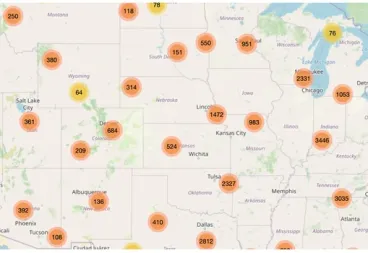
AAEP Find a Veterinarian. The American Association of Equine Practitioners runs a public member directory searchable by name, by specialty, and by location with a radius you set at 10, 15, 25, 50, 100, 250 or 500 miles. It is the best general starting point. Read a result correctly: it reflects membership in a professional association, which signals ongoing interest and training rather than board certification, and AAEP’s membership includes veterinary students as well as practitioners. The specialty dropdown needs the same care. Alongside surgery, internal medicine and diagnostic imaging it lists acupuncture, chiropractic and homeopathy, none of which are AVMA-recognized specialty boards, so read that filter as a stated interest. Listings give you the veterinarian, the practice, an address and an email.
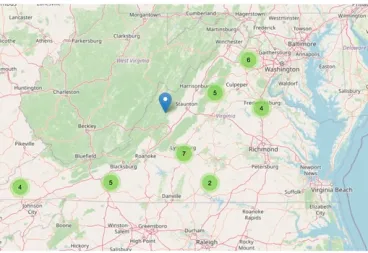
The USDA accredited veterinarian search. Barely known among horse owners and genuinely useful. USDA APHIS runs a public search of accredited veterinarians filtered by state, county, accreditation category and species, with equine among the species, and the results carry a phone number, which AAEP listings do not. Two caveats. Accreditation is a regulatory authorization, not a quality ranking: USDA authorized that veterinarian to perform official duties such as health certificates and pulling blood for a Coggins, which says nothing about clinical skill. And category matters, because the search page’s own definitions exclude horses from Category I entirely. For anything official involving a horse, you want Category II.
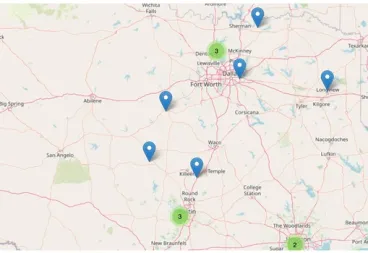
The ACVS surgeon directory. For problems that end up at a hospital, the American College of Veterinary Surgeons is, in its own description, the AVMA-recognized specialty organization certifying veterinarians in large animal surgery and small animal surgery. Its Find a Veterinary Surgeon search takes a city or zip, a state, a distance and a species checkbox for equine, and returns board-certified surgeons with practice, phone and email. The directory says plainly that it is not a complete list of all ACVS diplomates, and advises widening your distance if a search comes back empty. You are not shopping for a surgeon today; you are learning in daylight which hospital you would haul to and how far it is.
A word about empty results, because rural owners hit this constantly. Searching the AAEP directory from Miles City, Montana returned nothing at 25 miles and nothing at 100; results appeared only at 250, from Sheridan, Billings and Dickinson. The USDA search returned zero Category II equine veterinarians in that county. Neither result means nobody comes. Both searches are bounded by the geography you typed, and an ambulatory practice based one county over appears in neither, so widen the radius and try neighboring counties.
Two offline sources beat all three directories. Your farrier stands in a different barn every day and watches vets work; ask who they would call for their own horse. The boarding barn, the trainer, or the neighbor with twelve head has already made this decision under pressure and will tell you how it went. And a general practice that does not take horses will usually name who they refer equine cases to, which is a recommendation from someone with professional judgment and nothing to sell you.

Credentials, and what each one tells you
Three different things get called credentials. Association membership says a veterinarian joined the professional body and keeps up with its guidelines. USDA accreditation says what they are authorized to sign. Board certification is the only one that is a formal statement about expertise.
The American Board of Veterinary Practitioners certifies veterinarians in 12 Recognized Veterinary Specialties, and Equine Practice is one of them, an AVMA-recognized specialty in ABVP’s own description. Getting there takes at least four years of full-time, high-quality practice experience with horses, or the residency route (an internship or a year of practice in the specialty area, then a minimum of two years in an approved residency), plus a credentials review and a comprehensive examination. Someone who passes is a Diplomate, written DABVP. Check the ABVP specialist search for one near you, but treat it as a ceiling to check rather than a filter to insist on: ABVP diplomates across all 12 categories are spread over 49 states, and the equine group is a subset of that.
Two other boards matter for horses, for different problems. ACVS certifies in large animal surgery, the board behind whoever would operate on a colic. The American College of Veterinary Internal Medicine board-certifies in six specialties, one being Large Animal Internal Medicine, which is who you meet for the complicated fever, the neurologic case, or the foal that is not thriving. Your ambulatory vet refers into both, which is how the system is meant to work.
The practical bar underneath all of it is unglamorous: a named veterinarian who sees horses every week, serves your address, carries the drugs and equipment for the routine year, and has an answer for Sunday night.
The screening call
Call two practices. Ask for the practice manager or a technician, and be ready to hear that they are not taking new clients, which happens and is not personal.
- Do you serve my address, and how often are you in my area? Everything depends on this. Ask whether they run scheduled route days by region.
- Are you taking new clients, and is there a wait? Better to learn today than in a crisis.
- How is the farm call fee calculated? There is usually a trip charge separate from the work, and it may vary by distance or by whether you are on a route day.
- Which veterinarian would normally see my horses, and what happens when that person is off? Get a name, then get the backup.
- What do you handle in the field, what would you refer, and where to? Everyone refers something. Learn the hospital’s name before you need it.
- Who covers nights, weekends and holidays? Then the question owners forget: what number do I call at 2am, and does it reach a person.
- Do you do routine dental work with sedation and a full mouth speculum? That is the standard for a real oral exam.
- Do you run fecal egg counts and deworm off the results? A practice still recommending a tube on rotation every eight weeks is behind the guidelines.
- Can you pull a Coggins and write health certificates? The accreditation question, in plain language.
- How does payment work, at the visit or billed? Ask now, while nobody is upset. Emergency work is where bills surprise people.
If two practices answer well, take the closer one. Drive time is a clinical variable when the vet is the one driving.
Book the routine visit now
The payoff of finding a vet early is that you become an existing client with a file, a baseline exam, and a premises the veterinarian has actually stood in. Build that first visit around the routine year.
Vaccines. The AAEP’s vaccination guidelines identify four core vaccines for horses: tetanus, Eastern and Western equine encephalomyelitis, West Nile virus, and rabies. Core is the AVMA’s definition, which AAEP quotes: protection against diseases that are endemic to a region, carry potential public health significance, are required by law, are highly infectious, or pose a risk of severe disease. Everything else, influenza and herpesvirus and strangles among them, is risk-based, and AAEP is direct that disease risk is not readily identified by laypersons, so those calls get made with your veterinarian. Our core horse vaccine guide covers what each one prevents.
Dental care. The AAEP Horse Owner Education Committee’s introduction to equine dentistry sets the baseline at a dental exam at least once a year, adds that horses over the age of 10 may need more frequent visits, every six months, especially if they have dental issues, and describes the exam as sedating the horse if necessary and using a speculum to open the mouth so the teeth can actually be inspected. Read that older horse line the way AAEP writes it, as a may rather than a must, with the interval set by the veterinarian who has looked in the mouth. Quidding, dropping feed, weight loss on good hay and resistance to the bit move it up the calendar; our horse dental care guide has the rest.
Parasite control. The AAEP’s internal parasite control guidelines, revised in May 2024, tell veterinarians to stop blindly rotating drug classes, run fecal egg counts once or twice a year to sort horses into low, moderate and high shedders, treat every horse at a baseline rate while targeting high shedders more often, and run a fecal egg count reduction test annually to confirm the dewormers still work in that barn. The driver is drug resistance. Our horse deworming guide covers the testing.
Coggins and travel paperwork. Equine infectious anemia is a viral disease of equids with, in USDA APHIS’s words, no treatment and no vaccine; it is reportable in all states, and horses that survive infection become lifelong carriers that must be permanently isolated or euthanized. The Coggins test is the assay the United States has used to detect and control it since the 1970s, and only Category II accredited veterinarians may submit those samples to an APHIS-approved laboratory. Merck’s professional chapter on equine infectious anemia recommends annual testing of all horses as part of a premises control plan and a negative result before any new horse joins the herd, and notes that travel regulations often require testing. Your own interval depends on your state and the events you enter, so ask your state animal health official and your show secretary rather than any general answer, including this one.
A purchase exam, if you are still shopping. AAEP’s position in its purchase exam resource is that whatever you want the horse for, you stand the best chance of getting one that meets your needs by investing in a purchase exam, and that what it includes should be settled between you and your veterinarian. It is also the cheapest way to meet a good equine vet before you own the problem, and our guide to what a horse costs puts the spend in context.
The emergency plan, built before you need it
AAEP’s guidance on preparing for an equine emergency is a short list: keep your veterinarian’s number where you can reach it, including how they can be reached after hours; ask that veterinarian for a backup or referring number in case you cannot reach them fast enough; know the most direct route to an equine surgery center in advance; store the numbers of neighbors who could help while you wait; and keep a first aid kit somewhere clean, dry and obvious, with a second in the trailer.
Four horse-specific items belong on that list too.
- Solve the trailer problem in advance. If you do not own one, know whose you would call and whether that person answers at night. A horse that has never been asked to load will not learn during a colic.
- Know your own horse’s normal. Resting heart rate, gut sounds, and what its manure usually looks like are the first questions you will be asked. Take those numbers once when nothing is wrong.
- Settle authority and money in daylight. If you board or travel, the barn manager needs to know who approves treatment and up to what cost. And colic surgery is a real option with real costs, so have that conversation with your family before a surgeon is waiting on it.
What counts as call now. Signs of abdominal pain top the list. AAEP calls colic “the No. 1 killer of horses” and stresses that many of the conditions causing it become life threatening in a short period, so recognizing it quickly and getting qualified veterinary help is what maximizes the chance of recovery; our colic guide covers the signs. Merck’s professional colic chapter adds two specifics: recent studies indicate survival rates for horses undergoing emergency abdominal surgery are often above 80 percent, a large improvement on older figures, and while higher heart rates are associated with more severe intestinal problems, not every horse that needs surgery arrives with a high one. Both point the same way, which is to call early and let someone qualified decide.
Also call now for sudden severe lameness or a horse that will not bear weight, especially if you suspect laminitis, where Merck notes the prognosis is better when it is caught early and guarded to poor in severe acute cases. Same for any wound over or near a joint: Merck’s trauma chapter is explicit that many musculoskeletal emergencies cannot be treated in the field, while accurate diagnosis and emergency treatment there are what make the outcome. Same for feed and saliva down the nostrils with coughing and distress, which is choke, commonly managed in the field per Merck but carrying a real risk of aspiration pneumonia.
Add a painful eye to that list. Merck’s chapter on ophthalmic emergencies in horses gives the reason plainly: because the clinical signs of ocular disease are nonspecific, emergent evaluation of a painful eye is always indicated in a horse. You cannot tell from the outside how bad it is, and accurate diagnosis with fast, effective treatment is what preserves the globe and limits the long term effect on vision. Foaling is the one place on this list where a source puts an actual clock on it. Merck’s chapter on parturition in horses says second stage labor, from the chorioallantois rupturing, which is the mare breaking her water, to the foal being delivered, usually lasts 15 to 30 minutes, and that obstetric intervention is indicated if the foal has not been delivered within 30 minutes of that rupture. Because your veterinarian has to drive to you, the call goes in when it starts looking wrong, not when the thirty minutes are gone.
Between the extremes, call and describe it. Nobody at an equine practice thinks less of an owner for a call that turns out to be nothing, and AAEP’s own advice is not to worry about overreacting.

The records that make every visit faster
An ambulatory visit is time-boxed in a way a clinic appointment is not, because your vet has more stops after yours. Every minute you can answer precisely is a minute spent on your horse instead of reconstructing the last two years.

Have these ready, per horse:
- Vaccination dates and products. Which vaccines, when, and who gave them. If you vaccinate anything yourself, that record matters more, not less. The fields worth capturing are in our note on what belongs in a vaccination record.
- The last Coggins, its date and result, plus health certificates from any travel.
- Deworming history with fecal egg count results, not just product names. The numbers steer the plan.
- Farrier schedule and hoof history. Cycle length, who does the work, any shoeing changes. Hoof problems and lameness live in the same conversation, as our hoof care guide explains.
- Body condition over time. Horses get scored rather than weighed for this. University of Minnesota Extension describes body condition scoring on the Henneke scale of 1 to 9 and makes the point that you have to put hands on the horse and feel it rather than judge from across the paddock. Score every month or two and write the number down, because gradual change is invisible day to day. Our body condition guide has the scoring detail, and there is more in our horse health records guide.
- Current feed and recent changes, plus prior problems, medications and doses, including anything that did not work and any drug reaction.
This is what a free animal profile is for. Attach records to the horse rather than a folder in the tack room, set reminders for boosters and the dental so they do not slip, and download a printable packet before a purchase exam, a move or a referral so the receiving vet is not starting from zero. Medical record types are private by default, which matters if you also list horses for sale.
What equine vet care costs
Nobody publishes an honest national number, because the bill depends on your state, your distance from the practice, and what the horse needed. The shape is consistent, though.
A routine visit is a farm call or trip fee plus the work. That trip fee is the part small animal owners do not expect, and it is why practices batch a region into one day and why two horses on one visit cost less per horse than two separate visits. The routine year, meaning core vaccines, a dental exam, fecal egg counts and a Coggins if you travel, is predictable and modest by horse standards. The expensive events are the unschedulable ones: an after-hours call, a lameness workup with imaging, hospitalization, or colic surgery, which is a five-figure decision in most of the country and the reason many owners carry major medical insurance.
Get three numbers on your screening call: the farm call fee and how it is calculated, the cost of a routine vaccination and dental visit, and what an after-hours emergency call runs. Those three shape most of your planning and they are specific to where you live.
Common questions
Can my dog and cat vet treat my horse?
Sometimes, in mixed practices that keep equine drugs and equipment on the truck, and those are common in rural areas. The question is not whether they will come out. It is whether they see horses regularly, whether they hold Category II accreditation for your paperwork, and what they do at 2am. Ask rather than assuming either way. If your place also runs cattle, sheep, goats or pigs, our guide to finding a large animal vet covers how mixed and food-animal practices work and what they need from your facilities.
How far away can my vet reasonably be?
Further than you would accept for a dog, because they drive to you. What matters more than mileage is whether your address sits on a route they already run, and how long they would take to reach you in an emergency. Ask both.
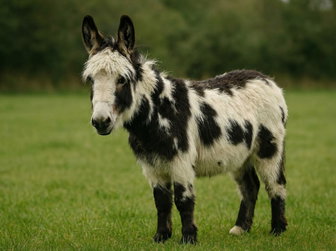
What about donkeys and mules?
Most equine practices see them and the same directories apply. Be aware the sourcing is genuinely thinner: AAEP’s vaccination guidelines cover products licensed for horses and state that data are limited in asses, donkeys, mules, miniature horses and zebra, leaving their vaccination to the attending veterinarian. A vet who tells you the label data is limited in donkeys is being accurate, not evasive.
My horse seems perfectly healthy. Do I still need a vet lined up?
Yes, and that is the point. Beyond vaccines and the dental, a routine visit makes you an established client and satisfies the requirement that your veterinarian has actually seen your horse and knows how it is kept. That relationship is what you are buying, and it cannot be bought on the night you need it.
What is the single most useful thing to have ready in an emergency?
Your horse’s normal resting heart rate and current body condition, plus the exact time you last saw it eat and pass manure. Those facts shape the first decisions a vet makes on the phone, before anyone is in a truck.
Do this next on Creatures
Creatures is the records, marketplace and directory layer for keeping all of this in one place. It is not a veterinary referral service, and nothing here replaces your vet. What it does is make sure that when the truck pulls into your yard, the history is already written down.
Add each horse. Create a free animal profile in a few minutes. No account needed to start, and the walkthrough is in adding an animal to Creatures. The horse species hub has the rest of the care library.
Build the history your vet will ask for. Log vaccinations, exams, test results like the Coggins, medications, routine care such as hoof trimming and deworming, and body condition. The record sheet opens for any visitor to look around, and a free account is what saves it. See adding a record, health and medical records, and what each profile tab does.
Stop tracking boosters in your head. Vaccine boosters, the annual dental, fecal egg counts and the next Coggins are exactly what slips. Set them once as reminders and upcoming care and subscribe to them as a calendar feed.
Looking for a horse? Browse horses on the marketplace and search trusted breeders and farms in the Creatures directory. Waiting for the right one? Set a free listing alert and new matches come to you. No account needed to start, and saving searches and using your watchlist explains how it works.
Run a barn, a lesson program or a breeding operation? Add your operation so owners in your area can find you, then read creating an organization and adding your team and getting listed in the breeder directory.
Keep reading. We have finder guides for other species too, including how to find a rabbit vet and how to find a ferret vet, and more in the Creatures care library.