

Author: Elliott Garber, DVM · Updated
Find an exotic vet the same week you bring the animal home, while nothing is wrong. The search itself is short: run your zip code through the exotic veterinary directories below, call two or three of the practices that come up, ask a handful of specific questions, and book a wellness exam with the one that answers best. Do none of it at nine on a Sunday night with a gecko that has not eaten in a week or a budgie sitting fluffed on the cage floor, when the same search is slower, more expensive, and harder on you.
The reason to move early is built into the animals themselves. Most exotic pets are prey species that hide illness until it is advanced, most are legally “minor species” with few drugs approved for them, and the clinics equipped to treat them are thinner on the ground than dog and cat practices. All three problems shrink when a veterinarian already knows your animal, so the real goal is not a name in your phone. It is being an established client with a baseline on file before anything goes wrong, and starting your animal’s health and weight record now, because that history is the first thing a good exotics clinician will ask you for.
| What “exotic” covers | Birds, reptiles, amphibians, small mammals like rabbits, ferrets, and guinea pigs, plus fish and invertebrates. Practically, everything that is not a dog, cat, horse, or mainstream livestock |
|---|---|
| When to start | Before there is a problem. Being an established client is the whole point |
| Where to search | AEMV Find an Exotic Vet (small mammals), AAV Find-a-Vet (birds), ARAV Find a Vet (reptiles and amphibians), ABVP Find a Specialist (board-certified diplomates), plus two offline routes: your current vet’s referral network and your species’ rescue or club |
| Highest credentials | ABVP Diplomate in Avian, Exotic Companion Mammal, or Reptile & Amphibian Practice; ACZM Diplomate in zoological medicine. Both are rare, so treat them as a ceiling to check, not a filter |
| Practical bar | A named veterinarian who sees your species every week and can say what happens after hours |
| Emergency line | An exotic pet that stops eating is never routine. Call the same day and let the clinic triage |
| First appointment | A wellness exam for a baseline weight and a husbandry review, so the sick visit is never the first visit |
| Bring with you | Weight history in grams, exact diet, enclosure photos, and any prior records. Keep them in one place |
What “exotic” actually covers
“Exotic” is a clinic word, not a biology word. In American practice it means more or less every companion animal that is not a dog, a cat, a horse, or mainstream livestock: parrots and backyard poultry, snakes, lizards, turtles, frogs, rabbits, ferrets, guinea pigs, rats, chinchillas, hedgehogs, sugar gliders, aquarium fish, even tarantulas. Your gecko is not exotic to the gecko. It is exotic to a profession whose training hours, drug approvals, and equipment lists were built around seven species. If what you keep sits on the other side of that line, those searches work differently, and we cover them separately in how to find an equine vet and how to find a large animal vet.
That seven is not a figure of speech. Federal drug law defines the major species as horses, dogs, cats, cattle, pigs, turkeys, and chickens, and classes every other animal as a minor species. The FDA’s own examples of minor species read like an exotic vet’s waiting room: zoo animals, ornamental fish, parrots, ferrets, and guinea pigs.
The label is also too big to be one skill. The American Board of Veterinary Practitioners splits this world into separate certification categories, and a veterinarian superb with parrots may see few snakes, so the useful question is never “do you treat exotics.” It is “how often do you see mine.”
Why exotic medicine is a different job
The honest version of this argument has nothing to do with mystique. Many general practices see some exotic patients and serve them well, and a good dog and cat vet who refers your tortoise out is doing exactly what good medicine looks like. The gap is caseload, equipment, and drug logistics, which are exactly what you will screen for on the phone.

Sick exotics do not look sick until late. The University of Illinois College of Veterinary Medicine’s column on pain in exotic pets explains that many exotic pets are prey species whose instincts protect them from predators when injured or sick: they become very still, stop performing normal behaviors, and mostly will not vocalize unless pain is severe and acute. Its example patient is a guinea pig whose owners noticed only that she had stopped eating and lost her liveliness. By the time an exotic pet looks unwell to a person, the problem is, in the column’s words, often advanced further than it would be in a traditional pet. A clinician who handles your species weekly reads those small signals faster, and your own weight log supplies the other half of the picture.
Most of the prescribing is off the label. Because so few drugs are approved for minor species, day-to-day exotic medicine leans on the Animal Medicinal Drug Use Clarification Act of 1994, which gives veterinarians the legal ability, within limits, to prescribe approved drugs in extralabel ways. One of AMDUCA’s core conditions is a valid veterinarian-client-patient relationship: the law expects your vet to actually know you and your animal. Congress passed the Minor Use and Minor Species Animal Health Act in 2004 precisely because these markets were too small to carry drugs through approval on their own. The practical consequences: dosing an exotic patient is judgment built on experience and current literature rather than a label, and a vet who has never met you cannot lawfully do much for you over the phone. Both point the same way. Establish the relationship early.
Anesthesia rewards repetition. The best hard numbers come from the large UK study known as CEPSAF, which followed 98,036 dogs, 79,178 cats, and 8,209 rabbits across 117 practices and found an anesthetic and sedation-related death risk within 48 hours of 0.17 percent in dogs, 0.24 percent in cats, and 1.39 percent in rabbits, roughly 1 in 72 for the rabbits. The data is from 2002 to 2004 and practice has moved since, but the shape of the finding is the point: in the species where far fewer clinicians work routinely, anesthetic risk ran several times higher. Equipment follows the same logic. Gram scales, patient warming, small airway equipment, and a ward where a prey animal is not recovering within sight and sound of barking dogs are ordinary purchases for a practice with steady exotic caseload, and hard to justify without it.
None of that says general practitioners cannot learn your animal. It says repetition is what you are shopping for, and it is why the screening call asks for numbers instead of reassurance.
The credentials, decoded
Anyone can put “exotic vet” on a website. The terms below are the ones with definitions behind them, from the certifying and membership bodies themselves.
Board certification, the ceiling. The American Board of Veterinary Practitioners is an AVMA-recognized veterinary specialty organization that certifies veterinarians in 12 practice categories, and three of them cover the exotic world: Avian Practice, Exotic Companion Mammal Practice, and Reptile & Amphibian Practice. There is even a Fish Practice category. Reaching certification takes a minimum of four years in practice, or an approved residency of at least two years entered after an internship or a year of specialty practice, followed by a credentials review and a comprehensive examination. Someone who passes is a Diplomate, written DABVP. Separately, the American College of Zoological Medicine is an international specialty organization recognized by the AVMA to certify veterinarians with special expertise in zoological medicine, the discipline spanning zoo, aquatic, wildlife, and zoological companion animal work. Its diplomates are mostly found at university teaching hospitals, zoos, and aquariums, and a referral from your regular vet is usually how you reach one.
Association membership, the strong signal. Three professional associations anchor exotic practice, and each runs the directory covered in the next section. The Association of Exotic Mammal Veterinarians, founded in 2000, is dedicated to advancing the care of exotic companion mammals through peer-reviewed research and continuing education, and its official journal is the Journal of Exotic Pet Medicine. The Association of Avian Veterinarians describes itself as a global professional organization dedicated to advancing avian health, welfare, and conservation, and publishes the Journal of Avian Medicine and Surgery. The Association of Reptile and Amphibian Veterinarians serves the reptile and amphibian side the same way. Membership in these groups is open broadly: AEMV, for example, admits veterinarians, veterinary technicians and assistants, and students. Read a membership for what it is: a clinician who has raised a hand for ongoing training and interest in your kind of animal, not a board credential. With diplomates scarce, a member vet with real caseload is the realistic and entirely good outcome for most owners.
The directories that actually exist
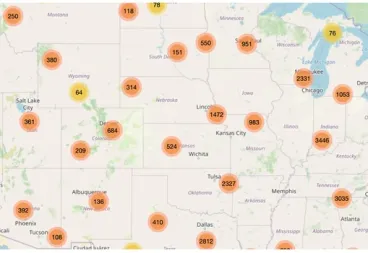
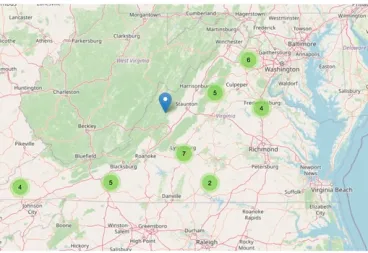
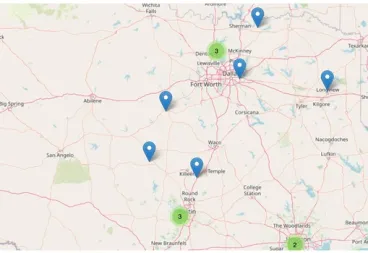
There is no single national register of exotic vets, but four working directories cover the ground, and it helps to know what each really is. All four are free and public.
AEMV Find an Exotic Vet. The association’s location search takes your address or zip and a radius from 10 up to 500 miles. The page title names rabbits, guinea pigs, and rodents; it is the right first stop for any exotic mammal. There is no species filter, so confirm by phone that a listed practice sees yours.
AAV Find-a-Vet. The Association of Avian Veterinarians runs its Find-a-Vet with separate United States and international searches. The US side searches by zip code or city, by state, by veterinarian name, or by specialty degree, and the degree filter can isolate ABVP Avian Practice diplomates or ACZM diplomates near you. AAV is explicit that it does not give medical advice to the public; the directory is where it sends owners. If birds are what you keep, our guide to finding an avian vet works through this search in detail and carries a section on backyard poultry.
ARAV Find a Vet. The reptile and amphibian association’s member directory searches by name, clinic, or country, or by a US address with a radius from 5 up to 500 miles. The association frames results plainly as member veterinarians with reptile and amphibian expertise, and notes that postal-code search works only inside the US. Our guide to finding a reptile vet covers how to read an ARAV result and what to ask a practice about husbandry.
ABVP Find a Specialist. The board’s own specialist search is where you look for a Diplomate. Its own coverage line is honest about the odds: diplomates across all 12 categories span 49 of the 50 US states, and the exotic categories are small slices of that, so there may be none within reach. Check it as a ceiling, not a filter.
Two offline routes routinely beat all four. Your current dog and cat vet refers exotic cases somewhere, and asking “who would you send a bearded dragon to” gets you a recommendation from someone with professional judgment and nothing to sell. And the rescue or club for your species, the house rabbit group, the local bird club, the herpetological society, pays for a lot of veterinary care with donated money and remembers exactly who did it well. If you keep rabbits or ferrets, we keep dedicated guides to finding a rabbit vet and finding a ferret vet, including the species-specific directories those searches should add.
“Sees exotics” versus exotic-savvy
Both kinds of practice answer yes on the phone, and a clinician with no letters at all can still be excellent. A practice that sees exotics will book your species, examine it competently, and handle simple problems, then refer or improvise when things go sideways. An exotic-savvy practice has your species in its normal caseload: appropriately small equipment in the room, a gram-scale weight at every visit, hospitalization away from predator species, and a ready answer for the animal that arrives at six in the evening not eating. Letters after the name are not what separates the two. The screening call is.
The screening call
Call two or three practices from your search. You are listening for numbers, names, and fluency, not for a promise that everything will be fine.
- How many of my species does the practice see in a typical week or month? A number is an answer; “we see exotics” is not. The Illinois advice to find a vet familiar with your species before trouble starts is really a question about this number.
- Which veterinarian sees them, and what happens when that person is away? Get a name. Exotic skill usually belongs to a person, not a building.
- Do you handle anesthesia and surgery for this species in-house, or refer it? Referring is a fine answer that tells you they know their limits. A vague answer is the bad one.
- Where do exotic patients recover? You want small patients hospitalized away from the sight and sound of predators, with heat support for reptiles.
- What would you do if my animal stopped eating on a Saturday night? The answer should name a specific emergency hospital and confirm it accepts your species. You are borrowing their after-hours plan; write it down.
- What does a wellness exam cost for this species, and what does a typical sick visit run? Asking now keeps money from becoming the reason you wait later.
- Do you stock or can you quickly source the medications this species needs? For minor species this is a real logistics question, not a gotcha, and practices with steady caseload will answer it easily.
- What should I bring to the first visit? A practice fluent in exotics will ask for a weight history, an exact diet, and photos or dimensions of your setup, because husbandry review is half of exotic medicine.
If two practices answer well, pick the closer one and keep the other’s number. Distance is a clinical variable for a small animal that crashes fast.
Book the wellness exam now
The Illinois column makes the case in one line: find a veterinarian familiar with your pet’s species before the pet develops a situation that requires care. The same column notes that apart from ferrets, most exotic pets do not receive routine vaccines or parasite treatments, so the wellness visit is not a shot appointment. It is a baseline weight on a gram scale, a physical exam by someone who knows what normal looks like in your species, and a husbandry review that catches the heat, lighting, or diet problem before it becomes a medical one. Many practices prioritize urgent appointments for established clients, so the cheap, calm first visit is what buys the fast phone call in a bad week.

Booking it also settles the relationship question from the drug section above: after the visit you are a client with a chart, a baseline, and a veterinarian who can lawfully advise you.
Build the emergency plan before you need it
Almost nobody does this part, and it is twenty minutes of work that decides how the worst night goes.
- Find the after-hours option and call it now. Many emergency hospitals see dogs and cats only, and some see exotics on certain shifts. Ask directly: would you see a guinea pig, a conure, a ball python tonight? Ask your chosen practice who they send exotic patients to after hours and check the answers against each other.
- Write the plan down where your household can find it: hospital name, address, phone, hours, and the species answer you were given. Memory is not a plan at 2am.
- Drive the route once in daylight so the first trip is not the frightening one.
- Keep a go-carrier ready: hard-sided and latched for mammals, the travel cage for a bird, a secure ventilated tub for a reptile, each with familiar bedding. In cold weather plan how you will keep a reptile or small mammal warm in the car; chilling a sick patient on the way in helps nothing.
- Decide your thresholds now. Not eating, labored breathing, bleeding, collapse, or simply “acting wrong” in a species that hides illness are call-now events. The lesson of the prey-species biology above: waiting to be sure is the expensive choice.
The records that make every exotic visit faster
Exotic appointments run long because history-taking is most of the work. Husbandry is the history: what the animal eats, exactly, and what its enclosure, temperatures, lighting, and humidity look like. The owner who arrives with numbers turns a twenty-minute interview into a five-minute review; the difference goes into the exam.
Bring, or better, keep continuously:
- Weight over time, in grams for birds, reptiles, and small mammals. A kitchen gram scale once a week or two is the single most useful habit in exotic ownership, because gradual loss under feathers or fur is invisible without numbers.
- The exact diet. Brand and formulation, hay type, live prey schedule, supplements, treats.
- Enclosure photos and the temperatures and lighting it actually runs, including bulb ages for reptiles.
- Every prior record: vaccines where your species gets them (ferrets and rabbits mostly, and our note on what belongs in a vaccination record covers the fields worth capturing), procedures, medications with doses, and lab results.

This is exactly the job an animal profile exists for. A free Creatures profile takes vaccination records with administered-by and next-due fields, exams, medications, surgeries, test results, and weight over time, and medical record types are private by default. You can set reminders for boosters and rechecks and subscribe to them as a calendar feed, download a printable packet of the whole history to hand to a new clinic (a free account covers it), and import the clinic’s own PDF or lab report back into the record after the visit, so the file stays complete in both directions.
What exotic vet care costs
National price figures for exotic care do not really exist, so treat any single number you read as one clinic’s price. The reliable shape: an exotic exam usually costs at least as much as a dog or cat exam at the same practice, because the appointment is longer and fewer clinicians offer it. The routine year, one wellness exam and little else for most species, is modest. The expensive events are diagnostics and anesthesia, imaging, send-out labs for species few local labs run, and procedures done under the extra monitoring small patients warrant, and after-hours emergency care is the biggest variable of all. Get three numbers on your screening call, the wellness exam fee, a typical sick-visit cost, and the emergency hospital’s exam fee, and you have a budget grounded in your own zip code. For one worked example, the crested gecko cost guide budgets a reptile’s yearly exam and fecal test from three clinics’ published 2026 fee lists.
Common questions
Is “exotic vet” an official title?
No. Any practice can use the phrase. The defined terms are ABVP Diplomate in Avian, Exotic Companion Mammal, or Reptile & Amphibian Practice, ACZM Diplomate in zoological medicine, and membership in AEMV, AAV, or ARAV. Each means what the credentials section says and nothing more.
Can my regular dog and cat vet see my exotic pet?
Often yes, for routine care, and some general practices are quietly excellent with one or two exotic species. The questions that matter are caseload, anesthesia, and after-hours. Many owners land on a sensible split: a nearby general practice that knows the animal, plus a higher-volume exotics practice further away for surgery and the hard problems.
How far is too far to drive?
Owners of exotic species routinely drive an hour or more for planned care, and for a rare skill that is a reasonable trade. Emergencies flip the math, which is why the plan above finds the nearest hospital that will actually see your species, even if it is nobody’s favorite.
What if there is genuinely no exotic vet near me?
Widen the directory radius to 100 miles or more, then ask the nearest general practice whether they will handle routine care while consulting or referring for the rest. University teaching hospitals with zoological medicine services are worth asking your vet about, since referral is usually the door in. Many rural exotic owners run a workable pattern: a long drive once a year for the wellness exam, plus a solid local relationship for urgent triage.
Do fish and invertebrates really get vets?
Yes. ABVP certifies a Fish Practice category, and aquatic work sits inside zoological medicine as ACZM defines it. Coverage for fish and invertebrates is thinner than for birds and small mammals, so the referral-and-consult route through a nearby practice is even more often the answer. If you keep a betta, our betta fish guide covers the heat, filtration and water testing a fish vet will want to hear about.
Do this next on Creatures
Creatures is the records, marketplace, and directory home for the animals themselves. It is not a veterinary referral service, it does not list veterinarians, and nothing here replaces your vet. What it does is make sure that when you reach the clinic you found today, the history in your hand is complete.
Give each animal a profile. Create a free animal profile for any species, no account needed to start. The walkthrough is in adding an animal to Creatures, and the profile tabs guide shows where everything lives.
Build the history your vet will ask for. Log weights, exams, medications, and test results. The record sheet opens for any visitor, and a free account is what saves it. See adding a record and health and medical records.
Stop trusting memory for recurring care. Boosters, rechecks, weigh-ins, and bulb changes belong in reminders and upcoming care, with a calendar feed you can subscribe to.
Keep learning your species. Browse the guinea pig, rabbit, ferret, bearded dragon, leopard gecko, and ball python hubs, and the rest of the care library.
Adding another animal? Browse guinea pig listings on the marketplace (any species is one filter away), search trusted breeders and rescues in the Creatures directory, or set a free listing alert and let matches come to you. No account needed to start. New to alerts? See saving searches and using your watchlist.
Breed or rescue exotics? Add your organization so owners searching your species can find you, then read getting listed in the breeder directory.