

Updated
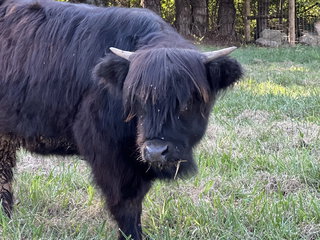
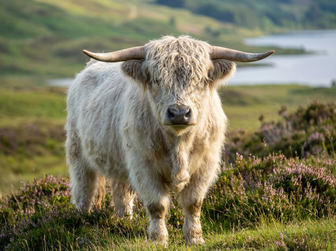
Often known as the gentle giants of Scotland, highland cows have thick, shaggy coats and distinctive long horns. Over the last few years, interest in this heritage cattle breed has exploded. Farmers and breeders prefer this breed because it thrives in cold climates, requires minimal grain supplementation, and boasts one of the highest-quality beef profiles in the industry.
While there are many advantages, they may not be suitable for every farm or ranch. In this guide, we’ll break down everything you need to know before you buy highland cattle, from nutrition and breeding to pricing.
History of Highland Cattle
For centuries, highland cattle have roamed the untamed landscapes of Scotland, shaped by the unforgiving climate of the rugged Highlands. Their survival in these extreme conditions was dictated by nature, where only the strongest and most resilient breeds thrived.
Recognized as the oldest registered breed of cattle, highland cattle has a storied lineage. The first official Herd Book was established in 1885, a year after the formation of the Highland Cattle Society in 1884. Interestingly, early records indicate that many of the registered cattle were black, a contrast to the well-known red-coated highlanders seen today.
Historically, the breed was divided into two distinct types: the Kyloes, smaller cattle with darker coats, which were primarily raised on Scotland’s western isles, and the larger, red-coated cattle found on the mainland. Over time, these variations merged into a single, unified breed. The breed now displays a spectrum of colors, including red, black, white, yellow, brindle, silver, and dun.
Highland cattle’s reputation for hardiness and high-quality meat eventually caught the attention of American ranchers. U.S. cattlemen began importing highland cattle in the late 19th century. Their introduction played an important role in strengthening the American cattle industry, particularly in regions with challenging grazing conditions. The American Highland Cattle Association was established in 1948 to support breeders and maintain pedigree integrity.

Key Characteristics of Highland Cattle
Highland cattle have distinctive features that make them instantly recognizable. Here are a few characteristics that set them apart:
- Double-layered coat: Unlike other breeds, highlands have an oily outer coat that repels water and a dense undercoat for insulation. This reduces the need for body fat, making their meat naturally lean.
- Efficient grazers: They can thrive on rough forage, shrubs, and even low-quality pasture that may not be suitable for other cattle.
- Slow-maturing breed: Highland cattle are slow-maturing and may not reach full size until five to six years of age. While this improves meat quality, it may affect profitability in commercial settings.
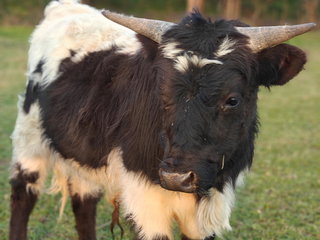
- Distinctive horns: Both males and females grow large, sweeping horns used for defense and foraging.
- Hardy and disease-resistant: highlands have strong immune systems and are less prone to common cattle diseases.
What are Highland Cows Used for?
Highland cattle are not just adorable to look at, but they have distinct traits that make them suitable for milk and meat production, crossbreeding and more. Here’s a look at some of the most common uses of this breed in commercial settings.
Milk Production
While highland cows don’t produce as much milk as production milk cows, they can produce around 2 gallons a day. This is usually enough for personal use. Their milk has up to 10% butterfat content, which is appealing to some farmers.
Meat Production
One of the main reasons why a lot of farmers keep Hairy Coos, another name for this majestic breed, is for meat. Their meat is lean but well-marbled and is rated as premium beef. Pure highland beef has high protein content, fine texture, and good flavor. It commands a premium price. Studies show that highland meat is lower in cholesterol and fat compared to chicken.
Crossbreeding Highland Cattle
Many consumers are looking for lower-cost options as high-quality meat can be expensive. Breeding highland suckler cows with others, like Limousin or Shorthorn bulls, is a common practice. This crossbreeding practice creates calves with tender meat but at a lower price.
Crossbred suckler cows still inherit traits of highland cows, like their hardiness, but they’re more commercial-friendly.
Showing Highland Cattle
Many farmers and ranchers also use highland cattle for showing purposes. They’re often groomed with conditioners and oils to make their coats look fluffy. As per the breed standard guidelines, the animals are judged on four areas: hair, back and body, neck, and head. Judges also look at other criteria, such as natural horns, wavy hair, straight and short legs, and a wide distance between the eyes.

Pros and Cons of Highland Cattle
Highland cattle is popular for beef production, and they’re also sought after by homesteaders and small farms. But they do come with a few challenges.
Pros
- Excellent cold-weather adaptability: They can thrive in subzero temperatures with minimal shelter.
- Superior beef quality: Their meat is lean, marbled, and high in omega-3 fatty acids and protein.
- Minimal vet care needed: They’re naturally resistant to respiratory diseases and common cattle illnesses.
- Great for brush control: Can clear weeds, brush, and invasive plant species.
- Docile nature: They generally have friendly traits and are easy to manage.
Cons
- Slow growth rate: It takes longer for them to reach finishing weight compared to commercial beef breeds.
- Not ideal for hot climates: Their thick coat makes them unsuitable for extreme heat and humidity.
- Horned breed risks: While they’re not aggressive, their large horns pose handling challenges.
- Higher fencing requirements: Stronger fencing is needed to prevent horn damage and escapes.
How Much Space Do Highland Cattle Need?
Before you buy highland cattle, it’s important to ensure you have enough land available to accommodate their size and foraging habits. Here’s a quick look at what you’ll need.
Land Requirements
- Pasture size: At least 2 to 5 acres per animal, depending on pasture quality.
- Rotational grazing system: Improves pasture sustainability and prevents overgrazing.
- Shelter: They can withstand freezing temperatures, but a three-sided windbreak is ideal for extreme conditions.
Fencing for Highland Cattle
Because of their large horns, there’s a risk of injuries if they escape. Fencing height should be at least 4 to 5 feet to prevent this. Here’s a look at the best fencing types for highland cattle:
- High-tensile electric fencing (5 to 6 strands)
- Woven wire fencing with sturdy posts
- Heavy-duty steel gates (wider openings to accommodate horns)
What Do Scottish Highland Cattle Eat?
Highland cattle are quite low-maintenance when compared to grain-fed commercial breeds. That said, it’s important to know their dietary needs so you can provide for them.
Highland cattle thrive on a natural diet of forage, hay, and pasture grasses. During the winter months, you can expect each animal to consume around 30 to 40 pounds of hay per day. Provide free-choice salt, minerals, and vitamin supplements to support their health. While these hardy animals can maintain their weight without the need for grain, some farmers choose to supplement their finishing steers with grain for added growth.
Are Highland Cows Friendly?
Yes. Highland cattle have a reputation for a good temperament. They’re docile, low-stress, and don’t show aggression. They also have their own social hierarchy and show good understanding within their herds.
Highland cattle enjoy the company of humans and are often kept as pets. They’ve been living alongside humans for thousands of years and often approach them to seek affection. That said, it’s important to handle them with patience and care. Here are a few best practices to follow:
- Socialize calves early to make them easier to manage.
- Use slow, calm movements when handling.
- Avoid sudden loud noises. Highlands startle easily.
- Halters and lead training can help with movement and vet care.
Health and Breeding Considerations
Highland cattle is one of the healthiest cattle breeds, but you’ll still need to keep up with preventative care.
Common Health Issues
Make sure to get routine veterinary check-ups, annual vaccinations, and deworming to ensure they’re healthy. Here are a few common health issues you should be aware of:
- Hoof overgrowth: Occurs in soft, wet environments.
- Parasites: Internal deworming every 6 to 12 months is recommended.
- Respiratory infections: They’re rare but can occur in humid climates.
- Calving issues: They’re uncommon, but heifers should be monitored during first calving.
Breeding Considerations
If you’re buying a highland cow for breeding purposes, it’s important to select the sire carefully and manage calving properly. Select bulls based on structure, genetics, and docility. Avoid breeding heifers before 24 months to prevent any calving issues. The gestation period is 280-290 days, and most give birth without human assistance.
How Much Does Highland Cattle Cost?
Highland cattle prices vary based on coat color, size, and lineage. Prices can range from a few thousand dollars to tens of thousands, especially because of their popularity. For example, registered stock from champion bloodlines can sell for over $10,000. Here’s what you can expect to pay for different categories.
| Category | Price Range |
| Weaned Calves | $1,500 to $3,500 |
| Bred Heifers | $3,000 to $6,000 |
| Mature Cows | $4,000 to $8,000 |
| Registered Breeding Bulls | $4,000 to $12,000 |
Where to Buy Highland Cattle
Highland cattle are hardy, self-sufficient, low-maintenance, and have great beef quality. If you think they’ll be the perfect fit for your farm, there are several ways to buy them.
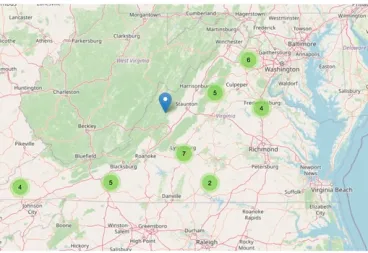
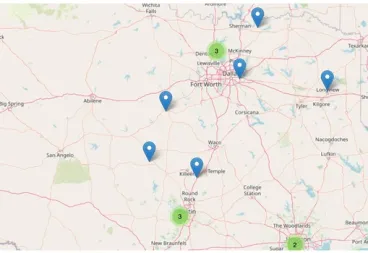
Start by checking the listing section on Creatures, where you’ll be able to purchase highland cattle from verified sellers. Here are a few other resources you can check:
- American Highland Cattle Association (AHCA): Verified breeder directory.
- Local and national livestock auctions: Some specialize in highlands.
- Private breeders and farms: Many offer direct sales.
Are Highland Cows Right for You?
Highland cattle are much more than just a photogenic breed. They thrive in wet and freezing environments where other cattle can’t exist. They’re also very low-maintenance and easy to care for. If you’re looking for a breed with excellent meat quality and friendly temperament, they can be a good choice.
Ensure you have enough land available to meet their size and foraging requirements. Learn as much as you can about caring for these majestic animals so you can help them lead long, healthy lives.