



Author: Elliott Garber, DVM · Published
You’re probably doing what most first-time buyers do. You open a marketplace, type in rottweiler pups for sale in indiana, and start scrolling through photos of chunky black-and-tan puppies with big paws and calm eyes. A few listings look polished. A few look rushed. Almost all of them say the same things: healthy, family raised, vaccinated, AKC, ready now.
That’s where buyers get stuck.
A Rottweiler puppy is not a casual purchase. This breed grows into a powerful adult dog, and the quality of the breeder’s records matters as much as the puppy itself. In Indiana, the main problem usually isn’t finding a puppy photo. It’s figuring out which seller can prove what they’re claiming, and which one is asking you to trust words that should be backed by paperwork. If you’re still learning the breed, a solid Rottweiler profile helps you get clear on size, temperament, and what responsible ownership looks like before you send a deposit.
Table of Contents
- Your Search for a Rottweiler Puppy in Indiana
- The first mistake buyers make
- What a better search looks like
- Where to Find Rottweiler Puppies in Indiana
- Breeders with their own websites
- Online marketplaces and classified listings
- Rescues and shelters
- Decoding Breeder Claims and Verifying Health Records
- What vague claims usually mean
- What to ask for before you pay
- How to organize what you receive
- Understanding the True Cost of a Rottweiler Puppy
- The purchase price is only the first filter
- What buyers often forget to budget for
- Indiana-Specific Legal and Registration Considerations
- What registration does and does not prove
- The paperwork that should exist before pickup
- How Creatures Ensures Transparency and Trust
- Final Steps From Deposit to Delivery
- How to place a deposit without creating risk
- Pickup day and first-night preparation
Your Search for a Rottweiler Puppy in Indiana
Most buyers begin with emotion. That’s normal. You see a strong head, thick bone, a quiet expression, and you start picturing the dog riding home with you.
Then the practical questions hit. Is this breeder real? Are the parents stable? Are the records complete? Is that “health tested” line a real statement or just sales language?
That tension matters more with Rottweilers than with many other breeds. You’re not buying a toy-sized dog whose adult needs stay modest. You’re choosing a future working-sized companion that will need structure, socialization, good orthopedic foundations, and clear medical history from the start. If the breeder cuts corners on records, they may also be cutting corners on pairings, care, and early development.
The first mistake buyers make
The most common mistake isn’t paying too much. It’s paying too early.
A rushed buyer sees “only one male left” or “ready this weekend” and starts making decisions based on scarcity. That usually leads to sloppy verification. Once money moves before documents do, your bargaining power diminishes fast.
Practical rule: Ask for records first, then discuss timing, transport, and payment.
What a better search looks like
A sound search has three parts:
- Start with the breeder, not the puppy photo. A good puppy can come from a weak listing, but weak breeder practices eventually show up somewhere.
- Treat documentation as part of the dog. Vaccination records, parent testing, registration paperwork, and written terms are not extras.
- Expect to walk away. If the seller gets defensive when you ask for proof, that’s useful information.
Buyers who stay disciplined usually end up with the better match. Not always the fastest one. Usually the safer one.
Where to Find Rottweiler Puppies in Indiana
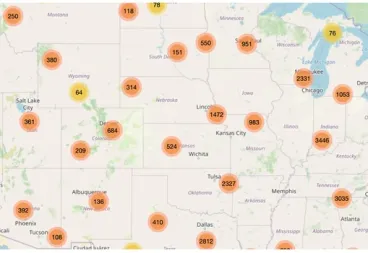
Indiana has active listings, but not an endless supply of carefully documented litters. Across the statewide directories and classified sites, the number of Rottweiler puppies listed in Indiana turns over constantly, and localized availability narrows even further once you filter to a specific area like Elkhart or Fort Wayne. The practical takeaway is simple. Buyers often shop from a limited visible pool, and location can change what’s available.

Breeders with their own websites
A breeder with a dedicated website can give you the clearest picture of how they operate. You may see parent dogs, planned litters, kennel practices, feeding choices, and contract details in one place. That’s useful because it lets you judge consistency, not just availability.
Still, a polished site is not proof. It’s only a starting point. When you review an Indiana option such as Michiana Rottweilers in the breeder directory, focus less on presentation and more on whether the breeder can supply records tied to specific dogs and dates.
Online marketplaces and classified listings
Marketplaces make it easy to compare multiple listings quickly. That’s the advantage. You can scan age, location, photos, and basic claims without making ten phone calls.
The drawback is obvious once you’ve looked at enough ads. Many sellers use the same language. “Vet checked,” “AKC,” and “health tested” show up often, but the records behind those phrases vary a lot. Classified sites are useful for discovery, not for trust.
Use them to create a shortlist, then move off the ad and into verification.
Rescues and shelters
Not every Indiana buyer should purchase from a breeder. Some households are better matched with an adolescent or adult dog from rescue, especially if they want to skip the youngest puppy stage.
A rescue route works best when the buyer accepts more uncertainty about early history. You may get a great dog with incomplete background information. That can still be the right choice, but it’s a different kind of decision than buying a puppy from a breeder with known parentage and a documented medical start.
A listing tells you what the seller wants to highlight. The records tell you what the dog has actually received.
Decoding Breeder Claims and Verifying Health Records
This is the part most buyers skip, then regret later. Sellers know that phrases like “great bloodlines,” “health tested,” and “vet checked” calm people down. Those phrases can be true. They can also be thin wrappers around incomplete paperwork.

A gap shows up repeatedly in Indiana-facing listings. Many pages highlight availability, first shots, deworming, microchips, docked tails, AKC registration, and broad parent health claims, but they often do not provide detailed, searchable proof of the actual tests, dates, or results buyers should review. That matters because Rottweilers have known inherited health concerns, and a generic “health tested” label doesn’t let you compare one litter to another with confidence.
What vague claims usually mean
“Health tested” can mean several very different things.
Sometimes it means the parent dogs had meaningful orthopedic or genetic screening and the breeder kept the records. Sometimes it only means a veterinarian examined the puppies and found no obvious issue on that day. Those are not the same thing.
“Vet checked” is another phrase buyers overvalue. A puppy exam is helpful, but it does not replace proof tied to the parents, the litter’s preventive care, and the puppy’s own dated records.
What to ask for before you pay
Ask for documents, not reassurance. A careful buyer should request:
- Date-stamped veterinary records for the puppy, including exam notes and preventive care given so far.
- Vaccination and deworming records that show what was administered and when.
- Parent health documentation that identifies the sire and dam by name and matches the breeding pair being advertised.
- Microchip status, if the breeder says the puppy is chipped.
- A written return policy instead of verbal promises.
- Registration paperwork details, including whether papers are available now or after proof of spay, neuter, or other conditions.
If the breeder says the parents are health tested, ask them to send the actual documents or the exact identifiers needed to verify those records. If they dodge, stall, or tell you that “nobody else asks for that,” take that seriously.
Here’s a useful reference point while you compare breed-specific terms and records across different dogs and breeders: dog species profiles and care information.
How to organize what you receive
A buyer who gets ten files from a breeder often still feels lost because the files arrive in random texts, screenshots, and cropped photos. Put everything into one checklist before you send money.
| Record to review | What you need to see |
|---|---|
| Puppy vet record | Date, clinic, puppy identity, care provided |
| Vaccination record | Product name or type, date given |
| Parent records | Names that match the advertised sire and dam |
| Contract | Refund terms, return terms, signatures |
| Registration status | Clear statement of what is included |
The video below gives a practical buyer mindset for evaluating puppies and breeders. Watch it after you’ve already made your checklist, not before.
If a breeder can produce records quickly, clearly, and without irritation, that usually tells you something good about the rest of their process.
Understanding the True Cost of a Rottweiler Puppy
The listed puppy price matters, but it’s only the opening number. Buyers who focus on that number alone often end up underbudgeting the parts that shape the dog’s first year.
Across Indiana listings, the average cost of a purebred Rottweiler puppy in the United States runs around $1,575, and the common verification signals to look for include AKC registration, health testing, on-site parents, and vaccination status. Expected adult size per the AKC breed standard is males at 95 to 135 pounds and females at 80 to 100 pounds, which is exactly why cheap shortcuts become expensive later.
The purchase price is only the first filter
A higher upfront price doesn’t automatically mean a better breeder. A low price also doesn’t mean you found a bargain.
What matters is what sits behind the price. If a breeder spent time and money on the parent dogs, kept thorough records, raised the litter in a clean environment, and gives you a written policy, the puppy may cost more for good reasons. If another seller competes mainly on speed and low price, you may be the one paying later through repeat vet visits, behavior problems, or disputes over what was promised.
What buyers often forget to budget for
Your budget should include more than the handoff day. Plan for:
- A first veterinary visit soon after pickup, even if the breeder already had the puppy examined.
- Large-breed nutrition suitable for a growing Rottweiler.
- A crate, leash, collar, bowls, and chew-safe setup sized for a dog that won’t stay small for long.
- Training costs, especially if you want a stable adult dog people can safely handle.
- Home preparation, including fencing and surface choices in high-use potty and play areas.
If your yard turns muddy fast or gets worn down by heavy dogs, it’s worth looking at ways to create a pet-friendly yard before the puppy arrives. That’s less about aesthetics than sanitation, traction, and making daily cleanup easier.
A realistic budget produces calmer decisions. It also makes it easier to say no to a shaky breeder, because you’re planning for ownership, not just purchase.
Indiana-Specific Legal and Registration Considerations
A responsible sale should leave a paper trail. If it doesn’t, you’re relying on memory and goodwill after money has changed hands.

Indiana buyers also need to think clearly about source. Both Indianapolis and South Bend have rescue and shelter ecosystems with Rottweiler or mixed-breed intake. That means some dogs enter the market through shelters rather than breeder channels. In practical terms, rescue dogs may come with more uncertainty around prior environment, vaccination status, behavior notes, and spay or neuter timing, while breeder listings more often center on age, litter details, tail or dewclaw status, vet checks, and AKC claims that still need documentation behind them. Serious buyers should require date-stamped veterinary records, microchip status, and a written return policy before transfer because those records reduce disputes during the early handoff period.
What registration does and does not prove
AKC registration matters, but buyers often misunderstand it.
Registration helps establish recorded parentage. It does not prove breeding quality, temperament, health soundness, or ethical practices by itself. A registered puppy can still come from weak decisions, and an unregistered dog can still be healthy and well cared for. The paper is one piece of the file, not the file itself.
The paperwork that should exist before pickup
At minimum, you want a written agreement and supporting records that identify the puppy clearly. A good handoff packet usually includes:
- A signed bill of sale or contract with both parties named
- The puppy’s identifying information, including sex, color markings, and birth date if available
- Health records with dates and clinic information
- Any registration paperwork or transfer instructions
- Return terms in writing, even if limited
Buyer standard: If it isn’t written down and tied to this puppy, treat it as unresolved.
If a seller resists simple documentation, don’t talk yourself out of noticing it.
How Creatures Ensures Transparency and Trust
The biggest problem in this market is not lack of listings. It’s fragmented proof. Buyers get screenshots in one text, a vaccine photo in another, a parent claim by phone, and a contract after the deposit. That setup rewards whoever sounds convincing, not whoever keeps the cleanest records.

A better approach is to ask for one complete digital record that stays tied to the animal. Creatures is one example of that kind of tool. It lets breeders and owners keep a permanent animal profile with photos, videos, pedigrees, health records, registrations, and care history in one place. For a buyer, that changes the conversation from “trust me” to “review the file.”
That matters in a breed where buyers often need to compare litter quality, parent documentation, and medical history across multiple sellers. A centralized record makes it easier to see what exists, what’s missing, and whether the breeder updates information in a consistent way.
Here’s what a transparent profile should help you review:
- Identity records that connect the puppy to the correct litter and parents
- Health documents with dates, clinic names, and attached files
- Breeding history or pedigree details when relevant
- Photos and video over time, not just one polished sales image
- Transfer-ready paperwork that can be shared with your veterinarian
A breeder’s willingness to use organized documentation is itself informative. Clean records don’t guarantee perfection. They do show that the breeder expects scrutiny and is prepared for it.
Final Steps From Deposit to Delivery
By the time you reach this point, the emotional part should be mostly over. You’re no longer deciding whether the puppy is cute. You’re deciding whether the transaction is secure and whether the handoff is being handled properly.
How to place a deposit without creating risk
Before you pay anything, confirm four things in writing: which puppy is yours, what amount is being paid now, whether the deposit is refundable, and what happens if the puppy becomes unavailable before pickup.
Then slow down and read the contract again. Check names, dates, and the puppy description. Make sure the records you were shown match the puppy you’re reserving. If the seller changes terms by phone after sending the contract, ask for the revised version in writing before sending funds.
Use payment methods that create a record. Avoid any setup that depends entirely on trust, urgency, or disappearing messages.
Pickup day and first-night preparation
If possible, pick up in person. That gives you one last chance to observe the puppy, the environment, and the condition of the dam or littermates if they’re present.
Bring a carrier or secure restraint, absorbent towels, water, and the breeder’s paperwork in a folder. Before you leave, confirm that you received every promised item.
A short pickup checklist helps:
- Review the puppy before loading up. Look for bright eyes, steady movement, and general alertness.
- Match the records to the puppy. Don’t leave with paperwork that feels incomplete or generic.
- Schedule your vet visit right away. Early review matters even when the breeder has done things properly.
- Set up the home before arrival. Crate ready, cords secured, food chosen, and rest area quiet.
The first night should be simple. Keep the environment calm, limit introductions, and avoid overwhelming the puppy with too much space or too many people.
If you’re comparing rottweiler pups for sale in indiana and want a cleaner way to review records before you commit, start with Creatures. It gives buyers and breeders one place to organize pedigrees, health files, photos, and transfer details so the decision can rest on documentation, not guesswork.