



Author: Elliott Garber, DVM · Updated
Your search for “poultry breeders near me” usually starts the same way. You want healthy birds, a breed that fits your setup, and a seller you can trust. Then the search results split in every direction. Local breeders, farm-store chick days, hatcheries that ship, breed clubs, Facebook pages, and newer marketplaces all look viable until you start asking the questions that are important.
A practical guide to finding and vetting poultry breeders starts with a few basics. Ask about NPIP status and recent testing for flock health issues such as Pullorum-Typhoid. Ask whether chicks are vaccinated for Marek’s Disease and what the breeder’s routine biosecurity looks like. Ask what they’re selecting for, because egg numbers, meat growth, exhibition quality, and calm temperament rarely come from accidental breeding. Ask to see parent stock and housing. A breeder who keeps good records will usually show them. Platforms such as Creatures can make that easier by letting sellers attach health records, pedigrees, and care history directly to an animal profile.
Before you browse, get clear on policies for live arrival, losses, substitutions, and sexing accuracy. Then use a mix of local and national options. “Near me” should mean accessible to me, not only driving distance. If a strong hatchery can ship safely to your post office, that’s part of the search too.
Table of Contents
- 1. Creatures
- Why Creatures stands out
- Best fit and trade-offs
- 2. Murray McMurray Hatchery
- Where it works well
- 3. Cackle Hatchery
- What buyers should watch
- 4. Meyer Hatchery
- Who should use it
- 5. Hoover’s Hatchery
- Retail access changes the equation
- 6. Metzer Farms
- Best source for waterfowl-focused buyers
- 7. Ideal Poultry
- Poultry Sourcing Options Compared
- From Arrival to Acclimation Your Next Steps
1. Creatures

A buyer searches “poultry breeders near me,” finds three sellers within driving distance, and still has no clear answer on hatch date, parent stock, health history, or what support looks like after pickup. That is the core problem. Distance matters less than access to records, communication, and a seller who documents what they produce.
Creatures isn’t a hatchery or a breeder. It’s the records and marketplace layer you use alongside the hatcheries below, and it fits the modern definition of “near me” better than a plain local listing. It brings breeder discovery, animal profiles, messaging, and recordkeeping into one system, which gives buyers more to work with before they commit. For poultry, that matters most when you are buying breeding stock, rare varieties, or birds sold on more than a quick handshake and a few photos.
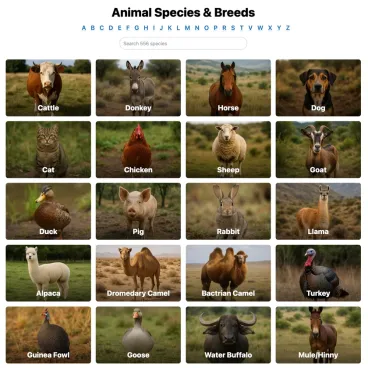
The practical use case is straightforward. A buyer can review photos, lineage notes, health records, breeding history, and care logs before payment. That is a better starting point than trying to piece together screenshots and old messages after a deal starts getting vague. If you want to browse by species, the Creatures chicken directory is a useful entry point, and buyers looking beyond standard backyard chickens can also check Japanese quail listings on Creatures.
Why Creatures stands out
What separates Creatures from a basic classified site is documentation. Each animal can have a standing profile that stays useful before and after the sale. For serious poultry keepers, that helps with verification, future breeding decisions, and plain old accountability.
Those records answer the questions experienced buyers ask first:
- When was this bird hatched: Hatch dates and lineage are easier to confirm when they are attached to the animal profile.
- What health work is documented: Care logs, testing notes, and other records can stay in one place instead of getting buried in text threads.
- How do I judge the seller: Reviews, payment tools, and visible records give buyers something concrete to assess.
Practical rule: If a seller cannot show records before the sale, assume you will be on your own after the sale.
There is another advantage here. Ongoing contact is built into the platform. That matters because many poultry problems show up after birds arrive, during transition, feed changes, quarantine, or first lay. A directory that only helps you find a name and phone number leaves that gap in place. A platform with profiles and messaging gives buyers and breeders a better shot at handling follow-up questions without starting from scratch.
Best fit and trade-offs
Creatures makes the most sense for buyers who care about traceability and for breeders who want one place to manage listings, records, and communication. It is especially useful for specialty poultry, breeding pairs, and sellers building a reputation around documented stock rather than anonymous volume sales.
There are trade-offs. Sellers should confirm fees and paid features before they build a large part of their workflow around the platform. The product also appears geared mainly to U.S. users, which will suit many readers but may matter if you need country-specific registry or shipping workflows.
For breeders, the setup barrier looks low, which makes it practical to test. For buyers, the upside is simpler transactions with better documentation behind them. In real flock work, that usually beats buying from the closest seller with the least information.
2. Murray McMurray Hatchery

Murray McMurray Hatchery is the kind of source people use when they want options. Lots of options. Chickens, turkeys, waterfowl, gamebirds, and supplies all sit in one catalog, which makes it useful for mixed flocks and for buyers who are still deciding what direction they want to take.
The practical strength here is predictability. Long-running hatcheries tend to be easier to plan around because their seasonal ordering windows, breed pages, and policies are usually clearer than what you’ll get from small casual sellers. If you’re trying to fill several needs at once, that matters.
Where it works well
McMurray is especially handy for heritage and standard breed buyers who want one shipment instead of piecing together several small orders from multiple breeders. It also gives new keepers a lot of care information, which cuts down on beginner mistakes after the birds arrive.
A few points stand out in day-to-day use:
- Broad catalog: Good for buyers who want layers, meat birds, ornamental birds, or a mixed barnyard order.
- Nationwide shipping: “Near me” can reasonably include a hatchery that ships reliably to your area.
- Biosecurity visibility: The site does a better job than many small sellers at explaining disease-clean and NPIP-related practices.
A large hatchery isn’t automatically better. It’s better when you need consistency, broad selection, and firm ordering systems.
The downside is that big catalogs can tempt people into ordering birds that don’t match their setup. That’s where discipline matters. If your real goal is a hardy backyard laying flock, don’t get distracted by every rare breed photo in the catalog.
If you’re also comparing species beyond chickens, it helps to look at how dedicated species pages differ on newer platforms. The Creatures Japanese quail directory shows how species-specific browsing can narrow your search faster when you already know what you want.
Website: Murray McMurray Hatchery (mcmurrayhatchery.com)
3. Cackle Hatchery

Cackle Hatchery suits a different kind of buyer. This is often where small-flock keepers land when they don’t want a huge order and don’t want to wait forever for availability. It has a wide lineup, ships nationwide, and offers in-store pickup for buyers who can reach the hatchery.
What I like about Cackle’s approach is that it feels accessible. Not every poultry buyer is building a production flock. Plenty of people just want a handful of layers, a few ornamental birds, or a breed they haven’t raised before. Cackle tends to work well for that crowd.
What buyers should watch
The big plus is flexibility. Lower minimums are friendlier to backyard keepers, and the breed range gives people room to experiment without dealing with multiple vendors. Specialty assortments can also be fun if you’re open-minded.
The trade-off is obvious. If you choose surprise assortments or looser selection formats, you give up precision. That’s fine for some backyard flocks. It’s not fine if you need a specific line, a breeding pair match, or tightly planned color genetics.
A practical note matters here beyond the hatchery itself. Many poultry-buying platforms still stop at the sale. They help you find chicks, eggs, or adults, but they don’t do much for care guidance once birds are home. That gap in post-purchase support is one of the biggest misses in the poultry space, especially for first-time buyers who need more than a receipt and a tracking number.
Good sourcing doesn’t end with delivery. The best breeder relationship starts when the box arrives.
Website: Cackle Hatchery (cacklehatchery.com)
4. Meyer Hatchery
Meyer Hatchery has built a strong reputation with backyard keepers and small farms because it keeps ordering practical. If you don’t want to meet a large shipment minimum and don’t want confusing policy language, Meyer is one of the easier hatcheries to work with.
That matters because a lot of buyers searching poultry breeders near me really mean, “I need a manageable order from someone who explains the process clearly.” Meyer does that better than many.
Who should use it
Meyer fits small orders well. It’s also useful for buyers who want chicks plus started birds, or who need straightforward guidance on shipping, losses, and seasonal restrictions. The ordering setup feels aimed at ordinary flock owners, not only high-volume buyers.
There’s also a paperwork advantage. The site states that NPIP certificates are provided automatically after shipping, which is the kind of operational detail serious buyers appreciate. In poultry, little administrative details often tell you more about a seller than the marketing copy does.
A few real-world considerations:
- Small-flock friendly: Better fit for buyers who don’t want to over-order just to hit a minimum.
- Clear support resources: Helpful if this is your first shipped chick order.
- Seasonal rule changes: Minimums move with weather, so always check the current shipping window before building your cart.
Meyer’s main weakness isn’t quality. It’s that the flexibility depends on season and species. Buyers who don’t read the shipping notes carefully can get frustrated when winter rules tighten up.
Website: Meyer Hatchery (meyerhatchery.com)
5. Hoover’s Hatchery

Hoover’s Hatchery is one of the more practical answers to the “near me” question because it reaches buyers through retail channels as well as direct shipping. If you live near a farm store that carries Hoover’s stock, local pickup becomes part of the equation even though the hatchery itself may be states away.
That changes the buying experience. Some people don’t want shipped birds. They want to inspect a chick bin in person, take birds home the same day, and skip the uncertainty of transit.
Retail access changes the equation
Hoover’s earns its place. The retail footprint, especially through national farm stores, gives buyers another route that many hatcheries don’t match. For people who need convenience, that’s hard to beat.
The company also posts concrete policies, including a stated gender accuracy standard on sexed birds and defined claim procedures. That doesn’t remove risk, but it tells you what to expect before you buy. I trust a seller more when they make the boring policy details easy to find.
- Farm-store availability: Strong fit if you want local pickup over shipment.
- Direct shipping option: Useful when nearby stores don’t have the breed mix you need.
- Clear claims process: Important for buyers who want less guesswork if losses happen.
The downside is that shipped minimums can run higher than some competitors. If you only need a very small batch, another hatchery may fit better. Hoover’s makes more sense when convenience and access matter as much as breed rarity.
Website: Hoover’s Hatchery (hoovershatchery.com)
6. Metzer Farms

If your search for poultry breeders near me is really about ducks or geese, stop forcing chicken hatcheries to do a waterfowl specialist’s job. Metzer Farms is the specialist on this list. That focus matters because waterfowl buyers often need different guidance, different breed comparisons, and different expectations around brooding and management.
Metzer has long leaned into education as well as sales. That makes it useful for both first-time duck keepers and experienced breeders looking for specific types.
Best source for waterfowl-focused buyers
The biggest strength is depth. Instead of treating ducks and geese as side categories, Metzer treats them as the main event. Breed comparison tools and detailed breed pages help buyers choose birds that match climate, temperament, and purpose.
That’s a better buying experience than scrolling through a giant mixed catalog where waterfowl get a couple of short listings and little context. If you’re comparing online options with newer directories, the Creatures duck directory is a useful parallel because it also starts with species-first discovery.
Buy from specialists when the species has specialist needs. Ducks and geese do.
The trade-off is straightforward. If you want a broad chicken catalog, Metzer won’t be your best one-stop shop. This source earns its place because it does one category especially well. For buyers building a duck flock, breeding geese, or adding a few waterfowl to a mixed place, that specialization is worth a lot.
Website: Metzer Farms (metzerfarms.com)
7. Ideal Poultry

You need chicks next week, not after three rounds of out-of-stock emails. That is where Ideal Poultry usually fits. It serves buyers who care less about driving distance and more about whether birds are available, shipped on schedule, or ready for pickup in Texas.
Ideal has been a practical option for a long time because the catalog is broad and the ordering rhythm is predictable. Chickens are the main draw, but buyers can also source bantams, ducks, geese, turkeys, guineas, and game birds from one supplier. If you are after a particular guinea color, our lavender guinea fowl guide shows how to tell lavender from pearl and the pale look-alike colors before you order keets. For a mixed small farm, that saves time and reduces the hassle of piecing together orders from several hatcheries.
Scale matters here. According to the USDA, the commercial poultry sector reached total sales of $70.2 billion in 2024, with broiler production at $45.4 billion and 311 million commercial laying hens producing 93.1 billion eggs annually (USDA poultry sector overview). Backyard buyers are operating on a much smaller scale, but the hatchery systems they rely on come out of that same production and shipping infrastructure.
That does not automatically make Ideal the right fit for every buyer.
The upside is straightforward. If you want one order that covers layers, meat birds, and a few guinea keets or ducklings, Ideal makes that easier than chasing availability seller by seller. That is what “near me” means for a lot of buyers now. Accessible stock, clear shipping windows, and pickup if you are close enough to Cameron, Texas.
The trade-off is order detail. Small orders may trigger added fees, and buyers with strict breeding plans should read the packing and sexing policies carefully before checkout. I tell breeders to pay attention to those details any time they need birds separated by variety, sex, or line, because convenience at checkout can create sorting problems later in the brooder.
Ideal usually makes the most sense for two groups:
- Mixed-flock buyers: You can fill one order with several poultry types instead of coordinating multiple vendors.
- Texas-area buyers: Pickup in Cameron can cut shipping stress and simplify timing.
Website: Ideal Poultry (idealpoultry.com)
Poultry Sourcing Options Compared
| Source | Implementation complexity | Resource requirements | Expected outcomes | Ideal use cases | Key advantages |
|---|---|---|---|---|---|
| Creatures | Moderate, account/profile setup and ongoing record uploads | Internet access, time to digitize records; free to start | Permanent animal profiles, verified listings, streamlined transactions | Breeders, small/mid farms, rescues, buyers seeking verifiable history | Unified records + marketplace; farm-focused tools; transparency |
| Murray McMurray Hatchery | Low, standard online ordering with seasonal planning | Budget for birds/shipping; brooder space; accommodate seasonal minimums | Access to wide heritage breeds and NPIP‑certified stock | Heritage flock builders, backyard keepers wanting predictable availability | Longstanding reputation; broad heritage selection; biosecurity focus |
| Cackle Hatchery | Low, simple order flow and seasonal availability charts | Small budgets; very low minimums possible; possible small‑order fees | Fast small‑order fulfillment and fun specialty assortments | Backyard keepers, hobbyists seeking small or novelty orders | Low minimums; specialty assortments; nationwide shipping + pickup |
| Meyer Hatchery | Low, clear ordering, support, and seasonal minimum changes | Budget for chicks, brooder capacity; seasonal constraints on minimums | Reliable small‑order fulfillment with clear NPIP documentation | Small farms, backyard keepers, buyers needing customer support | Flexible minimums; strong customer support; wholesale options |
| Hoover’s Hatchery | Low–Medium, standard shipping plus retail pickup logistics | Higher typical minimums (~15 chicks); coordination for retail pickup | Convenient local pickup via partners and consistent seasonal supply | Buyers near Tractor Supply/retail partners; those preferring in‑person pickup | Wide retail footprint; clear policies; high sexing accuracy |
| Metzer Farms | Low, focused waterfowl ordering and breed comparison tools | Space for waterfowl, modest budget; very low waterfowl minimums | Sexed ducklings, extensive breed info, targeted waterfowl supply | Waterfowl projects, small flocks, educational programs | Waterfowl specialization; very low minimums; strong educational content |
| Ideal Poultry | Low–Medium, large catalog with weekly shipping and pickup scheduling | Budget for birds; possible small‑order fees; travel for local pickup | Steady availability across many poultry types and reliable weekly shipping | Backyard and small farms needing broad catalog and consistent supply | Massive selection; weekly shipping; clear live‑arrival/NPIP terms |
From Arrival to Acclimation Your Next Steps
The call from the post office usually comes early, and arrival day exposes every shortcut. If the brooder is not already holding steady heat, the bedding is not dry, or the waterers are still dusty on a shelf, the first hours get harder than they need to be. Run the setup the day before. Test the heat source, check for drafts, and make sure feed and water are in place before the box ever lands.
Once the birds are out, work the basics in order. Count them. Check for chilled, weak, or pasted-up chicks. Dip each beak in water and watch long enough to confirm they drink. Then give them time to settle, because constant handling adds stress and rarely fixes much.
Quarantine matters too.
Keep new birds separate from the home flock for about 30 days if space allows. Watch droppings, breathing, appetite, and activity over that period, not just on delivery morning. Trouble often shows up after shipping stress starts to wear off.
The bigger lesson is simple. “Near me” should mean accessible to me. A breeder an hour away may be the right fit. A hatchery across the country may also be the right fit if it ships well, packs birds correctly, answers the phone, and stands behind the order. Distance matters less than bird quality, communication, and how the seller handles problems after the sale.
Good flock decisions also come from records, not memory. Keep the notes plain enough that you will use them:
- Identity: hatch date, breed or cross, source, band number, pen ID
- Health: vaccines, symptoms, treatments, losses, test paperwork
- Performance: growth, feed efficiency, temperament, laying rate, fertility, hatch results
That record is what lets a small flock improve from season to season. Without it, you are guessing which cockerel throws strong chicks, which hens hold production in hot weather, and which source consistently sends birds that start well.
Creatures can help with the paperwork side if you want one place to keep photos, health notes, and breeding records tied to each bird. For readers who want to see how it works, the platform is here: https://creatures.com
Buy for access. Then judge the breeder by what arrives in the box and how those birds perform after they settle in. That approach works whether your best option is down the road or shipping to your zip code.







