
Author: Elliott Garber, DVM · Updated
You’ve probably done what most first-time buyers do. You open a few tabs, search for goats for sale, and within minutes you’re comparing a cheap local ad, a polished breeder page, and a vague listing with one blurry photo and almost no history. The animals may all look fine on a screen. The risk is that a goat can be easy to list and much harder to evaluate.
That matters more in a market where buyers are competing for available stock. Cornell reported that 2021 federal slaughter fell 6% to 493,173 goats from 524,244 in 2020, while imported goat meat as carcass equivalents almost doubled and fresh or frozen imports rose 93%, a combination that helps explain stronger prices in major U.S. markets and a tight domestic supply picture in Cornell’s market update. In plain terms, good goats don’t stay available for long, and rushed buyers often make the most expensive mistakes.
A sound purchase starts before you contact a seller. You need to know where to shop, how to examine the goat in front of you, what paperwork proves, and whether your farm is ready for the animal you’re bringing home. If you want a practical starting point for breeds, uses, and basic species information, the Creatures goat species page is a useful reference before you narrow your search.
Table of Contents
- Your Journey to Buying a Goat Starts Here
- Where to Find Goats for Sale
- Breeders
- Livestock auctions
- Online marketplaces and classified listings
- Rescues and rehoming situations
- Comparing Sources for Buying Goats
- How to Evaluate a Goat Before You Buy
- Start with the goat before you start with the story
- Use FAMACHA as a real screening tool
- Red flags that deserve a pause
- Understanding Pedigrees and Documentation
- What the paperwork should tell you
- The provenance gap in ordinary listings
- Navigating Goat Pricing and Total Costs
- What the sale price does and does not tell you
- Budget for the setup before the goat arrives
- Arranging Transport and Biosecurity
- Getting the goat home without adding stress
- Quarantine is part of the purchase
- Making a Confident Purchase
Your Journey to Buying a Goat Starts Here
Buying a goat feels simple until you try to do it well. A listing gives you a breed name, a price, maybe a few photos, and a phone number. What it usually doesn’t give you is context. You don’t know how the goat was managed, whether it has recurring health issues, whether the age is accurate, or whether the animal is a fit for your setup.
First-time buyers often focus on the wrong question. They ask, “Where can I find goats for sale?” The better question is, “How do I avoid buying the wrong goat from the wrong seller?” That shift changes everything. It moves you away from bargain hunting and toward due diligence.
Practical rule: A goat is only a good deal if it arrives healthy, matches your purpose, and fits the land, fencing, and management you already have.
The strongest buyers work through the purchase in layers:
- Match the source to your goal. Dairy, meat, brush control, breeding, and companionship don’t all point to the same seller.
- Evaluate the animal in person. A clean listing can still hide poor feet, weak body condition, or parasite trouble.
- Check the history. Registration, testing, vaccination notes, and ownership records matter when the goat leaves the seller’s farm and becomes your responsibility.
- Price the whole decision. Purchase cost is only one line item.
- Plan the trip home and quarantine before you hand over payment.
That process sounds slower than scrolling listings. It is. It also prevents the most common buyer regret, which is bringing home a goat that looked acceptable online but creates avoidable problems within days.
Where to Find Goats for Sale
Where you buy often matters as much as what you buy.
A first-time buyer may see the same breed listed by a breeder, at an auction, and in a local classified ad, all within a few days. On paper, those goats can look similar. In practice, the difference is usually the amount of history you can verify before money changes hands. That is where many bad purchases start. The listing gives you a goat. It does not always give you a reliable chain of information about that goat’s age, management, testing, or prior problems.
Start by matching the source to the job. Pet wethers, commercial meat goats, registered breeding stock, and brush-control animals should not all be shopped the same way.
Breeders
Breeders are usually the best place to start if you need predictable type, known parentage, or a better chance at complete records. A good breeder should be able to tell you how the goat was raised, what it has been eating, how it has been handled, and what health work has already been done. For breeding animals, that paper trail has real value.
The trade-off is simple. Better presentation can make weak stock look better than it is. A clean website and nice photos are helpful, but they are not proof of sound feet, honest ages, or good herd health practices. Ask for records the seller can show now. If the answers stay vague or keep getting deferred, treat that as information.
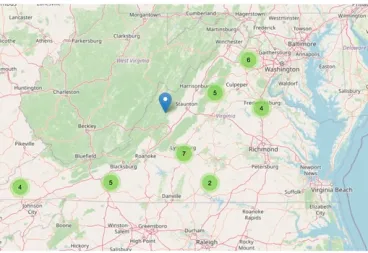
For breed-specific searching, a directory profile like Virginia Valley Kikos on Creatures can help you sort breeders by focus, available animals, and contact details before you invest time in calls and farm visits.
If you run a goat program, use the breeder directory profile checklist to make your species, purpose, location, and contact route clear before buyers arrange a visit.
Livestock auctions
Auctions are fast. They also reward buyers who can make fast, disciplined decisions.
You may see several goats in one trip, compare condition side by side, and buy groups that suit meat production or grazing projects better than a single private sale. For an experienced buyer, that efficiency has value.
For a new buyer, the limits are serious. Background is often thin. Handling and transport stress can temporarily change how a goat looks and acts. Sellers may know little beyond what was written on the consignment slip. If you cannot judge condition, soundness, and behavior quickly, the lower purchase price can disappear into treatment costs, poor performance, or losses after arrival.
Auction market research has shown that lot size and sale format can influence price. That matters if you are buying multiple goats, but the bigger point is practical. Auction value is shaped by more than the individual animal standing in front of you.
Online marketplaces and classified listings
Classified ads are convenient, and they are often the first place people look. They can also be the hardest place to verify history.
Some private sellers are careful, honest, and well organized. Others are selling with little more than a breed claim, an estimated age, and two flattering photos. That creates a gap between what is listed and what can be confirmed. If you cannot verify age, ownership, health work, and reason for sale, you are buying uncertainty along with the goat.
That does not mean classifieds should be avoided. It means they should be screened hard. Ask for dated photos, recent video, testing records if relevant, registration papers if advertised, and clear answers on why the goat is being sold now. Verified platforms and breeder directories help reduce that documentation problem because they put more of the seller’s identity and animal history in one place before you make contact.
A cheap goat with weak records is often an expensive goat by the second week.
Rescues and rehoming situations
Rescues and private rehomes can work well for companion goats, brush-control animals, or owners who are not buying for production. Temperament is often easier to judge in these settings, especially when the organization has spent time handling the animal and can describe its behavior accurately.
The trade-off is limited history for breeding and performance decisions. Registration papers, milk records, kidding history, and full genetic background are often missing. Some rehoming cases are straightforward. Others involve chronic health issues, fencing problems, aggression, or management failures that the current owner wants off the property.
Ask why the goat is leaving. Then ask the same question a different way. Consistent answers matter.
Comparing Sources for Buying Goats
| Source | Pros | Cons | Best For |
|---|---|---|---|
| Breeders | Better chance of getting pedigrees, health records, and management history | Higher prices are common, and presentation can hide weak herd practices | Dairy, breeding, show stock, buyers who need traceable history |
| Livestock auctions | Fast access to multiple animals and practical buying opportunities | Limited background, less time to inspect, more health uncertainty | Experienced buyers, meat production, buyers comfortable with risk |
| Online marketplaces and classified listings | Broad selection and local convenience | Inconsistent documentation and seller verification | Buyers who can screen hard and inspect in person |
| Rescues and rehoming situations | Good option for companion animals and some pasture homes | Usually limited pedigree and production history | Pets, brush control, non-breeding homes |
How to Evaluate a Goat Before You Buy
A seller can tell you almost anything. The goat’s body usually tells the truth.

Start with the goat before you start with the story
Watch the goat standing still before anyone touches it. I want to see a bright, alert animal that’s comfortable on its feet, interested in its surroundings, and moving without obvious stiffness. If a goat won’t bear weight evenly, holds a foot oddly, or stands hunched, stop and ask why.
Then work head to tail.
- Eyes and nose: Clear eyes and a clean nose are basic. Discharge, crusting, or a dull expression deserve follow-up.
- Mouth and teeth: Check the bite if the seller allows it. Teeth and jaw alignment matter, especially in breeding stock.
- Body condition: You don’t want a goat that feels sharp and depleted, and you also don’t want one carrying condition in a way that hides poor fitness.
- Coat and skin: Hair coat should make sense for the season and management. Patchiness, rubbing, scurf, or skin irritation can signal larger issues.
- Feet and legs: Sound feet are essential. Overgrown hooves, foul smell, deformity, or reluctance to walk all raise the cost of ownership immediately.
- Udder or testicles: In breeding animals, symmetry matters. An uneven udder, hard areas, damaged teats, or obvious reproductive abnormalities shouldn’t be waved off as minor.
Ask to see the goat move. A short walk on level ground tells you more than a posed photo ever will.
Use FAMACHA as a real screening tool
Parasites are one of the easiest ways for a goat purchase to go wrong, especially for buyers who don’t yet know what subtle anemia looks like. The FAMACHA system gives you a practical field check. It compares lower-eyelid color against a standardized chart to estimate anemia risk associated with barber-pole worm burden. Pale eyelids are a warning sign because early detection allows targeted treatment before severe production loss or death.
That matters because “just dewormed” isn’t the same thing as “currently healthy.” A goat can still be struggling.
This short video gives a useful look at handling and visual inspection in practice.
Red flags that deserve a pause
Some issues are fixable. Some are warnings that you’re buying work, not livestock.
Don’t let sympathy override judgment. You can feel bad for a goat and still decide not to buy it.
Pay close attention to these situations:
- Seller won’t let you handle the goat: That usually means you’re expected to buy on trust alone.
- Records are all verbal: Memory is not documentation.
- Multiple goats look thin or rough: Herd-level management problems rarely stay confined to one animal.
- Age doesn’t match the mouth or appearance: If the basics don’t line up, treat every other claim carefully.
- The goat coughs, strains, or scours during the visit: Don’t explain away active signs.
A healthy goat should make you feel calmer as you inspect it. If every answer creates a new question, keep shopping.
Understanding Pedigrees and Documentation
A goat can look healthy and still be a poor match for your goals. That’s where paperwork matters. Documents don’t replace a hands-on exam, but they answer questions your eyes can’t.
What the paperwork should tell you
Start with identity. You want to know exactly which goat you’re buying, who owned it, and whether the papers match the animal in front of you. Registration papers, if applicable, should line up with markings, sex, tattoo or tag information, and the seller’s stated ownership.
Pedigrees matter most when lineage affects your decision. For breeding animals, a pedigree helps you judge whether the goat fits your program or carries nothing more than a recognizable name somewhere in the background. A pedigree doesn’t guarantee quality. It tells you where the goat came from. You still have to decide whether that history supports the use you have in mind.
Health records should answer practical questions, not just decorate the sale. Look for dated entries on vaccines, deworming approach, testing, reproductive history if relevant, and any treatment for ongoing issues. If the seller says the herd is tested for important diseases, ask what records they can share and whether those records belong to this goat or just to the herd generally.
The provenance gap in ordinary listings
Most online listings don’t fail because the goats are bad. They fail because the information is thin, scattered, or impossible to verify. A major gap in the market is buyer verification and provenance. Many listings provide little more than contact details and a sales pitch, while buyers still need a documented animal history to reduce downstream costs tied to disease risk, misidentification, and breeding uncertainty.
That gap is why disorganized private sales create so much friction. Photos live in one place, registration details in another, vaccine notes in a text thread, and health claims in a phone call you can’t revisit later.
One way to reduce that confusion is to use a platform that keeps an animal’s profile, health records, pedigree information, and seller communication in one place. Creatures is one example of that approach. It combines listings with permanent animal profiles, documented health and breeding histories, and secure messaging, which is more useful than a simple classified ad when you need a goat’s history to travel with the animal.
Navigating Goat Pricing and Total Costs
A first-time buyer often sees a $250 goat and feels relieved. Then the bill starts. Fence repairs, a shelter that stays dry, hay, minerals, hoof trims, fecals, transport, and a quarantine pen can make that cheap goat the most expensive animal on the property.

What the sale price does and does not tell you
Asking price is only one signal. It usually reflects breed, age, sex, registration status, intended use, local demand, and how much verifiable history comes with the animal. A commercial wether, a registered dairy doe, and a proven breeding buck can all be listed in the same search results, but they are not priced for the same reason.
That is where many buyers get tripped up. They compare listings without accounting for the provenance gap. One seller includes dated health records, registration papers, parent information, and a clear production history. Another offers a few photos and a short promise in a text message. Those goats may look similar in a thumbnail, but they do not carry the same risk.
Meat-goat prices also move with weight, season, and sale format, as noted earlier. Private-sale breeding stock follows a different logic. You are paying for future use, not only the animal standing in front of you.
If you are pricing meat-oriented stock, the Boer goat breed guide on Creatures helps you compare listings against breed traits and common uses instead of judging by price alone.
Budget for the setup before the goat arrives
The purchase price is the easy part. Housing and daily management are what strain a beginner’s budget.
Goats need secure fencing, dry shelter, feeders they cannot waste hay from, clean water access, and enough space to avoid constant stress and crowding. Buyers who skip that math often end up rebuilding pens after the goat gets home. I see this often with first purchases. The animal was affordable, but the property was not ready.
A low asking price can hide a high first-month cost.
Use two buckets when you plan the budget.
| Cost area | What to think through |
|---|---|
| Before arrival | Fence strength, shelter, feeder setup, water access, transport, quarantine pen |
| After arrival | Hay, minerals, hoof care, parasite monitoring, veterinary visits, bedding, repairs |
One more hard truth. Buying one goat rarely stays a one-goat project. Goats are herd animals, so buyers often add a companion, which doubles more than just feed. It can mean more fence line, another shelter bay, a larger mineral feeder, and more room to separate animals if one gets sick or turns into a bully.
A sound setup lowers costs because it prevents the expensive problems. Escapes. Injuries. Wet bedding. Feed waste. Daily chore friction that wears people down and leads to shortcuts.
The smart question is not “What does this goat cost?” It is “What will this goat cost me to own well for the next year?”
Arranging Transport and Biosecurity
A purchase isn’t finished when payment changes hands. It’s finished when the goat is home, settled, and proven safe to join your property.
Getting the goat home without adding stress
Transport should be boring. That’s the goal. Use a clean, secure vehicle or trailer with reliable footing and enough airflow. Avoid overcrowding. If the trip is longer or the route is unfamiliar, think through water, hay, and where you’d stop if something goes wrong.
Bring every document before loading. If the seller says they’ll send papers later, assume you may spend weeks chasing them. I also want a basic emergency kit in the vehicle and a clear unloading plan at home so the goat doesn’t arrive to confusion and loose gates.
The checklist below is a good last review before pickup.

Quarantine is part of the purchase
This is not optional. Every new goat should enter a separate area first, even if it came from a farm you trust. A calm introduction to your herd is important, but disease prevention is the primary reason quarantine exists.
Use a dedicated pen with separate water and feed equipment. Watch appetite, manure, breathing, attitude, and mobility every day. Keep chores for resident goats and new arrivals separate, or at least handle the isolated goat last and clean up afterward.
A simple quarantine routine should include:
- Separate housing: No nose-to-nose contact through shared fence if you can avoid it.
- Daily observation: Look for cough, nasal discharge, scours, poor appetite, foot problems, or depression.
- Fecal testing and veterinary input: Let findings guide treatment instead of guessing.
- Dedicated tools and clothing: Buckets, boots, and gloves can spread problems when people get casual.
- Delayed herd introduction: Don’t rush because the goat looks lonely.
One new goat can change the health status of the whole farm. Buy with that responsibility in mind.
Making a Confident Purchase
The safest way to buy goats for sale isn’t glamorous. It’s methodical.
Choose the source that matches your goal. Put your hands on the goat and inspect it carefully. Read the paperwork like it matters, because it does. Budget for fencing, shelter, feed, and routine care before the animal steps off the trailer. Then quarantine the new arrival as if your existing herd depends on it, because it does.
Buyers get into trouble when they let one attractive detail outweigh everything else. Sometimes it’s a low price. Sometimes it’s a pretty pedigree. Sometimes it’s urgency from the seller. None of those things should outrank soundness, documentation, and fit.
A good goat purchase feels steady. The seller answers questions directly. The animal matches the description. The records are available. Your setup is ready. You don’t need to talk yourself into it.
That’s the difference between luck and due diligence. Luck hopes the goat works out. Due diligence gives it the best chance to.
If you want a more organized way to evaluate goats before you buy, Creatures gives buyers a place to review listings alongside animal profiles, pedigrees, health records, and seller information in one system, which makes it easier to compare animals on more than price alone.