

Author: Elliott Garber, DVM · Updated
You’re probably doing what most first-time buyers do. You open one tab for breeder listings, another for classifieds, maybe a rescue page, and then a third tab where someone promises “tiny teacup Yorkies” with a health guarantee and same-day pickup. The puppies all look adorable. The hard part is figuring out which seller is careful, honest, and accountable once the payment clears.
That’s where buyers get into trouble. A polished listing isn’t proof of good breeding. “Vet checked” can mean very little if nobody shows you the actual paperwork. A health guarantee sounds reassuring until you read the terms, or realize there are no test results behind it.
If you’re searching for yorkie pups for sale in nc, the safest path is to treat this like a documentation exercise first and an emotional decision second. Learn the breed, ask for records before deposits, and expect transparency from the start. If you want a basic breed overview before comparing sellers, review the Yorkshire Terrier profile and then come back to the buying questions.
Table of Contents
- Your Search for the Perfect North Carolina Yorkie
- Where to Find Yorkie Pups in North Carolina
- Breeders, rescues, and marketplaces are not the same experience
- How the North Carolina market affects your search
- How to Vet Breeders and Health Documents
- Questions that responsible breeders answer clearly
- How to read health records instead of just accepting promises
- Understanding the Cost of a Yorkie in NC
- Why one puppy costs more than another
- What a higher price should actually include
- Warning Signs and Puppy Mill Red Flags
- Breeder Red Flag Checklist
- When to walk away immediately
- Your Step-by-Step Puppy Purchase Checklist
- Before you send money
- Before your puppy comes home
- Frequently Asked Questions About Yorkies in NC
- Are teacup Yorkies a good idea
- Is there a best time to look for a Yorkie puppy
- What if I’m open to a Yorkie mix
Your Search for the Perfect North Carolina Yorkie
The usual pattern goes like this. A family starts with a simple goal: find a small, affectionate dog that fits apartment life or a quieter household. They settle on a Yorkie, then hit a wall once they realize that many listings look nearly identical, even when the sellers behind them are not.
One seller has professional photos and says the puppy is “raised with love.” Another says the parents are healthy but won’t share records until after a deposit. A third offers to meet in a parking lot because it’s “more convenient.” New buyers often think the main job is choosing the cutest puppy. It isn’t. The main job is choosing the most transparent source.
That matters because Yorkshire Terriers are small, delicate dogs, and tiny breeds leave less room for sloppy breeding decisions. Early nutrition, parasite control, socialization, and accurate veterinary records matter. So do parent history and honest conversations about what the puppy has, and has not, been screened for.
Practical rule: If a seller wants trust before they offer documentation, keep looking.
The right breeder or rescue won’t act offended when you ask for records. They’ll expect it. They’ll be able to explain what care the puppy has received, who the parents are, how the litter was raised, and what support they offer after placement.
A good search in North Carolina isn’t about moving faster than other buyers. It’s about slowing down enough to verify the details that protect the dog and your family.
Where to Find Yorkie Pups in North Carolina
North Carolina gives buyers several paths, but they are not interchangeable. The seller type changes what questions you can ask, what records you’ll receive, and how much direct history you’ll know about the dog.
Breeders, rescues, and marketplaces are not the same experience
Reputable breeders are the best fit if you want the fullest possible background on a puppy’s parents, early care, and pedigree. In North Carolina, Yorkshire Terrier puppies are listed for sale across the state, with listings appearing across areas such as Raleigh, High Point, Winston-Salem, Mooresville, Hendersonville, and Wilmington. The breed has a typical life expectancy of 11 to 15 years, which is one reason careful health planning matters from the beginning.
Building a strong relationship with a breeder provides you with the best opportunity to inquire about parent temperament, litter handling, feeding routines, and the puppy’s early experiences in the home or kennel. The trade-off is that high-quality breeders can be selective, which is a sign of a responsible professional.
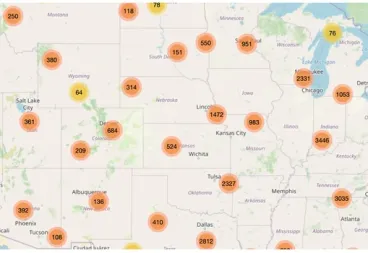
Breed-specific rescues and shelters are a different path. They’re often the right choice for buyers who care more about giving a dog a home than about age, lineage, or show-style pedigree. North Carolina has a strong network of rescue organizations operating near major cities, and listings are spread across many different NC cities, which makes centralized, verified information especially useful when comparing options.
Online marketplaces range from highly useful to notably risky. A marketplace is only as reliable as its verification process. Some are little more than classifieds. Others let sellers organize records, photos, and background information in one place so buyers can review documentation before they commit. That matters because distance and dispersed listings make in-person evaluation harder.
How the North Carolina market affects your search
Because listings are scattered across the state, buyers often have to compare puppies they can’t visit immediately. That increases the value of standardized records and honest communication.
I’d rather see a modest listing with complete documents than a polished ad with vague claims. Photos alone don’t tell you how something was built. You need specifications. Puppies are no different, except the consequences are much more serious.
Use this simple comparison:
- Choose a breeder if you want parent history, litter details, and a contract.
- Choose rescue if your priority is adoption and flexibility on age or background.
- Use a marketplace carefully when it helps you review organized records, compare sellers, and confirm identity before you travel or place a deposit.
Good sellers make it easy to verify them. Bad sellers make you feel awkward for asking.
How to Vet Breeders and Health Documents
Many buyers either protect themselves or get misled at this stage. A pleasant conversation is not enough. A clean-looking website is not enough. You need records, and you need to know how to read them.
Questions that responsible breeders answer clearly
Start with direct questions. Don’t ask, “Are your puppies healthy?” Every seller will say yes. Ask questions that require specifics.
- Where are the puppies raised: You want to know whether they’re raised in the home, in a kennel, or in a separate building. Then ask for current photos or video of that exact environment.
- Can I see the mother with the puppies: For a young litter, this should not be a difficult request. If the seller refuses without a credible reason, treat that as a warning.
- What has the puppy already experienced: Ask about grooming handling, nail trims, crate exposure, household sounds, children, and other animals.
- Which veterinarian has seen this litter: You’re not asking for gossip or private commentary. You’re checking whether veterinary care is real and consistent.
- What happens if a health issue appears soon after pickup: The answer should point to a written contract, not a verbal promise.
A responsible breeder should also speak openly about breed risks and limitations. If someone claims their line has no issues, no need for follow-up, and no real downside, they’re selling reassurance, not truth.
For the breeder’s side of that conversation, the buyer application guide explains how to ask relevant questions and keep approval separate from a reservation.
How to read health records instead of just accepting promises
North Carolina listings often mention health guarantees, but many don’t help buyers interpret the actual records behind those claims. Many ads fail to show buyers how to evaluate specific records such as spleen- or portosystemic-shunt-screening data, and buyers need more standardized health documentation to compare sellers responsibly.
That means you need to ask for the document itself, not just the phrase.
Look for these categories:
| Document | What you’re checking |
|---|---|
| Veterinary exam record | Date, puppy identity, findings, and clinic details |
| Vaccination record | Product name, administration date, and who gave it |
| Deworming or parasite record | Product used and dates given |
| Parent test documentation | Exact test performed, parent identity, and result |
| Contract or guarantee | What is covered, what is excluded, and what proof is required |
If a seller says “OFA,” “PennHIP,” “genetic tested,” or “vet checked,” ask for a copy or a direct record reference. The point isn’t to trap them. The point is to confirm that the statement means something concrete.
For first-time buyers, it also helps to understand normal vaccine timing before you review a puppy packet. A plain-language reference for dog vaccine scheduling can help you ask better questions about what the puppy has already received and what remains due after pickup.
A good health guarantee is written in plain language. It names the puppy, identifies the parties, states the time window for a buyer’s exam, and explains what happens if a serious problem is discovered. A weak guarantee is broad, emotional, and hard to enforce.
Ask for records before the deposit. After the deposit, your leverage drops.
For buyers who are comparing sellers online, tools that store a dog’s records in one place can reduce confusion. One option is Creatures, which allows animal profiles to include photos, pedigrees, health records, and breeding history in a single shareable record. Whether you use that kind of platform or a direct breeder packet, the standard is the same. Documentation should be organized, readable, and specific to the puppy you’re considering.
Check the dog’s identity details before the handoff with the microchip record workflow, including the registry and contact-information check.
Understanding the Cost of a Yorkie in NC
Price matters, but price alone doesn’t tell you whether a puppy is a safe purchase. In North Carolina, purebred Yorkie puppies can range from $1,600 to over $3,000, with some rare AKC lines reaching up to $4,000. Those differences tie to breeder credentials, health guarantees, and the transparency of pedigree and health records provided by the seller.
That spread explains why two puppies that look similar in photos can be priced very differently. You’re not only paying for a dog. You’re paying for the breeding decisions and documentation behind that dog.
Why one puppy costs more than another
Higher pricing can reflect legitimate inputs:
- Parent screening and records: Breeders who test, track, and retain documentation invest more time and money before a litter is ever listed.
- Pedigree transparency: If lineage is documented and the breeder can show you exactly what the puppy is registered as, that adds value.
- Early care: Better sellers spend time on grooming exposure, handling, and routine care, not just feeding and cleaning.
- Post-sale accountability: A serious contract and continued communication matter. Sellers who stand behind their placements usually operate very differently from cash-only flippers.
Lower pricing can mean a buyer is taking on more risk. Sometimes that risk is incomplete records. Sometimes it’s poor socialization. Sometimes it’s no meaningful support once the puppy leaves.
What a higher price should actually include
A higher price only makes sense when the breeder can show you what backs it up. If the puppy costs more, expect more than a polished ad.
You should be able to review:
- A clear record packet with vaccination and veterinary information.
- Parent information that matches the puppy being sold.
- A written contract that spells out responsibilities on both sides.
- Real answers about care such as feeding, socialization, and grooming introduction.
If those things are missing, the higher price isn’t justified. It’s just a higher ask.
Buyers who are still comparing small breeds should also zoom out. Looking at the broader dog listings and breed information can help you decide whether a Yorkie is the right fit or whether another small companion breed matches your household better.
Cheap puppies often become expensive problems. Expensive puppies without records are also bad deals.
Warning Signs and Puppy Mill Red Flags
Most bad sellers reveal themselves early if you stay disciplined. The mistake buyers make is explaining away behavior they’d never accept in another major purchase.
One excuse is common: “They’re just busy.” Maybe. But responsible breeders still answer direct questions, provide records, and explain their process. Evasion is not a personality trait. It’s a warning sign.
Breeder Red Flag Checklist
| Red Flag | Why It’s a Problem |
|---|---|
| Refuses to show where puppies are raised | You can’t assess cleanliness, handling, or basic welfare |
| Won’t show the mother or explain her absence | The puppy may not be coming from the environment described |
| Pushes for a deposit before sending records | Pressure replaces transparency |
| Uses vague phrases like “health guaranteed” without documents | Claims are meaningless if they can’t be verified |
| Offers meeting only in a parking lot or along a highway | It prevents you from seeing the actual living conditions |
| Sells many breeds at once with little breed-specific knowledge | Volume often comes before careful placement |
| Avoids written contracts | You have no clear statement of responsibilities |
| Becomes defensive when asked about tests or vet care | Ethical sellers expect questions |
| Can’t match records to the specific puppy | Paperwork may be generic or copied from another litter |
| Minimizes tiny-breed risks and promises “perfect health” | Honest breeders discuss limitations and follow-up care |
When to walk away immediately
A few situations should end the conversation.
- The seller changes the story: Parent details, age, vaccine history, and pickup terms should not shift every time you ask.
- The puppy looks unwell in photos or video: Dirty coat, nasal discharge, marked lethargy, or poor body condition deserve veterinary concern, not rationalization.
- The seller treats urgency as a sales tactic: “Someone else is on the way with cash” is not a reason to skip due diligence.
- The paperwork arrives incomplete: Missing names, missing dates, or records that don’t identify the puppy are not small clerical issues.
If something feels off, pause. Buyers usually regret the puppy they rushed into, not the puppy they passed on.
Your Step-by-Step Puppy Purchase Checklist
The safest purchase process is boring on purpose. That’s good. Calm, documented, repeatable steps protect the puppy and the buyer.
Before you send money
Follow this order:
-
Confirm the seller’s identity
Ask for the breeder or rescue name, location, phone number, and the full name that will appear on the contract. -
Request current puppy photos and video
Ask for footage that shows the puppy moving normally and interacting with people or littermates. -
Ask for the mother’s photo or video with the litter
If she isn’t available, ask why. The explanation should be direct and believable. -
Review the health packet before any deposit
Don’t rely on “we’ll send that later.” -
Read the contract carefully
Make sure the puppy, seller, and buyer are correctly identified, and that the terms are specific enough to enforce.
The right time to ask hard questions is before you feel attached.
Before your puppy comes home
Once you’ve chosen the puppy, tighten the process.
- Confirm pickup or transport details: Know who is handling the transfer, what paperwork travels with the dog, and when final payment is due.
- Get feeding and routine instructions in writing: Tiny breeds can struggle when food, schedule, or environment changes too abruptly.
- Schedule your own veterinarian visit promptly: Your vet should review the puppy shortly after arrival and compare the dog in front of them to the paperwork you received.
- Prepare your home for a very small dog: Yorkies can get under furniture, slip through gaps, and access hazards that owners of larger dogs might overlook.
- Keep every record together: Save the contract, receipts, vaccine sheet, exam notes, and any registration documents in one folder.
A smooth handoff should feel organized, not improvised. If the seller becomes sloppy at the final stage, take that seriously.
Frequently Asked Questions About Yorkies in NC
Are teacup Yorkies a good idea
“Teacup” is usually a marketing term, not a separate breed standard. Extremely small puppies can come with more fragility and more management demands. If a seller focuses heavily on tiny size and lightly on health documentation, be cautious. Small should never outrank stable, healthy, and well cared for.
Is there a best time to look for a Yorkie puppy
The best time is when you’re ready to evaluate sellers carefully and bring a puppy into a stable home routine. Buyers often get into trouble when they shop around holidays, birthdays, or travel plans and let urgency drive the decision.
What if I’m open to a Yorkie mix
That can widen your options, especially if temperament and household fit matter more than a purebred pedigree. If you’re considering a mix, review the Yorkipoo breed profile and compare the likely coat care, energy level, and adult size expectations with what you want from a companion dog.
North Carolina buyers don’t need more listings. They need a better filter. If you use one rule from this guide, use this one: no verified records, no deal.
Creatures can help if you want one place to review animal profiles, pedigrees, photos, and health records before committing to a seller. If you’re comparing yorkie pups for sale in nc and want the paperwork to be as easy to review as the puppy photos, visit Creatures.







