



Tunis
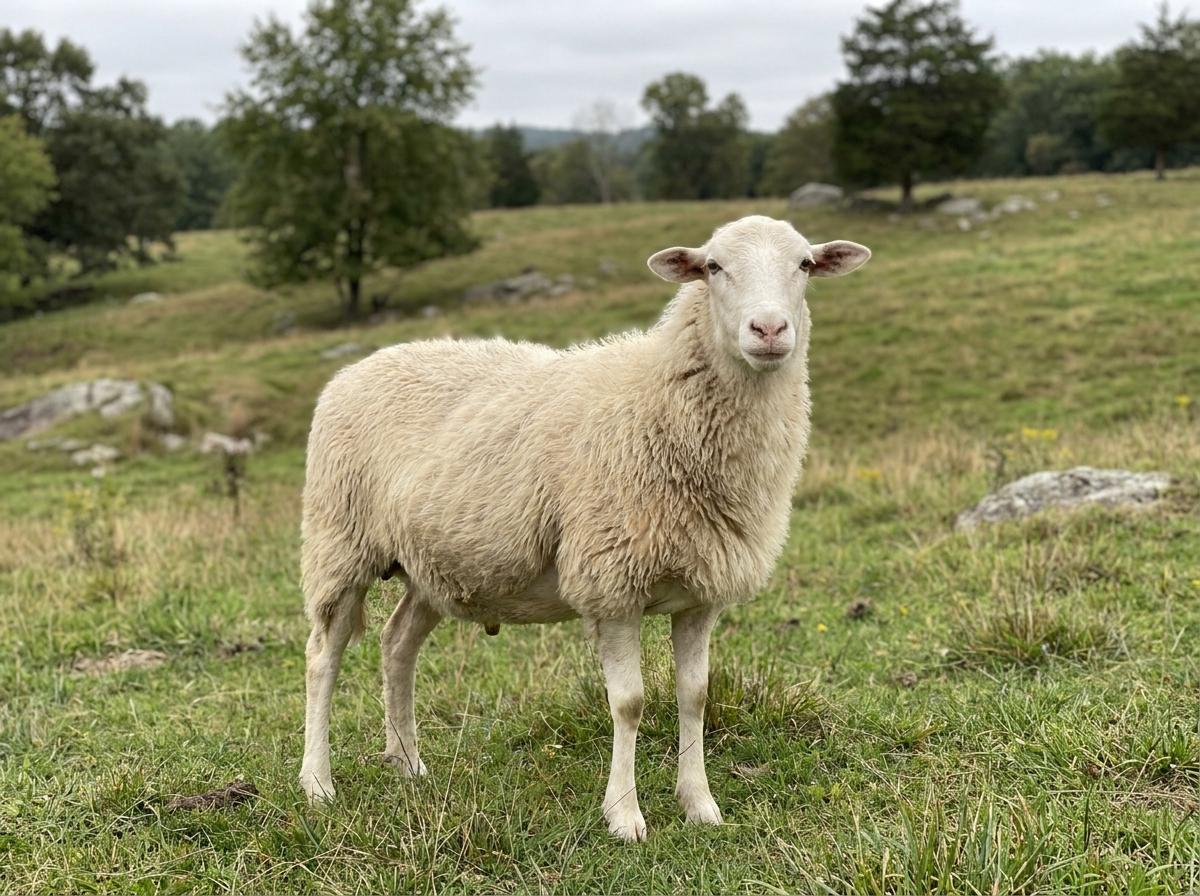
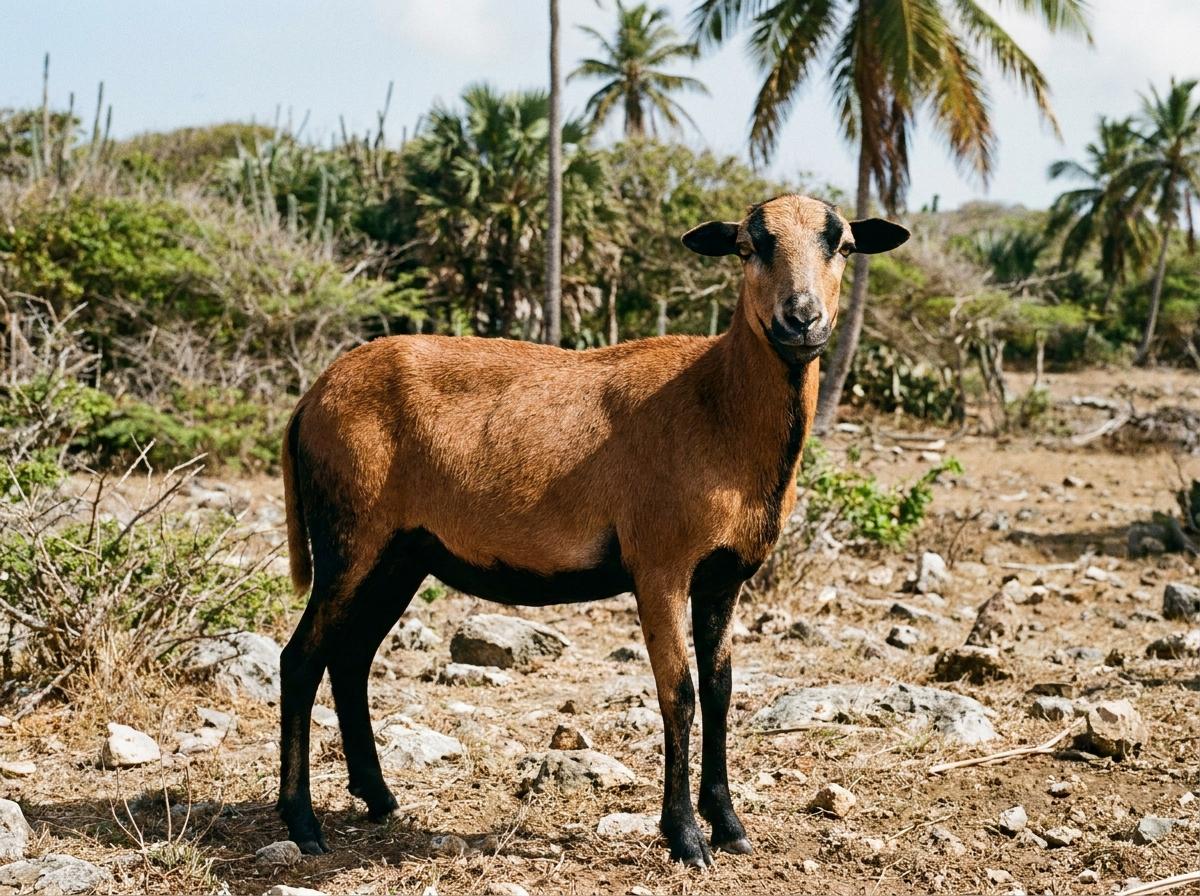
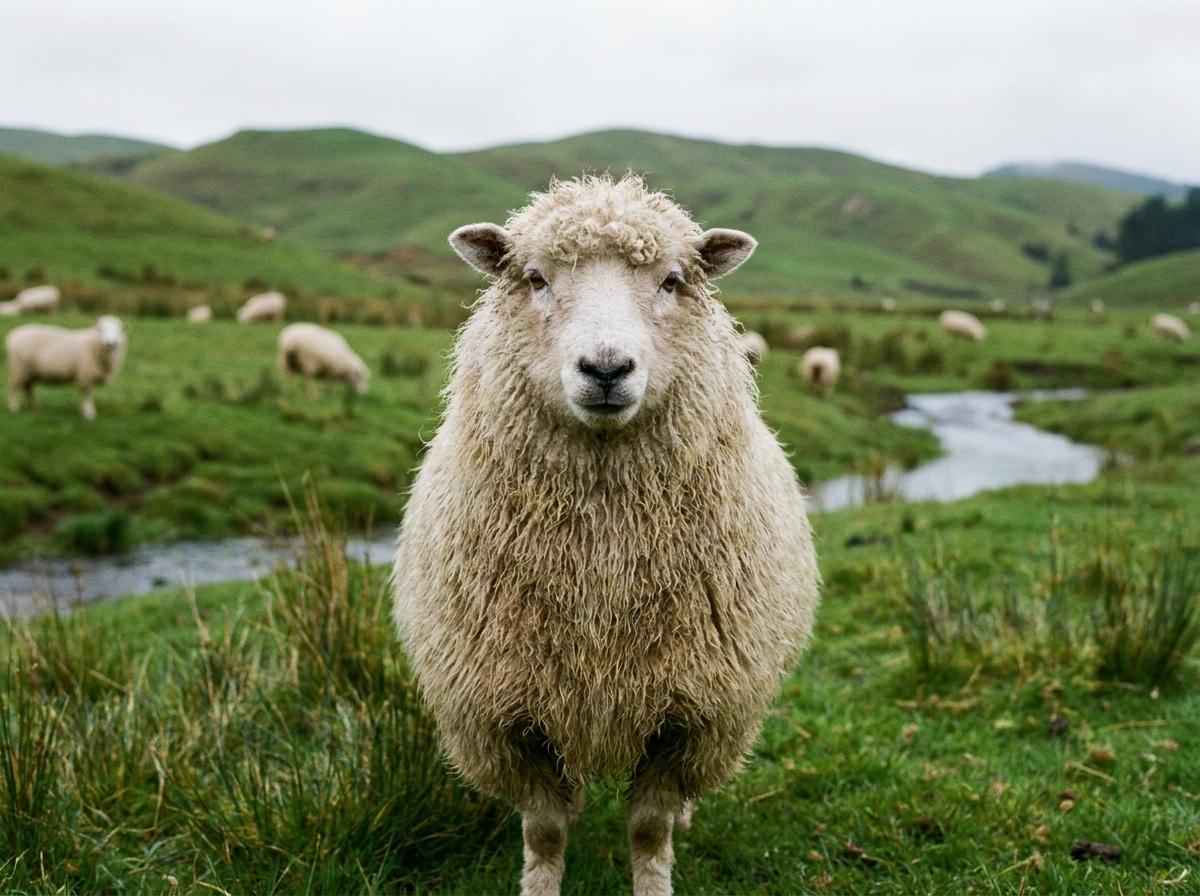
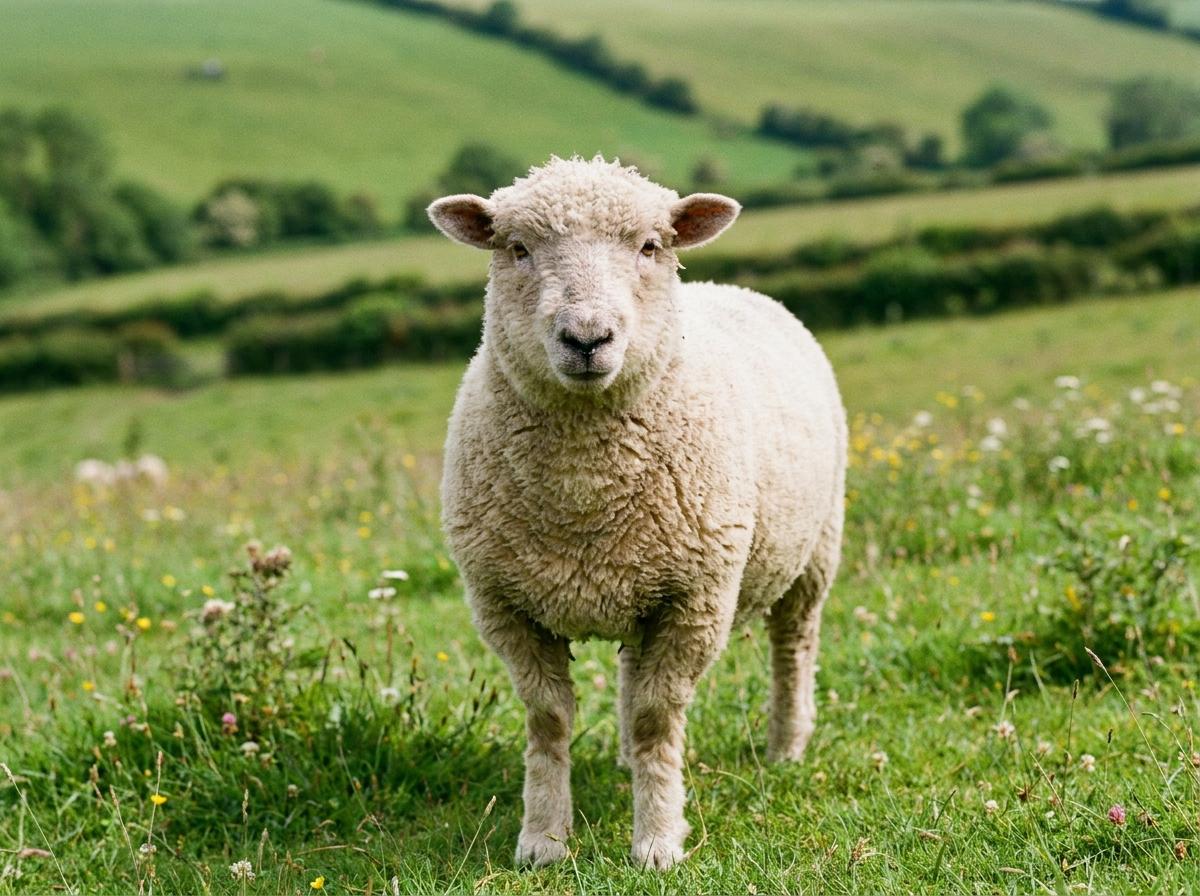
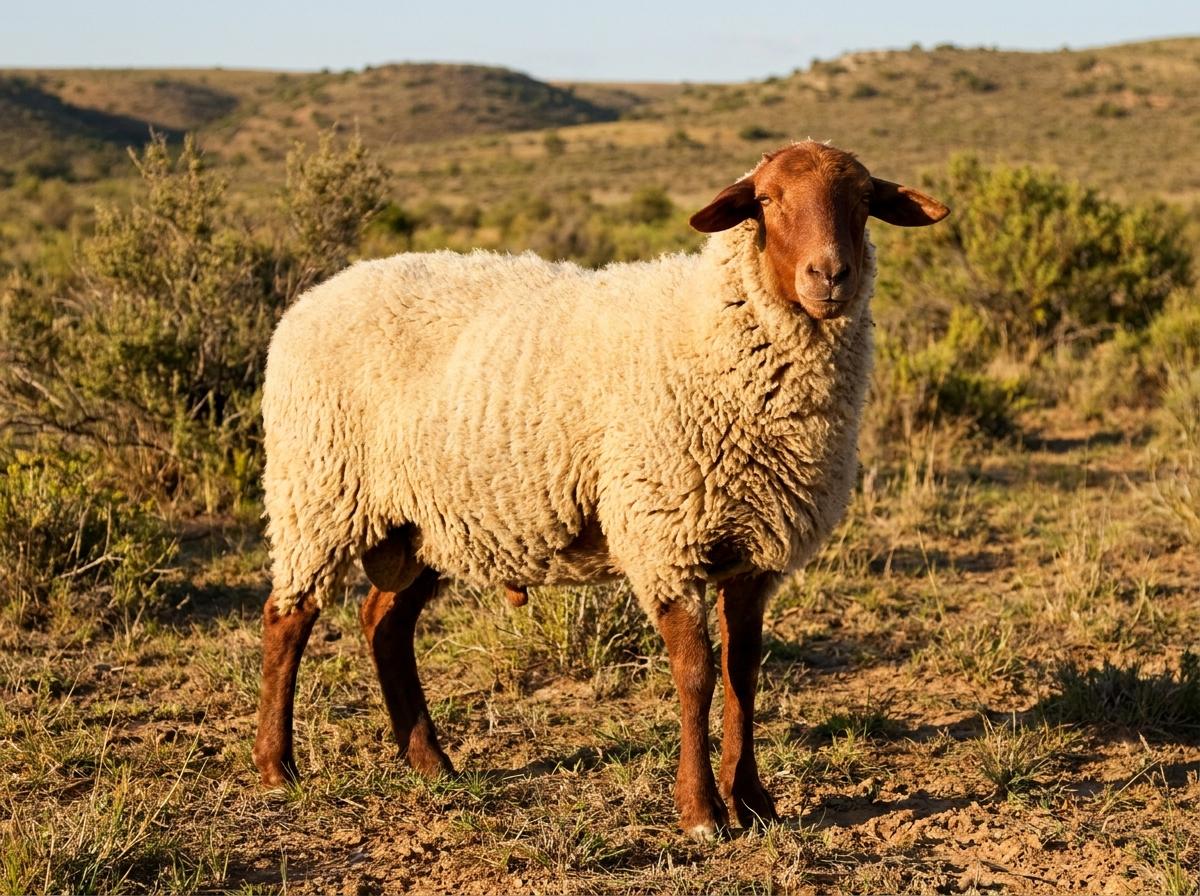
The Tunis, often called the American Tunis, is a heritage sheep breed descended from North African stock brought to the eastern United States around the turn of the nineteenth century. Modern Tunis sheep are medium-sized, usually polled, and easy to recognize by their cinnamon-red faces and legs, drooping ears, and cream to light tan fleece. Lambs are often born with a richer red coat that lightens as the wool grows in. The breed is classed as a dual-purpose Ovis aries sheep, producing mild lamb and a medium wool suitable for handspinning and general farm use.
Tunis sheep fit well in small farm and pasture-based systems, particularly where heat tolerance and calm handling matter. They still need the ordinary care of a wool breed: annual shearing, parasite management, sound fencing, and attention to body condition before breeding and lambing. Because the color pattern is part of the breed identity, breeders select against dark wool and off-type markings as well as poor udders, feet, or growth. Prospective buyers should look for healthy, well-grown lambs or breeding animals from flocks that record lambing ease and mothering, not just the attractive red points.
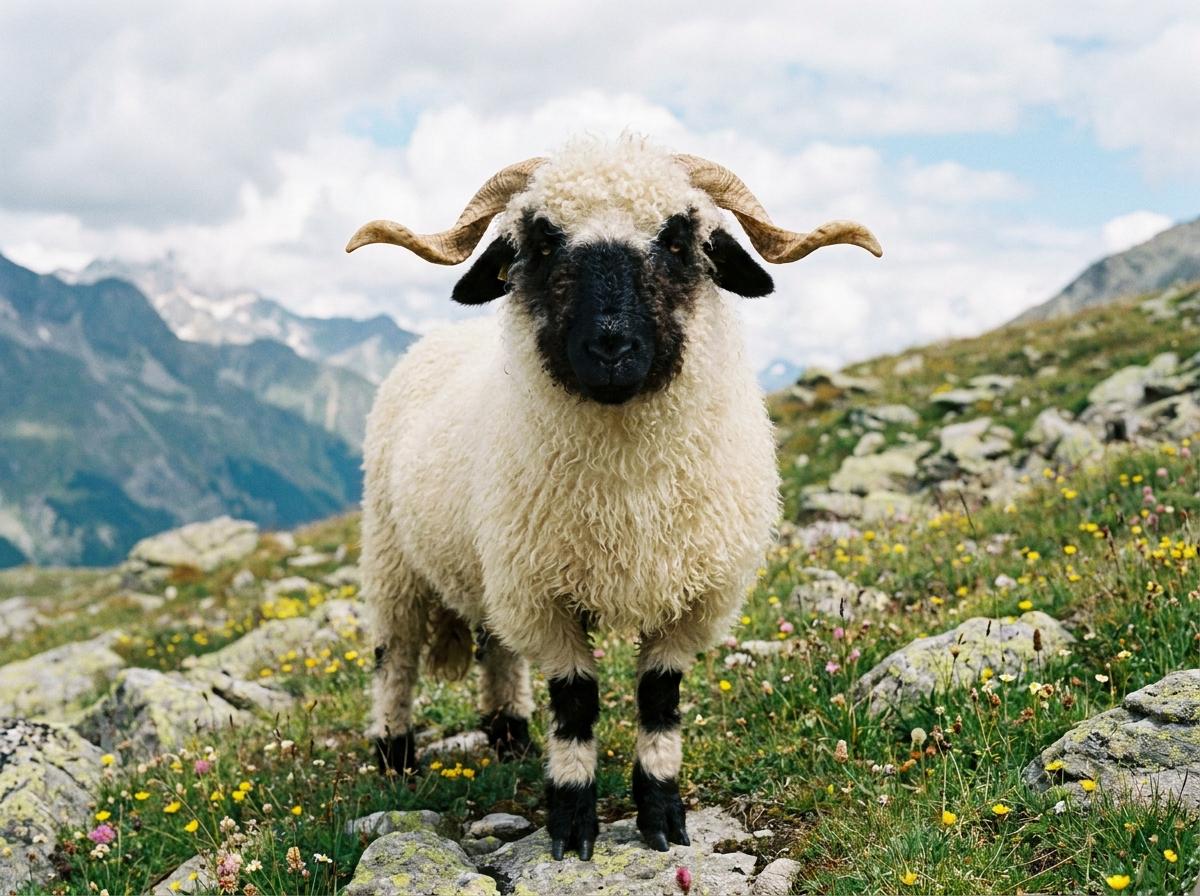
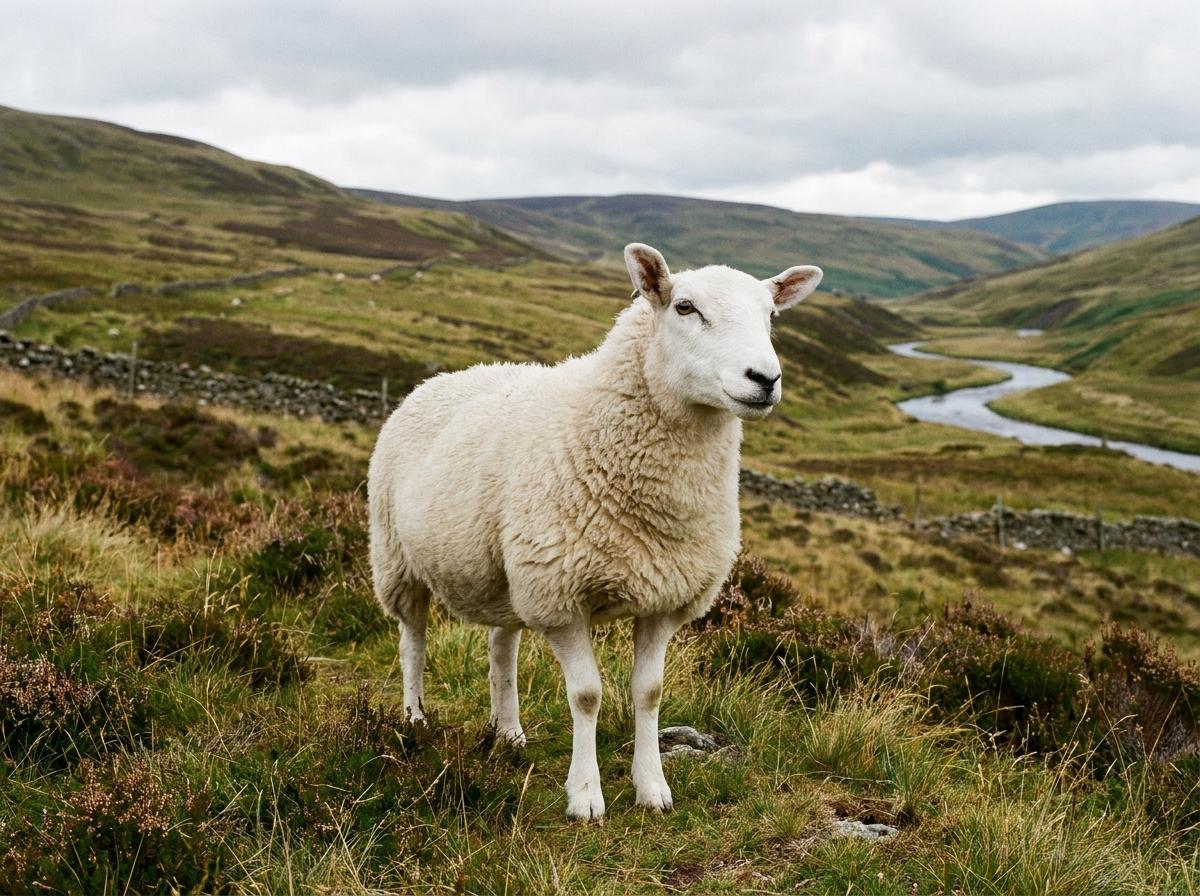
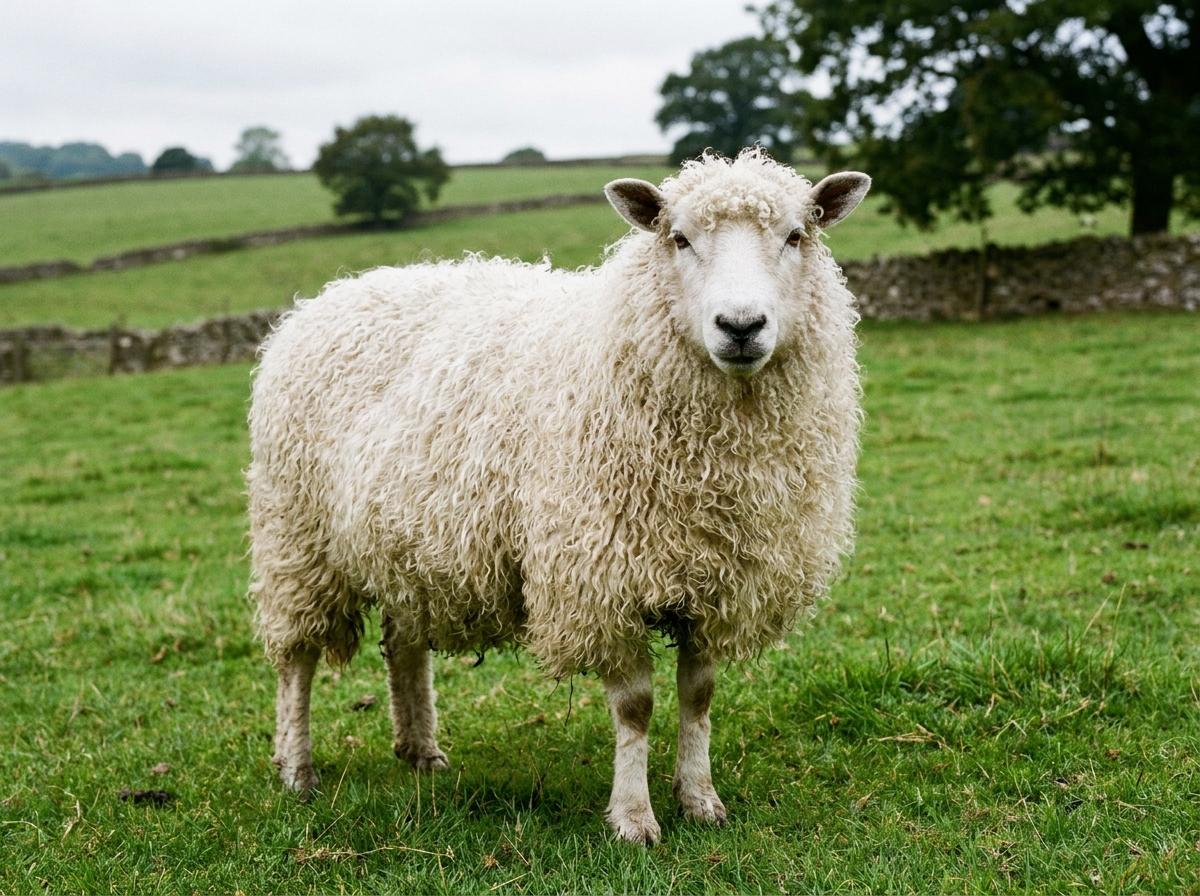
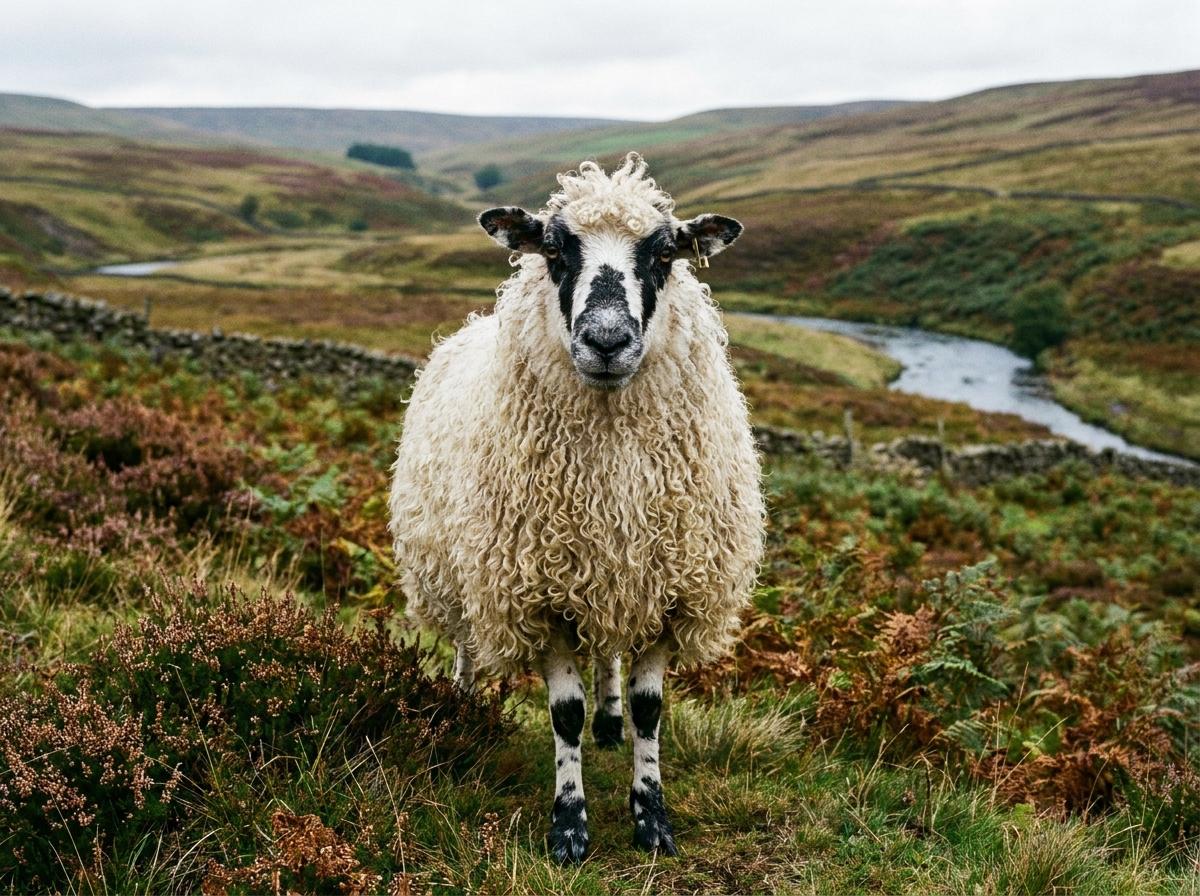
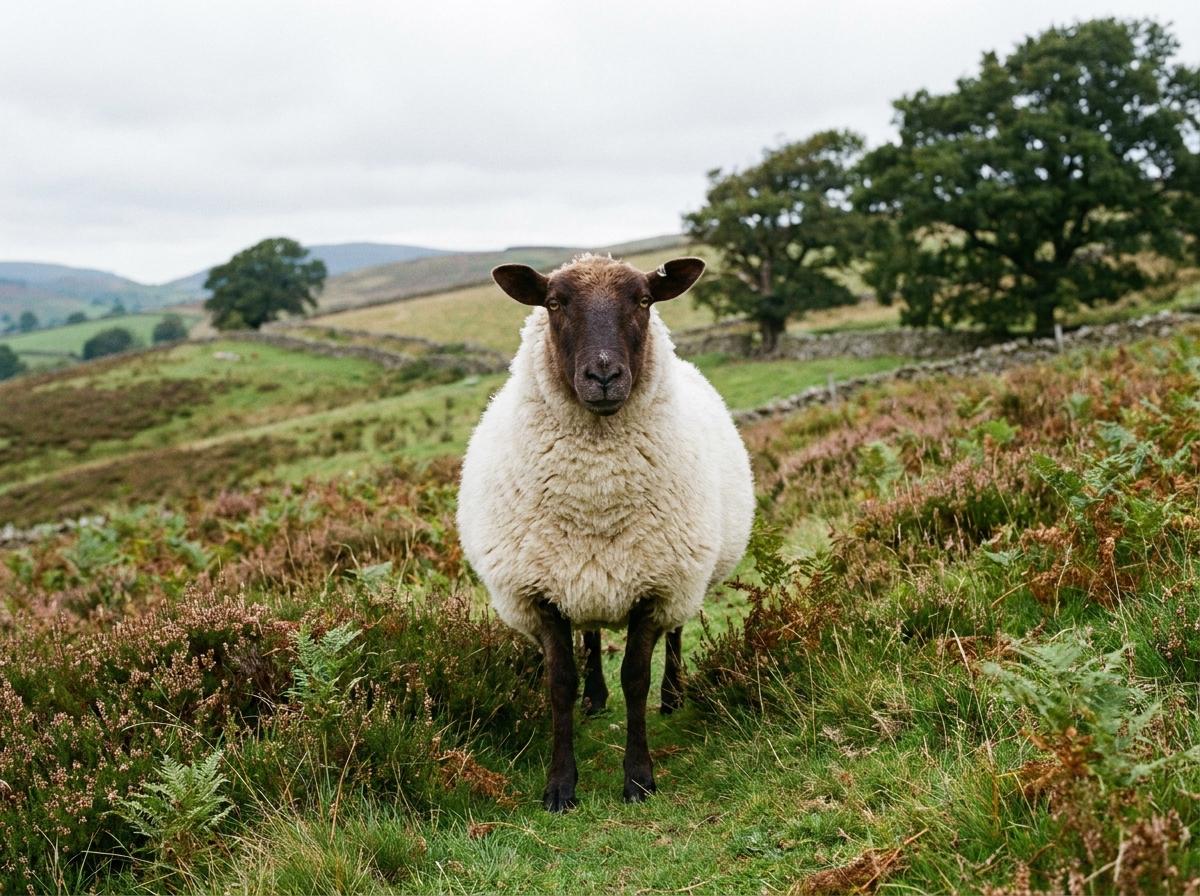
Colors: Badgerface, Black, Blackbelly, Brown, Cream to Light Tan with Reddish Face and Legs, Gray, Gulmoget, Katmoget, Moorit, Piebald, Red, Silver, Spotted, Tan, White, White with Black Points, White with Brown Points