
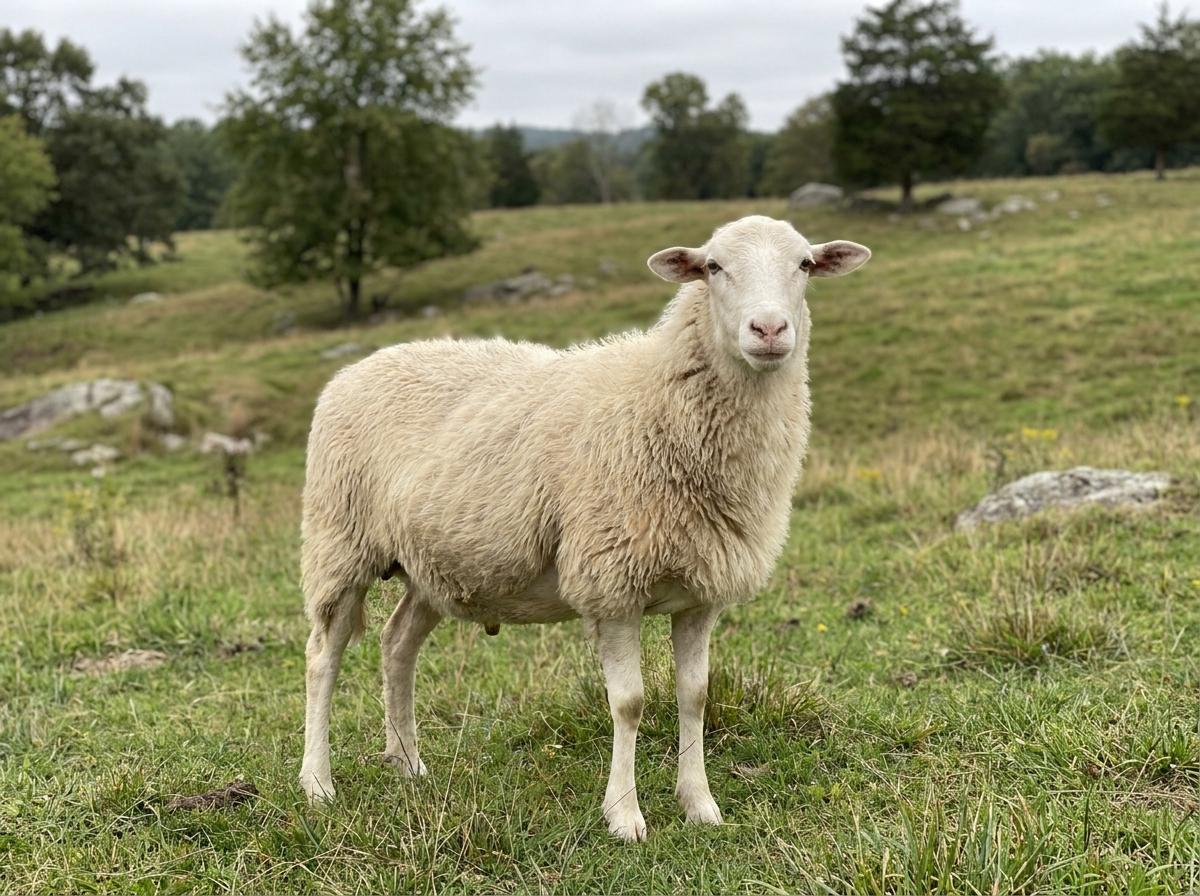
Katahdin
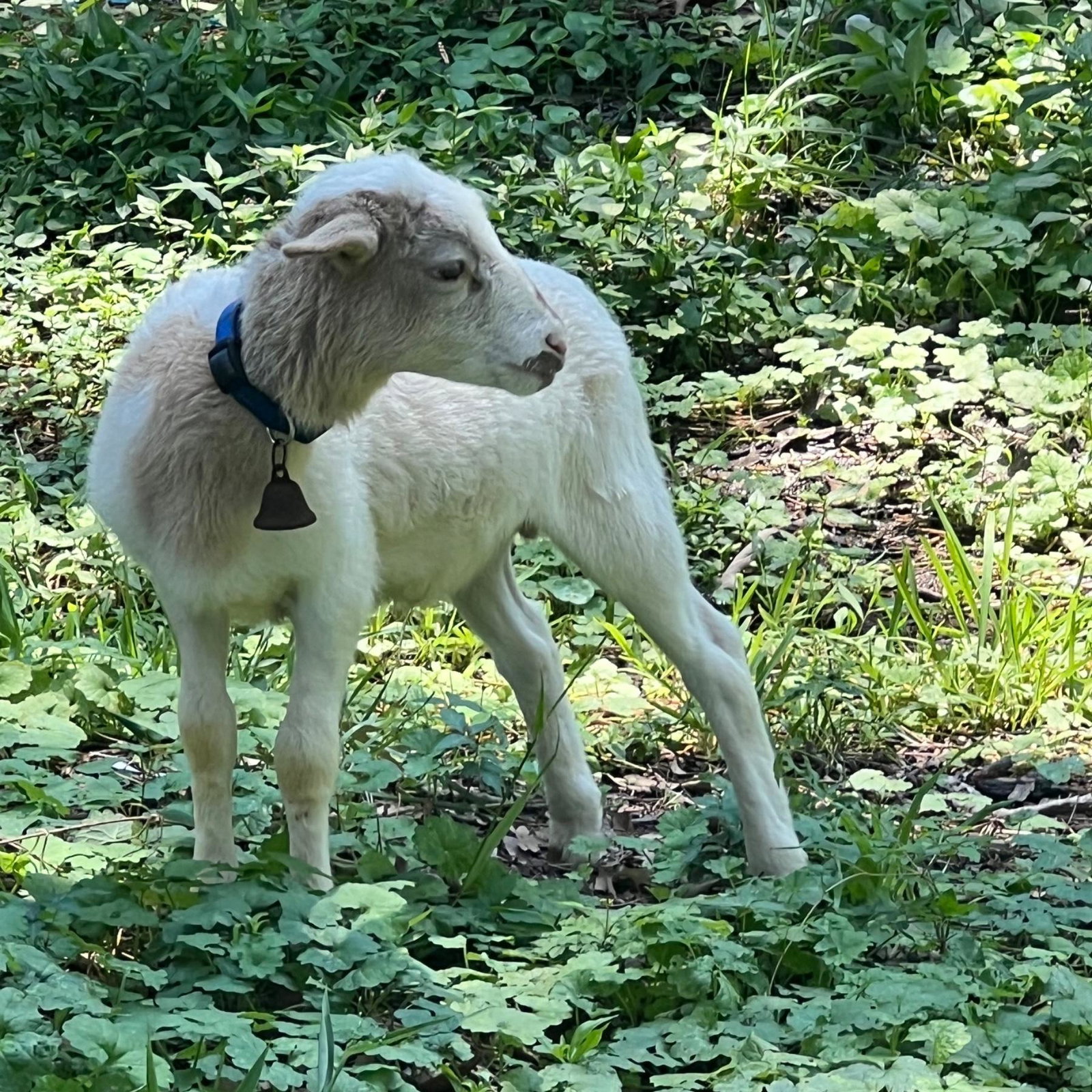
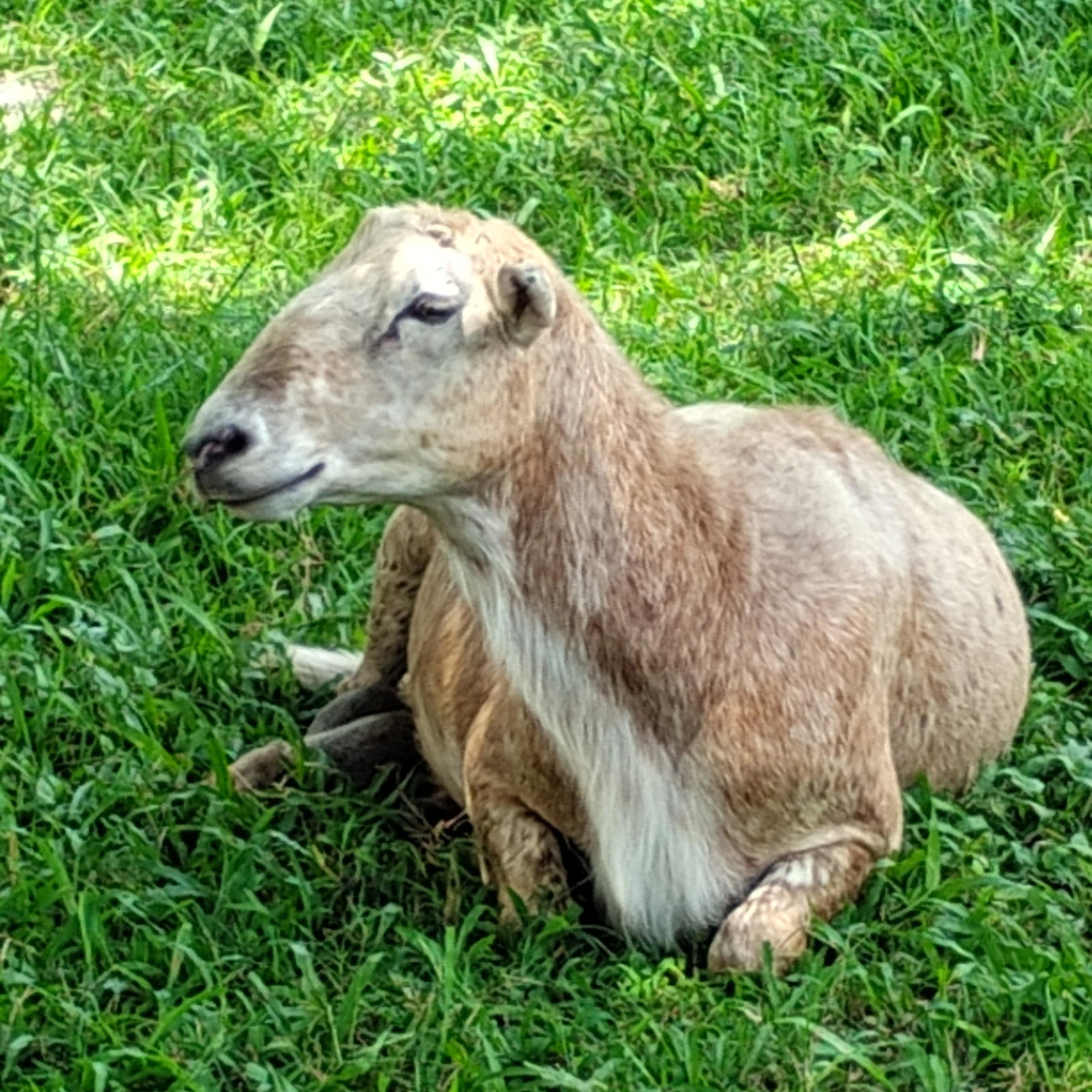
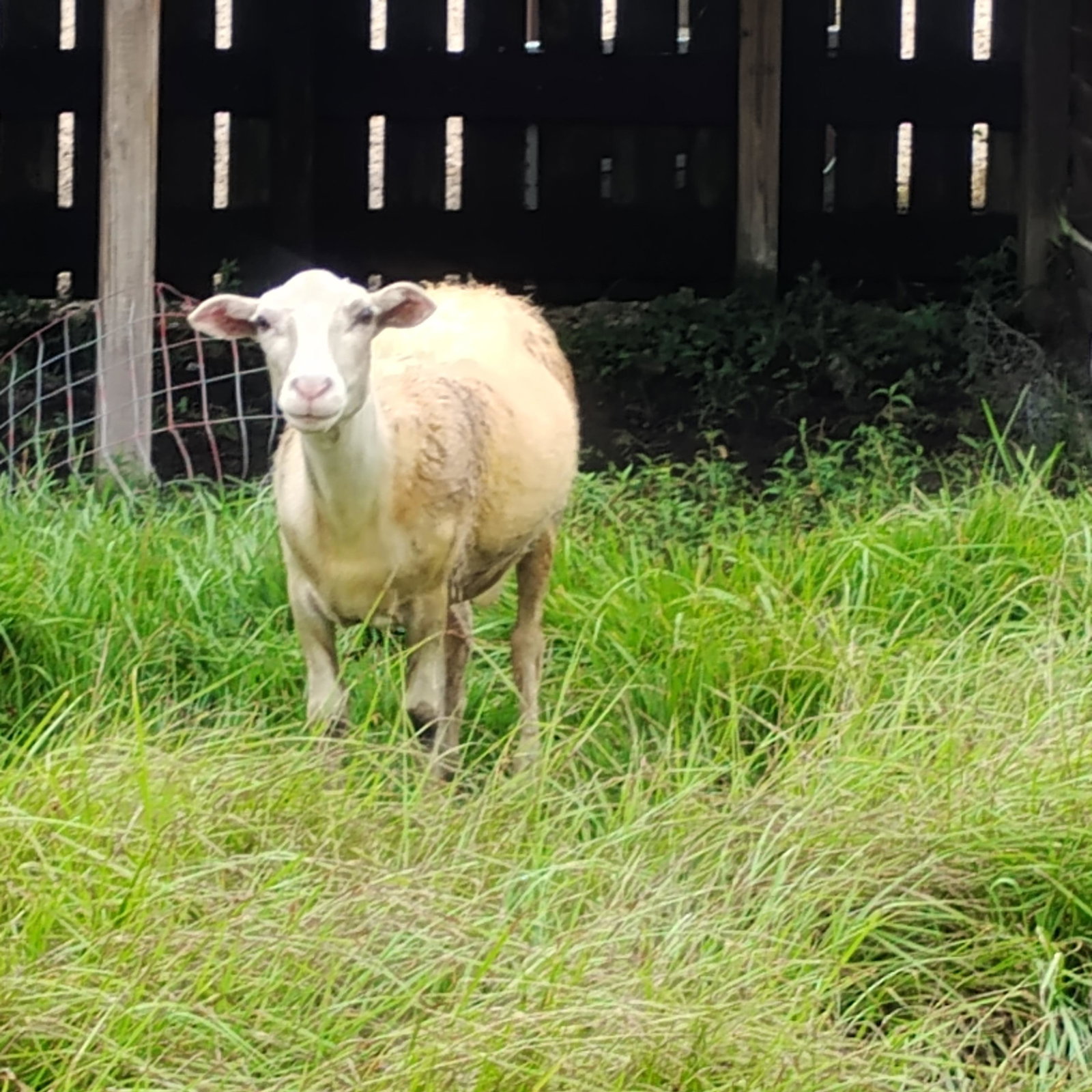
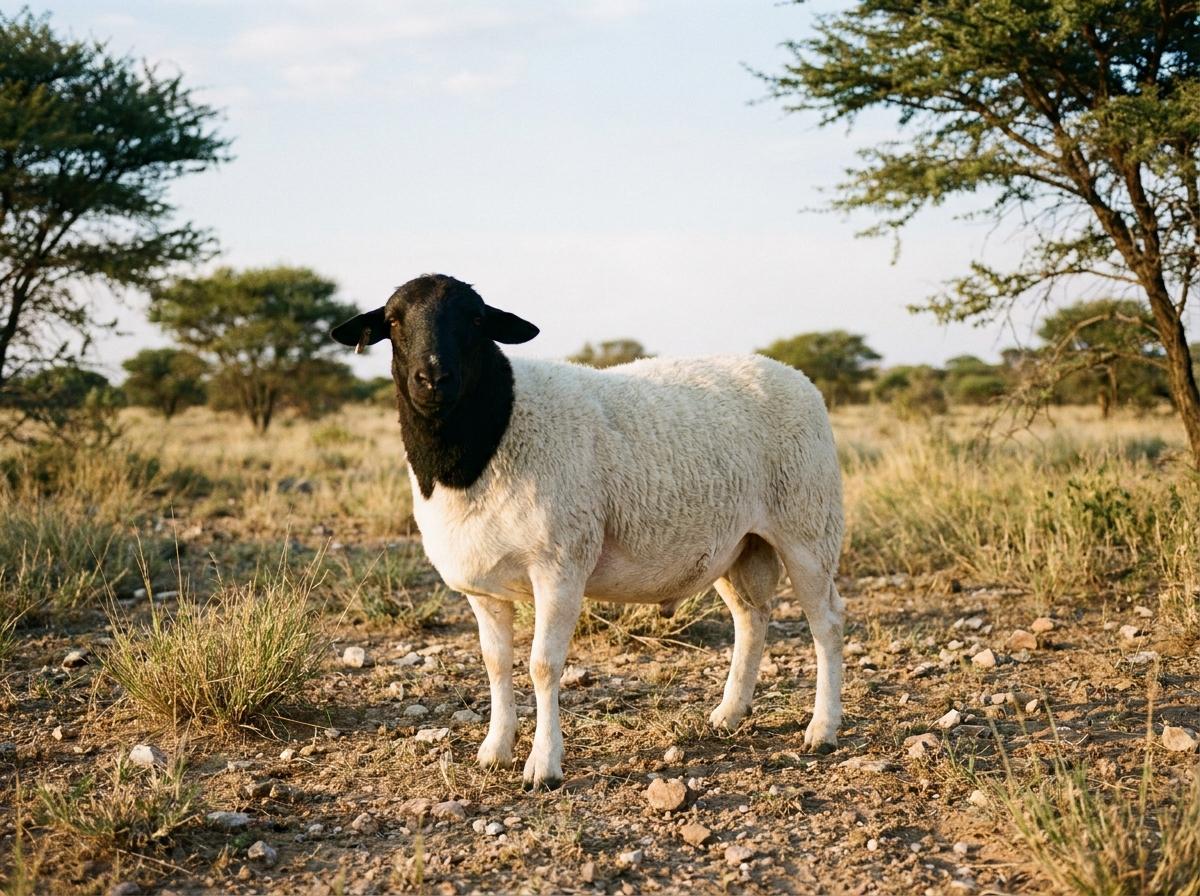
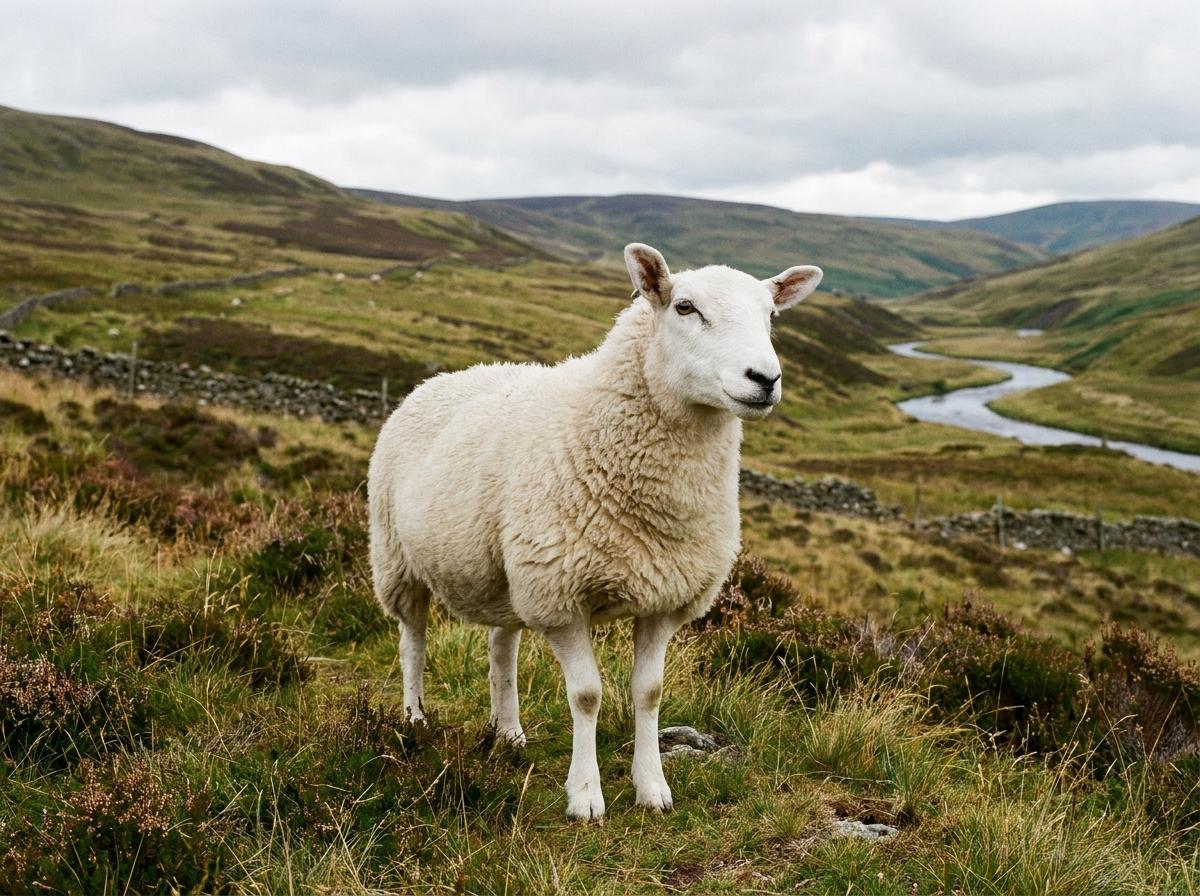
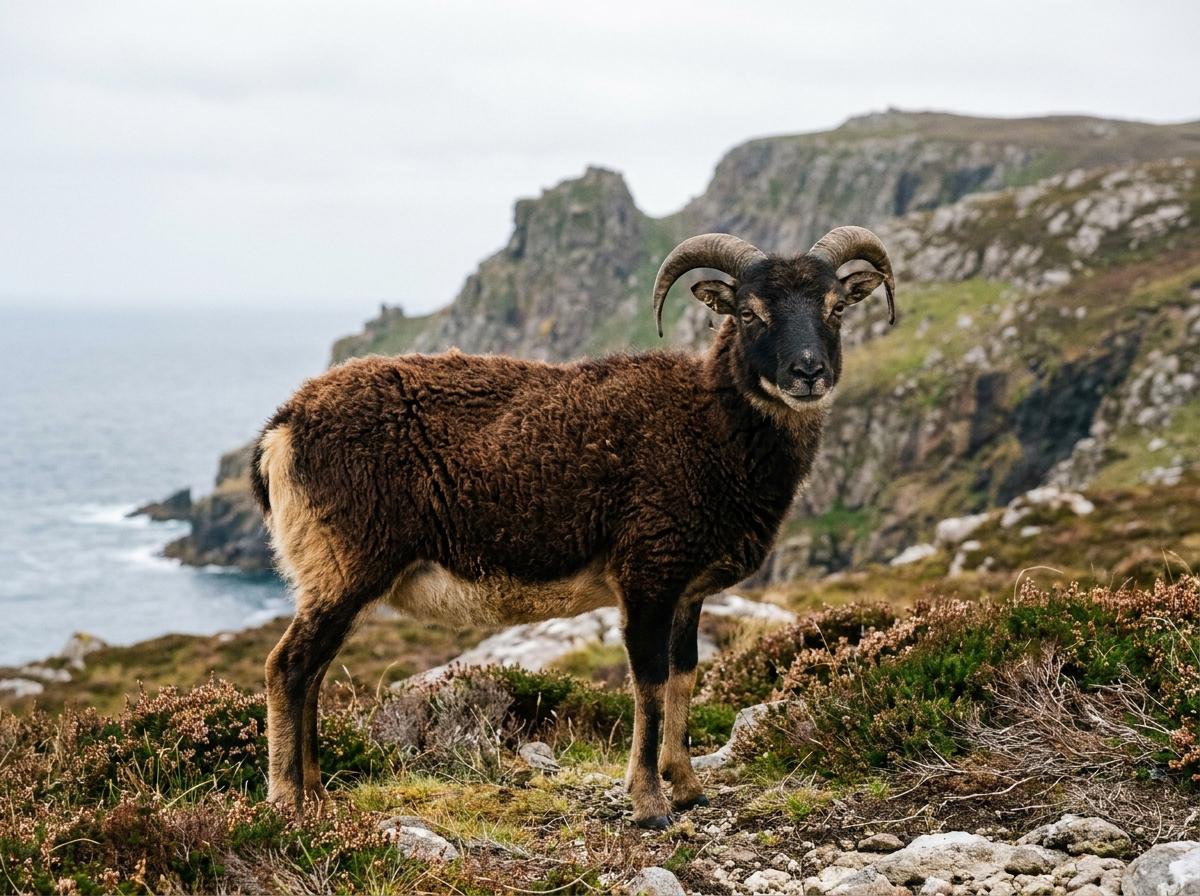
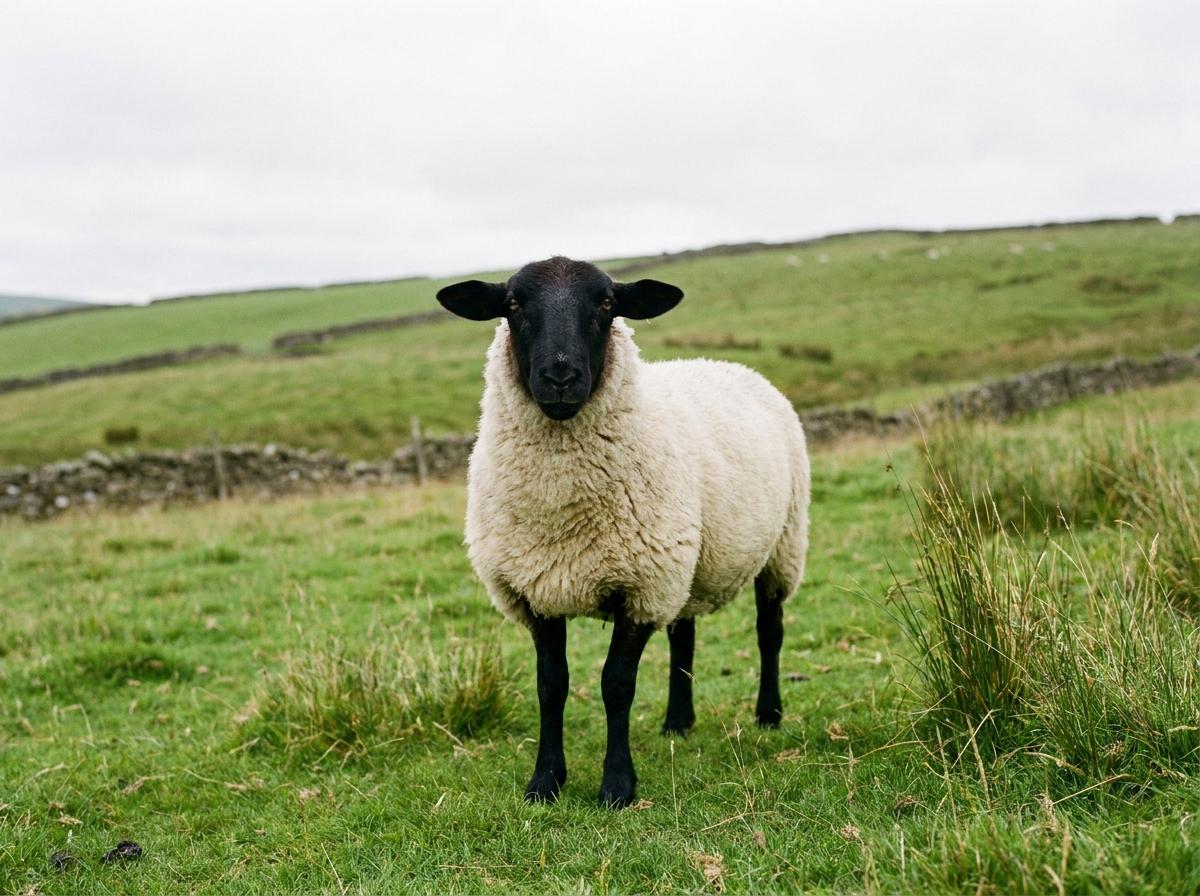
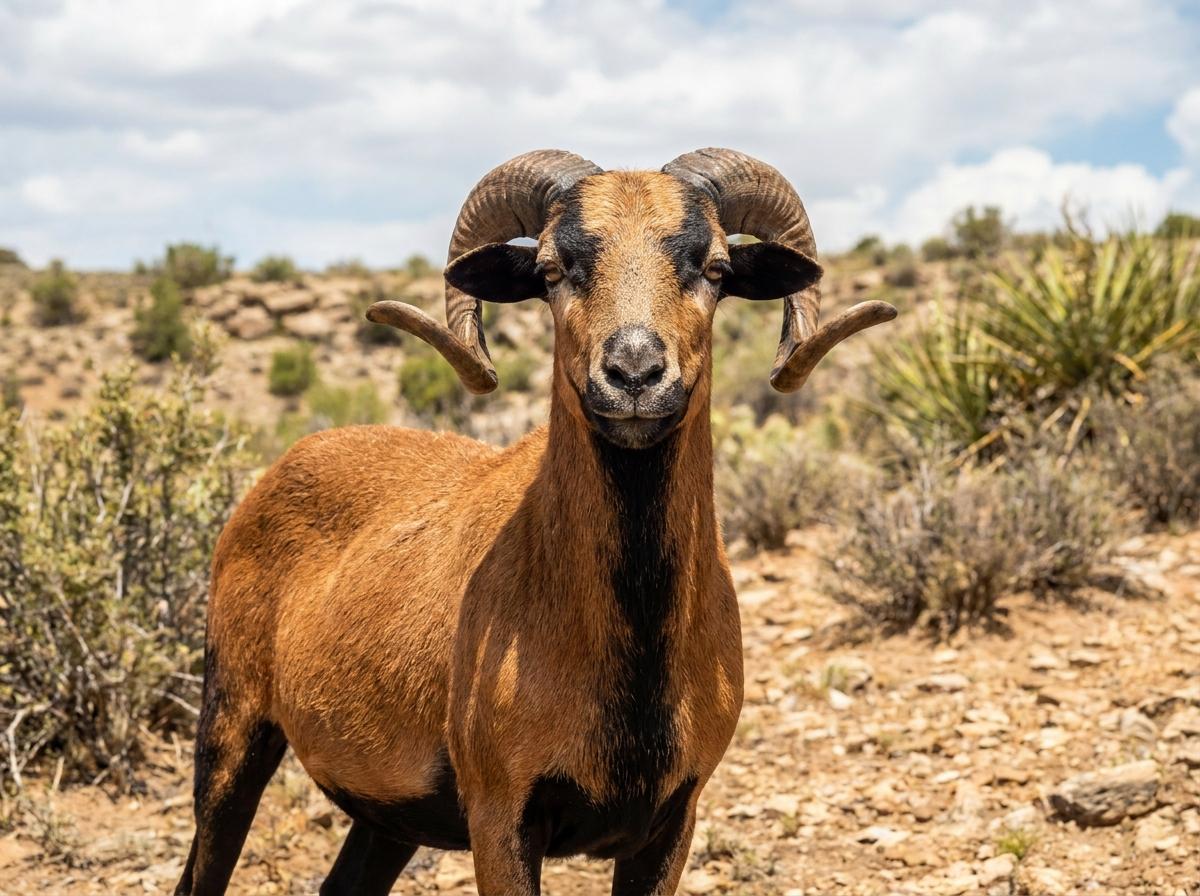
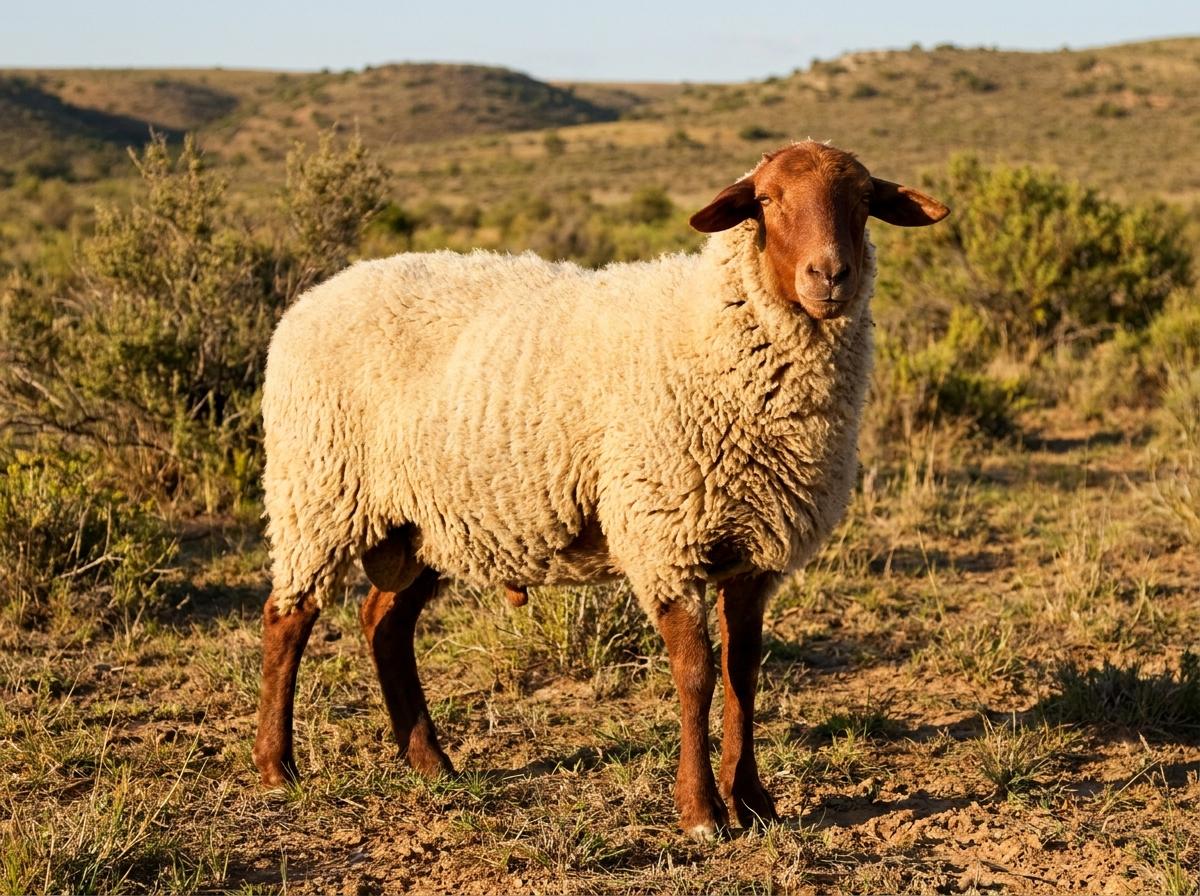
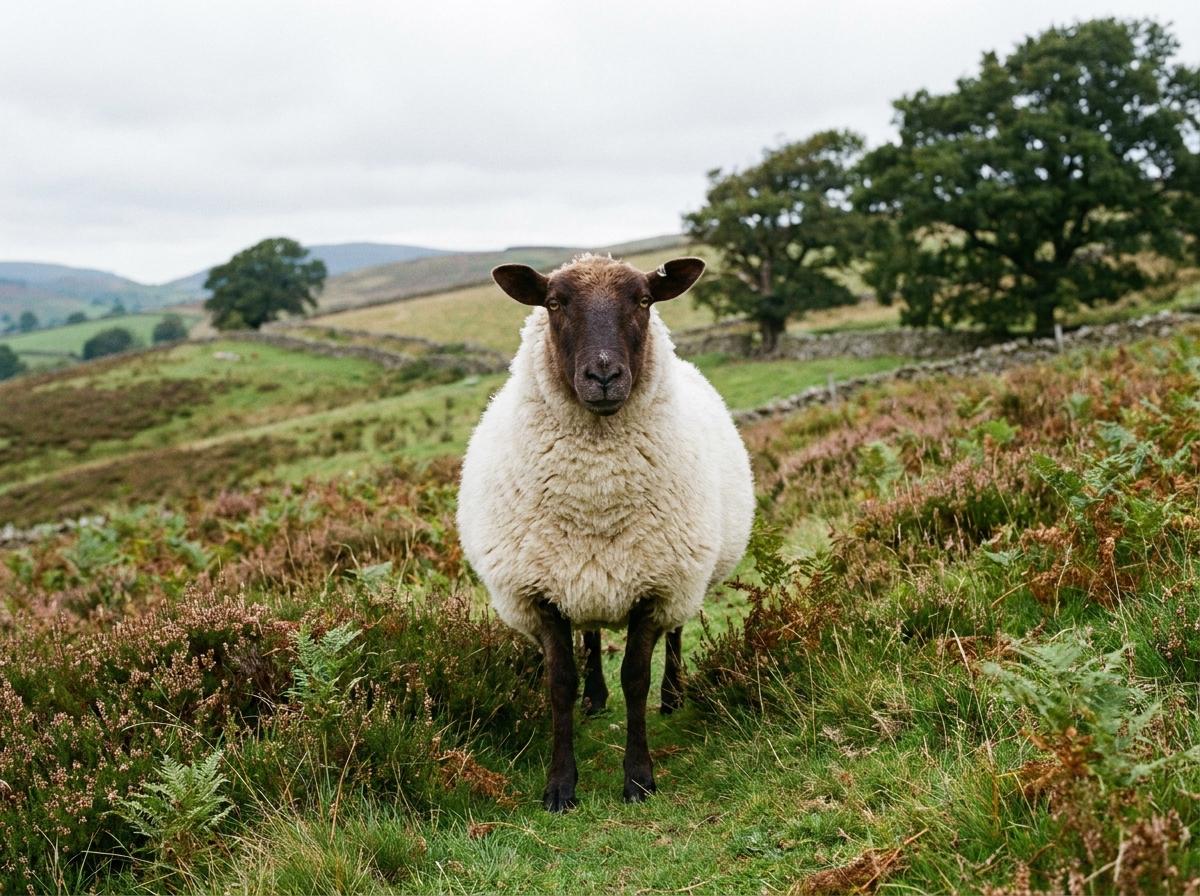
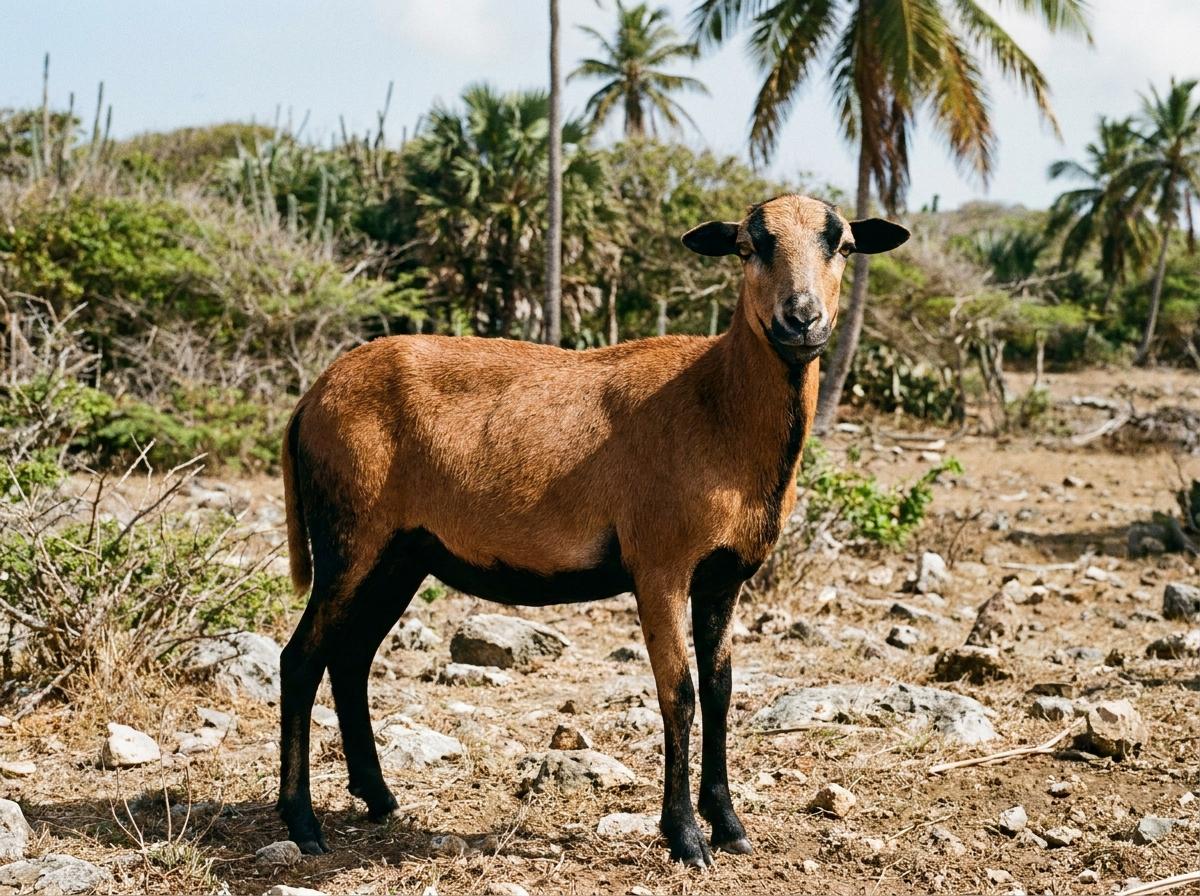
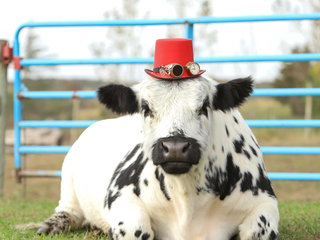
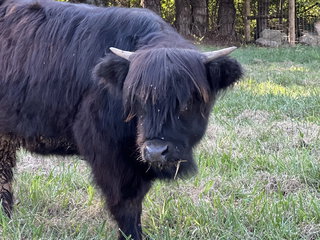
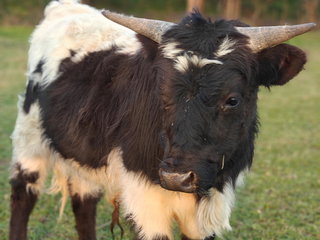
The Katahdin is an American hair sheep developed in Maine in the second half of the twentieth century and named for Mount Katahdin. Breeder Michael Piel combined Caribbean hair sheep, especially St Croix influence, with meat-type and shedding sheep to create a practical, wool-free meat breed. Katahdins are medium-sized, usually polled, and may be white, tan, brown, black, spotted, or patterned. Instead of a permanent fleece, they grow a winter coat that sheds in spring, which separates them from wool breeds that require annual shearing.
Katahdins are common in grass-based lamb operations, homesteads, and low-input flocks because they reduce shearing, crutching, and wool contamination issues. They are often selected for parasite tolerance, easy lambing, and maternal ability, although those traits vary by flock and should not be assumed from the breed name alone. Good pasture rotation, body-condition scoring, sheep minerals, and timely parasite monitoring still matter, especially in warm and humid regions. Useful buying checks include complete shedding, sound feet and udders, growth records, and breeding stock raised under management similar to the new farm.
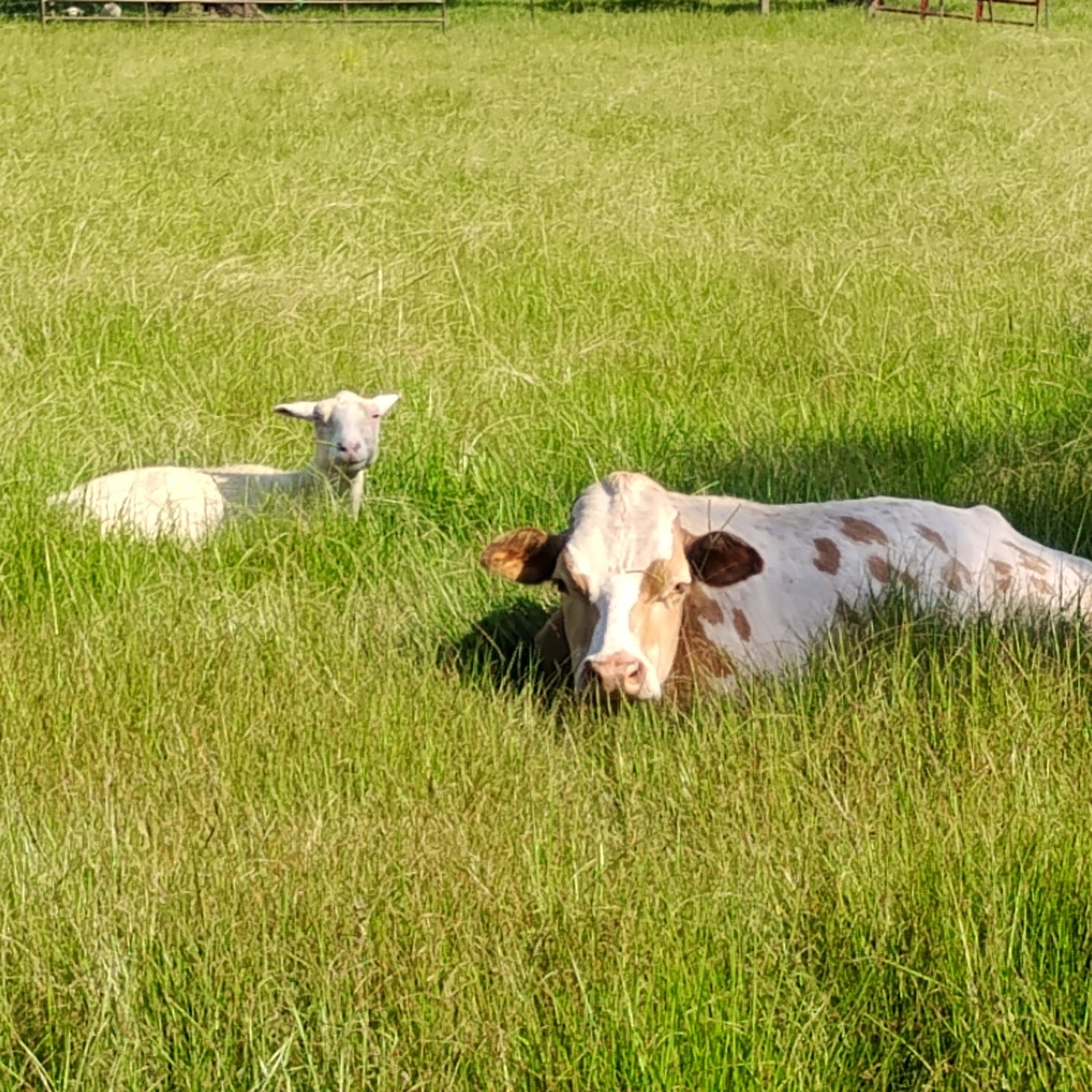
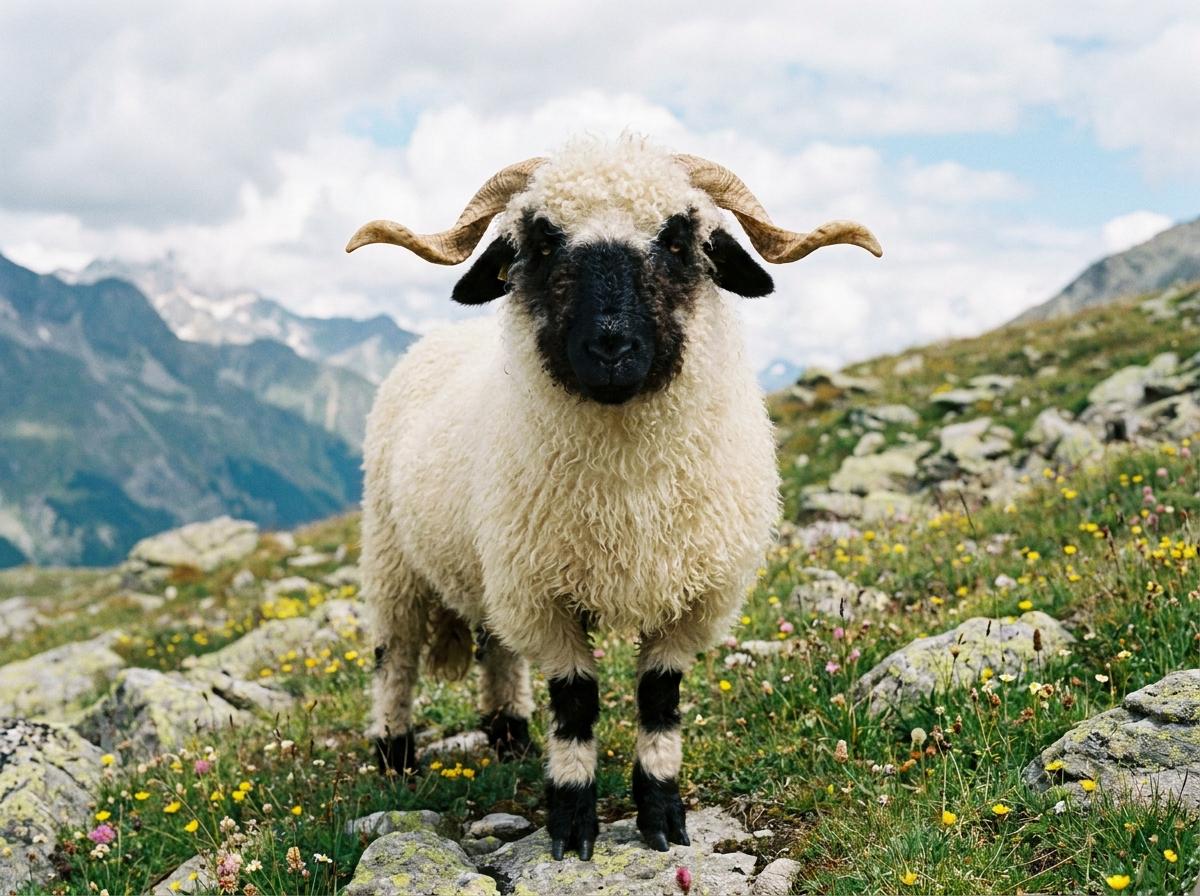
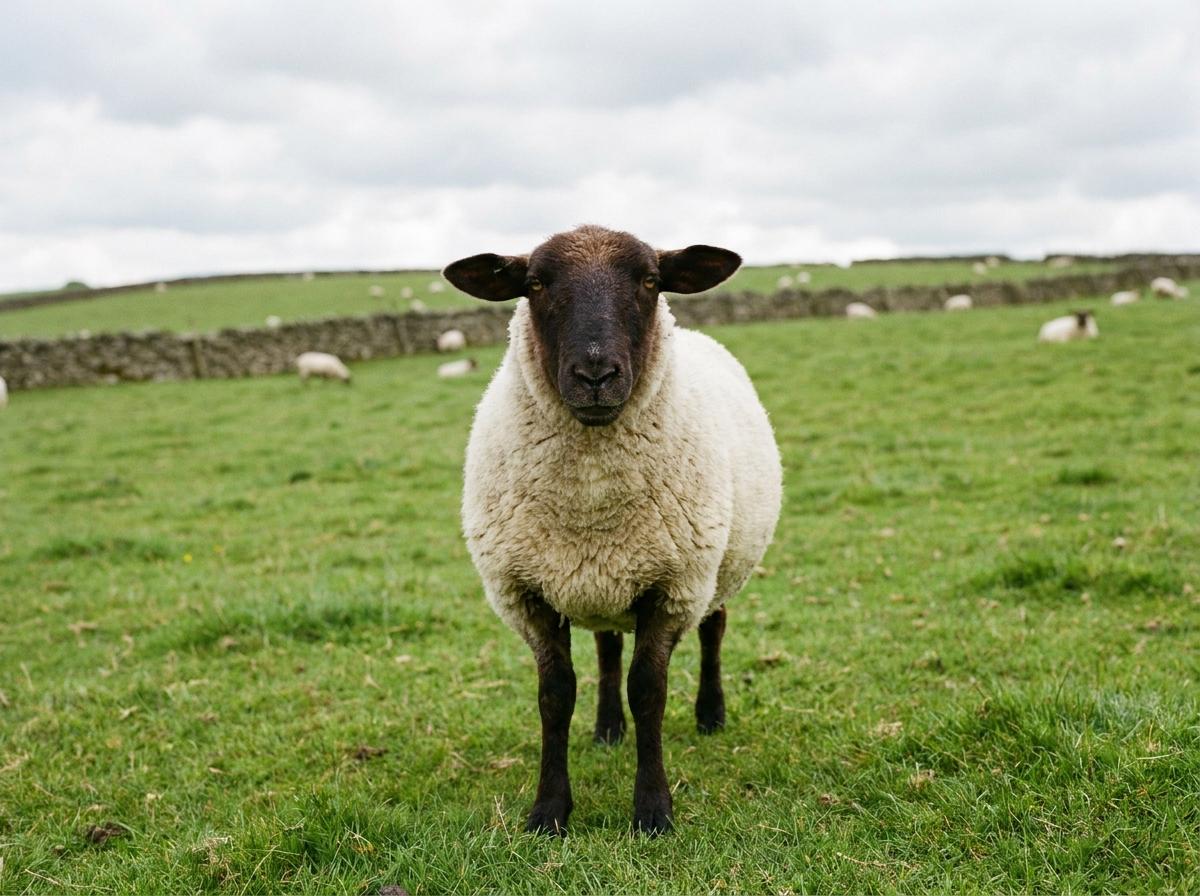
Colors: Badgerface, Black, Blackbelly, Brown, Gray, Gulmoget, Katmoget, Moorit, Piebald, Red, Silver, Spotted, Spotted or Combinations, Tan, White, White with Black Points, White with Brown Points