



Hairless
Author: Elliott Garber, DVM · Published
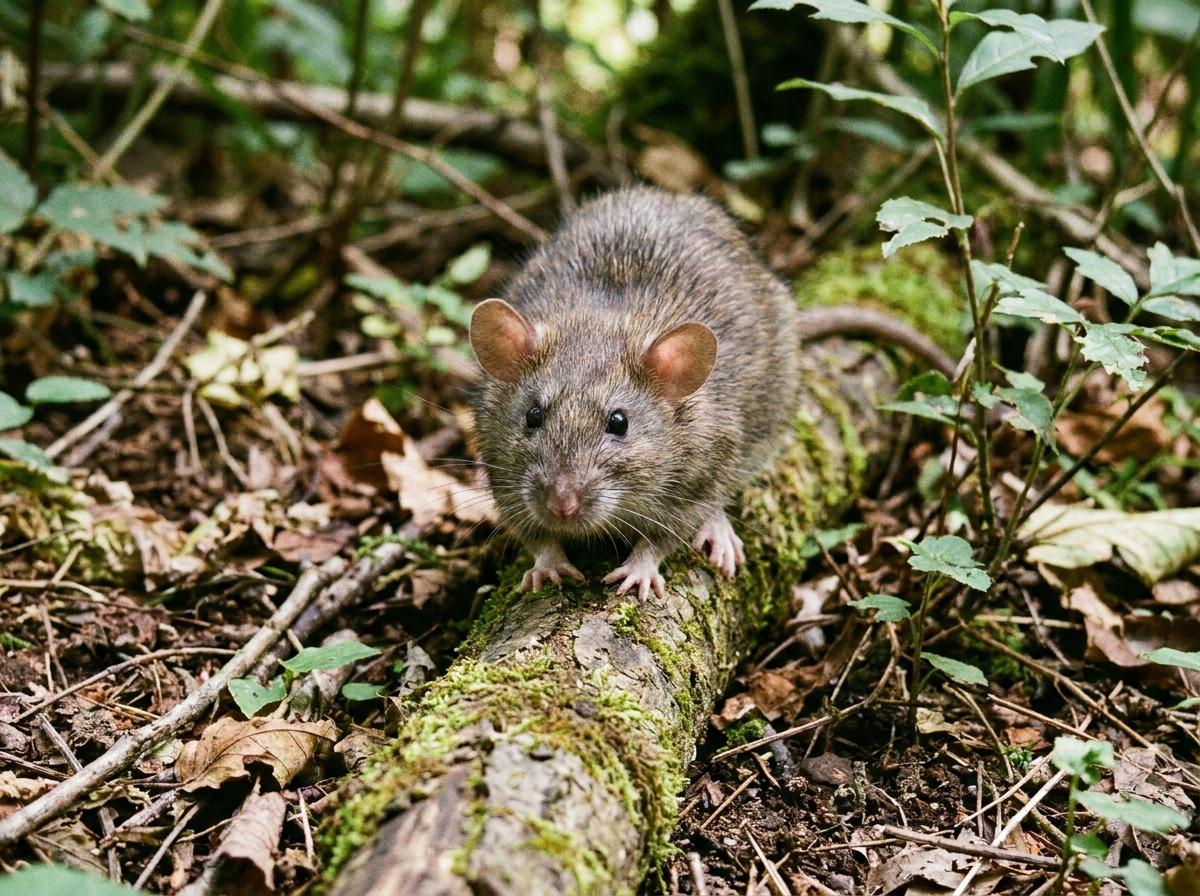
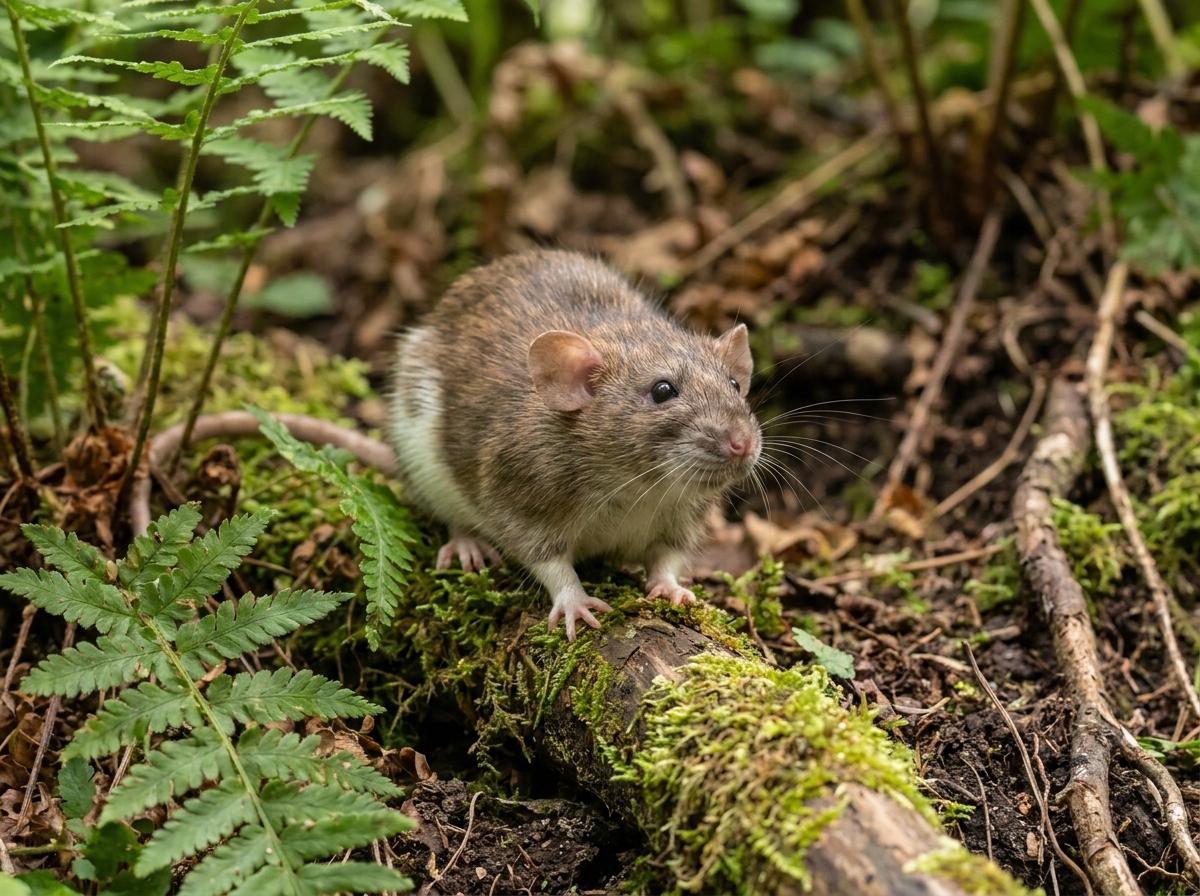
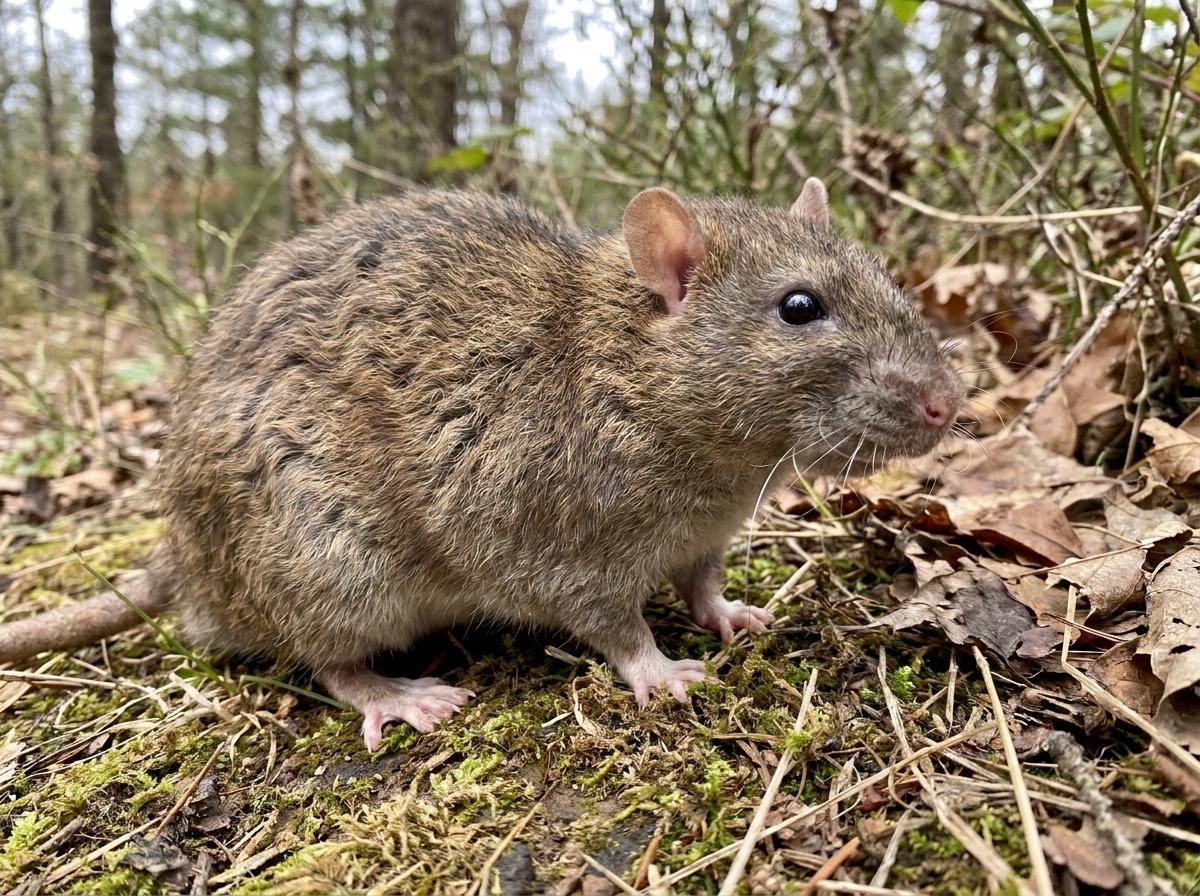
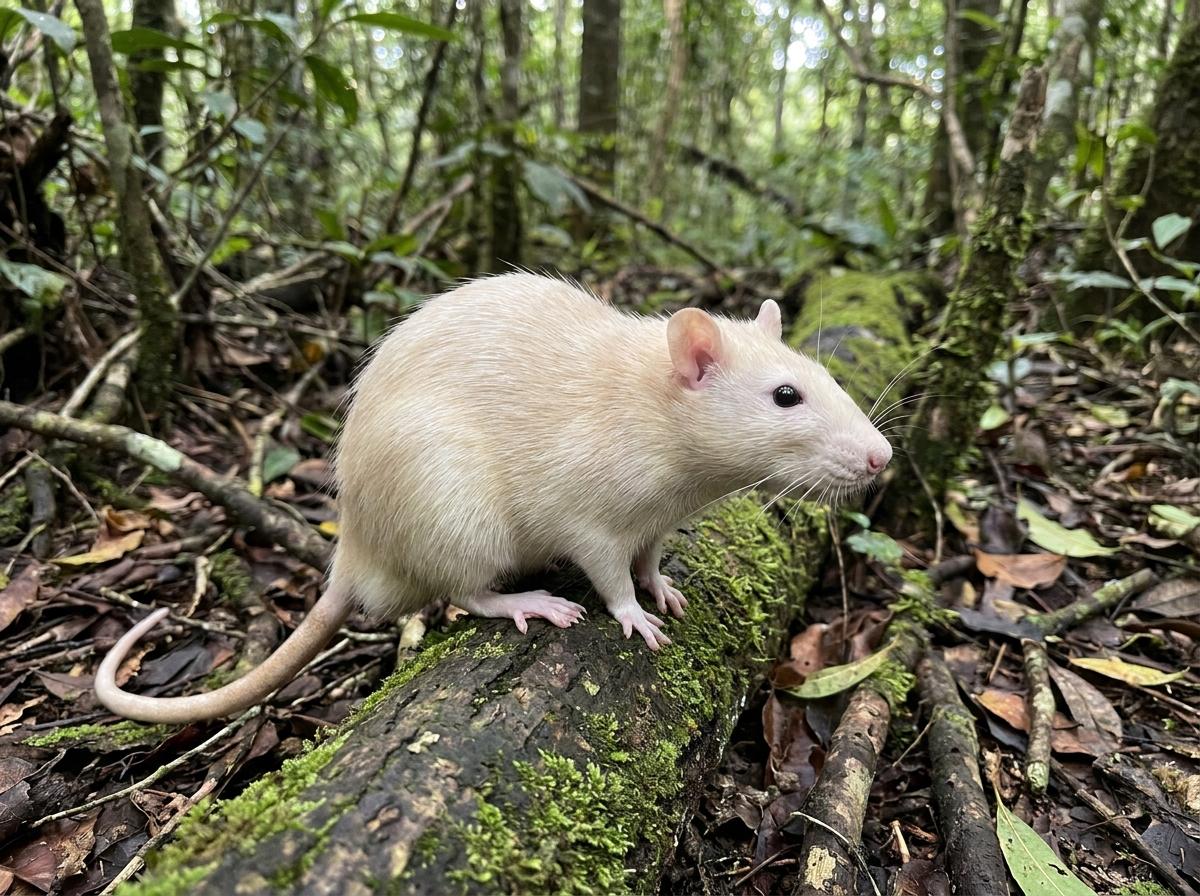
A hairless rat is an ordinary domestic fancy rat (Rattus norvegicus) that carries a coat mutation leaving it with little or no fur. It is not a separate species or a single breed. “Hairless” covers several different genes, plus the look-alike double rex that comes from pairing two rex rats, and the gene behind any particular pet is often unknown. In the United States the American Fancy Rat and Mouse Association has shown Hairless as a standard variety since 1994, while Britain’s National Fancy Rat Society will not allow hairless rats on its show benches because of welfare concerns. Both clubs agree on the practical point: a bare rat feels the cold, scrapes easily, and needs more careful housing than a furred one. If you are still comparing pet rats, the Creatures rat species page lays out every variety side by side.
This guide explains what the different kinds of hairless rat are and how to tell them apart, what the show standards say, where the welfare concerns come from and how strong the evidence is, and how to adapt warmth, bedding, diet and companionship for a rat without a coat. The general setup still applies, so keep the Creatures rat cage setup guide open alongside this one.

| What it is | A domestic fancy rat (Rattus norvegicus) with a coat mutation, not a separate species |
|---|---|
| Main types | True hairless lines (several genes, often unidentified; AFRMA describes them as recessive) and the double rex, which is two copies of the rex gene |
| US show status | AFRMA standard variety, standardized October 9, 1994 |
| UK show status | Not shown at NFRS-supported shows and not allowed on the NFRS Breeders’ List; keeping and breeding are not banned |
| Skin colors | Pink, black, or mottled, following the rat’s underlying color and markings |
| Room temperature | Merck gives 18 to 26 C (64 to 79 F) for pet rats; keep a hairless rat in the warmer half, out of drafts and direct sun |
| Companions | At least two rats; a furred cage mate helps keep a hairless rat warm |
| Lifespan | Pet rats generally live about 18 to 36 months; no reliable hairless-specific figure exists |
Browse listings, public profiles, breeders, or add your animal.
What “hairless” means in a fancy rat
“Hairless rat” describes a look, not a pedigree. At least two quite different genetic routes produce a bare rat, and a buyer who knows which one they are looking at can predict a lot about the coat, the care, and the breeding risks.
True hairless lines
A true hairless rat inherits a mutation that stops normal hair growth. The American Fancy Rat and Mouse Association (AFRMA) describes the fancy’s hairless genes as recessive: two furred parents that both carry the gene can produce hairless babies, and a furred rat can carry it without showing it. AFRMA describes the result as anything from completely bare apart from curly whiskers to a rat with some fuzz on the face and feet.
The genetics are messier than most care sheets suggest. Laboratory science has described more than 25 different hypotrichotic (thin or no hair) mutations in rats, and when researchers checked four lab strains called “hairless,” none of them had a mutation in the gene actually named hairless (Hr). Other strains turned out to have completely different causes: the Charles River “hairless” rat is allelic with the fuzzy mutation on chromosome 1, and the Hirosaki hairless rat is missing a stretch of DNA containing five basic keratin genes. So the common shorthand “hr/hr” is a convenient label rather than a diagnosis. AFRMA says plainly in its Peach Fuzz hairless article that it is unknown which hairless genes are actually present in the fancy population. The UK’s National Fancy Rat Society (NFRS), in a piece by geneticist Ann Storey, agrees that several mutations are responsible but says most are dominant and some recessive, the opposite of AFRMA’s description. The two clubs disagree, which is one more reason to ask a breeder how a line has actually bred.
One lab variety deserves a specific warning. The athymic “nude” rat (the Foxn1 or rnu mutation) looks bare because loss of the Foxn1 gene causes both nudity and a failure of the thymus to develop, so these rats lack a working thymus and the normal T cells it produces. Nude rats are research animals for immunology, not pet stock, and you should not expect one to turn up at a pet rattery. It is one reason careful breeders want to know what gene is in a line rather than just what the rat looks like.
Double rex
The other route is simpler and, according to the NFRS, the commonest source of hairless-looking rats in the UK. Rex is a dominant curly-coat gene. When two rex rats are mated, about a quarter of the babies inherit two copies (Re/Re), and those double rex rats grow a very weak coat that comes through and then breaks off. AFRMA’s rex and double rex article describes a double rex as looking patchy and uneven through life, with a short, even coat while moulting, and warns that selecting generation after generation for the barest double rexes produces rats that can look hairless but still carry some hair, usually on the face and feet. The same article says breeding rex to rex “is never suggested.”
Creatures covers this coat on its own pages: the Double Rex rat page explains the patchwork cycle in detail, and the Rex rat page covers the single-copy curly coat it comes from.
Sphynx, peach fuzz, and other names
You will also see hairless rats sold as “sphynx” (or “sphinx,” the spelling the NFRS uses) and as “peach fuzz” or “fuzz.” These are descriptions of appearance rather than separate genes. AFRMA uses “Peach Fuzz” loosely for a hairless rat with a fuzzy face, a hairless rat with too much fuzz on the body, or a double rex. Treat any of these names as a prompt to ask the seller which parents produced the rat.
Telling them apart
No photo settles it, but these patterns help:
- Steadily bare, month after month, with curly or very short whiskers and perhaps a little fuzz on the face and feet, usually points to a true hairless line.
- Thin, patchy fuzz that comes and goes in waves points to a double rex. Ask whether both parents were rex.
- A furred rat with a curly coat and curly whiskers is a single rex, not a hairless rat, even if it is sparse as a baby.
- Babies that are bare from birth versus babies that grow a coat and then lose it is one of the most useful things a breeder can tell you, because a double rex typically grows a coat first.

What a hairless rat looks like, and the AFRMA standard
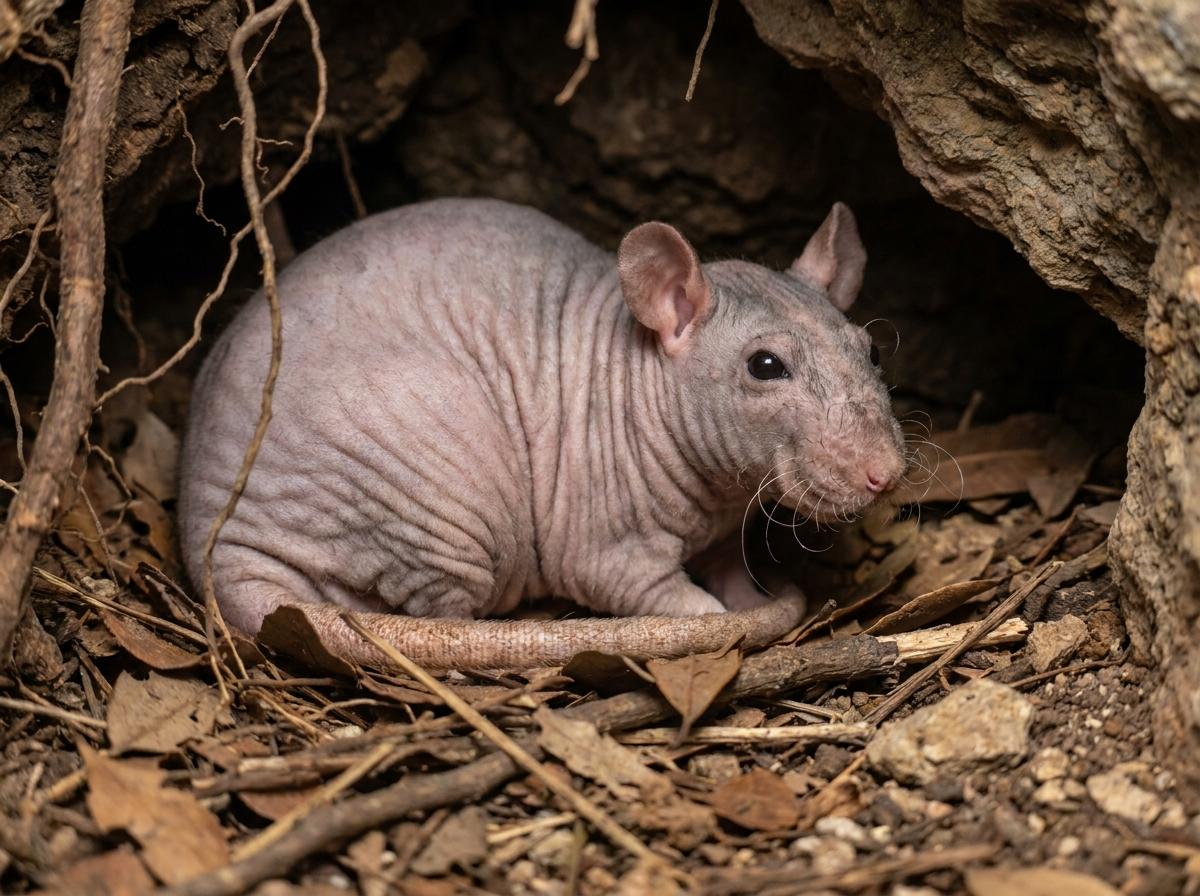
AFRMA’s variety standard, standardized October 9, 1994, asks for a thin, bright, rather translucent skin free of scars or pimples, with the rat as hairless as possible. The skin may be any color or recognized marking, and wrinkling is not penalized. Eyes may be any color but should be bright and free from problems. The ears should be very large and wrinkle free, and the whiskers may be very short or missing, usually curly.
In practice that means a hairless rat’s color is written on its skin. A rat that would have been black or hooded if furred shows dark or grey pigment where the colored fur would have been, which is why listings describe hairless rats as pink-skinned, black-skinned, or mottled. The standard allows any eye color, so pink, ruby and dark eyes all turn up. The wrinkles at the neck and shoulders that look alarming to new owners are normal skin folds, and the standard explicitly does not fault them.
What the standard is looking for is also a useful health checklist. Scars, pimples, dull or weepy eyes, and crusty skin are faults on the show bench and warning signs at home.
Show and club status: AFRMA versus NFRS
The two best-known English-language rat clubs take opposite positions, and it is worth understanding both before you buy.
AFRMA (United States) lists Hairless among its recognized varieties alongside Standard, Rex, Tailless, Satin, Dumbo and Bristle Coat. The club’s own hairless information page says the hairless rats it has seen on the show bench and from its breeders have been healthy, while also listing the problems keepers report.
The NFRS (United Kingdom) has a show regulation that any mutation the society deems harmful to the rat’s health shall not be shown in any class, including pets. Two varieties are currently held under it: the hairless (sphinx) and the tailless (Manx). In Ann Storey’s explanation, hairless rats are much more sensitive to cold than normal rats and more prone to injury without a protective coat, some mutations produce rats with persistent skin infections, and some hairless rats are prone to ingrowing eyelashes. The NFRS is careful to say it does not ban keeping, breeding or selling hairless rats, and adds that it has no power to. What it does is keep them off its shows and off its Breeders’ List.
The tailless rat sits under the same rule for a related reason, since rats use their tails to shed heat. Creatures’ Manx rat guide covers that variety’s welfare questions in the same spirit as this page.
The welfare questions, honestly
None of this means a hairless rat is doomed to a poor life. Plenty live comfortably as pets. But the concerns are real, they are documented by both clubs, and several of them are backed by laboratory research on hairless strains. The fair summary is that a hairless rat depends on its keeper for things a furred rat does for itself.
Heat and cold
Fur is insulation. Without it, a rat loses heat faster and has to make more of its own. That is not speculation: hairless rats are used in research specifically as a model of increased thermogenesis, meaning their bodies burn more fuel to stay warm. The NFRS names cold sensitivity as one of its two reasons for keeping hairless rats off the show bench. A chilly room, a cage beside an outside door, or a draft from an air conditioner that a furred rat would shrug off can stress a bare one.
Heat cuts the other way. Rats rely heavily on their tails to shed heat (the reason the NFRS also keeps tailless rats off the show bench), and a bare rat has nothing between its skin and direct sun, so a sunny windowsill is no safer than a cold one.
Skin injuries and infections
Bare skin shows every scratch. The NFRS lists injury as a specific risk, and AFRMA’s keepers report dryness, rashes and bumps. Some mutations, in the NFRS’s words, produce rats with persistent skin infections. Rough cage furniture, sharp wire edges, long nails (the rat’s own and its cage mates’), and boisterous play can all leave marks that a coat would have blocked.
Eyes and eyelashes
The NFRS notes that some hairless rats are prone to ingrowing eyelashes, which rub the eye. Dusty or drying bedding makes eye irritation worse. AFRMA’s standard asks for eyes that are bright and free from problems, so a squinting, weepy, or crusted eye on a hairless rat is not “normal for the variety.” It needs a vet.
Breeding females and milk
This is the concern that most separates hairless rats from other fancy varieties. AFRMA reports that the most common breeding problem is that some hairless females cannot raise or nurse their young, and advises breeders to always have a furred foster mother on hand.
Laboratory research shows how serious this can be in some lines. In the Hirosaki hairless rat, the mammary glands of hairless females are underdeveloped and begin to regress at an early stage of lactation, shortly after they start producing milk. In another lab hairless strain, the OFA hr/hr rat, about half of litters died of malnutrition in early lactation and only 6 percent of mothers lactated normally. Those are specific research strains, and nobody has shown that any given pet line carries the same mutation. The honest conclusion is narrower: some hairless mutations are known to disrupt lactation, pet-line genetics are largely unknown, and so responsible breeders plan hairless litters around furred or carrier mothers rather than hairless ones.
Immune function
The athymic nude rat is the extreme case, but it is not the only one. The Hirosaki hairless rat also has a small thymus and fewer circulating lymphocytes than its furred parent strain. Again, this does not tell you anything about a particular pet, only that hair genes and immune genes are sometimes linked, which is one more reason to buy from a breeder who knows the line’s history and health.
Lifespan
Pet rats in general live about 18 to 36 months according to Merck, and the RSPCA puts it at around two to three years. Some keepers believe hairless rats live shorter lives, but we could not find a reliable figure, and with several different genes involved there may not be one answer. Records from your own rat’s life are more useful than any average.
Care adaptations for a rat without a coat
Everything in ordinary rat care still applies. The differences are about protecting skin and conserving heat.
Warmth and cage placement
Merck gives an optimal range of 18 to 26 C (64 to 79 F) for pet rats, with 30 to 70 percent humidity. For hairless rats, the owner resource RatGuide goes further and advises keeping the environment no lower than 68 F (20 C). In practice, aim for the warmer half of Merck’s range and a steady temperature rather than the absolute number. Put the cage against an interior wall, away from outside doors, windows, radiators, air vents and direct sun. Give the rats deep bedding and enclosed sleeping spots (a fleece hammock, a cuddle cup, a hide stuffed with paper) so they can make their own warm pocket.
Be cautious with heat sources inside the cage. A rat that gets too warm needs somewhere cooler to go, and bare skin has no fur between it and a hot surface, so ask your vet before adding one.
Bedding, floors and furniture
Merck’s owner guide recommends recycled paper bedding and advises against cedar, pine and other wood shavings, whose oils irritate rats’ airways. For a hairless rat, soft matters as much as dust-free: shredded paper, paper pellets under a soft top layer, and fleece liners on shelves are all kind to bare skin. AFRMA notes that some bedding types are very drying on hairless rats.
Merck also says the cage floor should be solid, because wire mesh can damage rats’ feet and legs. That goes double for a rat without protective fur on its body. Check shelves, ramps and hides for splinters, sharp wire ends and rough plastic seams. The rat cage setup guide covers size, bar spacing and levels in detail.

Diet and energy
A rat that burns more energy to stay warm may need more food. RatGuide advises raising the calorie, protein and fat content of a hairless rat’s diet with small amounts of foods such as egg, chicken and nuts. Merck warns, on the other hand, that obesity is common in pet rats and that pelleted diets are already high in fat. The way to reconcile them is to keep a good lab block or pellet as the base, add energy only as your rat’s weight and condition require, and weigh it regularly so you are adjusting to evidence rather than guesswork. The Creatures guide to what pet rats eat covers the base diet.
Skin care
Most hairless rats need very little. Their skin can feel warm or slightly oily, and there is usually no need for routine bathing. RatGuide suggests an occasional bath in warm water with a mild shampoo if a rat genuinely needs one, dried thoroughly and kept warm afterwards. If the skin is dry, flaky, red or broken, ask your vet before you put any oil or cream on it, because rats groom themselves and are likely to swallow whatever is on their skin. Keep nails trimmed if cage mates are scratching one another, and watch for scabs that do not heal.
Companions: at least two rats
Rats are social animals. The RSPCA says they should never be kept alone and recommends pairs or trios of the same sex, and Merck notes that young rats should be housed together. That applies to hairless rats with extra force, because a companion is also a heater. AFRMA says breeders and pet owners house hairless rats with furred rats so they don’t get cold, and RatGuide makes the same point: a furred cage mate helps keep a hairless rat warmer than another hairless one would.
Choose calm companions. Rats play rough, and normal wrestling that a furred rat’s coat absorbs can scratch bare skin. Introduce new rats gradually, same-sex groups avoid unplanned litters, and Merck’s owner guide notes that male rats tend to fight unless they grew up together, which is one reason to raise cage mates together.

Health checks and when to see a vet
Find a veterinarian who sees rats before you need one; exotic-animal practices are the usual place to start. Hairless rats get all the ordinary rat problems. Merck notes that most pet rats carry Mycoplasma pulmonis, the main cause of chronic respiratory disease, and that mammary tumors are common in females. On top of that, watch the things a coat would have hidden or prevented:
- Skin: scratches that stay red, scabs, pimples, swelling, or patches that look infected.
- Eyes: squinting, rubbing, discharge, or cloudiness, which may point to an eyelash problem or irritation.
- Weight: a steady drop can mean the rat is cold or unwell. Weekly weighing on a kitchen scale catches it early.
- Behavior: a rat that hunches, stays in its bed, or stops eating needs to be seen promptly.
Leave diagnosis and treatment to the vet. Skin infections in particular need the right medicine, and home remedies can make them worse.
Buying or breeding a hairless rat
Ask questions before you commit. A good hairless rat seller will be able to tell you whether the rat comes from a true hairless line or from rex to rex breeding, what the parents were, how the litter was raised (by a hairless mother or a furred foster), and how long related rats have lived. Look for bright eyes, clean skin without scabs, and an active, well-handled youngster. Expect the seller to want a companion to go home with it, or to ask whether you already have one.
Price depends on the breeder, the region and the line, and we do not quote a typical figure. A rat rescue is worth checking too.
If you plan to breed, go in with your eyes open. AFRMA’s advice to keep a foster mother ready is not optional caution, and the NFRS will not list hairless litters on its Breeders’ List. Pair the hairless gene with the healthiest, best-documented stock you can find, and keep records on every litter. The free rat gestation calculator gives the due date so a furred foster mother can be lined up in time.
Is a hairless rat right for you?
A hairless rat suits someone who keeps a steady, warm house, is happy to check skin and eyes every few days, will house it with at least one gentle furred companion, and has access to a vet who treats rats. It is a poor fit for a cold room, a garage or outbuilding, a home with a sunny-window cage spot, or a keeper who wants a low-maintenance first pet. If you like the idea of a rat but not the extra care, a standard-coated or Dumbo rat gives you the same personality without the skin and temperature work. And if you are still deciding between small pets altogether, compare the very different commitment of a rabbit such as the Mini Lop, which lives much longer and needs far more space.
Frequently asked questions
Are hairless rats a separate breed?
No. They are domestic fancy rats (Rattus norvegicus) with a coat mutation. AFRMA treats Hairless as a variety of the fancy rat, the same way it treats Rex or Dumbo.
Is a hairless rat the same as a double rex?
Not genetically. A double rex has two copies of the dominant rex gene and a thin, patchy coat that comes and goes. A true hairless rat carries a different mutation (AFRMA describes the US fancy’s genes as recessive, while the NFRS says most hairless mutations are dominant) and stays more consistently bare. They can look similar, which is why asking about the parents matters.
Are hairless rats cruel to breed?
Opinions differ. The UK’s NFRS keeps them off its shows and Breeders’ List because of cold sensitivity, injury risk, skin infections in some mutations, and eyelash problems, while the US AFRMA recognizes the variety and reports healthy show animals. Some hairless mutations are known from laboratory work to impair milk production, so any breeder should plan for a foster mother.
Do hairless rats need a heat lamp?
Usually not. A warm, steady room in the upper part of the normal rat range, deep soft bedding, enclosed sleeping spots and a furred companion are the usual approach. Talk to your vet before adding in-cage heat, because a rat that gets too warm needs a cooler place to go.
Do hairless rats need more food?
They may, because they burn more energy to stay warm. Increase food gradually and weigh your rat regularly, since obesity is also a common problem in pet rats.
Can a hairless rat live alone?
It should not. Rats need company, and a hairless rat also relies on cage mates for warmth. A furred companion is ideal.
How long do hairless rats live?
Pet rats generally live 18 to 36 months. Some keepers report shorter lives in hairless lines, but there is no reliable figure, and it likely varies by gene and line.
Are hairless rats hypoallergenic?
Do not count on it. Rat allergens are found in urine, skin and dander as well as hair, with urinary proteins the most studied, so a bare rat still produces them. Spend time with rats before you commit.
Do this next on Creatures
Whether you are still researching, waiting for the right rat, or already keeping a hairless pair, Creatures keeps the listings, breeders and records in one place.
Compare the coats. Read the Double Rex rat page for the patchwork look-alike and the Satin rat page for a coat mutation at the other extreme.
Find a hairless rat. Browse hairless rat listings on the marketplace and look up trusted ratteries in the Creatures breeder directory.
Get alerted. Set a free hairless rat listing alert and we will email you when a new one is posted. No account needed to start. See saving searches and using your watchlist.
Add your rat. Already have one? Create a free profile for your hairless rat in a few minutes, no account needed to start. The walkthrough is in adding an animal to Creatures.
Keep the records. Add weight, skin-check and vet records so a slow weight loss or a scab that will not heal shows up as a trend. The record sheet opens for any visitor, and a free account saves what you enter. See adding a record and health and medical records, and set a weekly weigh-in as a repeating reminder with reminders and upcoming care.
Breed rats? Create your rattery’s profile, no account needed to start, then get listed in the breeder directory so buyers looking for well-documented rats can find you.