



Juliana
Author: Elliott Garber, DVM · Published
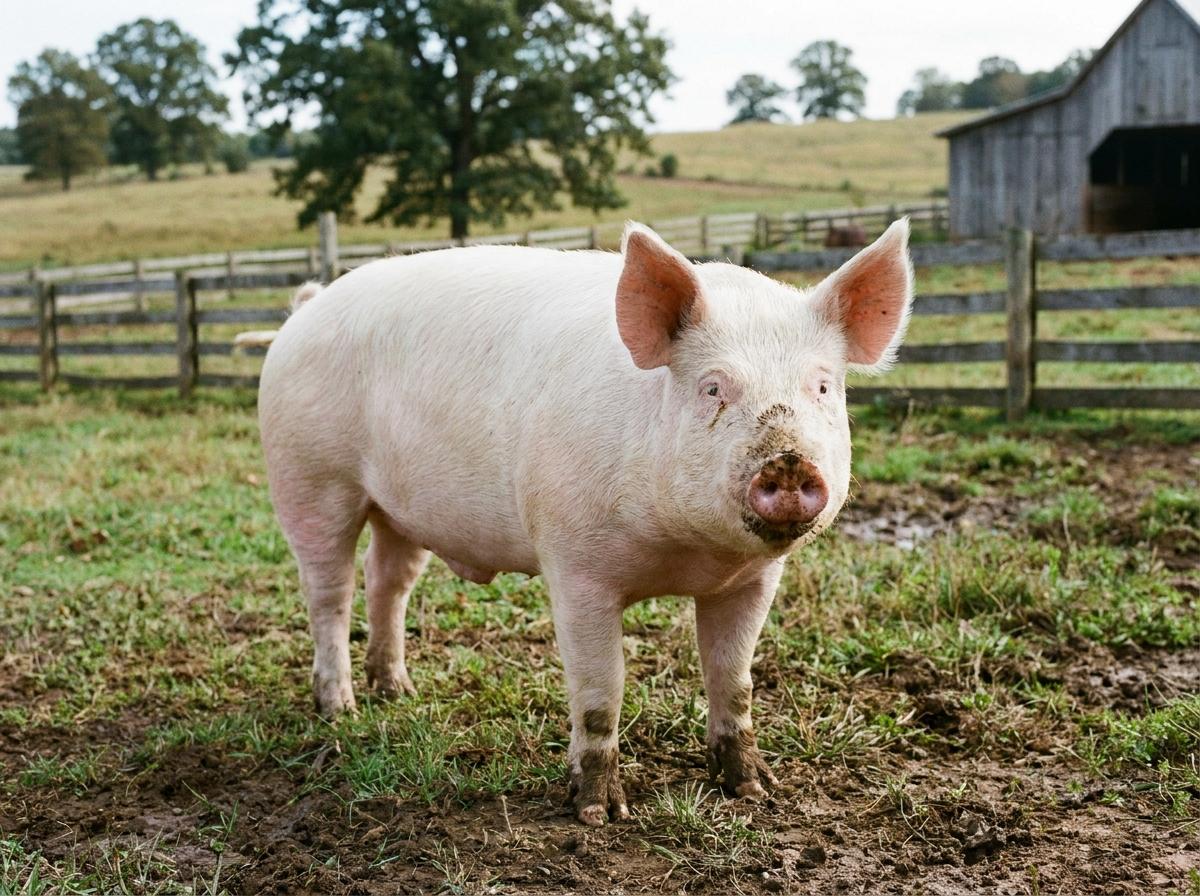
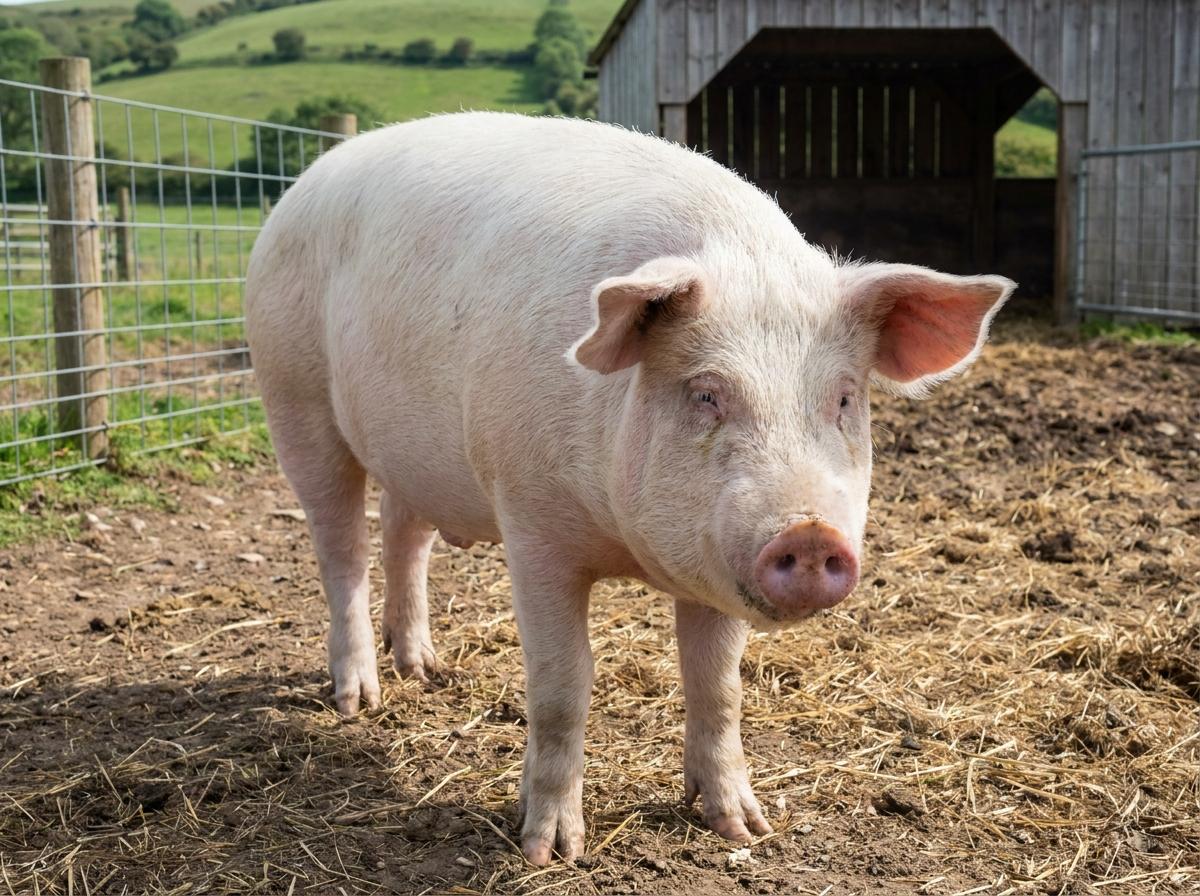
The Juliana pig, also called the Miniature Painted Pig, is a small, always-spotted companion pig developed as a people-oriented pet rather than a farm animal. It is lean and athletic, longer than it is tall, and built nothing like the round, low-slung potbellied pig most people picture. Here is the part the marketing will not tell you: there is no such thing as a “teacup” or “micro” Juliana that stays the size of a house cat. A healthy adult is a real pig of real weight, and the registry that governs the breed caps its height, not some tiny promised adult size. What follows is what a Juliana actually is, where it came from, how big it really gets, how to care for one, and how to buy one without getting burned.
| Also called | Miniature Painted Pig |
|---|---|
| Type | Companion miniature pig, bred for temperament and a lean, spotted look |
| Registry | Juliana Pig Association and Registry (JPAR); the American Mini Pig Association also registers mini pigs broadly |
| Height standard | 15 to 19 inches at the shoulder; over 19 inches is a disqualification (JPAR) |
| Adult weight | No controlled study exists; reported around 50 to 150 lb full grown (NAPPA). Mini pigs generally reach 45.5 to 68.2 kg, roughly 100 to 150 lb (Merck Veterinary Manual) |
| Full size reached | About 2 to 3 years, sometimes longer |
| Coat | Always spotted; solid color is a disqualification; coarse hair that thickens in winter |
| Lifespan | Roughly 10 to 15 years typical, up to about 20 (Merck Veterinary Manual) |
Browse listings, public profiles, breeders, or add your animal.
What is a Juliana pig?
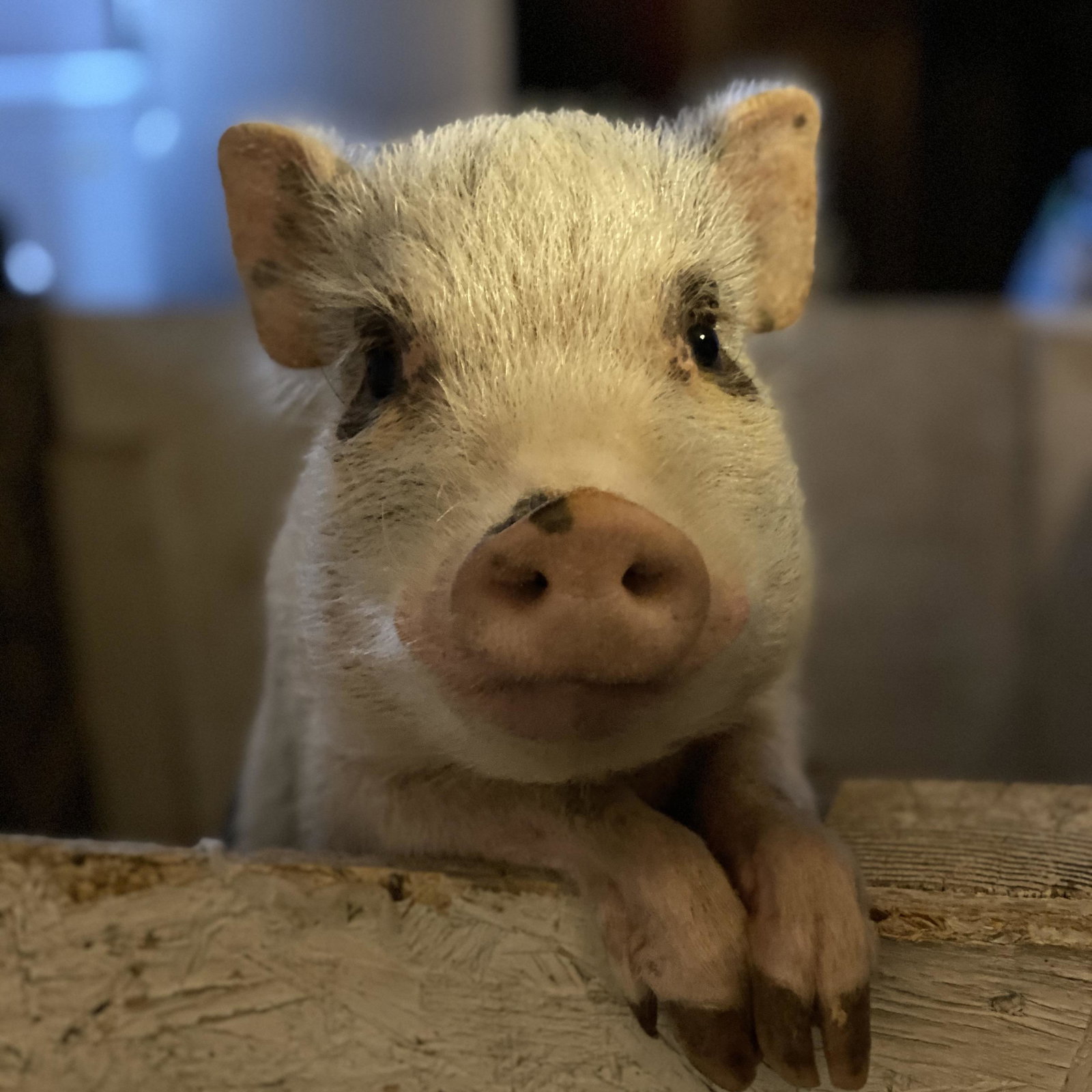
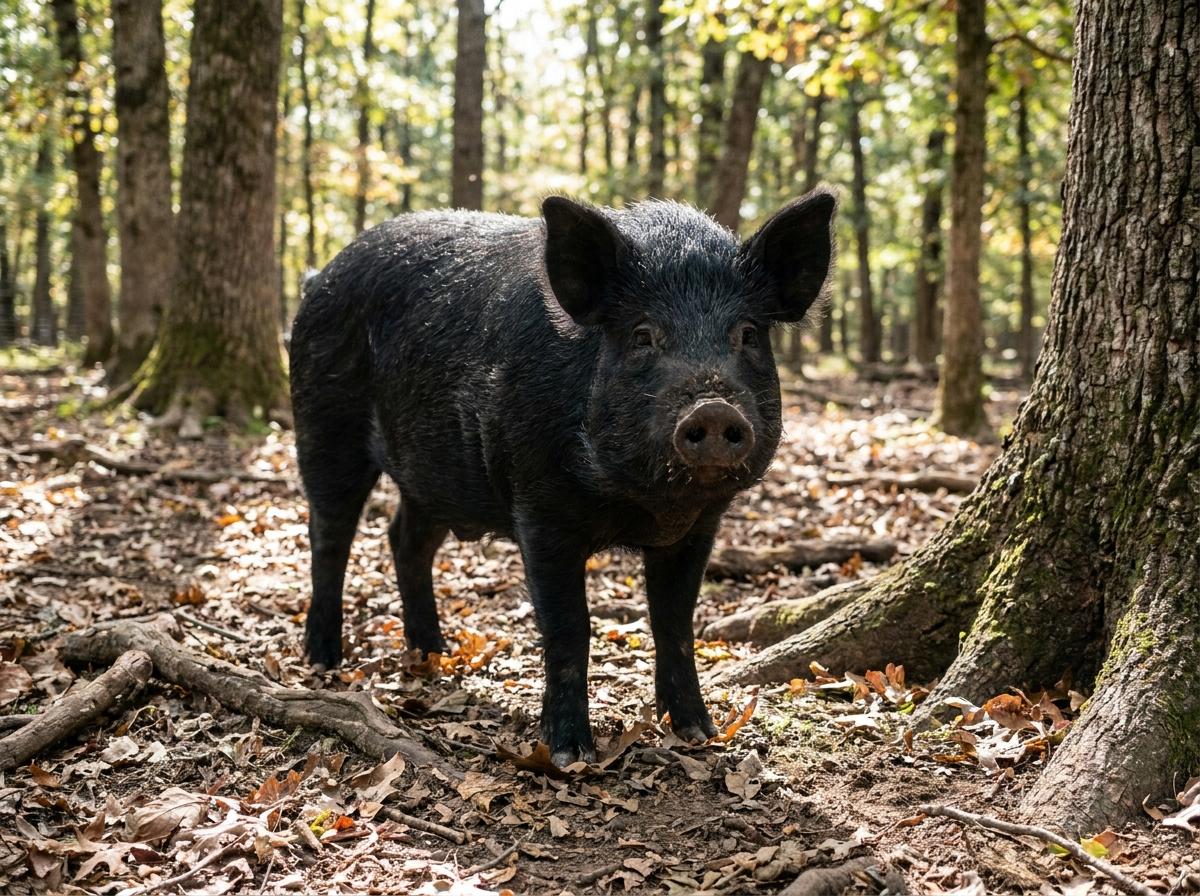
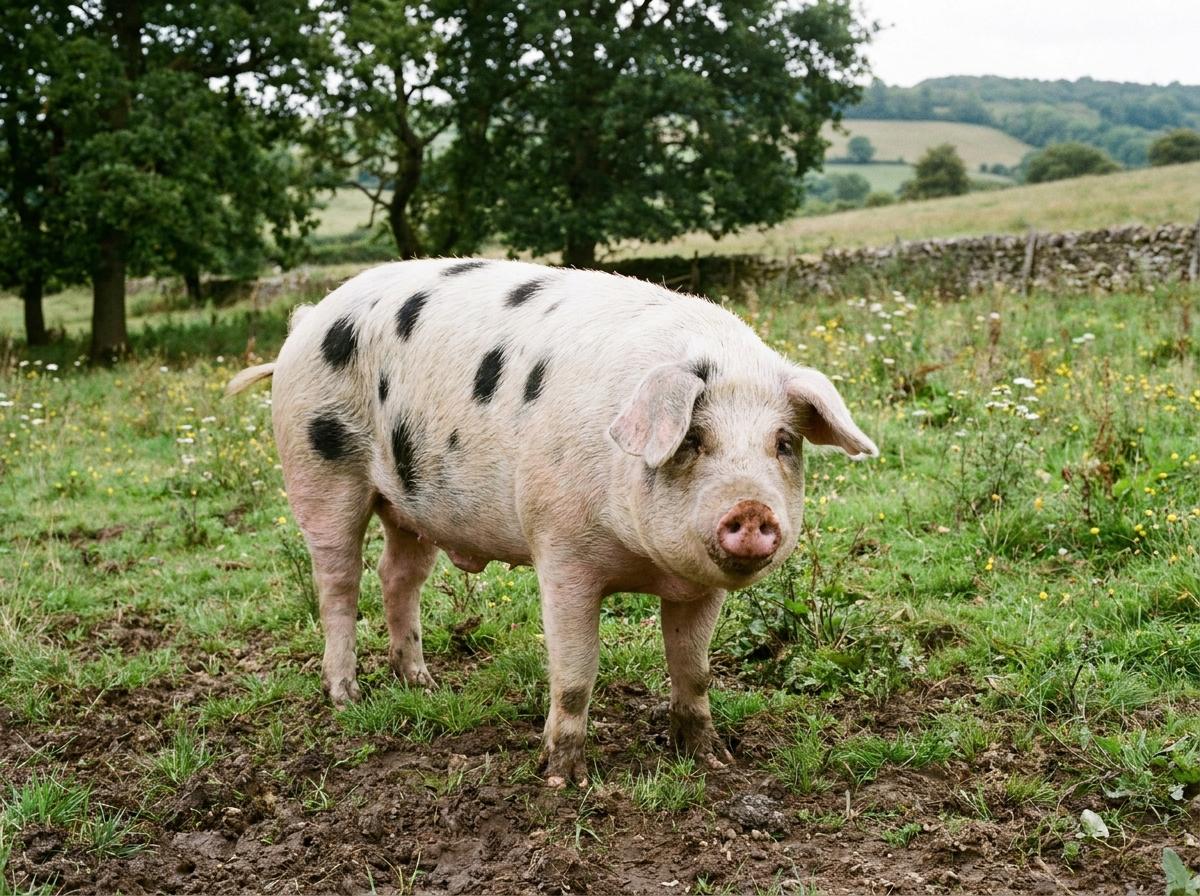
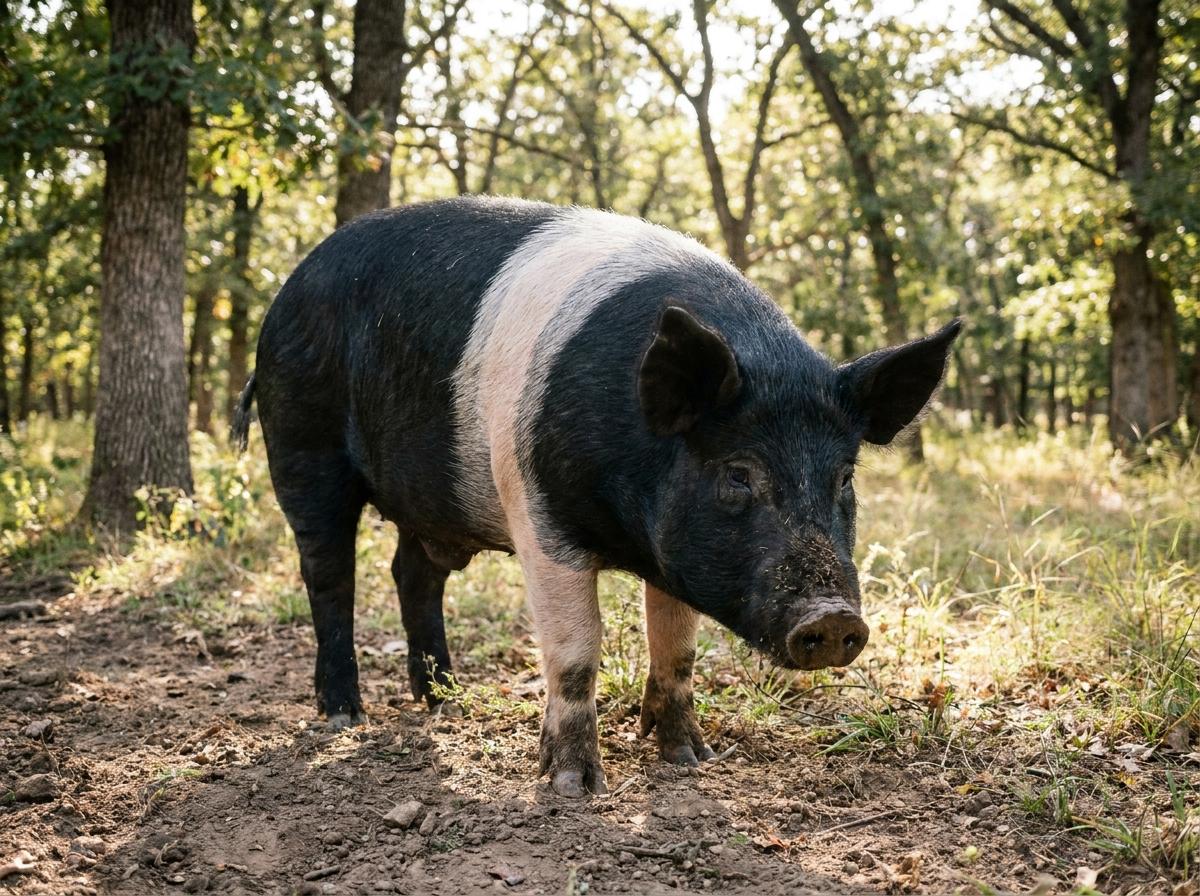
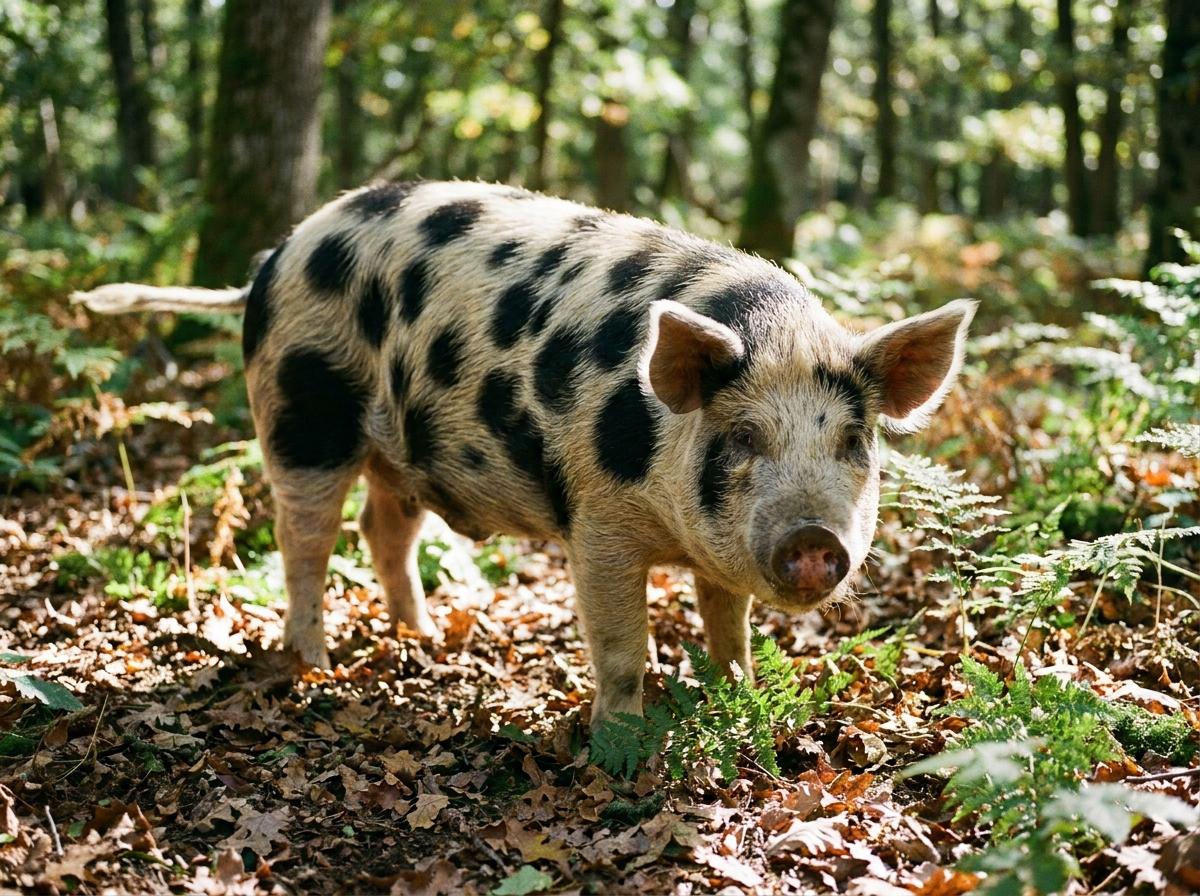
A Juliana is a small companion pig defined by three things at once: a spotted coat, a lean and athletic frame, and a temperament bred specifically to work closely with people. According to the Juliana Pig Association and Registry breed standard, the animal should be “small, spotted, and conformationally sound,” with a longer snout and a slight frame, and it should never show a pronounced potbelly or a sway back. That build is the quickest way to tell a Juliana apart from a classic Vietnamese potbellied pig, which is rounder, shorter-legged, and lower to the ground.
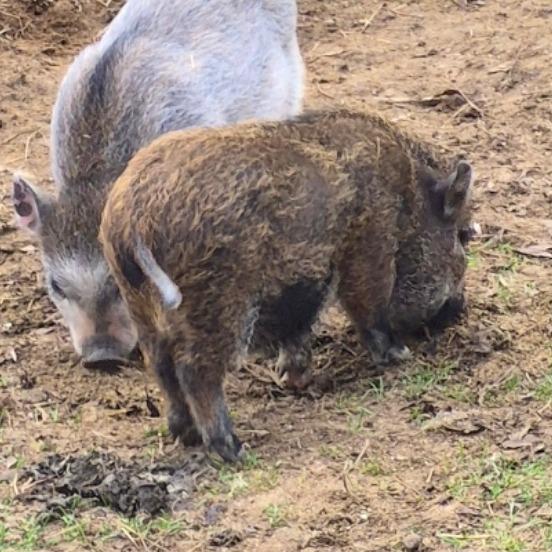
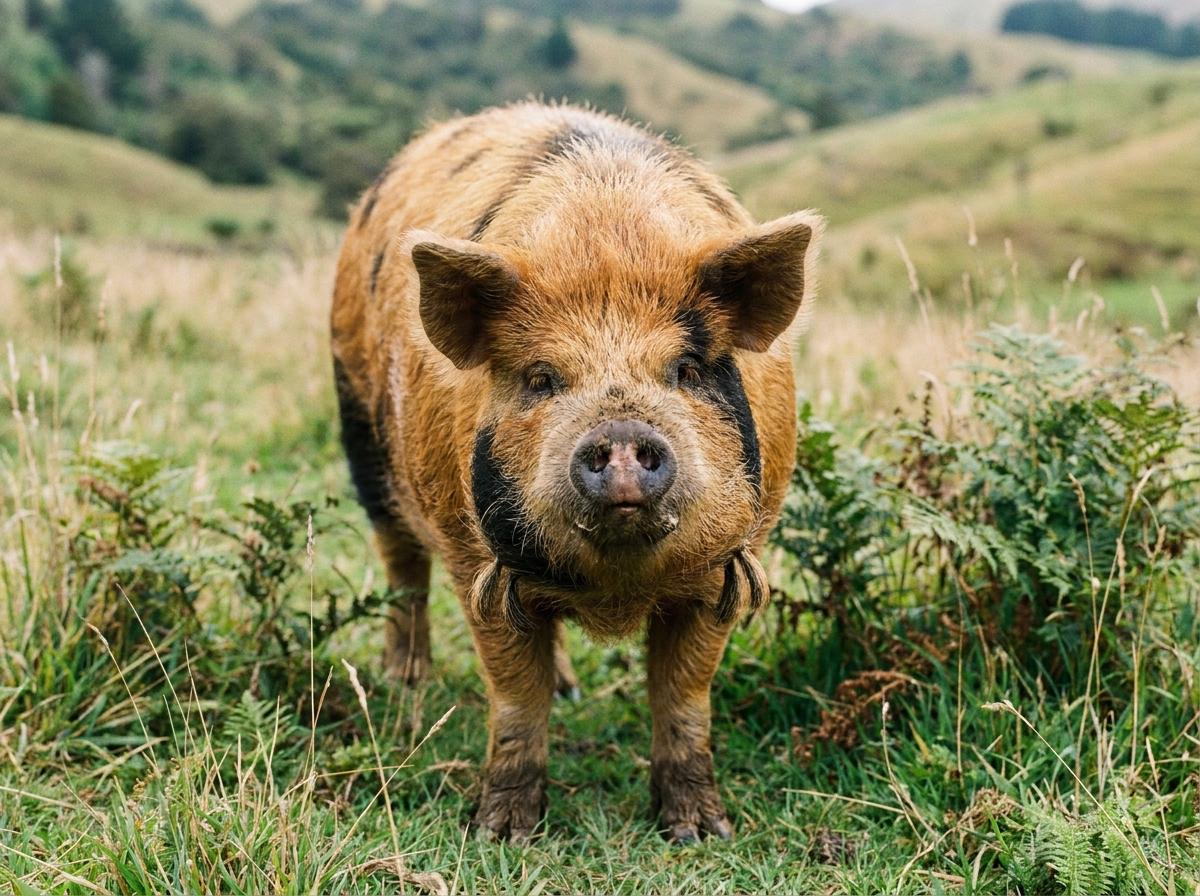
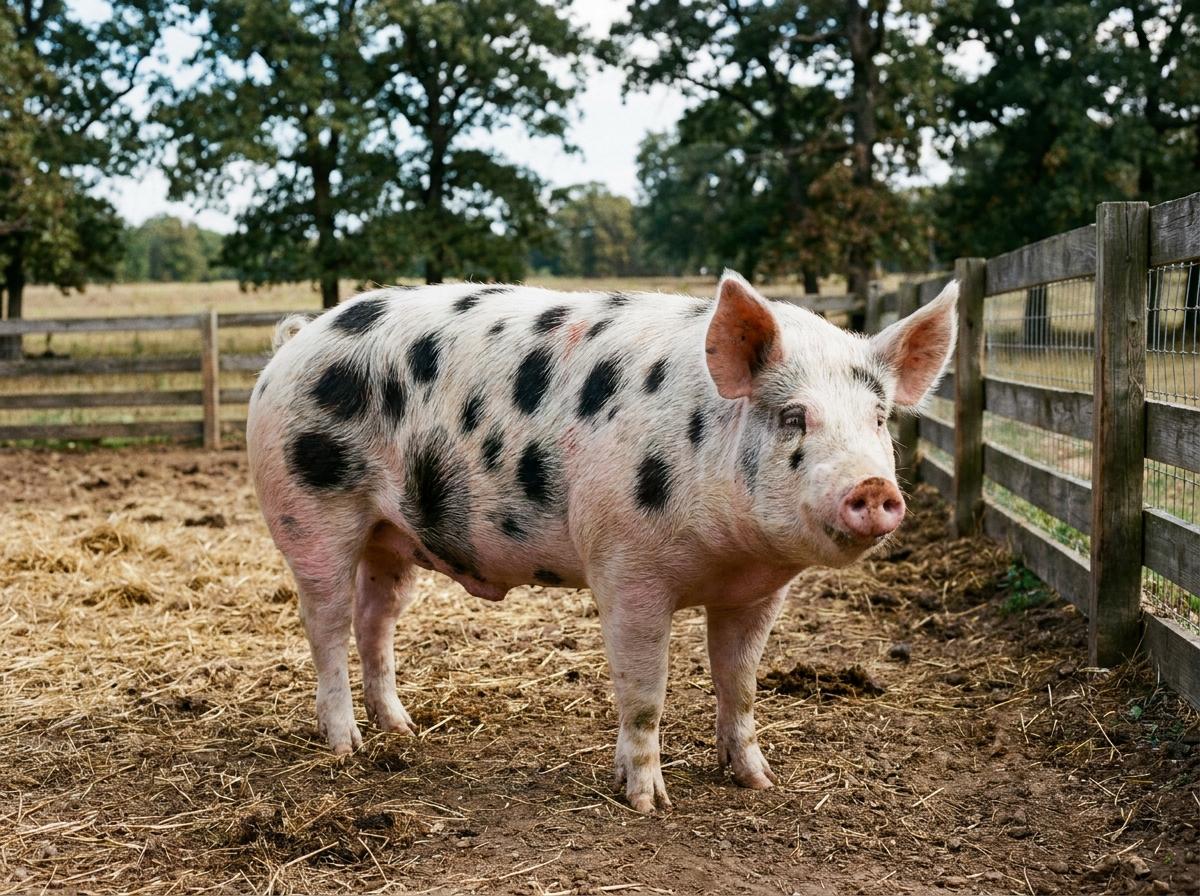
The coat is the breed’s signature. A Juliana is always spotted. The base color can be silver, white, red, rust, black, or cream, and the spots are usually black but can be red or white. The registry standard calls for spotting that is “profuse and random,” not the large blocky patches of a piebald pattern, and a solid-colored pig is disqualified from registration. The hair itself is coarse and thick and gets noticeably longer over winter, which surprises owners who expected a smooth little pet.
If you are weighing a Juliana against other pigs, the broader Creatures pig species page is a good place to compare types before you commit to one.
Where the breed comes from
Be honest about the history, because the breed’s own paper trail is thin. The Juliana is commonly described as having been developed in Europe over the middle and late twentieth century by selectively breeding several small pig types for size, soundness, and a friendly, people-oriented temperament, and the name is often said to honor Queen Juliana of the Netherlands. That origin story gets repeated across pet-pig associations and breeder pages, but it reads as breed lore rather than a documented pedigree. There is no peer-reviewed founding record, no single stud book that traces the breed to a named foundation herd in the way you would see for an established livestock breed.
That murkiness matters for a buyer. The American Mini Pig Association, which registers mini pigs of all kinds, describes the American mini pig as a whole as a hybrid and possibly one of the most genetically diverse types of swine in the world, and it groups the Juliana under that broad umbrella rather than as a closed genetic line of its own. That is a polite way of saying the gene pool these pigs come from is wide and not tightly closed. So “Juliana” describes a look and a temperament held to a written standard, not a genetically uniform, centuries-old breed. Neither of those things makes a Juliana a worse pet. It just means you should judge the individual animal in front of you, and its records, rather than trusting the label alone.
How big does a Juliana pig actually get?
This is where most of the heartbreak in mini-pig ownership happens, so it deserves plain numbers and plain warnings.
The one objective figure the registry publishes is height. The JPAR standard puts a Juliana at 15 to 19 inches at the shoulder, and a pig taller than 19 inches is disqualified. Height is a useful anchor because, unlike weight, it is hard to fake with a diet.
Weight is looser, and you should be suspicious of anyone who quotes it too confidently. There is no controlled morphometric study of the Juliana as a breed, so the honest answer is that a precise average does not exist. The pet-pig associations that do publish a figure land on a wide band: the North American Pet Pig Association states that Julianas typically weigh 50 to 150 pounds when fully grown. For miniature pigs in general, the Merck Veterinary Manual reports that they “commonly weigh 45.5 to 68.2 kg,” roughly 100 to 150 pounds, “and they can weigh more.” A Juliana sits at the smaller end of the mini-pig world, but the takeaway is unavoidable: a healthy adult is a substantial animal weighing many tens of pounds, not a purse pet.
They also take their time getting there. The Merck Veterinary Manual notes that miniature pigs “rarely reach their full size until they are 2 to 3 years old,” and Juliana breeders commonly say growth continues even longer. That slow finish is exactly what dishonest sellers exploit, which brings us to the biggest myth in the whole category.

The “teacup Juliana” myth, dismantled
There is no teacup pig, no micro pig, and no teacup Juliana. The Merck Veterinary Manual states flatly that “teacup pig” has “no strict definition,” and it describes exactly how the con works: “unscrupulous breeders can point to the small size of the mother and suggest that the offspring will grow no larger than the mother, when in fact the mother is not yet fully grown herself.” Best Friends Animal Society makes the same point from the rescue side, noting that so-called teacup pigs are ordinary pigs that are either sold under false pretenses or kept small by underfeeding.
The health consequences are the part sellers never mention. Keeping a pig tiny means starving it during the years it is supposed to grow, and the Merck Veterinary Manual warns that “very small or obese miniature pigs are likely to have a shortened life span.” Worse, breeding runt to runt to chase a smaller product magnifies genetic disease. Merck lists the problems that selective breeding for tiny size can bring out, including hypoglycemia, idiopathic seizures, musculoskeletal deformities, heart disease, cleft palate, atresia ani, and reproductive problems. A pig advertised to top out at 20 or 30 pounds as an adult is not a rare bloodline. It is usually a young, underfed, or misrepresented animal, and it may be paying for its size with its health.
So if a listing promises a “teacup Juliana” or guarantees a precise, tiny adult weight, treat that as a reason to walk away, not a selling point. A responsible seller will tell you a Juliana grows for years and will point you to the height standard, not to a fantasy scale weight.
Temperament and why people keep them
The temperament is the whole reason the breed exists. The JPAR standard says outright that “temperament is of the utmost importance since the Juliana has been specifically bred to work with humans.” In practice, owners describe pigs that are curious, food-motivated, genuinely intelligent, and quick to learn names, tricks, and simple commands. A well-socialized Juliana bonds hard with its people and behaves more like a bright, opinionated dog than a piece of livestock.
That intelligence cuts both ways. A bored pig is a destructive pig. Pigs root by instinct, and a Juliana with nothing to do will redirect that drive into your baseboards, your carpet, your garden, and your patience. Owners head that off with rooting boxes, puzzle and slow feeders, scatter-fed meals, outdoor time, and regular interaction. Skip the enrichment and you get the behavior problems that fill mini-pig rescues. Intact pigs of either sex are also a different animal from a spayed or neutered pet, and most companion Julianas are altered for both behavior and health reasons, on a veterinarian’s advice.
Care and housing
A Juliana can do well living indoors, outdoors, or both, and no honest source will tell you one is simply better than the other. What matters is that the setup fits the animal.
Housing and space
Indoors, a Juliana needs floor space, traction on slick surfaces to protect its joints, and a way to get outside to root, graze, and exercise. Outdoors, it needs secure fencing, shade, fresh water, and a dry, draft-free, well-bedded shelter, plus protection from predators and from heat, since pigs cannot sweat effectively and overheat easily. Many owners run a hybrid arrangement, with an indoor pig that spends supervised hours outside every day. Before you bring one home, check your local zoning, because plenty of towns and homeowner associations classify pigs as livestock and prohibit them regardless of size, a rule that catches new owners off guard constantly.
Feeding
Diet is where good intentions do the most damage. Obesity is one of the most common health problems in pet pigs, and the Merck Veterinary Manual ties it to free-choice feeding and to feeding the wrong things, such as dog food and table scraps. Excess weight is not cosmetic in a pig. It contributes to heart and respiratory disease, drives lameness, and causes heavy skin folds around the eyes that can literally block a pig’s vision. The right foundation is a measured ration of a commercial mini-pig pellet formulated for the species, plus appropriate vegetables and limited fruit, with amounts adjusted to keep the pig at a lean body condition rather than a round one. Your veterinarian should set the target, and you should weigh or measure rather than eyeball. Underfeeding to keep a pig small is not the answer either, as covered above. The goal is a lean, correctly grown pig, not a starved one and not a fat one.
Hooves, skin, and routine care
Pigs need hoof care. The Merck Veterinary Manual notes that overgrown or cracked hooves are a common cause of lameness and that regular exercise on abrasive surfaces such as concrete helps wear the hoof ends down, but most pet pigs still need periodic trims. Coarse skin benefits from the occasional bath and from monitoring for dryness, and that thick winter coat means seasonal shedding to manage. Build a simple routine calendar for hoof checks, weight checks, parasite control suited to your setup, and the vaccines your veterinarian recommends. Keeping written records of weight over time pays off for a species this prone to creeping obesity, because the change is slow and easy to miss until it is a problem. You can start a health and care record on Creatures for exactly that. The record sheet opens for any visitor to look around, and a free account saves what you enter. For the mechanics, see adding a record and health and medical records.
Health and lifespan
Kept lean, exercised, and given routine veterinary care, a Juliana can live a long time for a pig. The Merck Veterinary Manual puts miniature pig lifespan at roughly 8 to 20 years, typically about 10 to 15. The pigs that fall short of that are usually the ones at the extremes, either obese from overfeeding or stunted from the teacup trade. Everything above, honest feeding, hoof care, enrichment, and a veterinarian who is comfortable with pigs, is aimed at getting an animal to the top of that range rather than the bottom. As always, leave medical decisions and any medication to your veterinarian, and line up a vet who actually treats pigs before you bring one home, because not every small-animal clinic does.

Registration and breeding reality
If registration matters to you, the Juliana Pig Association and Registry (JPAR) is the breed-specific body that maintains the written standard and registers pigs that meet it. Its standard is what disqualifies solid-colored or oversized animals and what defines the spotted, lean, people-focused type. The American Mini Pig Association is a separate organization that registers mini pigs of all kinds, Julianas included, under a broader umbrella. Because “Juliana” is a look and a temperament held to a standard rather than a closed genetic line, papers tell you an animal met a registry’s criteria, but they are not a guarantee of size or a substitute for seeing the pig, meeting a parent or two, and reviewing its records.
If you breed or plan to, the same honesty applies as with buying. Breed for soundness, correct spotting, good structure, and stable temperament, and resist the market pressure to chase ever-smaller pigs, because that is the road to the genetic problems the Merck Veterinary Manual lists. Register with a real body, keep clear records of litters and health, and represent adult size truthfully to your buyers.
Buying a Juliana without getting burned
Because the category is full of marketing fiction, buy on evidence rather than on cuteness or promises.
- Reject “teacup” and guaranteed tiny sizes outright. A seller who promises a precise, very small adult weight is either misinformed or dishonest. Ask instead about the height standard and about how big the parents actually are as fully grown adults.
- See the parents, full grown. The single best predictor of an adult pig’s size is its parents at maturity, not the piglet in your arms. If the parents are not available or are described as still growing, be cautious.
- Ask for records. Health history, deworming and vaccination, hoof care, and any registration paperwork tell you more than a photo. A responsible breeder keeps them.
- Confirm you can legally keep one. Check your municipal zoning and any homeowner association rules before you fall in love, since many places bar pigs entirely.
- Line up a pig-savvy veterinarian first. Confirm a clinic near you treats pigs and will do routine care, spay or neuter, and hoof work.
You can browse Juliana pigs on the Creatures marketplace when listings are live, and look for trusted breeders in the Creatures directory. Because Julianas are a niche companion pig and availability comes and goes, setting a free listing alert (in the hub below) is often the most practical way to catch a well-bred one when it is posted.
Frequently asked questions
How big does a Juliana pig get?
The registry standard sets height at 15 to 19 inches at the shoulder, and disqualifies any pig over 19 inches. Weight is less precisely defined, with pet-pig associations reporting roughly 50 to 150 pounds fully grown and miniature pigs in general commonly reaching about 100 to 150 pounds per the Merck Veterinary Manual. A healthy adult is a real, substantial pig, and it takes 2 to 3 years or more to finish growing.
Is a teacup Juliana a real thing?
No. “Teacup” has no breed standard and no strict definition. Pigs sold as teacup are usually young, underfed, or misrepresented, and keeping a pig artificially tiny harms its health. A Juliana is a small pig, not a tiny one.
What is the difference between a Juliana and a potbellied pig?
A Juliana is bred to be lean, longer than tall, and always spotted, with no potbelly or sway back. A Vietnamese potbellied pig is rounder, shorter-legged, and lower to the ground. The two are often confused, and many pigs sold as one are actually mixes.
How long do Juliana pigs live?
The Merck Veterinary Manual gives miniature pigs a lifespan of about 8 to 20 years, typically 10 to 15. Obese pigs and stunted “teacup” pigs tend to live shorter lives, which is why lean feeding and routine care matter so much.
Are Juliana pigs good pets?
For the right home, yes. They are intelligent, trainable, and affectionate, but they need enrichment to avoid destructive boredom, a measured diet to avoid obesity, hoof and veterinary care, and a jurisdiction that legally allows pet pigs. They are a years-long commitment, not a novelty.
Do I need to register my Juliana?
No, registration is optional. If you want it, the Juliana Pig Association and Registry maintains the breed-specific standard, and the American Mini Pig Association registers mini pigs more broadly. Papers confirm an animal met a registry’s criteria but do not guarantee adult size.
Do this next on Creatures
Whether you are researching the breed, hunting for a well-bred pig, or already living with a Juliana, Creatures is the records, marketplace, and directory layer to keep it all in one place.
Add your pig. Already keeping a Juliana? Create a free animal profile in a few minutes, no account needed to start. The walkthrough is in adding an animal to Creatures.
Track weight and health. Pigs gain weight quietly, so track weight, hoof trims, and health records from day one. The record sheet opens for any visitor, and a free account saves what you enter. See adding a record and health and medical records.
Never miss routine care. Set reminders for hoof trims, weight checks, and vet visits so nothing slips. See reminders and upcoming care.
Find a pig. Browse Juliana pigs on the marketplace and search trusted breeders in the Creatures directory.
Get alerted. Availability comes and goes, so set a free Juliana listing alert and we will tell you when one is posted. No account needed to start. See saving searches and using your watchlist.
List your program. Breed or rescue Julianas? List your operation in the Creatures directory so buyers searching for this niche pig can reach you.
Curious about other distinctive animals in this batch? See our guides to the Moonglow boa constrictor and the Romanian Raven Shepherd Dog.