


Friesian
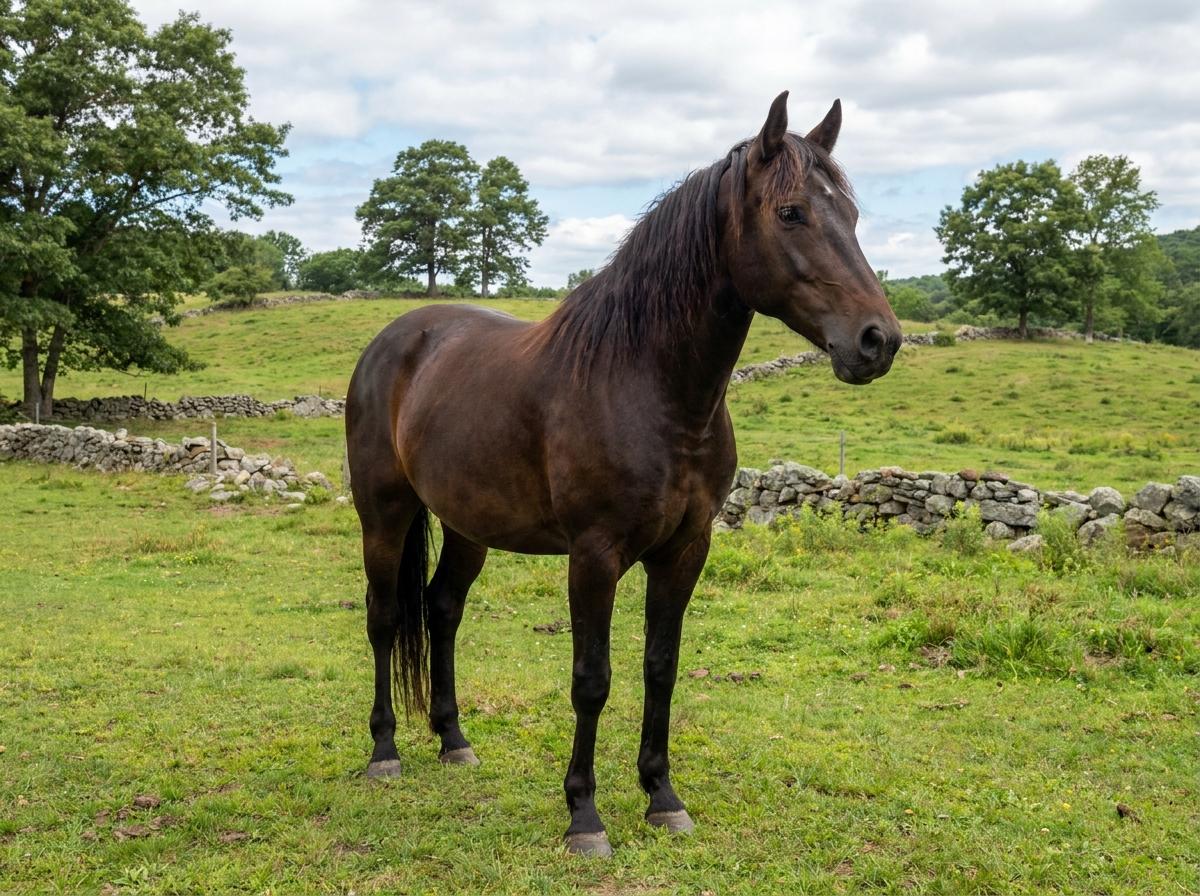
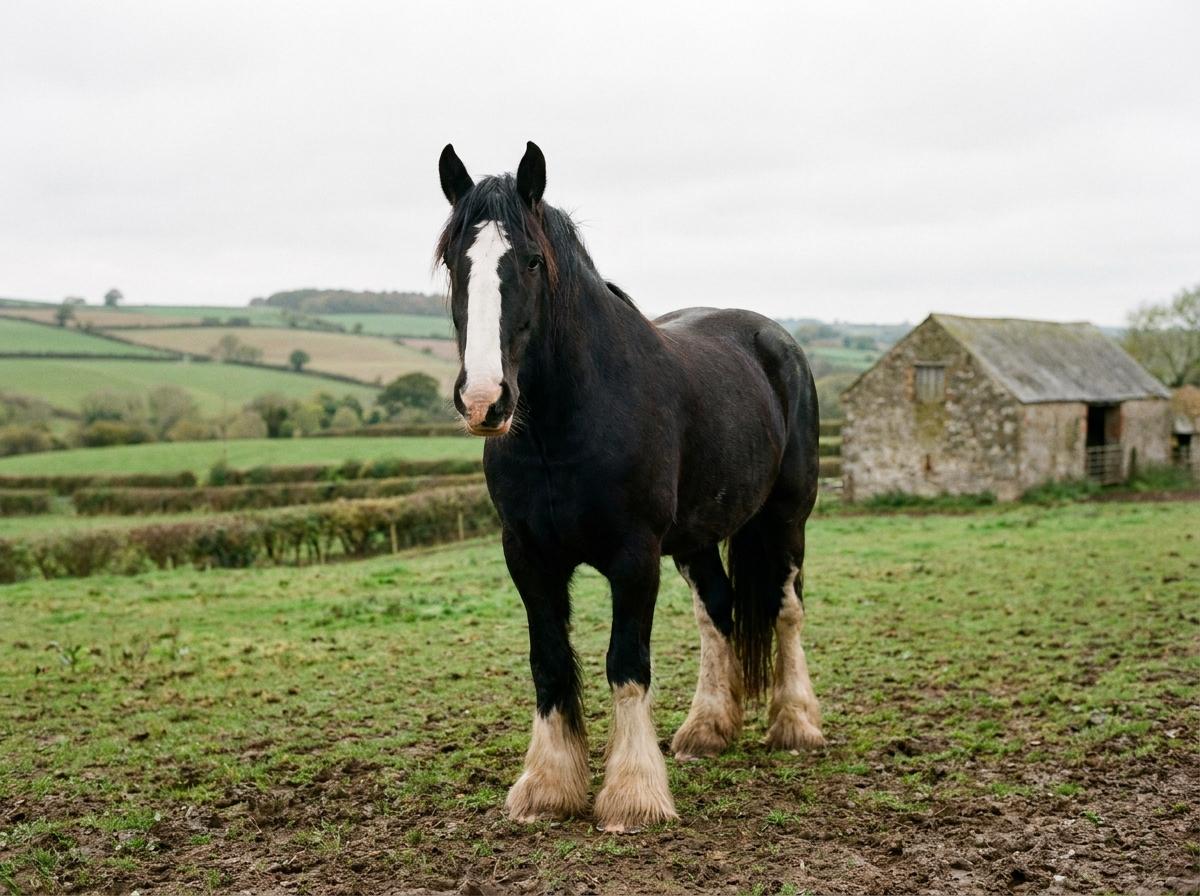
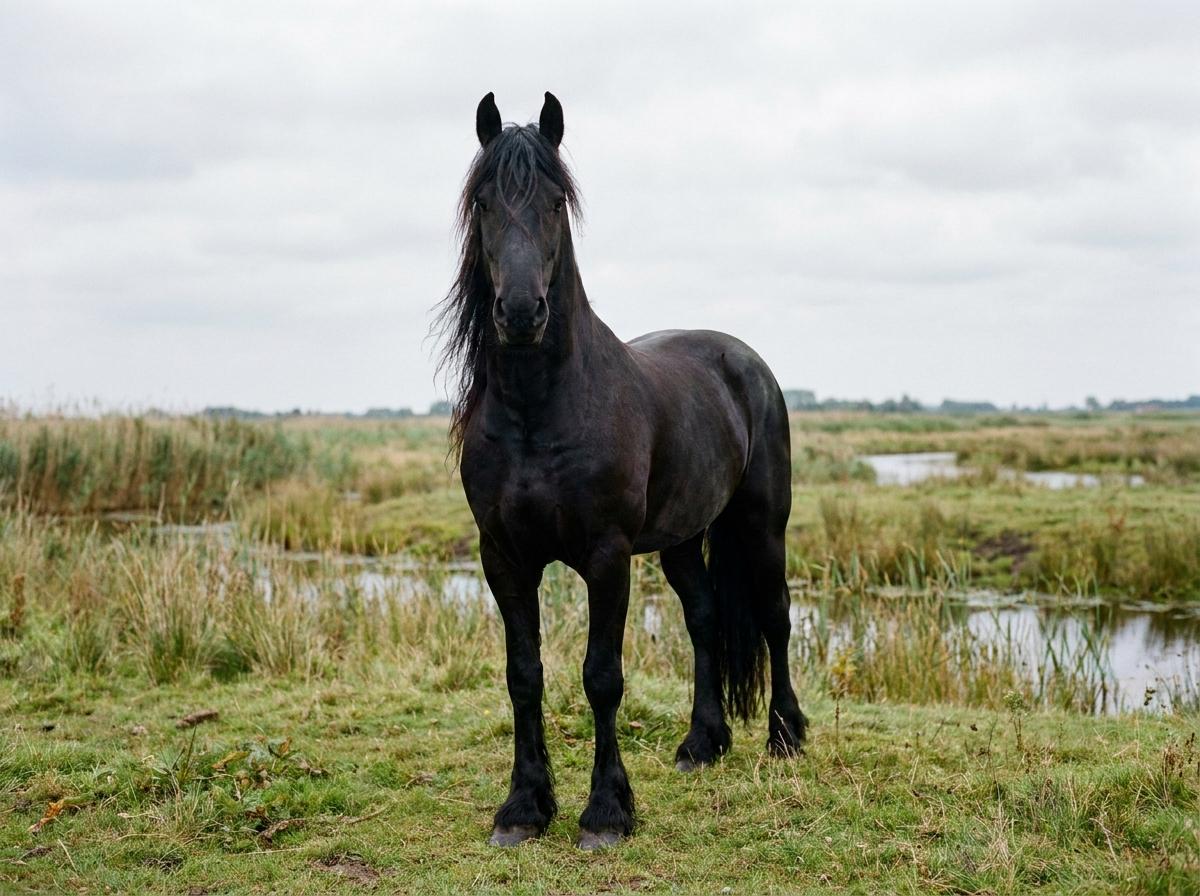
The Friesian horse comes from Friesland in the Netherlands and is one of the most recognizable European carriage and riding breeds. A purebred Friesian is typically black, with a long mane and tail, feathered lower legs, an arched neck, and animated knee action. The breed was shaped by farm work, military use, and stylish harness driving, and modern lines are also seen in dressage, exhibitions, and film work. Most registries accept very limited white markings, so color is part of breed identity rather than a casual preference.
Keeping a Friesian well means balancing the breed's dramatic appearance with practical fitness. They can gain weight on rich feed, and their heavy hair and dark coat call for sensible heat management in warm climates. Regular skin checks under the feathers help prevent irritation, while correct saddle fit is important on the often short, powerful back. Breeding programs need special care because the population has limited genetic diversity; responsible matings use pedigree planning and available tests for known Friesian conditions such as dwarfism and hydrocephalus.
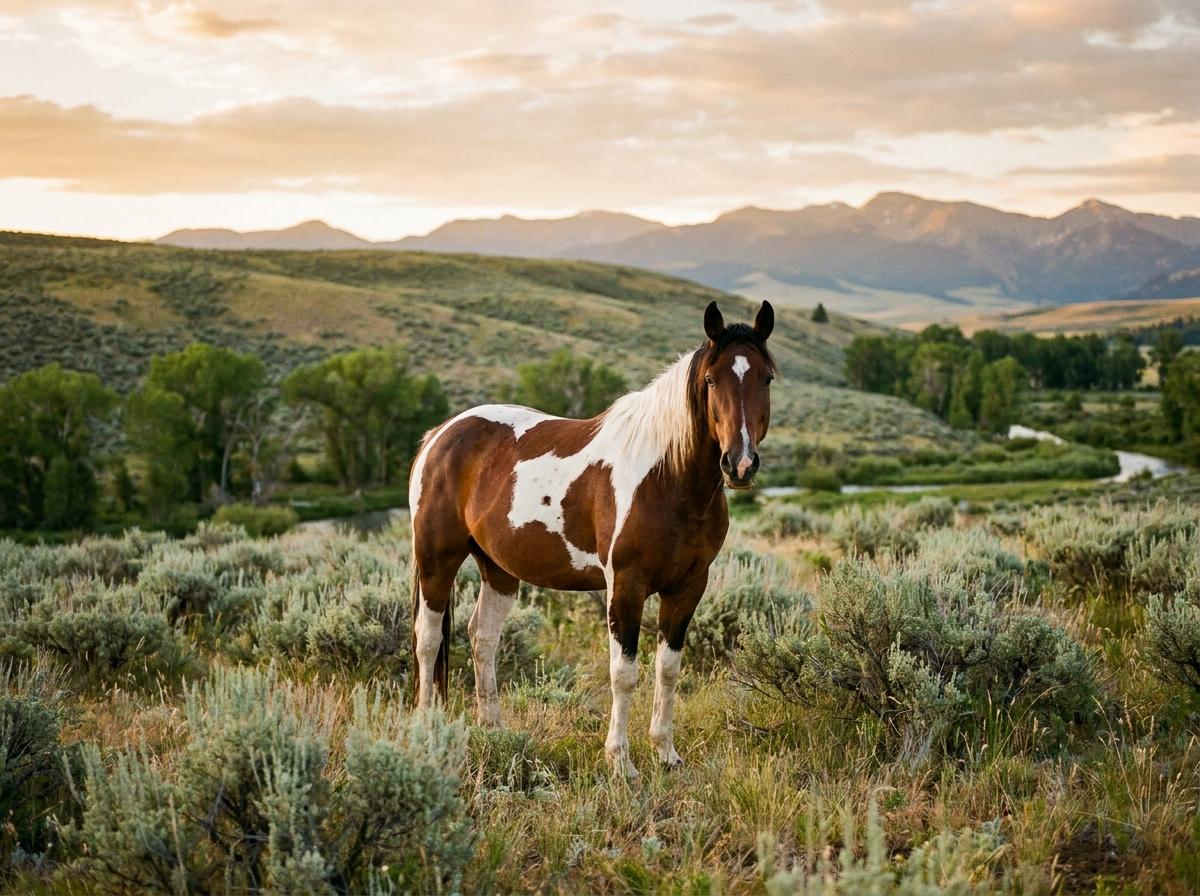
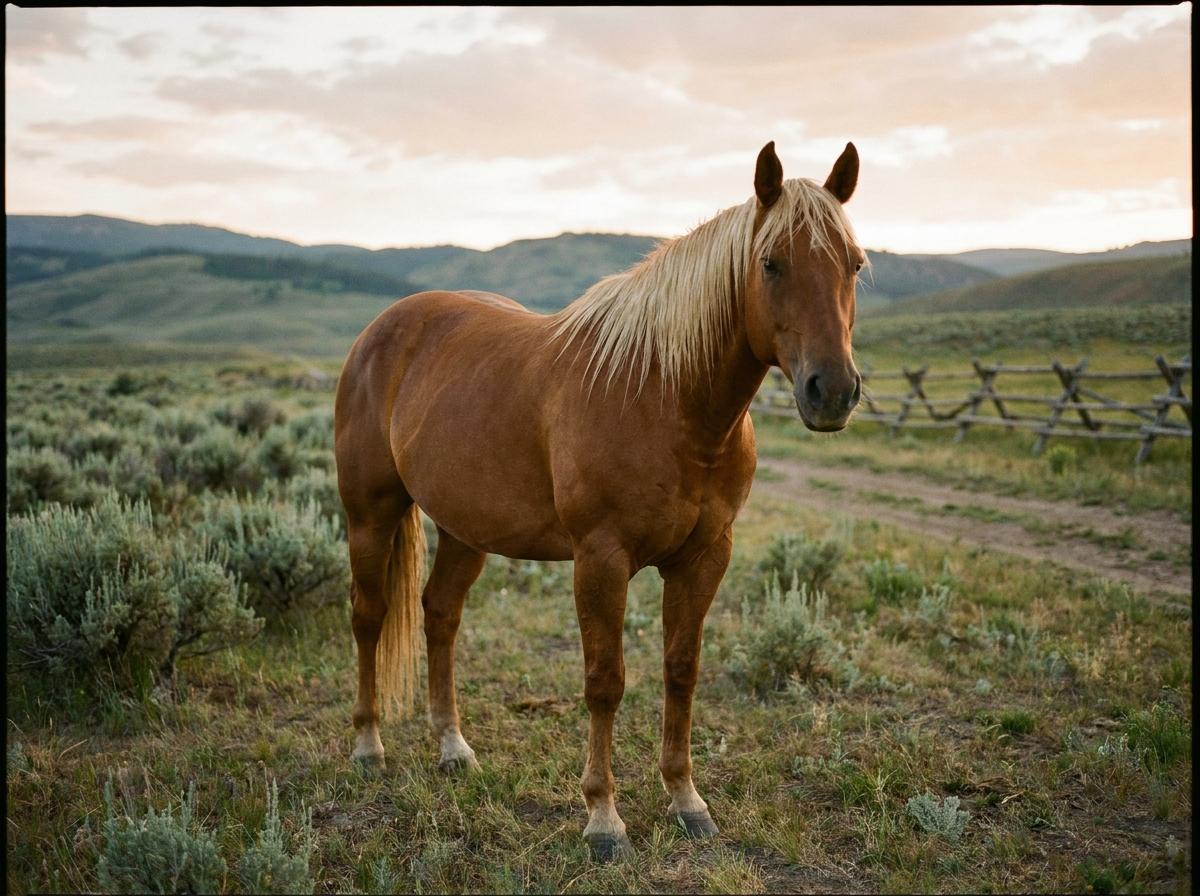
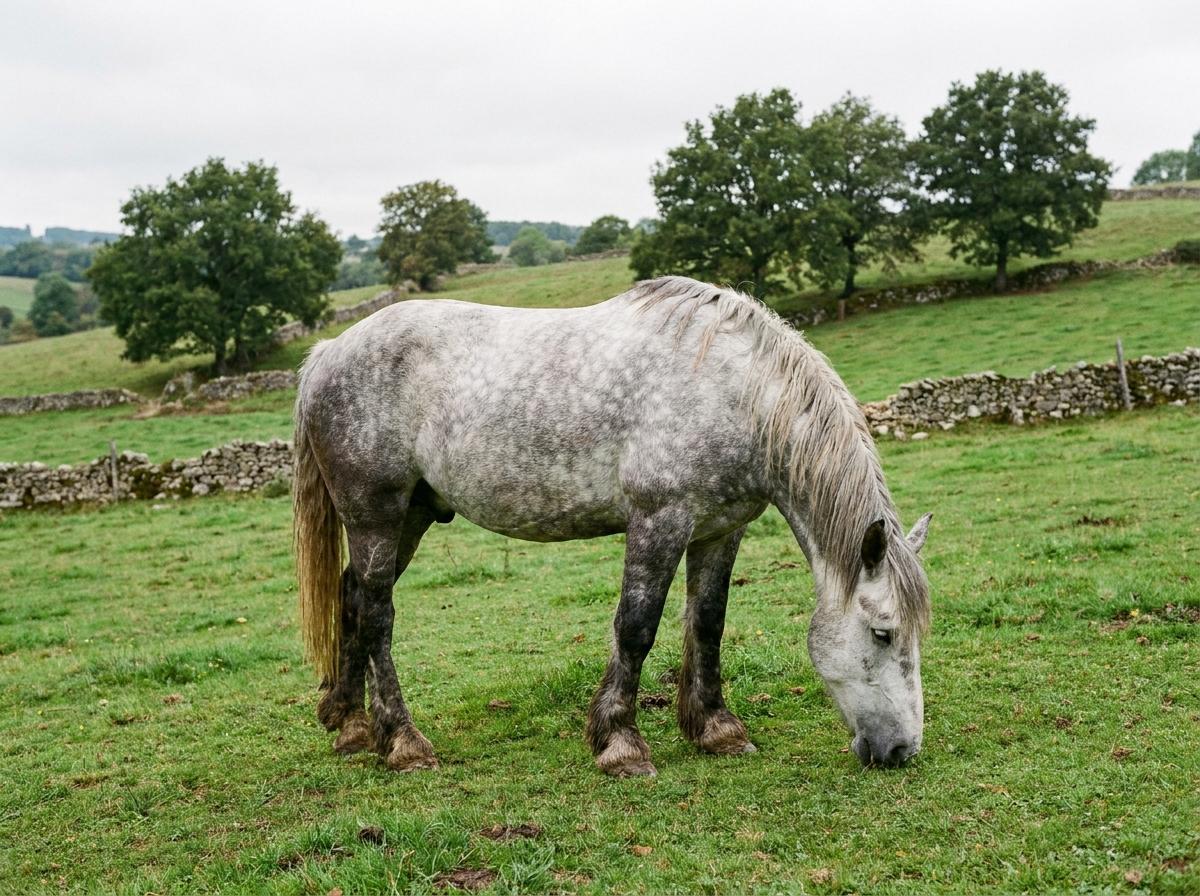
Colors: Amber Champagne, Bay, Bay Dun, Bay Roan, Black, Blanket Appaloosa, Blue Roan, Brown, Buckskin, Champagne, Chestnut, Classic Champagne, Cremello, Dun, Dun Roan, Fewspot Appaloosa, Flaxen Chestnut, Frame Overo, Gold Champagne, Gray, Grullo, Leopard Appaloosa, Liver Chestnut, Overo, Palomino, Perlino, Piebald, Pinto, Rabicano, Rare Chestnut, Red Dun, Red Roan, Roan, Sabino, Seal Bay, Silver Dapple, Skewbald, Smoky Black, Smoky Cream, Snowcap Appaloosa, Sorrel, Splash White, Tobiano, Tovero, Varnish Roan, White