


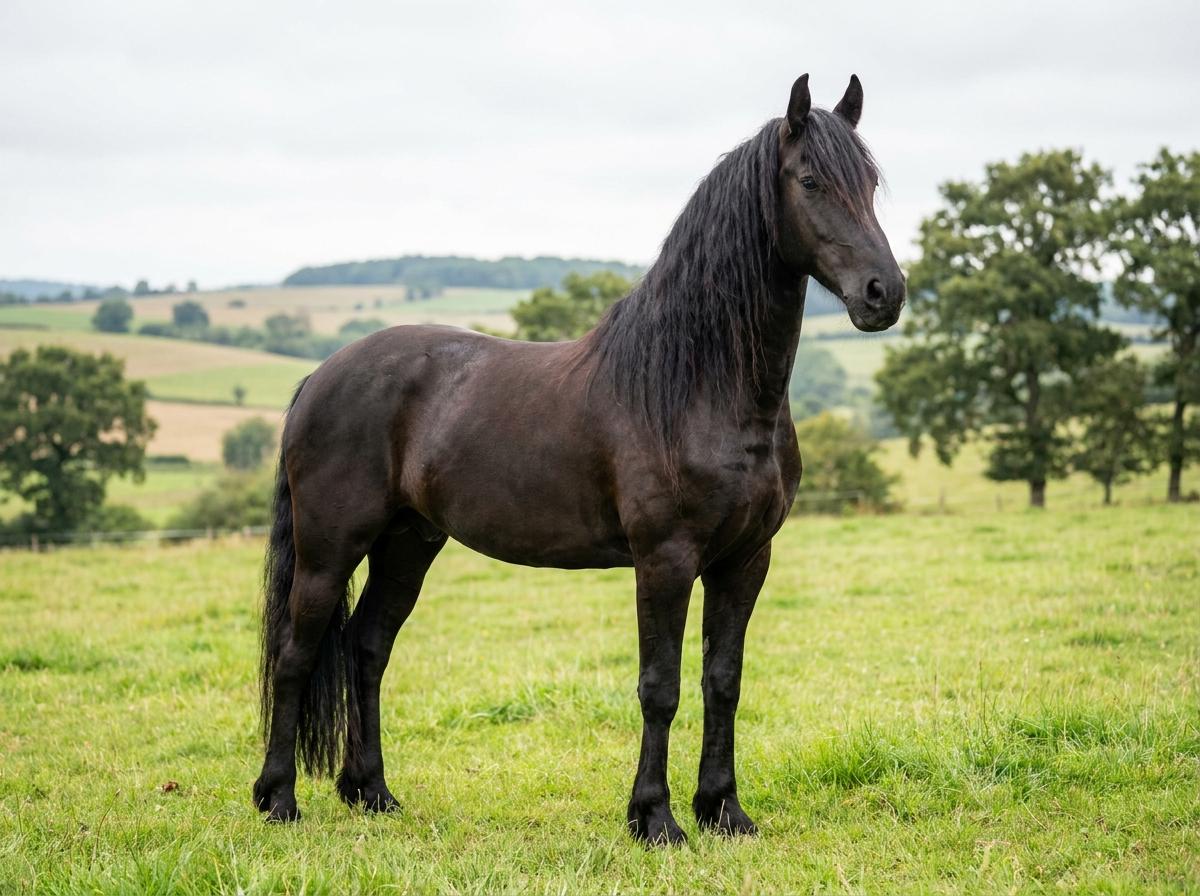
Friesian Sporthorse
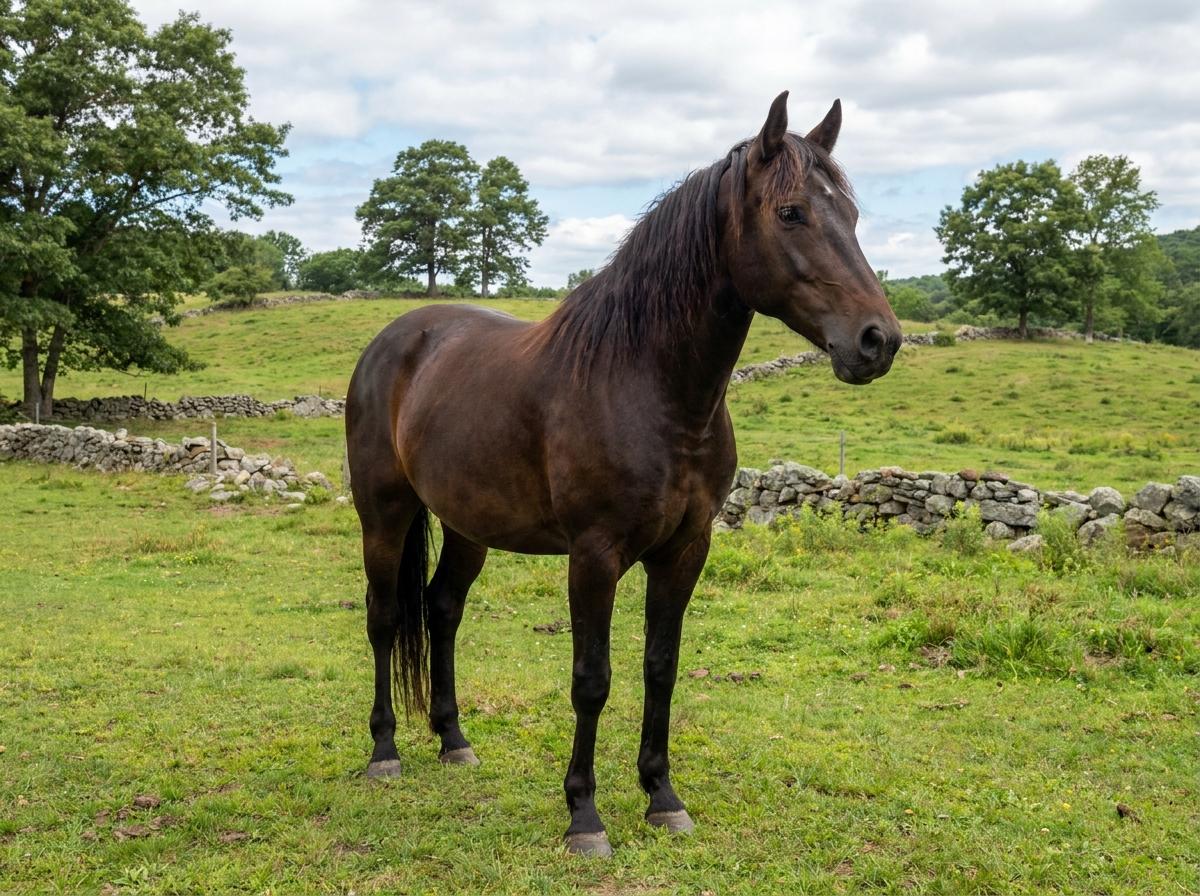
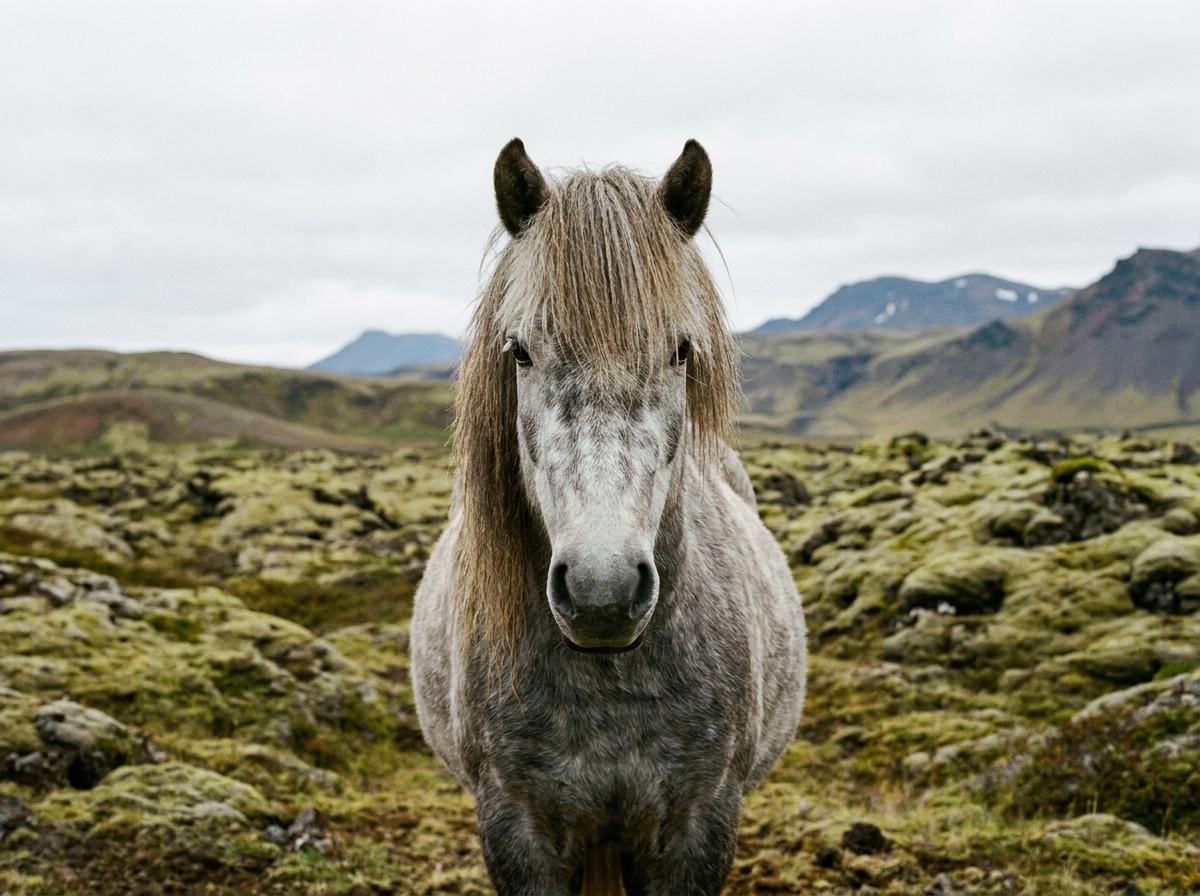
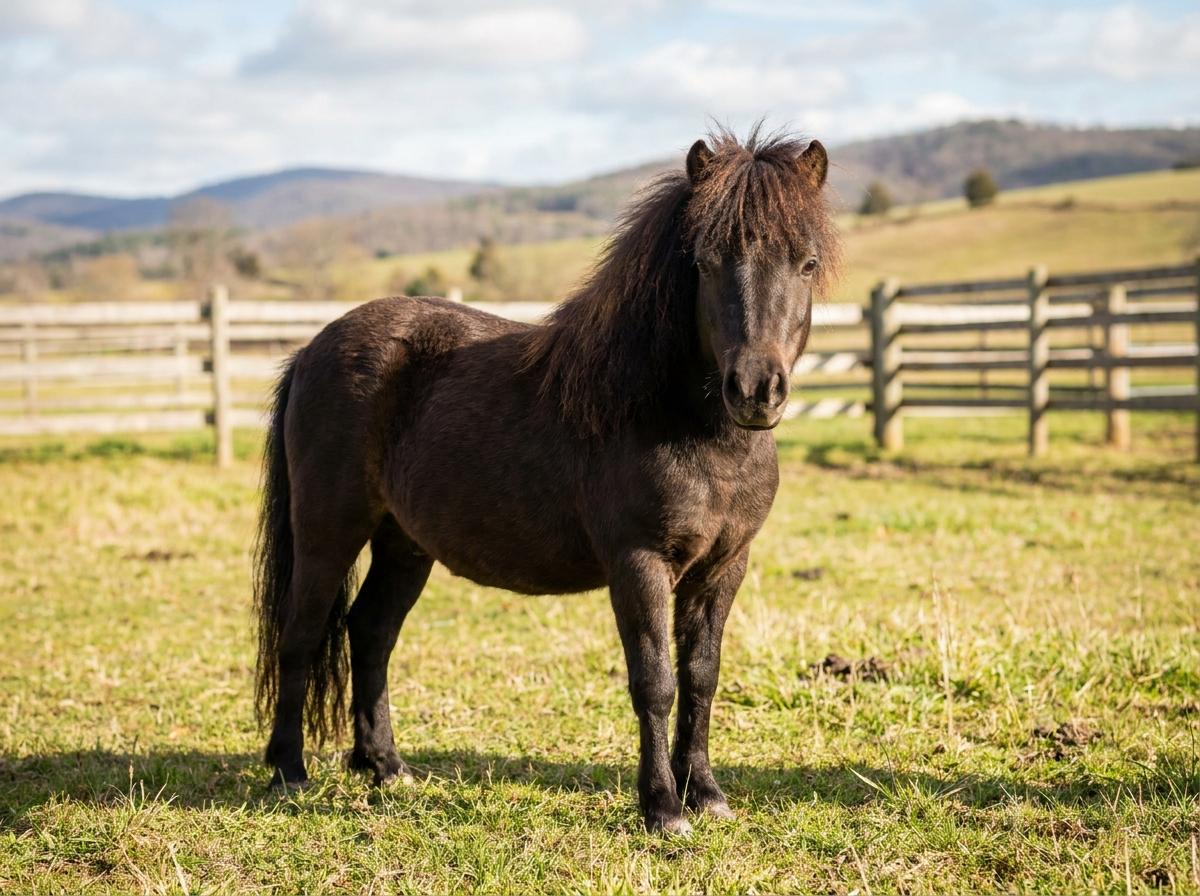
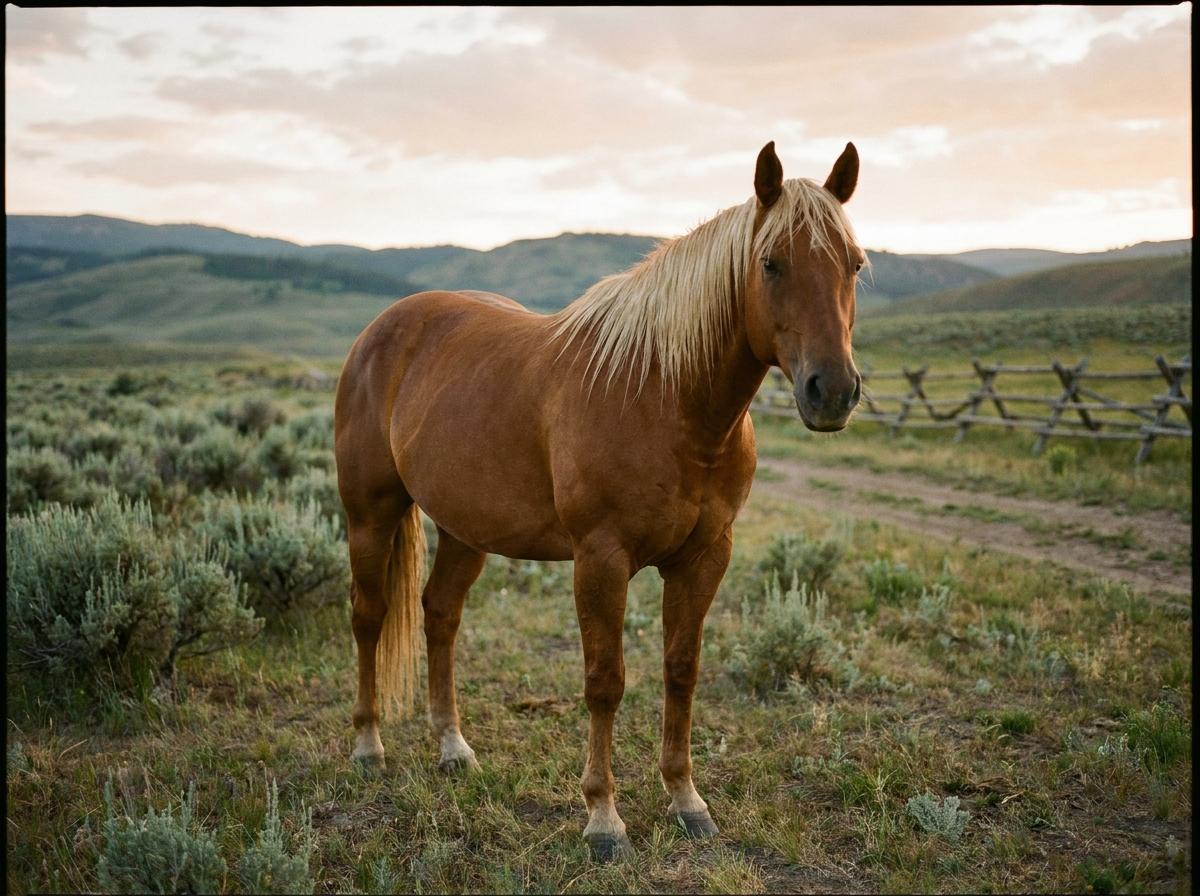
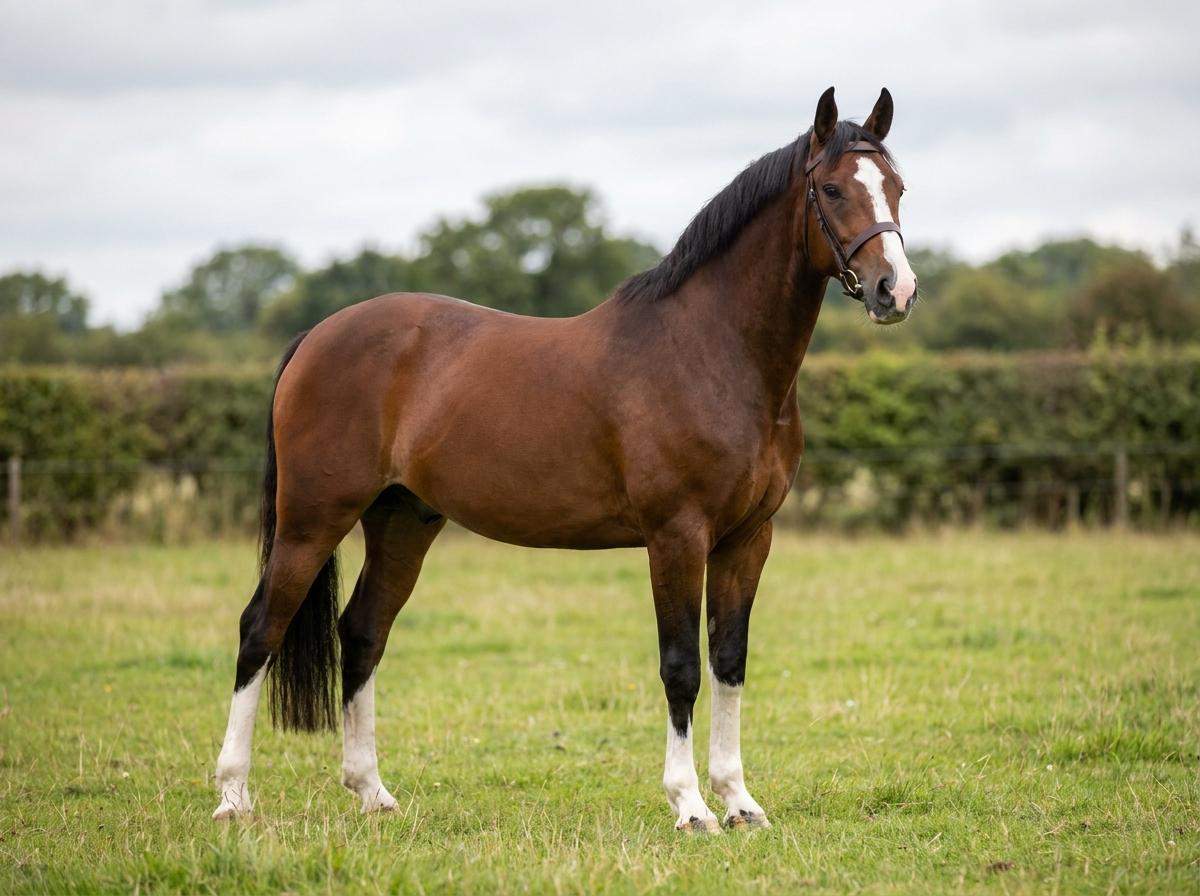
A Friesian Sporthorse is a part-Friesian sport horse, not a closed purebred in the same sense as the traditional Friesian studbook horse. It is usually produced by crossing Friesian horses with warmbloods, Thoroughbreds, Arabians, Iberian horses, or other athletic riding breeds, with registry rules differing by country and association. The goal is a horse that keeps some Friesian presence, bone, and trainability while gaining a lighter frame, longer stride, or greater stamina for dressage, eventing, driving, and pleasure riding. Coat color and type vary with the cross.
Because the label covers a range of pedigrees, buyers should evaluate the individual horse before assuming it will move, mature, or feel like either parent breed. Percentage of Friesian blood, inspection status, and documented parentage matter if registration or breeding value is important. Higher-Friesian horses may need the same feather care, weight control, and genetic health awareness as purebreds, while sport-horse influence can bring a hotter ride or different maintenance needs. Good examples are selected for sound conformation and usable gaits rather than a black coat alone.
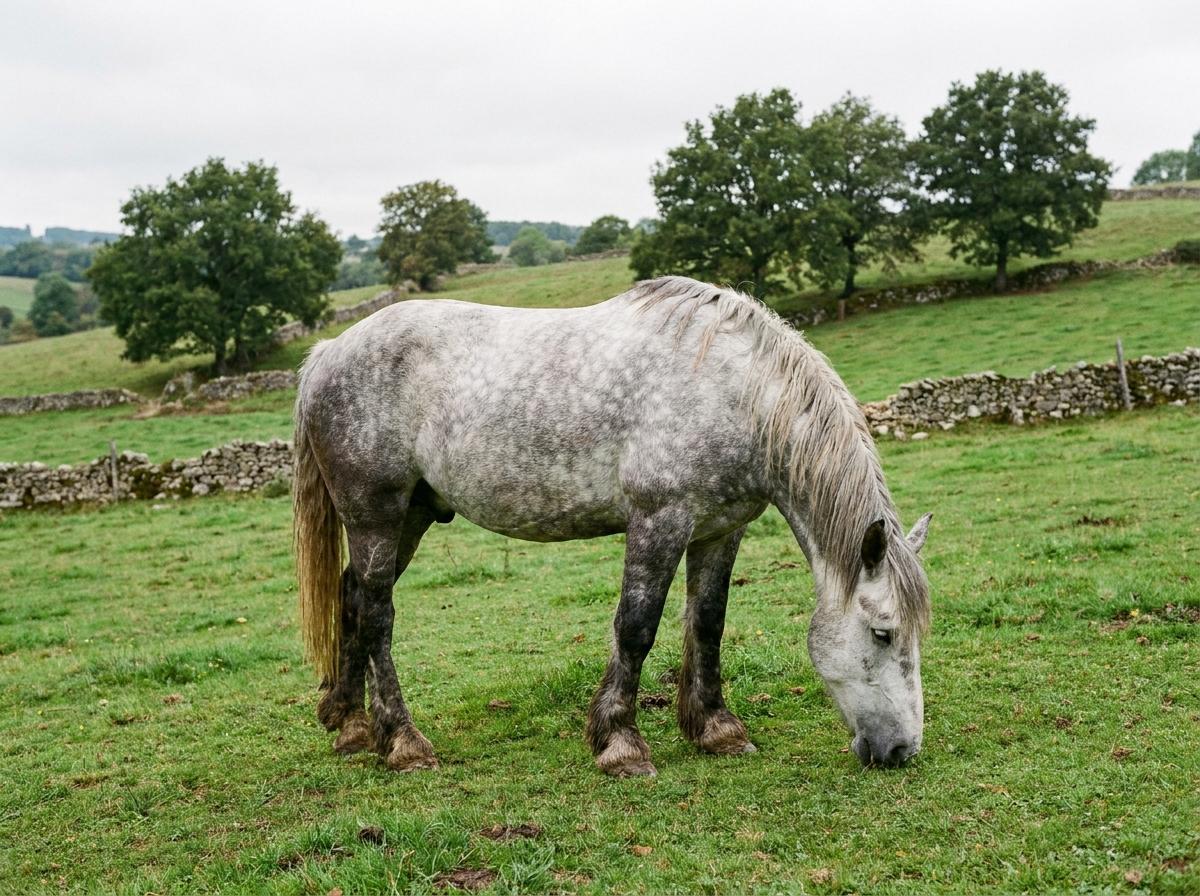
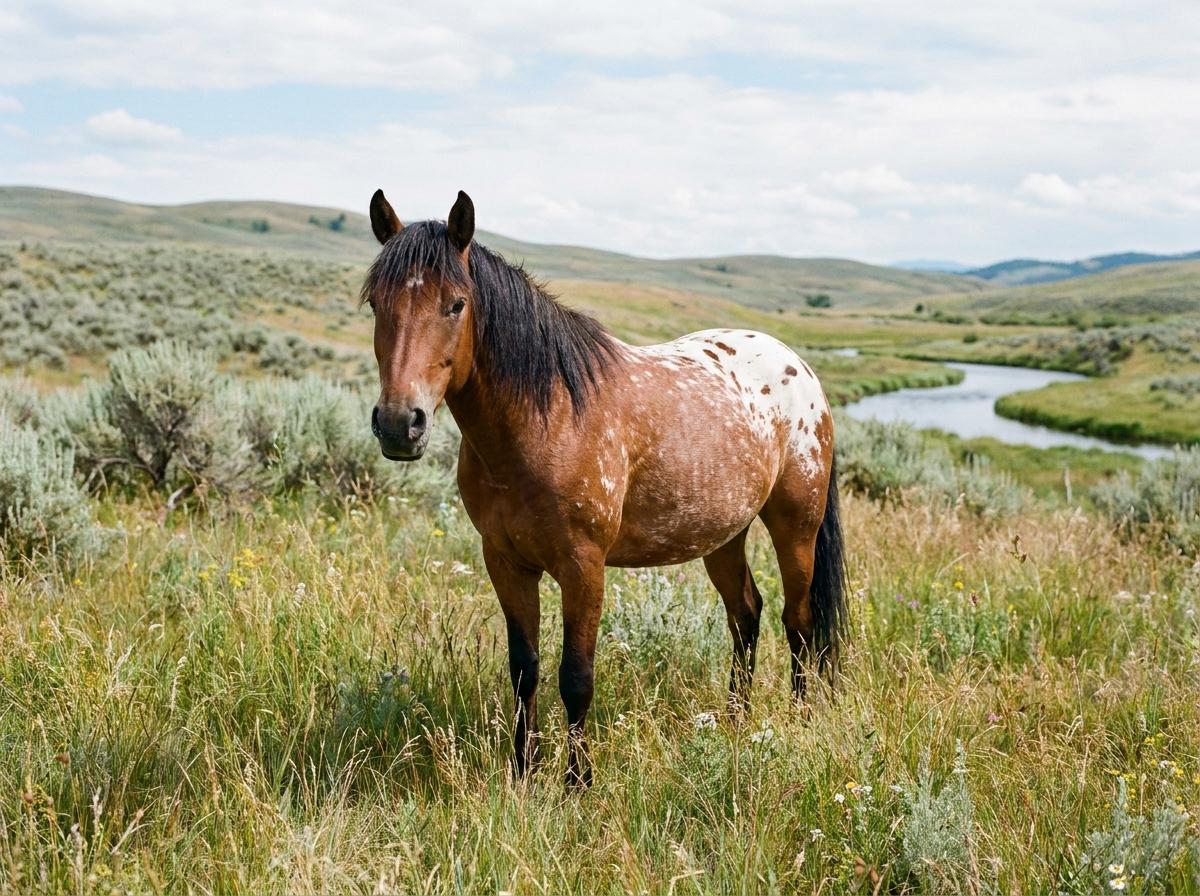
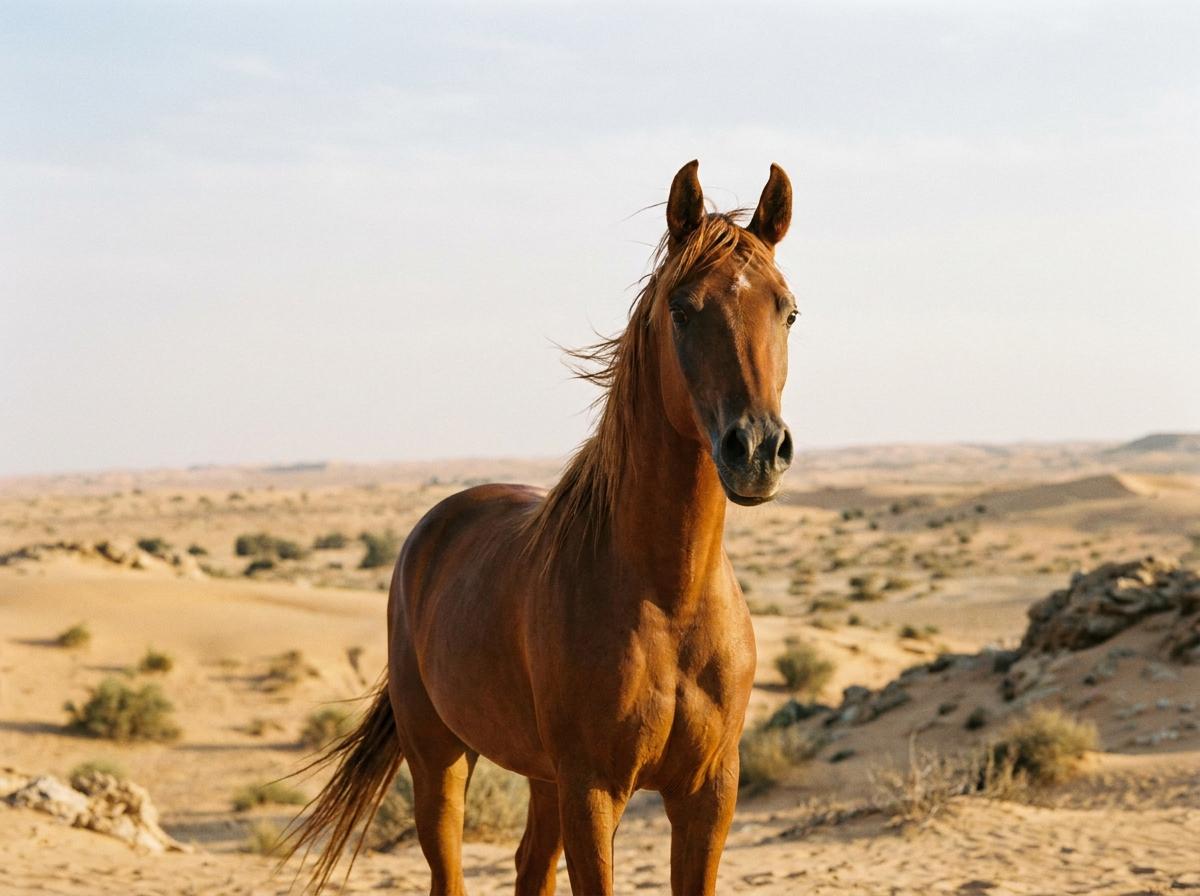
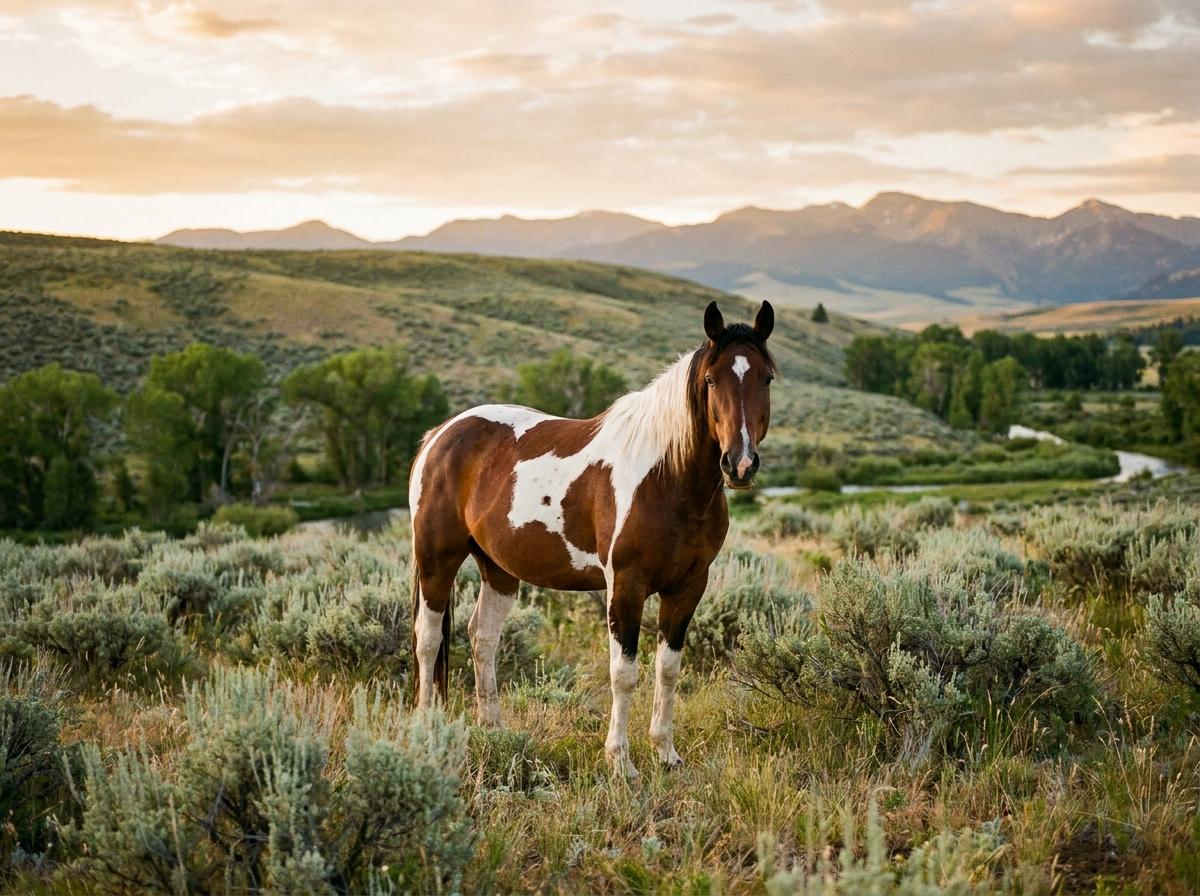
Colors: Amber Champagne, Bay, Bay Dun, Bay Roan, Black, Blanket Appaloosa, Blue Roan, Brown, Buckskin, Champagne, Chestnut, Classic Champagne, Cremello, Dun, Dun Roan, Fewspot Appaloosa, Flaxen Chestnut, Frame Overo, Gold Champagne, Gray, Grey, Grullo, Leopard Appaloosa, Liver Chestnut, Overo, Palomino, Perlino, Piebald, Pinto, Rabicano, Red Dun, Red Roan, Roan, Sabino, Seal Bay, Silver Dapple, Skewbald, Smoky Black, Smoky Cream, Snowcap Appaloosa, Sorrel, Splash White, Tobiano, Tovero, Varnish Roan, White