Kiko
Author: Elliott Garber, DVM · Published
Kiko goats were developed in New Zealand as a meat breed with an emphasis on survival and growth in a pastoral system. Their appeal is practical: producers want does that raise useful kids and continue working in the conditions on their own farm. That makes herd records more informative than a single photograph or a claim of “low maintenance.”
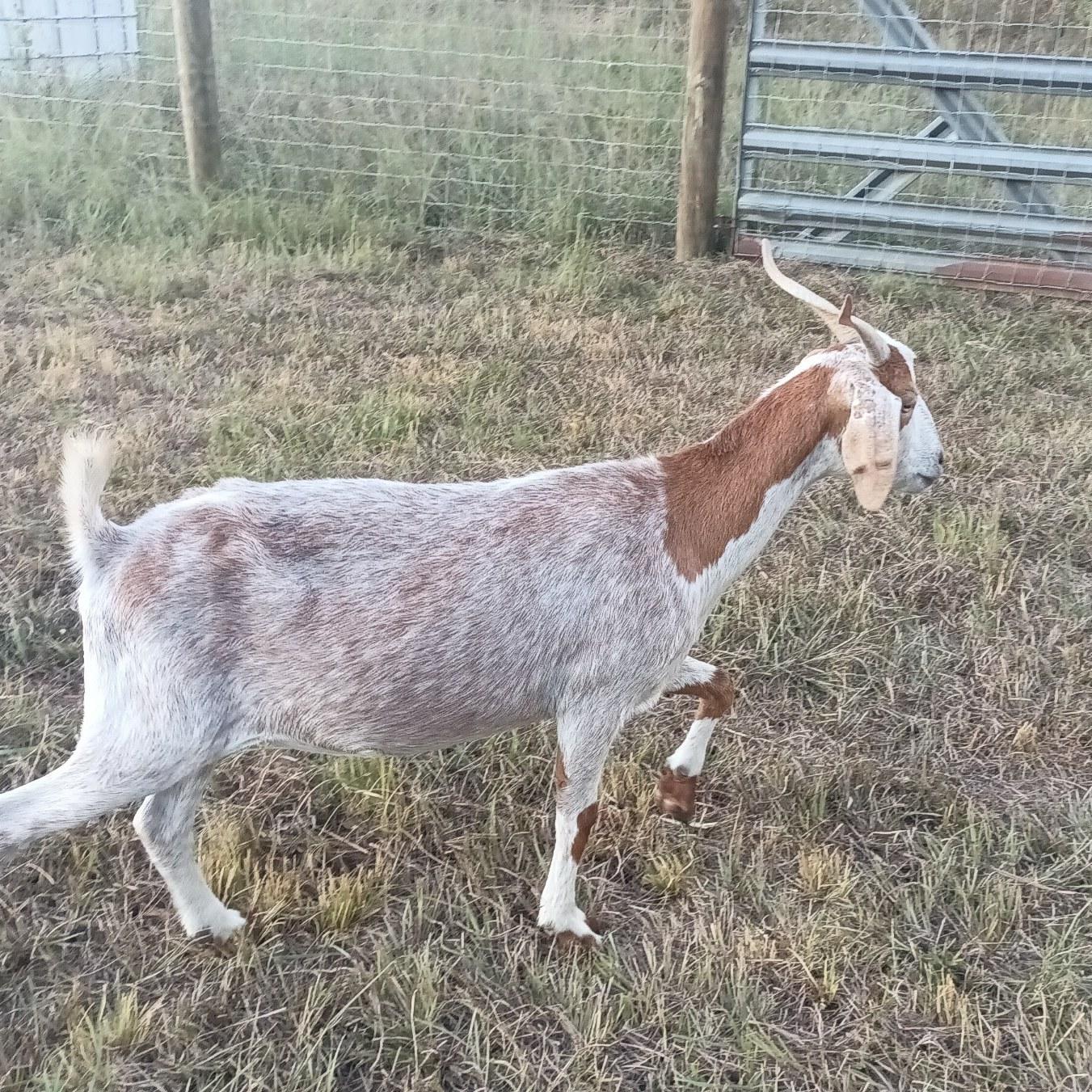
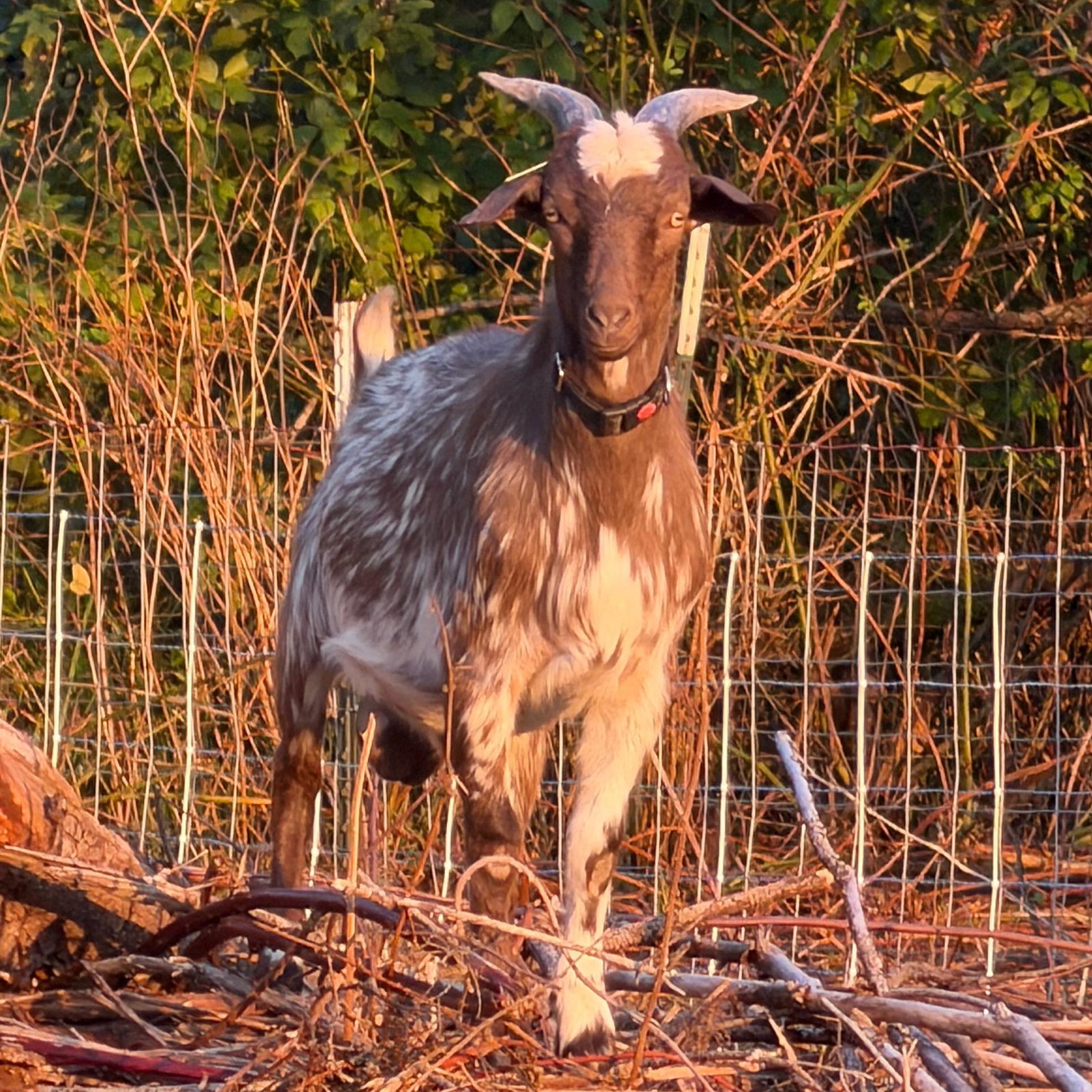
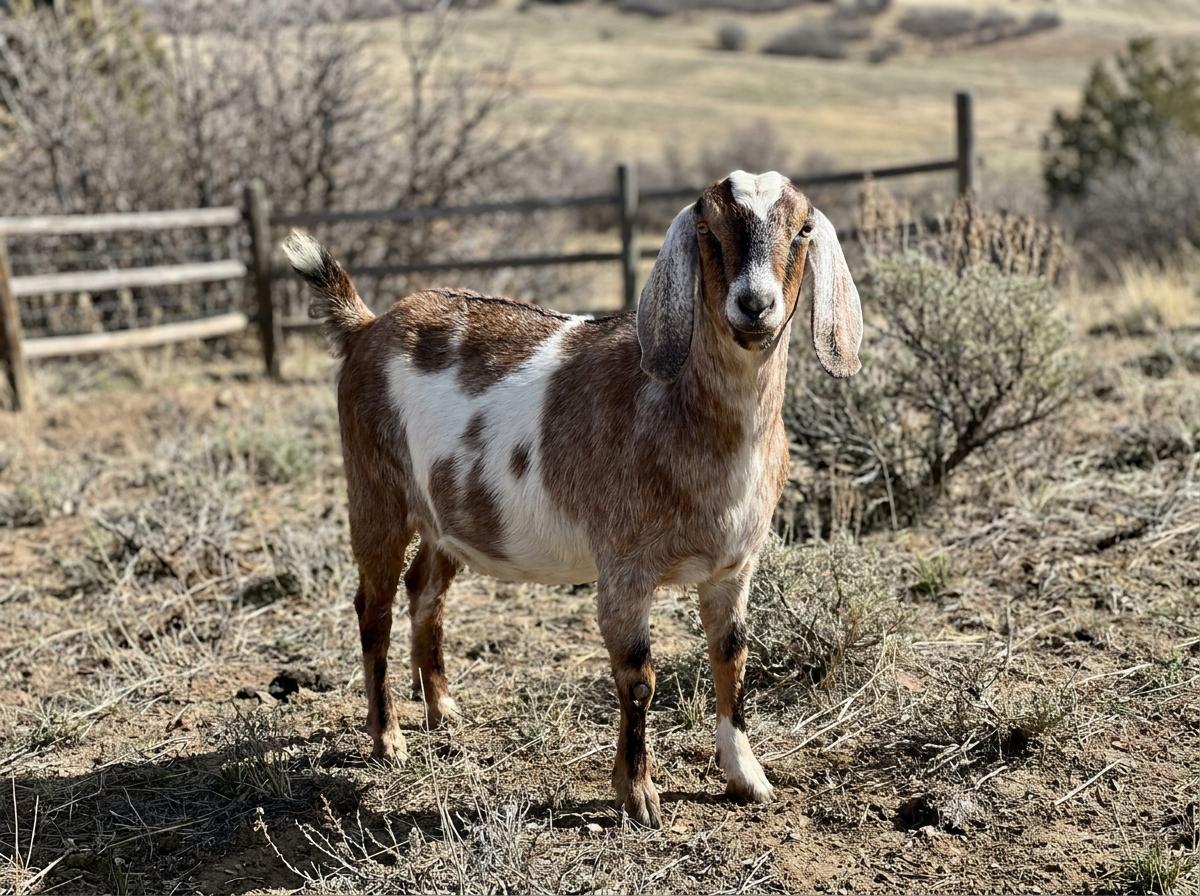
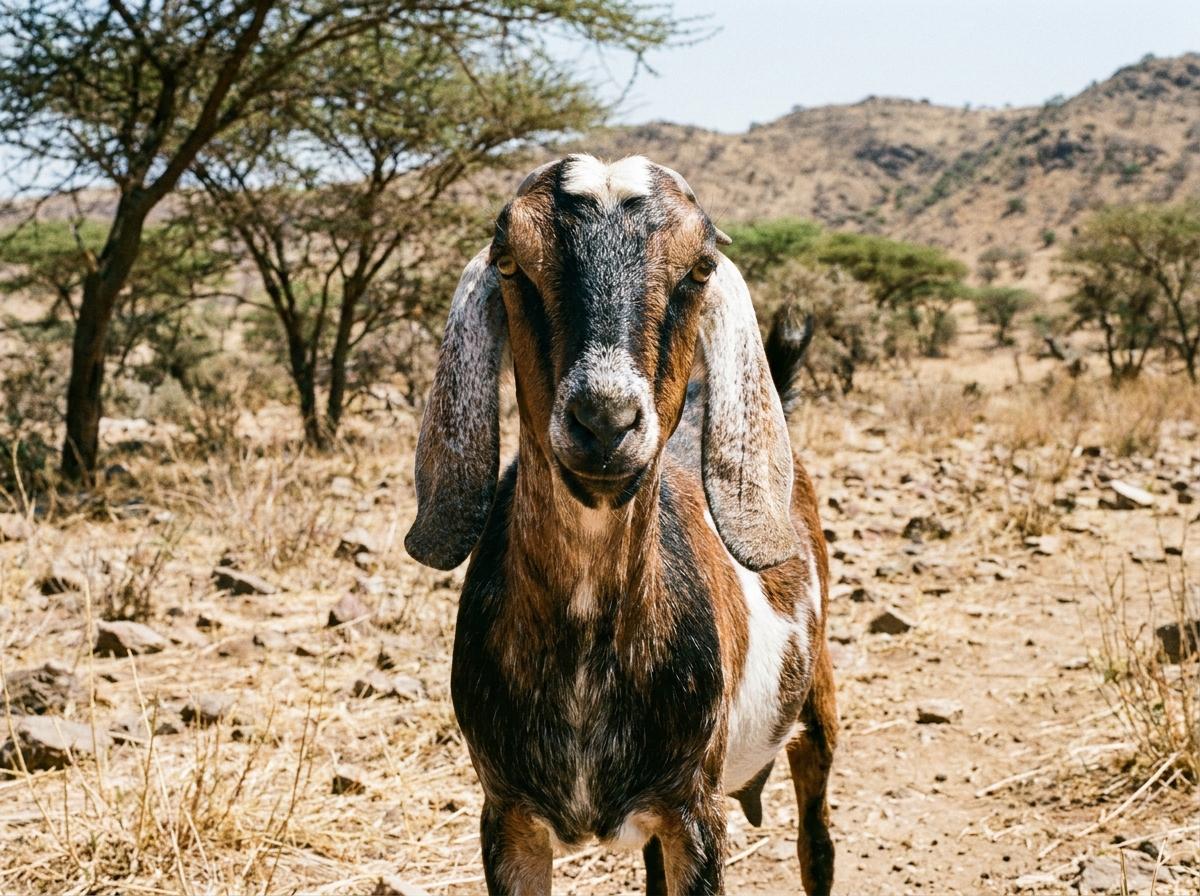
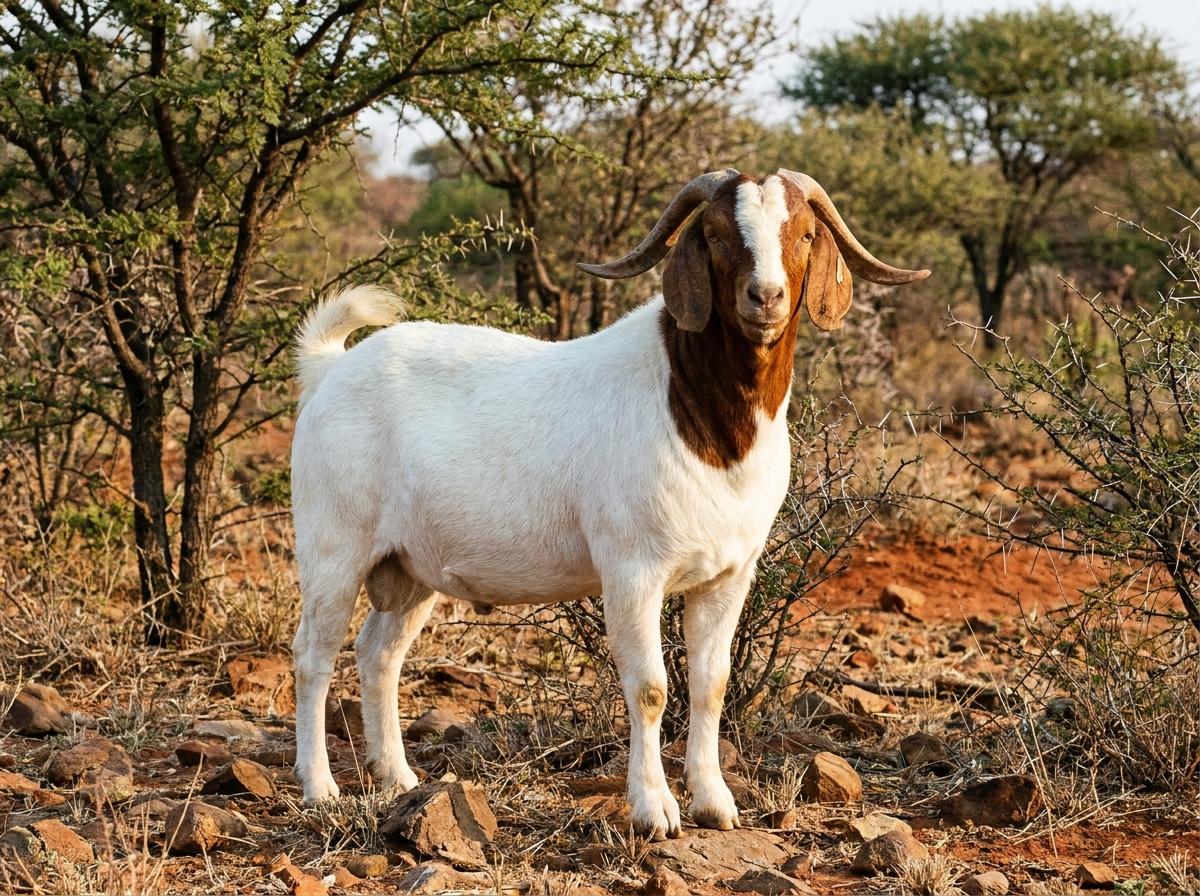
Kikos can be white or colored, and appearance alone does not establish their pedigree. When comparing them with other goat breeds, start with your breeding goal, forage and management experience.
The Kiko breeder directory offers research leads, but most entries are directory listings compiled from public sources. Check current breed focus and a working contact before travel or payment; an entry does not establish an active breeding program.
| Origin | New Zealand |
|---|---|
| Primary role | Meat production and maternal breeding |
| Appearance | Variable colors; no required color pattern |
| Selection history | Survival and growth under pastoral conditions |
| Health point | Hardiness does not mean parasite immunity |
| Next step | Compare breeder records from similar management systems |

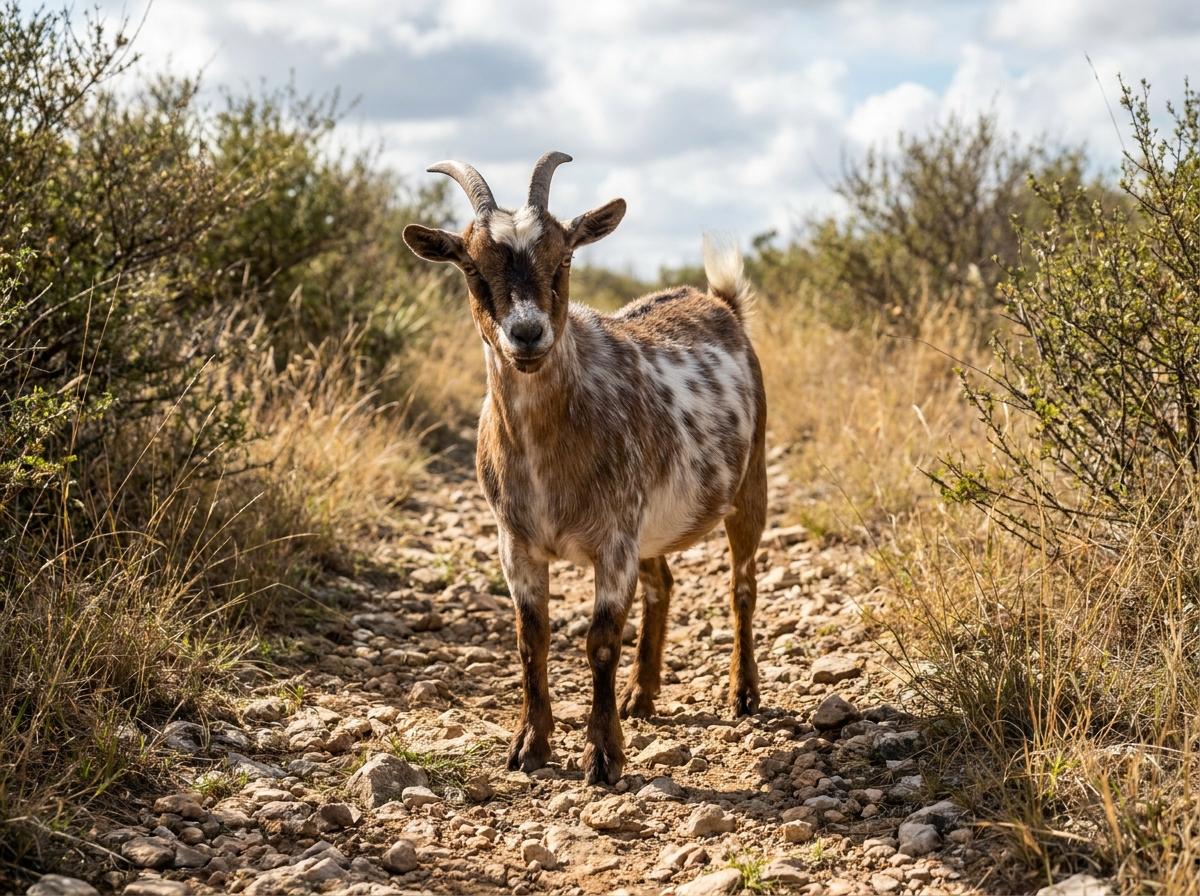
AI-generated illustration. An educational reconstruction, not actual stock.
Browse listings, public profiles, breeders, or add your animal.
Where Kiko goats came from
The original development program used selected New Zealand feral does and dairy-breed bucks, followed by further crossing and selection. Survivability and growth under hill-country pastoral conditions were the central measures. The founder’s published account also describes a population with varied coat colors, rather than one required color pattern. Garrick Batten’s original development paper is useful for understanding that history.
That history explains why performance language is so prominent around Kikos. It does not mean every modern animal will thrive under the same conditions or that a historical management experiment should be copied on a new farm. Climate, forage, parasite pressure and selection within individual herds all matter.
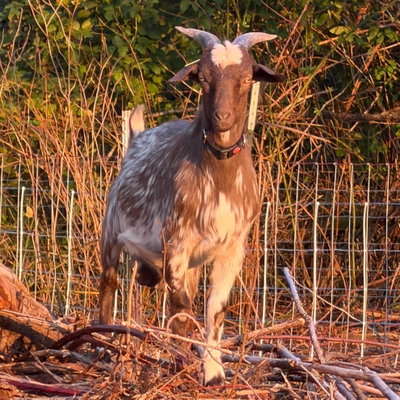
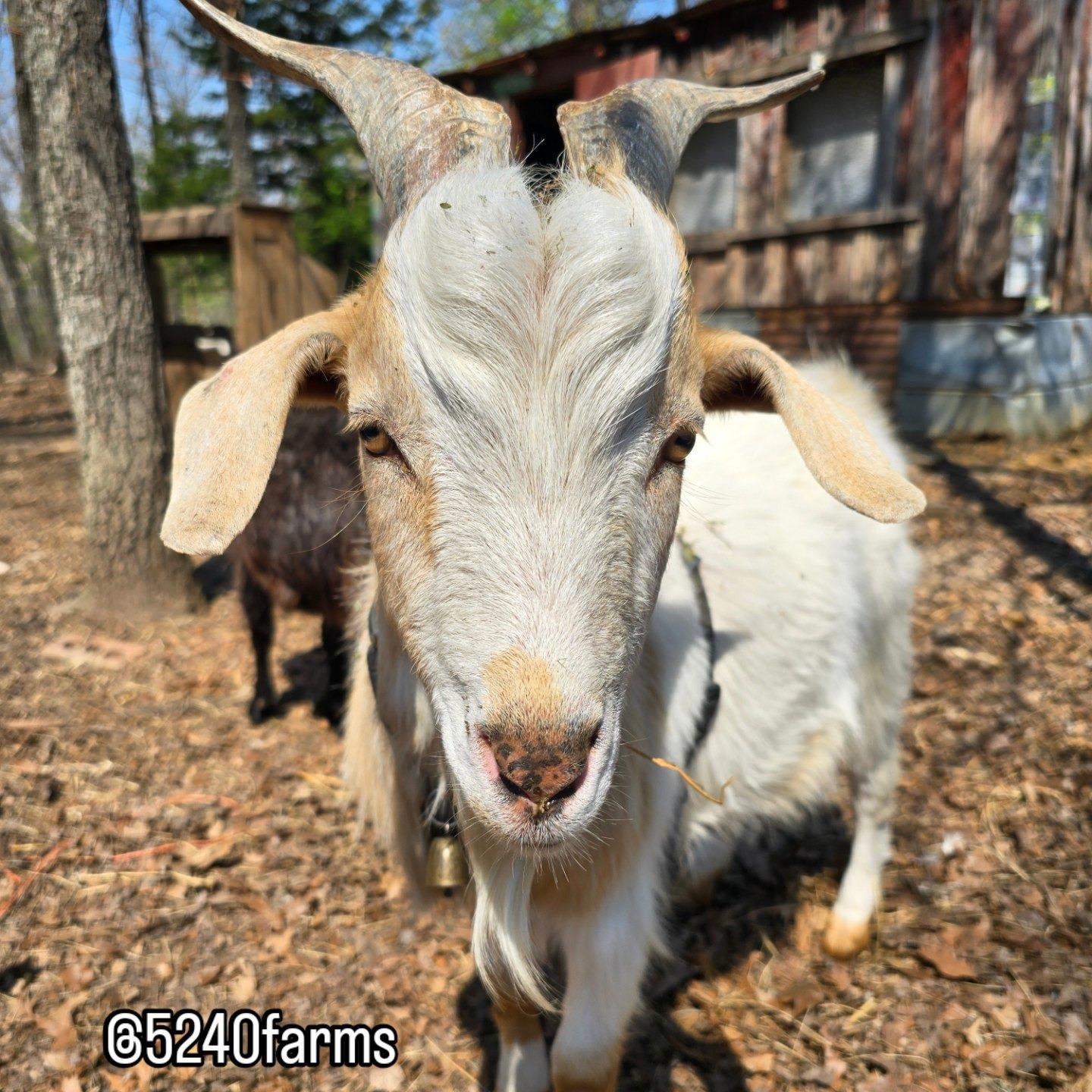
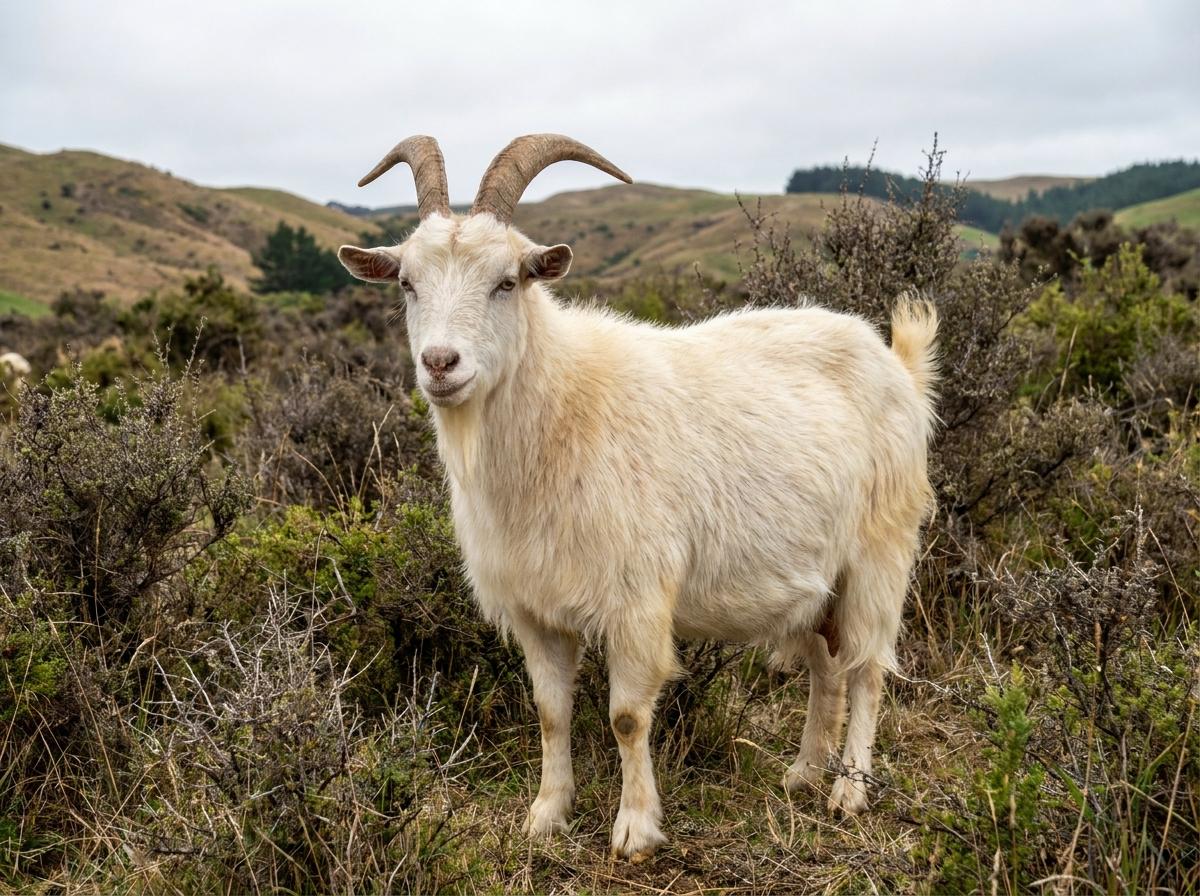
The cream-colored goats illustrated here represent one appearance. A colored goat is not automatically a cross, and a white goat is not automatically a registered Kiko.
Pedigree, percentage and performance answer different questions
Before comparing two asking prices, establish exactly what is being described. Request the registry name, animal identification, registration category and supporting pedigree. Ask the seller to explain any percentage or ancestry term on the paperwork.
Registration is useful evidence about recorded ancestry. It does not by itself establish how a doe raises kids, how a buck’s offspring grow or how an animal handles your farm’s conditions. The American Kiko Goat Association emphasizes performance alongside registration; the practical task is to connect the records to the particular animals under consideration.
US paperwork may name the American Kiko Goat Association (AKGA), the National Kiko Registry (NKR), or the International Kiko Goat Association (IKGA), which appears in historical registry-recognition documents. Verify the issuing body and the receiving registry’s current transfer rules, especially with older IKGA papers; do not assume that different registries use interchangeable categories.
A commercial Kiko-influenced doe and registered breeding stock may both suit a meat operation, but they should not be presented as interchangeable purchases. If your goal includes registering future offspring, confirm the proposed mating’s eligibility with the intended registry before making it.

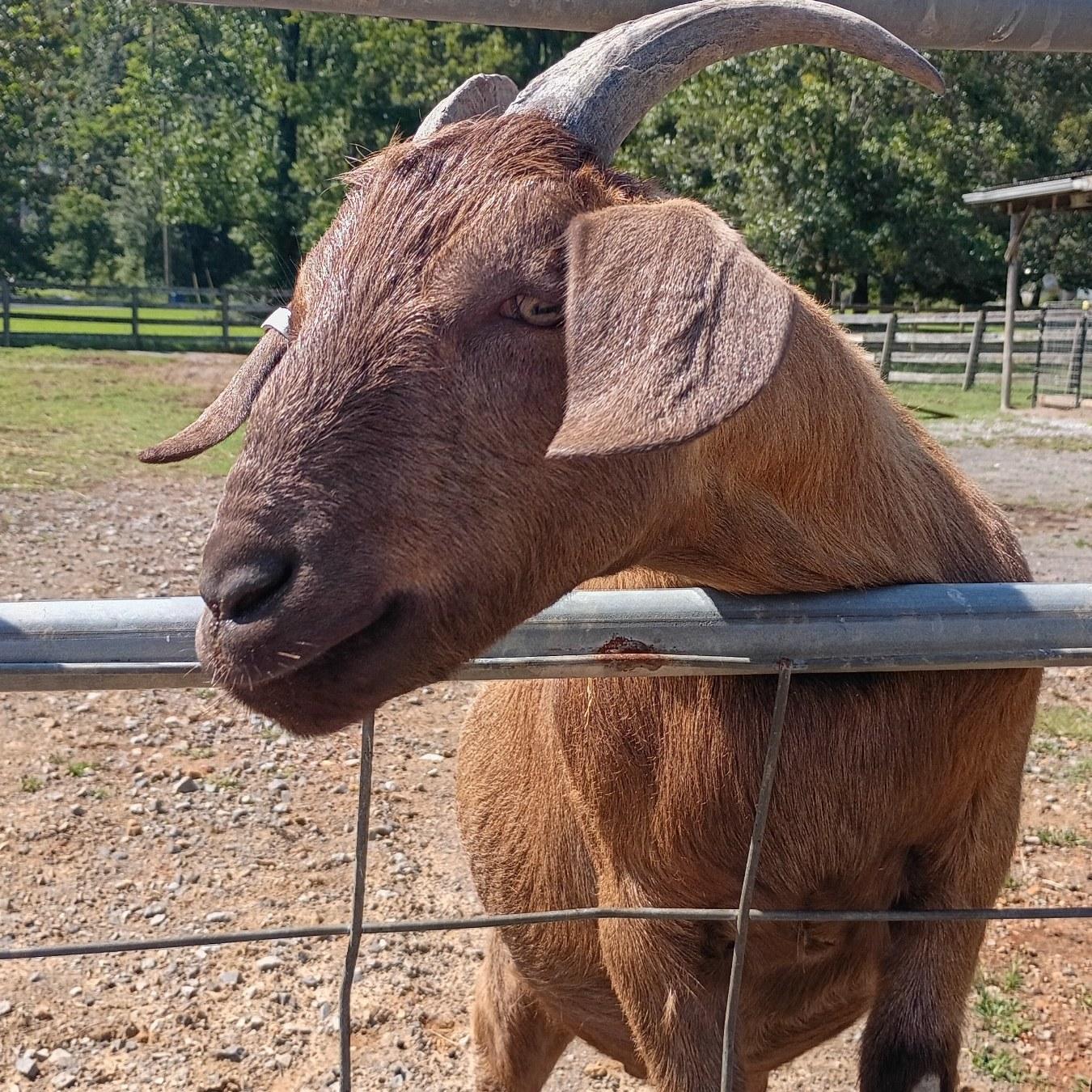
AI-generated illustration. A portrait crop, not a complete husbandry setup.
What useful Kiko records look like
Ask for records with dates, animal identities and the conditions behind the numbers. A heavy kid raised alone with extra feed is a different comparison from one raised as a twin on pasture.
For replacement does, useful questions include:
- How many kids did she give birth to, and how many did she rear to weaning?
- Which kidding seasons are documented, including losses and assistance?
- What were the kids’ ages and weights at weaning?
- Did she maintain useful body condition, and what supplementary feed did she receive?
- What hoof, parasite or other health interventions were recorded?
For a buck, ask how his relatives and offspring performed, not just his own largest recorded weight. Compare contemporary animals managed together where possible. Differences in age, litter size and feeding can otherwise make a modest genetic difference look much larger.
Behavior belongs in the evaluation too. Observe ordinary catching and handling. A goat that looks calm while eating may respond differently in a handling pen, and a breeding buck requires secure facilities regardless of breed reputation.
Are Kiko goats parasite resistant?
Do not interpret “hardy” as “cannot get worms.” The cited ACSRPC guidance distinguishes parasite resistance, reflected in lower fecal egg counts, from parasite tolerance, where an infected animal can continue growing well and show less anemia even with a high egg count. Both vary between animals and are influenced by conditions.
The American Consortium for Small Ruminant Parasite Control discusses comparative breed performance and the use of records in selection. It does not treat a breed name as immunity. Ask how a herd identifies animals needing treatment, whether fecal egg counts are used and how treatment effectiveness is checked. ACSRPC’s selection guidance explains the distinction.
Agree on a local parasite plan with your veterinarian. Do not stop monitoring because a seller describes a line as resistant, and do not adopt a fixed deworming calendar from an old breed-history account. Keep health interventions alongside growth and reproductive records so “low input” can be evaluated honestly.
Feeding and facilities still matter
Kikos need secure fencing, suitable companions, weather protection and a practical way to catch and examine them. Walk the proposed grazing area before stocking it: brush cover alone does not tell you its feed value or whether the plants are safe.
Provide clean water and match the ration to age, pregnancy, lactation and body condition. A growing kid and a dry mature doe do not have identical needs. Use a forage and mineral plan suited to the actual farm rather than assuming a hardy breed can live on whatever remains. MSD’s goat nutrition guidance provides the underlying nutrition principles.

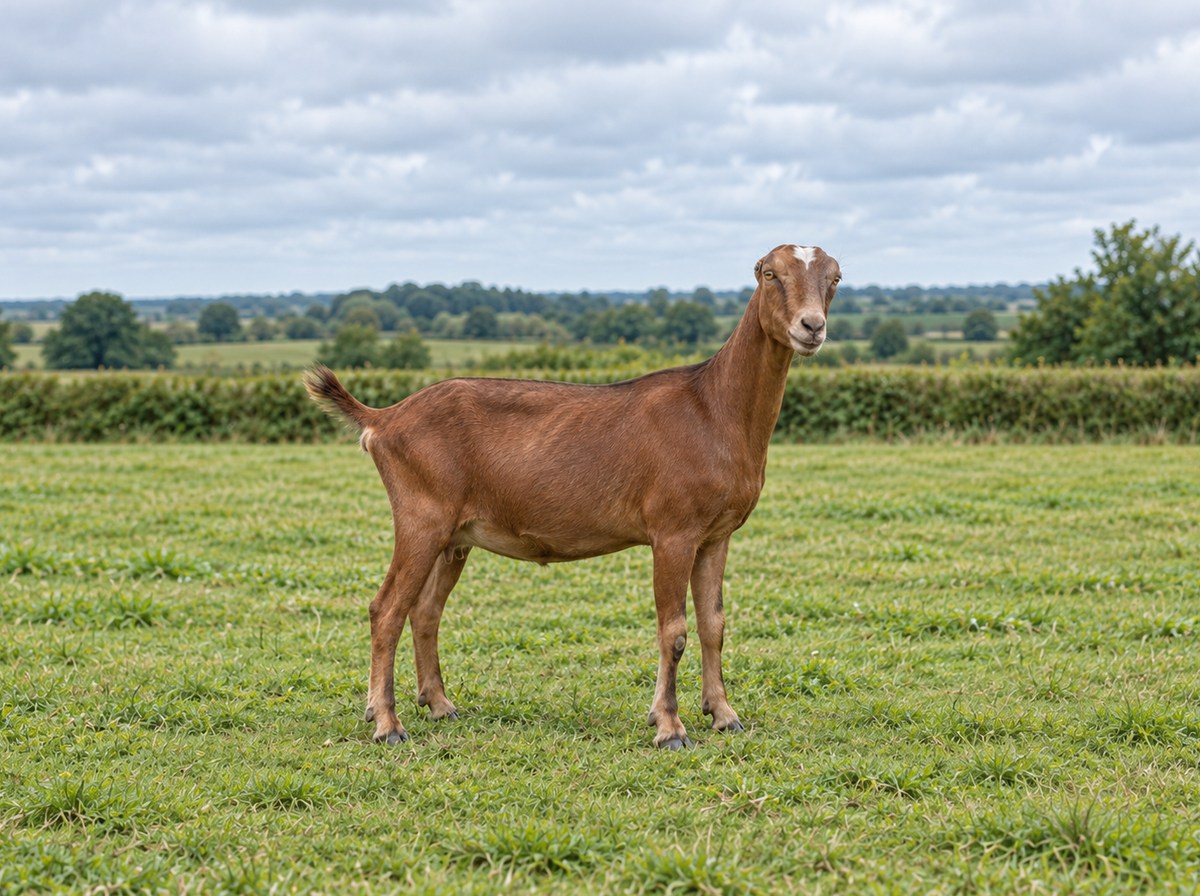
AI-generated illustration. An educational reconstruction, not actual stock.
Kiko goat prices: compare the whole purchase
A defensible comparison includes age, sex, registration category, breeding status, health history and the quality of the records. A pedigree label or coat color can influence an asking price without answering whether the animal fits your operation.
Request a written description of what is included, particularly registration transfers, any breeding guarantee and transport arrangements. Budget for fencing, feed during seasonal shortages, companions and veterinary care as well as the purchase itself. This guide does not give a national price range because local asking prices and completed sales are different evidence.
Common questions
Are all Kiko goats white?
No. The founding population included varied colors. Color alone cannot establish registration or ancestry.
Can Kikos clear brush without supplementary feed?
That depends on the feed actually present and the animals’ needs. “Brush clearing” describes an activity, not a balanced ration. Plan for seasonal shortages and assess body condition.
Are Kiko does always easy kidders?
No breed label can promise an uncomplicated birth. Review the doe’s previous kidding records, choose matings carefully and prepare an assistance plan with an experienced stockperson or veterinarian.
Do this next on Creatures
Use the Kiko breeder directory to identify research leads. First confirm a working contact and current Kiko focus, then ask active programs about performance records, registration categories and current stock.