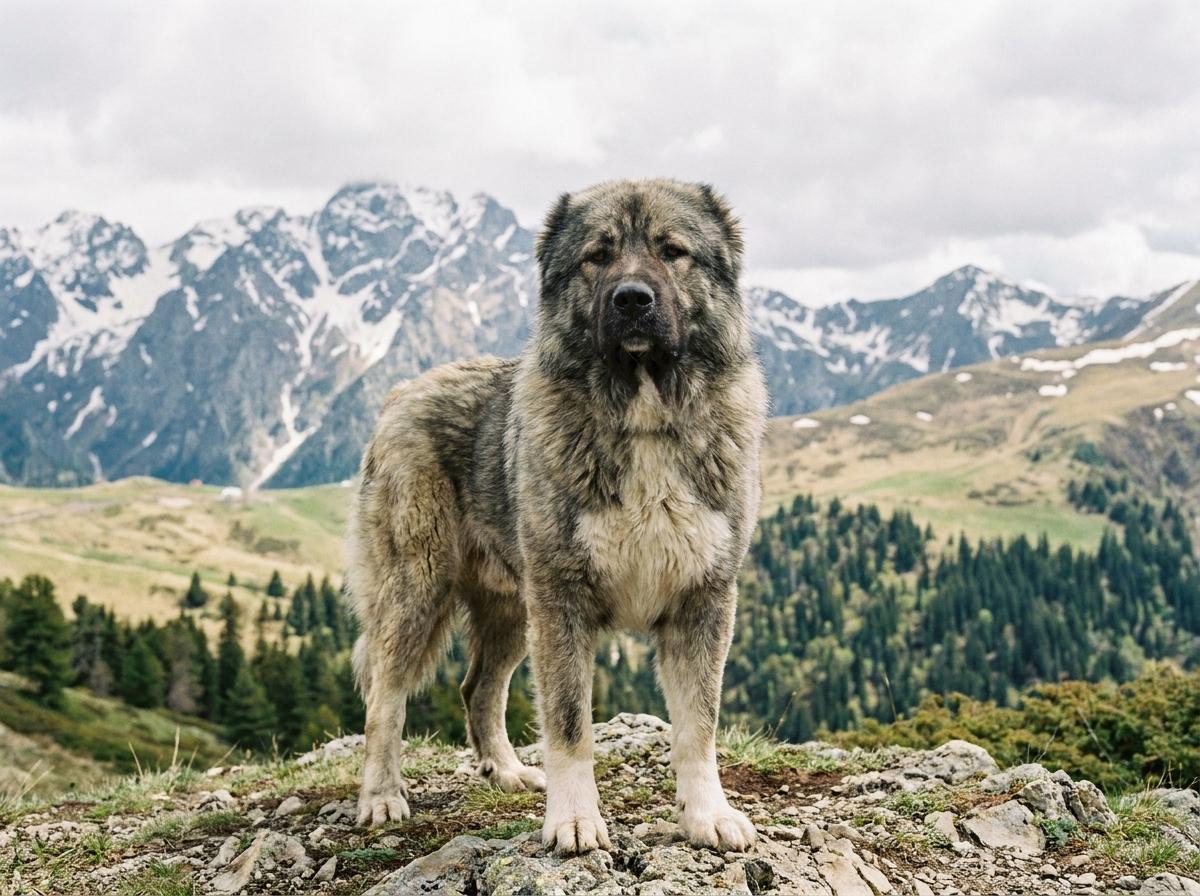
Caucasian Shepherd
Author: Elliott Garber, DVM · Published
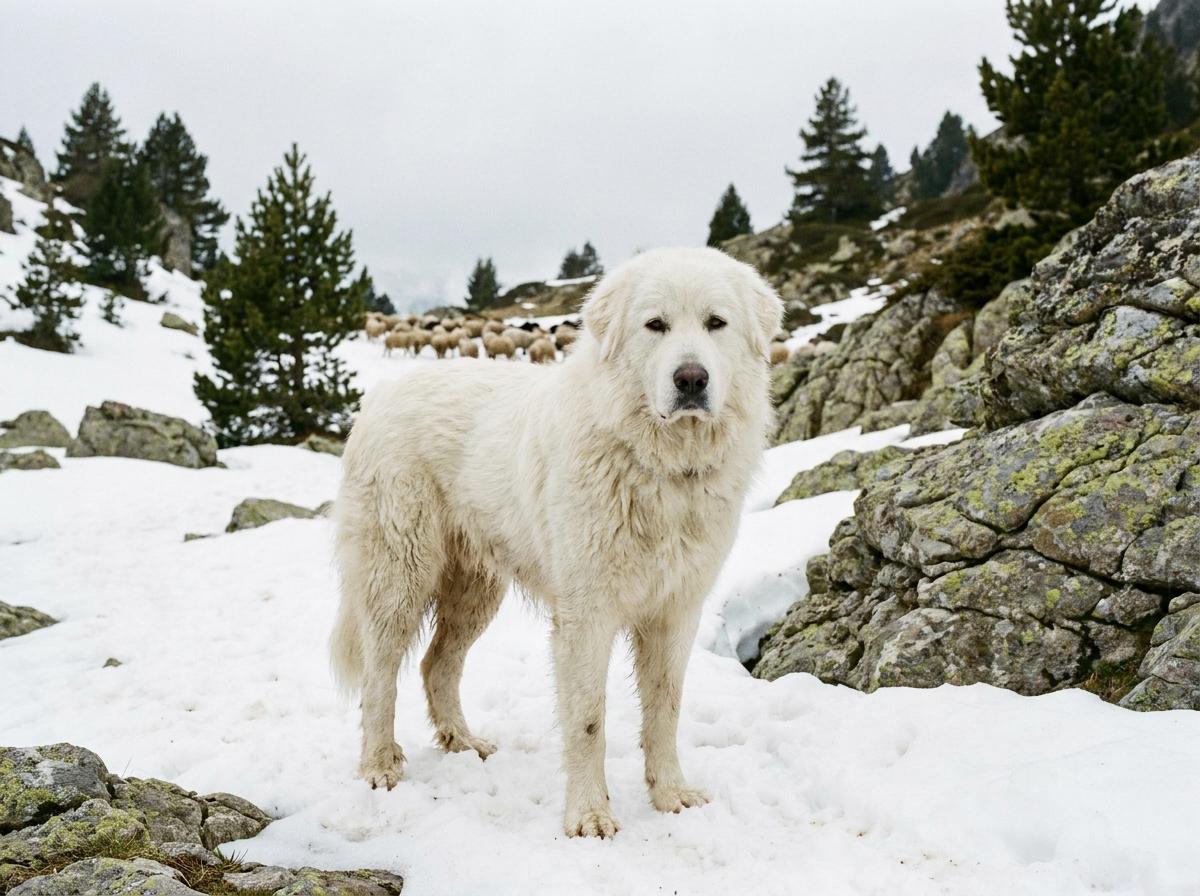
The Caucasian Shepherd Dog is a large guardian whose FCI standard calls for a strong, independent and self-confident dog. It is a serious working breed, not a decorative giant for an unprepared home. If you are comparing dogs on the breed index, treat secure containment, experienced handling and the individual dog’s background as the first questions.

| Role | Guardian and watchdog under the FCI standard |
|---|---|
| Build | Large, strong and heavily boned |
| Temperament | Independent, confident and owner-attached |
| Care | Secure containment and controlled introductions |
| Buyer focus | Parent temperament, records and a realistic plan |
Browse listings, public profiles, breeders, or add your animal.
A guardian by purpose
The FCI describes a guard and watchdog with a powerful, slightly rectangular body and dense coat. Its standard calls for steadiness, independence and attachment to its owner. Those qualities bring responsibility: a dog bred to respond to perceived threats needs safe boundaries and thoughtful introductions. Do not choose one because an online video makes it look imposing.
Meet the parents or close relatives if possible. Ask what real livestock, property or household work the line has done and how the puppies have been raised. The Bakharwal guide offers another livestock-guardian comparison; the Bully Kutta guide shows why large guardian-looking dogs should not be judged by an internet label alone.

The home and handling plan
Use sturdy fencing and gates visitors cannot accidentally open. Secure the dog behind a closed barrier before a visitor enters, then plan where it rests during deliveries and gatherings. Social learning means calm, controlled exposure and recovery from novelty, not forcing strangers to touch the dog. Work with a qualified trainer who uses humane methods and understands guardian breeds. No breeder can promise that a puppy will be safe around every unfamiliar person or animal.
Provide space, shade, water, grooming and activity suited to the dog’s age and health. Discuss growth, joints and any screening claims with a veterinarian. Ask for the actual test records rather than accepting “healthy bloodline” language.
Choosing and documenting a puppy

Read the contract, pedigree and parents’ records. Observe the puppy in its ordinary environment. Ask how it has met people and animals and what the breeder’s return policy covers. The puppy vaccination schedule shows why a written veterinary record matters from the start, while the dog boarding cost guide helps plan one practical expense for a large dog.
The free dog pedigree chart maker organizes the ancestry a breeder supplies. After adding the dog to Creatures, keep identity, health, training and care reminders together. An owner-made chart is not an official registration certificate.
A guardian dog still needs ordinary preventive care. Keep the date and clinic details together with the dog vaccination record guide.
What the standard requires of a guardian
The FCI breed standard lists minimum height and weight of 68 cm and 50 kg for males, and 64 cm and 45 kg for females. It calls for a steady, self-confident guardian and disqualifies aggressive or overly shy dogs. Ask to observe parent dogs responding to ordinary visitors at a safe distance; size or protective display alone does not meet the temperament standard.
In the United States, ask which papers the seller actually means: the AKC Foundation Stock Service and UKC are distinct records, while FCI is an international standard. Before any visitor enters, secure the dog behind a closed barrier under the handler’s control. Check gates and fencing for this adult dog’s strength and reach, and plan a second competent handler for emergencies.
Frequently asked questions
Is this an easy first dog?
Usually no. Its guardian role and power call for experience, secure containment and honest planning.
Does a large yard replace training?
No. Space and fencing are parts of a plan; handling and social learning still matter.
Is coat color proof of breed?
No. Read the standard and ask for a registered pedigree.
Do this next on Creatures
Choose the action that fits your stage, whether you are comparing animals, keeping one or building a breeding program.
Watch supply. Set a free listing alert; supply may be thin. See saved searches.
Compare sources. Browse current listings and the breeder directory. Ask for an individual animal’s history.
Start a profile. Add your animal and follow the profile guide.
Keep records. Add a record for identity, health, breeding or measurements. The sheet opens for visitors; a free account saves it. See adding a record and health records.
Make your operation findable. Create an organization profile and read the directory guide.
Keep learning. Explore the dog breed index and care reminders.