

Belgian Laekenois
Author: Elliott Garber, DVM · Updated
The Belgian Laekenois is the rough-coated member of the Belgian Shepherd family: fawn, wiry, alert, square-built, and much less common than the Malinois. In the American Kennel Club system it is a separate breed. In the Federation Cynologique Internationale system it is the rough-haired variety of one Belgian Shepherd Dog breed. Both descriptions are correct inside their own registry systems. Compare dogs on the Creatures dog hub, then use the breeder directory to research people who can document which system their pedigrees follow.

| Country | Belgium |
|---|---|
| Coat identity | Rough, dry, tousled fawn hair with discreet black shading |
| FCI treatment | Laekenois variety of Belgian Shepherd Dog, Standard 15 |
| AKC treatment | Separate Herding Group breed, fully recognized in 2020 |
| FCI ideal height | Males 62 cm, females 58 cm, with stated tolerances |
| FCI weight | Males about 25 to 30 kg, females about 20 to 25 kg |
| Working character | Active, watchful, quick to respond, developed from herding dogs |
Browse listings, public profiles, breeders, or add your animal.
One dog family, two classification systems
The FCI Belgian Shepherd Dog standard defines one breed with four varieties distinguished principally by coat: long-haired Groenendael and Tervueren, short-haired Malinois, and rough-haired Laekenois. The varieties are judged separately, but they remain varieties within FCI Standard 15.
The AKC Belgian Laekenois page uses the American structure. AKC treats the Belgian Sheepdog, Belgian Malinois, Belgian Tervuren, and Belgian Laekenois as separate breeds. The Laekenois received full AKC recognition in 2020 and competes in the Herding Group.
This is not a dispute about what the dog looks like. It is a registry decision about how closely related populations are named and recorded. When reading a pedigree, show result, or health database, identify the registry first. A statement such as “four Belgian Shepherd breeds” can be accurate in an AKC context and inaccurate in an FCI context.
The Belgian Tervuren guide follows the longhaired fawn variety through the same AKC-versus-FCI distinction, then covers daily work and health screening.
History and original work
Belgium had many local herding dogs with different coats in the late nineteenth century. The FCI history says enthusiasts formed the Belgian Shepherd Dog Club in Brussels in 1891 and worked with veterinary professor Adolphe Reul. A first detailed standard followed in 1892, and the first Belgian Shepherds entered the Royal Saint-Hubert Society stud book in 1901.
Coat eventually became the organizing feature. The Laekenois name is associated with Laeken, and AKC history connects the rough-coated dogs with flock work and guarding linen laid out to dry. The more durable point is function: the family was selected to herd, guard, track, and work closely with people.
That background still shows in the modern dog. A Laekenois is not a decorative wire-coated version of another Belgian. It is an energetic herding and service dog whose coat happens to be the easiest visual separator.
Appearance and coat
The Laekenois should be medium-sized, square, harmoniously proportioned, and strongly muscled without heaviness. The head is long and clean, with a straight muzzle, black nose, tight lips, dark almond-shaped eyes, and small high-set triangular ears held upright.
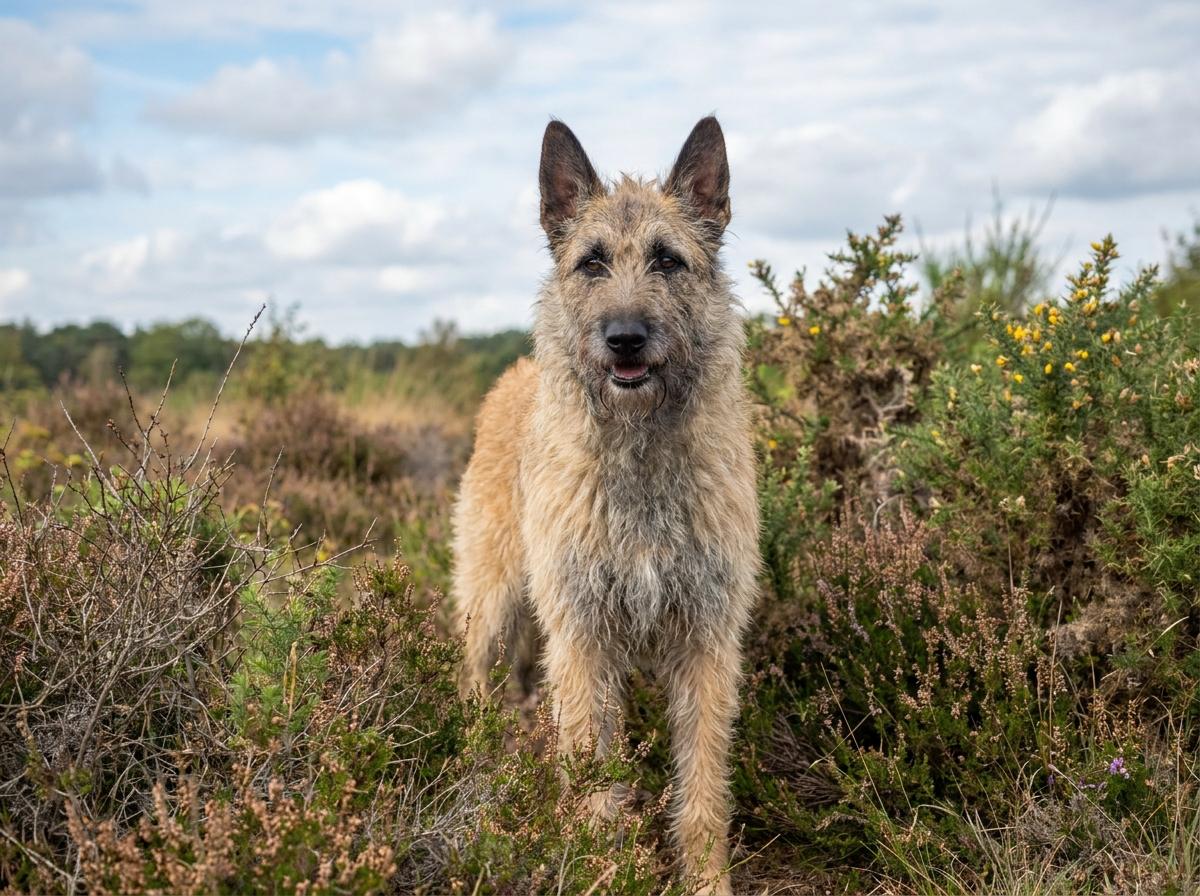
The coat is the signature. FCI calls it rough, dry, rasping, and tousled, roughly 6 cm over much of the body. Hair is shorter on the forehead, top of the muzzle, and legs. Muzzle furnishings are essential but should not hide the shape of the head. The tail should not form a long plume.
FCI color is fawn with traces of black shading, mainly on the muzzle and tail. Small amounts of white can be tolerated on the forechest and toes. The Laekenois does not have the Malinois’s sharply defined full black mask, and it should not look like a long-coated Tervuren with curls.

FCI gives ideal heights of 62 cm for males and 58 cm for females, with a tolerance of 2 cm below and 4 cm above. It lists males at about 25 to 30 kg and females at about 20 to 25 kg. AKC uses sex-specific height ranges and a shared weight range, so do not splice the most convenient number from each standard into a single imaginary rule.
Temperament, training, and exercise
The FCI ideal is watchful, active, lively, confident, and ready to act without fear or inappropriate aggression. That combination makes the breed rewarding for an involved handler and difficult for a household that wants a low-engagement pet.
Daily life should include purposeful movement and training, not just access to a yard. Scent work, tracking, obedience, herding, controlled retrieving, and long walks give the dog both physical work and decisions to make. Build duration and impact gradually for a growing puppy.
Early socialization should teach composure rather than indiscriminate friendliness. Practice settling, neutral observation, cooperative veterinary handling, recall, leash skills, and safe introductions. A dog bred to notice changes will notice your inconsistent rules too.
The Cardigan Welsh Corgi guide offers a smaller herding-dog comparison while keeping training and household management in view.

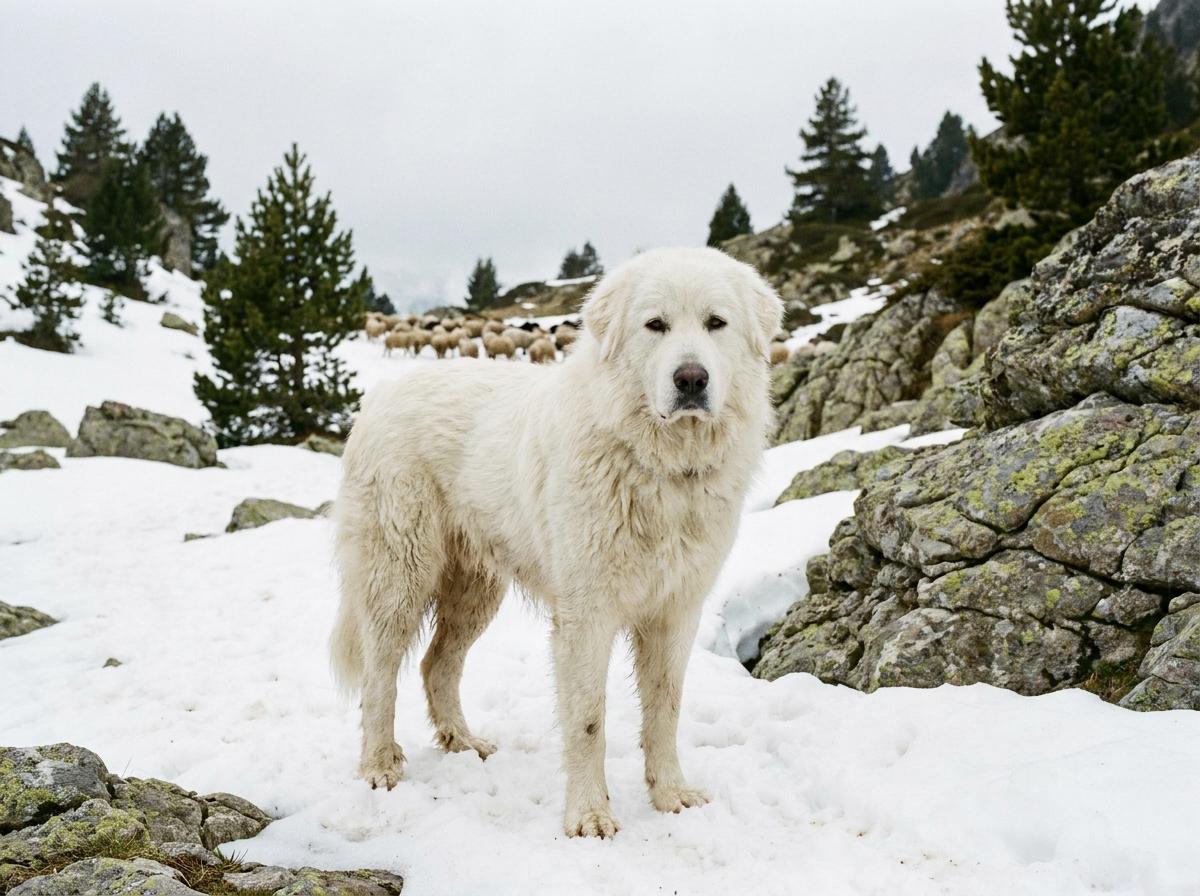
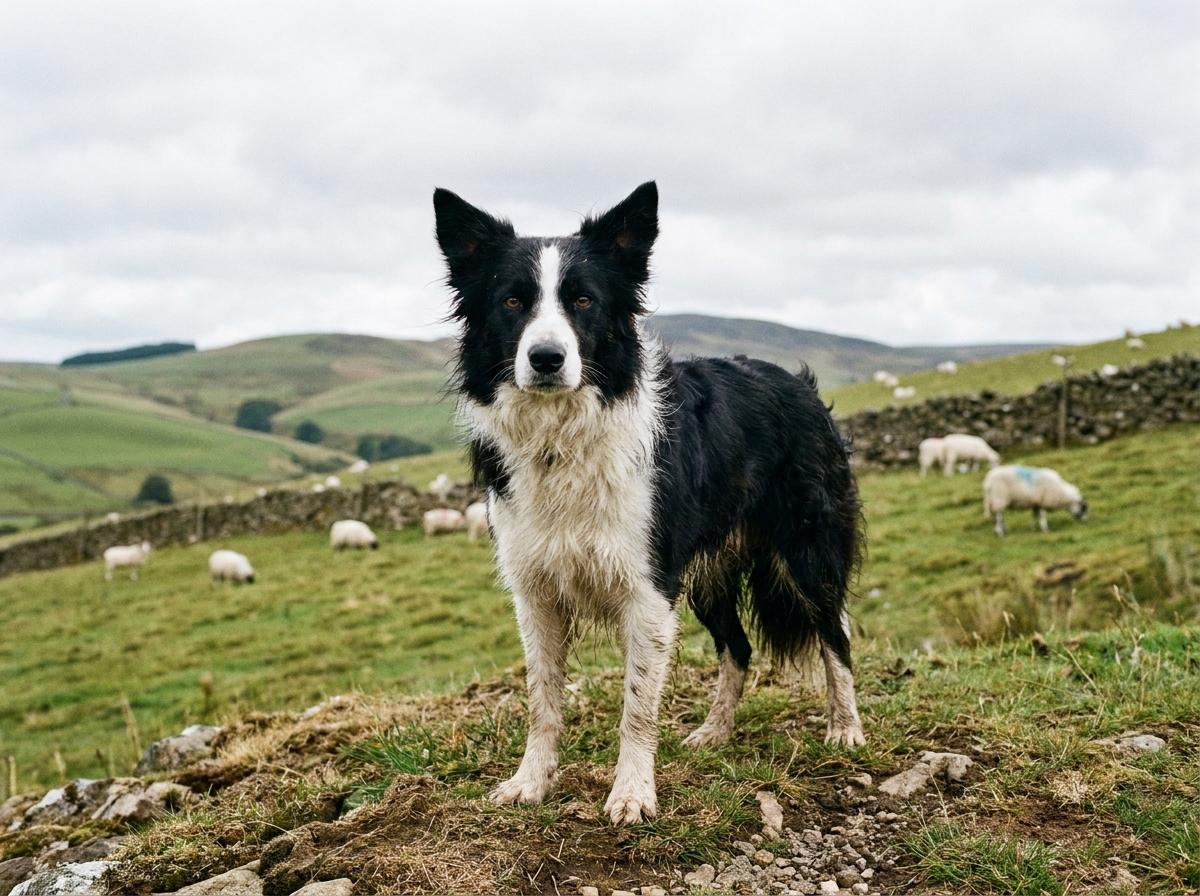
The herding image shows relaxed sheep with space to move. It is an illustration of controlled working distance, not permission to let an untrained dog rehearse chasing livestock.
Grooming the rough coat
The coat should feel functional, not sculpted. Weekly brushing can lift dirt and loose undercoat. During seasonal shedding, check the dense undercoat more often. Pay attention to the modest beard, where food and moisture can collect, and inspect the skin rather than assuming a rough surface hides every problem.
Avoid grooming that softens, mats, or radically changes the natural outline. A breeder familiar with the coat can demonstrate appropriate maintenance. Nails, teeth, ears, and body condition need the same routine attention as in any active dog.
Health testing and breeder questions
The American Belgian Laekenois Association health statement, hosted by AKC, recommends screening breeding dogs for hips, elbows, inherited eye disease, heart disease, thyroid status, and dentition. The AKC breed page lists the same six areas.
Ask for the actual public or veterinary reports for both parents. A completed test does not guarantee a puppy will never become ill, but it proves the breeder investigated named risks before mating. Also ask about longevity, epilepsy or unexplained seizures in the wider pedigree, autoimmune problems, temperament, and causes of death. Where evidence is incomplete, honest uncertainty is better than “our lines have none.”
Keep health, behavior, training, and weight records from puppyhood. A change that seems vague in isolation becomes easier to discuss with a veterinarian when dates and context are available.
Buying and living with a Laekenois
A good breeder can explain the litter in both family and working terms. Expect a discussion of energy, recovery after surprise, environmental confidence, sociability, and why a particular puppy fits a particular home. A color-first sales pitch misses the breed’s center.
Meet adult relatives when possible. Look for athletic soundness, a stable response to ordinary people and noise, and a correct rough coat that does not obscure the dog’s structure. Confirm the registry system on the paperwork. If an imported pedigree calls the Laekenois a variety, that is not a defect. It may simply be an FCI pedigree.
Compare related Belgian dogs by function and individual line, not by a meme about one being calmer. The Belgian Mastiff is a separate national reconstruction project with draught-dog history, not another Belgian Shepherd variety. The Greek Shepherd is a livestock guardian, which is a different job from gathering and controlling stock.
Frequently asked questions
Is the Belgian Laekenois a breed or a variety?
Both, depending on registry. AKC recognizes it as a separate breed. FCI recognizes the Laekenois as the rough-haired variety of the Belgian Shepherd Dog.
How is it different from a Belgian Malinois?
The clearest distinction is coat. The Laekenois has rough, dry, tousled fawn hair with muzzle furnishings and discreet black shading. The Malinois has short hair and a pronounced black mask under the FCI standard.
Is the coat curly?
It should be rough and tousled, not soft, silky, or shaped into curls. Muzzle furnishings are present but do not hide the head.
Is a Laekenois suitable for a first-time owner?
Some first-time owners succeed with excellent breeder support and experienced training help. The breed’s energy, vigilance, speed, and need for purposeful engagement leave little room for passive ownership.
What health tests should I request?
The American parent club recommends hip, elbow, cardiac, eye, thyroid, and dentition evaluations. Ask to see results for both parents and discuss broader pedigree health with the breeder and your veterinarian.
Do this next on Creatures
Use the platform to search carefully, preserve health evidence, and keep an active dog’s working and daily history together.
Search deliberately. Browse the Laekenois marketplace filter or save a Laekenois alert. See saving searches and using your watchlist.
Research breeders. Use the Creatures breeder directory, then verify the pedigree system and every health result.
Start the record. Create a Laekenois profile, with no account needed to begin. Follow adding an animal to Creatures.
Track health and work. Open the record sheet. Visitors can explore it, while a free account saves entries. Read adding a record and health and medical records.
Represent a program. Create a dog organization profile, with no account needed to start, and connect claims to checkable evidence.