

Orpington
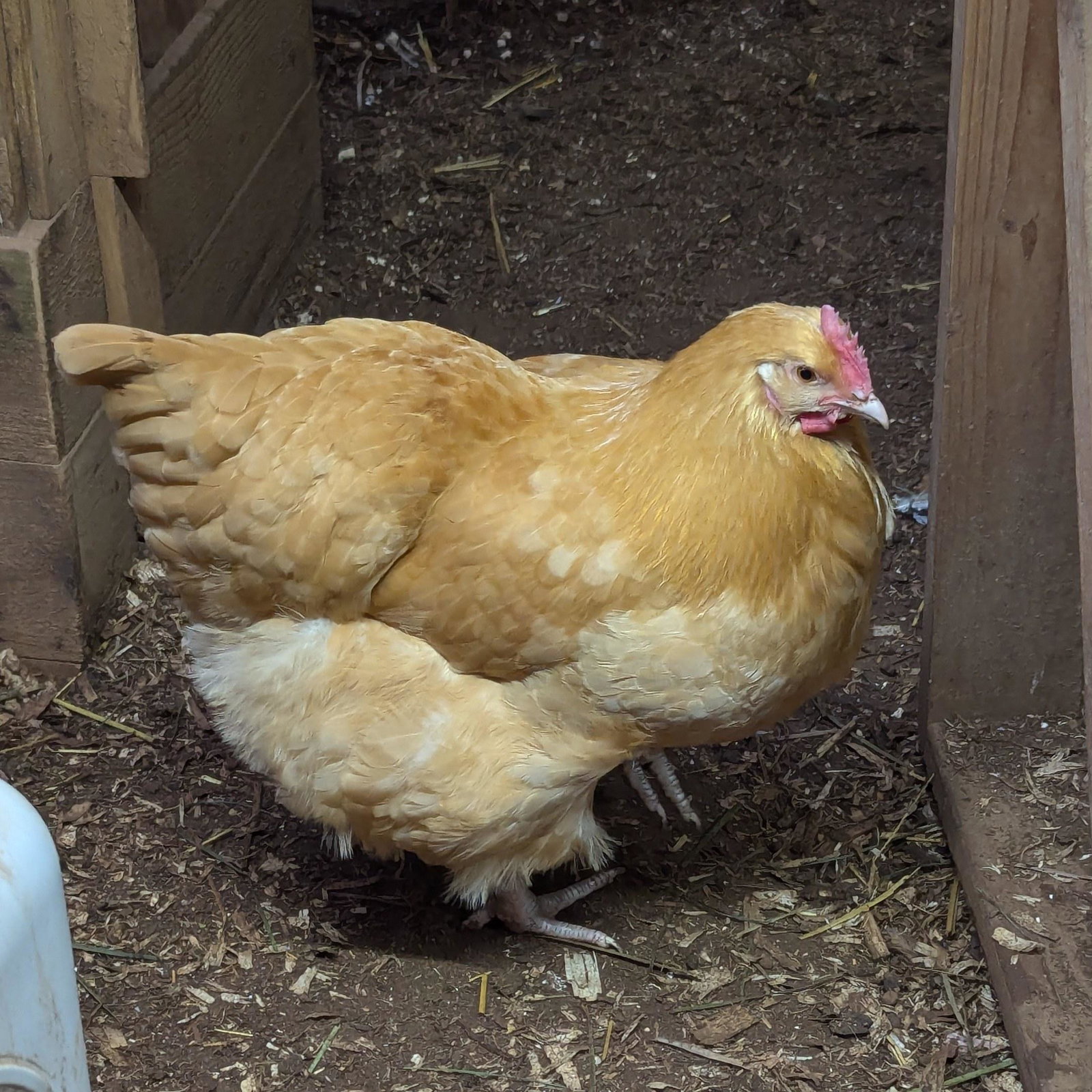
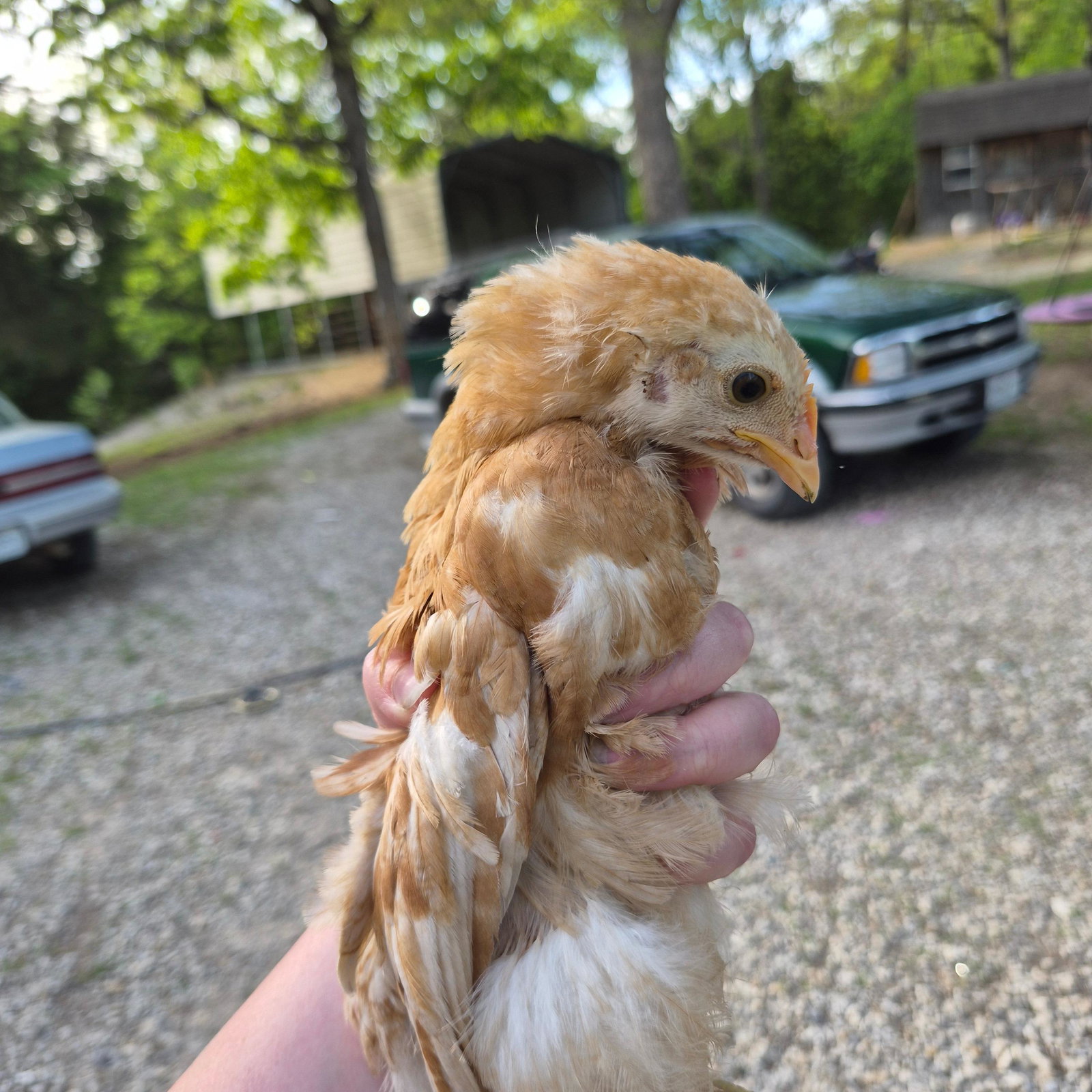
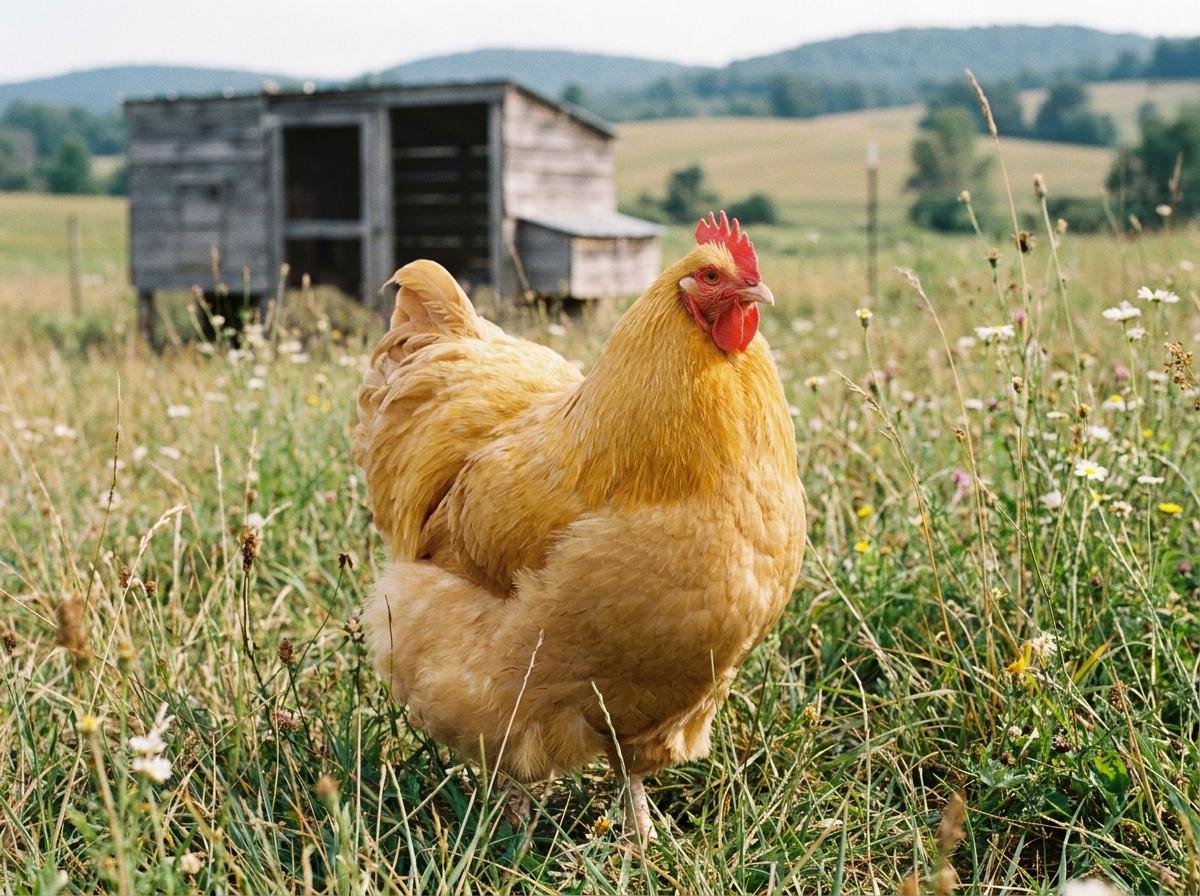
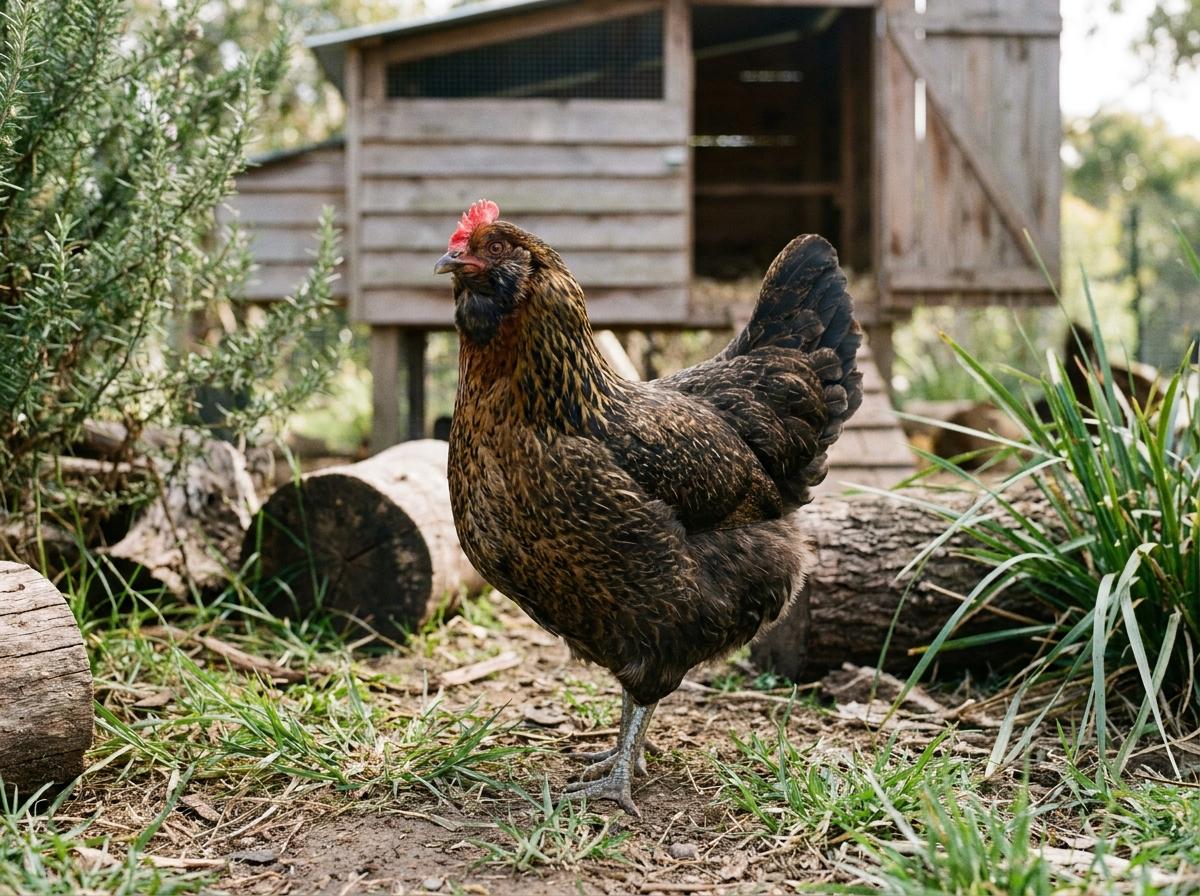
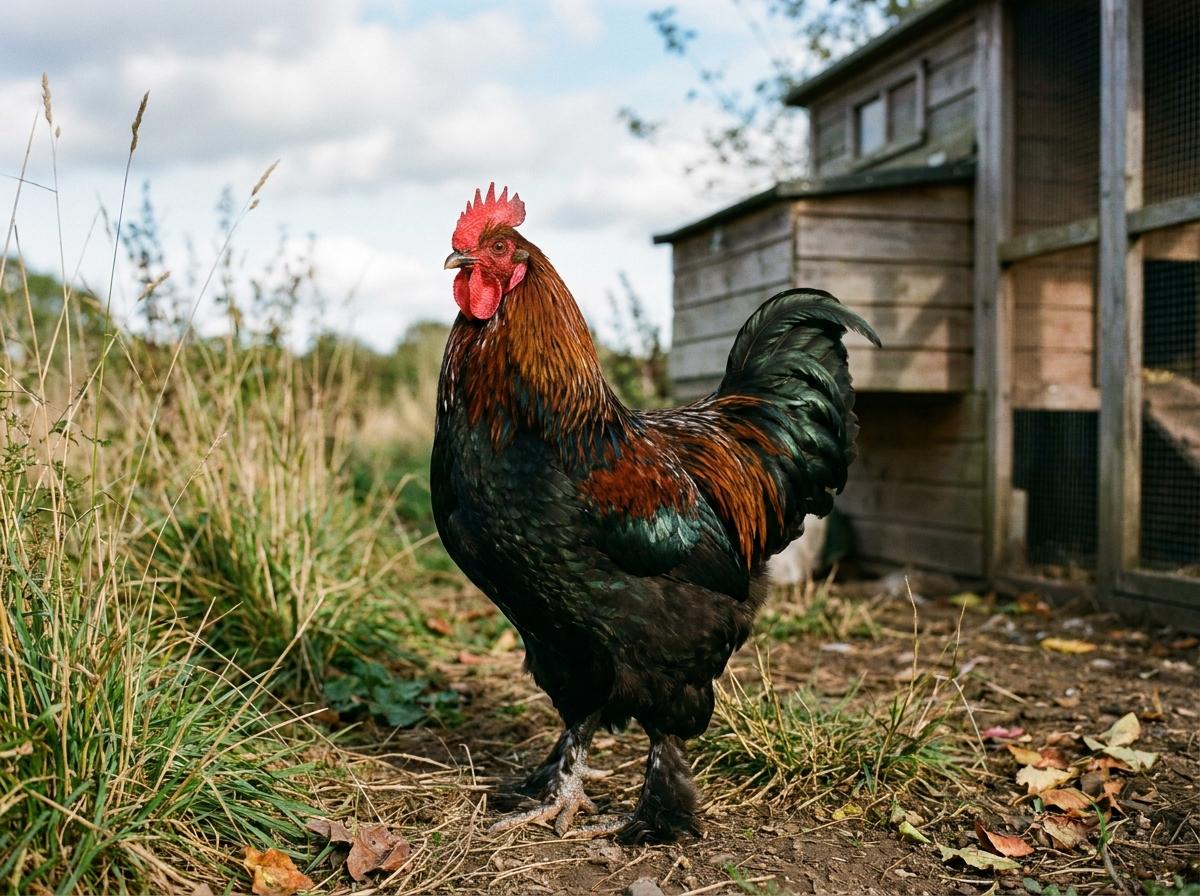
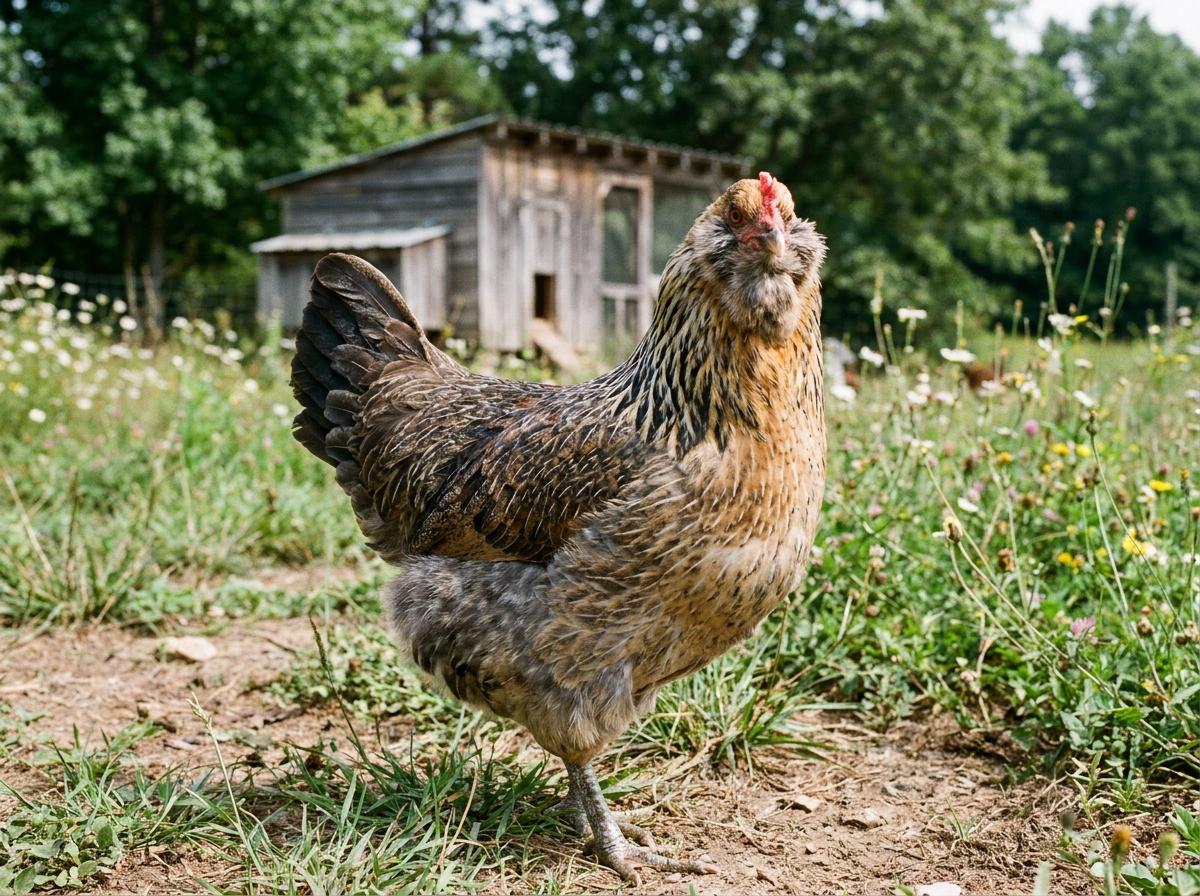
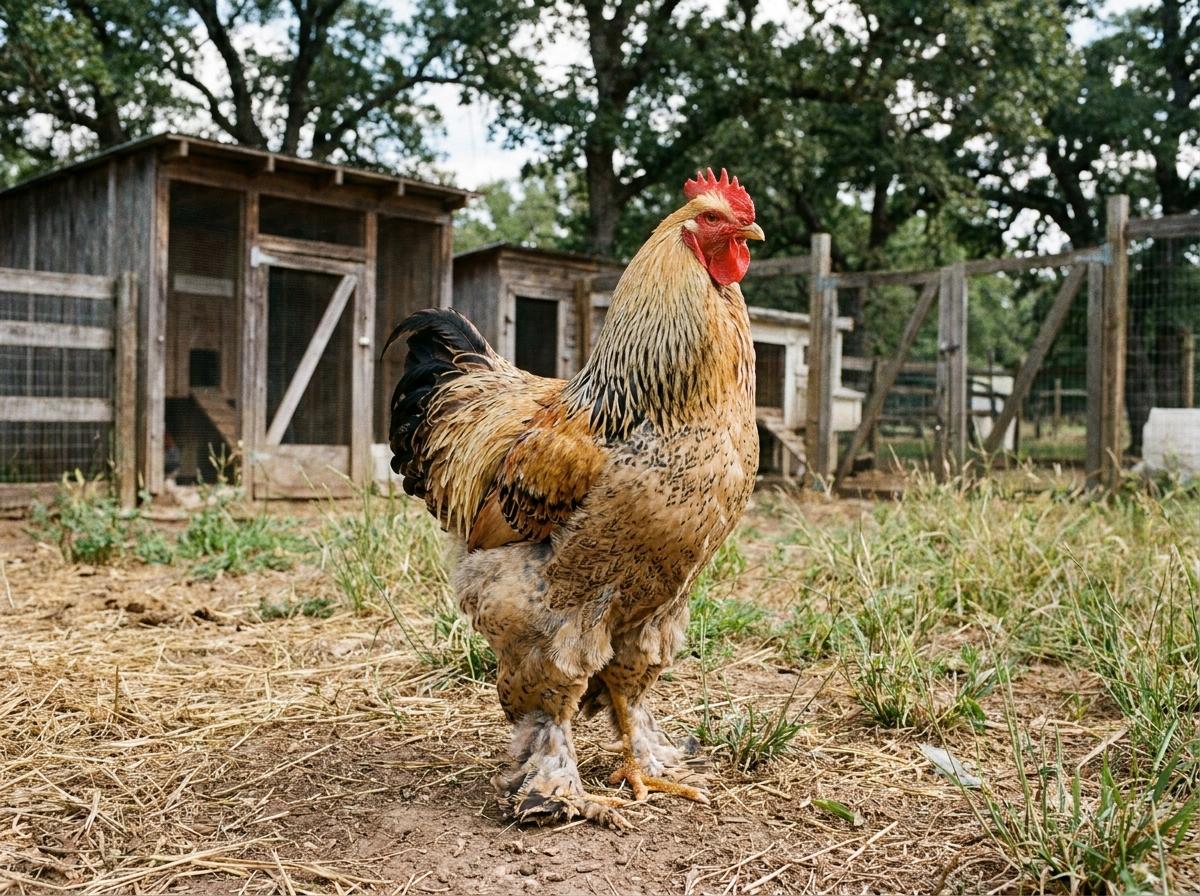
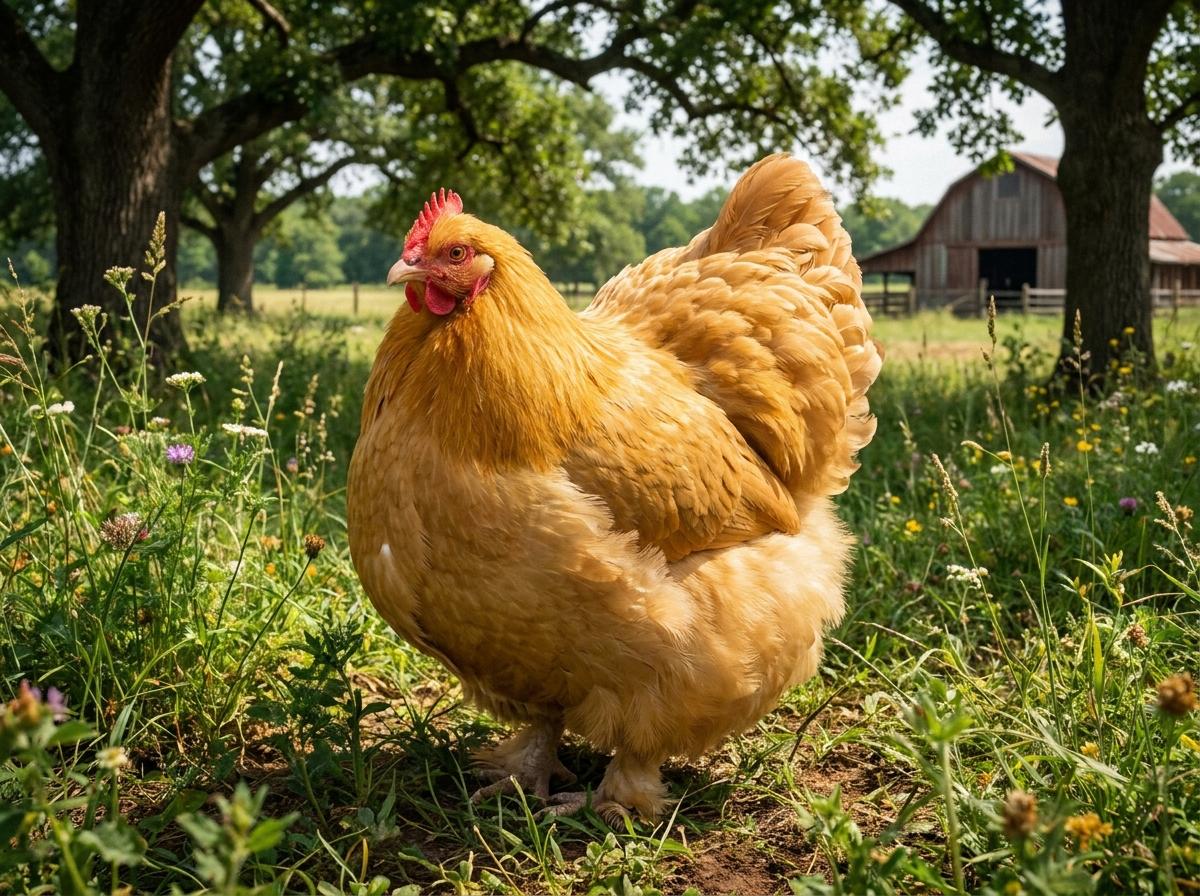
Orpington chickens originated in Orpington, Kent, in the late nineteenth century through the work of William Cook, who promoted a large, useful table and laying bird with clean legs and white skin. The Black Orpington came first, followed by the Buff Orpington and other colors including blue, white, splash and chocolate in some lines. A broad body, deep chest, soft feathering and calm manner define the modern breed, though utility strains and heavily feathered exhibition strains can look and perform differently.
Backyard keepers and small farms use Orpingtons for light brown eggs, occasional brooding and a decent carcass, but they are not as feed-efficient as commercial hybrids. Their size calls for sturdy roosts set low enough to avoid hard landings, and soft plumage stays healthier in dry bedding than in muddy yards. Orpingtons tolerate cool weather well, while hot climates require shade and ventilation. When buying chicks, it helps to ask whether the line was selected for production, exhibition type or general flock temperament.
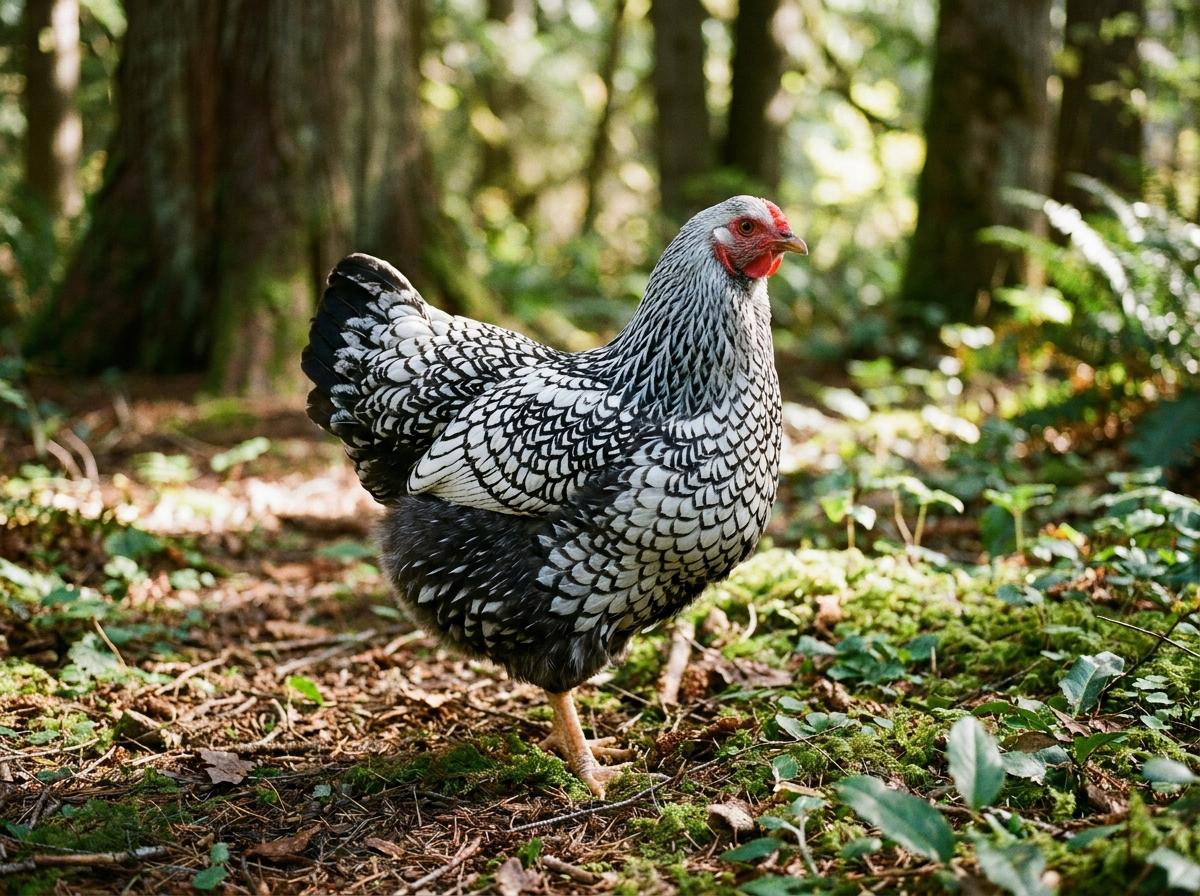
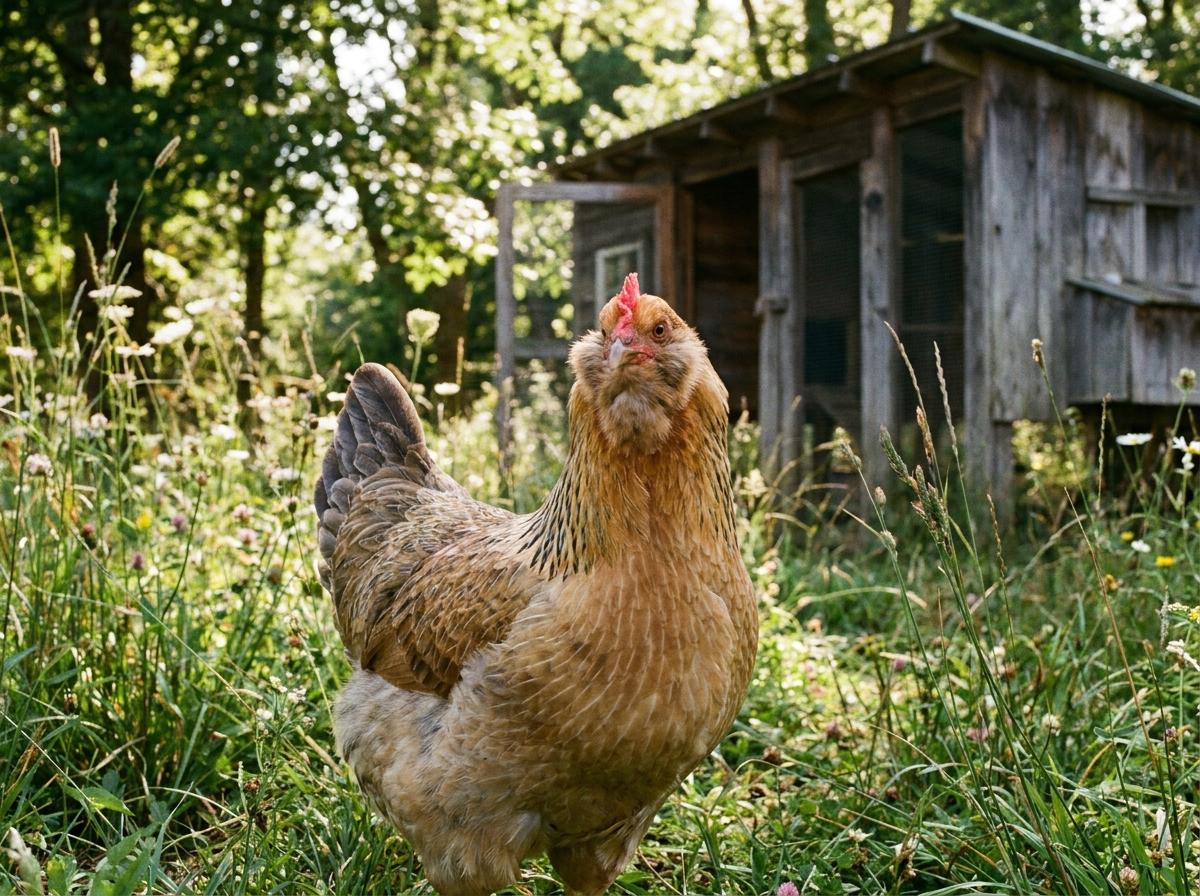
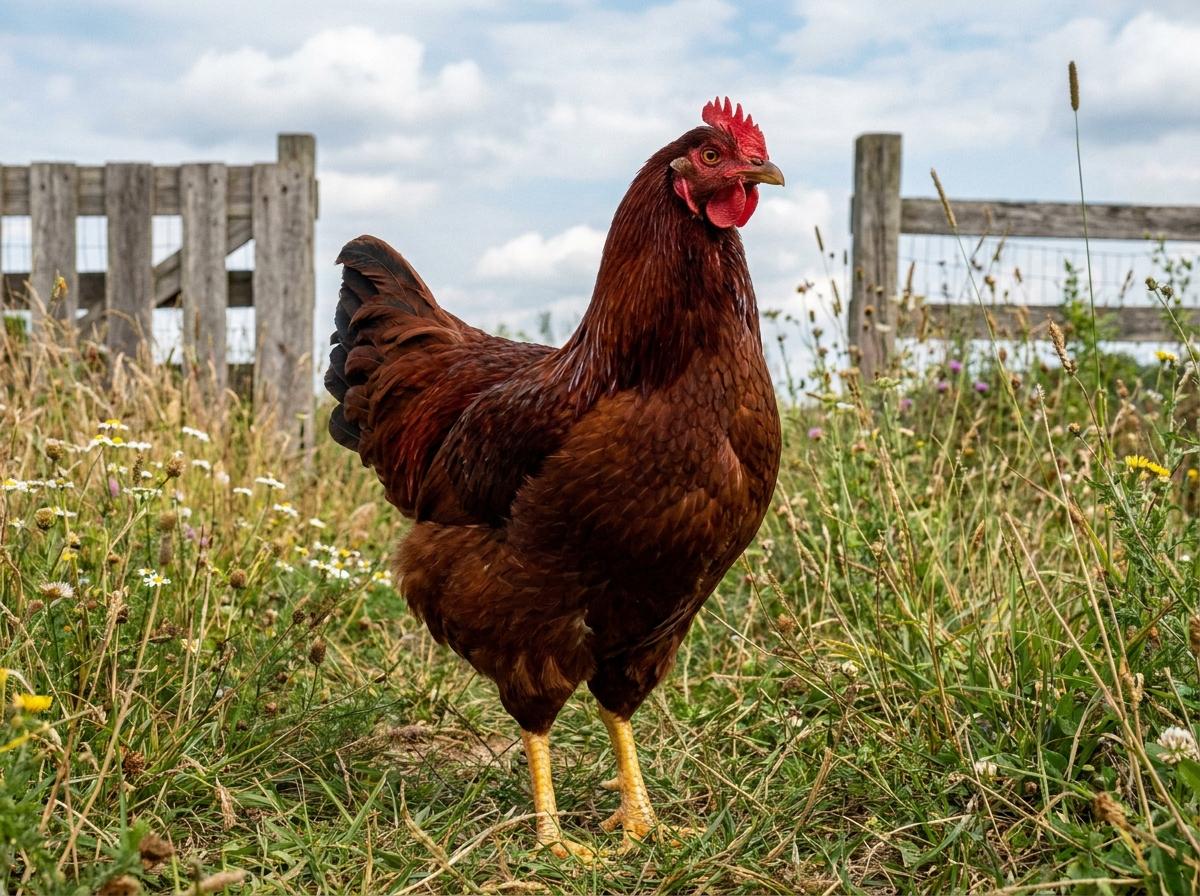
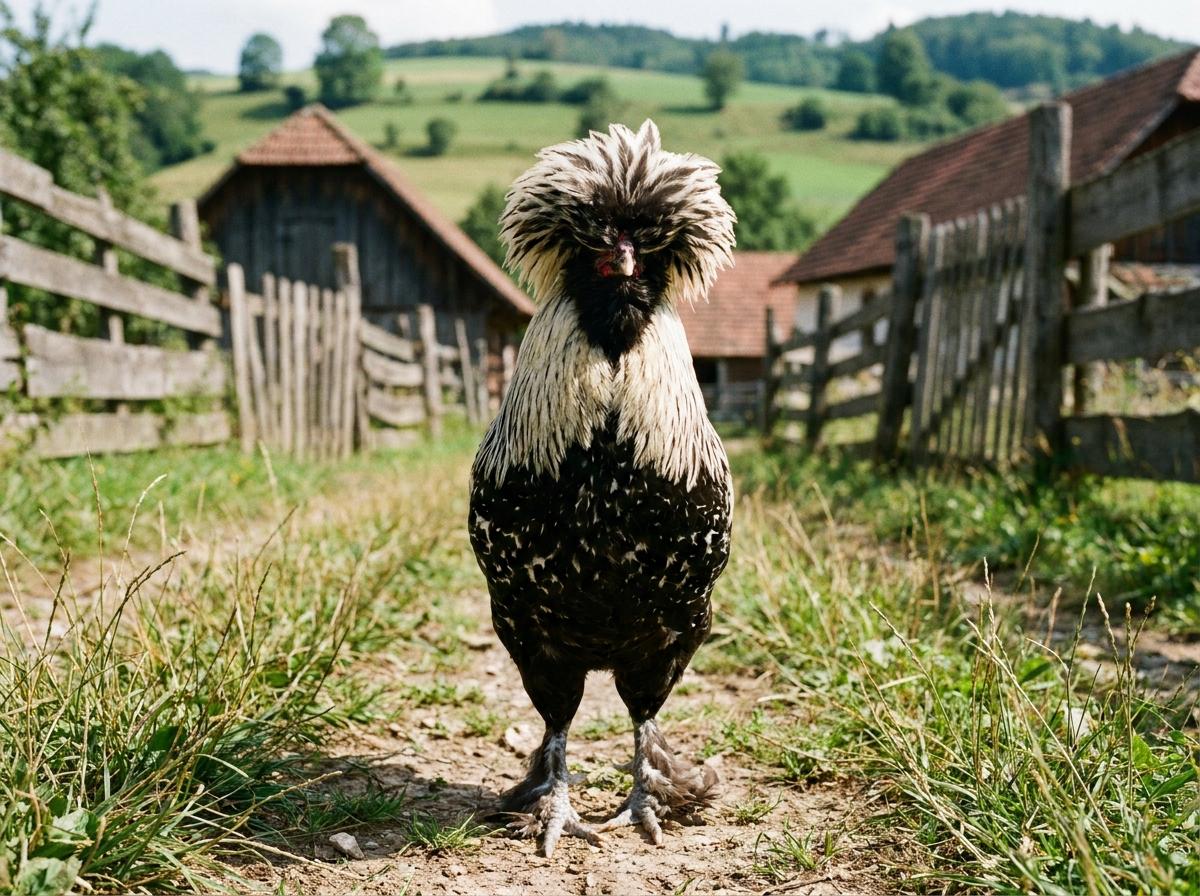
Colors: Barred, Birchen, Black, Blue, Brown, Buff, Chocolate, Columbian, Crele, Cuckoo, Duckwing, Gold, Gold Laced, Laced, Lavender, Mille Fleur, Mottled, Partridge, Penciled, Porcelain, Red, Silver, Silver Laced, Spangled, Splash, Wheaten, White