Calving Season: How to Choose and Set a Beef Herd’s Calving Window
Author: Elliott Garber, DVM · Published
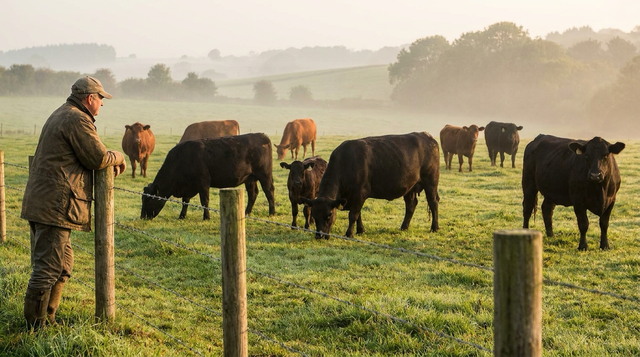
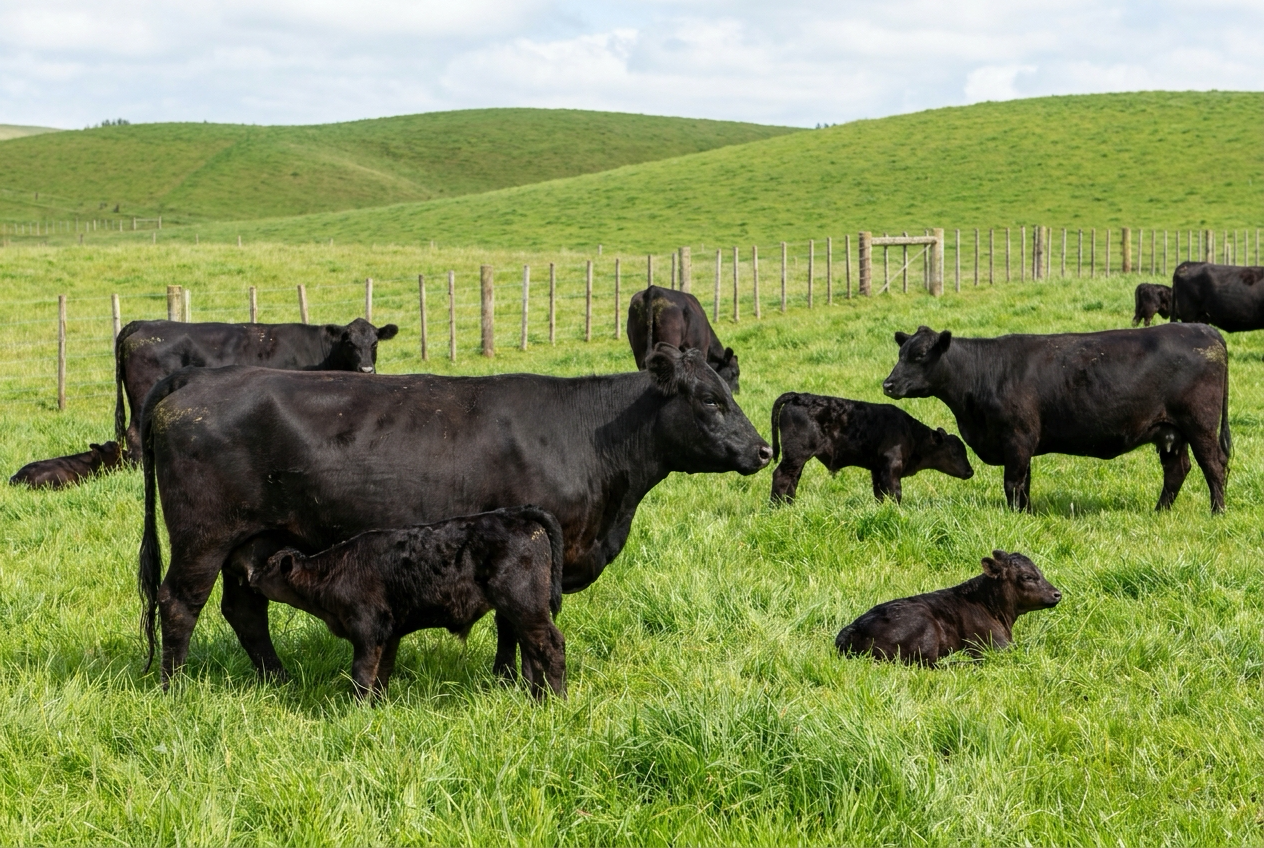
A calving season is the set window in which a beef herd’s calves are born, and you control it by when the bulls go in and when they come out. Extension specialists recommend a defined season of about 60 to 90 days, with most calves on the ground in the first 21 days, and the choice between spring and fall calving comes down to your forage, your weather and when you sell. Work backward from the first calving date you want with the free cattle gestation calculator, which uses a 283-day average and shows a planning window.
Sources checked November 14, 2026. The targets below come from Virginia, Kentucky, Oregon State, Nebraska and Mississippi State extension publications and Canada’s Beef Cattle Research Council. They are planning benchmarks for a commercial cow-calf herd. Vaccination programs, pregnancy diagnosis and any synchronization or treatment plan belong with your herd veterinarian.
Most herds that calve over a long spread do not lack effort; they lack a firm bull-removal date. This guide covers why a tight season pays, how to pick spring or fall, how to set turn-in and removal dates from the calving dates you want, how to tighten a drawn-out season over two or three years, and which records let you measure it. If you also want calving-day signs and when to call for help, the calving a cow guide covers that job. Breed profiles and the rest of our cattle guides start at the Creatures cattle page.
| Season length | A defined 60 to 90 days; many herds aim for about 60 |
|---|---|
| First 21 days | Nebraska suggests 65% or more of the herd calved; Oregon State says 60% |
| Whole herd | Calved by the end of the third 21-day period (about 63 days) |
| Planning gestation | About 283 days for most breeds; Nebraska gives 279 to 287 |
| Replacement heifers | Bred 20 to 30 days before the mature cows |
| Pregnancy check | A set interval after bull removal, method and timing agreed with your veterinarian |
| Spring or fall | Decided by forage supply, weather, labor and when you market calves |
Why a short, defined calving season pays
In Kentucky’s guide to converting from year-round to controlled calving (ASC-263, issued July 2024), University of Kentucky specialists report that more than half of US cow-calf operations have no defined calving season, usually because the bull never leaves the cows. Their case for a controlled season rests on a few practical gains:
- Fair comparisons between cows. You can only judge a cow on her calf’s weaning weight when the calves are close in age. A cow that calves in a feed-short month is not competing on equal terms with one that calves on good grass.
- Better observation at calving. A shorter season lets you watch the herd closely during the weeks that matter, and the Kentucky authors tie that to fewer calf deaths.
- One schedule for the whole group. Vaccinations, working and weaning happen together, and pregnancy testing and culling of open cows become accurate.
- Feeding by stage. Cows at the same stage of gestation can be grouped and fed to their needs instead of feeding the whole herd for the hungriest cow.
- Uniform calves to sell. Groups of similar calves market better than singles, and early calves are simply older. Kentucky reports that calves born in the first 21 days can weigh 30 to 50 pounds more at weaning than calves from the second 21-day period.
The same publication summarizes standardized performance analysis data from 394 ranch observations in Texas, Oklahoma and New Mexico: the longer the breeding season, the higher the cost per hundredweight of calf weaned and the fewer pounds weaned per cow. Leaving the bull out all year worked out to 46 fewer pounds of calf per cow per year than a 75-day season in that data set. Your numbers will differ, but the direction is consistent across sources.
Nebraska Extension’s calving distribution report card adds a longer-term reason: cows calving in the first 21 days are more likely to stay in the herd, and heifers born early make better replacements. The Beef Cattle Research Council notes that year-round calving has reduced returns relative to spring and fall calving in research.
Spring, fall or both: choosing your calving season
There is no single best month. Mississippi State Extension’s calving season publication (P2501) says the decision should rest on site-specific conditions that affect production, costs and returns. Virginia Cooperative Extension lists the same drivers: forage, weather, local feeder calf sales and, in fescue country, the extra breeding trouble endophyte-infected tall fescue can cause spring calving herds.
| Winter feed | Fall calvers are milking through winter and usually need more supplement (Mississippi State) |
|---|---|
| Grass timing | Spring calvers should calve before the spring flush so calves can use the grass (Oregon State) |
| Rebreeding weather | Fall calves should come early enough for cows to rebreed before bad weather (Oregon State) |
| Heat | Calving or breeding in hot summer months is generally not recommended in Mississippi |
| Birth weight | Typically higher in spring than fall in Mississippi State’s review |
| Weaning weight | Fall-born calves tend to wean heavier in the southeastern US |
| Selling | Spring-born calves sell in fall, fall-born in spring; feeder prices often peak in spring |
Fall calving asks the most of your stored feed. Virginia’s authors point out that it means carrying a whole group of lactating cows, with high nutrient demands, through winter on stockpiled forage, stored feed or hay. Spring calving moves that peak demand onto grass but brings cold-weather calving in many regions, which is why Virginia lists avoiding severe cold and winter storms as a reason to choose one season over another.
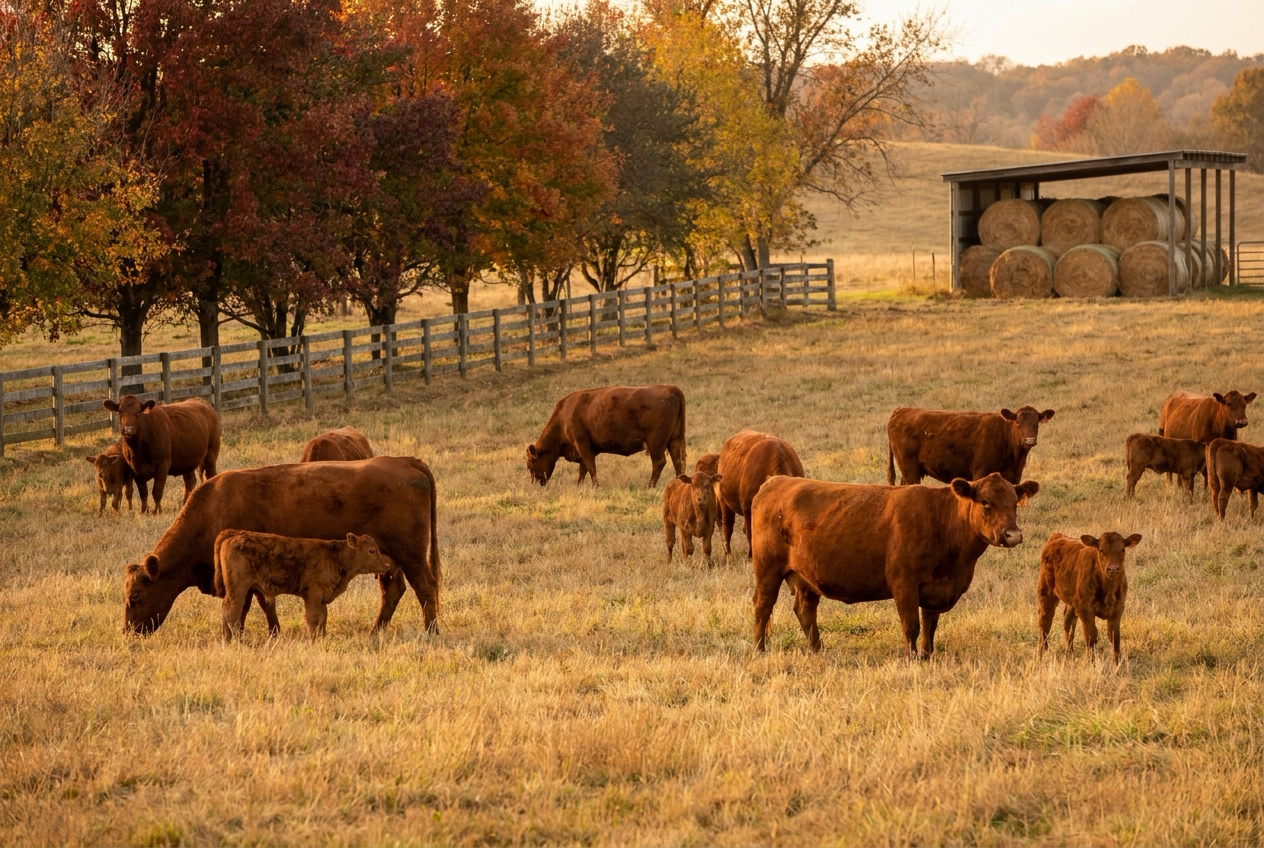
Two seasons. Some herds run a spring group and a fall group. Mississippi State notes this lets you roll a cow that fails to conceive into the other season without losing a whole year, and lets the same bulls work both seasons, as long as their condition is maintained. The cost is two herds at different stages, fed and managed separately for much of the year. Treat the second season as a deliberate choice, not a holding pen for every late cow.
Set bull dates from the calving dates you want
Pick the date you want the first calf, then count back about 283 days to the bull turn-in date. Nebraska Extension gives a gestation range of 279 to 287 days and says 283 is common for most breeds, with bull calves carried slightly longer. Breed matters, so check your breed’s figure and your own herd’s history.
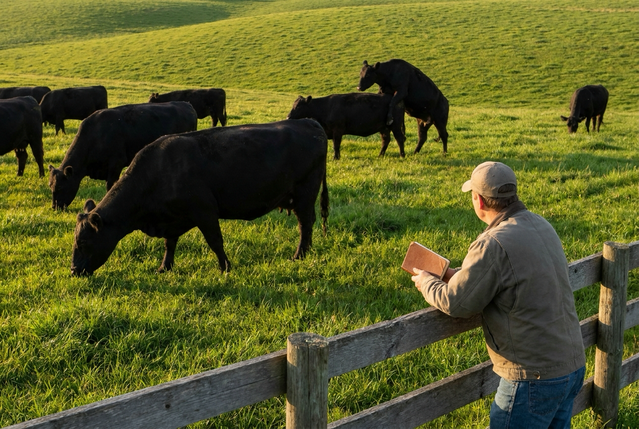
A worked example: to start calving around March 1, put the bulls in around May 22 of the year before. Pull them about 60 days later, around July 21, and the last calves should arrive around the end of April. Virginia’s guidance is simple on this point: remove the bull on the date that matches the end of the calving season you want, and keep to that date.
The cattle gestation calculator does this arithmetic for one breeding date or for an exposure window, which is the honest way to describe pasture breeding where you know when the bull went in and came out but not the day each cow settled. It returns a 283-day estimate and a 275 to 290 day planning window. Highland herds can use the Highland cow gestation calculator. The cow gestation chart explains what shifts the date, and using the gestation calculator walks through both modes.
Heifers go first. Oregon State’s cow-calf management guide says to start breeding heifers 20 to 30 days before the mature cows. That gives you time to watch them through their first calving and gives them a longer recovery before they have to rebreed as two-year-olds. Kentucky’s authors add that most drawn-out calving seasons come from young cows that fail to rebreed on time. The breeding heifers guide covers age, weight and selection for that group.
AI fits the same calendar. If you inseminate, the AI dates set the front of the season and cleanup bulls follow. A known insemination date gives a sharper due date than pasture exposure. The cattle artificial insemination guide covers heat detection and timing, the cow heat cycle guide explains the 21-day rhythm behind the 21-day calving periods, and the cattle AI cost guide helps you budget it. Synchronization protocols are a veterinary decision.
Health work comes before turn-in, not at calving. Kentucky’s plan says vaccination against diseases that cause abortion needs to happen at least 60 days before the breeding season, and that cows should be fed to hold or gain a little body condition. Set the actual program with your veterinarian; the cattle vaccination schedule explains the stages.
Tightening a long calving season
You do not fix a 200-day spread in one year. Kentucky describes moving from year-round to controlled calving as normally a two-year process; the Beef Cattle Research Council suggests converting slowly over about three years. The common steps:
- Write down every cow’s last calving date. This is the starting record. Without it you cannot sort the herd.
- Split the herd if you need to. In Kentucky’s example, cows calving July through December became the fall group and January through June the spring group.
- Flag the problem breeders. Kentucky lists first-calf heifers, any cow that calved within 45 days of the start of the breeding season, and thin cows. Oregon State notes it is generally 45 to 60 days after calving before a cow shows heat again, so a cow that calves late has little time to rebreed early.
- Feed the thin ones. Kentucky advises separating cows that calved thin (body condition below 5) and supplementing them through at least the first 30 days of the breeding season.
- Set a firm removal date and pregnancy check after it. Cull or reassign open cows rather than carrying them into another long season.
- Shorten the season again next year. Each year’s bull-removal date moves earlier until you reach your target window.
Kentucky’s integrated resource management data from farms that followed this stepwise plan showed a 6% improvement in pregnancy rate and about 150 more pounds of calf weaned per cow exposed. Treat those as the results on those farms, not a promise for yours.
Before the first calf arrives
Most of the work that decides how calving goes is done weeks earlier.
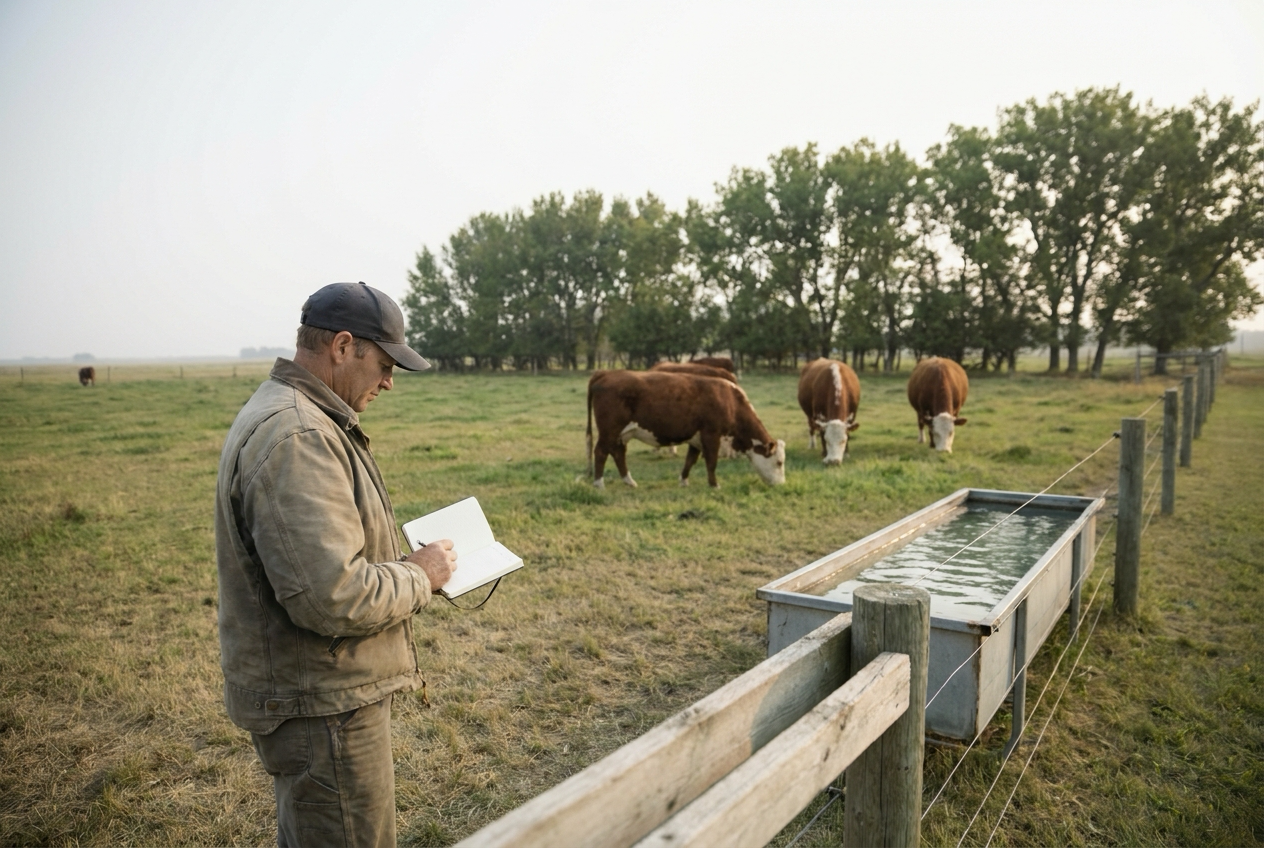
- Body condition. Oregon State says cows should not enter lactation in poor condition and recommends holding mature cows at a body condition score of 5 and heifers at 6 through lactation. Thin cows at calving are slow to rebreed, which is how a season stretches.
- Clean calving ground. The Beef Cattle Research Council describes moving pregnant cows onto clean ground to calve, leaving pairs behind as they calve, as a practical way to reduce scours. Plan the pasture rotation before calving starts.
- A calving list by due date. Sort cows and heifers by expected calving window so the heifers, who need closer watching, are near the yard.
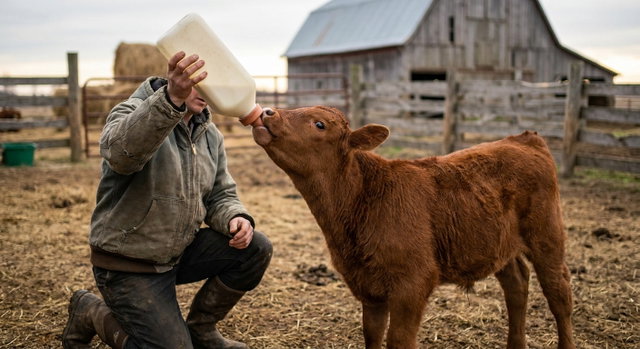
- Supplies and contacts. Check lights, the calving pen, tags, scales and the after-hours veterinary number. The calving a cow guide lists the signs of labor and the points at which a cow or heifer needs help, and the bottle-feeding a calf guide covers a calf whose dam cannot feed it.
What to record during calving season
Calving season is where most herd records start. Kentucky’s whole case for a defined season rests on comparing cows by their calves, and that only works if each calf is written down the day it arrives. For each birth, record:
- calving date, and time if you saw it
- dam ID and the sire, or the possible sires if two bulls ran together
- calf sex, ID tag and birth weight if you weigh at birth
- whether the cow or heifer needed help, and anything unusual
- calves born dead or lost, with the date
The cattle ear tags guide covers numbering systems with year letters, and the cattle record keeping guide shows the full breeding-to-sale file.
Measure your calving distribution. Nebraska Extension defines it as the percentage of calves born in each 21-day period of the season. Start the first period either 285 days after bull turn-in on the mature cows or on the day the third mature cow calves, and use the same method every year. Count the calves in days 1 to 21, 22 to 42, 43 to 63 and after 63, divide each by the total calves born, and multiply by 100. If too many calves land in the third period or later, Nebraska suggests looking at nutrition and herd health before blaming the bull. Note that Nebraska’s 285-day convention for this calculation differs from the 283-day planning average; both are conventions, so pick one and stick with it.
| Days 1 to 21 | 65% or more (Nebraska); 60% (Oregon State) |
|---|---|
| By day 45 | 80% (Oregon State) |
| By about day 60 to 63 | 100% of the herd (Nebraska, Oregon State) |
| Whole crop | 95% within a 60-day period (Virginia) |
Birth weights also start each calf’s growth history. The calf growth chart guide shows how to read the trend through to weaning, and the free cattle weight calculator gives a tape estimate when you cannot get cattle on a scale. Keep estimates labeled as estimates.
After the season: pregnancy check and next year’s dates
Virginia and Kentucky both suggest pregnancy checking all cows and breeding-age heifers about 60 days after the bulls come out. Oregon State notes that testing 35 to 45 days after the breeding season reduces costs, that palpation and ultrasound can detect pregnancy earlier than that, and that blood tests in lactating cows should wait until well after calving to avoid a false positive. Which method and when is your veterinarian’s call; the cattle pregnancy check guide compares the options.
Use the result to set next year’s herd:
- Open cows. Virginia’s advice is to cull cows confirmed open after bull exposure. In a two-season herd, Mississippi State notes an open cow can be rolled to the other season instead.
- Late-bred cows. A cow bred in the last cycle will calve late again next year. Decide now whether she stays.
- Replacements. Virginia, citing research by Cushman and colleagues, notes that heifer calves born in the first 21 days go on to wean heavier calves and stay in the herd longer, so the calving dates you recorded become your selection list.
- Weaning. Uniform calf ages make one weaning date work for the whole group. The weaning calves guide covers methods and timing.
Running calving season on Creatures
Creatures is where you keep the breeding, pregnancy and calving records for each cow, so the dates above turn into due dates, reminders and a calving list instead of a notebook you rebuild every spring. Here is how the season maps onto it.
Before turn-in. Add your cows, heifers and bulls as animal profiles. For pre-breeding and pre-calving routines that are not tied to one pregnancy, such as herd vaccinations, build a care plan; Care includes curated starters such as a cattle breeding preseason routine and estrus synchronization protocols for cows and heifers, which you adapt with your veterinarian. Breeding and reproductive care protocols explains them.
At turn-in. Record a breeding on each cow: artificial insemination or natural mating, the sire (a bull on Creatures, or a typed name if he is not), and the service start and end dates for pasture exposure. With “Track due date and reminders” on, she gets a projected due date and window. For a whole group with the same bull and dates, record breedings for several animals at once saves one breeding per cow in a single pass. Recording a breeding covers the single form.
Through gestation. The breeding dashboard lists every tracked pregnancy with its due date, marks Due soon and Overdue, lists open cows of breeding age so you can see who has no breeding recorded, and shows projected pregnancy-check reminders. When checks come due, your Today page can fold them into one row so you record each cow as Pregnant, Open or Not sure in one sitting. Marking a cow Open offers to end that breeding, and for cattle it can also remind you to rebreed on her next expected heat. Breeding and reproductive care protocols shows the batch results form.
Your calving list. Download a birth schedule for your herd produces a calving schedule as a PDF or a spreadsheet and asks who the copy is for. Your copy includes private breedings and checks for you and your team; Shared copy lists public records only, so choose it for a buyer, your vet or a registry. The PDF groups cows by the month each is due, with her bred date, sire, status (such as Bred or Confirmed by ultrasound) and due window, blank columns to write calving details on the printout, and a chart counting due dates by week. The spreadsheet adds columns such as tag, breeding method, and the pregnancy check result and method. The weekly chart is a quick read on how tightly your projected due dates bunch up; it counts due dates, not the calves that actually arrive, so compare it with your recorded calvings after the season.
At calving. Choose Record calving on the cow’s Breeding tab to enter the date, born-alive and stillborn counts and the calves, which become their own profiles linked to dam and sire. Recording births and creating a litter shows the fields. Birth and weaning weights go on each calf as measurements; weigh or measure a whole group at once handles a pen of calves in one form. If you are starting mid-herd, add past births to your herd’s history fills in older calvings so each cow’s record is complete.
What is free and what needs an account: the gestation and weight calculators and the cattle pedigree chart maker work without signing in. The add-record form opens for visitors, and a free account saves it. The breeding dashboard, herd breeding, Today and the calving schedule are for signed-in members. Creatures keeps your records; it does not calculate a calving distribution percentage for you, so use the recorded calving dates and the Nebraska method above.
Frequently asked questions
What is the best calving season?
The one that matches peak cow nutrient demand to your best feed, avoids your worst weather and fits when you sell. Mississippi State and Virginia extension both say the answer is site-specific. Spring calving uses grass for lactation; fall calving often weans heavier calves in the Southeast but needs more winter feed.
How long should a calving season be?
Extension sources recommend a defined 60 to 90 days, and 60 to 65 days of bull exposure is common according to Nebraska Extension. Virginia’s target is 95% of the calf crop born within 60 days.
When should I put the bull in?
About 283 days before the first calving date you want. For heifers, start 20 to 30 days earlier than the cows. The cattle gestation calculator gives the date and a planning window.
What percentage of cows should calve in the first 21 days?
Nebraska Extension suggests 65% or more; Oregon State uses 60% in the first 21 days, 80% by 45 days and all by 60 days.
Can I switch from spring to fall calving?
Yes, but plan it over more than one year and expect cows that are late in one season to be moved or culled. Kentucky describes the change from year-round to controlled calving as a two-year process, and a running two-season herd lets you roll open cows to the other group.
Why do young cows stretch the calving season?
A first-calf heifer takes longer to start cycling after calving and is still growing. Kentucky’s authors say most extended calving seasons come from two- and three-year-old cows that fail to rebreed in time, which is why heifers are bred ahead of the cows.
Do this next on Creatures
Set up the season so every cow’s breeding, check and calving lands in one record.
- Add your cows and bulls with their tags and breed so breedings and calves link to the right animals. Guest signup can start in this flow. Adding an animal shows the fields.
- Record a breeding with the bull or AI sire and the exposure dates to get a projected calving window. This opens for visitors; a free account is needed to save it. How to add a record explains the form.
- Create your ranch profile so the herd, and the people who work it, sit under one operation. Getting listed in the breeder directory explains the public profile.
- Save a cattle listing search if you are looking for replacement heifers or a bull for next season, and get email alerts when matching animals are listed. Saved searches and your watchlist explains the alert.
- Browse cattle listings to compare breeding stock that is available now. What is listed changes from week to week.
- Browse the breeder directory to find cattle programs rather than a single animal.