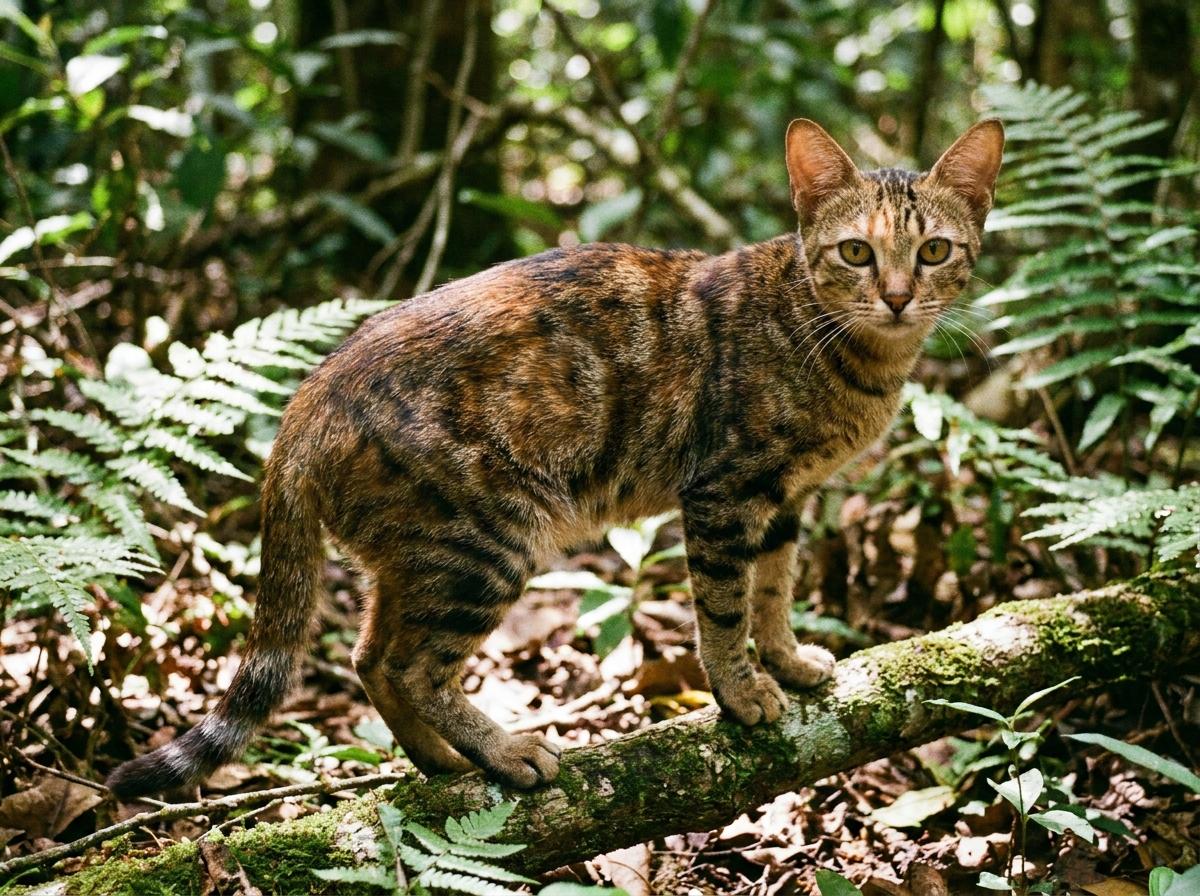
Sokoke
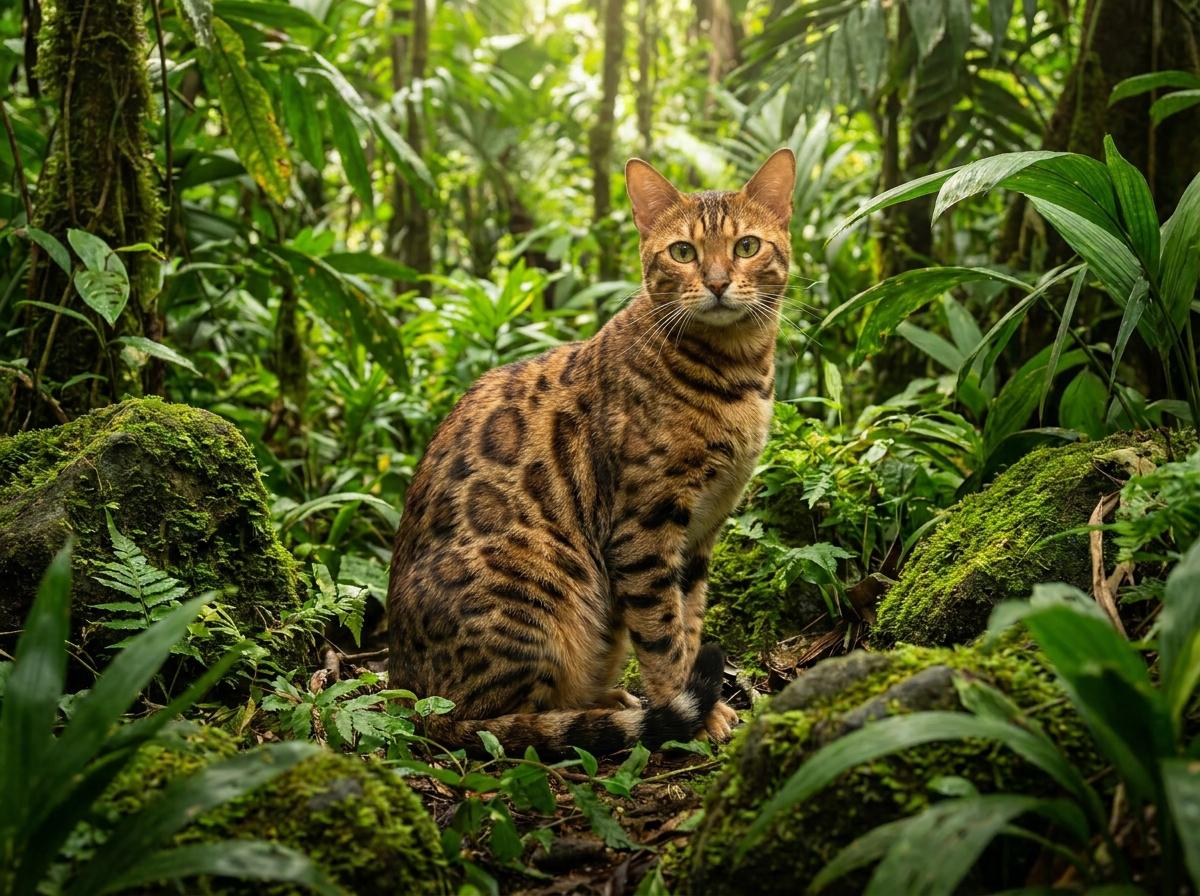
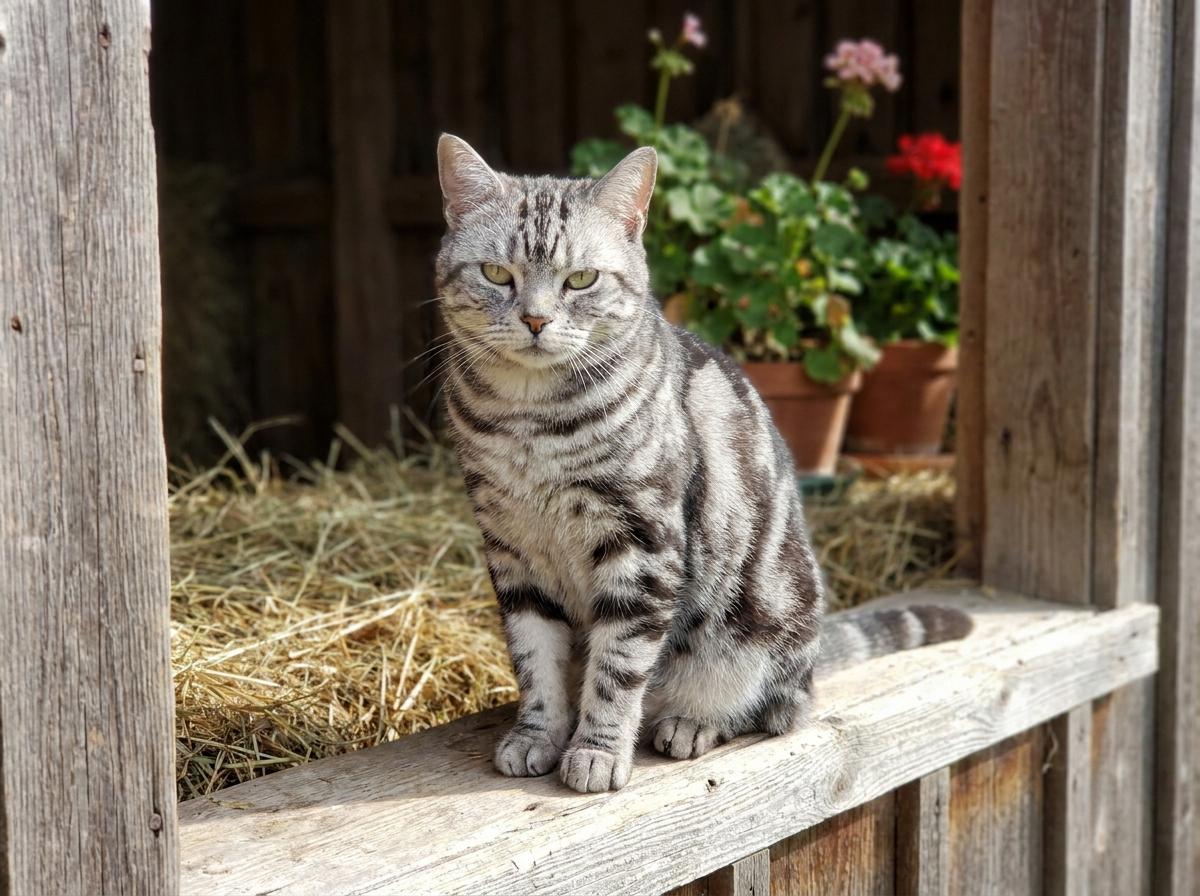
The Sokoke is a lean, shorthaired domestic cat associated with coastal Kenya and recognized by FIFe. Its brown tabby pattern has a distinctive marbled, wood-grain look, but coat pattern alone cannot prove a pedigree. The practical buyer question is who registered the kitten and what is known about its parents. Start with the cat breed index, then compare a documented Sokoke with other active breeds.

| Origin | Kenyan domestic cat population developed into a pedigree breed |
|---|---|
| Registry | FIFe recognized since 1994 |
| Coat | Short brown tabby with a distinctive modified classic pattern |
| Build | Lean, long-legged and athletic |
| Buyer focus | Pedigree, breeder records and an individual kitten’s social behavior |
Browse listings, public profiles, breeders, or add your animal.
What the name means
The FIFe breed page calls the Sokoke a natural breed of domestic cat developed and standardized since the late 1970s. FIFe recognized it in 1994. That history is more useful than vague claims that the cat is “wild.” A Sokoke is a domestic cat, and the pedigree is what ties an individual animal to the recognized breeding population.
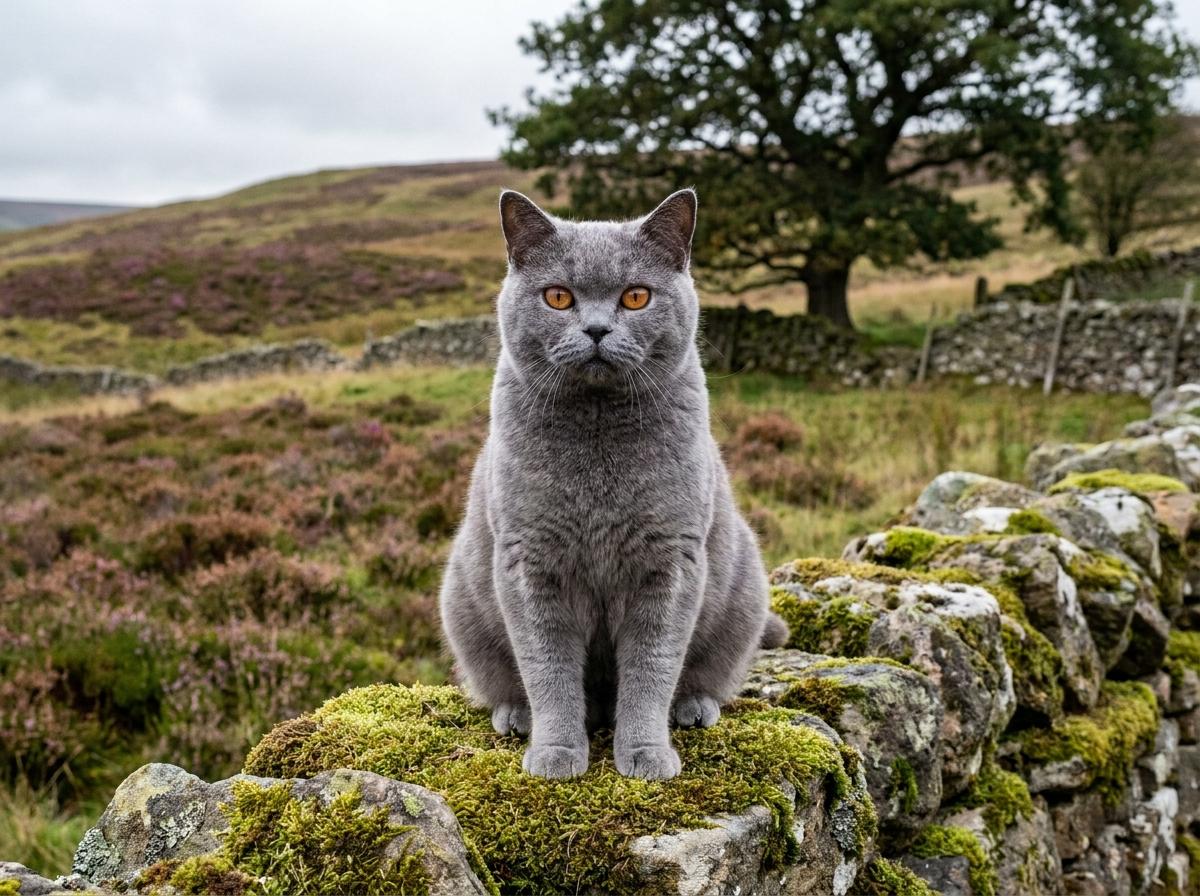
The FIFe standard focuses on the cat’s overall type and its pattern, including agouti hairs in dark-looking areas that give the coat its special appearance. The coat is short and close. A brown classic-tabby shelter cat may look similar; treat resemblance as a reason to ask questions, not proof of ancestry. Compare the fine ticking of an Abyssinian and the plush blue coat of a British Shorthair to see how different these breed signatures are.

Temperament and an active home
The standard describes physical type, not a promise that every Sokoke behaves alike. Plan for an athletic cat: stable vertical space, scratchers, interactive play and a quiet retreat. A breeder should be able to tell you how an individual kitten reacts to handling, visitors and change. Watch the kitten explore on the floor and return to rest. Ask about ordinary household sounds and what early social experiences it has had.
A new cat should not be pushed into the entire house on the first day. Start with a secure room, a litter box away from food, water, hiding space and a scratching post. Open more rooms as the cat eats, grooms and uses the box reliably. A vet can tailor diet, parasite prevention and any care questions to that animal.
Coat, health and documentation
A short coat is relatively simple to maintain: gentle brushing, a periodic check of the skin and nails, and attention to body condition. Avoid promising that a rare breed is free of inherited problems. Ask for the parents’ veterinary records, any tests the breeder claims, vaccination history and a written agreement describing the kitten. The paperwork should state its registered name and number when available.

The cat cost guide helps separate the one-time acquisition price from recurring food and veterinary costs. The Maine Coon buyer checklist explains how to evaluate records and seller transparency across pedigree breeds. Because rare-breed supply can be sparse, a saved search is more honest than suggesting that a Sokoke kitten will be available this week.
If you are documenting a Sokoke you already own, start an animal profile for identification, photos and veterinary records. The free cat pedigree chart maker can lay out a three-generation family from records you have. Keep the original registry certificate too; your own chart does not replace it.
From Kenya to a recognized breed
The FIFe Sokoke history describes a domestic population associated with Kenya’s Sokoke forest, a breeding effort beginning in the late 1970s, imports to Denmark in 1983 and recognition in 1994. That specific development path is why a marbled tabby coat alone cannot establish a Sokoke pedigree. Ask for the issuing registry and parent identities.
FIFe’s breed standard describes the agouti hairs even in the dark-looking parts of the pattern, giving the coat its distinctive shaded effect. Inspect that pattern in daylight and compare it with the registered family record. FIFe also describes an active, social cat, so ask how the individual responds to people and climbing opportunities rather than assuming rarity means a shy pet.
Frequently asked questions
Is the Sokoke a wild-cat hybrid?
No. FIFe describes a natural domestic-cat breed developed into a recognized pedigree population. A marbled coat does not show wild ancestry.
Can I identify a Sokoke from a photo?
Not reliably. A photo can show a compatible pattern and build, while pedigree documents establish whether a cat belongs to the registered breed.
Does a rare breed automatically cost more to keep?
Routine food, enrichment and veterinary needs still determine much of the long-term budget. Ask for a written price and make a care budget before paying a deposit.
Do this next on Creatures
Keep the questions you asked the breeder and the records you receive in one place. Use the actions that fit where you are in the decision.
Watch for a listing. Set a free Sokoke listing alert; supply may be thin, and the guest flow can start with email. See saving searches.
Compare what is available. Browse current Sokoke listings and the public breeder directory. A directory listing is a lead, not a health guarantee.
Start the cat’s history. Add your Sokoke, then follow the animal profile guide.
Keep the evidence. Add a health or identification record. The sheet opens for visitors, and a free account is needed to save. The record guide explains the flow; health records covers veterinary details.
Breed responsibly. If you are a breeder, create a cattery profile and read how directory listings work.
Compare breeds and plan care. See the cat breed index and care reminders for follow-ups.