


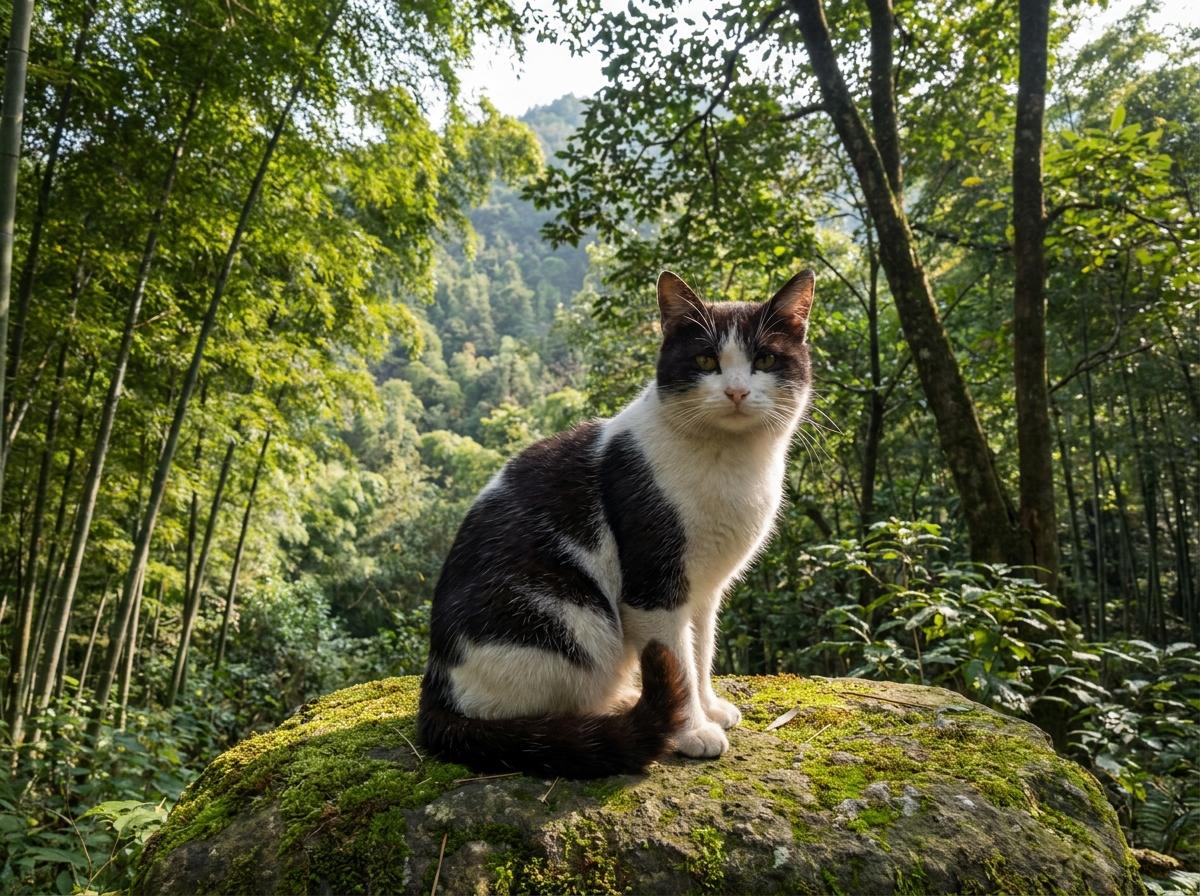
Jianzhou Cat
The Jianzhou cat is a rare landrace cat from Jianzhou, the old name for Jianyang in Sichuan, China, known in regional tradition as the “four-eared cat” (Si Er Mao). It does not actually have four ears. Historical and local descriptions report an overlapping or inflected outline to each outer ear, enough to read as a second smaller pair at a glance, and that reported quirk, together with a long reputation as an elite mouser, is what earned the cat its place in Sichuan gazetteers and, in regional tradition and later cat literature, a reputation as an imperial tribute animal. It is not a standardized show breed, it is not recognized by any international cat registry, and outside its home county it is genuinely hard to find. This page covers what the cat is, where the “four ears” story comes from, what the historical record actually says, how the mousing lore holds up against modern feline biology, and what to keep in mind if you think you have met one.
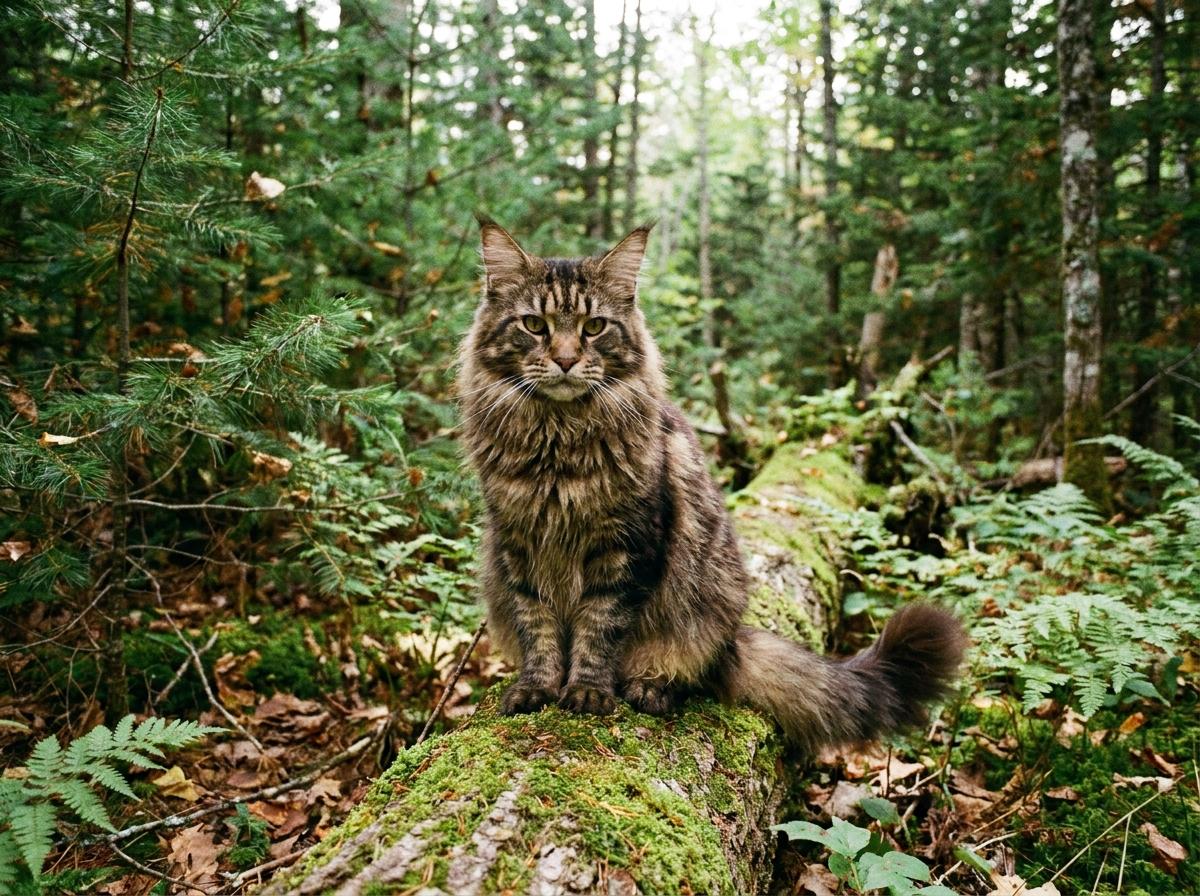
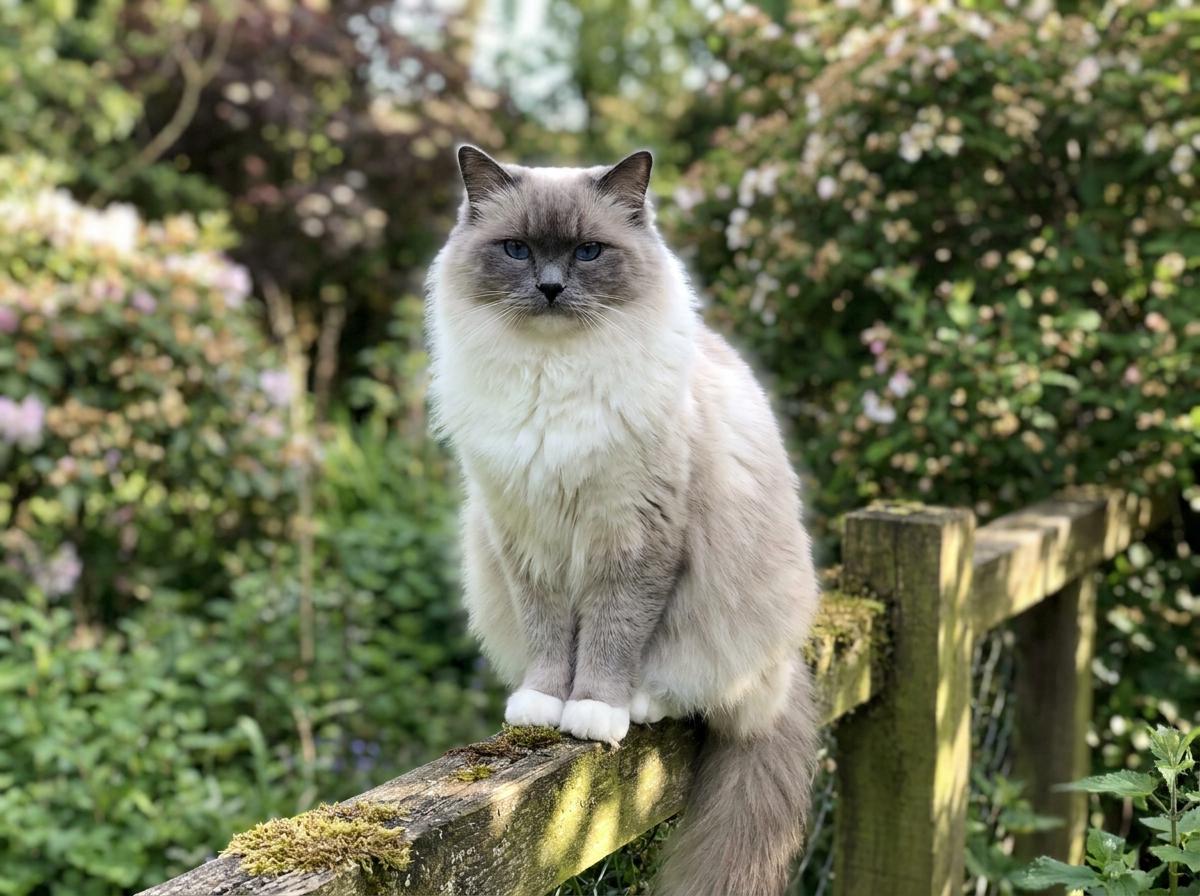
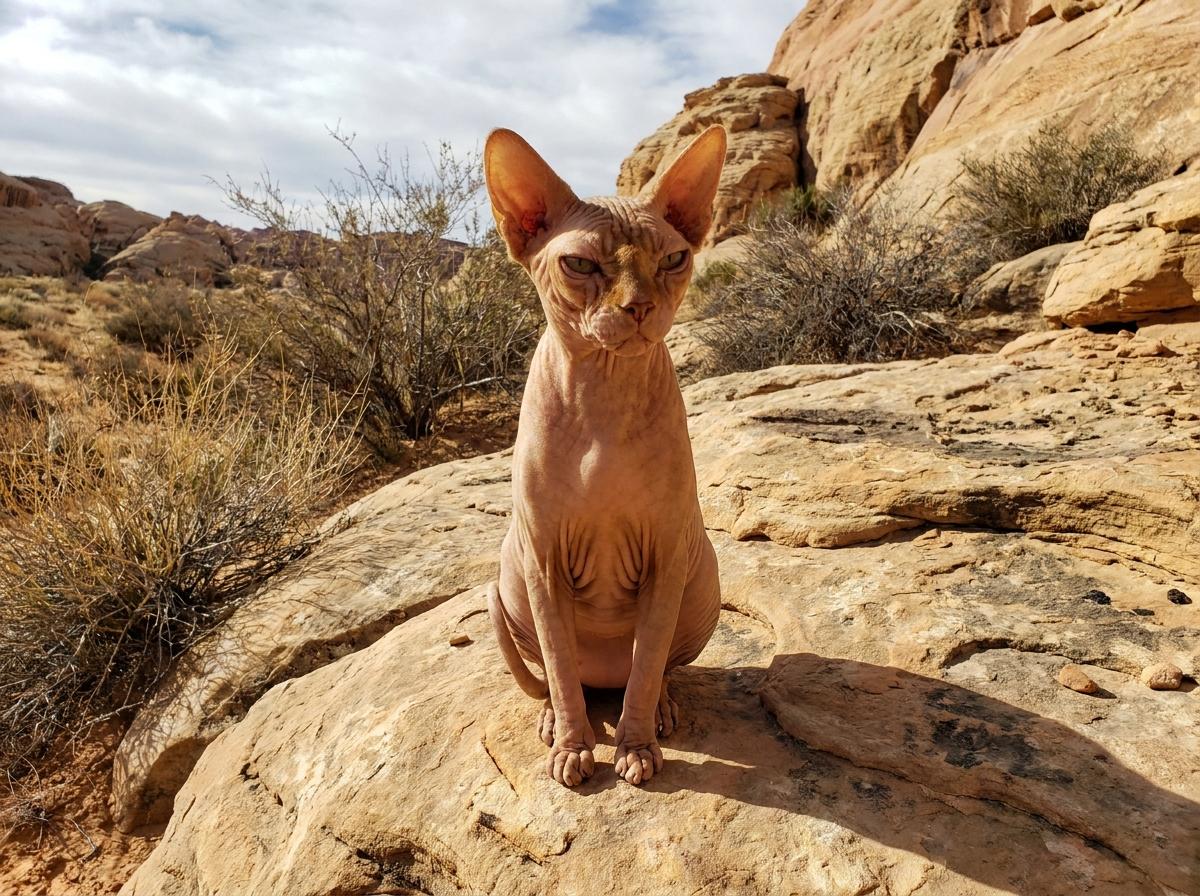
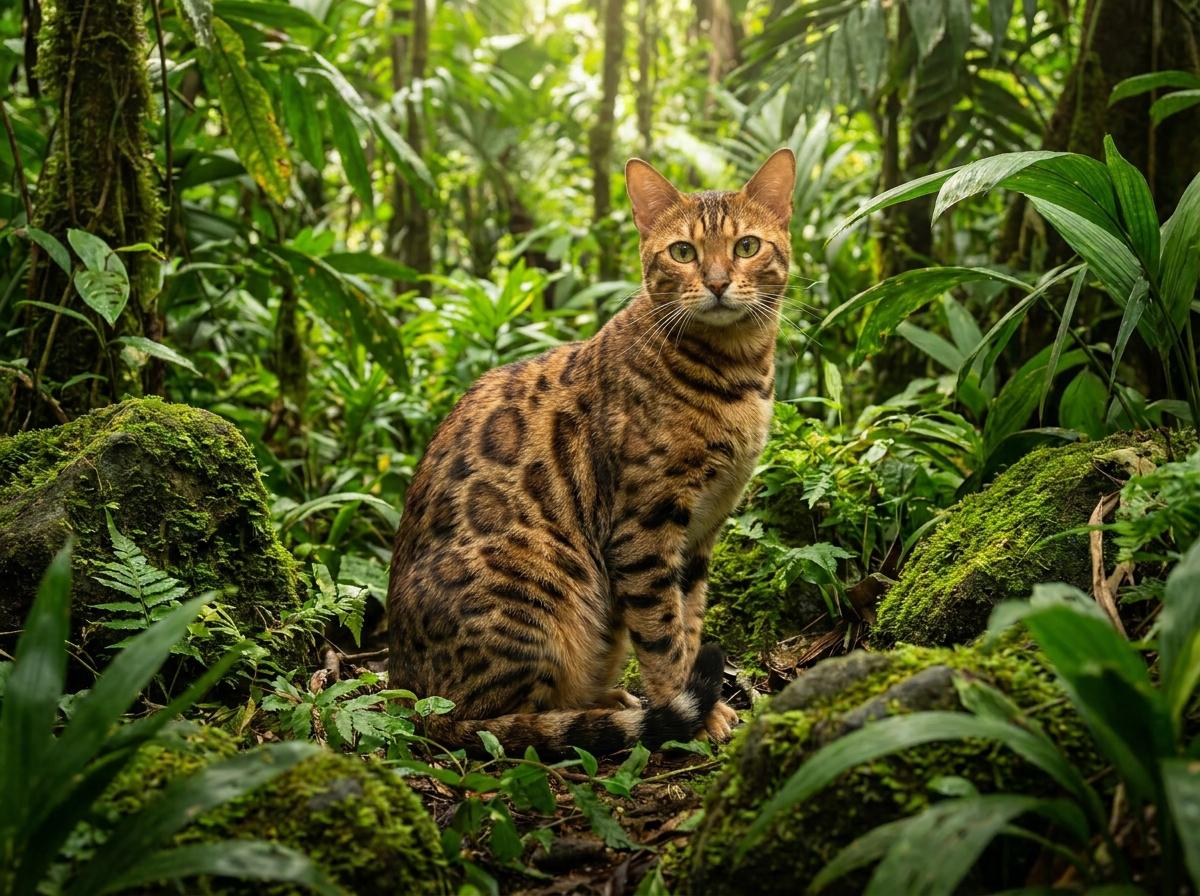
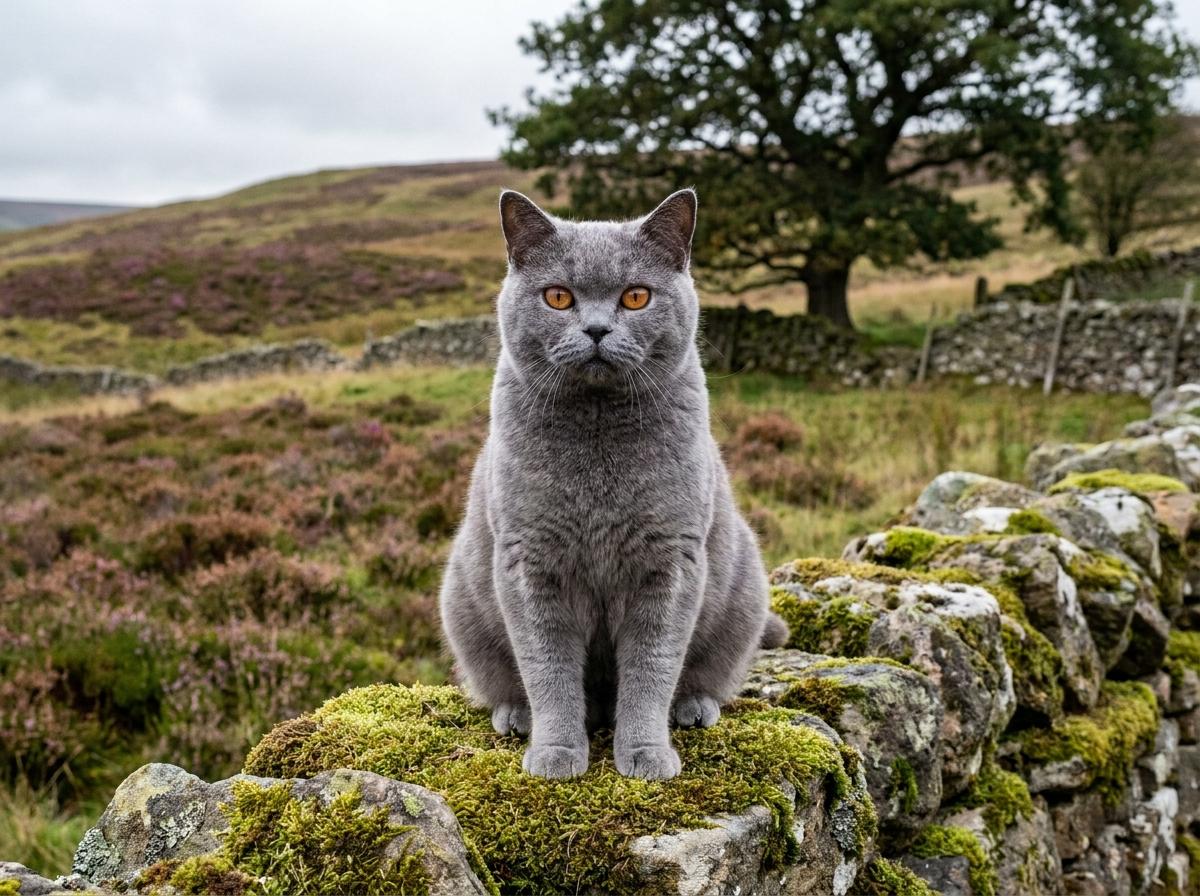
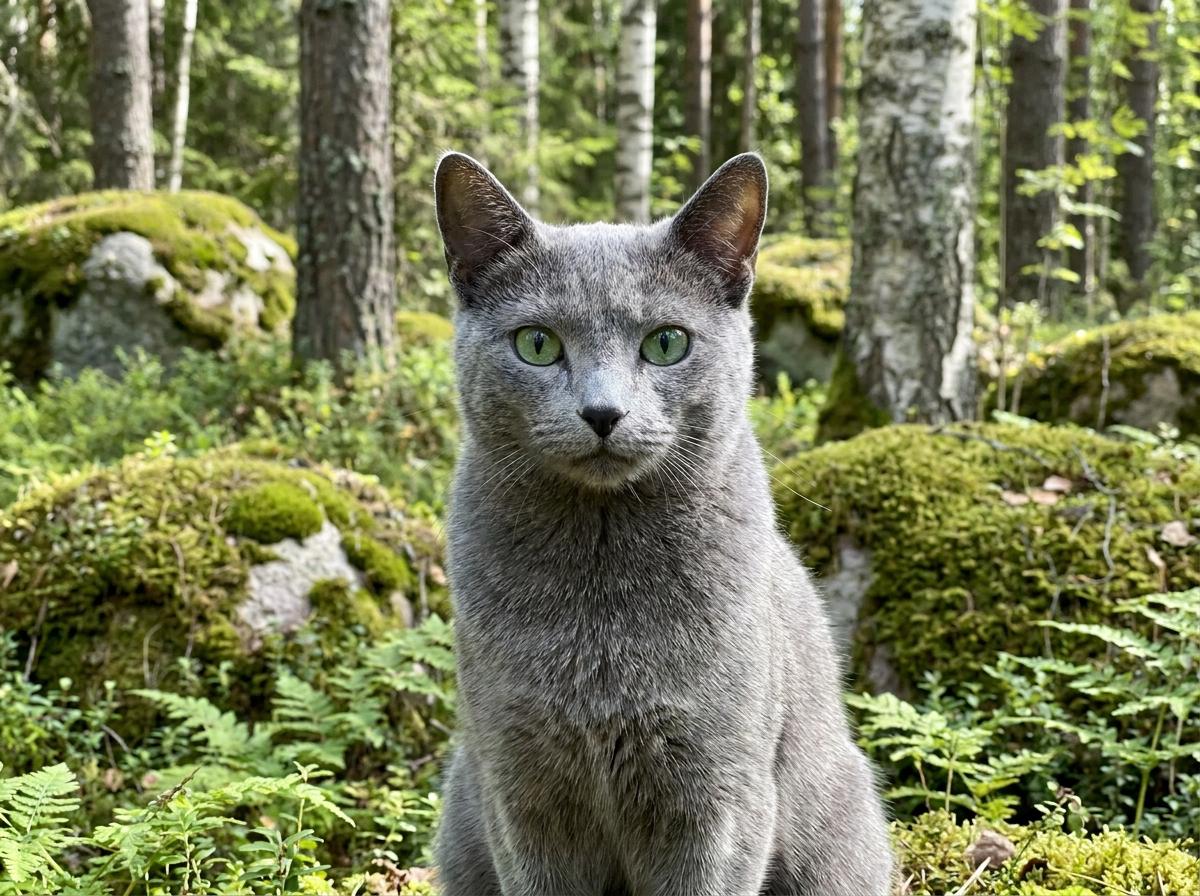
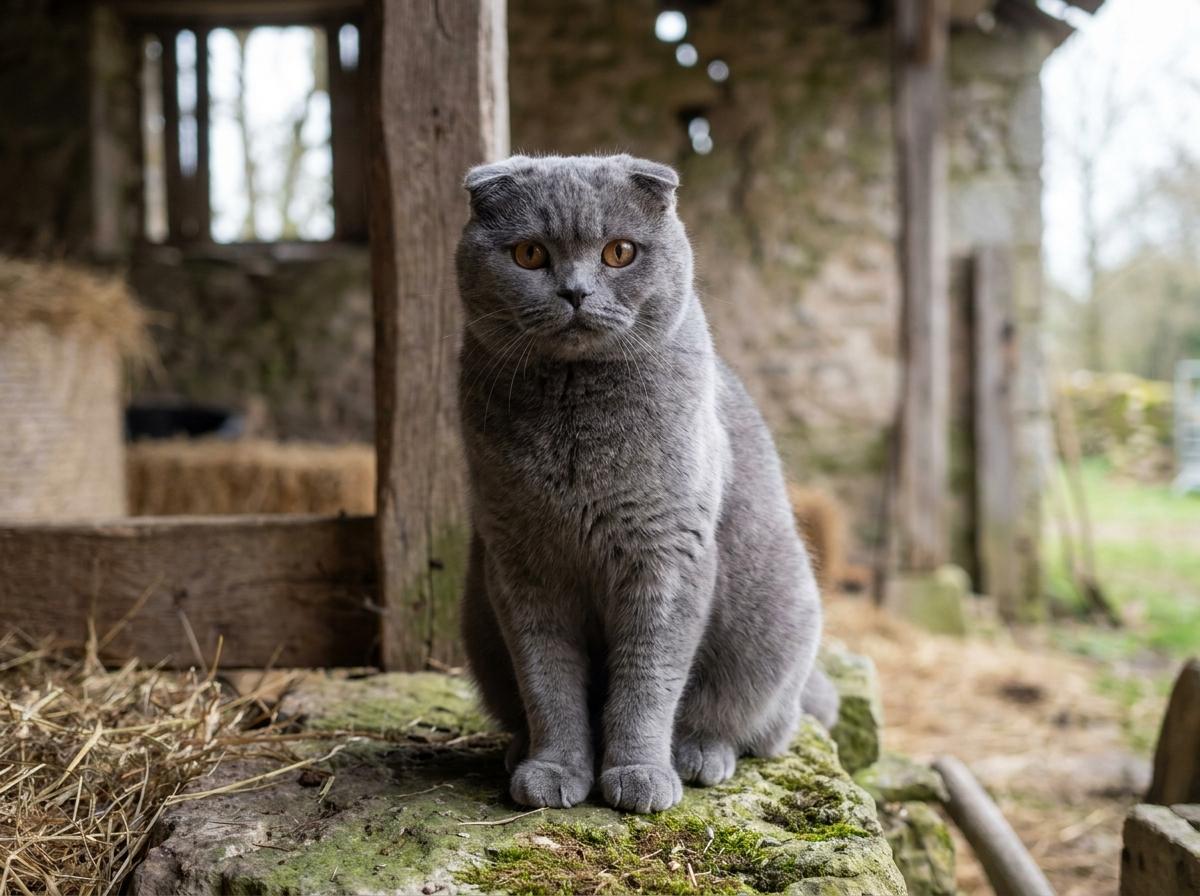
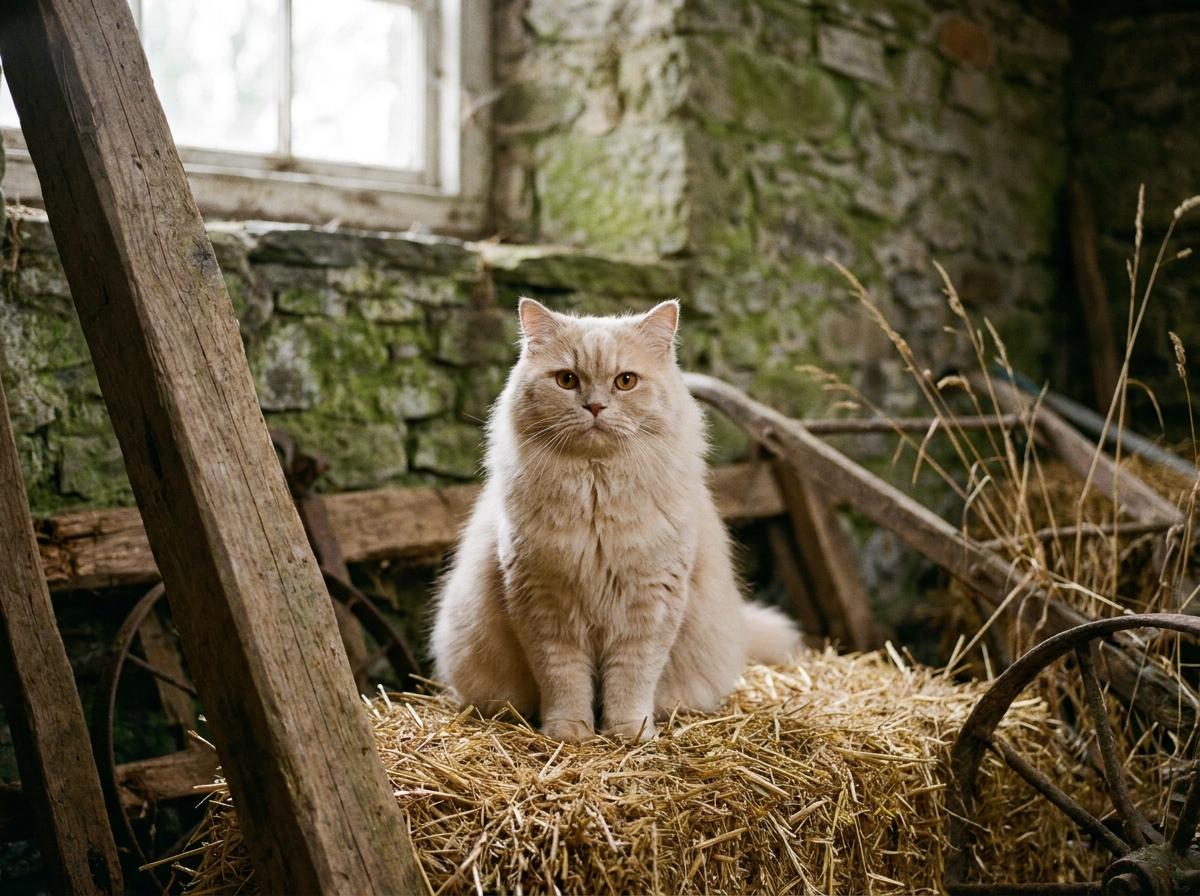
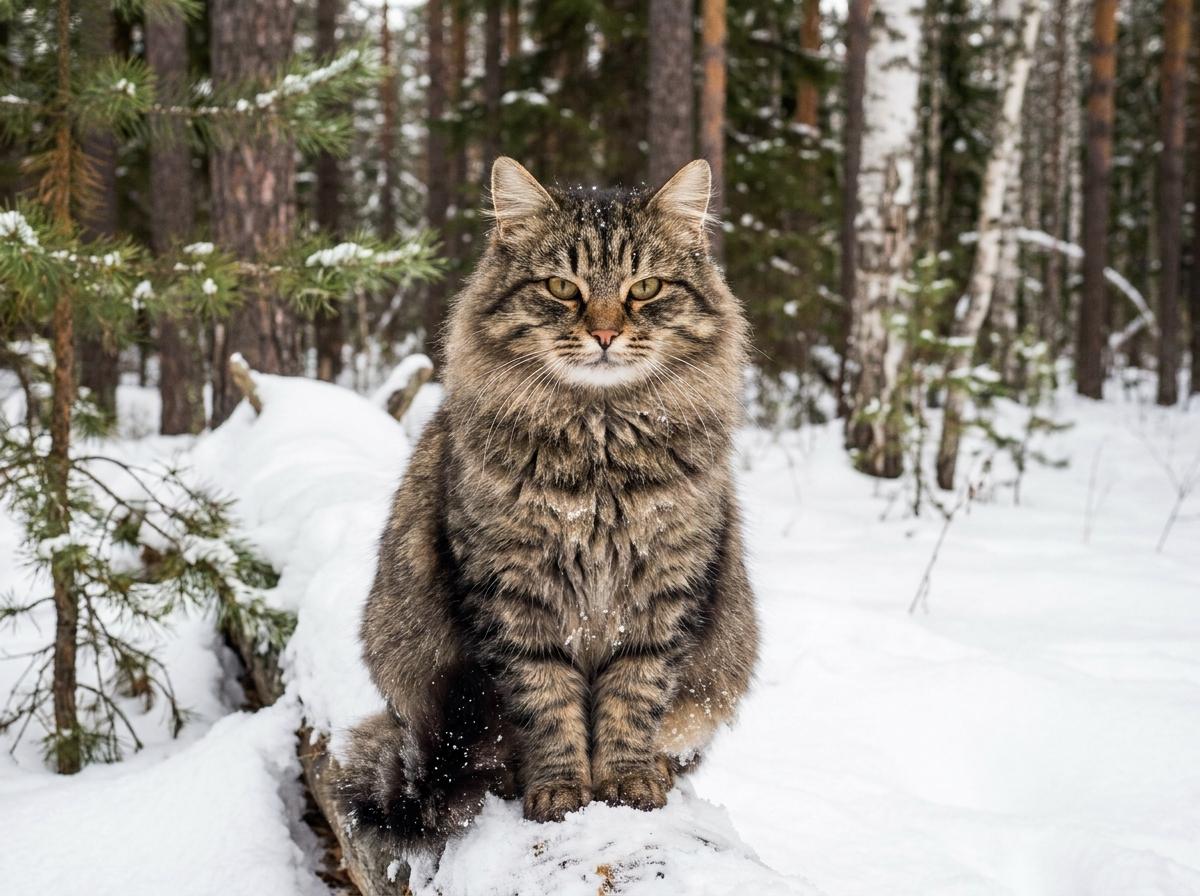
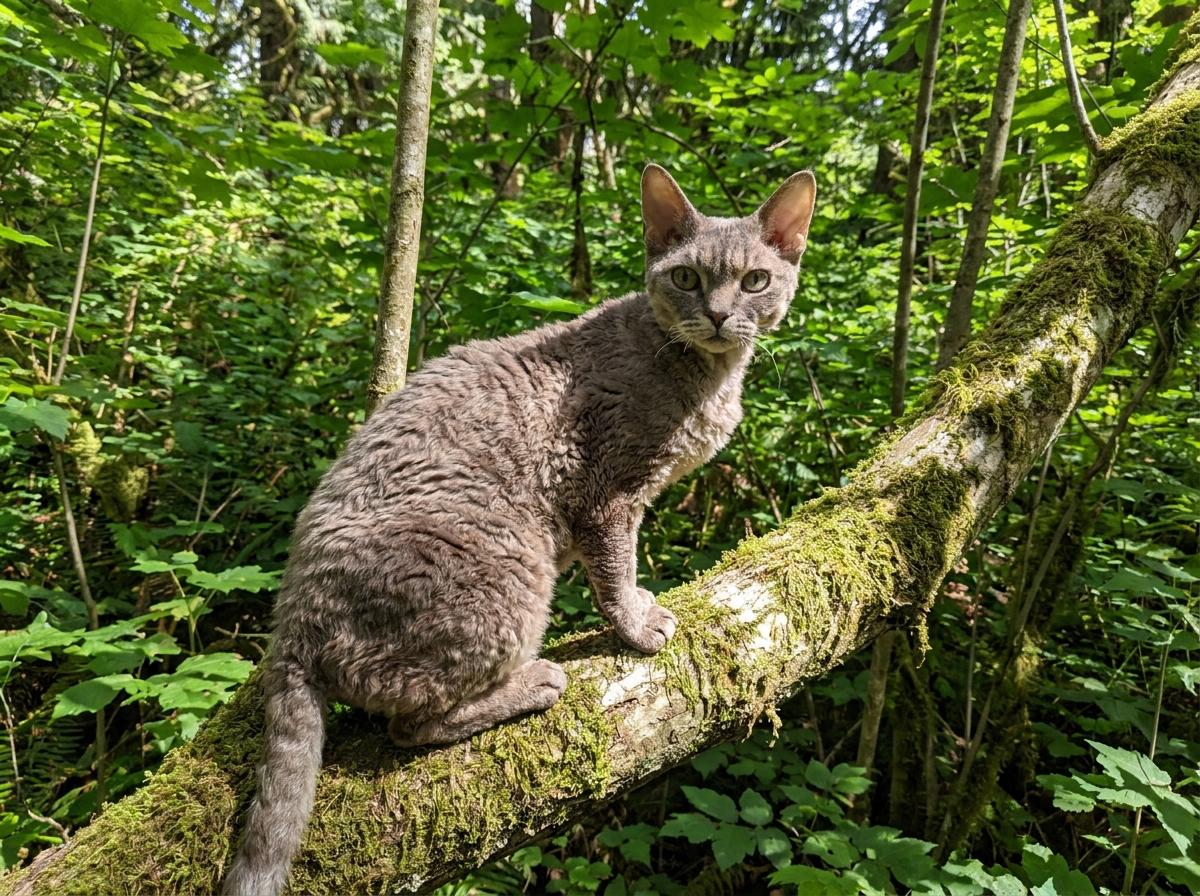
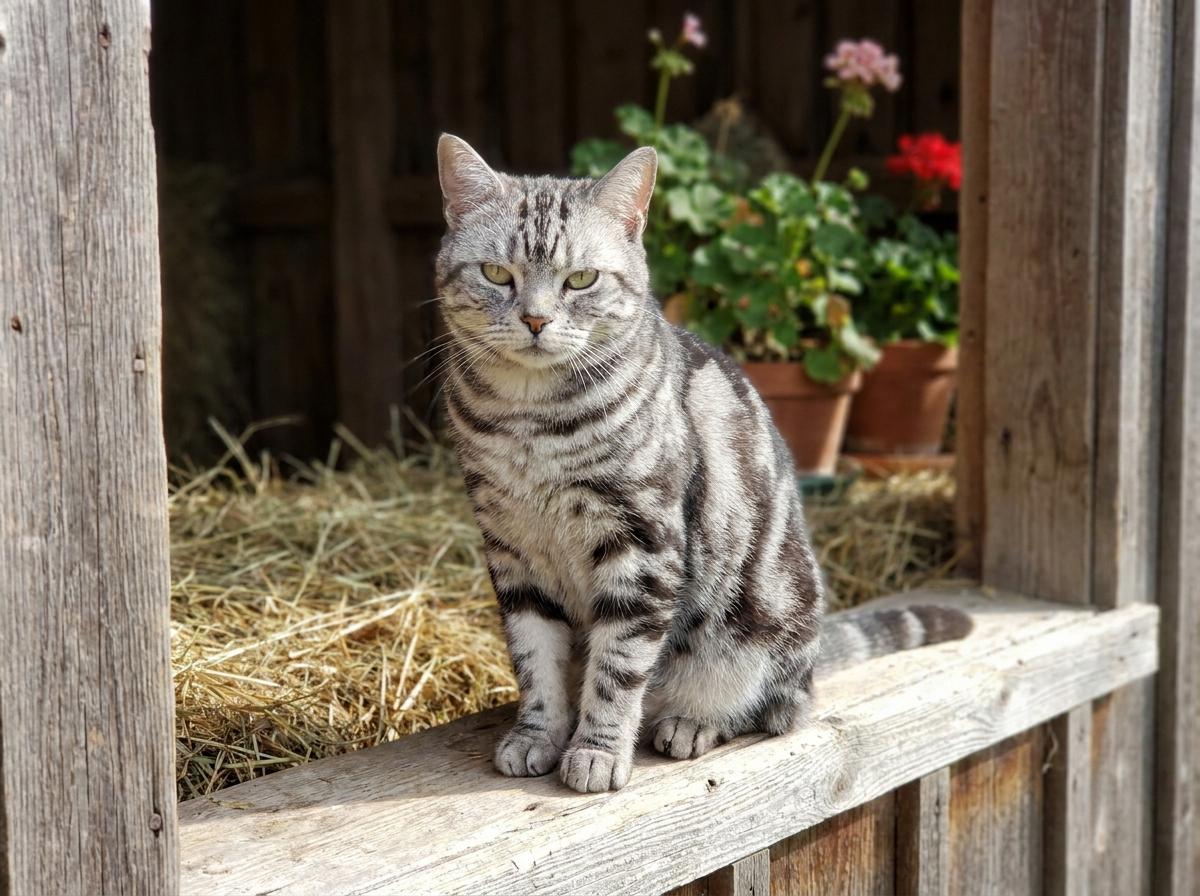
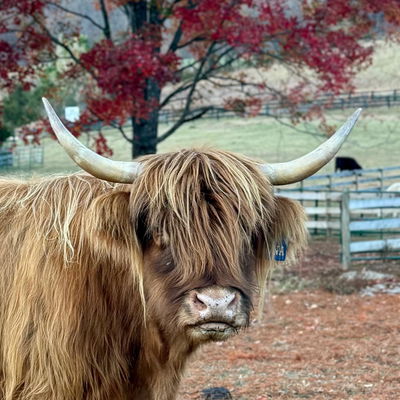
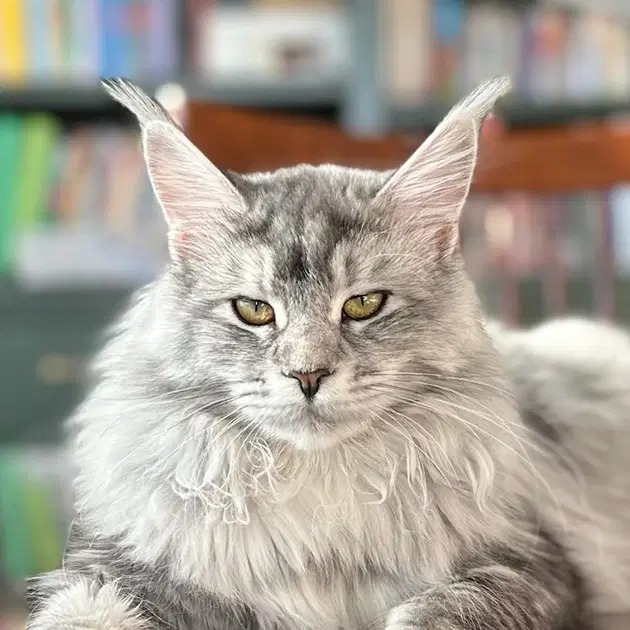
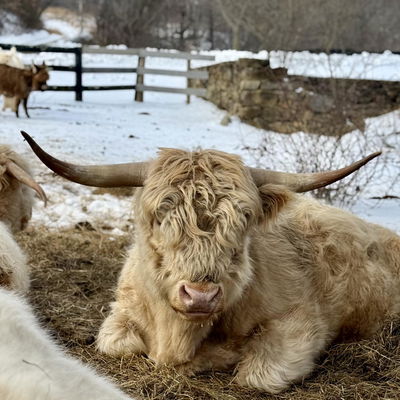
A note on these images: the Jianzhou cat has never been photographed as a documented, standardized breed, and its reported ear trait is not verified by any published study. The images on this page are AI-generated depictions of ordinary regional domestic cats of the kind described in Jianyang, not authenticated examples of the four-eared trait.
Browse listings, public profiles, breeders, or add your animal.
What is a Jianzhou cat?
The Jianzhou cat is a local cat from Jianyang in Sichuan Province, southwest China, kept for centuries by farmers as a working mouser. Jianyang carries a long history: it was part of the ancient state of Shu, was designated the prefecture of Jianzhou under the Yuan dynasty, and only took its present name, Jianyang, in 1913. The cat still wears the old prefecture name. In 2016 Jianyang was transferred from Ziyang to the administration of Chengdu, so if you go looking today you are looking in the eastern reaches of greater Chengdu (Jianyang, Sichuan, on Wikipedia).
Category matters here, so be clear about it from the start. The Jianzhou cat is a landrace, a regional population shaped by local use and casual selection over a long time, not a breed built to a written standard the way a Devon Rex or a Persian is. There is no herdbook, no breed club running the population, no international registry that recognizes it. Almost everything written about it traces back to a small set of historical Chinese texts, local gazetteers, and folklore, several of which are hard to verify independently. That does not make the cat fictional. It does mean the honest version of its story separates the documented record from the flourishes, which is what this page tries to do. If you want to compare it against cats that do have formal standards, the Creatures cat species page is the place to browse.
The “four ears,” explained honestly
Start with the part everyone comes for, and with a caution: the “four ears” is a described trait, not a documented anatomy. A Jianzhou cat does not have four functional ears. What the historical and local accounts describe is an outer ear whose outline overlaps or inflects partway along, so that from the front each side can read as two ear shapes stacked together, giving the impression of four across a two-eared head. The Chinese name, Si Er Mao, means exactly that, four-eared cat.
Here is what nobody can tell you, because it has never been studied: what that structure actually is anatomically, how often it appears in the population, or how it is inherited. There is no published morphological work on this cat. It is worth knowing too that every ordinary cat has a cutaneous marginal pouch, the small fold at the outer base of the ear, which means a striking photograph does not by itself establish anything unusual. The honest summary is that a distinctive ear outline is what tradition and local description report, that no functional effect has been demonstrated (there is no second ear canal or second working ear anyone has documented), and that the rest is unstudied. There is no evidence it changes how the cat hears, so treat any claim that the “extra ears” grant supernatural hearing as folklore rather than anatomy.
The description is old, though, and old enough to have been written down. The most quoted line comes from the Sichuan Tongzhi, the provincial gazetteer, which records, in the traditional phrasing, that all cats under heaven have two ears and only the Jianzhou cat of Sichuan has four. That the outline was noted for centuries is what the record supports; it does not, on its own, establish what the structure anatomically is. For a working farmer or a Qing official, a cat that looked unmistakably different, and came from a district already famous for its mousers, was worth noting and worth gifting.
Origin, history, and the tribute story
Cats had been kept and prized in China for a very long time before the Jianzhou cat entered the record, and Sichuan cats in particular built a reputation as hunters. By the Tang dynasty the Jianzhou cat is described as a well-known type, and by the Ming and Qing dynasties it had climbed the social ladder in a way most farm cats never do. Regional tradition holds that the Jianzhou cat was selected as a Sichuan tribute item and sent to the emperor, after which nobles, officials, and wealthy families took up the fashion of keeping one, turning a granary mouser into an upper-class pet. Treat that as the story the tradition tells about itself: it is repeated in later cat literature rather than established from a primary court record, and the caveats below explain why that distinction matters.
The clearest classical reference sits in the Mao Yuan, or Cat Garden, a compendium of cat writing assembled by the scholar Huang Han during the Xianfeng reign around 1850 to 1861. Cat Garden gathers older texts, including a Xiang Mao Jing, a “cat physiognomy classic” that judged a cat’s worth by its features. In that literature the Jianzhou cat appears as a celebrated regional mouser, and it is where the tribute framing and the “divine cat” (Shen Mao) reputation largely come from (Cat Garden and the cat physiognomy tradition, Wolfberry Studio).
Several honest caveats belong here, and they are load-bearing rather than decorative. Tribute lists and gazetteer entries tell you a type was esteemed and gifted, not that a closed, pedigreed breed existed. Wikipedia itself flags parts of the popular Jianzhou history as resting on unreliable sources, and the English-language material leans heavily on repackaged Chinese folklore. Most importantly, the accessible Cat Garden material presents its own translations as entertainment rather than scholarship and treats these cats as legendary; it does not offer a primary translated passage establishing that Jianzhou cats were actually delivered to the imperial court. So the tribute story should be read as regional tradition carried forward in later cat literature, not as documented history. What survives scrutiny is narrower and still interesting: Jianyang was known for a distinctive local mouser, and that reputation was written down and repeated for centuries.

The “millstone mouth” and the mousing reputation
The second folk marker of a Jianzhou cat is inside the mouth. Traditional descriptions say the roof of the mouth carries seven to nine wave-like ridges, likened to the worn grinding face of a millstone, and that these ridges mark a superior ratter. This is not a Jianzhou invention. It comes straight from the Chinese cat-physiognomy tradition preserved in Cat Garden, where the Xiang Mao Jing states, in effect, that a palate with nine ridges will clear mice for a full year, seven ridges will catch mice for three seasons, and too few ridges mean the cat is not worth raising (The Classic of Cat Physiognomy summarized, Cat Garden).
Here is the part worth understanding as a keeper. Those ridges are real anatomy, but every cat has them. They are the palatine rugae, the transverse ridges on the hard palate that help move food and prey toward the throat. Counting them was a folk method of grading a mouser, not a trait unique to Jianzhou cats. So the “millstone mouth” is best read as a traditional way of talking up a good hunter, layered onto a cat already prized for hunting, not a one-off biological anomaly.
The same caution applies to the sensory claims. Popular descriptions credit the Jianzhou cat with hearing up to 60,000 hertz and detecting a mouse’s footsteps 20 meters away. The footstep figure is folklore. The hearing figure is real but unremarkable: controlled research on domestic cats puts the feline hearing range at roughly 48 hertz to 85 kilohertz, among the widest of any mammal, so 60,000 hertz sits comfortably within what an ordinary house cat can hear, not a Jianzhou superpower (Heffner and Heffner, Hearing range of the domestic cat, PubMed). What the Jianzhou cat actually is: an excellent working hunter with the sharp senses common to farm cats, valued historically for reliable rodent control in granaries and fields, not for an anatomy that outperforms other cats.
What a Jianzhou cat looks like
Beyond the ears, the Jianzhou cat is described as a lean, athletic animal rather than a heavy one.
- Ears. The trait the cat is named for. Descriptions report an outer-ear outline that overlaps or inflects partway along, enough to read as a doubled ear shape. Remember that this is a described trait rather than a studied one, and that every cat has a marginal pouch at the ear base, so an interesting-looking ear on its own proves nothing.
- Body. Tall and well muscled without bulk, built for agility and speed. This is a cat shaped by generations of active hunting, so expect a working physique rather than a stocky lap cat.
- Coat. Varied and mixed. Solid single colors are said to be uncommon, and the coat often lacks a defined pattern, so two Jianzhou cats can look quite different from one another. There is no signature color the way there is a signature ear.
- Overall impression. A plain, sturdy, alert cat that would not draw a second glance except for the ears. That ordinariness is part of the point. This is a farm hunter first and a curiosity second.
Because the population is not bred to a standard, none of these traits are guaranteed or measured the way a registered breed’s are. They are descriptive tendencies drawn from local accounts, not a scorecard.
Temperament
Folk descriptions consistently call the Jianzhou cat loyal and one-person oriented, bonding closely to its keeper and staying wary of strangers, sometimes to the point of warning people off. Read that as anecdote rather than tested behavior. There is no formal temperament study of the population, and one-cat-one-person loyalty is a common thing to say about prized regional cats generally.
What you can reasonably expect is what you would expect of any active, hunting-bred cat: high alertness, strong prey drive, plenty of energy, and a preference for people it knows. As with every cat, the adult you end up with is shaped far more by early socialization, handling, and daily interaction than by any breed label. A Jianzhou kitten raised with gentle, frequent human contact will be a different companion from one that grew up semi-feral in a barn, regardless of the ears.

Care and health
There is no special Jianzhou care regimen, and you should be skeptical of any source that invents one. This is a domestic shorthair-type cat, so it needs what any cat needs: a complete, life-stage-appropriate diet, fresh water, a clean litter box, core vaccinations and parasite control on your veterinarian’s schedule, and routine dental and weight monitoring. A high-drive hunting cat in particular benefits from real play and enrichment, because a bored working cat is a destructive one.
Two points are worth flagging. First, routine ear care is worth building into grooming for any cat, and there is no studied reason to treat this one differently: watch for the usual signs of trouble (odor, dark debris, head shaking, scratching), and have a veterinarian look at anything that seems off. Claims that this cat’s ear shape creates extra crevices needing special attention are not supported by any published anatomy. Second, ignore folk health prescriptions that circulate with this cat, such as routine folic acid dosing, unless your own veterinarian recommends them. Supplements and any medication belong in a vet’s hands, not a breed legend. For any sign of illness, defer to a veterinarian who can examine the animal rather than to breed lore.
Keeping simple written records helps here more than it might seem. Because so little is documented about this cat as a population, a clear history of vaccinations, weight, dental notes, and any ear issues is genuinely useful, both for your own cat’s care and, if the cat is one of the rare genuine Jianzhou cats, as a small contribution to what is actually known about them. You can keep that history on your cat’s Creatures profile and add to it over time.
Is it a recognized breed, and can you buy one?
No major cat registry recognizes the Jianzhou cat. It does not appear as a breed with CFA, TICA, GCCF, or FIFe, there is no published breed standard, and there is no organized breeding program maintaining it as a closed population. It is a landrace, valued locally and historically, not a show breed with paperwork.
That shapes the honest acquisition answer. Genuine Jianzhou cats are concentrated around Jianyang and the surrounding parts of Sichuan, they are described as rare even there, and no established, legitimate pipeline exports them abroad. Live-cat import into countries like the United States carries real health and documentation requirements, and no breed registry can certify that a given cat is a “true” Jianzhou in the first place. So if you are outside China and someone offers you a pedigreed, papered Jianzhou kitten for a premium, be very skeptical. What is far more likely, and far more useful, is that you have encountered a cat with pronounced ear folds, or you are researching the type, or you keep a cat you believe descends from this Sichuan line.
If that is you, the practical path is to document the cat you actually have rather than to chase an import. The same instinct that makes people want a rare regional cat is well served by keeping a careful record of it. It is also worth remembering that “rare and regionally rooted” describes a lot of the world’s working animals, from Sichuan mousers to Turkish farm and guard dogs like the Dikkulak and the Zerdava. These landraces survive because local keepers value and record them, not because a registry markets them.
For cats specifically, if what draws you is the unusual-ear look, you have more accessible options with real breed support behind them. The Devon Rex, with its large, low-set ears and distinctive head, scratches a similar visual itch and is an established, obtainable breed. If it is the Chinese heritage that appeals, the Chinese Li Hua, a native Chinese shorthair, is a documented breed with a growing following. You can also browse whatever is actually listed by searching cats on the Creatures marketplace and look for keepers and catteries in the Creatures directory, while keeping your expectations realistic about how rarely a genuine Jianzhou cat surfaces outside Sichuan.
Frequently asked questions
Does the Jianzhou cat really have four ears?
No. It has two functional ears. Historical and local descriptions report an outer-ear outline that overlaps or inflects partway along, creating the impression of a second smaller pair, which is where the name four-eared cat comes from. What that structure actually is anatomically has never been formally studied, so treat descriptions of a specific “extra flap” as folklore rather than anatomy. Whatever it is, no functional effect has been demonstrated: nobody has documented that it gives the cat a second working ear or any change in hearing.
Where does the Jianzhou cat come from?
From Jianzhou, the historical name for Jianyang, a county-level city now under Chengdu in Sichuan Province, China. It was a local farm mouser whose reputation was recorded in Sichuan gazetteers and carried forward in Qing-era cat literature such as the Cat Garden, which is also where the story of it being sent to the emperor as tribute comes from. That tribute account is regional tradition rather than documented court history.
Is the Jianzhou cat a recognized breed?
No. It is a regional landrace, not a standardized breed, and it is not recognized by CFA, TICA, GCCF, FIFe, or any other pedigree registry. There is no written breed standard and no breed club managing the population.
Can I buy a Jianzhou cat outside China?
Realistically, no reliable path exists. Genuine cats are rare and concentrated around Jianyang, there is no export pipeline, and no registry can certify a cat as authentic, so treat any premium “papered Jianzhou kitten” offered abroad with strong skepticism. If you love the look, established alternatives like the Devon Rex or the Chinese Li Hua are far more obtainable.
Are the seven to nine mouth ridges unique to this cat?
No. Those palate ridges, the palatine rugae, are present in every cat. Counting them was a traditional Chinese method of judging a good mouser, recorded in the cat-physiognomy texts, not a feature found only in Jianzhou cats.
Can it really hear a mouse 20 meters away?
That specific claim is folklore. Domestic cats do have exceptional hearing, roughly 48 hertz to 85 kilohertz by controlled research, so the often-quoted 60,000 hertz figure is well within normal cat hearing rather than a Jianzhou-only ability. The cat’s reputation rests on being a reliable hunter, not on measurably better ears than other cats.
Do this next on Creatures
Whether you keep a cat you believe carries this Sichuan line, you have met a striking four-eared cat, or you are simply researching a rare piece of feline history, Creatures is the records, marketplace, and directory layer to do it in one place.
Document your cat. Keep a cat you believe descends from this line, or one with the ear outline this tradition describes? Create a free animal profile in a few minutes. The walkthrough is in adding an animal to Creatures.
Track health and care. Because so little is formally recorded about this cat, a clear history matters. Add a health or care record. The record sheet opens for any visitor to look around, and you will need a free account to save what you enter. See adding a record and health and medical records for the full how-to, and the profile tabs guide for what each part of the profile does.
Get alerted. Genuine Jianzhou cats almost never surface outside Sichuan, so set a free Jianzhou cat listing alert and we will tell you if one is ever posted. No account needed to start.
See what is listed. Browse cats on the marketplace and search trusted keepers and catteries in the Creatures directory. Keep expectations realistic: this is a rarity, not a catalog cat.
Breed or preserve a rare line? If you work with rare regional cats and want to be findable, list your cattery or program so people researching this cat can reach you.
Researching the wider world of cats? Start from the Creatures cat species page to compare recognized breeds, or read up on the Chinese Li Hua if the Chinese heritage is what drew you here.