



Cornish Rex
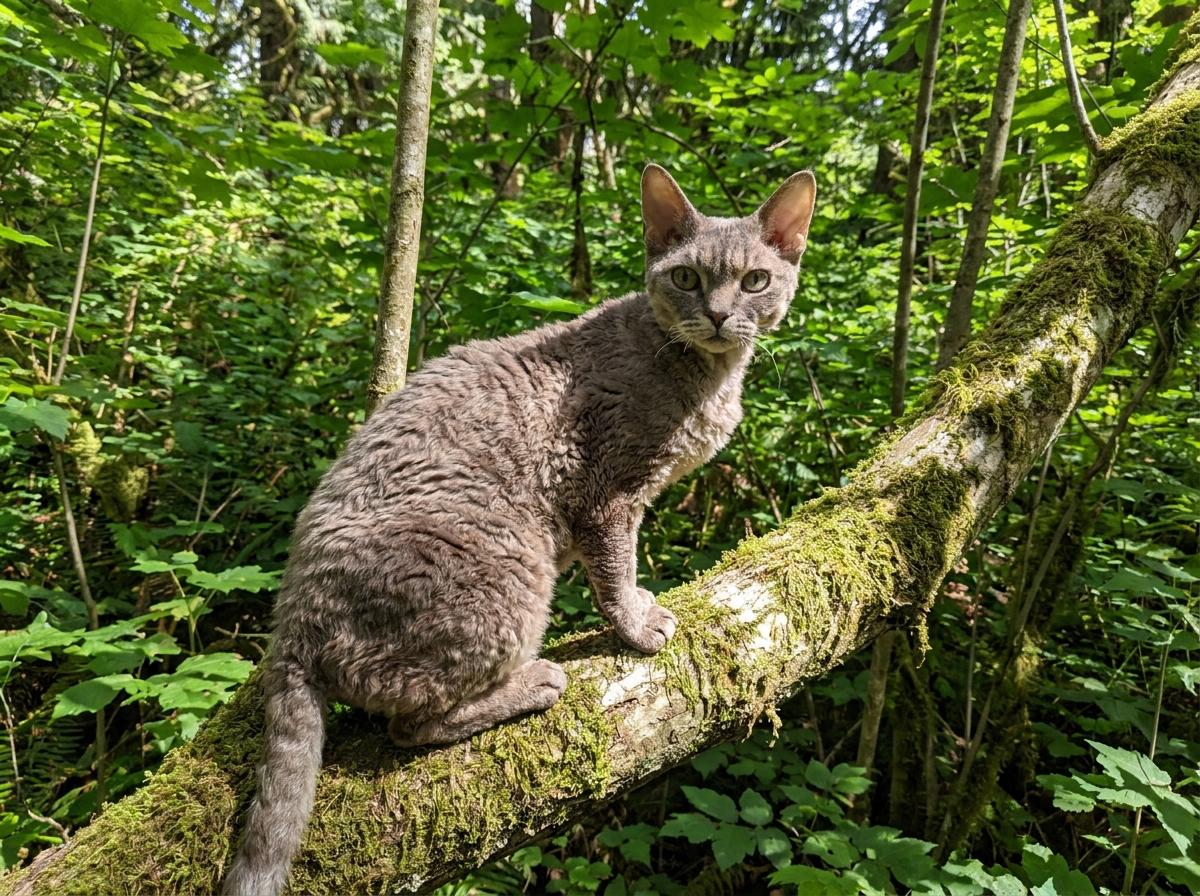
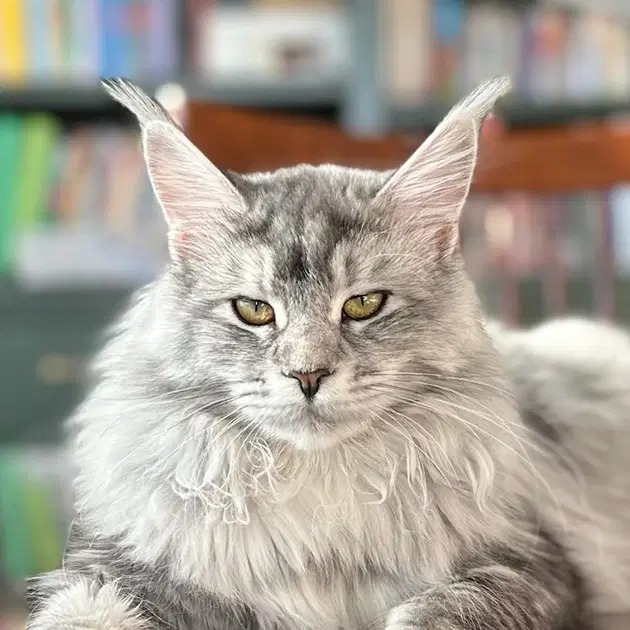
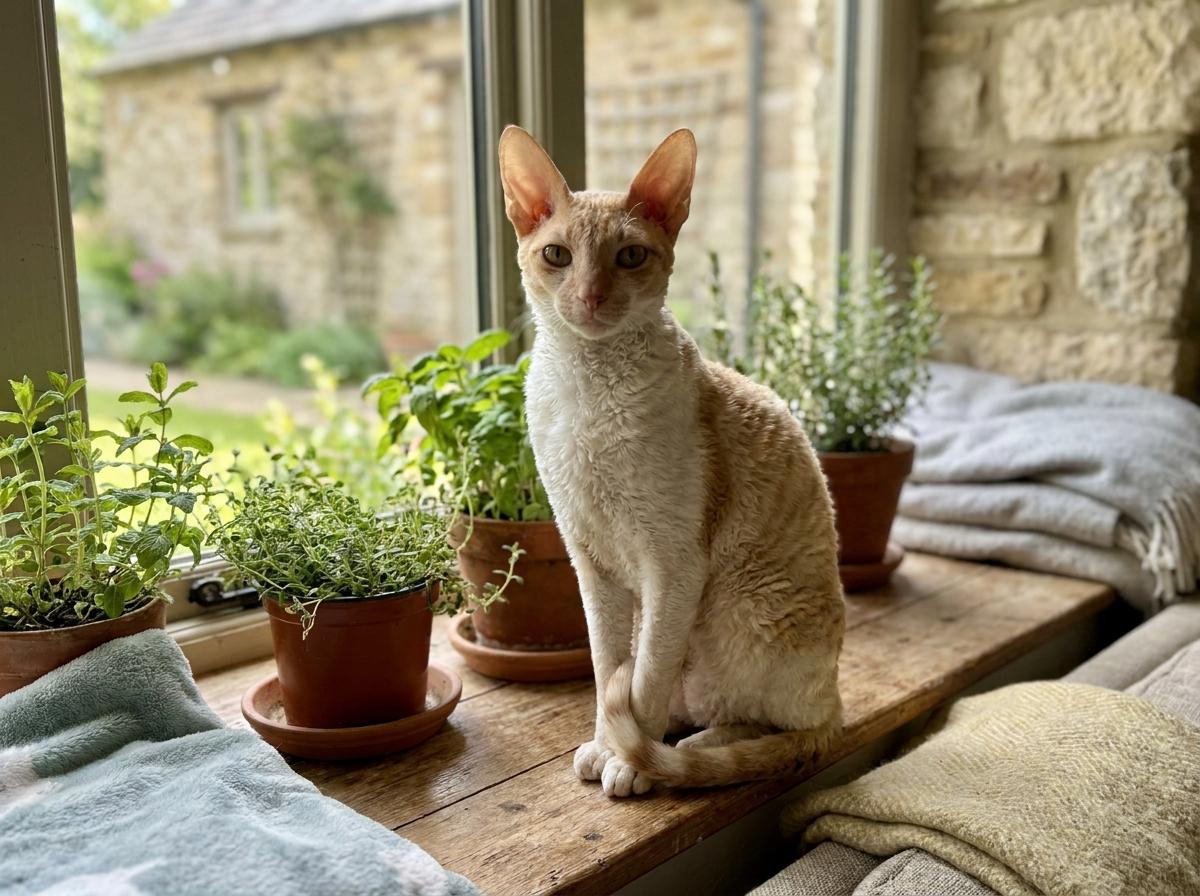
The Cornish Rex traces to a curly-coated kitten named Kallibunker, born in Cornwall, England, in 1950. Its coat is caused by a recessive mutation and forms soft waves made mostly of undercoat, giving the cat a warm, suede-like feel. The body is slender and arched, with long legs, a tucked waist, large ears, and an expressive head. Although the coat sheds less visibly than many shorthaired cats, Cornish Rex cats are not reliably hypoallergenic.
Daily life with a Cornish Rex is active and tactile. Many seek warmth, burrow under blankets, and use high perches, so indoor homes should offer cozy resting spots and safe climbing. Grooming is gentle: too much brushing can damage the coat, but nails, ears, and any oily skin need routine attention. The thin coat offers little insulation, making protection from cold and sun important. Breeders work with a small but international gene pool and should select for good coat, sound legs, and healthy hearts rather than only the most extreme outline.