


British Longhair
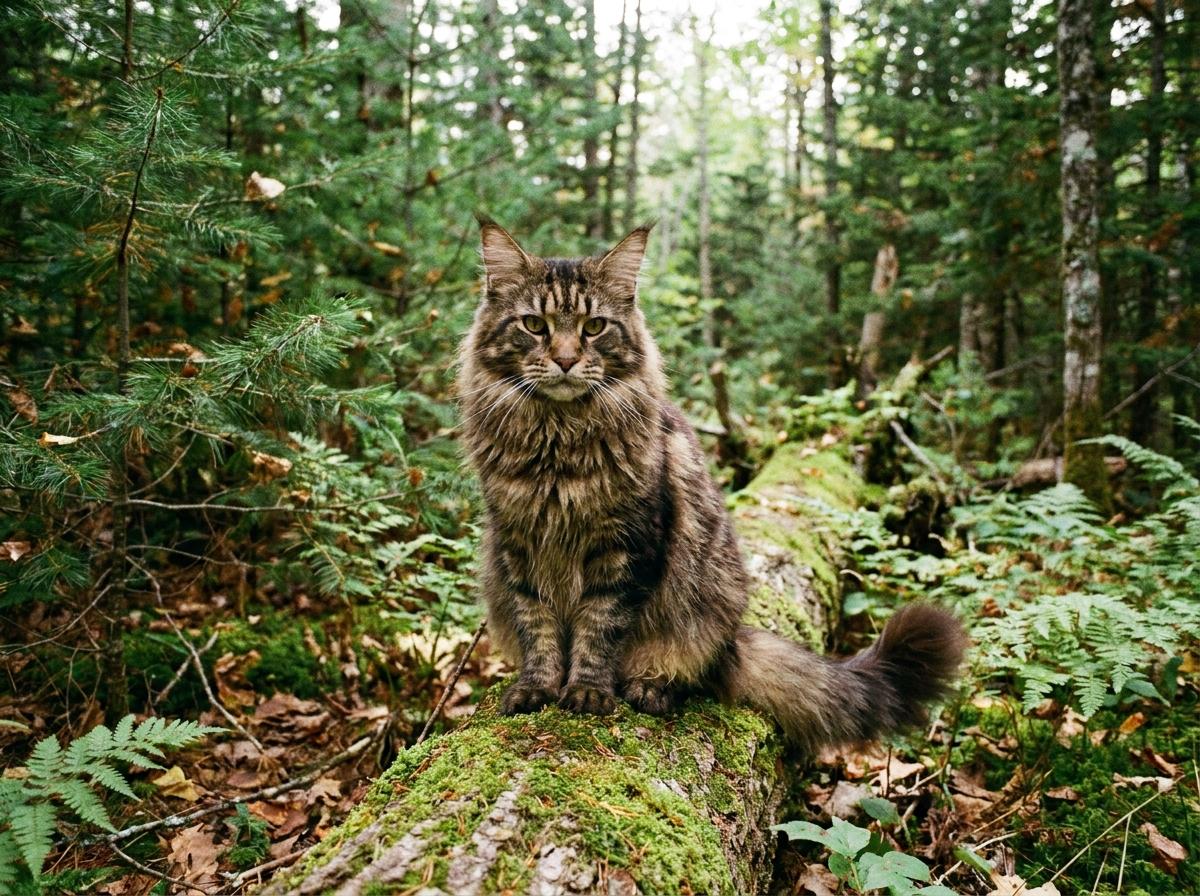
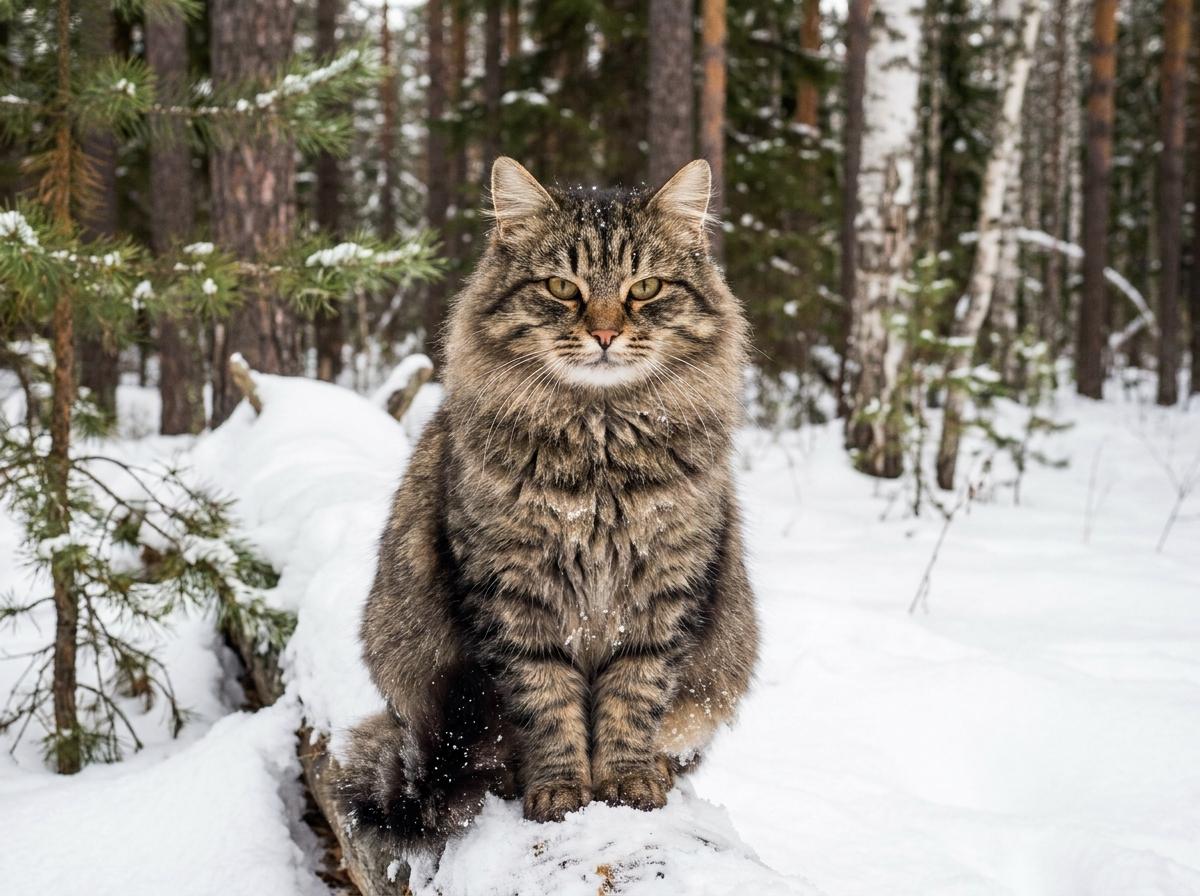
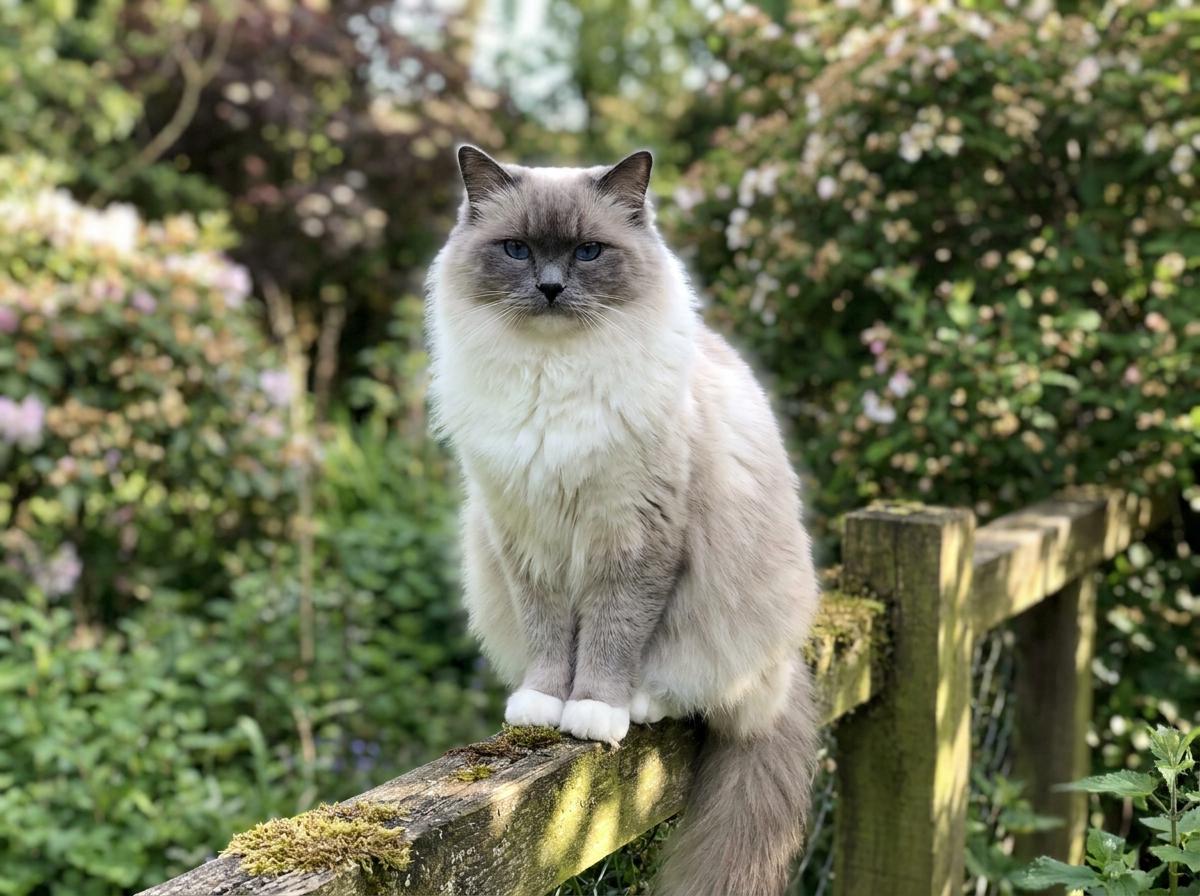
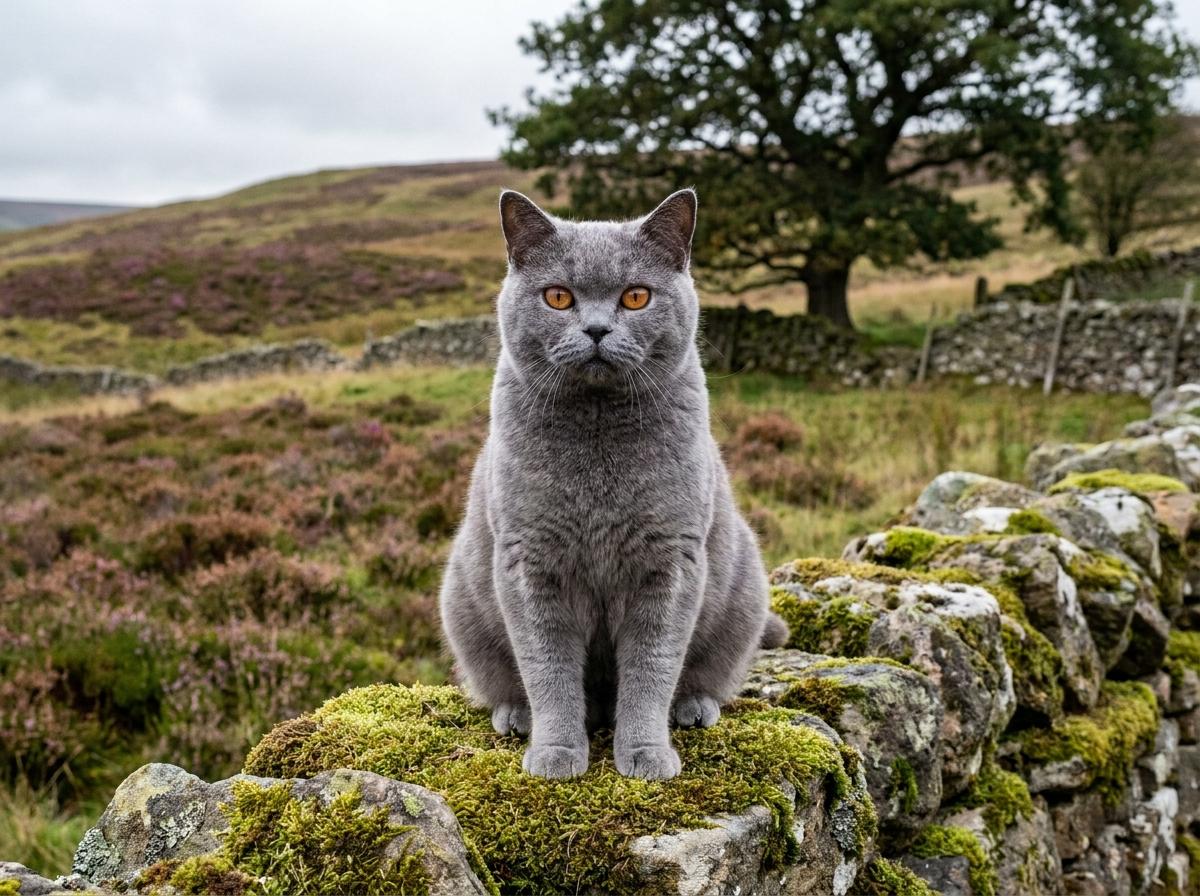
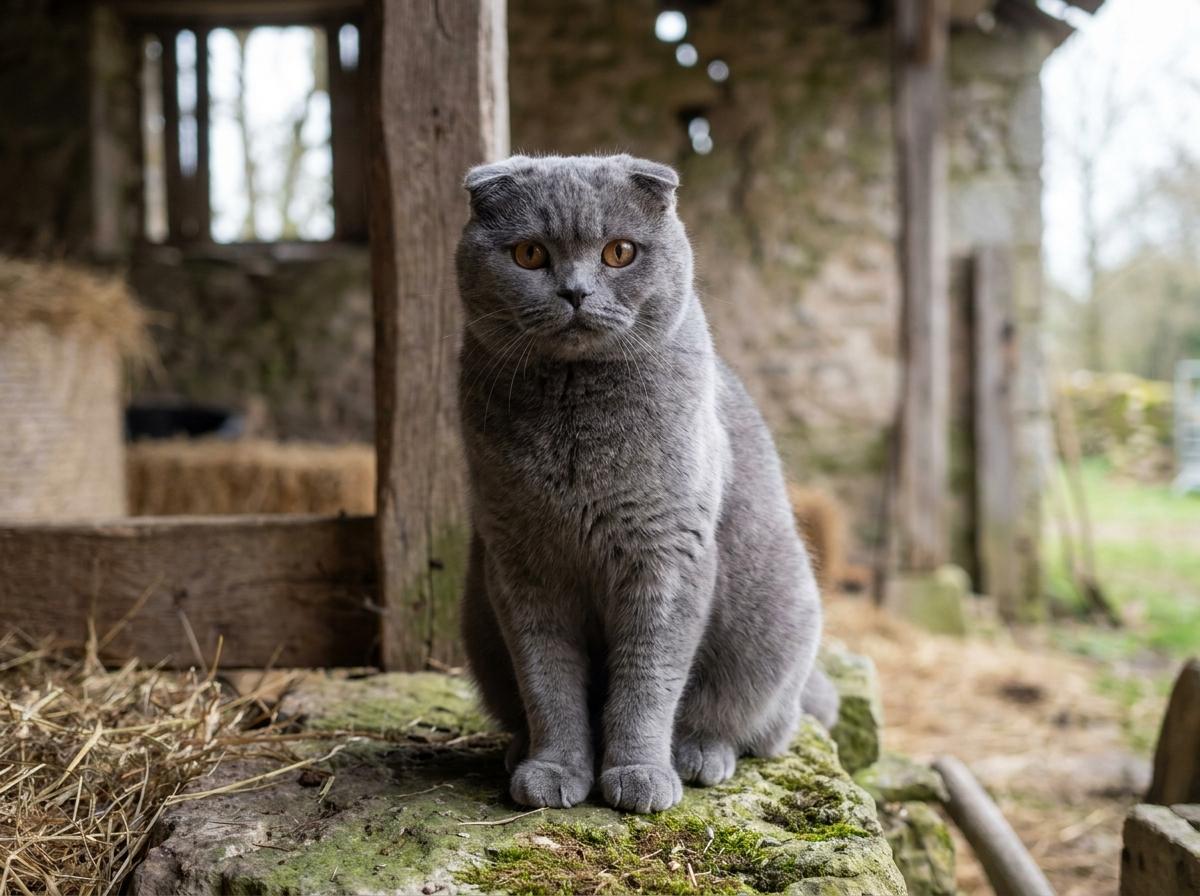
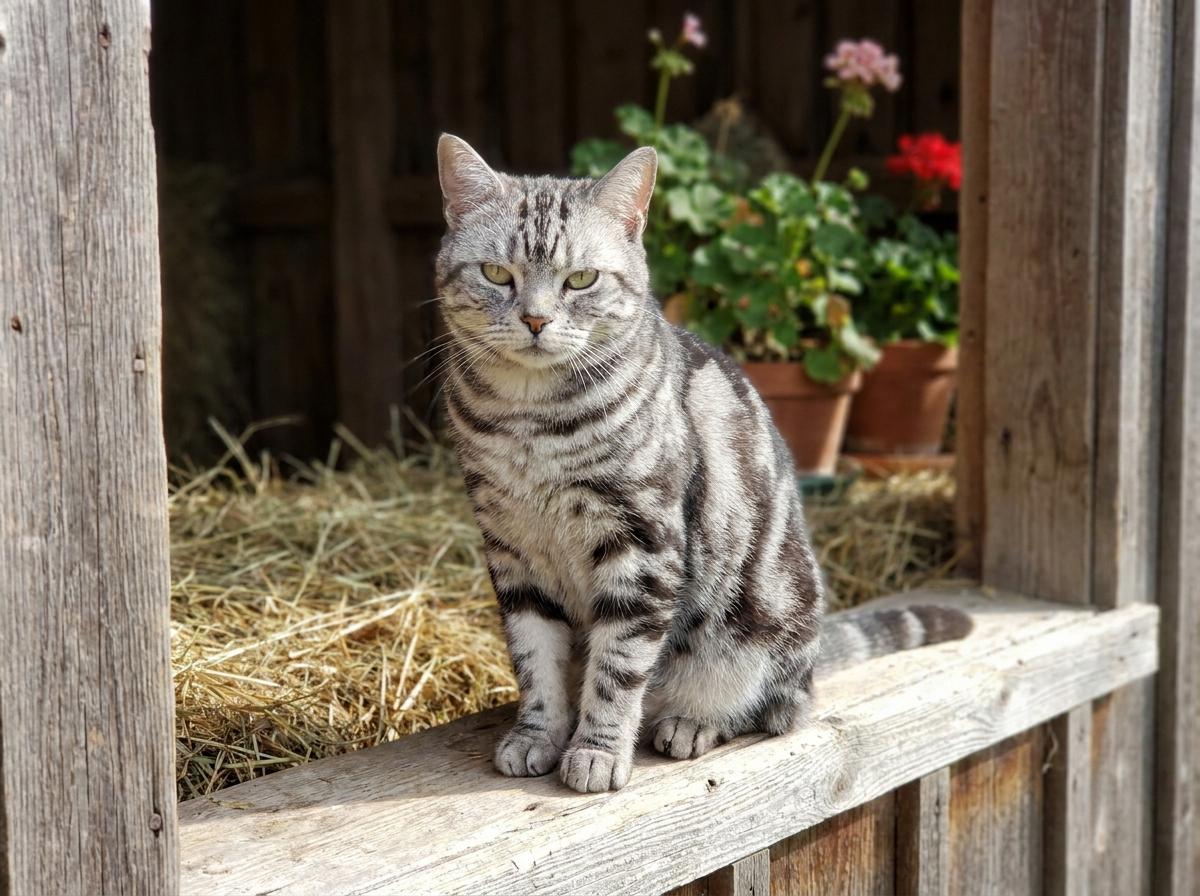
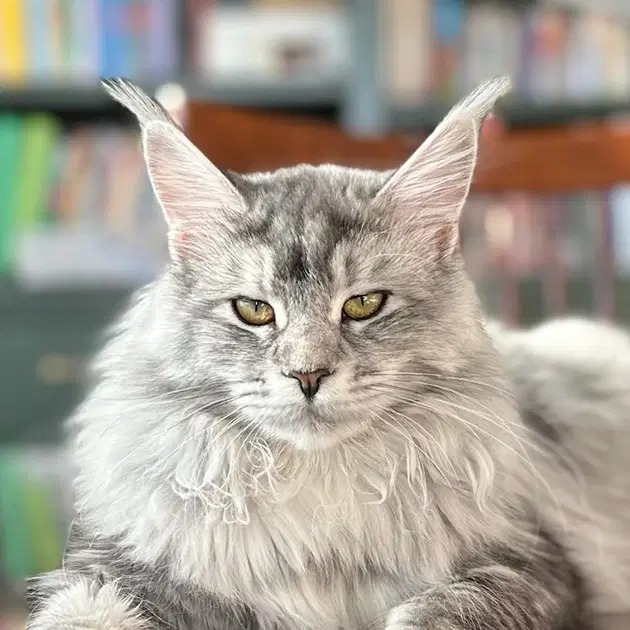
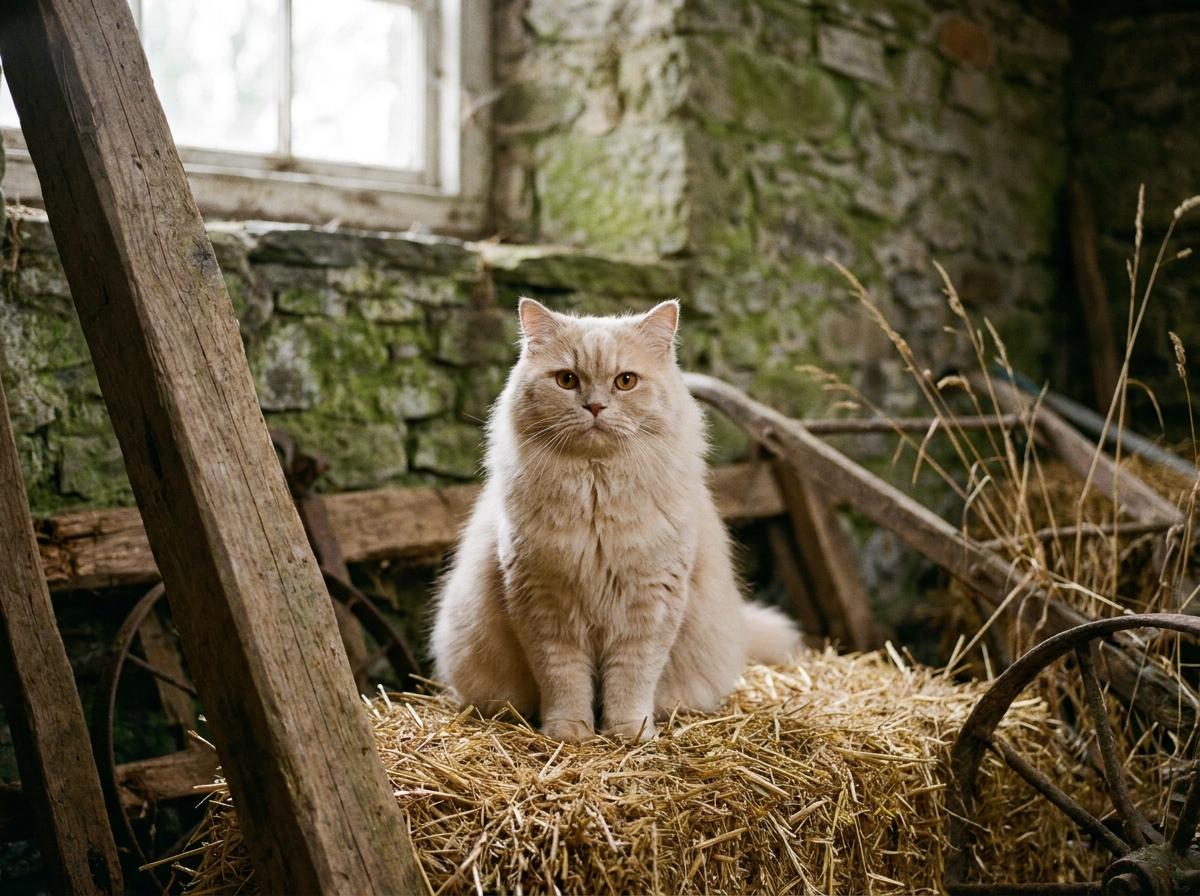
The British Longhair is the semi-longhaired counterpart of the British Shorthair, shaped by longhair genes introduced through Persian and related breeding over the breed's history. It keeps the British type: a broad chest, sturdy body, round paws, full cheeks, and a calm expression, but carries a dense, plush coat with a full tail and neck ruff. Blue is a famous British color, yet the Longhair appears in many solids, tabbies, bicolors, shaded silvers, goldens, and colorpoints depending on registry.
These cats are often steady indoor companions, but their heavy build can hide weight gain. Measured meals, play that encourages movement, and cat furniture that supports a stocky body are useful. The coat needs more attention than a British Shorthair's; combing several times a week helps prevent mats in the armpits, belly, britches, and behind the ears. Persian ancestry makes polycystic kidney disease testing worth asking about, and responsible breeders also monitor heart health and avoid overly flat faces. Buyers should expect slower maturity, as British-type cats often take several years to fill out.