Abyssinian
Author: Elliott Garber, DVM · Published
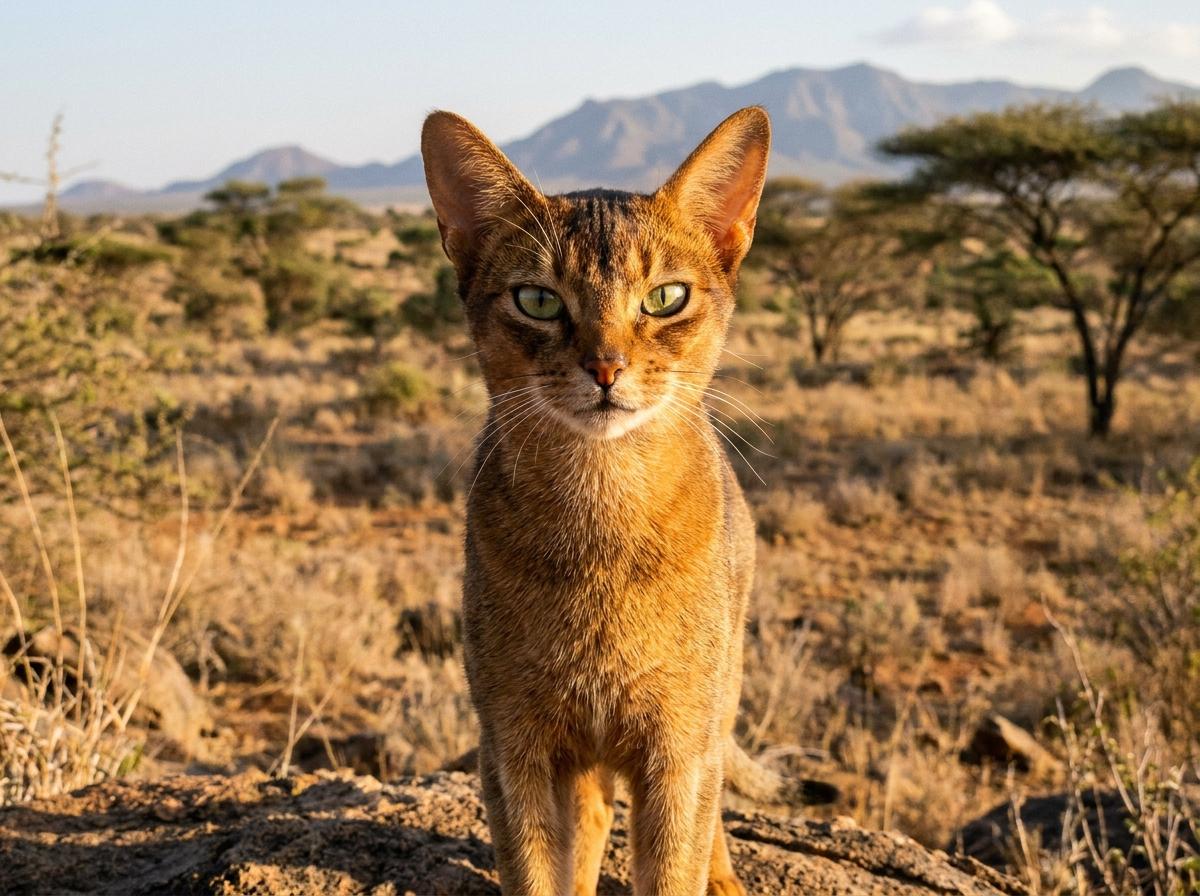
The Abyssinian is a lively, medium-sized cat with a close, finely ticked coat, large ears and a lithe, muscular build. Its name can mislead: the CFA says the modern breed is not simply an ancient Egyptian cat or a direct import from Ethiopia. If you want a cat that explores and plays hard, compare the cat breed pages and plan the home around activity before you contact a breeder.

| Signature | Short coat with alternating bands of color on each hair |
|---|---|
| Build | Lithe and muscular, neither cobby nor extremely slender |
| Recognized colors | CFA lists ruddy, cinnamon, blue and fawn |
| Temperament | Busy, curious and affectionate |
| Care focus | Daily play, safe climbing and health documentation |
Browse listings, public profiles, breeders, or add your animal.
The ticked coat is the clue
The CFA Abyssinian standard calls for a medium-sized, balanced cat with a modified wedge head, large ears, almond-shaped eyes and a coat long enough to show bands of color on individual hairs. That ticking is different from the wood-grain tabby pattern on the Sokoke, the dark points and white feet of a Snowshoe, or the dense plush fur of a British Shorthair. CFA lists ruddy, cinnamon, blue and fawn. A pet cat can be beautifully ticked without a pedigree, so never identify breed from color alone.
CFA explains that the “Abyssinian” name reflects cats once exhibited in England as imports from Abyssinia, now Ethiopia. Its breed history points instead toward the Indian Ocean and Southeast Asia for the modern breed’s deeper genetic background. Be wary of a seller who turns an uncertain historical origin into a guarantee of “ancient Egyptian blood.”

Life with an Abyssinian
CFA describes a busy, inquisitive cat that investigates its surroundings and often seeks people out between bursts of activity. Provide stable climbing routes, toys that make the cat stalk and pounce, food puzzles and safe window views. Rotate toys rather than filling a room with unused ones. A home with fragile objects on every high shelf will be frustrating for both the cat and its people.
Temperament varies within a breed. Ask how a particular kitten responds to new people and what its daily routine has been. Introduce a new arrival through a quiet room first. Provide separate resources if there are other cats, and let introductions proceed at the animals’ pace.
Grooming, health and purchase checks
The short coat usually needs only light brushing, but grooming time is a chance to notice changes in skin, eyes, teeth or weight. Ask for the parents’ identity, veterinary history and test results claimed by the breeder. Do not accept a blanket promise that a breed is “healthy” in place of records. Your veterinarian can advise which screening or preventive care is right for the individual cat.

Before a deposit, read the contract, confirm who owns and registered the parents, and ask what support or return policy the breeder offers. Check that the kitten is eating independently and has a veterinary record. The cat ownership cost guide helps plan the continuing budget, and the Maine Coon buying checklist offers questions that apply to any pedigree kitten purchase.
On Creatures, start with the free cat pedigree chart maker if you have parent and grandparent details. Save the cat’s actual documents in its profile after adding it. A chart you make is a useful family map, not a registry-issued certificate.
Coat colors and an inherited anemia test
The CFA Abyssinian breed page identifies ruddy, cinnamon, blue and fawn as the usual recognized colors. Each hair’s color bands create the ticked appearance; white feet and a pointed mask belong to a different pattern. A solid-looking kitten photograph should prompt a look at the actual coat and registry record, not a guess from lighting.
A buyer can ask whether the breeding cats have been tested for pyruvate kinase deficiency, an inherited cause of anemia. The UC Davis Veterinary Genetics Laboratory offers a DNA test and explains carrier and affected results. Ask for each parent’s report and have a veterinarian interpret it for the proposed mating and kitten; a pedigree by itself does not show this genotype.
Frequently asked questions
Are Abyssinians lap cats?
Some sit with people; others prefer to move and play nearby. CFA emphasizes high activity rather than promising one fixed behavior. Meet the individual cat.
Is a ticked tabby automatically an Abyssinian?
No. Ticking is a coat pattern. A registered pedigree and the full breed standard establish breed identity.
Are Abyssinians low-maintenance because of short coats?
Coat care is light, but daily play, enrichment and routine veterinary care still take time.
Do this next on Creatures
Keep the questions you asked the breeder and the records you receive in one place. Use the actions that fit where you are in the decision.
Watch for a listing. Set a free Abyssinian listing alert; supply may be thin, and the guest flow can start with email. See saving searches.
Compare what is available. Browse current Abyssinian listings and the public breeder directory. A directory listing is a lead, not a health guarantee.
Start the cat’s history. Add your Abyssinian, then follow the animal profile guide.
Keep the evidence. Add a health or identification record. The sheet opens for visitors, and a free account is needed to save. The record guide explains the flow; health records covers veterinary details.
Breed responsibly. If you are a breeder, create a cattery profile and read how directory listings work.
Compare breeds and plan care. See the cat breed index and care reminders for follow-ups.