

Author: Elliott Garber, DVM · Updated
You’re probably standing at a common starting point. A few acres, a fence line that needs work, a water setup you’re not fully confident in, and a head full of questions about whether raising beef cattle will pay or just turn into an expensive hobby.
That’s the right place to start, because cattle punish vague plans. Good grass, sound genetics, and clean records matter more than enthusiasm. Small herds can work very well, but only when the pieces fit together. The folks who stay in the cattle business usually aren’t the ones with the fanciest place. They’re the ones who match cattle to forage, keep health problems from snowballing, and can prove what each animal is and how it was managed.
Table of Contents
- Before You Buy Your First Calf
- Start with the end market
- Questions worth answering before money changes hands
- Laying the Groundwork for Your Herd
- Match the animal to the place
- Build pasture around recovery not convenience
- Keep facilities simple and safe
- A Smart Nutrition and Feeding Plan
- Forage comes first
- Know when a cow needs more than grass
- Feed planning is breeding planning
- Your Proactive Herd Health Program
- Watch cattle before you treat cattle
- Prevention protects value
- A practical herd health mindset
- Reproduction Weaning and Herd Growth
- Bull or AI depends on herd size and labor
- Calving season should serve the grass
- Weaning without wrecking performance
- The Business of Beef Records and Marketing
- Records change how buyers see your cattle
- Traceability affects market access
- What to record on every animal
- Troubleshooting Common Cattle Problems
- When to act fast yourself
- When to call the vet and not guess
- Problems outside the animal
Before You Buy Your First Calf
A lot of beginners shop cattle too early. They go to a sale, see a set of calves they like, and only later realize they haven’t settled the hard questions. What’s the business model. Are you selling weaned calves, freezer beef, breeding stock, or replacement females. Are you set up for winter feeding. Can you sort and treat an animal safely when something goes wrong.
Right now, there’s a reason people are looking hard at cattle again. The U.S. beef-cattle herd was forecast at 86.662 million head on January 1, 2025, which was a 0.6% decline from the prior year and the smallest U.S. beef-cow inventory since 1961, according to this 2025 U.S. beef herd summary. That same industry summary notes cattle supplies were at their lowest in 74 years. Tighter supply can support better cattle prices, but higher prices don’t rescue sloppy management.
That’s the first trade-off. A strong market can reward good operators, but it also makes mistakes more expensive. If you buy the wrong type of cattle for your grass, your fencing, or your labor, you’ll feel it quickly. Expensive cattle still need cheap gains. On a small place, cheap gains usually come from pasture management, not wishful thinking.
Start with the end market
Breed matters, but not in the way new producers often think. Color and reputation don’t pay by themselves. What pays is fit. If you want mainstream feeder cattle or freezer beef with broad buyer recognition, cattle with practical performance and carcass acceptance often make more sense than chasing something exotic. If you’re sorting through common beef types, it helps to review breed basics like this Black Angus profile or this Red Angus guide and then ask a harder question. Will that kind of animal hold condition on your forage base.
Practical rule: Buy cattle for the grass you have, not the grass you wish you had.
Some people should not start with cows at all. A handful of weaned calves or yearlings can teach you fencing, forage allocation, mineral management, and cattle handling without adding breeding and calving risk. A cow-calf herd sounds simple until you’re dealing with an open cow, a weak calf, or a breeding season that drifted so far out of sync with your pasture that feed costs eat the margin.
Questions worth answering before money changes hands
- What are you selling: Calves, finished beef, breeding stock, or replacement females each demand a different system.
- What feed do you control: Pasture, hay ground, purchased hay, or byproduct feed all change your cost structure.
- How will you handle cattle: If you can’t safely catch, sort, and load them, routine jobs turn into emergencies.
- What records will you keep: If you can’t document health, breeding, and treatments, you’ll limit your market options later.
The best first purchase usually isn’t the calf. It’s a pencil, a pasture walk, and an honest look at what your place can support.
Laying the Groundwork for Your Herd
Before cattle arrive, the place needs to work without drama. That means the right type of cattle, pasture that can recover, and facilities that let one person do routine jobs without turning every health check into a wreck.

For general breed and management references, a broad cattle species directory can help you compare types and uses. Still, don’t let breed selection distract you from the bigger point. The setup drives the daily cost of raising beef cattle more than the sale catalog does.
Match the animal to the place
Big-framed, hard-driving cattle can look impressive and still be a poor match for a low-input farm. If your pasture gets tight in late summer, if your winters require a long hay season, or if you don’t want heavy supplement use, moderate cattle that stay sound and breed back on forage usually beat cattle that only shine when feed is abundant.
A hot climate calls for one kind of cow. Wet ground, fescue country, brush country, or thin upland pasture can call for another. The right choice is the animal that breeds reliably, calves unassisted, walks well, and keeps doing the job under your conditions.
A beginner mistake is buying based on a single trait. Bigger weaning potential. Flashier pedigree. Premium beef buzzword. None of that matters if feet fail, udders break down, disposition is poor, or the animal melts when grass quality slips.
Build pasture around recovery not convenience
Rotational grazing works when you manage the plant, not just the animal. Penn State Extension recommends moving cattle into pasture when forage is 6 to 10 inches tall and removing them when it’s grazed down to 4 inches, as outlined in this rotational grazing guidance for beef cattle. That simple rule keeps roots stronger, recovery faster, and bought feed lower.
Here’s what that looks like on the ground:
- Start with perimeter fence: A secure outside boundary matters more than fancy internal layout.
- Add cross-fencing after that: Temporary wire or simple permanent divisions give you control over grazing pressure.
- Put water where cattle don’t have to trail far: Long walks to water increase wear around gates and loafing areas.
- Move on plant condition, not the calendar: A planned rotation is useful. A rigid rotation that ignores regrowth is not.
Letting cattle chew a pasture into the dirt feels efficient for a week and expensive for the rest of the season.
If you’re pumping water to troughs or remote paddocks, dependable power matters. On some farms, especially where utility access is awkward, producers look at backup options to keep water available in grazing areas that would otherwise be hard to serve.
Keep facilities simple and safe
You do not need a showplace. You need a setup that handles pressure points well. That usually means a holding pen, solid gates, an alley that flows, and a dependable chute or head catch. Good footing matters. Blind corners, slick mud, and bad gate placement create more injuries than expected.
A practical startup checklist looks like this:
| Area | What works | What causes trouble |
|---|---|---|
| Water | Clean access, reliable refill, easy observation | One muddy source all cattle crowd around |
| Handling | Short alley, solid sides, safe latch points | Open spaces where cattle turn back |
| Shelter | Windbreak, shade, dry ground | Overstocked loafing spots that stay wet |
| Fencing | Strong perimeter, easy-to-fix cross-fence | Weak corners and gates that cattle test |
If you build for calm movement, routine work gets easier. If you build for the rare day when everything goes wrong, routine work gets harder. Aim for both safety and daily practicality.
A Smart Nutrition and Feeding Plan
Feed is where small cattle operations either make sense or slowly bleed out. The way to control that isn’t fancy ration language. It’s building a system where forage does most of the work and bought feed fills actual gaps instead of covering management mistakes.
This visual lays out the seasonal rhythm.

Forage comes first
Most small herds should be built around grass, hay, and minerals first. That doesn’t mean every cow can live well on rough feed all year. It means your base plan should rely on what your land can grow and store, not on trying to buy your way out of weak pasture management.
Industrial beef finishing works on a different model. A major review of the U.S. system notes that cattle in feedlots are typically fed grain-based diets for an average of 5 months and slaughtered at 15 to 28 months of age, within a structure where large-scale finishing is concentrated heavily in the Great Plains, as described in this review of U.S. beef production systems. That matters because a small producer should not assume feedlot timelines and feedlot methods fit a pasture-based farm.
Grass-based operators win by managing timing, not by pretending grain doesn’t exist. Some cattle finish well on forage. Some don’t. Some years support that plan better than others. You need to know what your market wants and what your pasture can deliver.
A useful field habit is to judge feed with your eyes and your animals together. If pasture looks abundant but cows are losing bloom, you likely have a quality problem. If hay is filling bellies but calves look stale, you may have an energy or protein issue.
Know when a cow needs more than grass
A cow’s nutrient demand isn’t steady. It climbs hardest around calving and early lactation. Noble Research Institute states that a 1,200-pound cow in peak lactation needs about 28.4 lb dry matter per day with at least 9.9% crude protein, according to this cow herd nutrition guidance. That’s the kind of benchmark that keeps you honest. If your hay or pasture can’t carry that load, the cow will tell you with body condition, milk, and breed-back.
Here’s the practical order of operations:
- Evaluate pasture first: Don’t supplement blindly when better rotation might fix the problem.
- Use hay that matches the class of cattle: Dry cows can tolerate more modest forage than lactating cows or growing calves.
- Keep minerals out consistently: Intermittent mineral access creates avoidable trouble.
- Watch body condition, not just feed delivery: Feeding hay doesn’t guarantee you’re meeting the need.
Good cattle feeding starts with matching the class of animal to the quality of feed in front of it.
Feed planning is breeding planning
Breeding season and feed plan belong together. If cows hit their heaviest nutritional demand when your pasture is weak, you’ll buy your way through it with hay, supplement, or lost reproductive performance.
That’s why defined seasons matter on small farms. Calving in line with your forage peak gives the cow her best chance to milk, recover, and breed back without constant nutritional rescue. It also simplifies labor. A tight calving group is easier to watch, easier to vaccinate, and easier to market than calves scattered across the calendar.
A lot of feeding problems are really timing problems in disguise.
Your Proactive Herd Health Program
Health work gets expensive when you wait too long. By the time a calf looks rough from the road, you’re already behind. Preventive work isn’t glamorous, but it protects both the animal and the value you hope to sell later.

Watch cattle before you treat cattle
The best cattlemen I know notice trouble when the problem is still subtle. One cow hangs back at feed. One calf quits stretching out and starts standing hunched. An animal that always comes to the bunk suddenly stays behind the group. Those signs matter more than beginners think.
You don’t need to play veterinarian. You do need to know what normal looks like in your herd. That means a quick visual pass every day, not just tossing hay and leaving. Eyes, ears, gait, breathing, manure consistency, appetite, and herd position all tell you something.
A simple routine helps:
- Morning look: Check attitude, movement, and water access before the day gets busy.
- During feeding: Notice who doesn’t come up or who chews slowly and reluctantly.
- After weather swings: Recheck feet, mud pressure, and calves under stress.
- When new cattle arrive: Keep them separate long enough to watch for problems before mixing.
Prevention protects value
Reactive cattle medicine is almost always harder on the pocketbook and the animal than a preventive plan. Work with a local veterinarian to set up vaccinations, parasite control, reproductive exams where needed, and treatment protocols you understand before you need them.
That health plan should fit your region, grazing style, and marketing plan. A herd on tight rotational grazing may face different parasite pressure than cattle standing in one sacrifice lot. A direct-to-consumer freezer beef setup has different record needs than a set of commercial calves headed through standard channels.
Sick cattle don’t just cost medicine. They lose time, condition, and buyer confidence.
Another hard truth is that not every treated animal goes back into every market the same way. If you’re building a premium or source-verified reputation, health decisions and documentation are tied together. That doesn’t mean you avoid treatment. It means you treat promptly, document clearly, and understand the consequences before the crisis hits.
A practical herd health mindset
Some jobs belong to you. Some belong to the veterinarian. Learn the line.
| Situation | Usually owner’s job | Usually vet’s job |
|---|---|---|
| Daily observation | Yes | No |
| Routine handling and restraint | Yes, with proper facilities | Sometimes |
| Vaccination timing plan | Follow it | Help design it |
| Unclear illness or severe distress | Initial isolation and call | Diagnosis and treatment plan |
When beginners get in trouble, it’s often because they delay the call too long or try to treat without enough restraint, enough records, or enough clarity about what they’re seeing.
Reproduction Weaning and Herd Growth
The calf crop is where a cow herd proves itself. Pretty cows that don’t breed on time, calve cleanly, and raise a solid calf are lawn ornaments with feed bills.
Bull or AI depends on herd size and labor
Keeping a bull can be practical, but it isn’t automatically the simple answer. A bull adds cost, handling risk, fencing pressure, and off-season management. On a very small herd, that can be hard to justify unless you have enough cows and the facilities to manage him safely.
Artificial insemination gives access to better genetic targeting, but it asks more of your labor and timing. Heat detection, synchronization decisions, semen selection, and technician access all matter. If you can’t stay organized, AI becomes frustrating fast.
Choose the system you can execute cleanly. A modest herd with disciplined timing can do well with AI or with a carefully selected bull. A small farm with weak handling and no breeding calendar can fail with either.
Calving season should serve the grass
Defined breeding seasons make the rest of the year easier. Cows bred in a controlled window calve in a tighter group. That simplifies observation, calf processing, and weaning. It also makes it easier to sort open cows and identify fertility problems before they become permanent passengers.
Keep replacement females from cows that stay sound, calve unassisted, and hold condition under your forage program. Don’t keep heifers because they’re convenient. Keep them because their dams earned the spot.
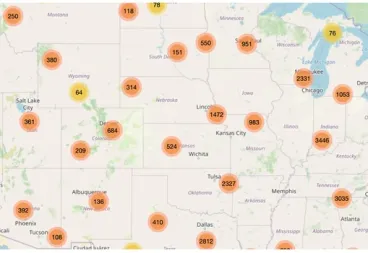
If you’re comparing breeding programs or looking at cattle sources, a directory like JH Cattle Co can at least show the kind of breeder information and herd presentation serious buyers look for. That matters because your own replacement and marketing decisions should move in the same direction. Cattle need to be described and selected with purpose, not guesswork.
Weaning without wrecking performance
Weaning is one of the most stressful points in raising beef cattle. Handle it carelessly and you invite sickness, fence walking, bawling, and stalled gains. Handle it well and calves settle faster and stay healthier.
A few things work reliably:
- Wean healthy calves: Don’t stack major stress on already weak or questionable calves.
- Use familiar feed and water locations: Confused calves lose ground quickly.
- Keep handling calm: Loud sorting and excessive pressure make the separation worse.
- Group by size and temperament when possible: Uniform groups settle better.
Your marketing endpoint also matters. The industrial system often moves cattle through a grain-finishing phase for about 5 months before harvest at 15 to 28 months of age, as noted earlier in the U.S. production review. If you’re building a grass-finished or local program, your finishing age and sale window may differ. That’s not a problem, but it does mean your breeding, weaning, and feed plan must support that longer or different pathway.
A calf crop only pays well when the whole cycle is coordinated. Breeding season, calving window, forage quality, and weaning method all push on the same result.
The Business of Beef Records and Marketing
A lot of small producers keep records only when the tax preparer or the veterinarian forces the issue. That’s too late. Records aren’t office work separate from cattle work. Records are how you prove what the animal is, how it was managed, and whether it belongs in a better market.

Records change how buyers see your cattle
When two animals look similar in the pen, paperwork can separate them. A buyer may not pay extra for every note you keep, but complete records reduce doubt. That matters. Doubt lowers bids, slows private sales, and narrows your options.
At minimum, track identity, birth date if known, sire and dam when available, breeding dates, calving results, vaccinations, treatments, withdrawals, weights, and culling notes. You can do that in a notebook, spreadsheet, herd software, or a profile-based tool. Creatures, for example, lets owners store photos, pedigrees, health records, reproductive history, and routine care in a single animal profile, which is useful when you need one organized record to share with a buyer or veterinarian.
Buyers trust cattle more when the story matches the paperwork.
Good records also help you make harder decisions faster. Which cow missed. Which calf always lagged. Which sire line gives you the kind of calf your buyers want. Which health issue keeps repeating in one family or one pasture group. Without records, people remember the flashy calf and forget the consistent cow.
Traceability affects market access
Many beginner articles fall short by discussing grass, hay, and shelter, but then gloss over the fact that some beef programs live or die on documentation.
USDA-aligned guidance summarized by The Beef Site explains that cattle sold with a naturally raised claim must be managed without growth promotants and antibiotics, while still allowing vaccinations, and that treated animals can be disqualified from that channel if records show they no longer meet the program rules, as detailed in this naturally raised beef guidance. That means “natural” is not a loose marketing vibe. It’s a management and recordkeeping system.
If you want access to premium buyers, local freezer beef customers, source-conscious families, or breed-focused seedstock buyers, your paperwork has to support your claims. Treatment records, dates, animal identity, and movement history all matter.
What to record on every animal
Keep it practical. If a record won’t help you manage, market, or defend a claim, it can wait. Start with the essentials:
- Identity and origin: Tag, tattoo, purchase source, and any registration or pedigree details.
- Reproduction notes: Breeding exposure, calving dates, calving ease, and mothering ability.
- Health events: Vaccinations, illness, medications, withdrawals, and outcome.
- Performance notes: Weights, body condition, disposition, and finishing observations.
- Disposition and culling reasons: Dangerous or unproductive cattle should leave with documentation explaining why.
The profitable small operator usually isn’t the one doing the most paperwork. It’s the one keeping the right paperwork.
Troubleshooting Common Cattle Problems
Sooner or later, cattle hand you a bad afternoon. A bloated calf. A cow trying to calve wrong. Water not running on a cold morning. Fence down when the neighbor’s hay field is next door. The fix starts with staying calm enough to sort urgent from non-urgent.
When to act fast yourself
Some problems need immediate owner action before anyone else gets there.
- Isolate the off animal: If one beast is sick or getting pushed off feed, separate it where you can watch intake, manure, and attitude.
- Secure water first: A broken waterer or dry trough becomes a herd problem quickly.
- Contain escapes at pressure points: Shut gates, block traffic lanes, and move. Running loose cattle usually scatters them farther.
- Reduce feed risk after a sudden change: If cattle got into rich feed or a fresh pasture too aggressively, watch closely and call for help early if you suspect bloat or acute digestive trouble.
A clean hospital pen, a few spare gates or panels, and a way to haul water buy you time in a lot of situations.
When to call the vet and not guess
Call early when a cow is down, a calf is struggling to breathe, labor has clearly gone off course, or you don’t have the restraint or diagnosis skills to treat safely. Guessing wastes time and can turn a salvageable animal into a dead one.
A difficult birth is a good example. If you see no progress, if presentation looks wrong, or if you can’t correct it promptly and safely, get veterinary help. The same goes for severe lameness, neurologic signs, heavy dehydration, or an animal that stops eating and drops off sharply.
The cheapest vet call is often the one made before the situation turns into a wreck.
Keep emergency numbers handy. Keep transport ready enough that you can move cattle when needed. And if you carry insurance on the operation, it’s worth reviewing options that protect your farm business when accidents, storms, equipment issues, or liability problems hit outside the animal itself.
Problems outside the animal
Many “cattle problems” are really infrastructure failures.
| Problem | First move | Next move |
|---|---|---|
| Frozen or failed water | Get temporary water in place | Fix heat source, line, or valve |
| Broken fence | Stop cattle movement calmly | Repair corner, gate, or short |
| Mud around feed or water | Shift feeding area if possible | Add drainage or hard footing |
| Repeated handling chaos | Reduce pressure and regroup | Change alley, gate flow, or footing |
Your local Extension office, breed association, sale barn contacts, veterinarian, and experienced neighboring producers are all worth keeping in your phone. Good cattlemen ask questions before they’re desperate.
If you want one place to organize cattle identities, photos, pedigrees, breeding history, and health records so buyers and veterinarians can review the same animal file, take a look at Creatures. It’s a practical way to keep traceability from turning into a pile of notebooks and loose papers.







