

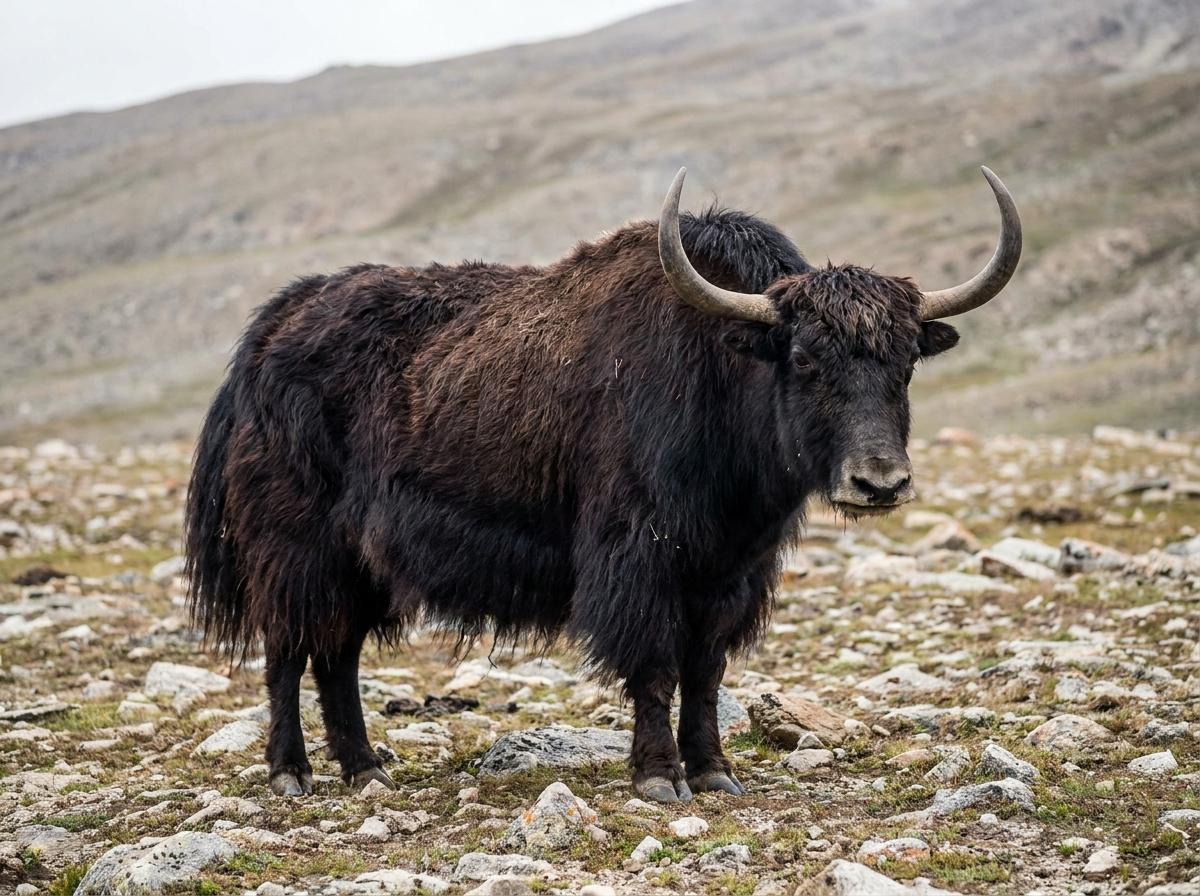
Pali
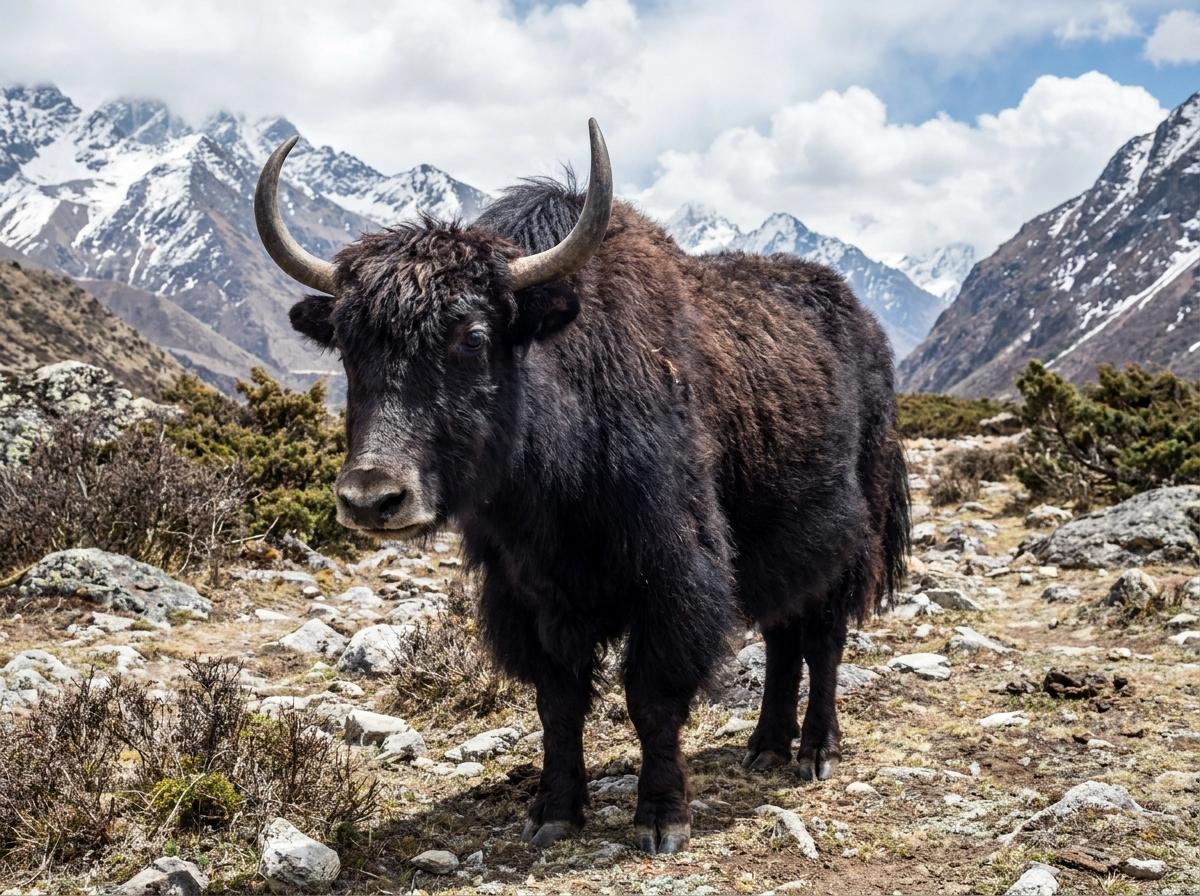
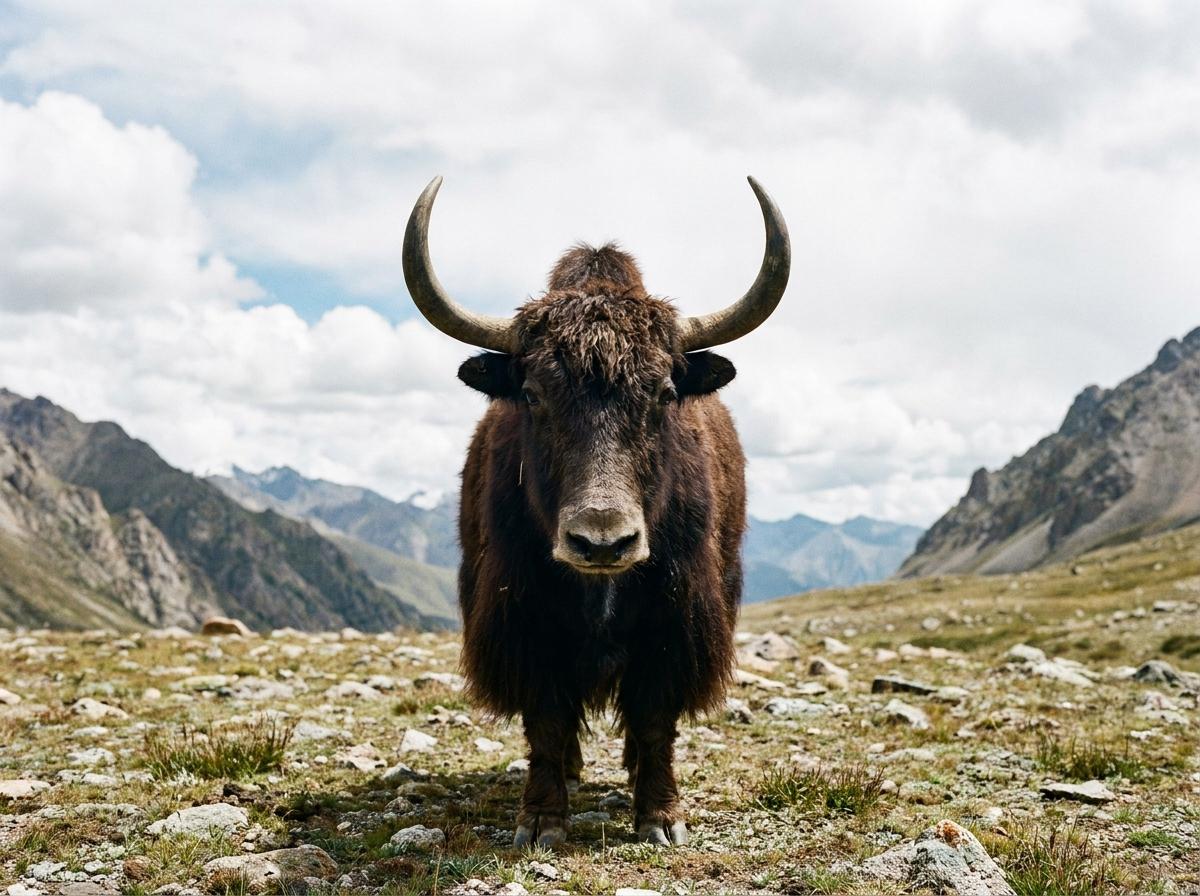
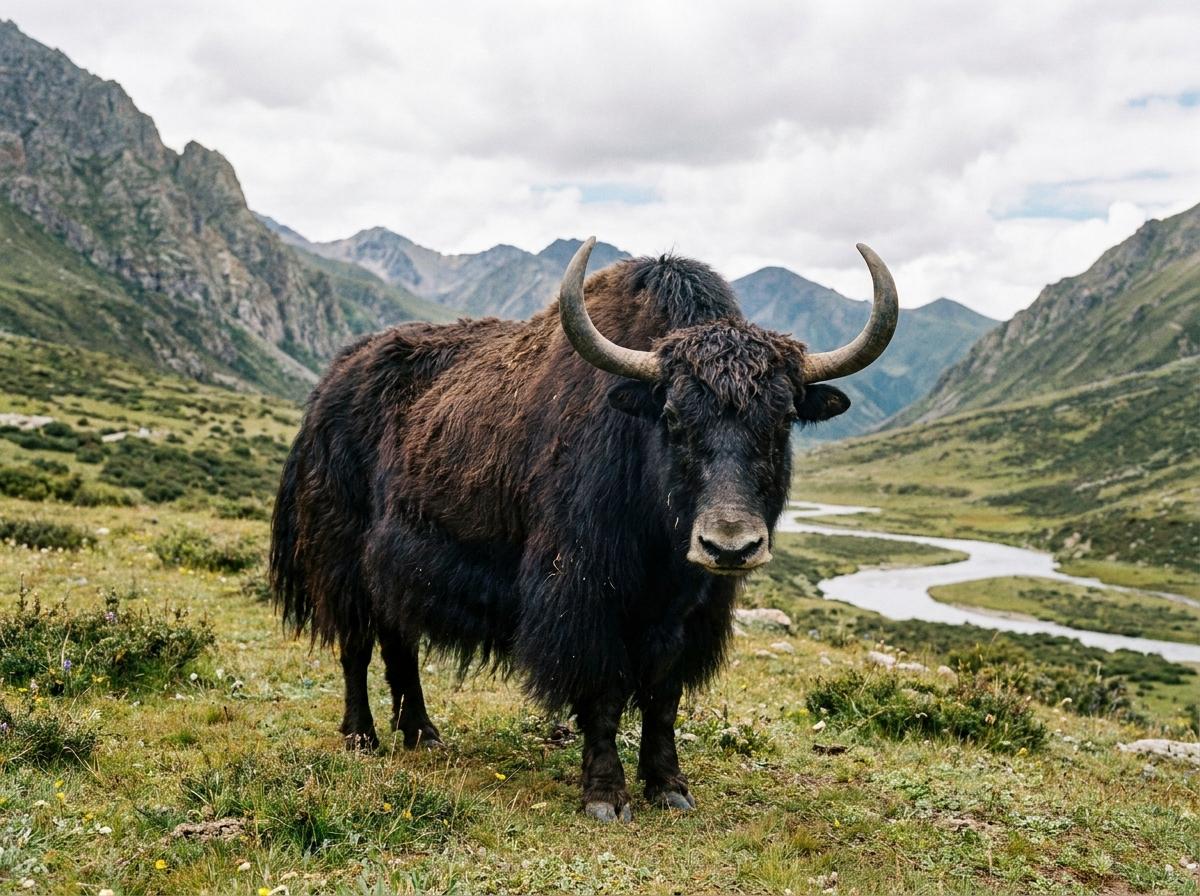
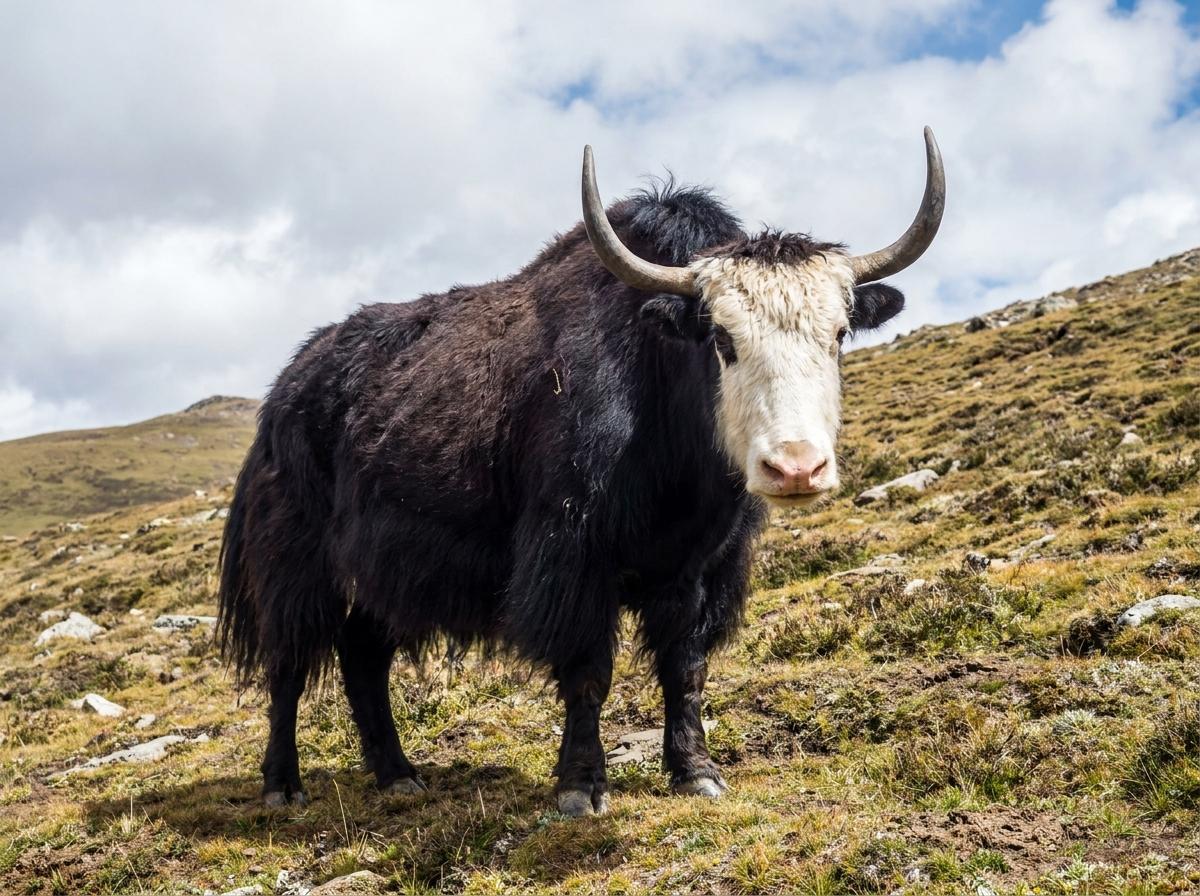
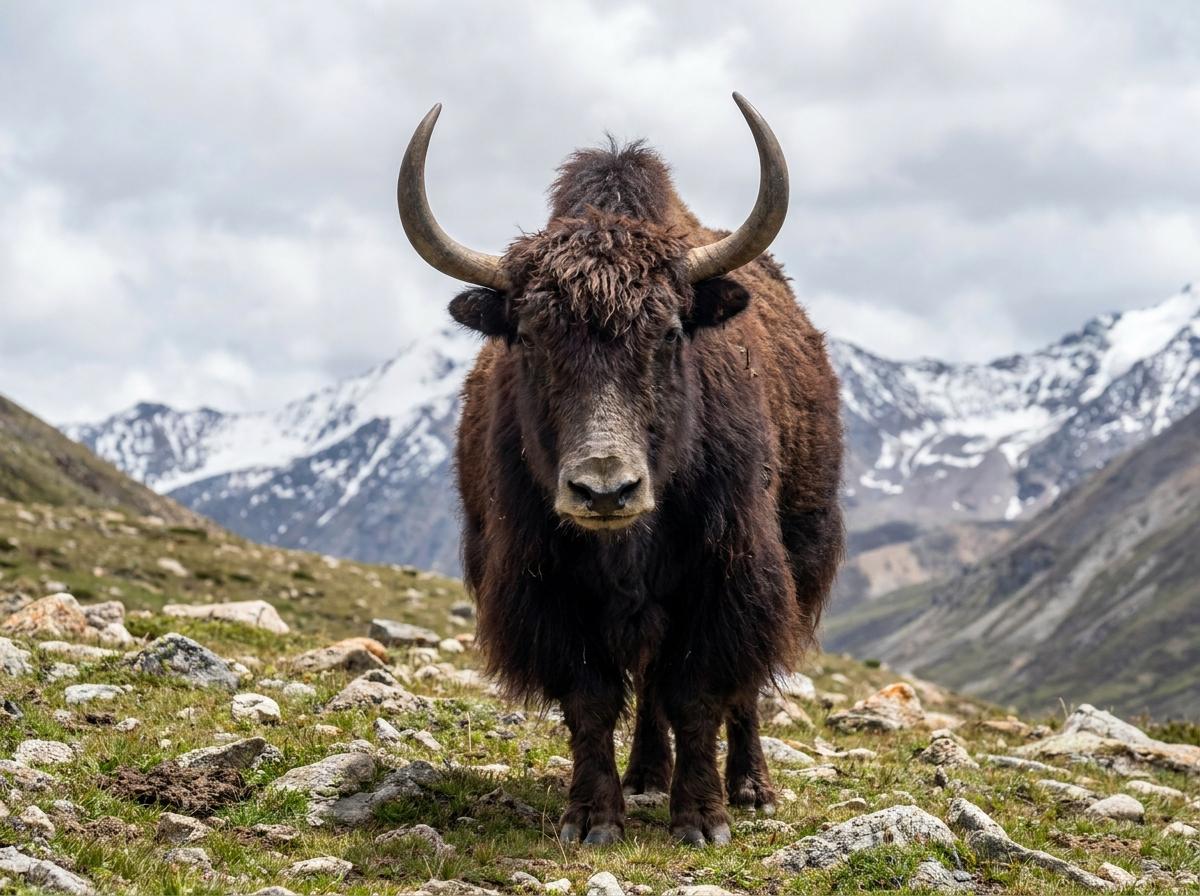
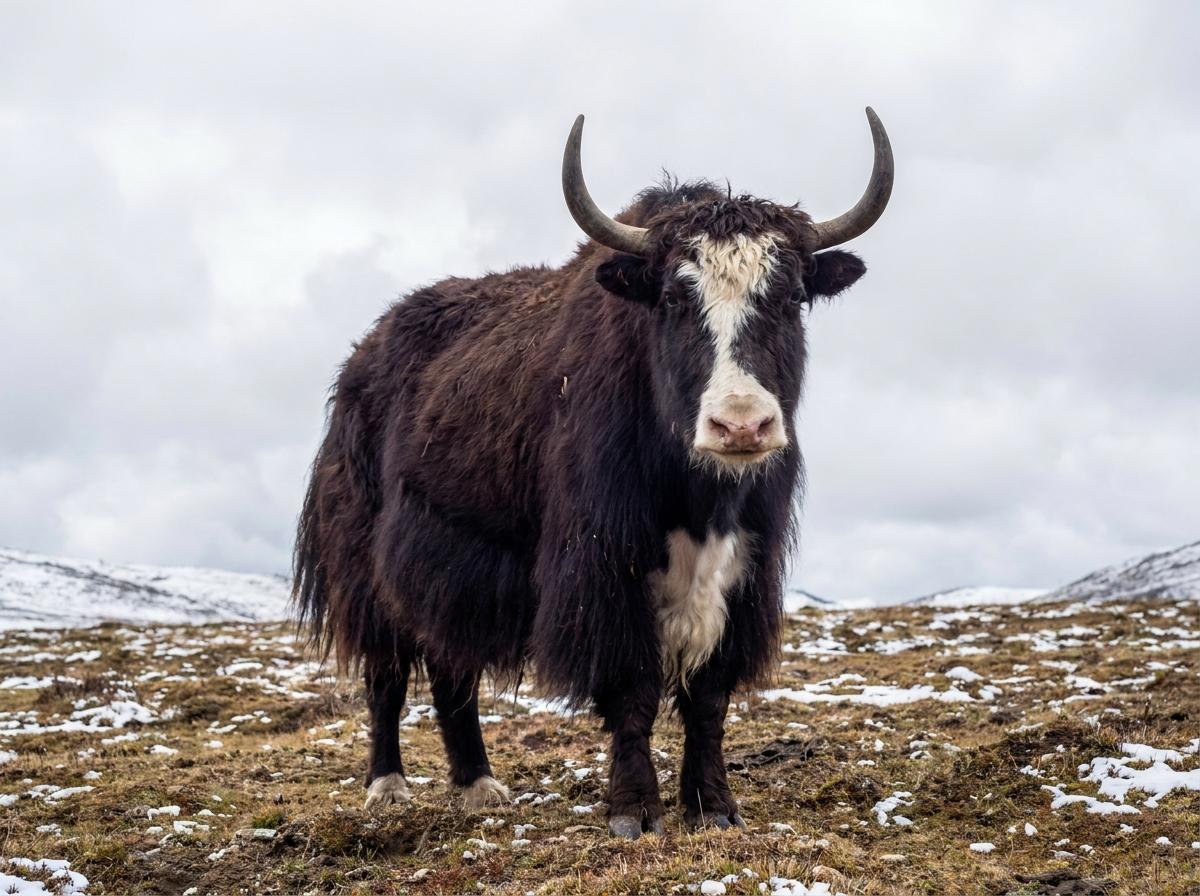
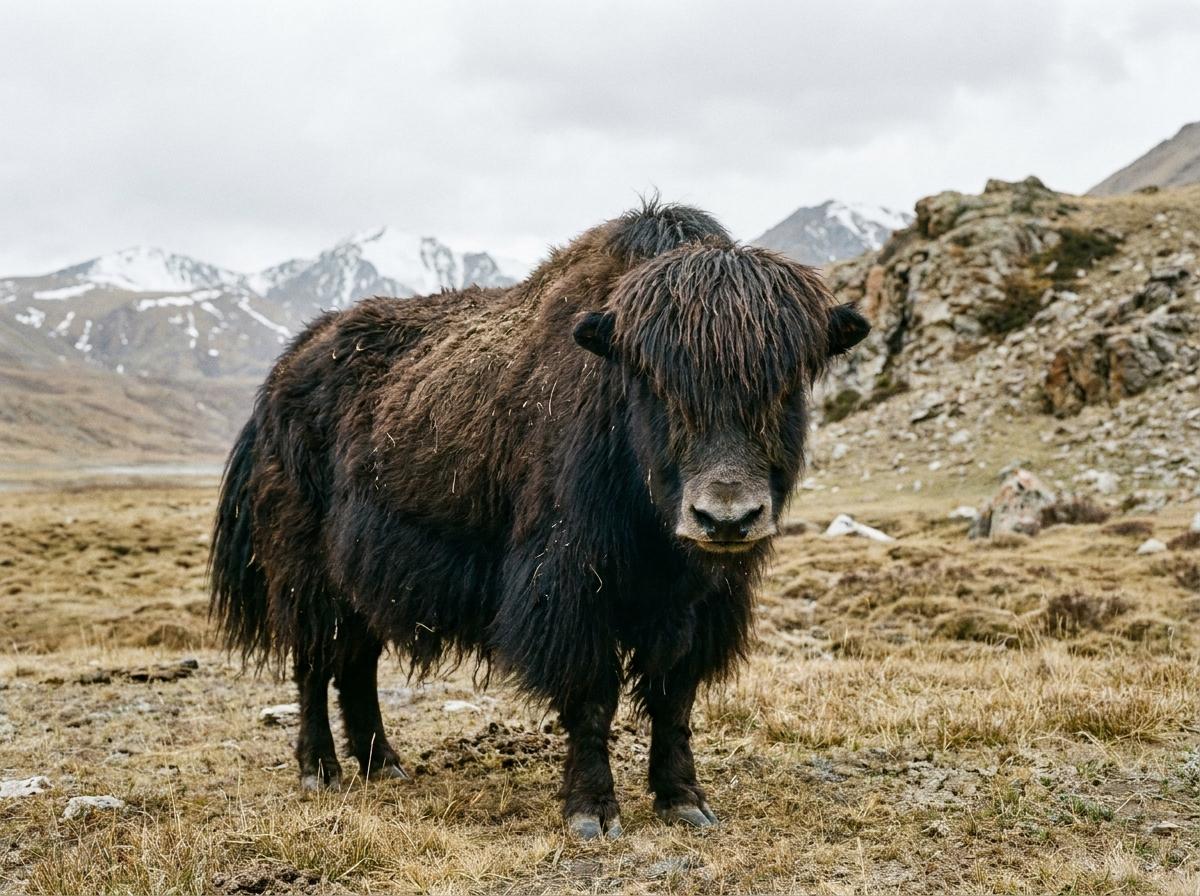
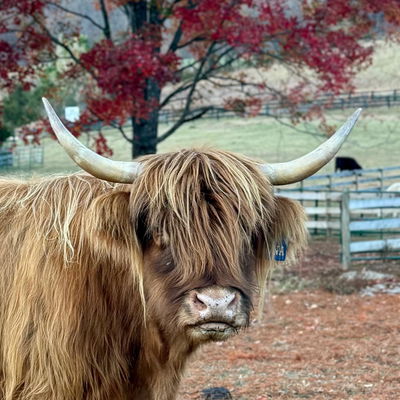
Pali yak is a regional Himalayan-Tibetan yak associated with the Pali or Pagri area of southern Tibet, near the high passes that connect Tibet with the eastern Himalaya. It is generally treated as a local plateau breed or landrace, shaped by wind, cold, and seasonal grazing more than by a modern show standard. Pali yaks are expected to be hardy, dense-coated working animals, used historically for milk, meat, fiber, and carrying loads across rough mountain routes.
Traditional management relies on movement between pastures and close knowledge of snow, forage, and water availability. In a farm or conservation setting, the main challenge is keeping the cold-country adaptation useful without exposing animals to hot, humid conditions that yaks handle poorly. Because the name is uncommon in many Western registries, breeders should verify source information before advertising animals as Pali. Maintaining local ancestry can matter for genetic diversity, especially when small yak populations are easily absorbed into mixed herds.
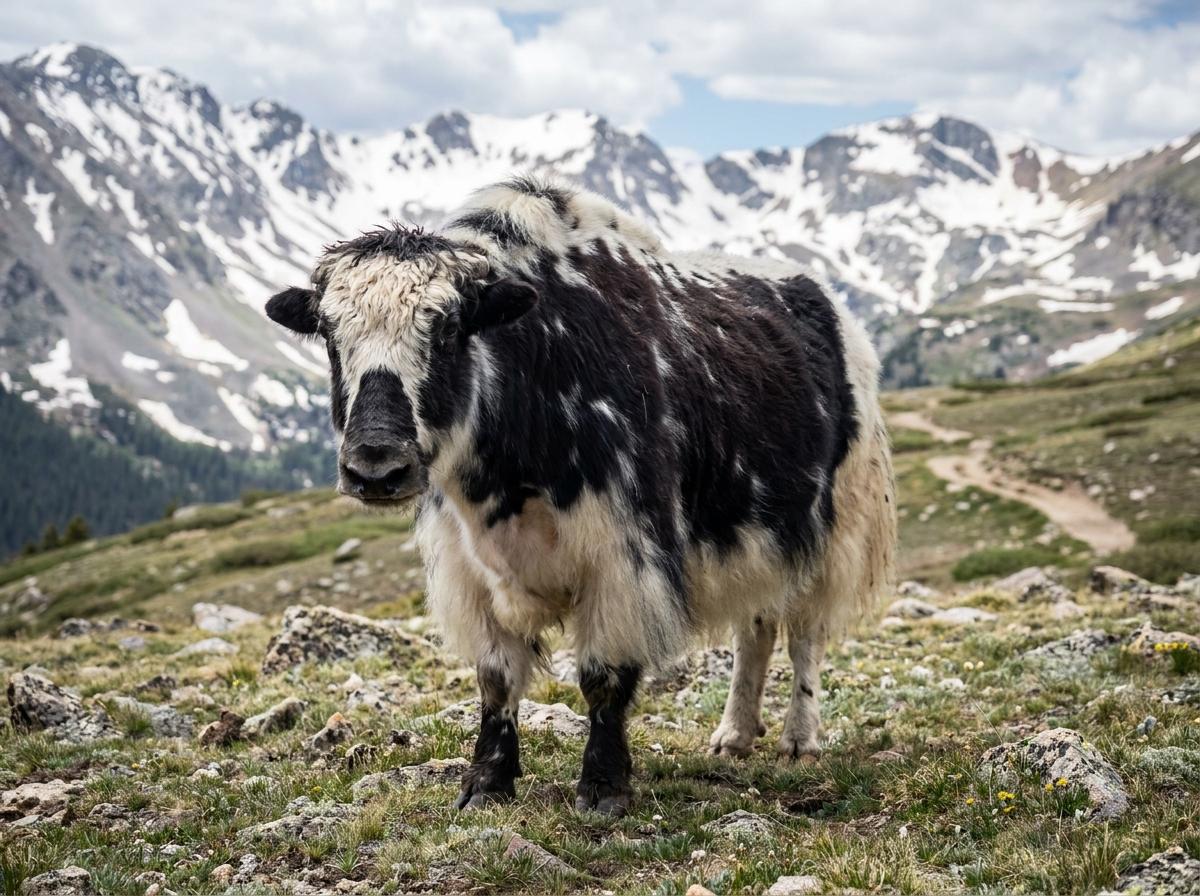
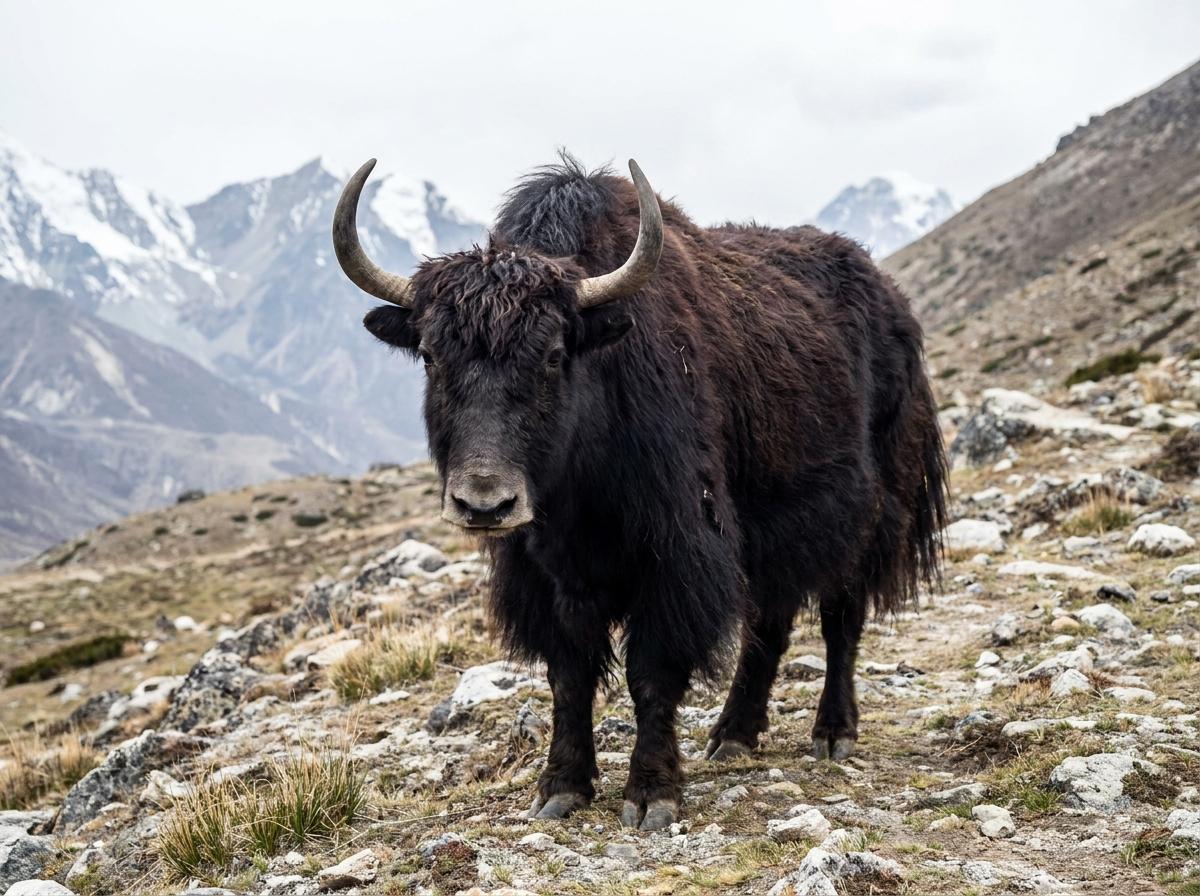
Colors: Golden, Golden Royal, Golden Trim, Imperial Black, Imperial Trim, Native Black, Native Black Trim, Royal, White