Helmet
Author: Elliott Garber, DVM · Published
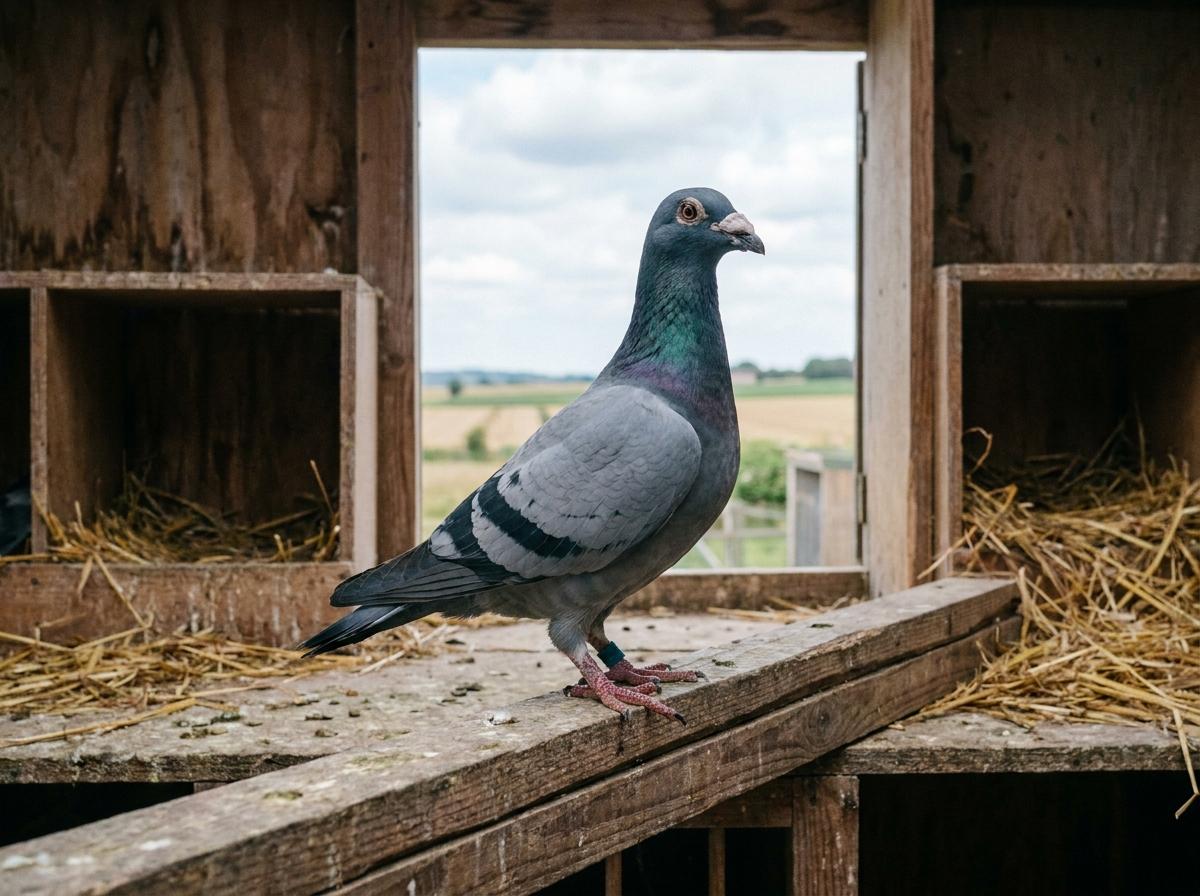
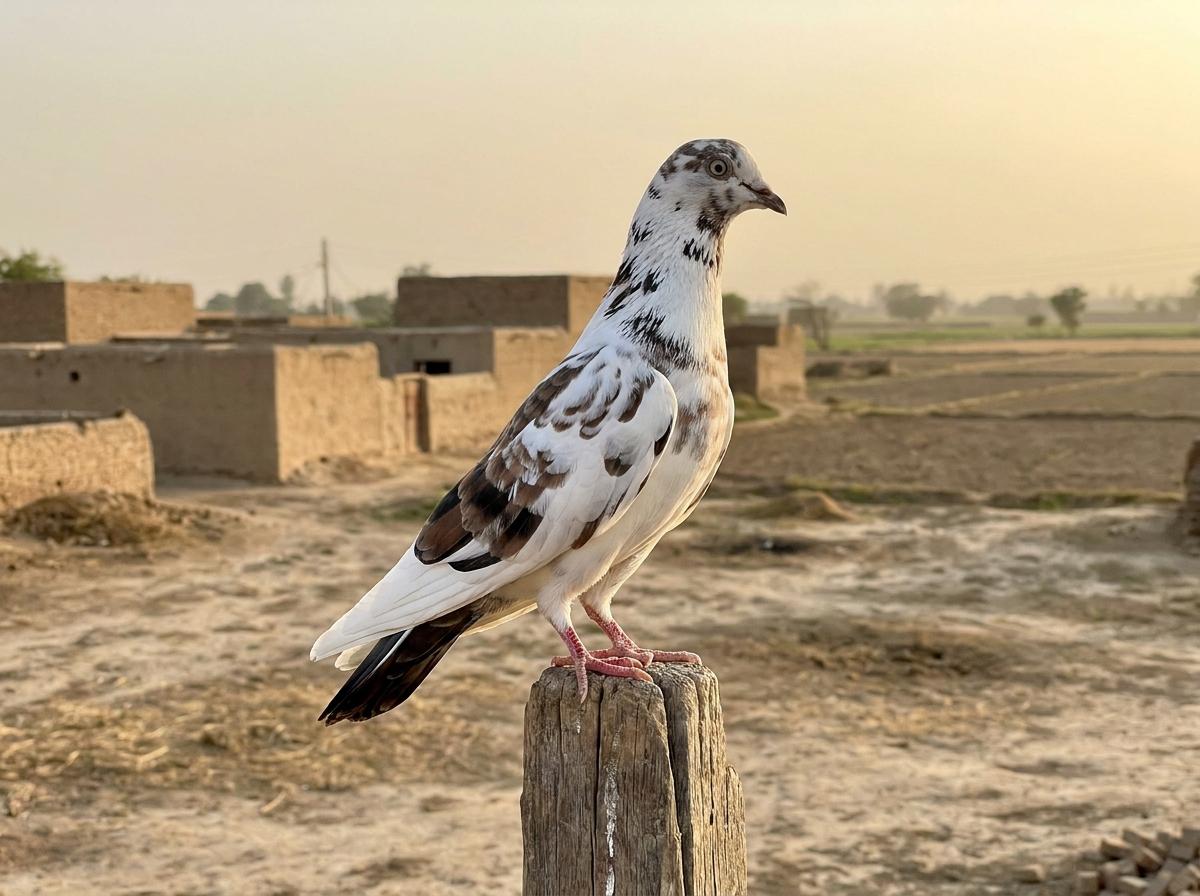
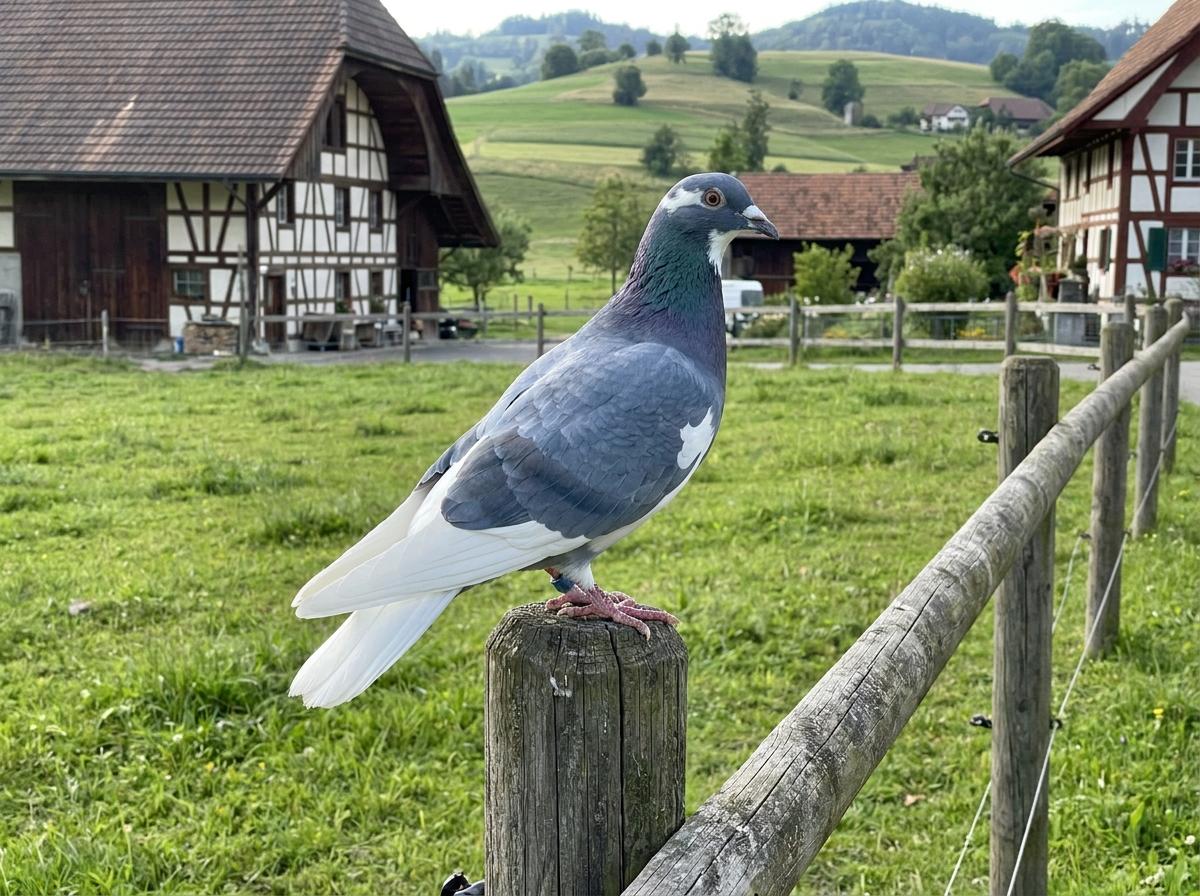
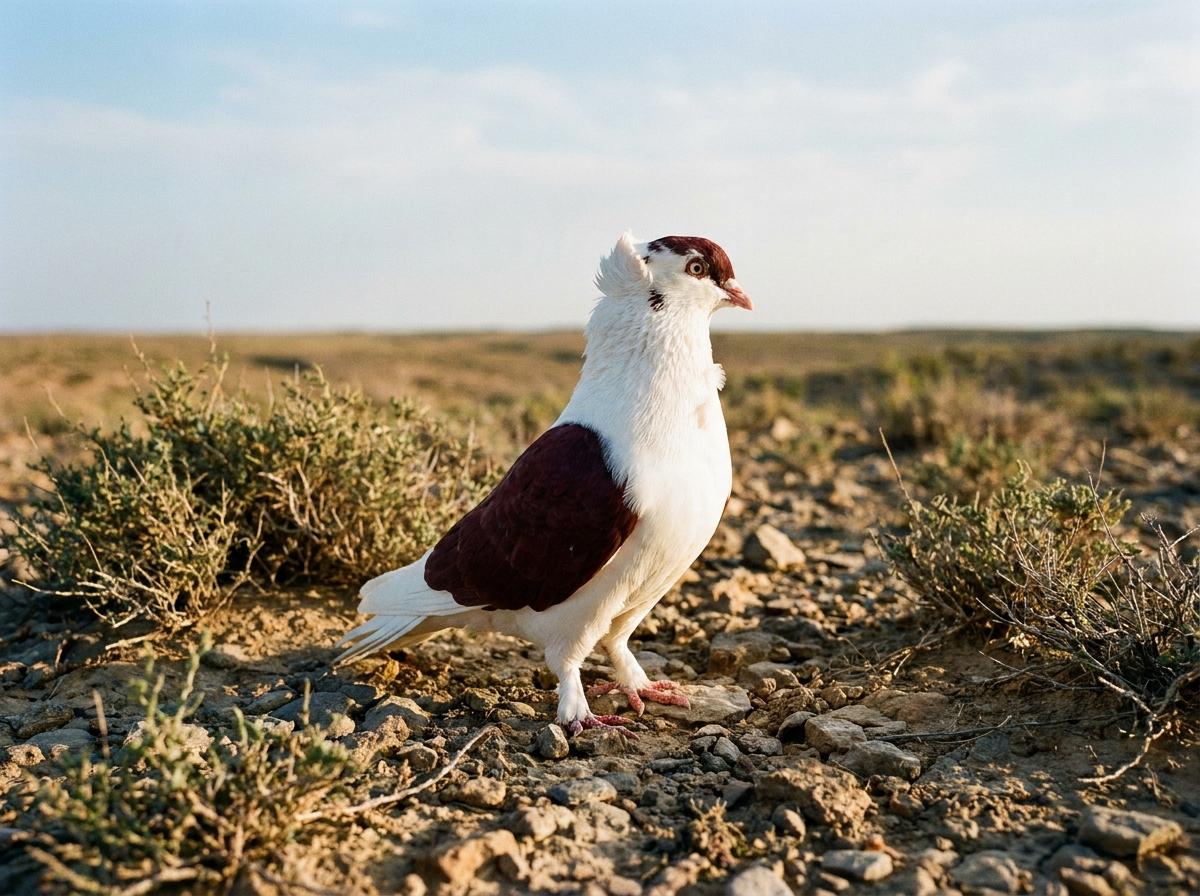
Helmet pigeons have a colored cap and tail against a white body. This guide uses the American Helmet Association’s Helmet, specifically the clean-legged, medium-faced plainhead form shown in the illustrations. That definition matters: a listing headed only “Helmet” or “German Helmet” is not enough to identify the form or the standard a breeder follows.
The pigeon guide covers the wider group. Here, the useful questions are which Helmet you are looking at, how its markings differ from related names, and whether a particular bird can eat, move and live comfortably in your loft.
| Reference | American Helmet Association standard |
|---|---|
| Illustrated form | Medium-faced plainhead |
| Markings | Colored cap and tail, white body and wings |
| Feet | Clean-legged in the illustrated form |
| Purchase question | Which named form and current show standard? |

AI-generated illustration of the medium-faced plainhead form, not a photograph or a certification of show quality.
Browse listings, public profiles, breeders, or add your animal.
What makes a Helmet a Helmet?
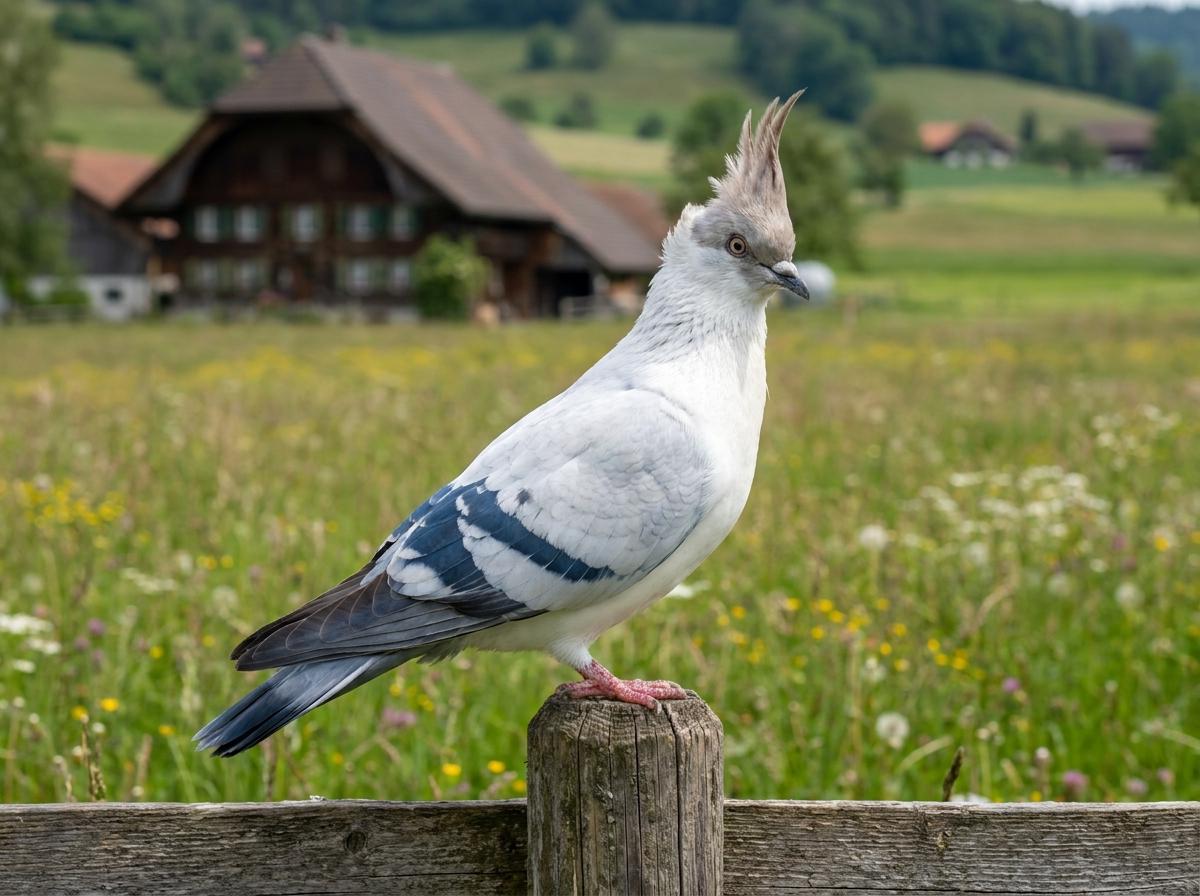
The American Helmet Association standard describes a compact bird with a broad front, a pale beak, pearl eyes and featherless red feet. It includes short-faced and medium-faced forms, and distinguishes crested from plainhead head markings. The cap ends along the lower edge of the eye; the body and wings remain white. A crested bird’s crest stays white too.
Read those details together. A white pigeon with a dark head patch is not automatically a documented Helmet. Nor does an imperfect cap make an otherwise sound companion unsuitable for ordinary care. Show assessment and an animal’s suitability for your household are different decisions.

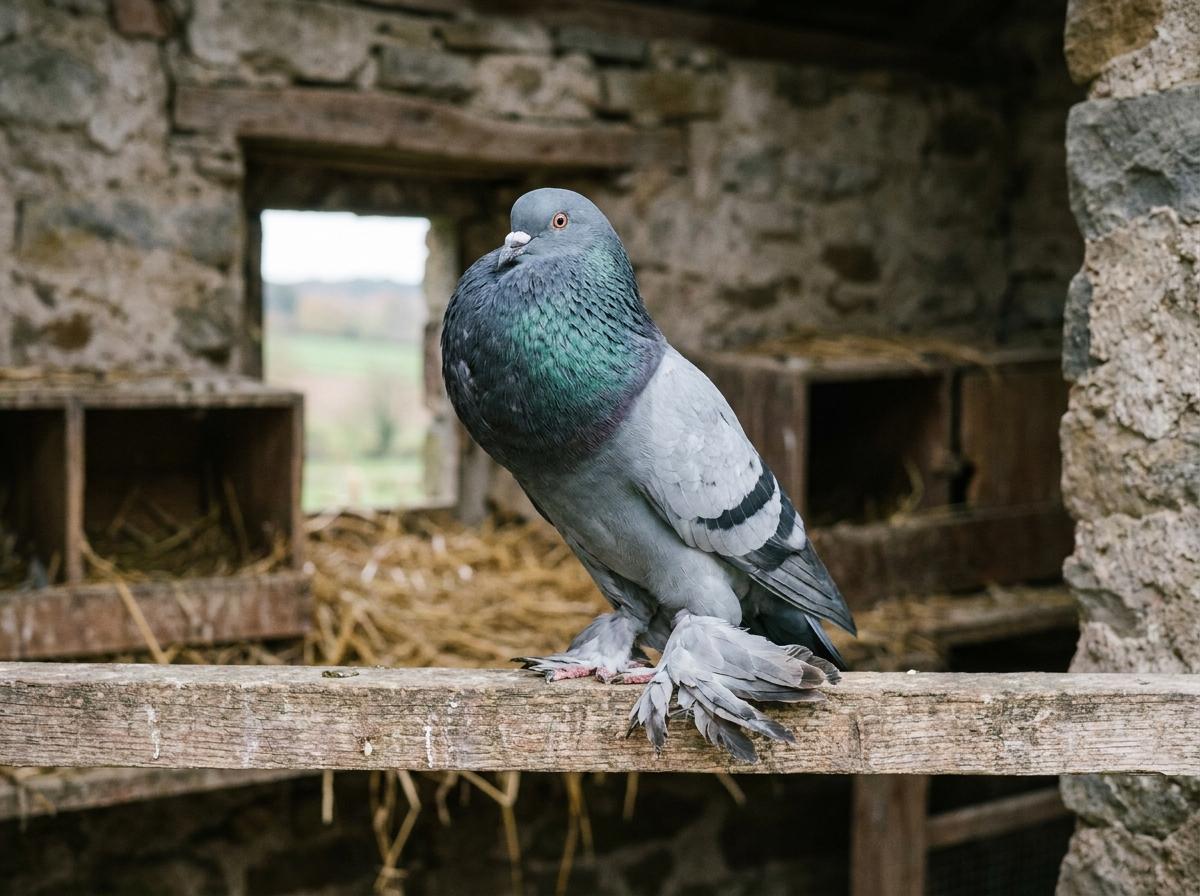
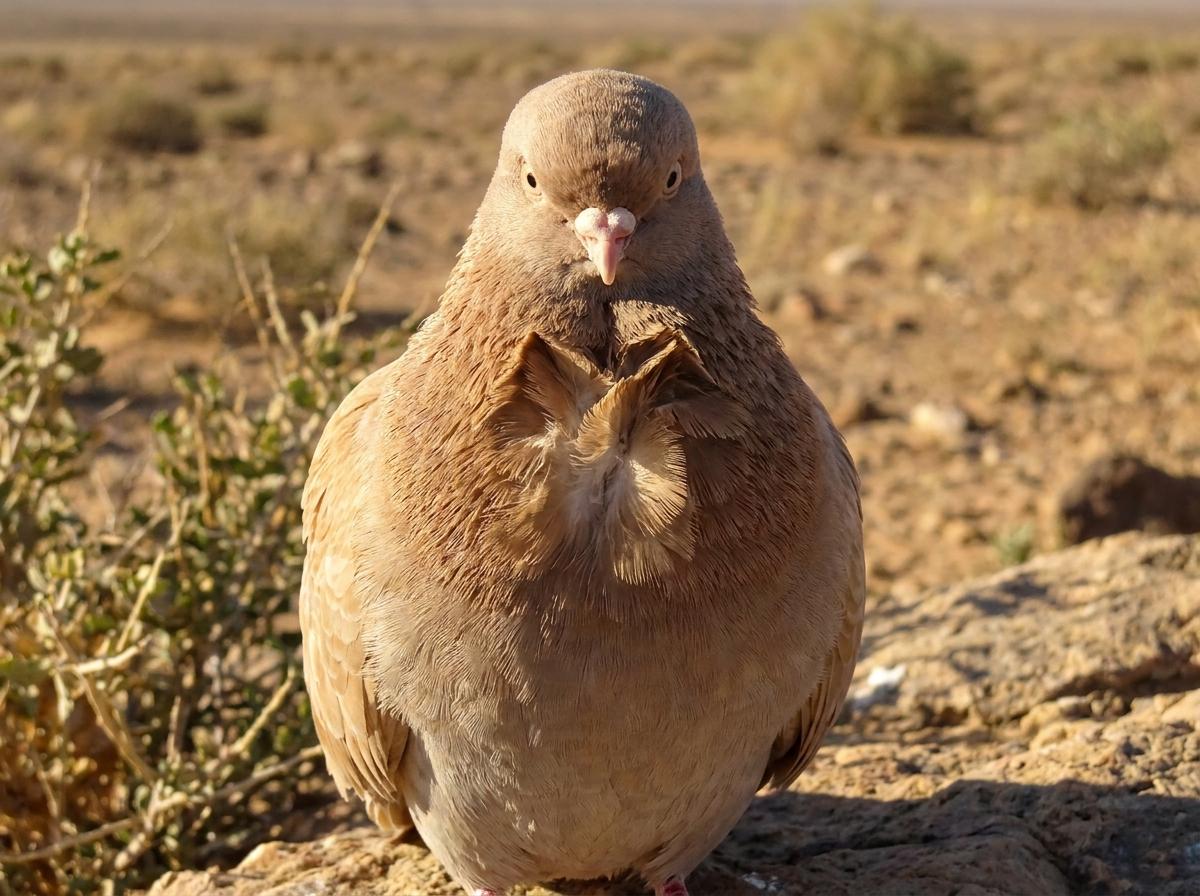
AI-generated illustration. This head detail shows the cap boundary; it cannot establish ancestry or health.
Dutch, Hamburg, Polish and other Helmet names
Creatures has separate pages for Dutch Helmet, Hamburg Helmet, Muffed Helmet and Polish Helmet. Treat those names as reasons to check the relevant standard, rather than interchangeable search terms for this page.
Ask the breeder to write the full name on the transfer record, together with the head form, color and ring number. Request a side photograph showing the head and feet as well as the whole bird. If the name on the ring record differs from the advertisement, settle the difference before choosing a breeding partner or entering a show.
Our clean-legged illustration deliberately does not represent the separately named Muffed Helmet. A seller using a regional translation may still have an identifiable, well-documented bird. The missing information is the source standard, not a new name invented from its photograph.
Care priorities for this form
Assess ordinary function before markings. Watch the actual pigeon pick up its normal feed and drink without help. Ask what feed it has been eating, whether it is fully independent and whether any individual care accommodation is needed. A photograph of a closed beak cannot answer those questions.
For diet, the Merck Veterinary Manual’s pigeon guidance includes formulated pigeon pellets as an option for seed-eating pigeons. Discuss an appropriate complete ration with an avian veterinarian instead of assuming a bowl of favorite seeds covers every need.
Prepare a dry, predator-resistant loft with clean solid resting areas and room to move. Plan compatible pigeon company rather than treating an individual portrait as a housing model. Before adding a bird, agree a separation and health-check plan with your veterinarian; show attendance, transport and shared equipment all deserve attention in a loft’s biosecurity plan.

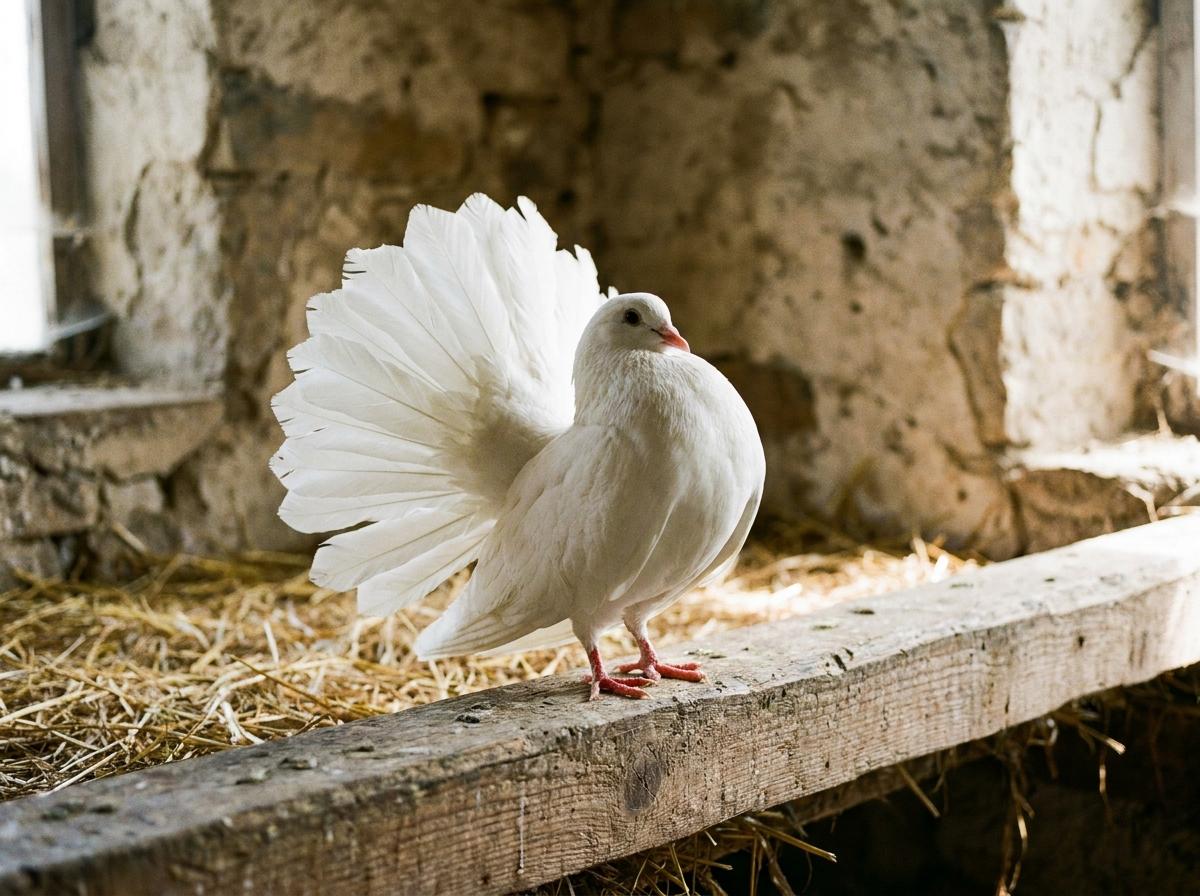
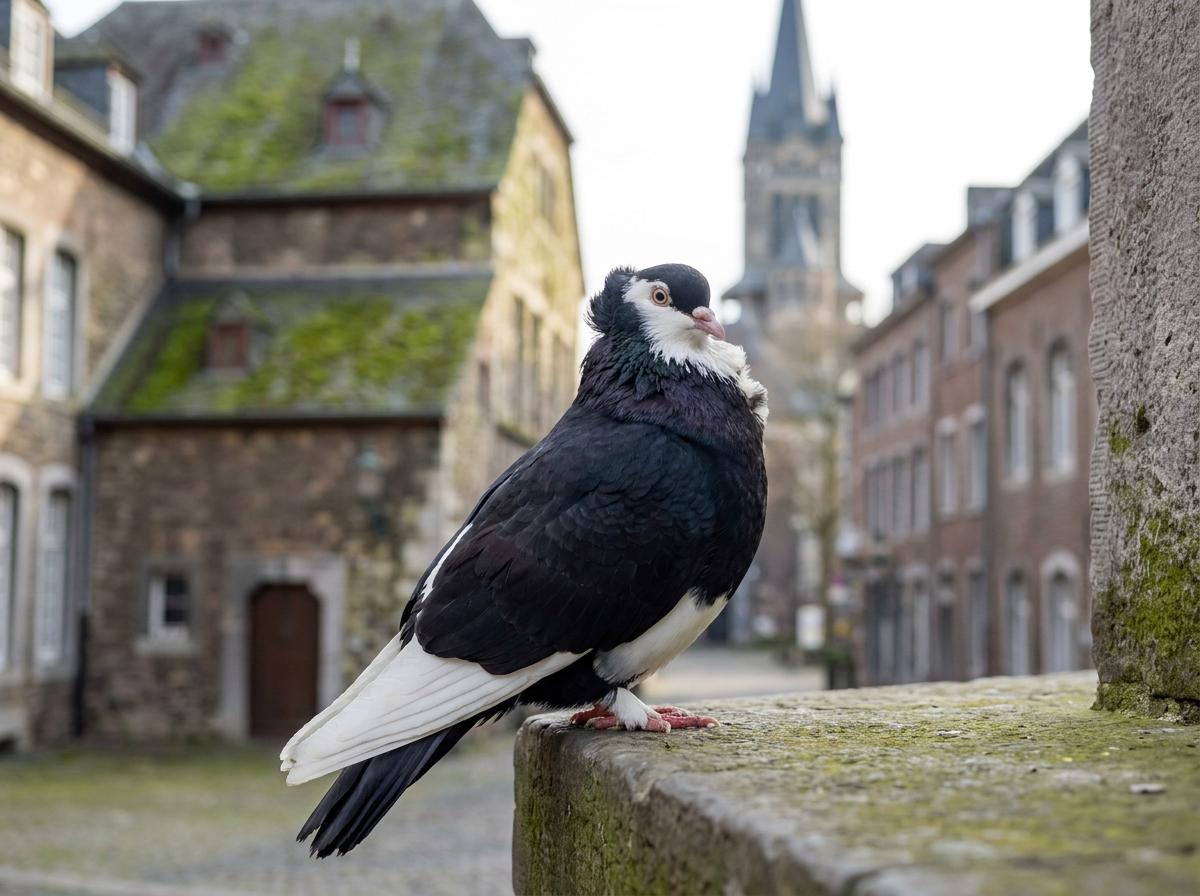
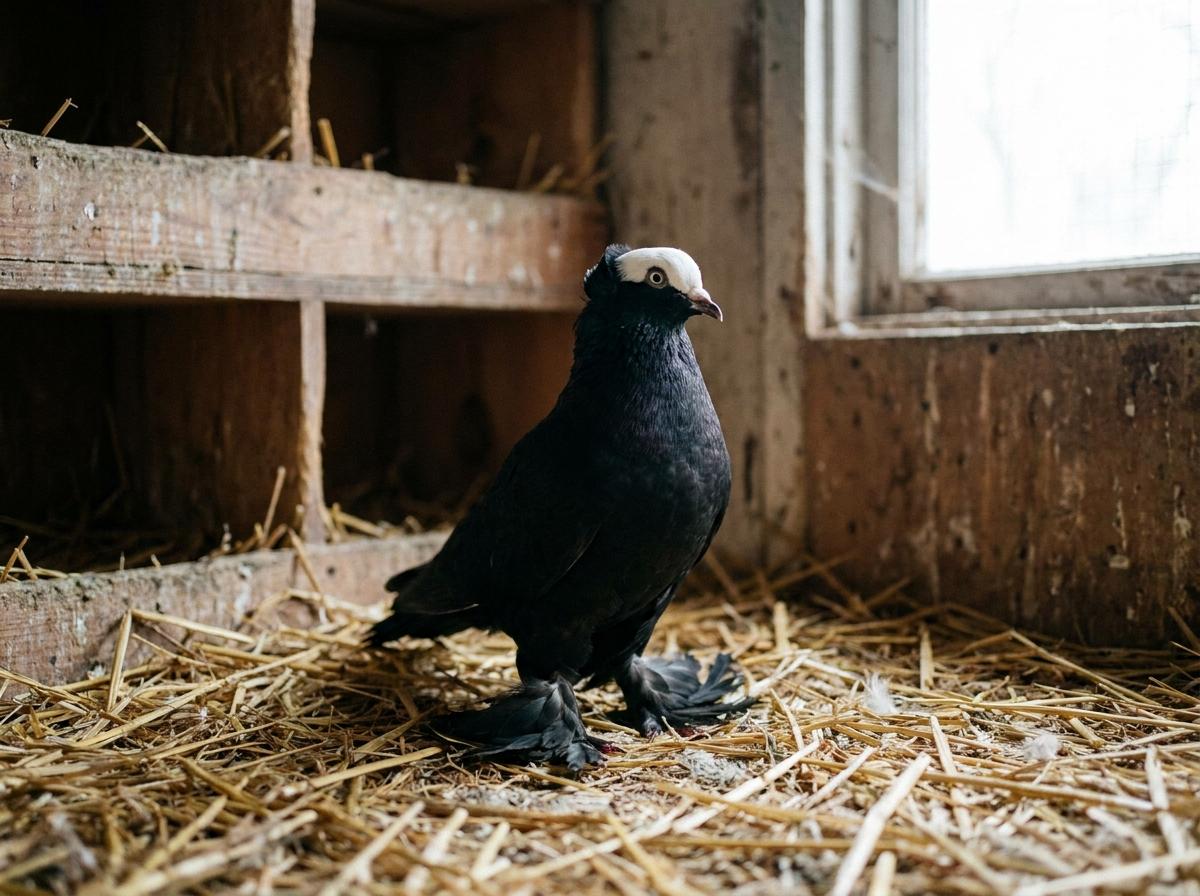
AI-generated illustration of plumage and body form. The neutral setting is not a complete loft.
Price and buying questions
There is no useful universal Helmet price. A locally collected companion, a documented breeding bird and an imported show prospect are different purchases. Get a written quote in the seller’s currency and separate the animal’s price from transport, required paperwork and equipment.
Before paying, ask:
- What exact Helmet form is this, and what standard does the breeder use?
- Is the price for one bird or a confirmed pair? How was sex determined?
- Can the seller supply current photographs, ring details and parentage if advertised?
- Can you see the bird feeding and walking, or receive an unedited recent video?
- Which faults affect show eligibility, and which issues require continuing care?
A prize claim should identify the bird, event and result. “Show quality” in an advertisement is an opinion until assessed against the relevant standard.
Frequently asked questions
Are all Helmet pigeons crested?
No. The AHA standard includes plainhead and crested forms. The images on this page consistently show the medium-faced plainhead form.
Should a Helmet have feathered feet?
Not the AHA form described here. If you are researching the feather-footed name, use the separate Muffed Helmet page and ask which standard applies.
Can I identify a Helmet from color alone?
Color can narrow the possibilities, but it does not prove breed identity. Combine the whole bird’s form with the breeder’s records and the named standard.
Do this next on Creatures
Use the pigeon guide to compare related breeds and plan the questions that matter for your own birds.