

Yucatan Mini
The Yucatan miniature pig is a slate-gray, nearly hairless pig developed from stock imported out of southern Mexico, best known for its calm, intelligent temperament and disease resistance, used for decades in biomedical research and, increasingly, kept by homesteaders and experienced pet owners. The word “miniature” is doing a lot of work here, and it trips people up: a Yucatan is miniature only next to a 500-plus-pound farm hog. A full-grown standard Yucatan still runs roughly 150 to 200 pounds. If you came looking for a lap-sized “teacup” pig, this is not that animal, and understanding why is the single most useful thing you can learn before you consider one. What follows is what the breed actually is, how big it really gets, what it needs, and how to think about getting one.
Browse listings, public profiles, breeders, or add your animal.
What is a Yucatan miniature pig?
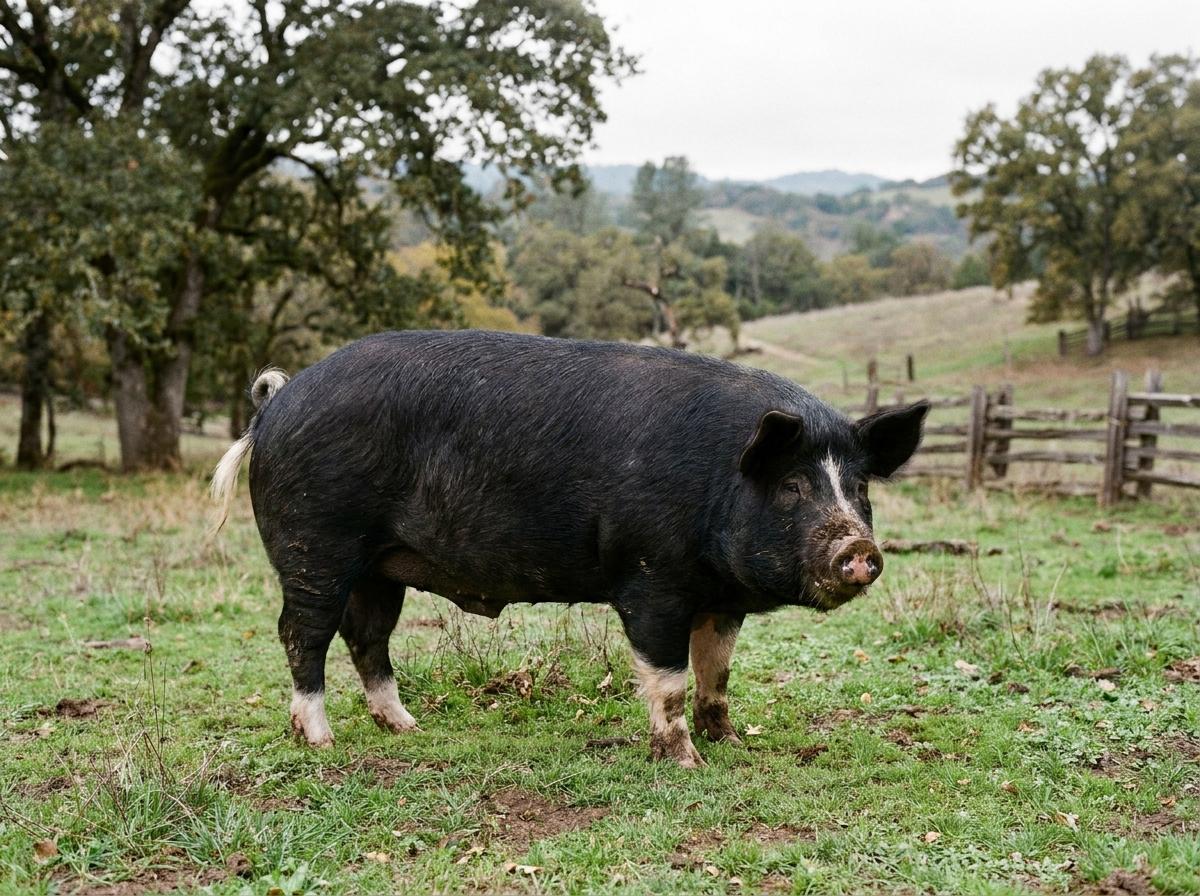
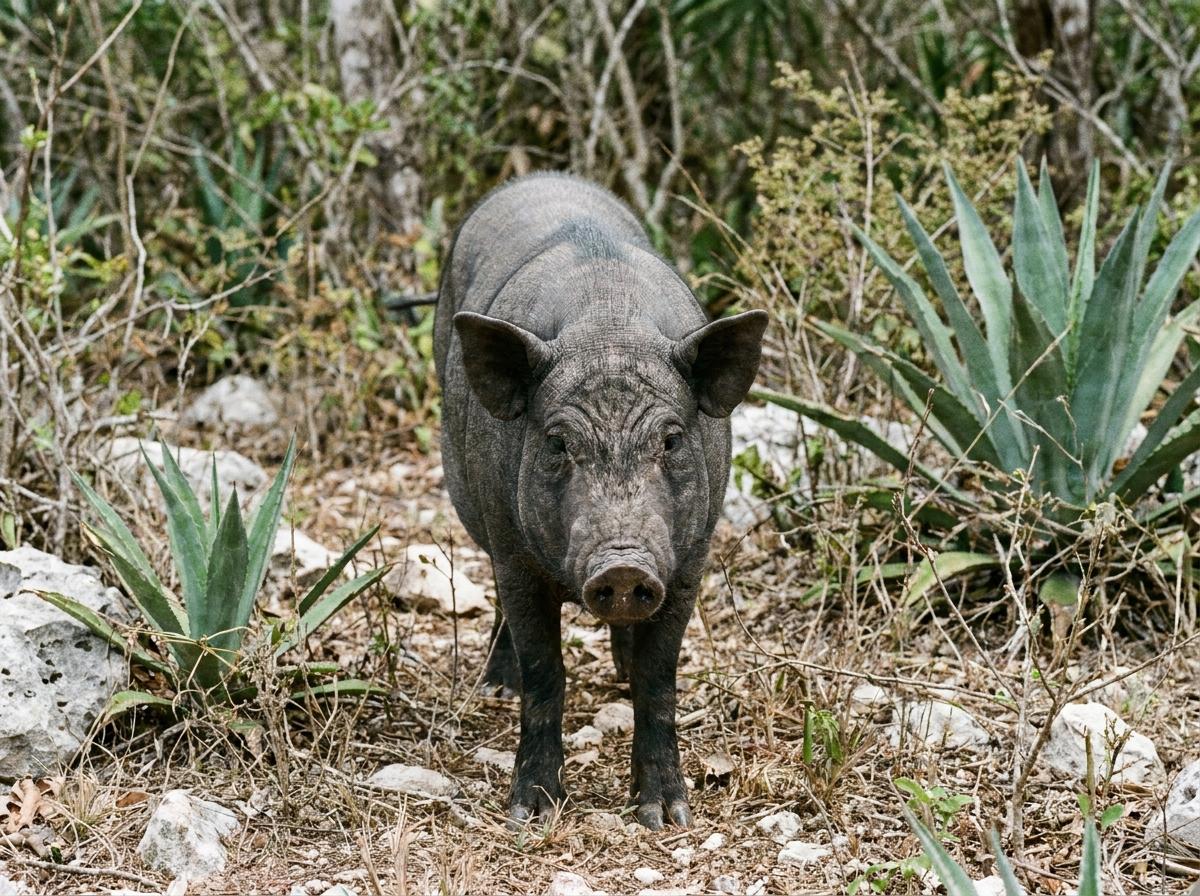
The Yucatan is a recognized miniature swine breed, slate-gray and essentially hairless, with darkly pigmented skin and a famously calm disposition. It is not a farm production hog and it is not a designer “teacup.” It sits in between: a genuinely mid-sized pig that is small by the standards of commercial swine but still a substantial animal by the standards of anyone picturing a house pet.
Its real claim to fame is in the laboratory. The Yucatan is one of the most widely used miniature pig breeds in biomedical research, valued because its skin, cardiovascular system, and physiology map usefully onto human medicine, and because the breed is docile and easy to handle. A 2021 study in Scientific Reports characterized Yucatan minipig behavior and physiology across maturation because the breed is such a stable, well-documented research model (Nature, Scientific Reports 2021). That research pedigree is why so much is known about the breed’s temperament and growth, more than for almost any pig you might keep.
If you are still comparing pigs, the broader Creatures pig species page is the place to weigh a Yucatan against other breeds, and the smaller Guinea hog is worth a look if a genuinely compact homestead pig is what you are after.
Origin and history
The Yucatan traces back to pigs from southern Mexico, including the Yucatan peninsula that gives the breed its name. The modern research breed was established from 25 animals imported into the United States in 1960 and developed at Colorado State University, with early funding from the Kroc Foundation (Sinclair Bio Resources).
Through the 1970s and 1980s, researchers at Colorado State studied the population closely and documented the traits the breed is still known for: gentleness, intelligence, resistance to disease, and a relative lack of odor. Those are not marketing adjectives bolted on after the fact. They are the characteristics that made the breed worth maintaining as a controlled research colony in the first place.
A second, smaller line branched off later. Introducing a small Yucatan boar into the Colorado State breeding program produced “Martha,” the first micro-sized Yucatan, and from 1985 Charles River Laboratories, and later Sinclair Bio Resources, maintained the Micro-Yucatan as a closed, fully pedigreed colony (Sinclair Bio Resources). When you see “Micro-Yucatan” or “Yucatan micropig,” that is the smaller research derivative, not a separate pet breed and definitely not a teacup.
What a Yucatan looks like
The Yucatan is easy to pick out once you know the diagnostic features, and they are consistent enough to hold across research colonies and breed descriptions.
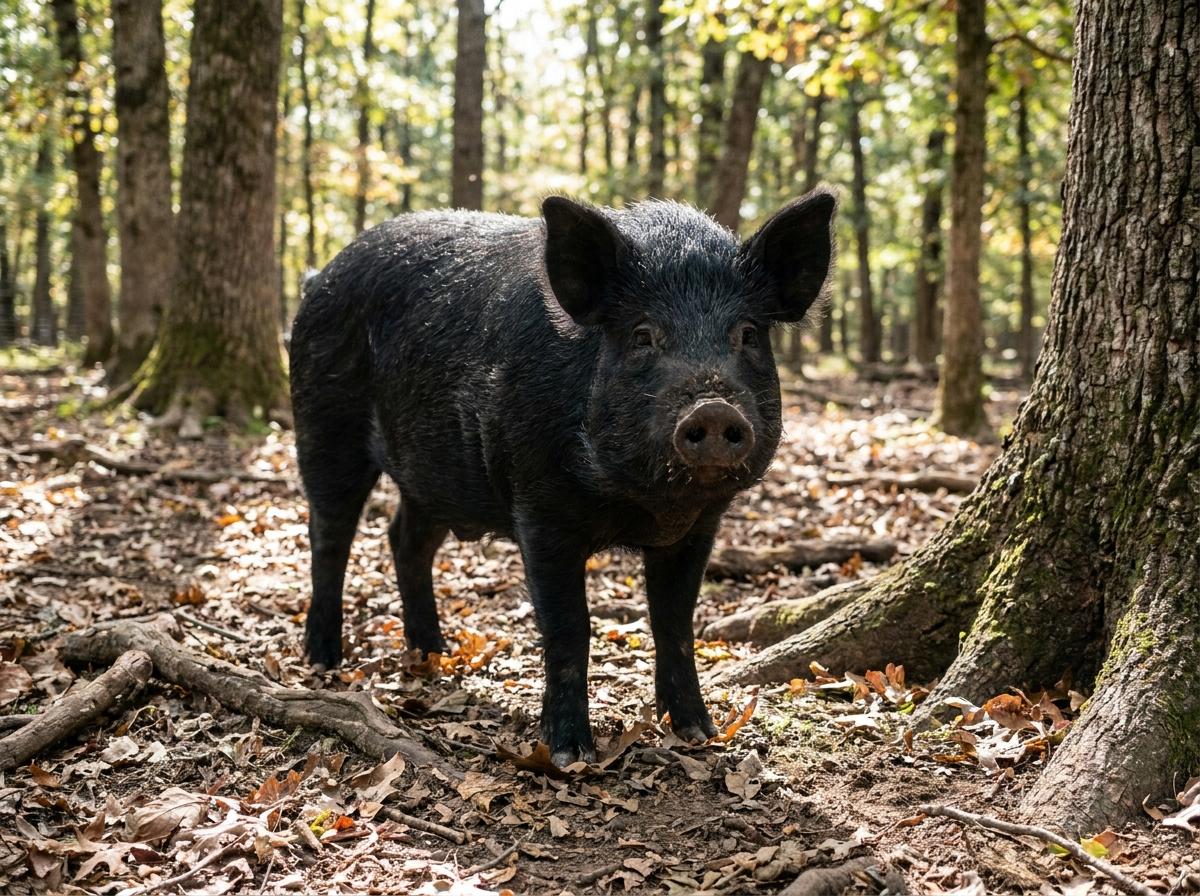
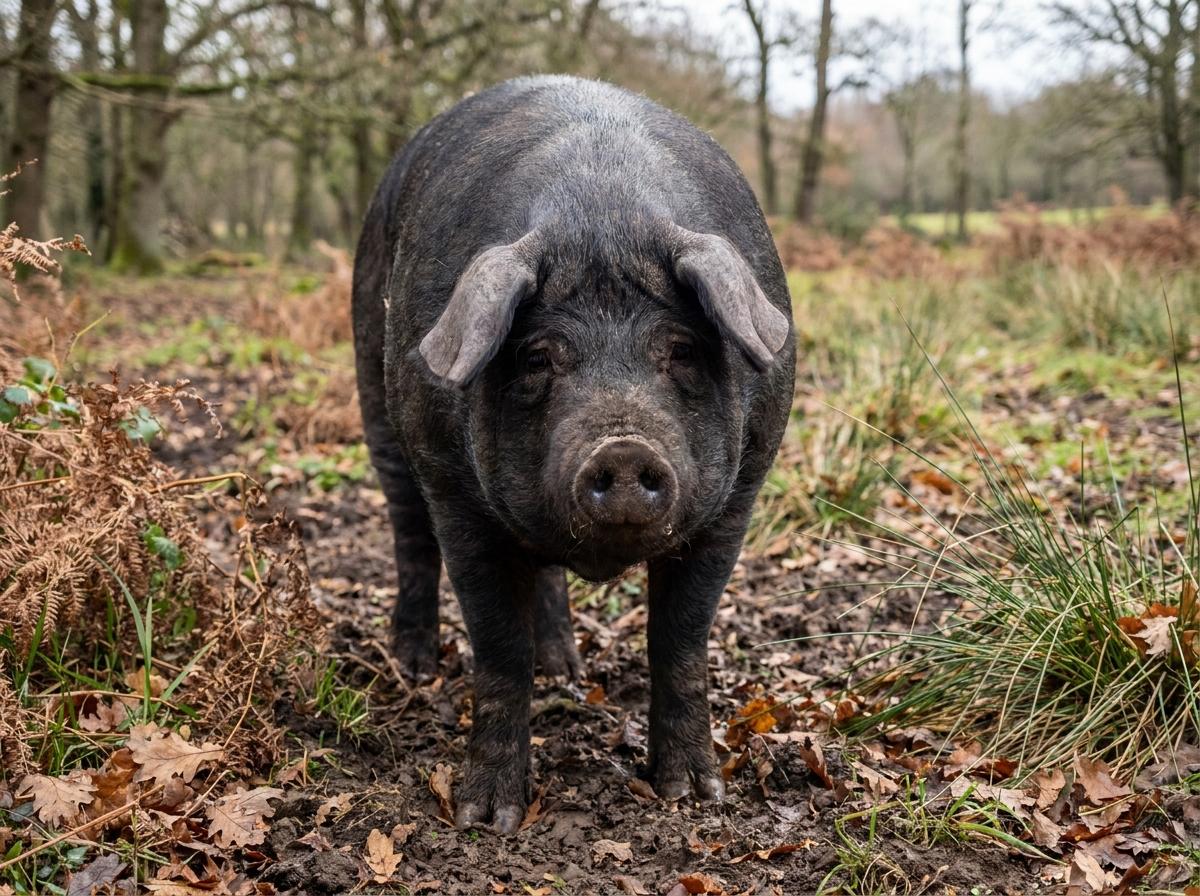
- Slate-gray, nearly hairless coat. The breed has darkly pigmented skin ranging from slate-gray to nearly black, with little or no hair (Sinclair Bio Resources). This is the trait most people notice first, and it is the reason the breed is sometimes called the Mexican hairless pig. Practically, sparse hair means less shedding but also means the skin is exposed, so sunburn and dry skin are real concerns.
- Large erect ears. The ears are large and stand up, which is a clear contrast with lop-eared potbellied types. The American Mini Pig Association describes them simply as “large ears that erect.”
- Long straight snout on a long, narrow head. The face is long and the nose is straight, not the short dished profile of a classic potbelly. The head is narrow and long, and boars carry a broader, more masculine head than sows.
- A solid, level frame on straight legs. The body is even and well supported, with long, straight legs built to carry the pig’s real weight. This is a working, sturdy build, not a delicate one.
Adult standard Yucatans stand roughly 18 to 30 inches at the shoulder, with sows smaller than boars, and the association lists an average body length of 38 to 48 inches (American Mini Pig Association). None of that describes a small animal.

How big does a Yucatan actually get?
This is where honest numbers matter most, because the pet market has done real damage with the word “mini.”
In the well-documented research colonies, mature nonobese boars average about 83 kg (roughly 183 pounds) and mature sows about 70 kg (roughly 154 pounds), which puts the standard Yucatan minipig in a documented adult range of about 70 to 90 kg (PubMed, Yucatan miniature pig characterization; PLOS One / PMC). Growth is slow and steady rather than explosive: Yucatans put on roughly 3 to 5 kg per month and reach only about 20 to 30 kg at sexual maturity, which arrives around 5 to 6 months of age. Body weight then climbs from about 31 kg at 8 months to about 83 kg at 24 months in the standard line (PMC, body-size study).
The smaller Micro-Yucatan line is smaller but not by as much as older figures suggest, and the numbers are easy to misread. Sinclair’s current handbook estimates about 55 to 70 kg (roughly 120 to 154 pounds) by 24 months; the widely quoted 35 to 40 kg is its 12-month weight, before the pig has finished growing. So even the small line is a genuinely substantial research pig by adulthood, not a lap pet, and its adult range overlaps the lower end of the standard line rather than sitting far below it.
The slow growth is the trap for buyers. A Yucatan is not close to full size at 6 months or even a year. The Merck Veterinary Manual notes that miniature pigs rarely reach their full size until they are two to three years old, and that breeders routinely misrepresent adult size by pointing at an undersized young mother who has not finished growing herself (Merck Veterinary Manual, overview of miniature pet pigs). A seller who shows you a young pig, or who quotes a weight that falls well below these documented ranges, is describing an adolescent, not an adult. As the American Mini Pig Association puts it plainly, “teacup,” “micro,” “nano,” and “pocket” are not breeds, just labels some sellers use, and no honest breeder can promise an adult pig will stay tiny (American Mini Pig Association, mini pig facts and myths). Plan for a pig in the 150-to-200-pound range and you will not be blindsided.
Temperament and intelligence
The Yucatan’s reputation is calm, and it is well earned. Colorado State’s early work flagged gentleness and intelligence as defining traits, and Sinclair describes the breed as “particularly known for their docile temperament and ease of handling” (Sinclair Bio Resources). The American Mini Pig Association’s breed notes call the Yucatan “extremely docile, easily controlled, and very active.”
Pigs in general are strikingly smart, and that intelligence cuts both ways. A Yucatan can learn its name, walk on a harness, use a litter or a designated potty area, and pick up cues quickly, which makes training genuinely rewarding. The same brain gets bored, and a bored, under-stimulated pig becomes destructive and pushy. This is a social animal that needs interaction, routine, and something to do. It is not a decorative pet you keep in a corner.
One honest caveat: the “docile” label describes spayed and neutered pigs living in good conditions. Intact adults are a different animal, and intact boars in particular can become difficult and aggressive. That is one of several reasons the veterinary and rescue consensus is to spay and neuter, which the care section covers below.
Care and husbandry
A Yucatan is a long-lived, intelligent, mid-sized pig, and that shapes everything about its care. Treat medical decisions, including anesthesia, vaccination, and any drug dosing, as your veterinarian’s call, and choose a vet who actually works with pigs before you bring one home.
Housing and space
Yucatans need a dry, draft-free shelter and real room to move. The Merck Veterinary Manual notes that miniature pet pigs are usually comfortable between about 65 and 75 degrees Fahrenheit and are stressed by temperatures above roughly 85 degrees, since pigs have few functional sweat glands and cannot shed heat easily (Merck Veterinary Manual, management of miniature pet pigs). Because the breed is nearly hairless, shade and skin protection in summer and a warm, deeply bedded space in winter both matter more than they would for a hairy pig.
Outdoor fencing has to be genuinely pig-proof. Pigs are powerful, curious, and natural diggers, so fences need to be sturdy, low to the ground, and escape-resistant. Expect a Yucatan to test the perimeter.
Rooting and enrichment
Rooting, pushing and digging with the snout, is a hardwired pig behavior, not a bad habit to train out. The practical answer is to give the pig an acceptable outlet: a rooting box filled with a safe substrate and small hidden treats, plus daily time outside to dig, graze, and explore. Pigs deprived of this get bored and destructive, and much of the “my pig wrecked the house” story traces back to an under-enriched, under-exercised animal. Build the enrichment in from day one.
Feeding
Feed a diet formulated for pet or miniature pigs, not commercial production-hog feed, which is designed to push rapid growth and may contain additives inappropriate for a pet. Many mini pig care guides suggest starting at roughly 2 percent of body weight per day in a proper mini pig ration, then adjusting to keep the pig at a healthy body condition, alongside appropriate vegetables and constant clean water. Obesity is one of the most common and most damaging health problems in pet pigs, and an overfed pig can develop heavy fat rolls that impair vision and mobility, so portioning and body condition matter as much as the brand of feed. Your veterinarian can set target amounts for your specific pig.

Spay and neuter
For pet Yucatans, spaying and neutering is close to non-negotiable. It is recommended early: the American Mini Pig Association notes that many breeders neuter males as young as five to eight weeks and spay females as young as six to eight weeks, and that intact pigs are the leading cause of the behavioral problems that get pet pigs abandoned or rehomed (American Mini Pig Association, spay and neuter). Intact females also carry a high risk of reproductive cancers over time. Pigs are sensitive to certain anesthetics, so this is work for a veterinarian experienced with pigs specifically, and the exact timing is a decision to make with that vet. Given that Yucatans reach sexual maturity at just five to six months, scheduling it early is part of responsible ownership, not an afterthought.
Health and records
Routine pig health care applies: parasite control, hoof and tusk maintenance, skin care given the sparse coat, dental attention, and the vaccinations your veterinarian recommends for your area. Keep clear, dated records of weight, vet visits, vaccinations, deworming, and hoof trims. With an animal that can live into its teens, a written history beats memory every time, and it is exactly the kind of thing you can log on a free Creatures animal profile. Defer every medical decision to a veterinarian who can examine the animal in person.
Is a Yucatan a good pet?
For the right owner, yes, with eyes open. The upside is real: a Yucatan is smart, trainable, affectionate, low-odor, and long-lived, and it lacks the extreme size of a farm hog. The honest downsides are just as real. It is a 150-pound-class animal that lives well over a decade, needs space, digs, roots, must be spayed or neutered, and requires a pig-savvy veterinarian who can be genuinely hard to find. Many cities and counties zone pigs as livestock rather than pets, so local ordinances can prohibit them outright regardless of how the pig behaves (American Mini Pig Association, frequently asked questions). Check your local zoning before you fall in love with a piglet.
A Yucatan suits a homestead, a small acreage, or an experienced owner with room, time, and a plan, far more than it suits a small apartment.
Acquisition and availability
Be realistic about where Yucatans come from. The breed’s center of gravity is research, where colonies are maintained by specialized suppliers, so the pet and homestead supply is thin and regional rather than a large open market. That has two consequences for a buyer.
First, do not shop on size promises. Because the breed grows slowly and reaches a substantial adult weight, any seller marketing a Yucatan as a permanent tiny “teacup” pig is either uninformed or dishonest, and that is the clearest red flag there is. Ask to see the parents, ask the adult weights of previous litters, and expect the numbers to land near the documented ranges above.
Second, buy on evidence. Ask for health records, spay or neuter status or plans, and any available lineage. A calm temperament, sound feet and legs, clear skin, and good body condition tell you more than a cute photo of a young piglet. Because pigs are a long commitment, patience beats impulse.
You can look for Yucatan and other pig listings on the Creatures marketplace and search for trusted breeders and farms in the Creatures directory. If nothing is listed right now, a saved listing alert (below) is the practical way to catch one when it appears.
If you are simply browsing distinctive breeds across species, Creatures has breed pages well beyond pigs, from the ghostly, scaleless cellophane betta fish to the elaborately frilled Oriental frill pigeon.
Frequently asked questions
How big does a Yucatan miniature pig get?
A standard adult Yucatan typically weighs about 70 to 90 kg, roughly 154 to 198 pounds, with mature sows near 70 kg and boars near 83 kg, and stands around 18 to 30 inches at the shoulder. The smaller Micro-Yucatan line reaches an estimated 55 to 70 kg by 24 months (its 35-to-40 kg figure is a 12-month weight, not adult size). Neither is a “teacup” pig, and they grow slowly, so a young pig is not close to its adult size.
Are Yucatan pigs hairless?
Nearly so. They have darkly pigmented, slate-gray to almost black skin with little or no hair, which is why they are sometimes called Mexican hairless pigs. The sparse coat means less shedding but more need for sun and skin protection.
Are Yucatan pigs good pets?
They can be, for an experienced owner with space. They are docile, intelligent, trainable, and low-odor, but they are also a 150-pound-class animal that lives well over a decade, roots and digs, needs enrichment, and must be spayed or neutered. Check local zoning first, since many areas classify pigs as livestock.
What is the difference between a Yucatan and a Micro-Yucatan?
The Micro-Yucatan, also called the Yucatan micropig, is a smaller line developed from the standard Yucatan for research and maintained as a closed pedigreed colony. It is smaller, an estimated 55 to 70 kg at 24 months per Sinclair’s current handbook (the often-quoted 35 to 40 kg is a 12-month, not-yet-adult figure), but it is not a distinct pet breed and it is still a substantial pig.
How long do Yucatan pigs live?
Like other miniature pet pigs, commonly about 10 to 15 years, and sometimes into the high teens. The Merck Veterinary Manual gives a broad range of roughly 8 to 20 years for miniature pigs. That long lifespan is a serious commitment and a reason to keep good lifelong health records.
Do Yucatan pigs make good beginner pets?
Less so than their calm reputation suggests. The temperament is beginner-friendly, but the size, lifespan, zoning hurdles, need for a pig-experienced veterinarian, and rooting and enrichment demands make them better suited to owners who have done the homework and have real space.
Do this next on Creatures
Whether you are researching the breed, trying to find a genuine Yucatan, or already keeping one, Creatures is the records, marketplace, and directory layer to do it in one place.
Compare the breed. Weigh a Yucatan against other pigs on the Creatures pig species page, or look at the compact Guinea hog if you want a smaller homestead pig.
Find a pig. Browse Yucatan listings on the marketplace and search trusted breeders and farms in the Creatures directory. New to the marketplace? See saving searches and using your watchlist.
Get alerted. Genuine Yucatans are not always listed, so set a free Yucatan listing alert and we will tell you when one is posted. No account needed to start.
Add your pig. Already keeping a Yucatan? Create a free animal profile in a few minutes. The walkthrough is in adding an animal to Creatures.
Track health and growth. Log weight, vet visits, and spay or neuter records on Creatures. The record sheet opens for any visitor to look around, and you will need a free account to save what you enter. See adding a record and health and medical records for the how-to, and set care reminders with reminders and upcoming care.
List your farm. Breed or raise Yucatans? List your operation on Creatures so buyers can reach you, and read getting listed in the breeder directory.