Philippine Domestic Goose
Author: Elliott Garber, DVM · Published
Philippine Domestic Goose is the name of a Philippine goose population recorded in the Food and Agriculture Organization’s DAD-IS system. The accessible entry is based on an FAO Breed Survey from 1994, so it is evidence that the name and a surveyed population existed, not a current breed standard or complete modern census. Start with the Creatures goose hub, and use the breeder directory to ask keepers which flock, place, and records sit behind any animal offered under this name.

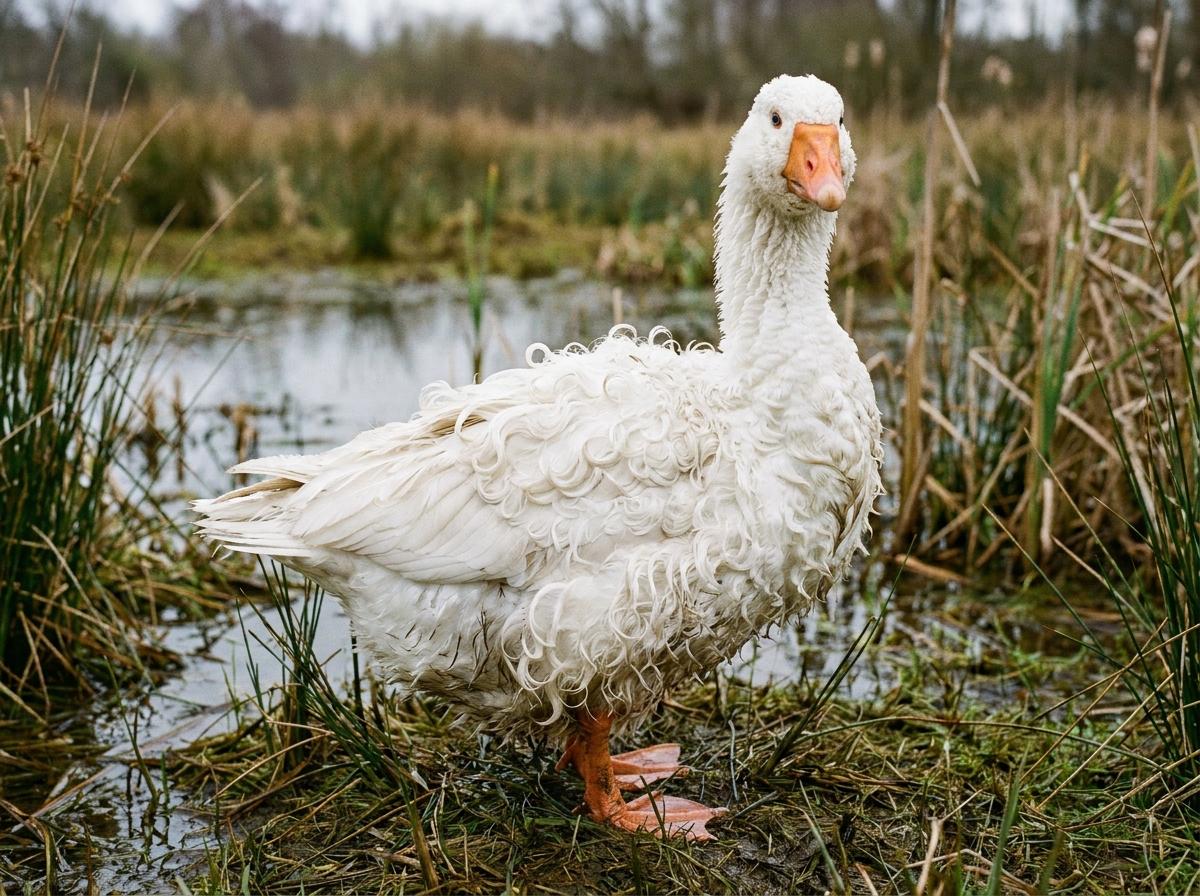
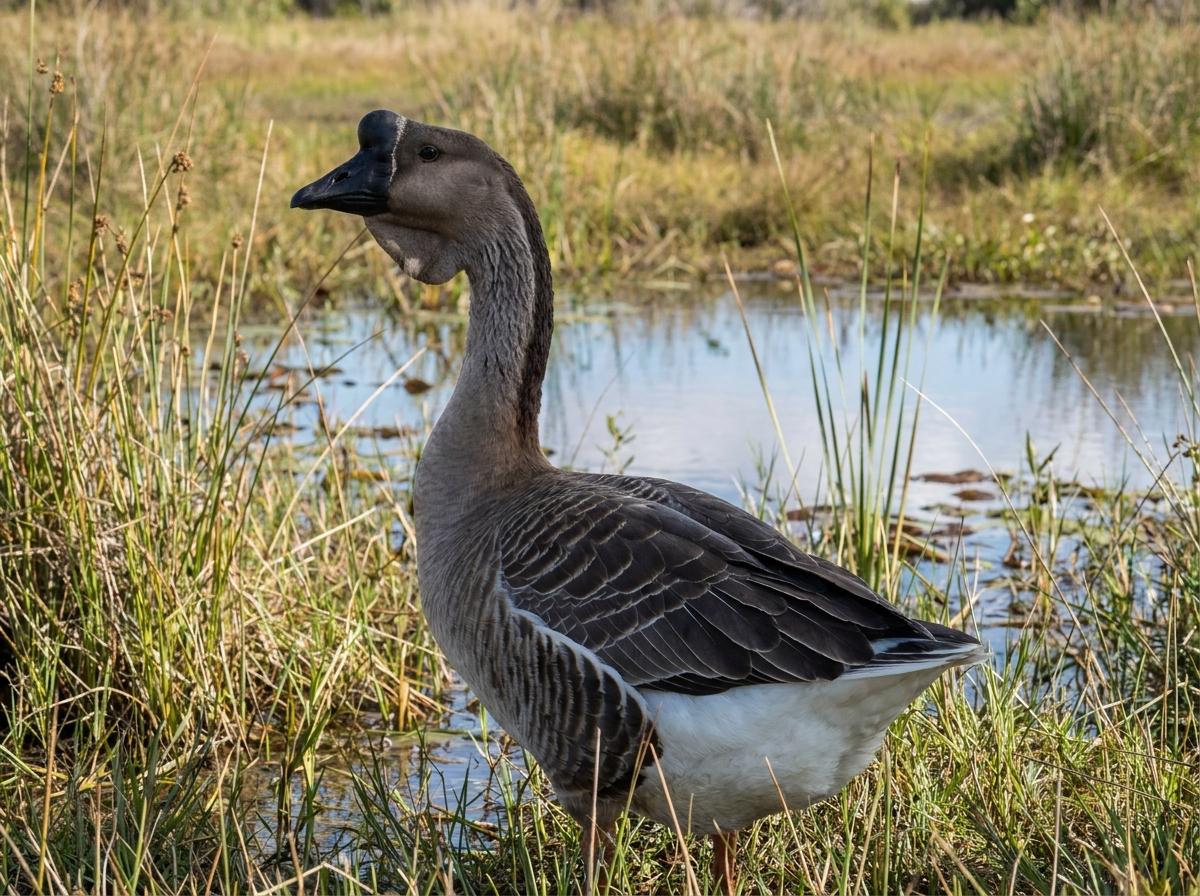
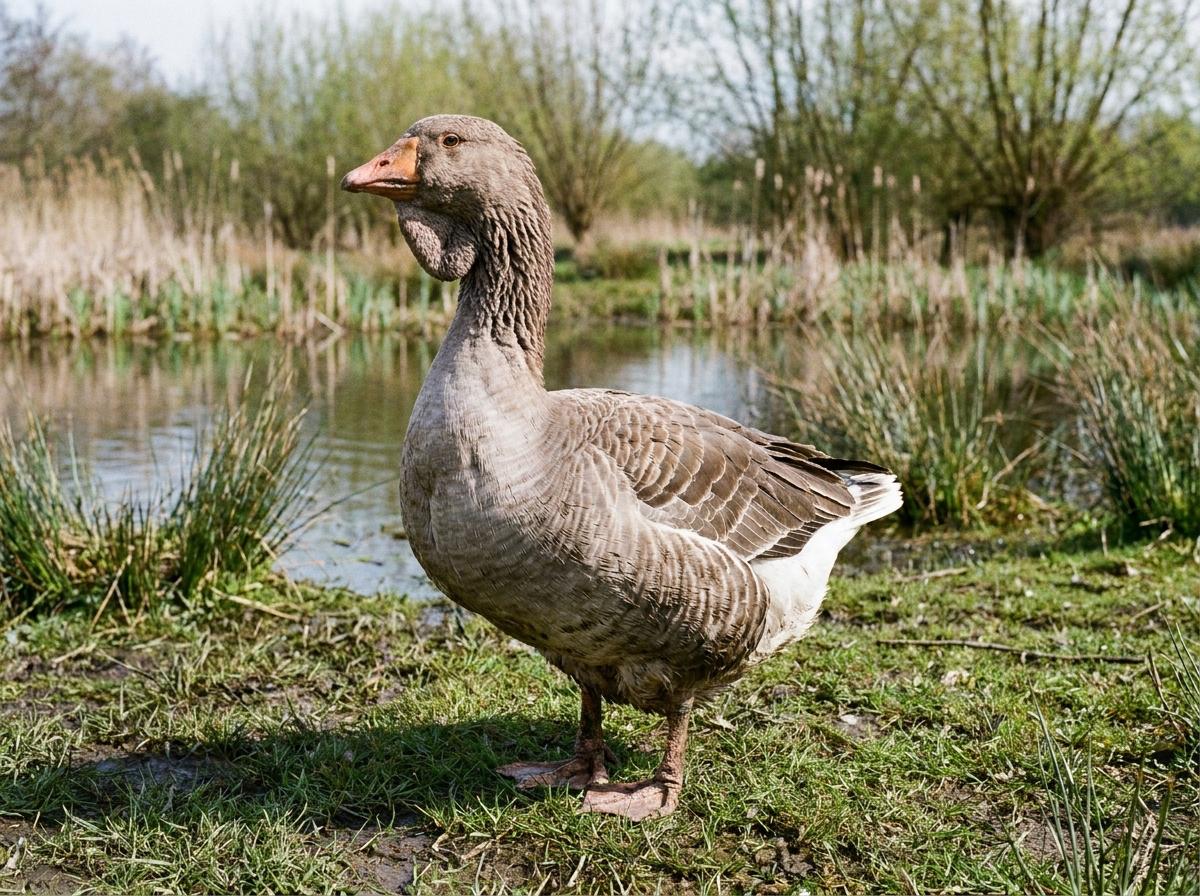
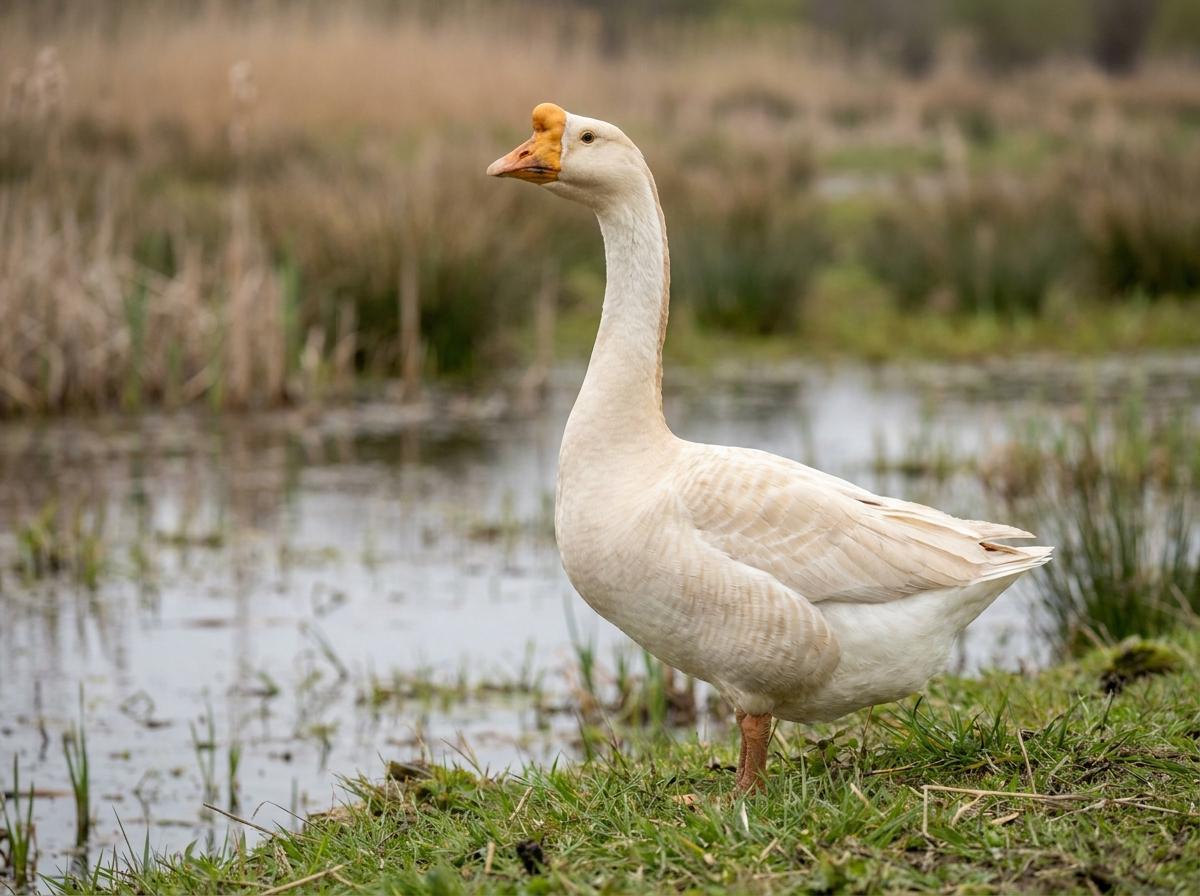
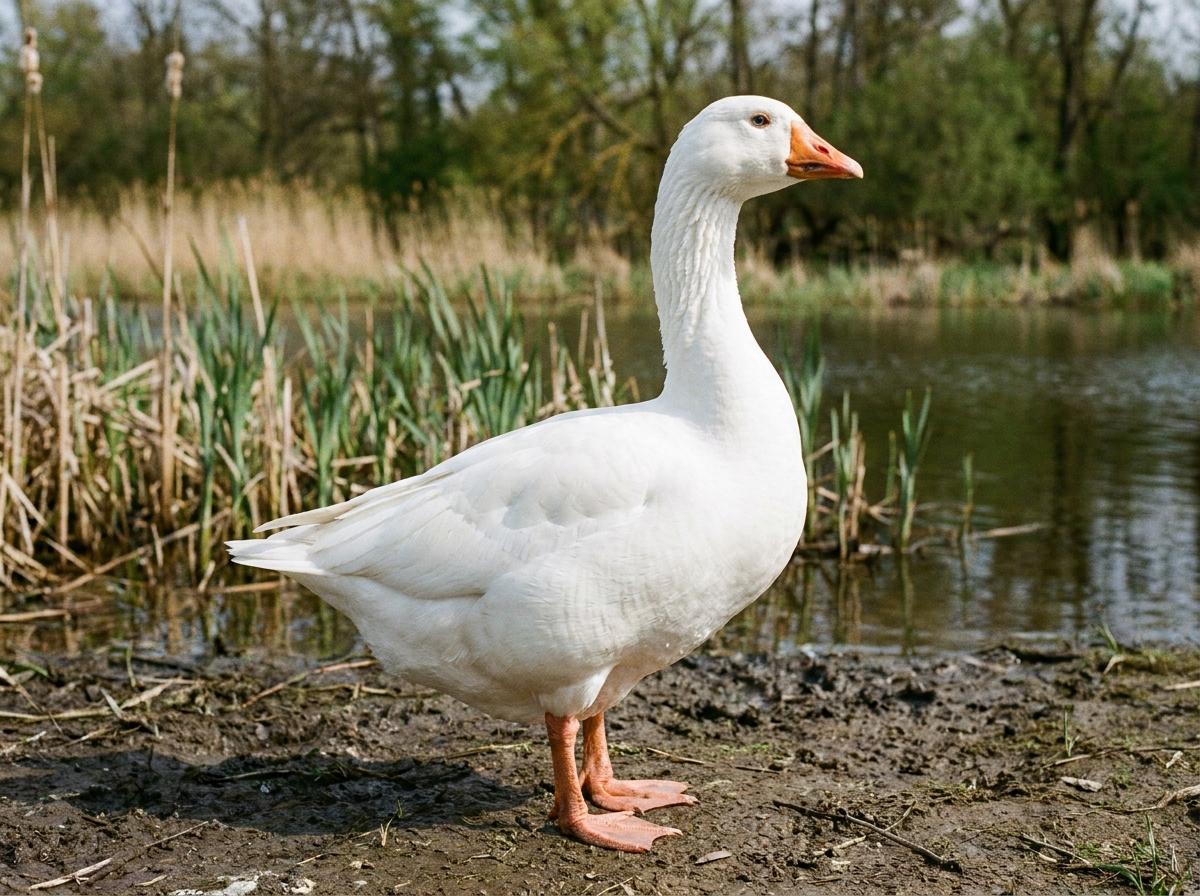
Evidence-limited illustration based on the varied flock in the dated DAD-IS source image, not an official current breed standard.
| Official record | Philippine Domestic Goose in FAO DAD-IS |
|---|---|
| Record basis | FAO Breed Survey 1994 |
| Other names recorded | Visayan ganzo and Tagalog gansa |
| Dated uses | Meat and guard, as checked in the survey record |
| Recorded variation | Brown and white descriptions plus a mixed-color source photograph |
| Current risk status | Unknown in the accessible DAD-IS entry |
| Current national data | Philippine statistics count geese, not this named population separately |
| Buying proof | Flock origin, permanent identity, parent records, current photos, age, health, and lawful transfer |
Browse listings, public profiles, breeders, or add your animal.
What DAD-IS records
DAD-IS is maintained by FAO as a global clearing-house for animal genetic resources. Member-country data can preserve a population name, origin account, uses, morphology, population observations, images, and conservation information. A database record is valuable evidence, but every field still needs its date and source.
The Philippine entry names Philippine Domestic Goose and records two other names, Visayan ganzo and Tagalog gansa. It classifies the population as domestic and native. Meat and guard are checked as provision uses. Its one source image is dated 1994 and shows a mixed flock with white, brown, gray-brown, and pied birds.
The entry also contains brown and white color notes, modest bill-knob measurements, average weights, an origin narrative, and one 1993 population estimate. Those details all trace to the FAO Breed Survey 1994. They are useful historical survey observations, not a live standard. No issuing Philippine breed association, current herdbook, molecular study, recent breed-specific census, or updated performance trial was located for this article.
A 2015 FAO report on global animal genetic resources also lists Philippine Domestic Goose from DAD-IS data accessed in March 2014. Its table carries an unexplained resistance phrase from the old record. The underlying entry itself says the proposed resistance had never been tested scientifically. This page therefore rejects any disease-resistance claim.
Appearance without inventing a standard

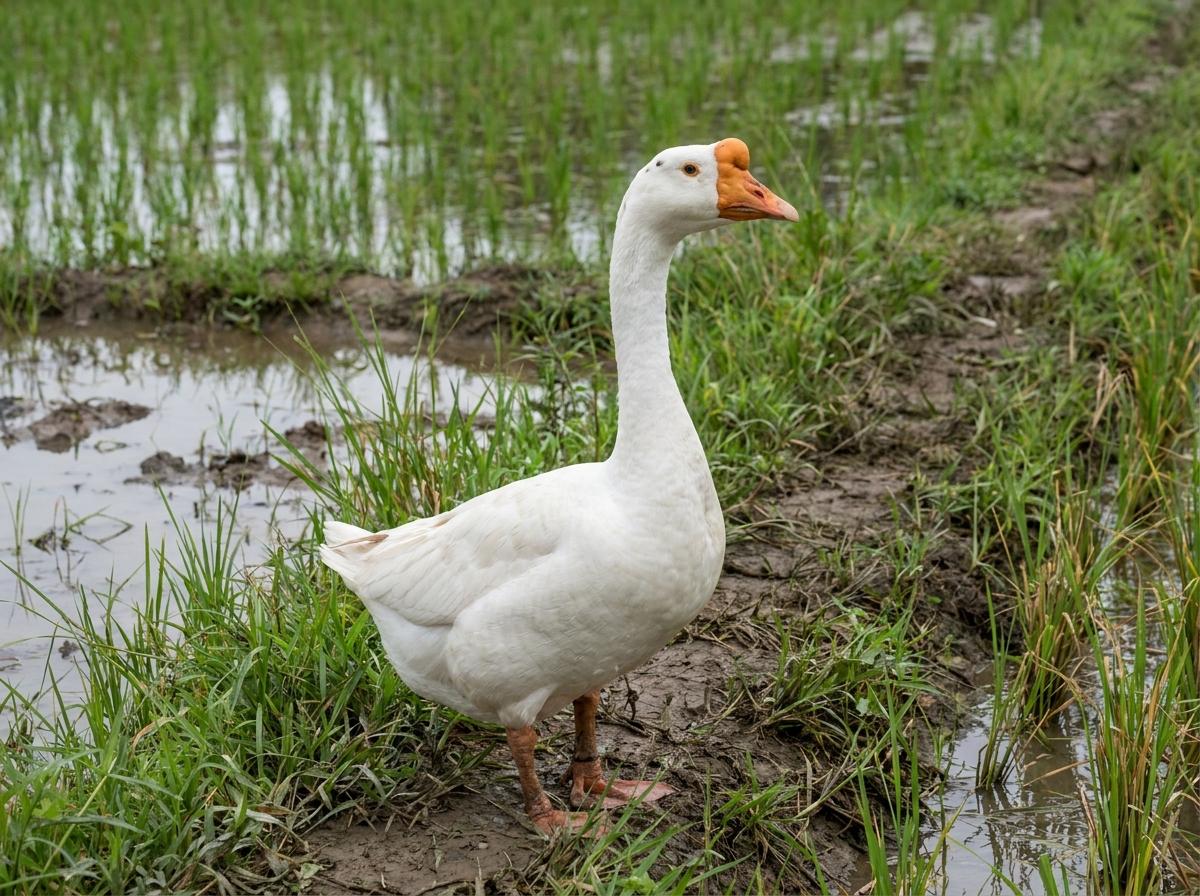
Evidence-limited illustration of the variation in the dated survey, not proof of pure lineage or fixed color classes.
A seller may use the name for a bird that resembles one of the DAD-IS examples. Appearance can support a description, but it cannot confirm that a flock descends from the surveyed population. White, brown, and pied domestic geese exist in other populations too. A bill knob is likewise not exclusive proof of identity.
Describe the bird in front of you: plumage distribution, bill and leg color, presence or absence of a knob, sex, age, body condition, and any permanent identity. Keep neutral-light side and front photographs. Link those observations to the source farm and parents instead of changing an uncertain identity into a confident breed claim.
The article does not repeat the old average weights as targets. A dated mean from one survey is not a current minimum, maximum, or breeding goal. It also does not repeat the origin story as established history because no primary historical or genetic study was found to test it.
What current Philippine statistics can and cannot say
The Philippine Statistics Authority goose inventory counts geese by province and quarter. That establishes a continuing domestic-goose sector across the country, but the table does not divide birds by breed or strain.
A regional example shows why the boundary matters. The PSA reported 6,176 geese in Davao Region in its 2024 reference period. That is a regional goose estimate. It is not 6,176 Philippine Domestic Geese, and it cannot update the old DAD-IS population estimate.
The honest current status is therefore narrow: the named population remains in the accessible FAO record, and the Philippines still counts geese. Current numbers, geographic distribution, genetic distinctness, risk status, registration structure, and the share of national geese represented by this name remain unresolved in the sources used here.
General domestic-goose care
The following guidance is species-level, not a trait claim about the Philippine record. RSPCA domestic goose guidance calls for enough indoor and outdoor space to move and stretch the wings, dry ventilated shelter, grazing area, safe fencing, overhead cover, and clean open water deep enough to wash the head and body. It recommends a separate fresh drinking supply because bathing water becomes dirty quickly.

Generic domestic-goose welfare illustration, not a Philippine breed standard.
In a hot, wet climate, shade, airflow, clean water, drainage, and a dry resting surface all need active management. Texas A&M veterinary guidance notes that geese can overheat without water or shade and recommends access to veterinary care from someone comfortable with birds. Inspect feet, legs, eyes, nostrils, plumage, appetite, gait, breathing, droppings, and flock behavior each day.
Pasture is useful, but it is not automatically a complete ration. Match feed to age, production stage, forage quality, and veterinary or poultry-nutrition advice. Keep drinking and bathing water clean, prevent persistent mud, remove wet litter, and stop wild birds from sharing feed and water where practical. Isolate new arrivals according to a veterinarian-guided biosecurity plan.
Seek veterinary help for breathing difficulty, inability to stand, sudden neurologic signs, major injury, marked swelling, severe lameness, sustained appetite loss, unusual deaths, or a fast flock-wide change. Follow current Philippine veterinary and movement rules rather than assuming that a historical database phrase protects a flock from disease.
What to ask before buying or breeding
Ask the keeper:
- What farm and Philippine locality does this flock come from?
- Is Philippine Domestic Goose a documented lineage name here or a descriptive sales label?
- Which permanent identities connect the bird to its parents and hatch records?
- What do neutral-light photos show across ages and seasons?
- What are the current flock health, mortality, treatment, and veterinary records?
- How are shade, drinking water, bathing water, dry shelter, grazing, feed, drainage, fencing, and predators managed?
- Which current permits, veterinary certificates, movement controls, or local rules apply?
For breeding, record every pairing, hatch date, parent identity, fertility result, gosling survival, adult health event, and transfer. Do not select from the 1994 description alone. A preservation claim needs verified ancestry and a defined population, while a practical farm flock still benefits from accurate records even when lineage remains uncertain.
For other Wave 4 livestock pages built around explicit registry or source limits, compare Black Hereford cattle, Gyr cattle, and Ouessant sheep.
Frequently asked questions
Is Philippine Domestic Goose an official name?
It is an official FAO DAD-IS record name for a Philippine national population. That is not the same as a current show standard or active breed registry.
What does the breed look like?
The dated record includes white and brown descriptions and a mixed-color flock photograph. Those observations show variation in the surveyed material but do not define every current bird.
How much does a Philippine Domestic Goose weigh?
The old survey includes averages, but no recent source was found to validate current targets or ranges. Weigh each bird and interpret the result by age, sex, condition, and veterinary context.
Is the population disease resistant?
No supported disease-resistance claim was found. The old DAD-IS wording explicitly says the proposed resistance was never tested scientifically.
How many Philippine Domestic Geese exist today?
Unknown from the sources used here. PSA counts geese, not this named population separately, and the DAD-IS population observation is from 1993.
Does a knob prove the breed?
No. A knob and plumage can describe appearance, but identity requires source and lineage evidence.
Do this next on Creatures
Build a useful record even when the larger population history is incomplete.
Add a goose. Start a Philippine Domestic Goose profile, no account needed to begin. See adding an animal to Creatures.
Track the flock. Open the record sheet as a visitor; a free account is required to save. Follow adding a record and health and medical records.
Watch for stock. Set a free listing alert, no account needed to start. Read saving searches and the watchlist.
Browse carefully. Open the Philippine Domestic Goose marketplace filter and verify every identity claim with the source keeper.
Represent a flock. Create a goose organization profile, no account needed to begin. See creating an organization and adding your team.
Find keepers. Search the Creatures breeder directory. Farms can read getting listed in the breeder directory.