Goat DNA Parentage Testing: Registry Rules, Hair Samples and Results
Author: Elliott Garber, DVM · Published
Order the test through the registry’s accepted route and tell the lab which sire and dam to compare. A DNA profile identifies the sampled goat, while a parentage comparison tests the proposed relationship. Use goat records on Creatures to keep the DNA profile ID and the lab report with the goat you sampled.
Registry and laboratory instructions checked November 27, 2026.
| Confirm | Which registry, lab and test type apply |
|---|---|
| Match | Goat ID and sample plus candidate sire and dam IDs |
| Collect | Pulled hair roots, following the lab instructions |
| Save | The result and the exact animals compared |
Decide what the registry needs
ADGA. Under the ADGA Guidebook, bucks born on or after January 1, 2024 need DNA on file before their kids can be registered. Pay ADGA first. ADGA emails a DNA request form that names its contracted laboratory. Include a copy with the sample. The tattoo, birth date, breed and sex must match the registration. ADGA checks the available sire and dam profiles automatically. An embryo-transfer kid must be parentage verified before registration. For semen collections from June 1, 2016, the buck’s DNA type must be on file for the collection report to support kid registration.
ABGA. The DNA page and Rules 801 to 804 make testing voluntary in most cases since September 1, 2021. Rule 209 requires testing when parentage is uncertain. ABGA designates UC Davis as its approved DNA testing facility. The goat’s owner must be a current member to order testing through ABGA. ABGA does not accept a result from a sample the owner sent straight to UC Davis. File with the most likely parentage first and use ABGA’s order. It gives a typical turnaround of 10 to 14 business days. ABGA uses SNP testing since February 1, 2025. If the parent only has an STR profile, upgrade it to SNP or order the STR and SNP combo for the kid so there is a shared format.
AGS. The published AGS rules set no DNA parentage requirement. AGS uses the breeder’s application, service memo where applicable and the permanent ID. Ask its office before relying on the status printed by another registry.
Collect the sample the lab can match
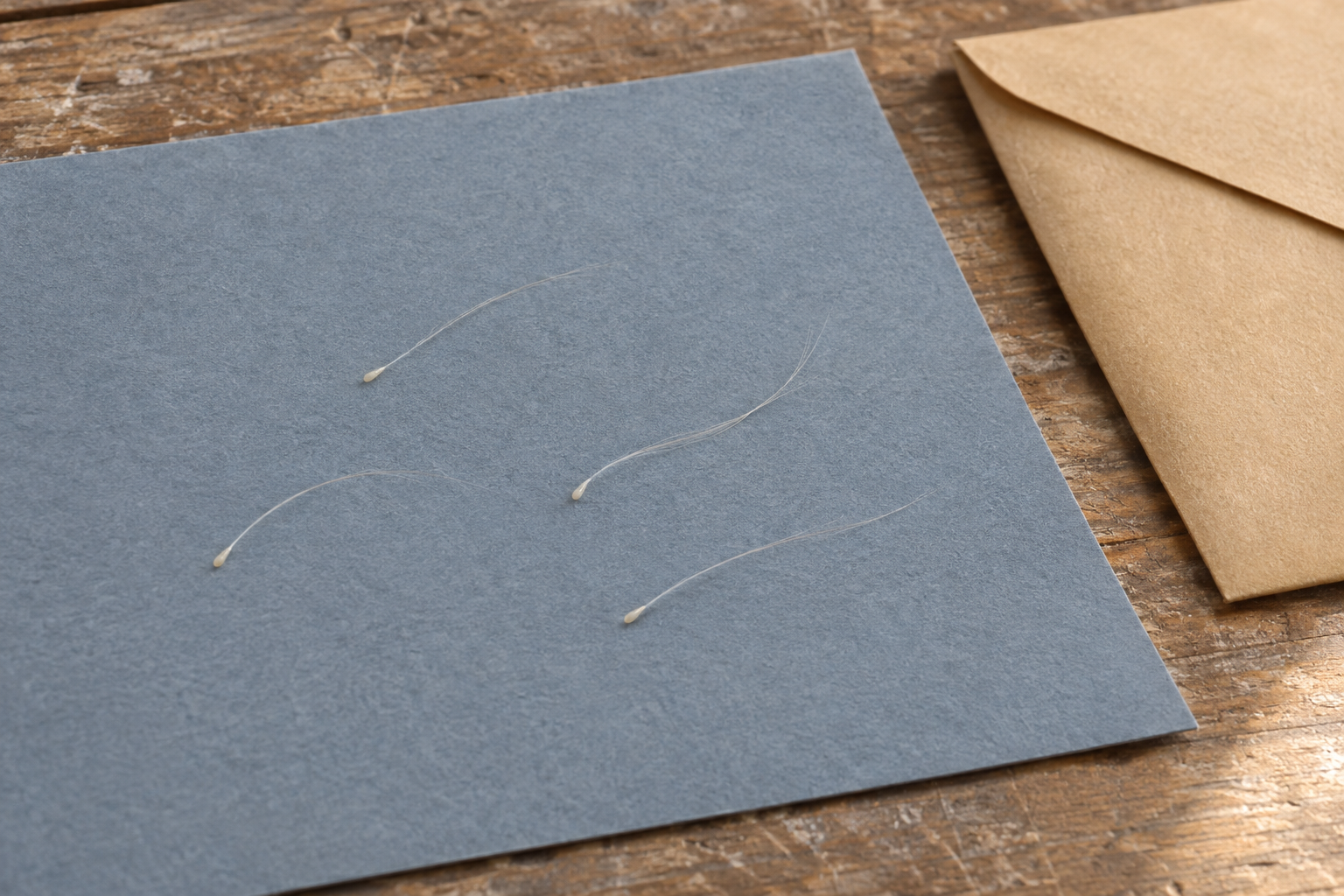
Use the ABGA sample instructions or the UC Davis goat instructions for the kit you ordered. Match the ID first. Start with clean hands. Grasp about 8 to 10 hairs close to the skin, pull so the roots remain attached and repeat until you have about 50 to 60 rooted hairs. Try coarse hair at the withers, chest, rump, tail, back of the hind leg, poll or fetlock. Clipping removes the roots needed for this sample type.
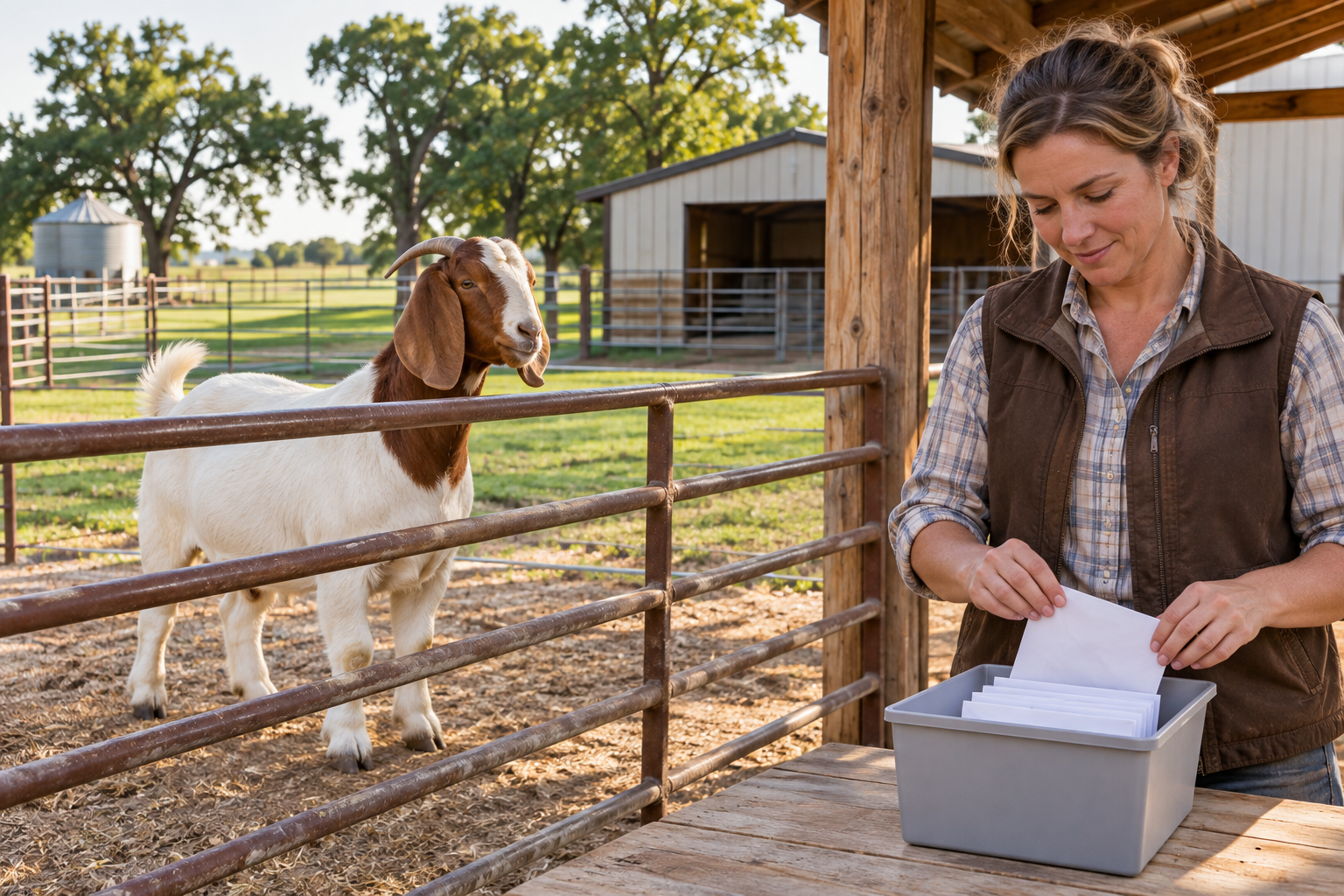
Label a paper envelope with the goat name, registration number and owner, put the hairs inside and seal it. Clean your hands between goats and close each envelope before sampling the next. ABGA’s instructions also describe blood cards and EDTA tubes as alternatives. Arrange an alternative through the registry or veterinarian if needed. Send the right form with the packet and hold on to your submission reference.
Read the names before the verdict
Compare the accession and registered IDs with the animals you sent. An individual genotype identifies the tested animal’s profile. An exclusion means that tested parent did not match. One qualifying parent and verification against both parents are different results.
On ADGA’s certificate, DNA-PQ means parentage qualified, DNA-SQ qualifies to sire, DNA-DQ to dam, and DNA-ID denotes an individual type. ADGA says it notifies parties of an exclusion within two business days. The parties then have 30 business days to respond or the affected animals and their descendants are made inactive. On ABGA papers, qualification under Rule 803 compares one parent. Verification under Rule 804 tests the kid, sire and dam. When the possible sires are known, keep their identifiers with the report so that a later submission tests the right alternatives.
Keep the records on Creatures
Keep the profile or lab number as a DNA profile identifier. Save the dated outcome and attach the report to the relevant test record. If registration papers are corrected after the result, retain both the lab evidence and the issuer’s corrected entry.
The care, growth and identity records guide explains where these records sit. Browse other goat guides. See also ADGA registration, ABGA paperwork, and American Goat Society registration.
Registry directory: ADGA, ABGA, American Goat Society.
Do this next on Creatures
- Add an animal from this group so its identification and records stay together. See the profile setup guide.
- Add a record from your paperwork. A free account saves it. See adding a record.
- Set up your breeder profile if you want a public farm listing. See getting listed in the breeder directory.
- Get a listing alert for this search.
- Browse listings and ask for the records that matter to your purchase.
- Find a breeder and discuss the paperwork before you put down a deposit.