Magpie
Author: Elliott Garber, DVM · Published
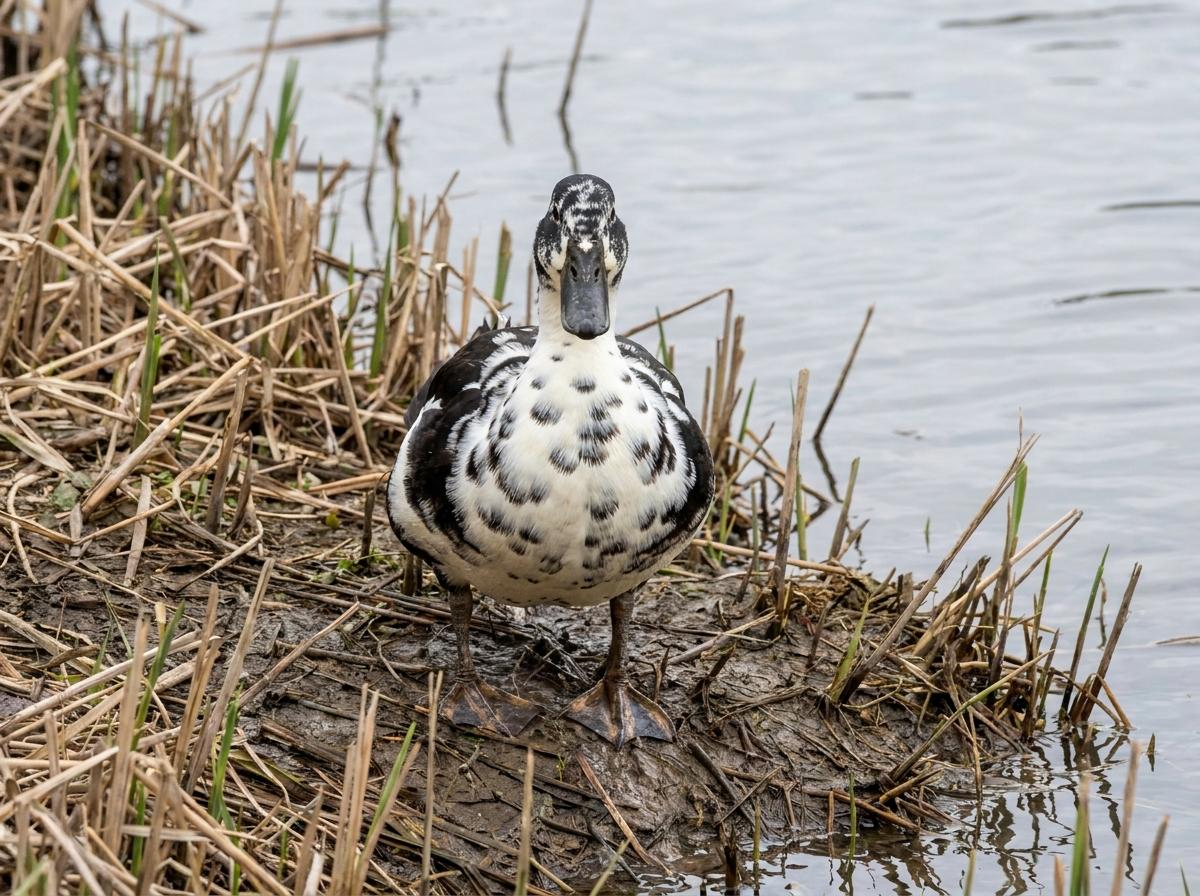
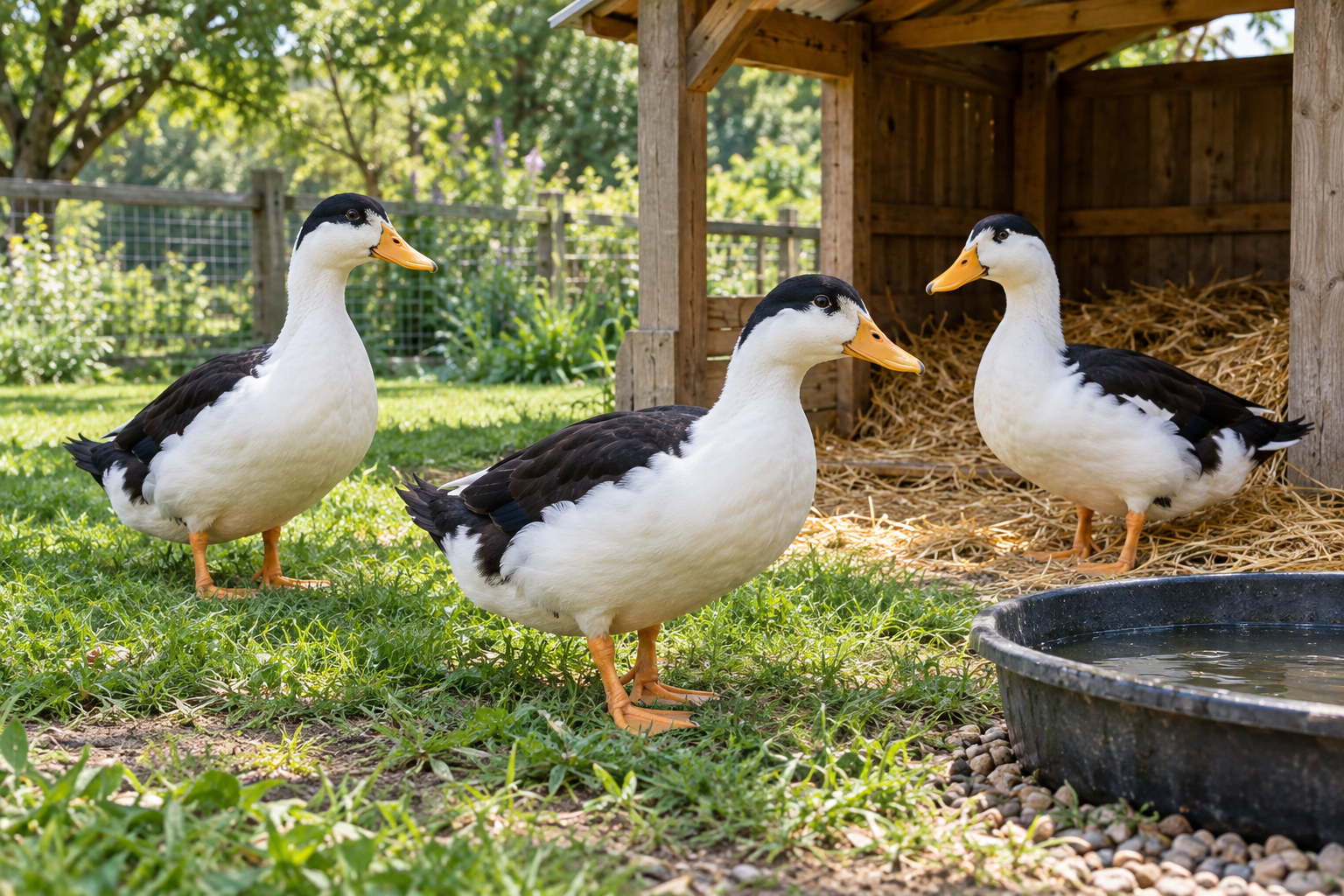
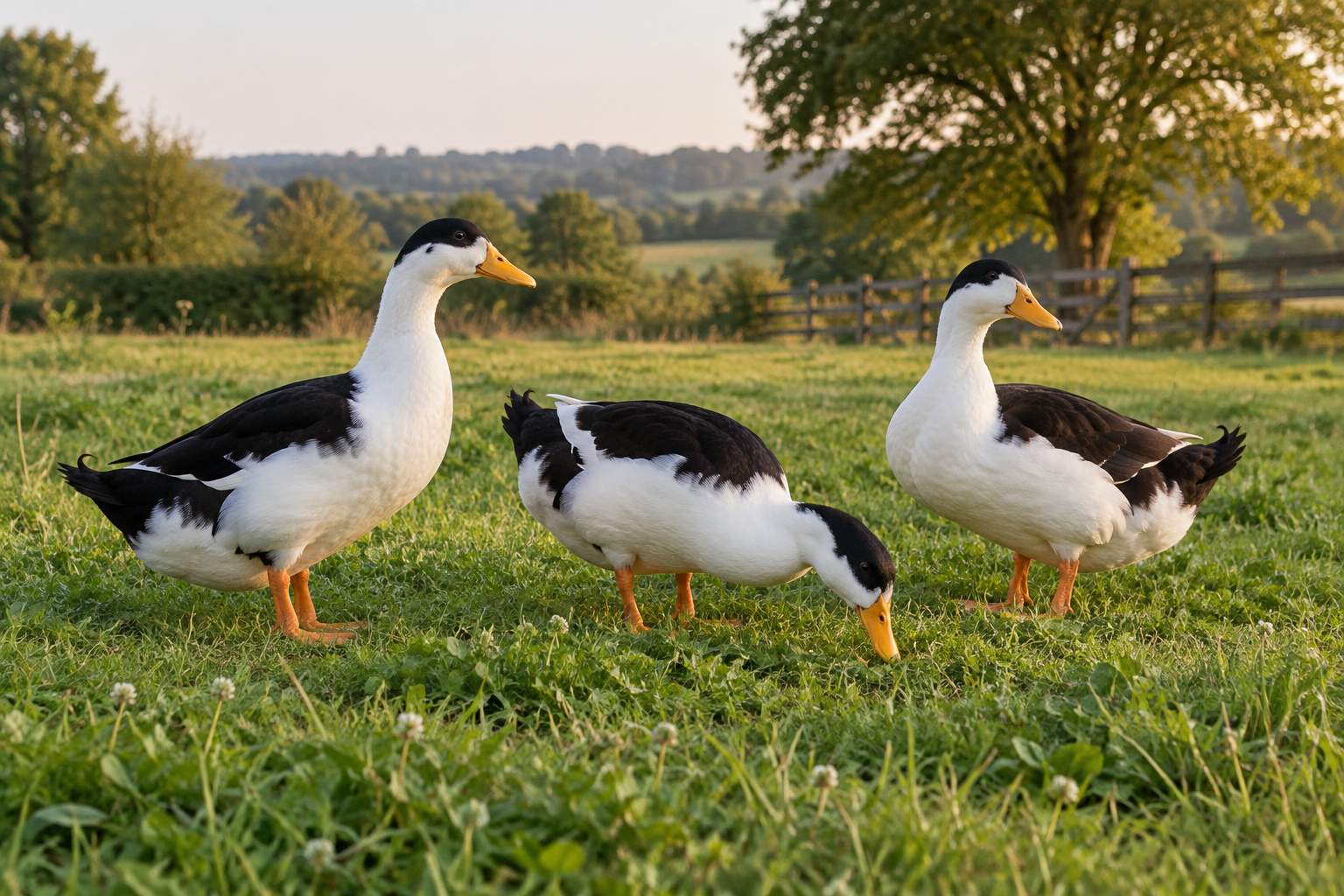
The Magpie is a domestic duck breed with a mostly white body, a colored cap and a colored patch along the back. It is a different animal from the wild magpie bird, and not every black-and-white duck is a Magpie. If you are choosing a flock, the free duck name generator can help with names. Retain each bird’s permanent ID too, so its photographs and breeding history remain clear.
| Animal | Domestic duck breed |
|---|---|
| Origin | Developed in Wales |
| Diagnostic pattern | White body with colored crown cap and back patch |
| APA class | Light Duck |
| APA varieties | Black and White; Blue and White |
| Conservation | Livestock Conservancy: Threatened, checked October 2026 |
| Buyer priority | Sound active birds and documented flock origins |
Browse listings, public profiles, breeders, or add your animal.
What does a Magpie duck look like?
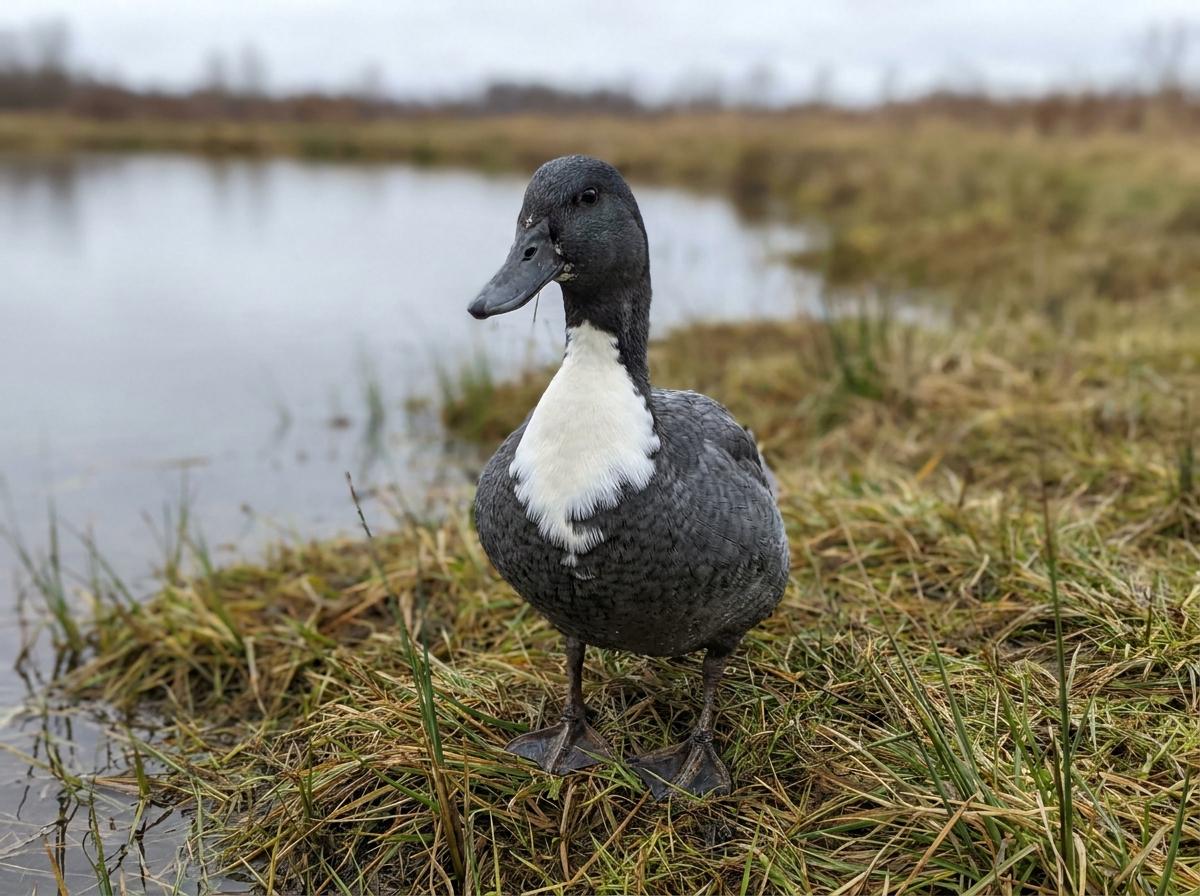
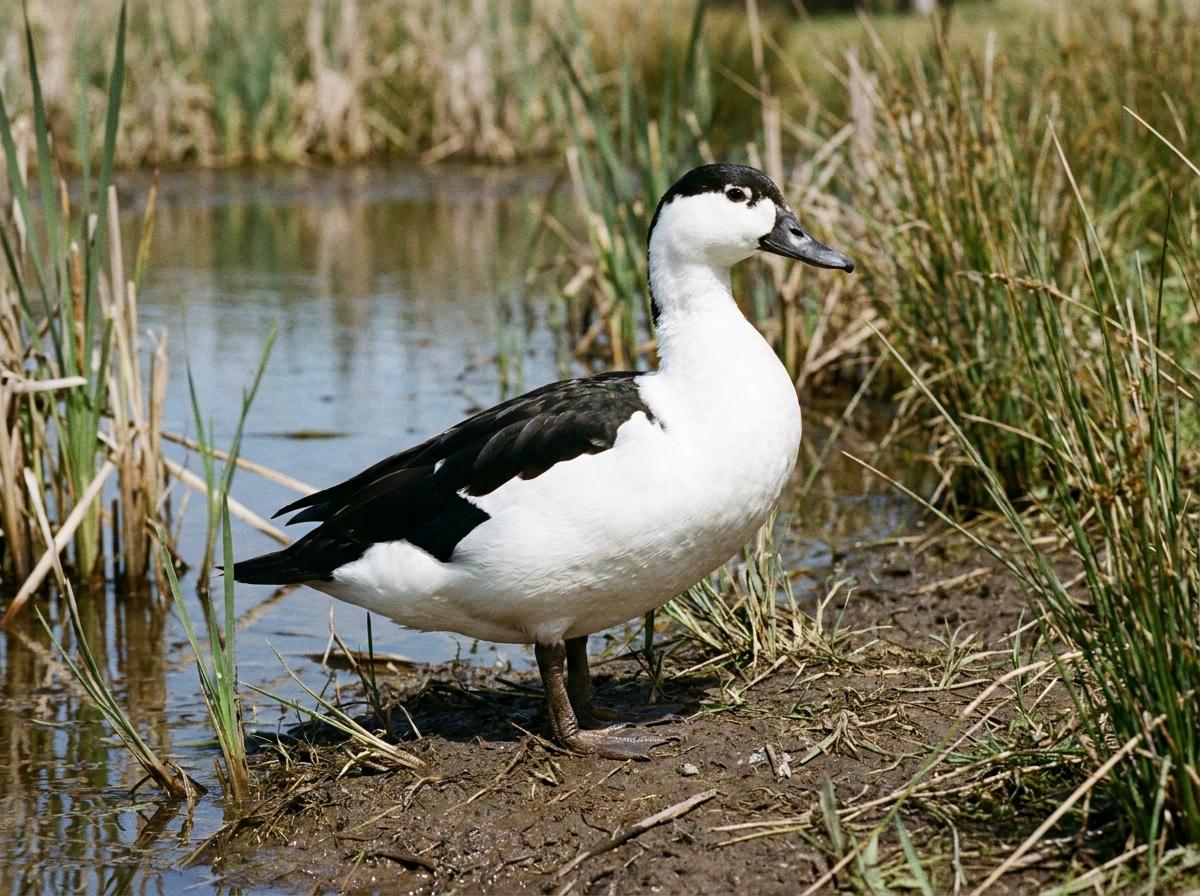
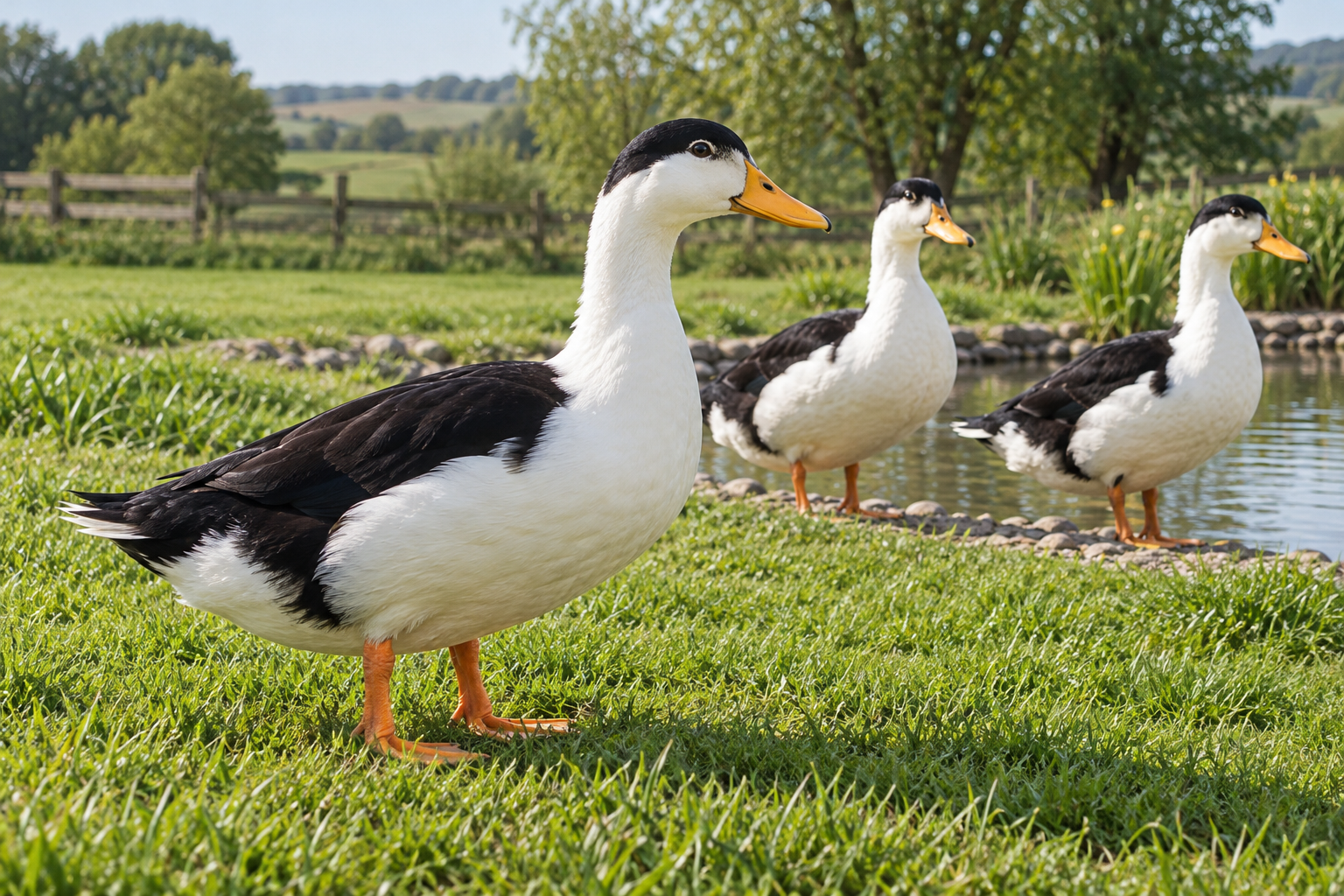
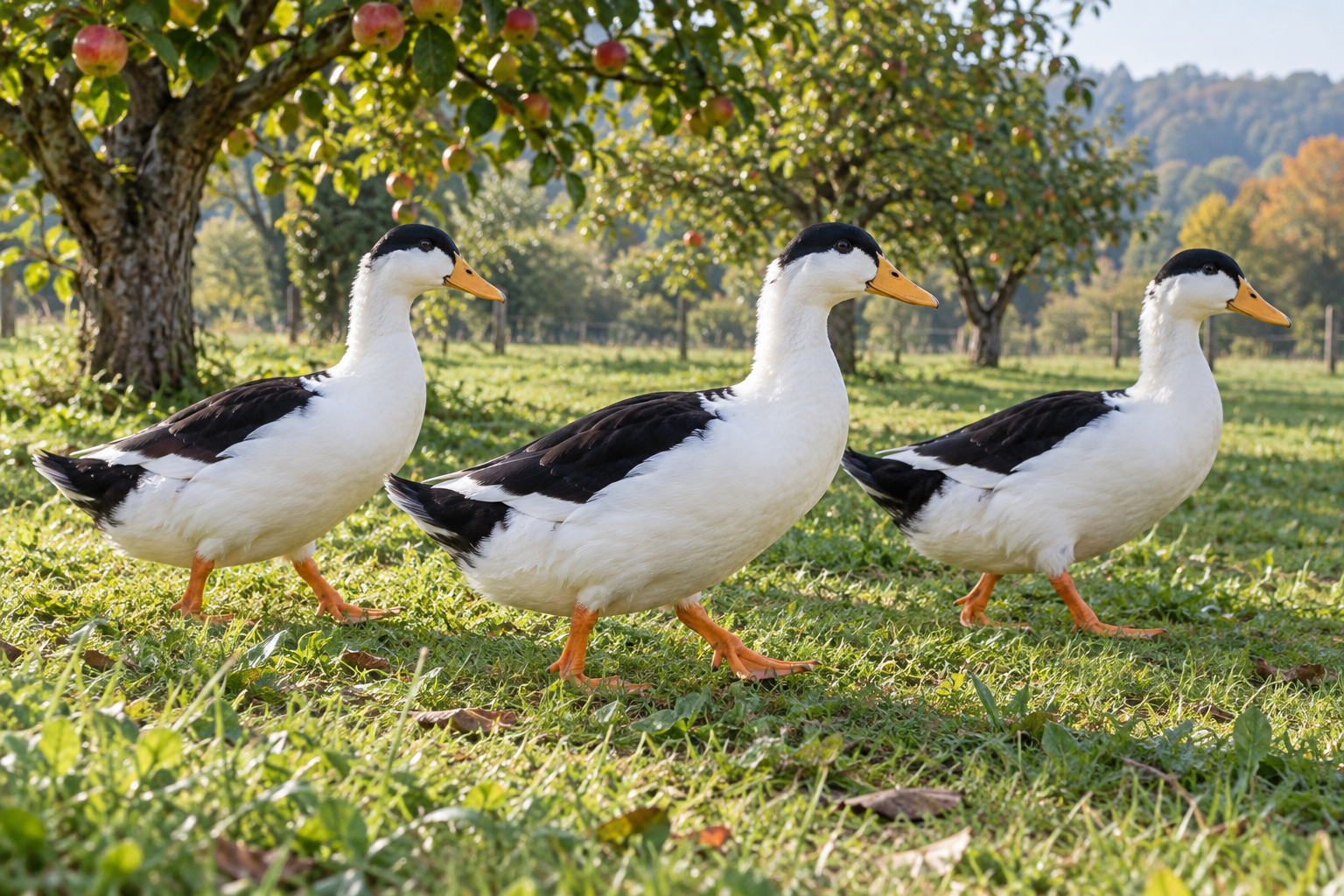
The Livestock Conservancy’s Magpie profile credits Welsh breeders with its development and describes a long body, mostly white plumage, a colored crown cap and a large patch from the shoulders along the back toward the tail. Bills and feet are generally in the yellow-to-orange range, with individual and age-related variation. The cap may acquire white flecks with age. The Conservancy’s narrative describes the Magpie as a light breed of about 4 to 5 pounds; ask for actual adult weights from the family you are considering.
The APA’s accepted list lists Magpie as a Light Duck in Black and White and Blue and White. Use its current full standard for an exhibition decision. A sale description such as “magpie marked” may describe a color pattern on a different breed, including a Call duck, rather than this breed. Ask the seller to state the breed as well as the color.
Pattern matters to exhibition breeding, but health and structure still come first. A bird with imperfect markings can be suitable for a household utility flock if its identity and purpose are clear. It should not be sold as a proven show prospect solely because a young duckling has an attractive cap.
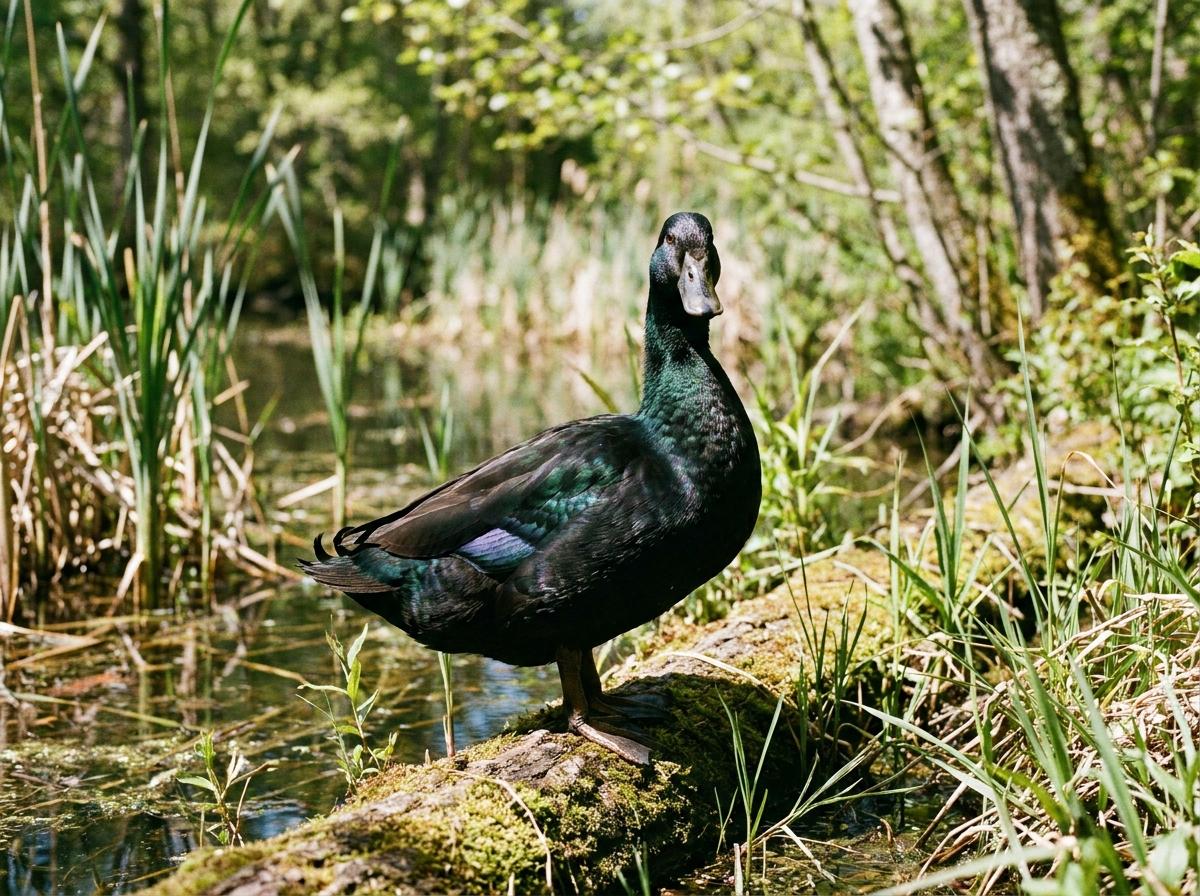
For comparison, the Cayuga is a black duck, while the Swedish Blue carries a white bib on a largely blue body. The duck species hub gives you a broader starting point than choosing from feather patterns alone.
Eggs, activity and conservation
Magpies are kept as utility and exhibition ducks. The Conservancy says they cannot sustain flight but can clear a 2 to 3 foot barrier when startled. Do not rely on a low border to contain them or protect them from predators. For an egg flock, ask about actual laying records from the family you are considering. An enthusiastic breed description cannot promise a number of eggs from your birds. Likewise, do not rely on a reputation for foraging to replace balanced feed or a veterinary parasite plan for other livestock.
The Conservancy currently lists the breed as Threatened. That is a conservation category, not a statement that every seller has unrelated stock or that every pied duck contributes to breed conservation. Ask where the breeding birds came from, how families are identified and how the seller plans matings. Thoughtful records and a workable home for offspring matter more than hatching as many ducklings as possible.
Housing, water and daily care
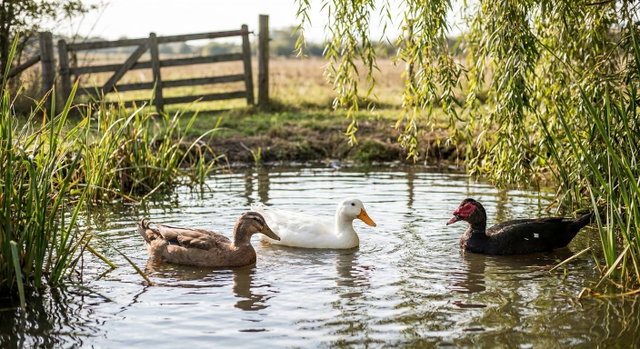
Keep ducks with compatible duck companions and plan the group before ordering ducklings. Provide a secure night shelter, dry absorbent bedding, ventilation without a cold draft, shade and enough outdoor room to move and forage. The University of Wisconsin duck-care guidance emphasizes predator protection, fresh feed and frequent removal of wet litter. A pretty pond cannot substitute for a dry place to rest.
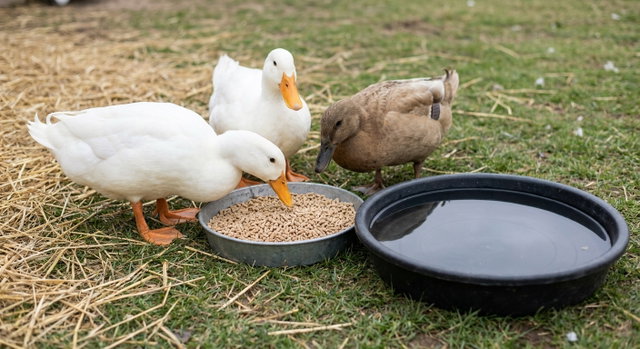
Keep drinking water available with feed and use a container that lets adult birds wash their bills and heads, following waterfowl care guidance from NSW Education. Put the splash area where it drains away from bedding. Any bathing pool needs an easy route in and out and frequent cleaning; stale water is not a benefit. Ducklings need age-appropriate brooding and safe drinking arrangements, not unsupervised access to a deep adult pool. Ask an extension poultry specialist to review your brooder before the birds arrive.
A complete duck or waterfowl ration appropriate to growth, maintenance or laying is a better foundation than grain, bread or garden leftovers. Cornell’s Duck Research Laboratory explains that duck nutrient requirements differ from chicken requirements and warns about moldy feed. Cornell says chicken feed can serve as a satisfactory substitute when duck feed is unavailable. For ducklings, ask the feed supplier or veterinarian whether the specific feed provides enough niacin and what adjustment, if any, is needed; do not add supplements by guesswork. Foraging is enrichment and additional food, not a measured replacement for a balanced ration. The duck feeding guide gives a practical starting point.
Health and welfare checks
Watch how each bird walks, eats and joins the flock. A duck that repeatedly hangs back, struggles to walk, stops eating or has breathing difficulty needs prompt veterinary assessment. Do not dismiss a change because the breed has a reputation for hardiness. USDA’s Defend the Flock guidance recommends clean equipment and footwear, wildlife protection and quick action when appetite, behavior or egg production changes, or birds die unexpectedly. Report unexpected deaths or several sick birds to your state veterinarian or USDA at 1-866-536-7593.
Arrange a separate area for new or sick birds and agree the introduction plan with your veterinarian. Keep wild waterfowl away from domestic feed and water. Handle birds calmly, support the body, and get experienced help for any examination you cannot do safely. Records help a veterinarian reconstruct a problem; they do not establish its diagnosis.
Breeding for more than a pretty pattern
Before breeding, decide whether you are maintaining a documented breed flock, producing household utility birds or pursuing exhibition quality. These aims overlap, but they should not be blurred in a listing. Ask an experienced breeder to help assess structure and the current pattern standard. Do not invent a simple inheritance ratio for complex markings.
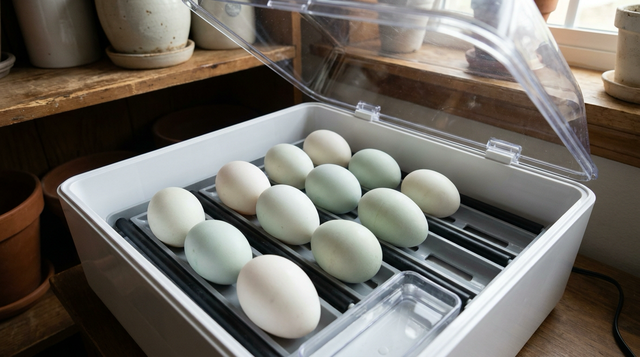
Retain each parent’s ID, the breeding-group dates, eggs set, candling observations and hatch outcome. The Creatures clutch workflow is available to signed-in keepers for egg and hatch records. It does not supply incubator control or guarantee success. Leave parentage uncertain when more than one drake could be the sire. You can use the duck name generator for names while retaining permanent IDs for the breeding record.
Buying Magpie ducks without buying a label
Ask whether the offer is for this domestic breed or simply a magpie color pattern. Request adult flock photographs, the birds’ origins and an explanation of any registration or show claim. A caption, pedigree typed by the seller or award from an unnamed show does not independently establish ancestry.
Availability varies with the breeder and season; no directory can promise stock. Get a current quote with age, sex, number of birds, documentation and transport stated. Plan for companions and the whole enclosure before comparing prices. The duck cost guide separates the bird’s price from recurring care costs.
Useful buyer questions include:
- Are these Magpie ducks or another breed with magpie markings?
- Can I see the adult parents and older birds from the same family?
- Which standard do you use, and what makes this bird a utility or exhibition prospect?
- How have you identified breeding families and avoided repeating close matings?
- What are the current feed, health history, sex-identification terms and transport plan?
Magpie duck FAQ
Is a Magpie duck a wild bird?
This page concerns the domestic duck breed. The name comes from its contrasting plumage; it is not the wild magpie species.
Are all black-and-white ducks Magpies?
No. Color pattern alone does not identify a breed. Check the cap-and-back pattern, body type and documented flock origins together.
Will they remove parasites from my livestock pasture?
Do not use ducks as a substitute for a veterinarian’s parasite-control plan. Their foraging is not evidence that a pasture or another animal is free of infection.
Can I keep one as a pet?
Plan a compatible duck group and daily care rather than a solitary novelty pet. Consider a long-term home for the flock; the duck lifespan guide discusses that commitment without promising a particular bird’s lifespan.
Do this next on Creatures
- Wait for a suitable bird. Save a Magpie duck listing alert to hear about future matching listings. This does not mean birds are available now. How saved searches work.
- Start an individual profile. Add your Magpie duck. No account is needed to start; a free account keeps the profile. Adding an animal.
- Keep observations together. Add a health, weight or egg record. The form opens for visitors; a free account saves the record. Adding a record.
- See current listings. Browse Magpie duck listings and check the seller’s actual location, bird details and availability.
- Research farms. Browse the breeder directory, then ask each farm about its current flock. Directory coverage is not confirmation of stock, breed verification or an endorsement.
- Describe your own flock. Start a farm or breeder profile. Explain what you keep and the records you can provide. Creating an organization.