Swedish Blue
Author: Elliott Garber, DVM · Published
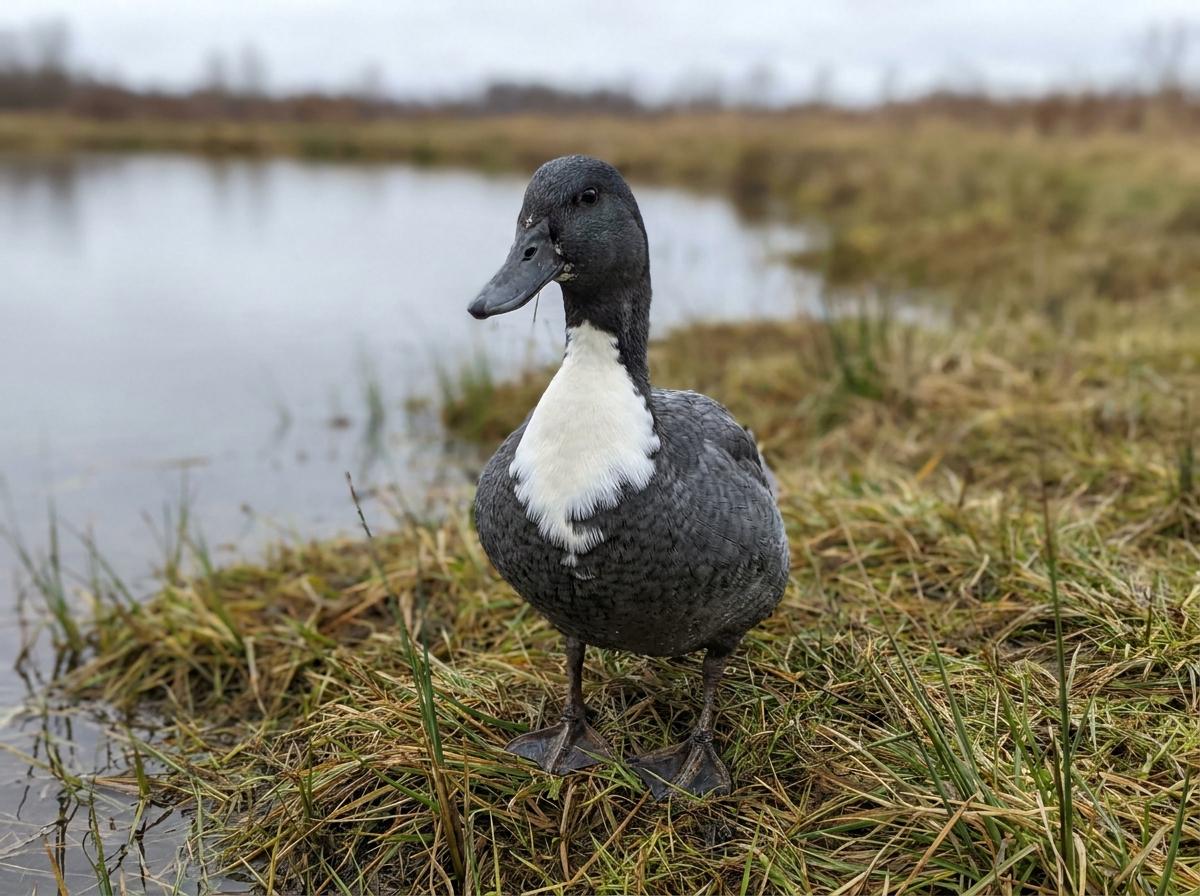
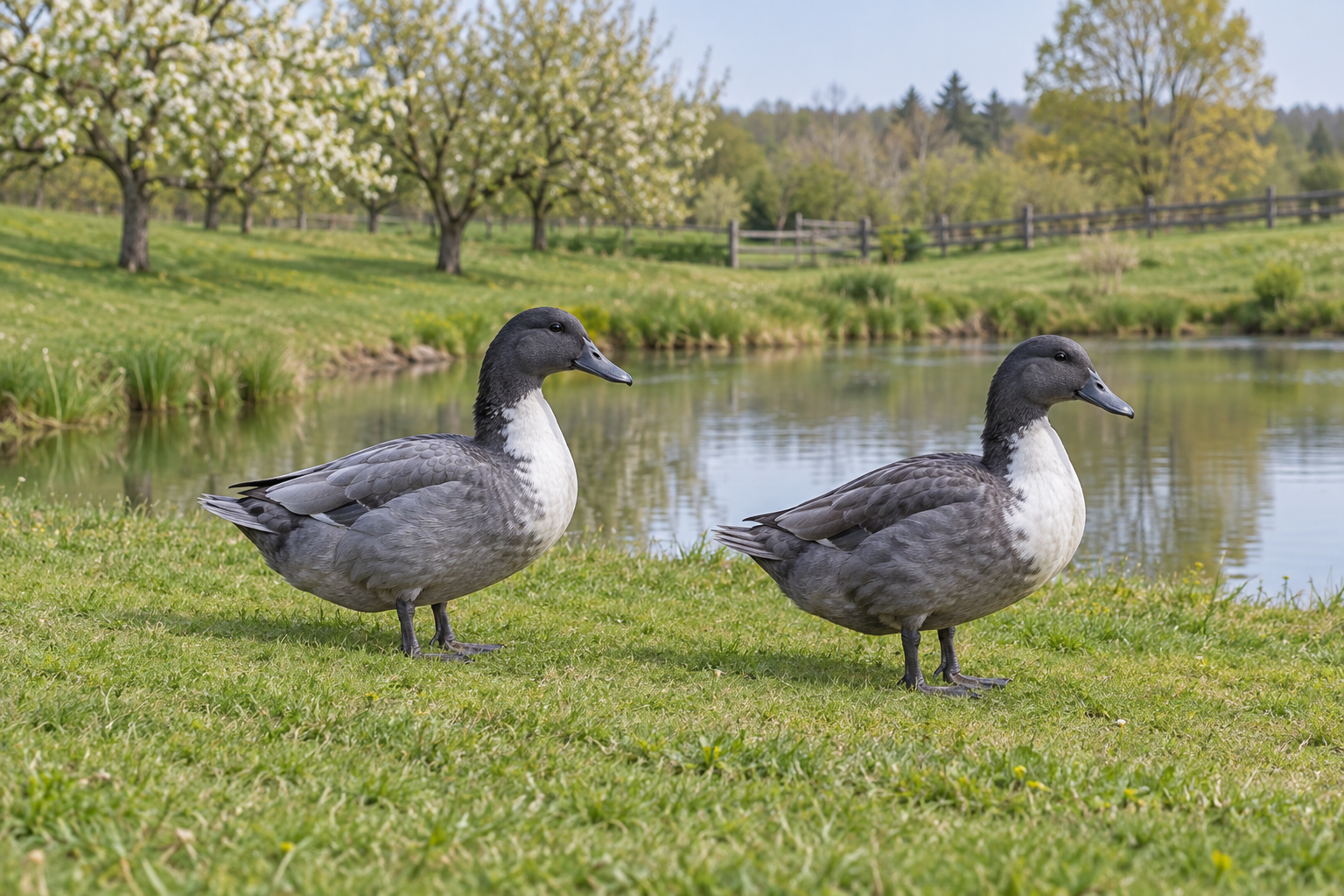
The Swedish Blue, also called the Blue Swedish, is a sturdy domestic duck with slate-blue plumage and a white bib. The blue color does not breed true, so a blue breeding group can produce birds of other colors. The free duck name generator can suggest names for your birds; keep permanent IDs as well, so parent identities and actual hatch results remain clear.
| Animal | Domestic duck |
|---|---|
| Also called | Blue Swedish |
| Appearance | Slate-blue body with white breast bib |
| APA class | Medium Duck; Blue variety |
| Breeding caution | Blue does not breed true |
| Conservation | Livestock Conservancy: Watch, checked October 2026 |
| Best buyer evidence | Parent flock, sound structure and breeding records |
Browse listings, public profiles, breeders, or add your animal.
Identifying the Swedish Blue
The Livestock Conservancy’s Swedish profile describes a medium, stocky duck with slate-blue feathers and a white bib, giving about 6.5 to 8 pounds as a breed-weight reference. It traces the foundation population to Pomerania, a region now in Germany and Poland. Names and descriptions can differ between a country’s native populations and exhibition standards; ask which population and standard a seller means.
The APA accepted list currently lists Swedish, Blue, in the Medium Duck class. That is a recognition statement, not certification of every blue bibbed bird offered for sale. A white bib and a gray body can occur in mixed domestic ducks too. Ask for flock history and use the current full standard if exhibition is your goal. The Conservancy also notes the American Standard’s requirement for white outer flight feathers, the outer two or three on each wing. This is an exhibition detail, not a health requirement for a household duck.
Look at the whole animal: body depth, comfortable gait, straight functional legs, a normal bill and the bib’s placement. Do not choose a structurally weak bird merely because its blue shade or white outline is attractive. If you only want companions or eggs, a healthy non-show bird may suit you, provided its background is described honestly.
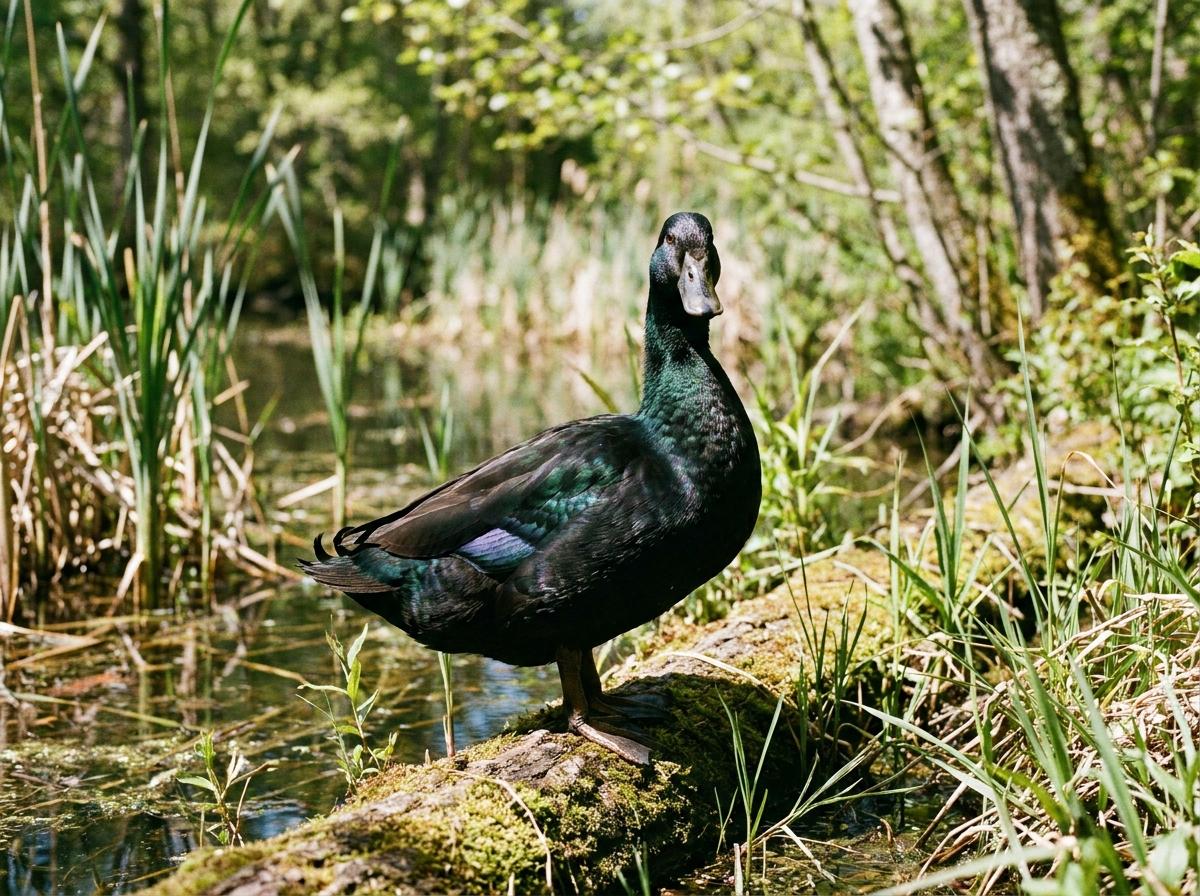
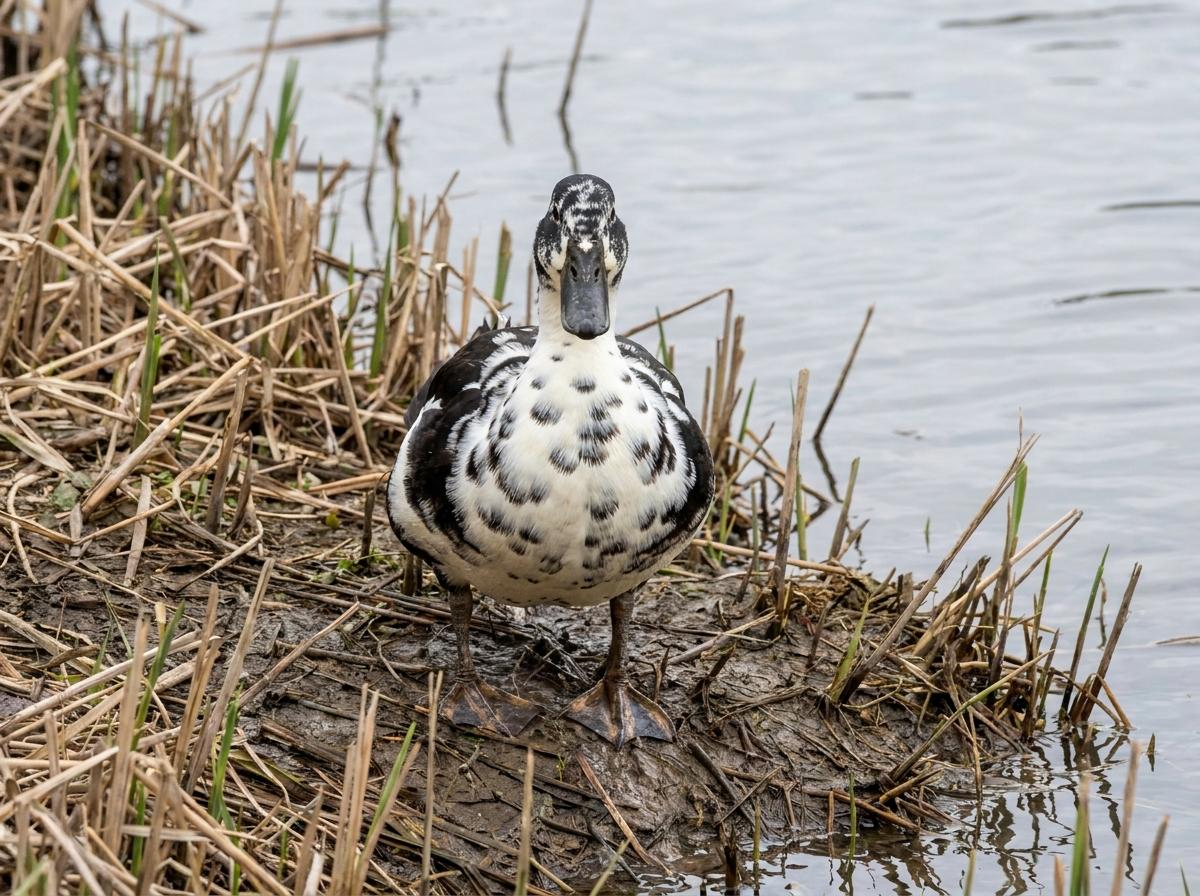
A Cayuga is black rather than blue with a white bib. A Magpie has a different cap-and-saddle pattern. Use the duck breed hub to compare their needs before deciding on appearance alone.
Why blue Swedish ducks do not breed true
The British Waterfowl Association’s genetics explanation uses Blue Swedish as an example of a blue bird carrying different alleles, with the corresponding homozygous forms appearing black or splashed white. This is incomplete dominance: two blue parents need not produce only blue offspring.
For a breeder, the practical point is to retain the actual parent combination and hatch colors rather than call every black or pale offspring a crossbreed. Other genes and the birds’ recorded background still matter. Color is not an ancestry test. Under this blue-dilution model, each offspring from blue x blue has an expected 25 percent chance of black, 50 percent of blue and 25 percent of splashed white. Black x splashed white is expected to produce blue offspring in this model. These are inheritance probabilities that describe averages across many offspring, not promised counts or results for one clutch.
Ask whether black or pale birds from the seller’s program are retained for breeding, how that program documents matings, and which birds meet the exhibition standard. Color suitability for a breeding program and eligibility for a particular show class are separate questions.
Housing, water and daily care
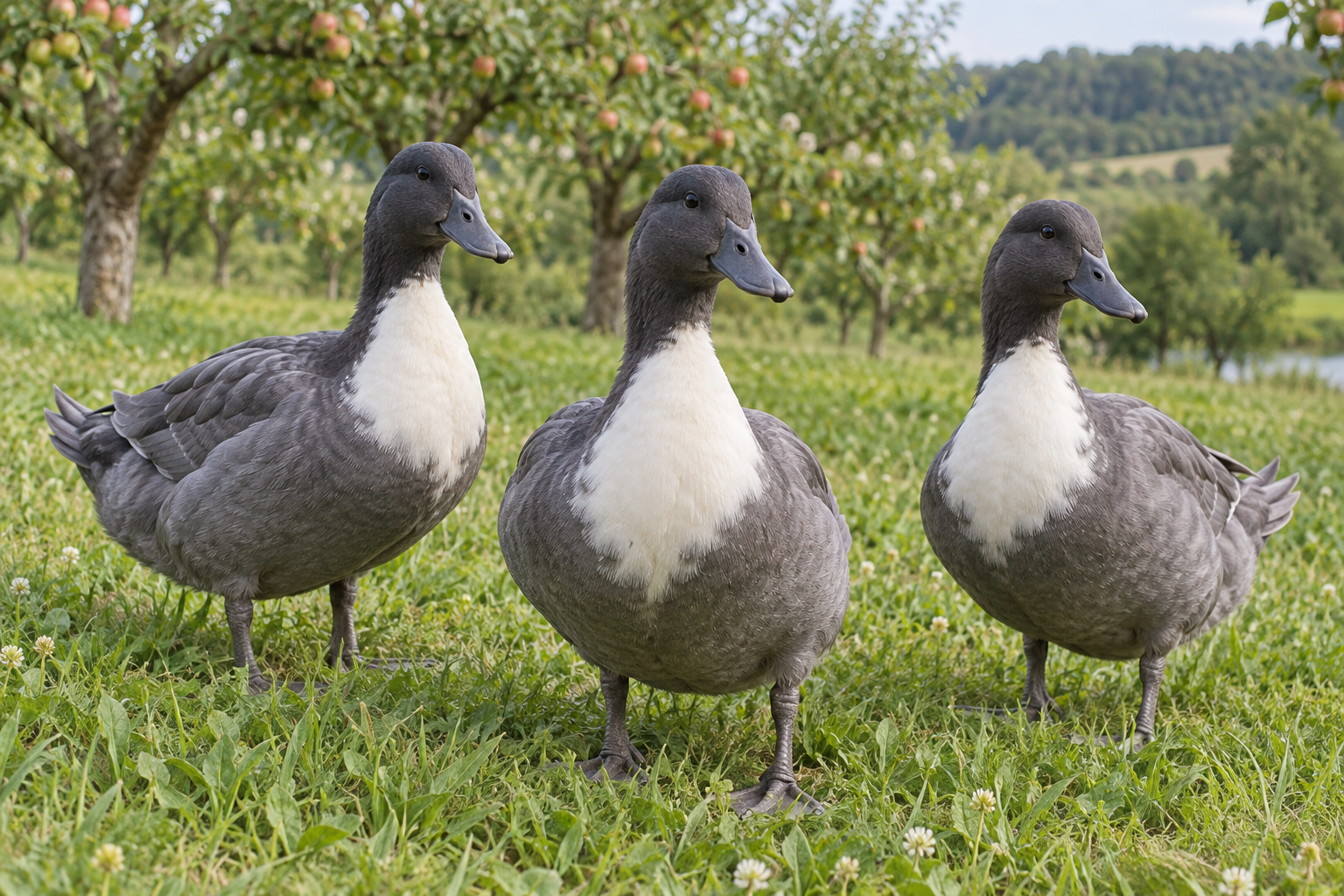
Keep ducks with compatible duck companions and plan the group before ordering ducklings. Provide a secure night shelter, dry absorbent bedding, ventilation without a cold draft, shade and enough outdoor room to move and forage. The University of Wisconsin duck-care guidance emphasizes predator protection, fresh feed and frequent removal of wet litter. A pretty pond cannot substitute for a dry place to rest.
Keep drinking water available with feed and use a container that lets adult birds wash their bills and heads, following waterfowl care guidance from NSW Education. Put the splash area where it drains away from bedding. Any bathing pool needs an easy route in and out and frequent cleaning; stale water is not a benefit. Ducklings need age-appropriate brooding and safe drinking arrangements, not unsupervised access to a deep adult pool. Ask an extension poultry specialist to review your brooder before the birds arrive.
A complete duck or waterfowl ration appropriate to growth, maintenance or laying is a better foundation than grain, bread or garden leftovers. Cornell’s Duck Research Laboratory explains that duck nutrient requirements differ from chicken requirements and warns about moldy feed. Cornell says chicken feed can serve as a satisfactory substitute when duck feed is unavailable. For ducklings, ask the feed supplier or veterinarian whether the specific feed provides enough niacin and what adjustment, if any, is needed; do not add supplements by guesswork. Foraging is enrichment and additional food, not a measured replacement for a balanced ration. The duck feeding guide gives a practical starting point.
Health and welfare checks
Watch how each bird walks, eats and joins the flock. A duck that repeatedly hangs back, struggles to walk, stops eating or has breathing difficulty needs prompt veterinary assessment. Do not dismiss a change because the breed has a reputation for hardiness. USDA’s Defend the Flock guidance recommends clean equipment and footwear, wildlife protection and quick action when appetite, behavior or egg production changes, or birds die unexpectedly. Report unexpected deaths or several sick birds to your state veterinarian or USDA at 1-866-536-7593.
Arrange a separate area for new or sick birds and agree the introduction plan with your veterinarian. Keep wild waterfowl away from domestic feed and water. Handle birds calmly, support the body, and get experienced help for any examination you cannot do safely. Records help a veterinarian reconstruct a problem; they do not establish its diagnosis.
A useful hatch record starts before setting eggs
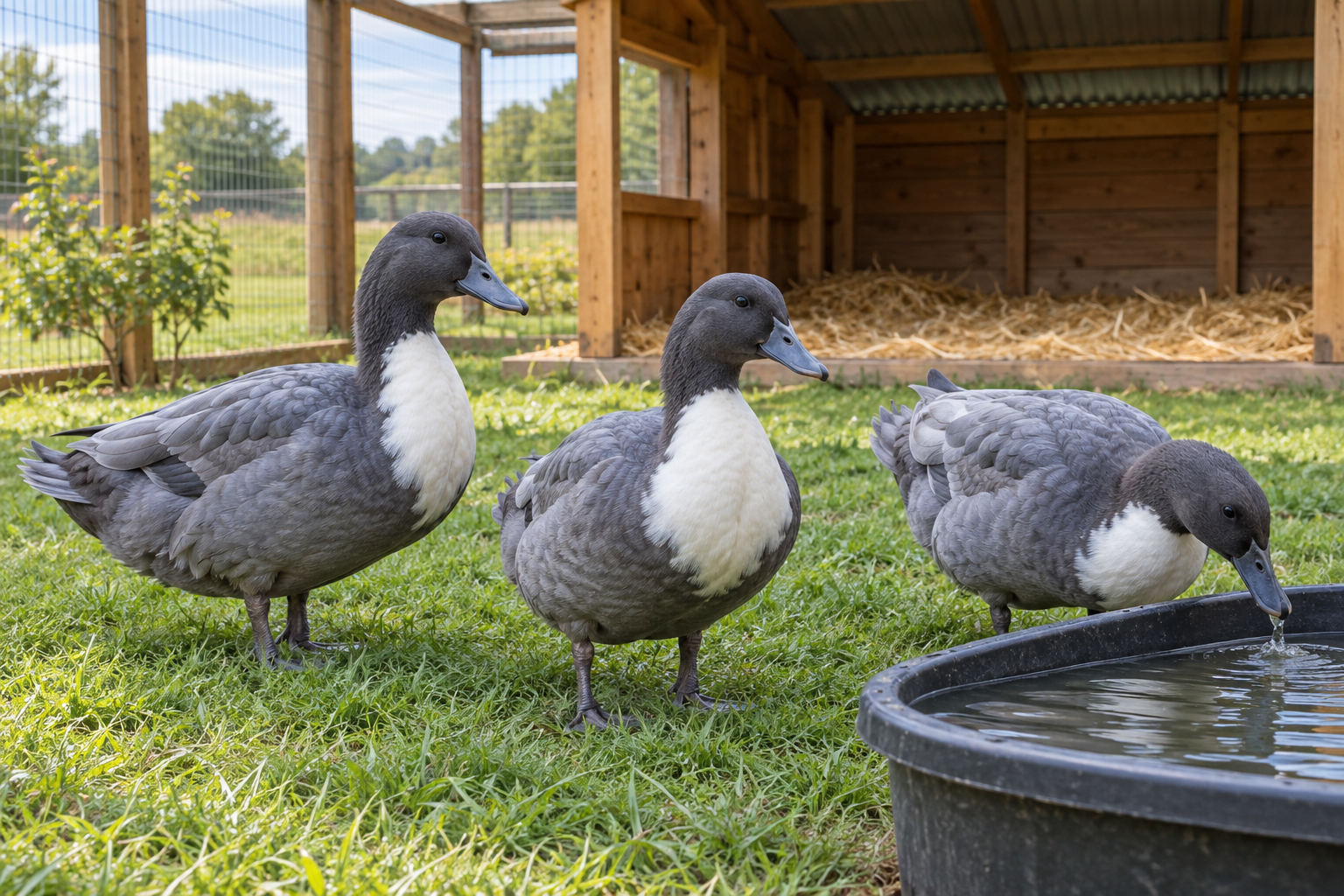
Prepare suitable housing for the existing flock and the ducklings before setting any eggs. Decide what you will do with birds outside your color or sex preference. A hatch intended to produce show prospects still creates ducks with the same daily welfare needs when their markings fall short.
Record the parent group, access dates, eggs set and actual hatch results. The Creatures clutch workflow lets signed-in keepers organize eggs and outcomes; it does not run the incubator or guarantee fertility. Photograph the growing birds in consistent light, and do not use changing light alone to label a bird a new color. The duck name generator can help name an individual; keep its ID consistent across later records.
Availability, cost and questions for a breeder
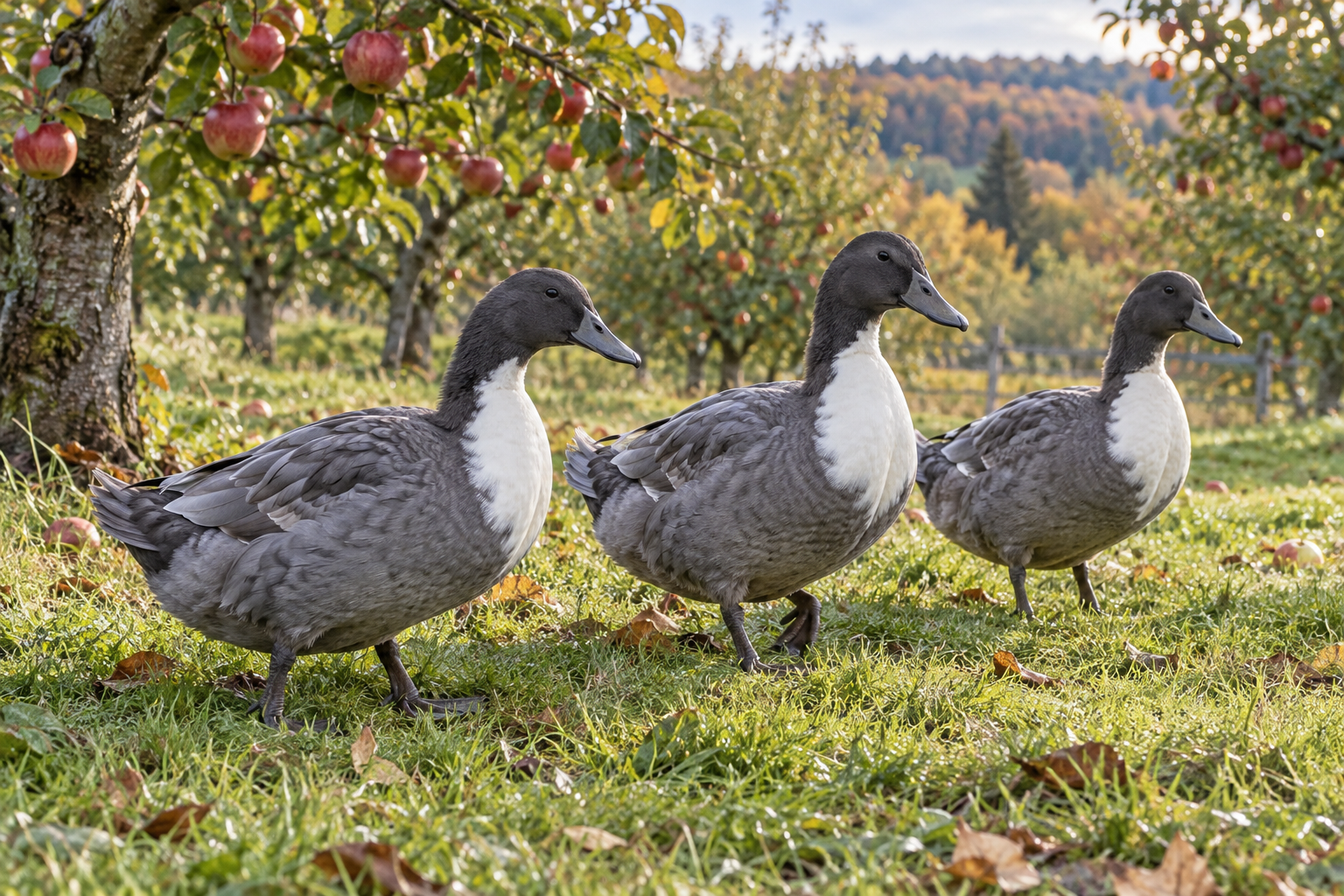
Ask whether you are buying Blue Swedish ducklings, adult blue birds, or assorted colors from a Swedish breeding flock. Read that description before paying a deposit. If you need a specific sex or color, ask how and when the seller confirms it and what happens if the identification changes.
Get a current quote rather than treating an online price range as a breed value. Transport, companions, fencing, secure shelter, bedding and water management belong in the budget. The duck cost guide helps you price the whole setup. Directory entries and old photographs do not confirm that a farm has birds available today.
Take these questions to the seller:
- Which standard or breeding population do you work with?
- Can I see adults from this family, including birds from previous hatches?
- Which parents produced this group, and how do you retain their records?
- How do you describe black and pale offspring from your blue matings?
- What are the birds eating, and what health history and transport arrangements come with them?
Swedish Blue duck FAQ
Is Blue Swedish a different breed from Swedish Blue?
These names commonly refer to the same blue domestic-duck type. Check the actual breeding population and the standard used, especially when comparing birds across countries.
Why did blue parents hatch a black duckling?
Blue does not breed true. The BWA’s explanation supports black and splashed forms in this color system. Parent records are still necessary; a plausible color outcome does not prove parentage.
Are they good backyard ducks?
They can suit a prepared keeper who provides companions, forage space, clean water and secure housing. They still need daily care, and the calm reputation of a breed does not guarantee an individual bird’s behavior.
How many eggs will I get?
Ask for the seller’s actual laying records and their dates. A published breed estimate is not a promise for your flock, feed or season. The duck lifespan guide can also help you plan care beyond the laying period.
Do this next on Creatures
- Wait for a suitable bird. Save a Swedish Blue duck listing alert to hear about future matching listings. This does not mean birds are available now. How saved searches work.
- Start an individual profile. Add your Swedish Blue duck. No account is needed to start; a free account keeps the profile. Adding an animal.
- Keep observations together. Add a health, weight or egg record. The form opens for visitors; a free account saves the record. Adding a record.
- See current listings. Browse Swedish Blue duck listings and check the seller’s actual location, bird details and availability.
- Research farms. Browse the breeder directory, then ask each farm about its current flock. Directory coverage is not confirmation of stock, breed verification or an endorsement.
- Describe your own flock. Start a farm or breeder profile. Explain what you keep and the records you can provide. Creating an organization.