

Dog
Canis lupus familiaris
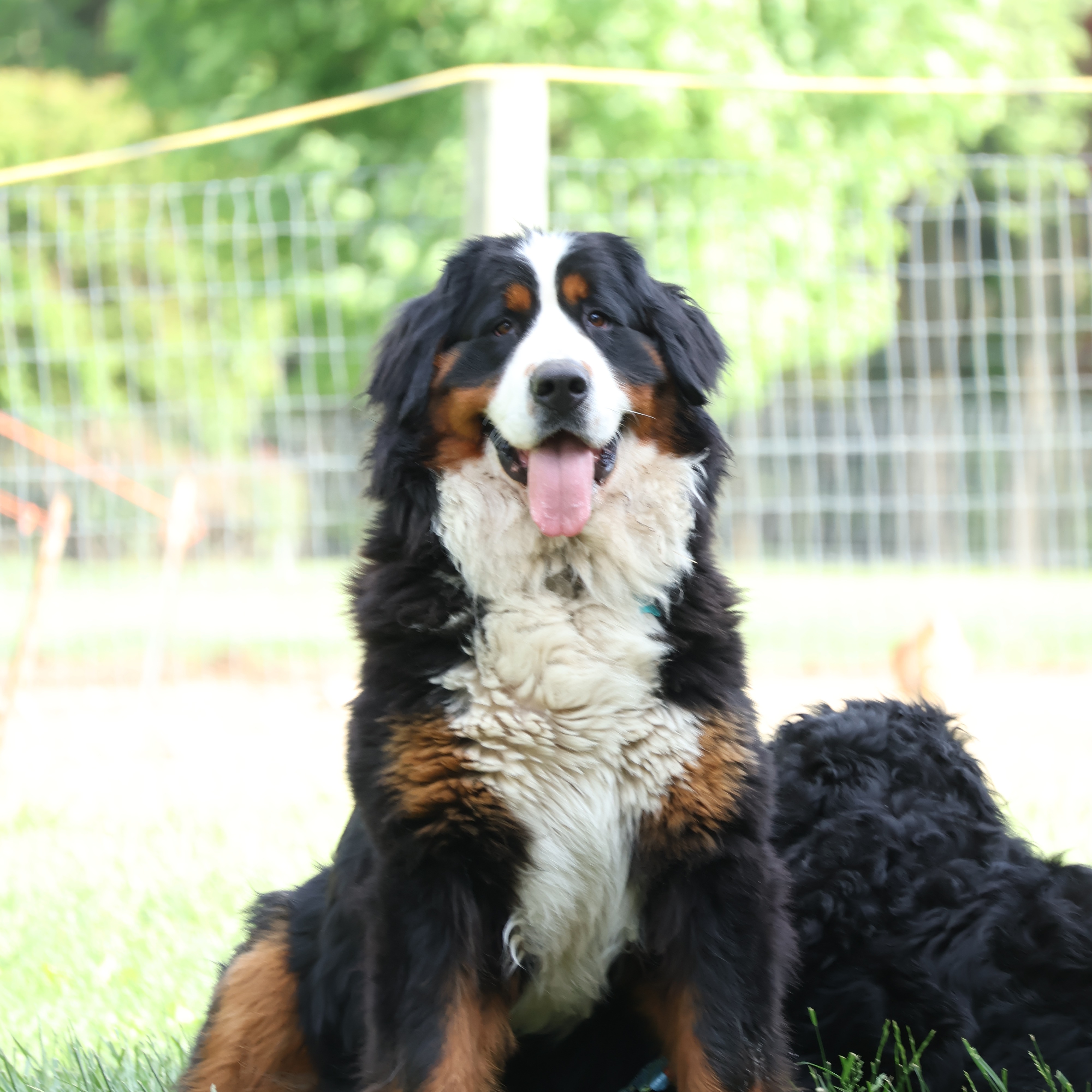
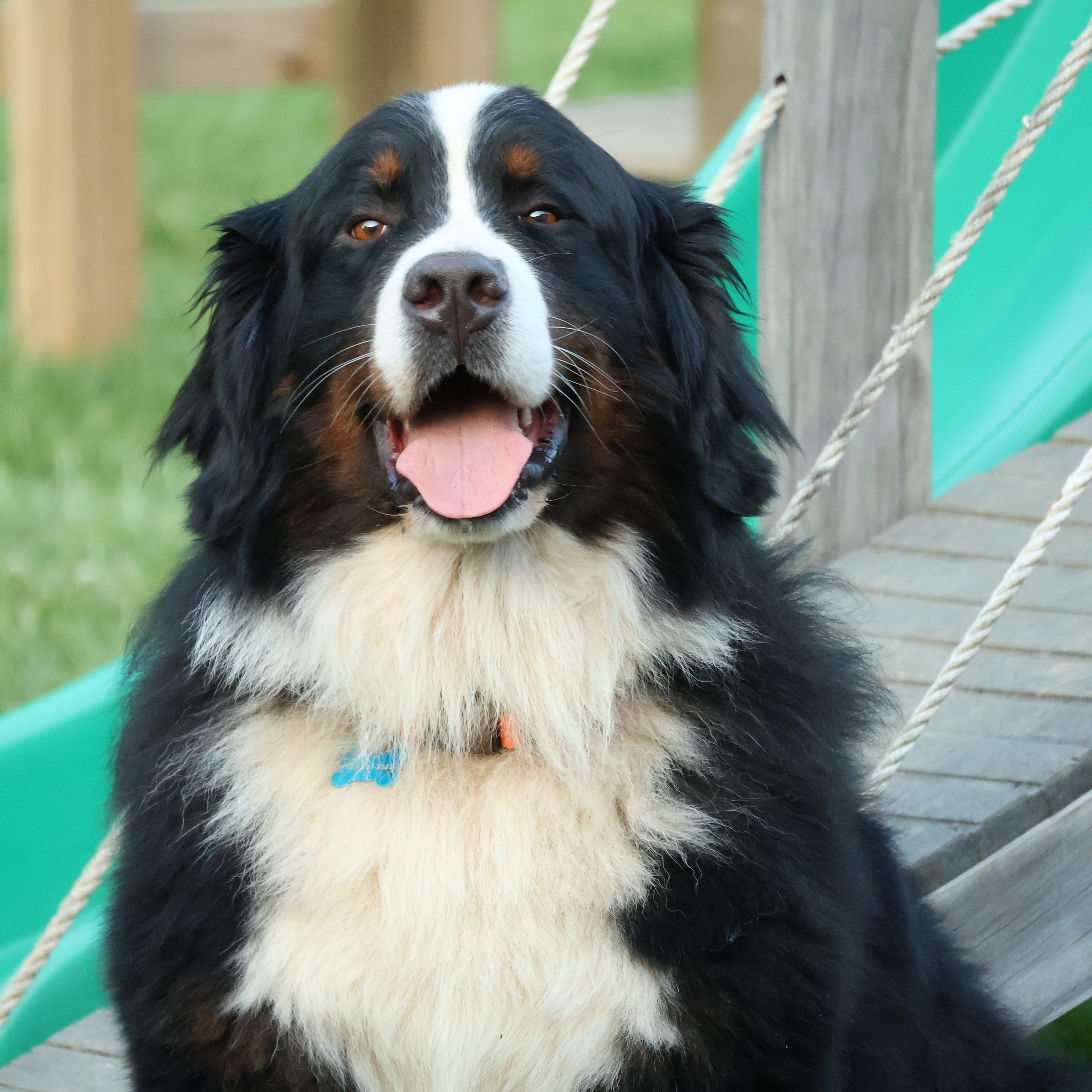
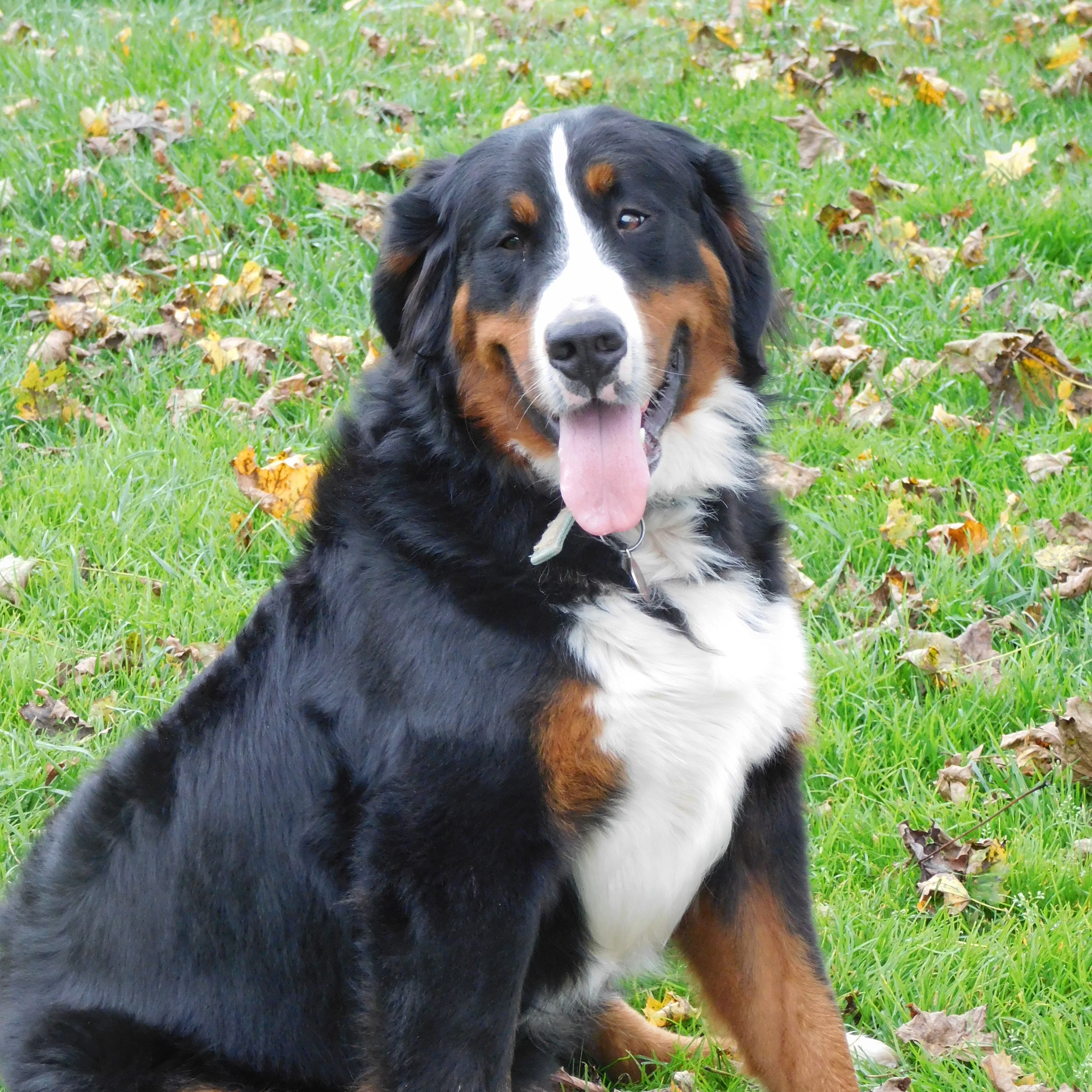
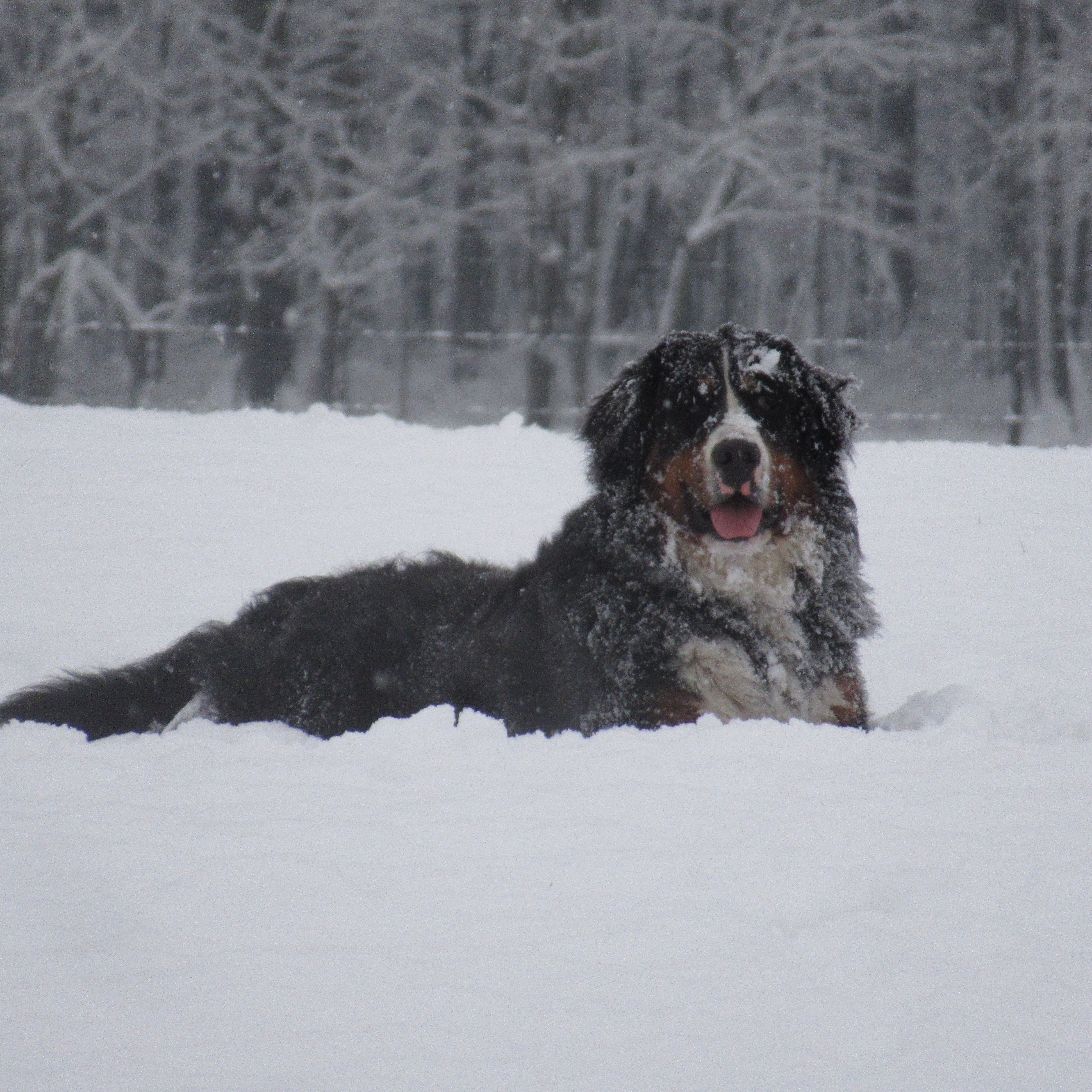
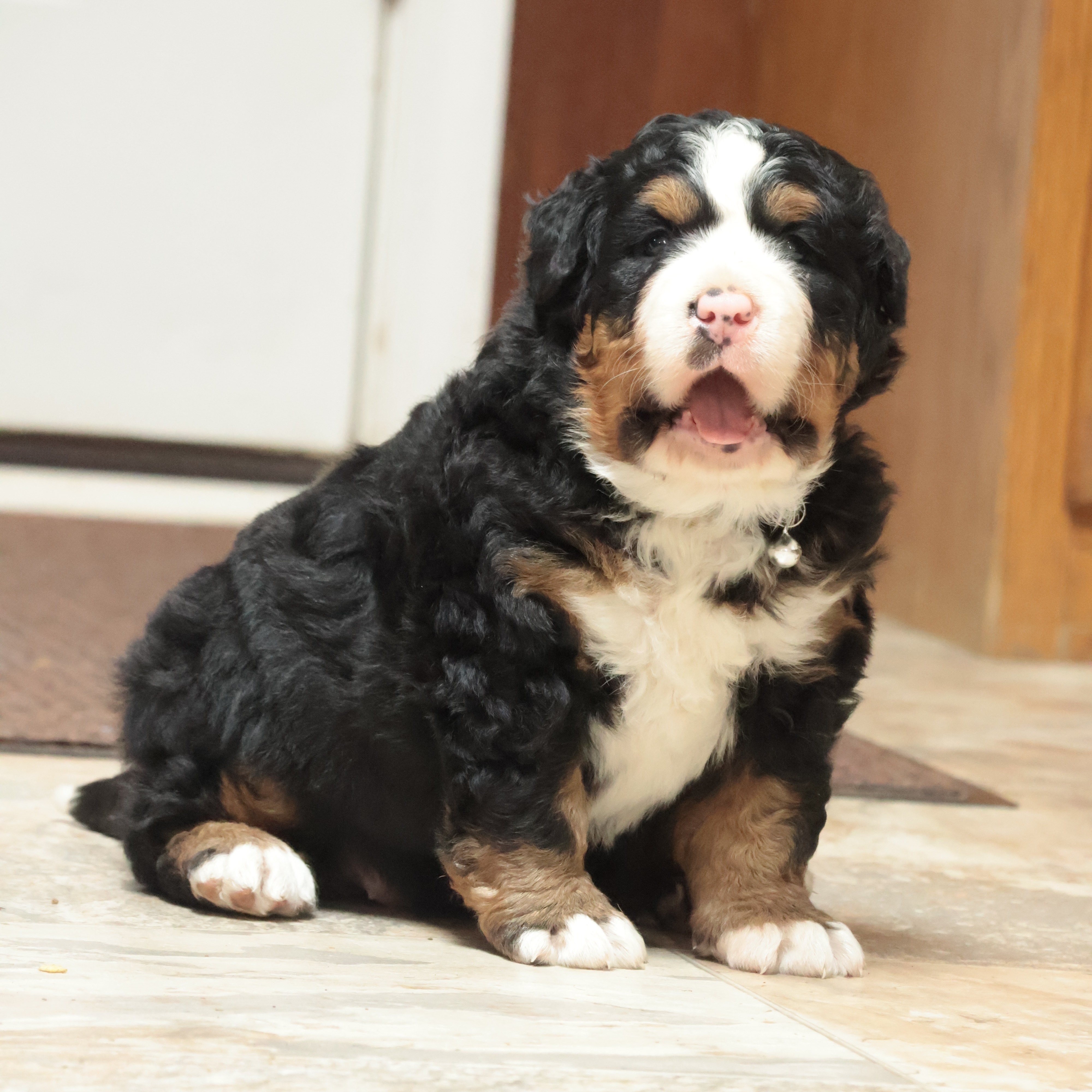
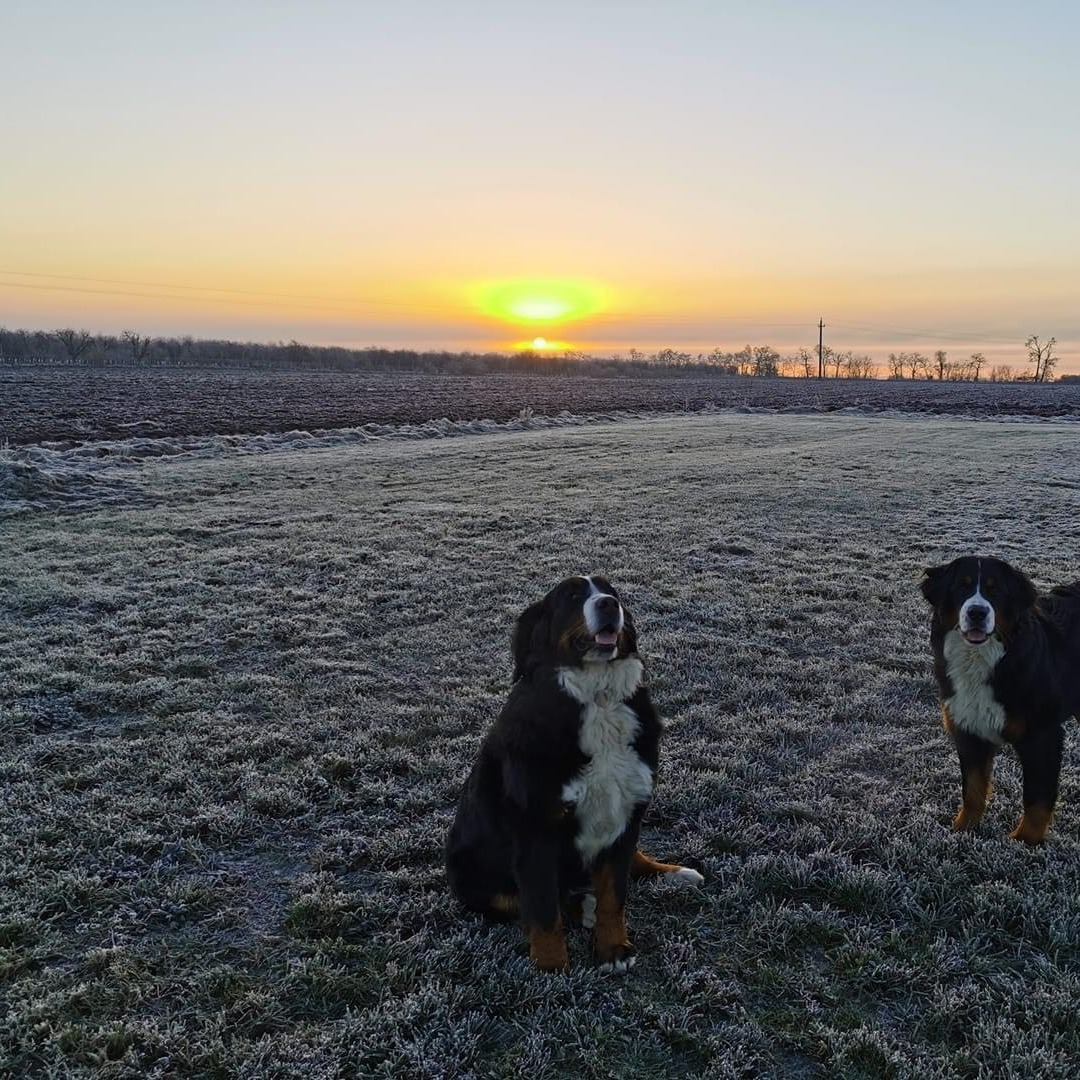
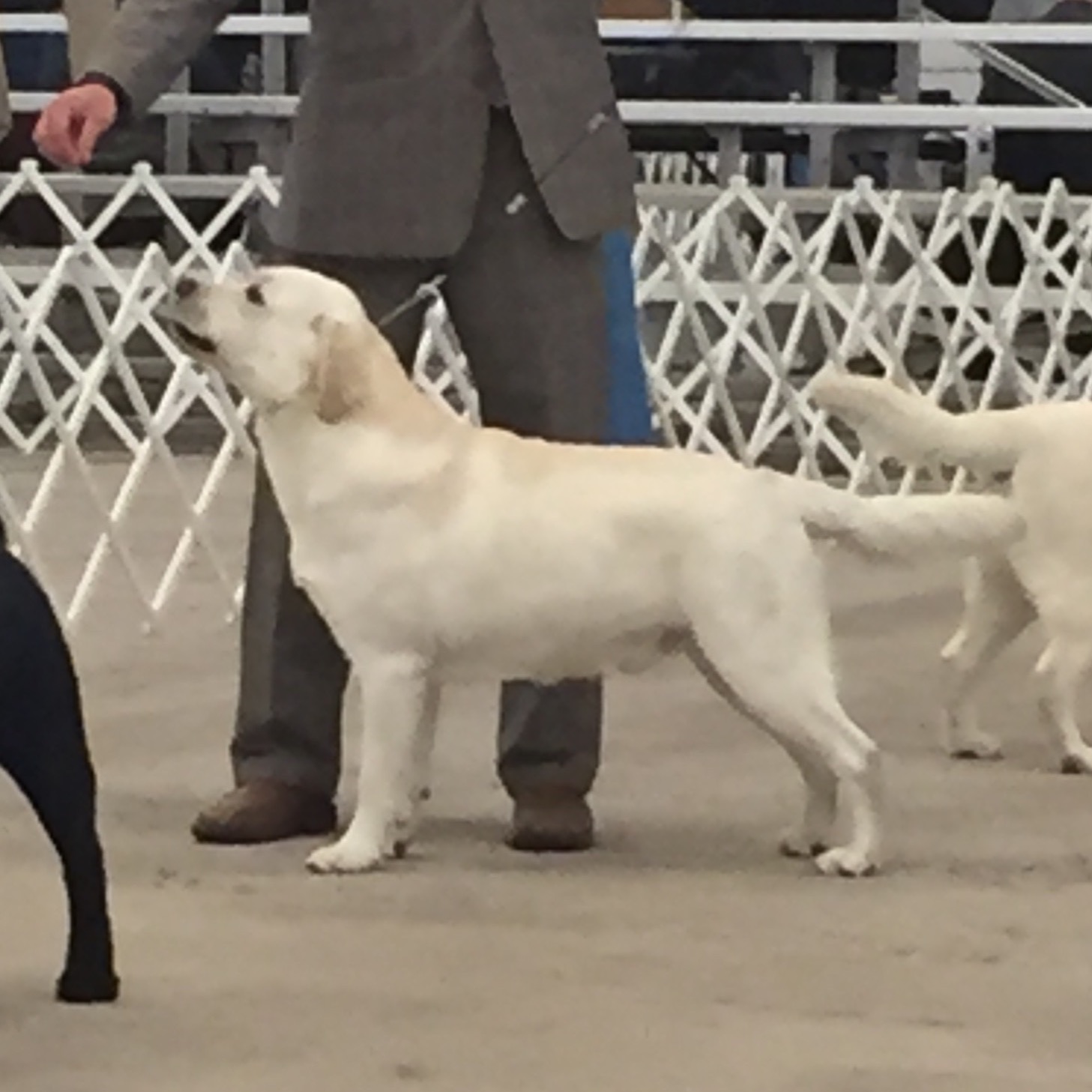
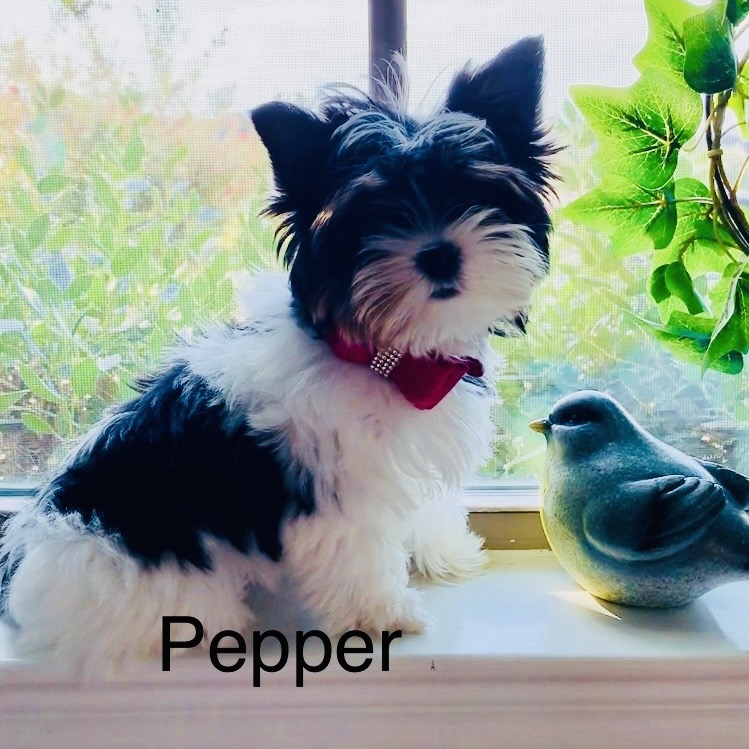
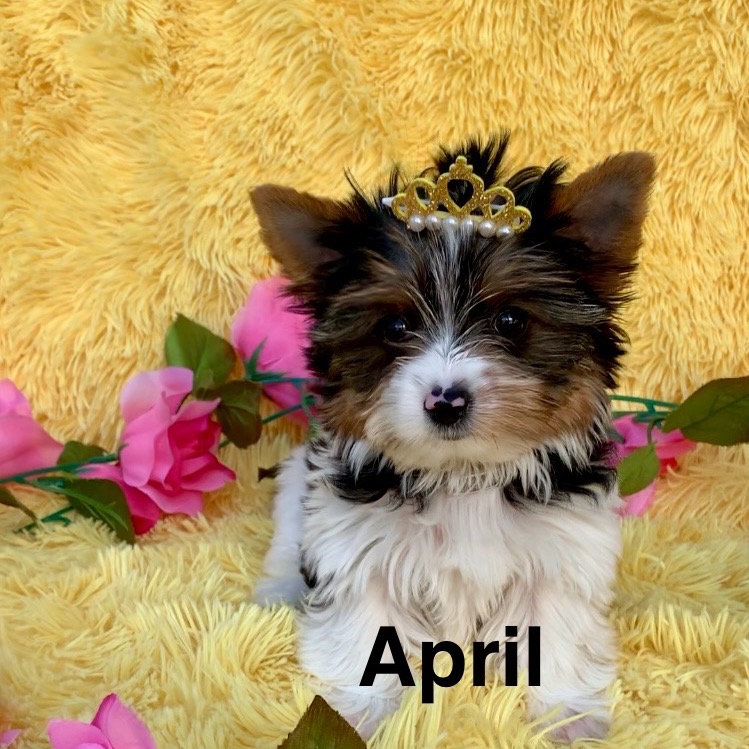
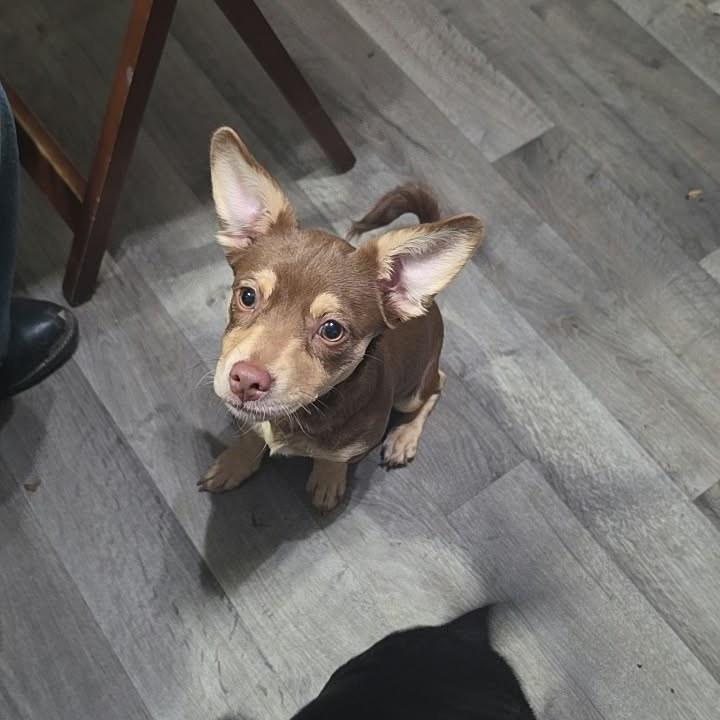
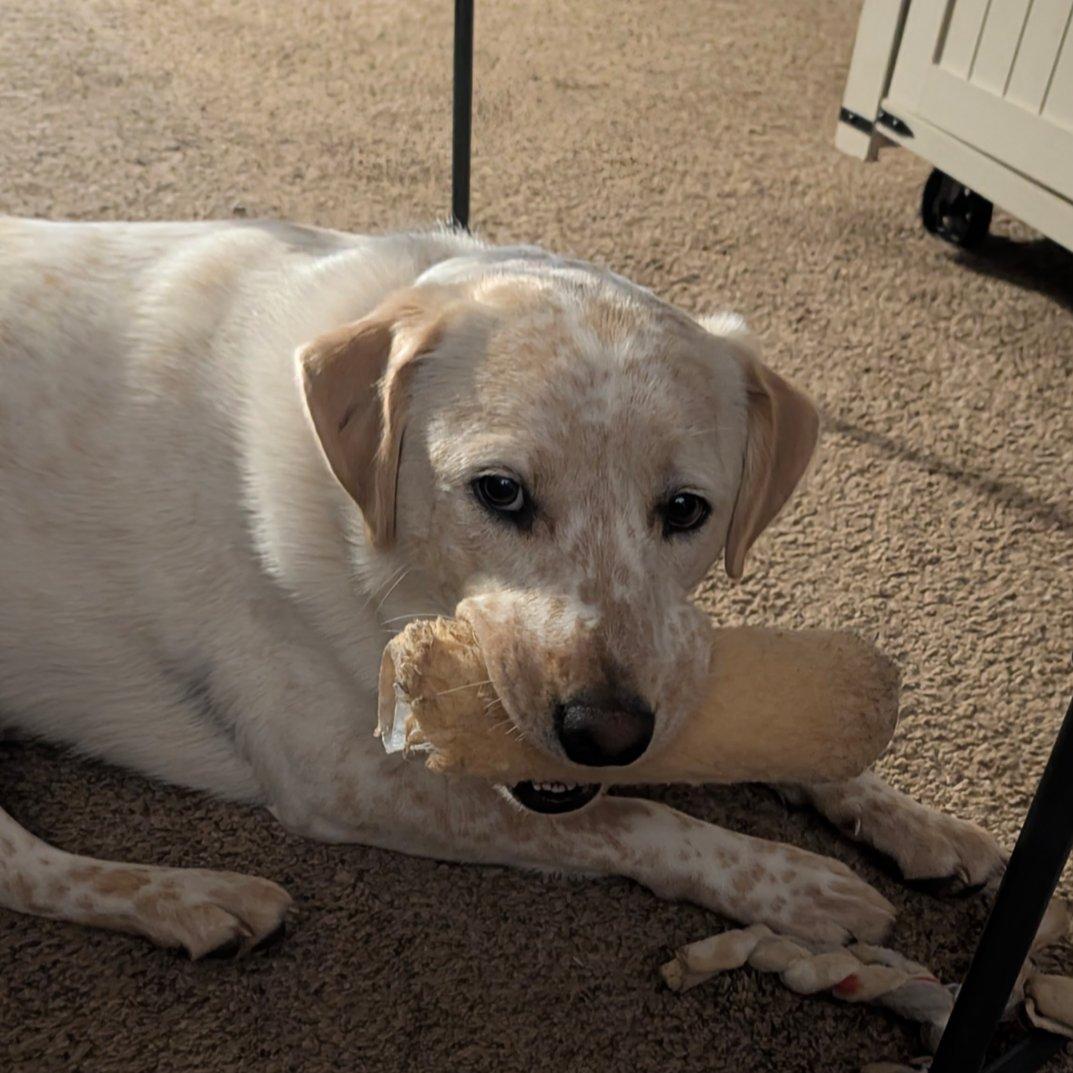
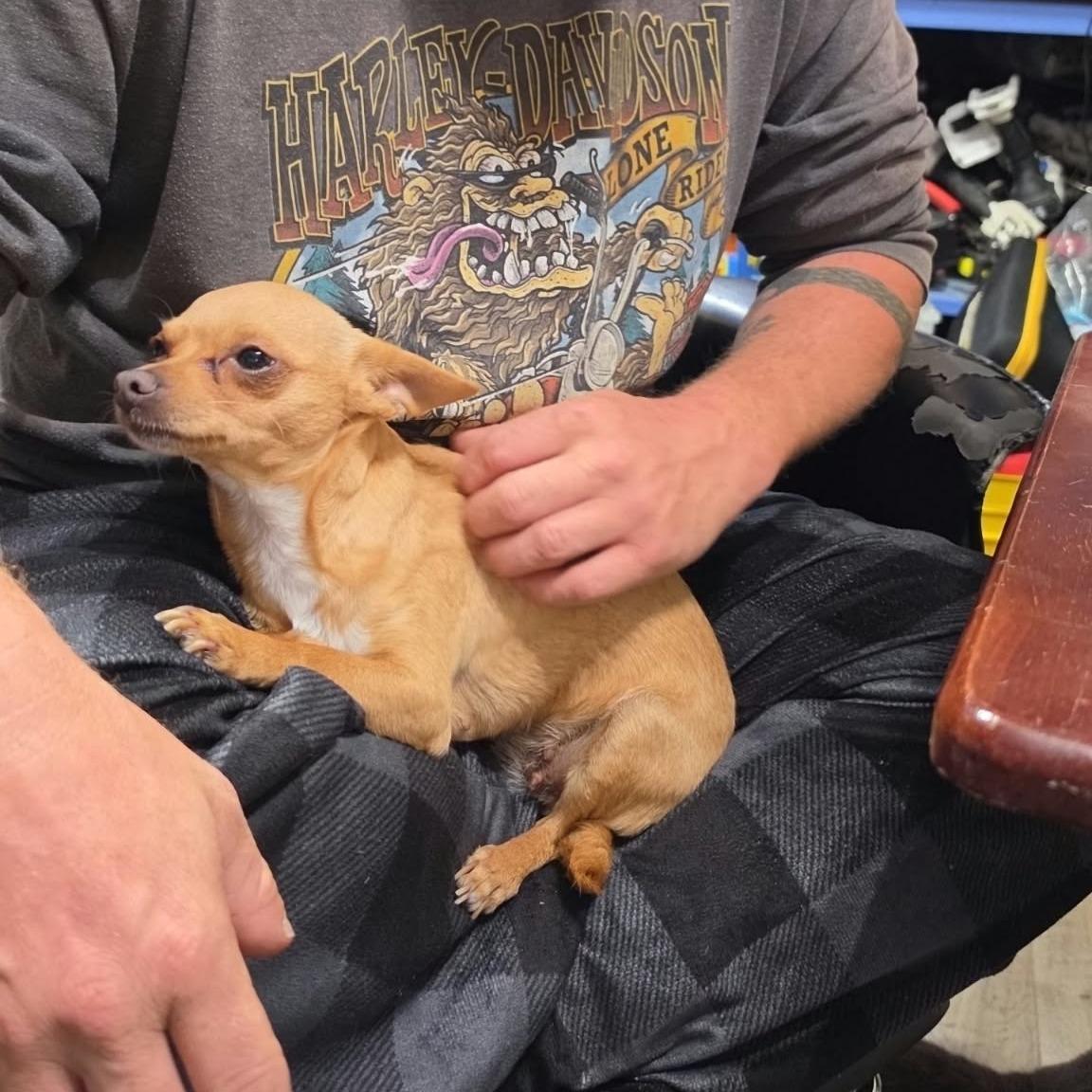
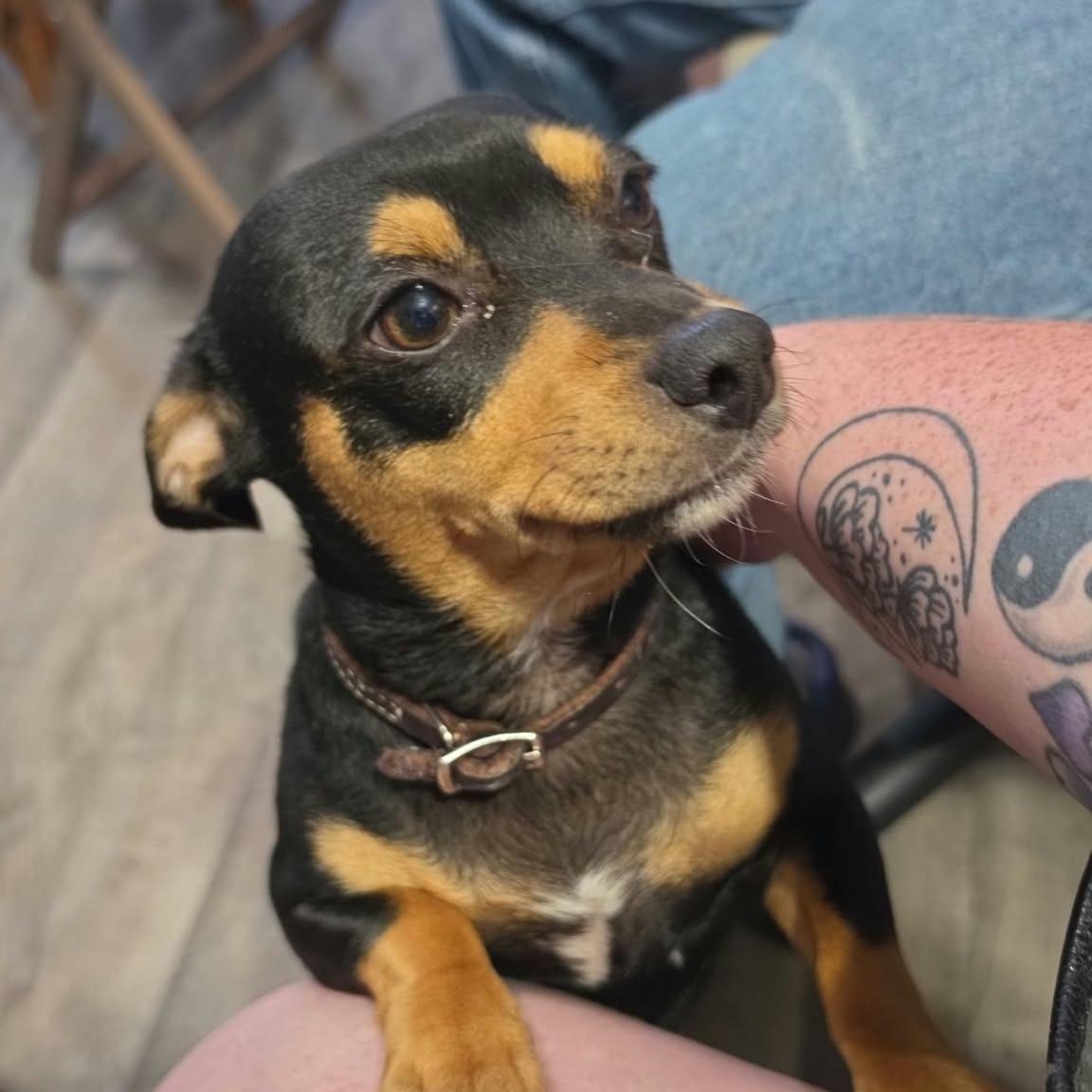
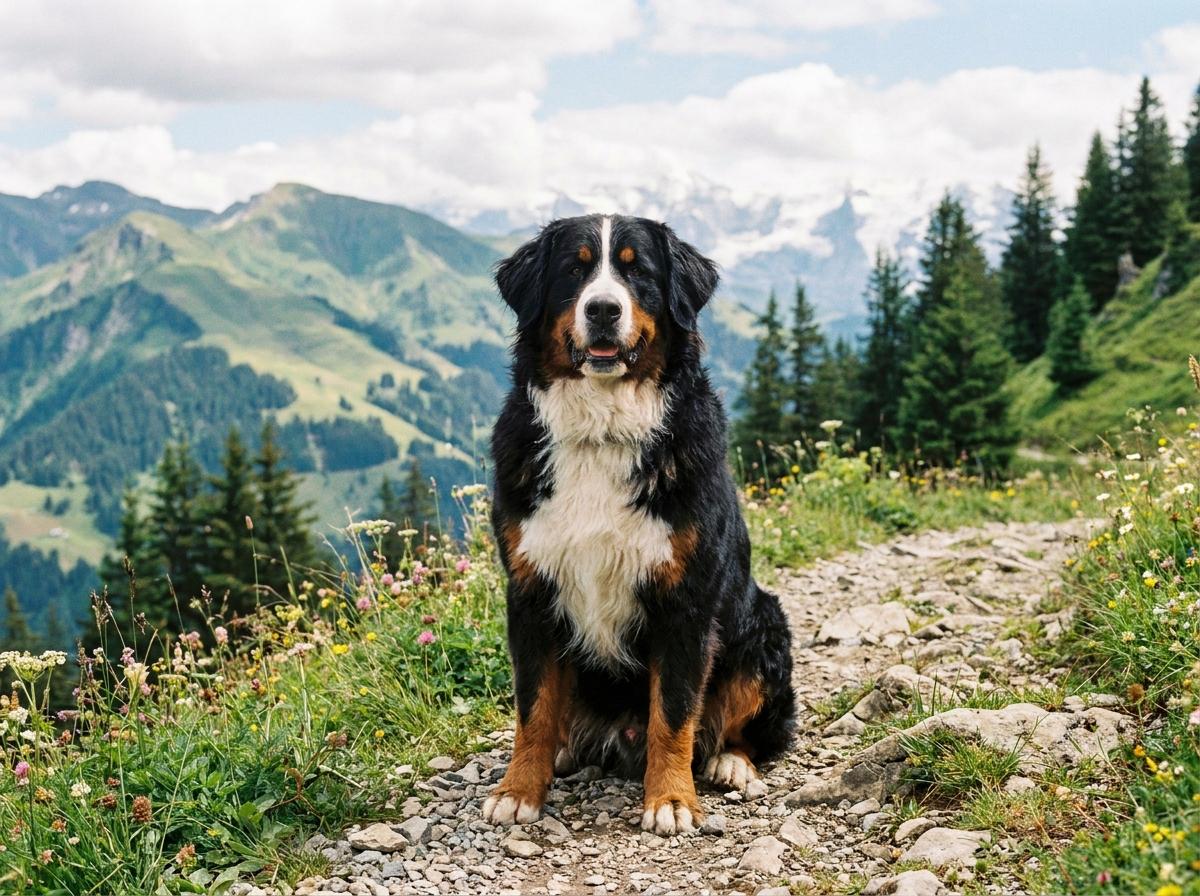
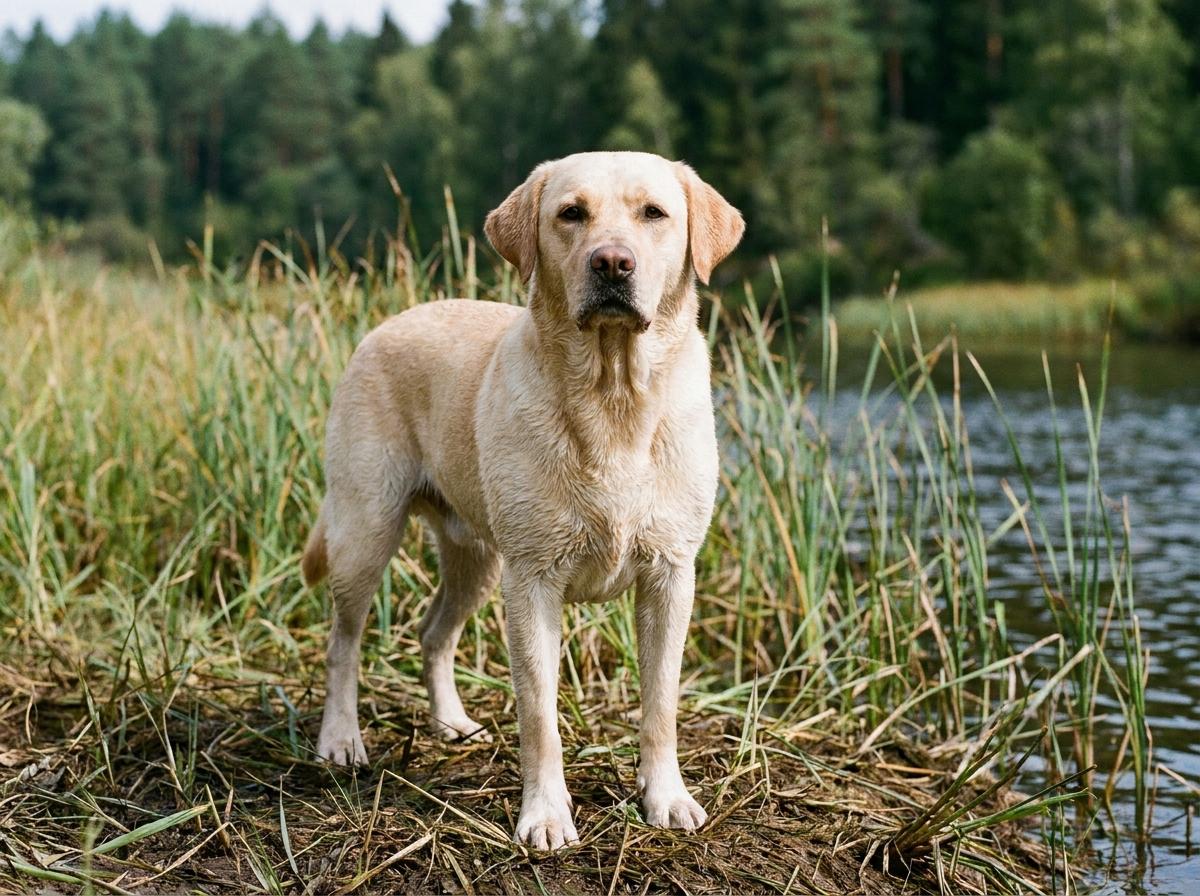
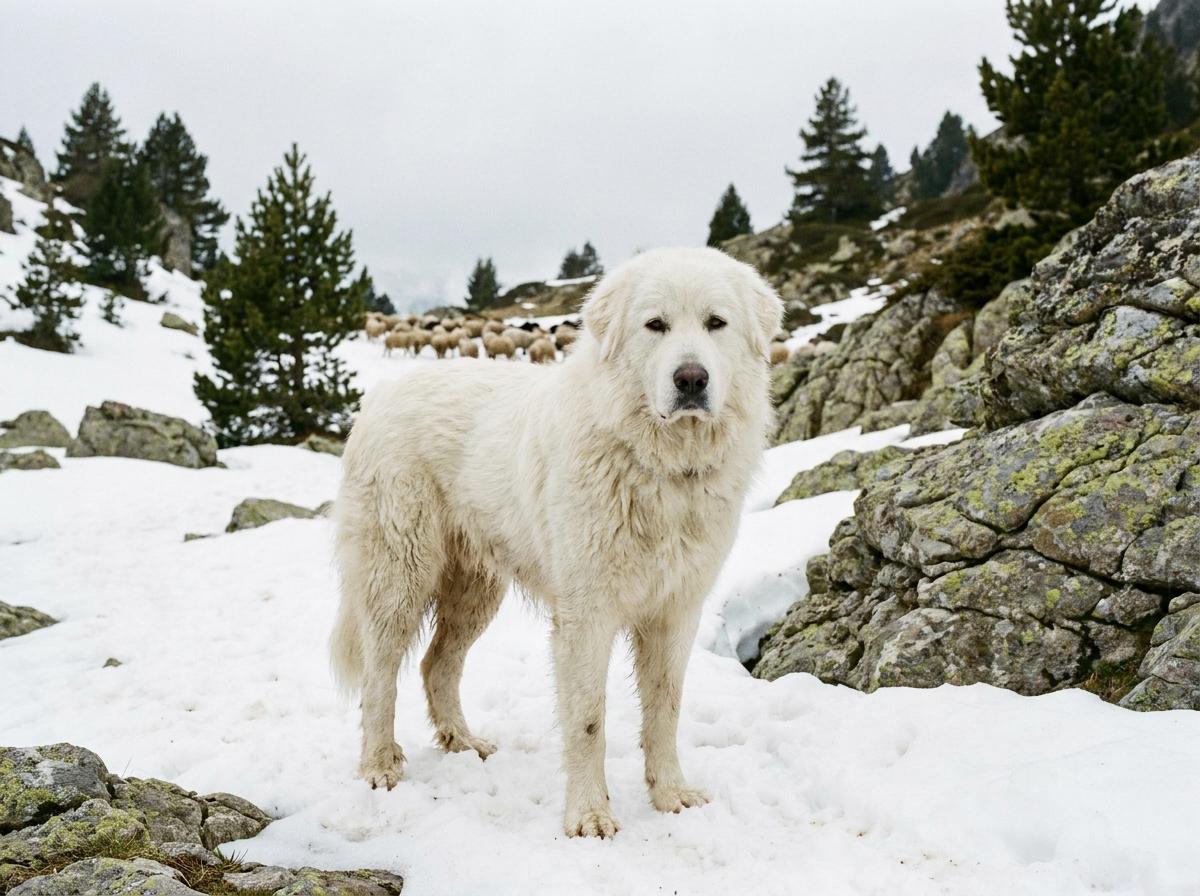
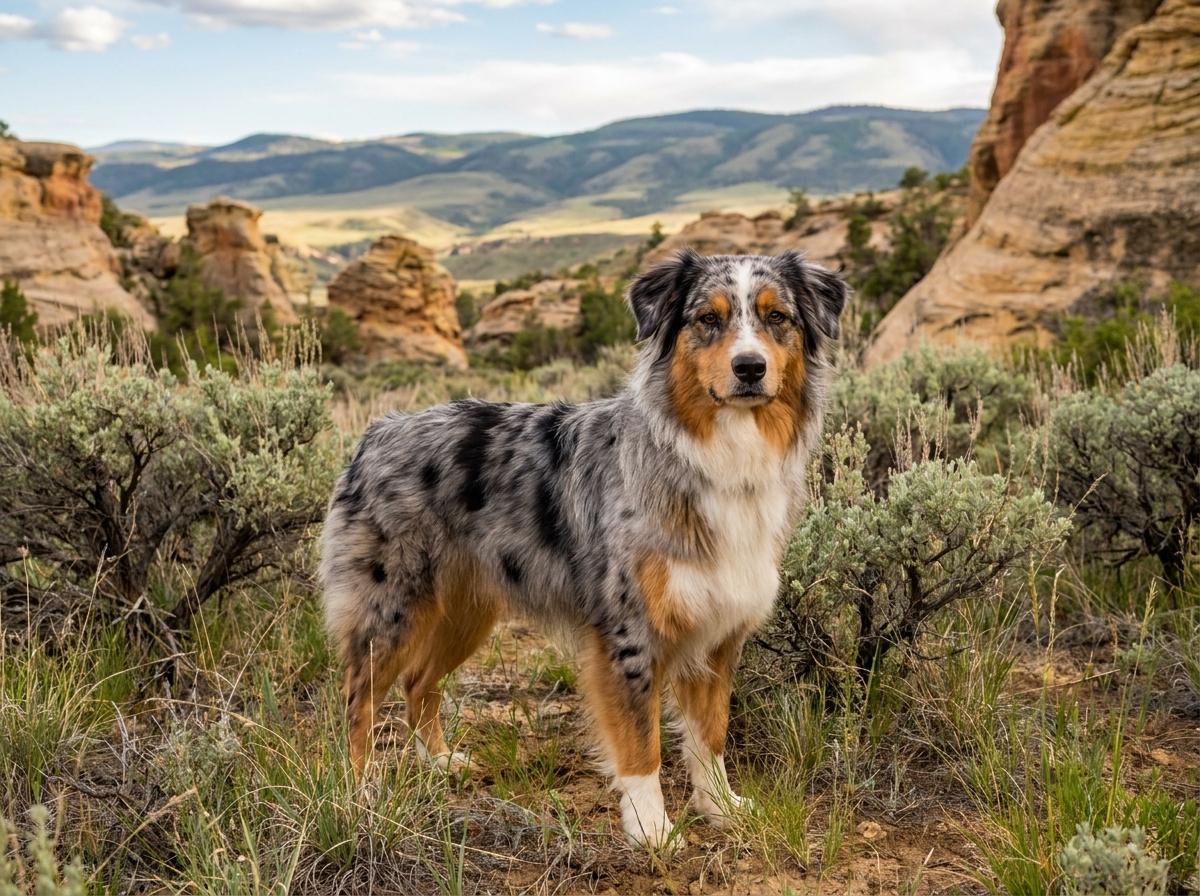
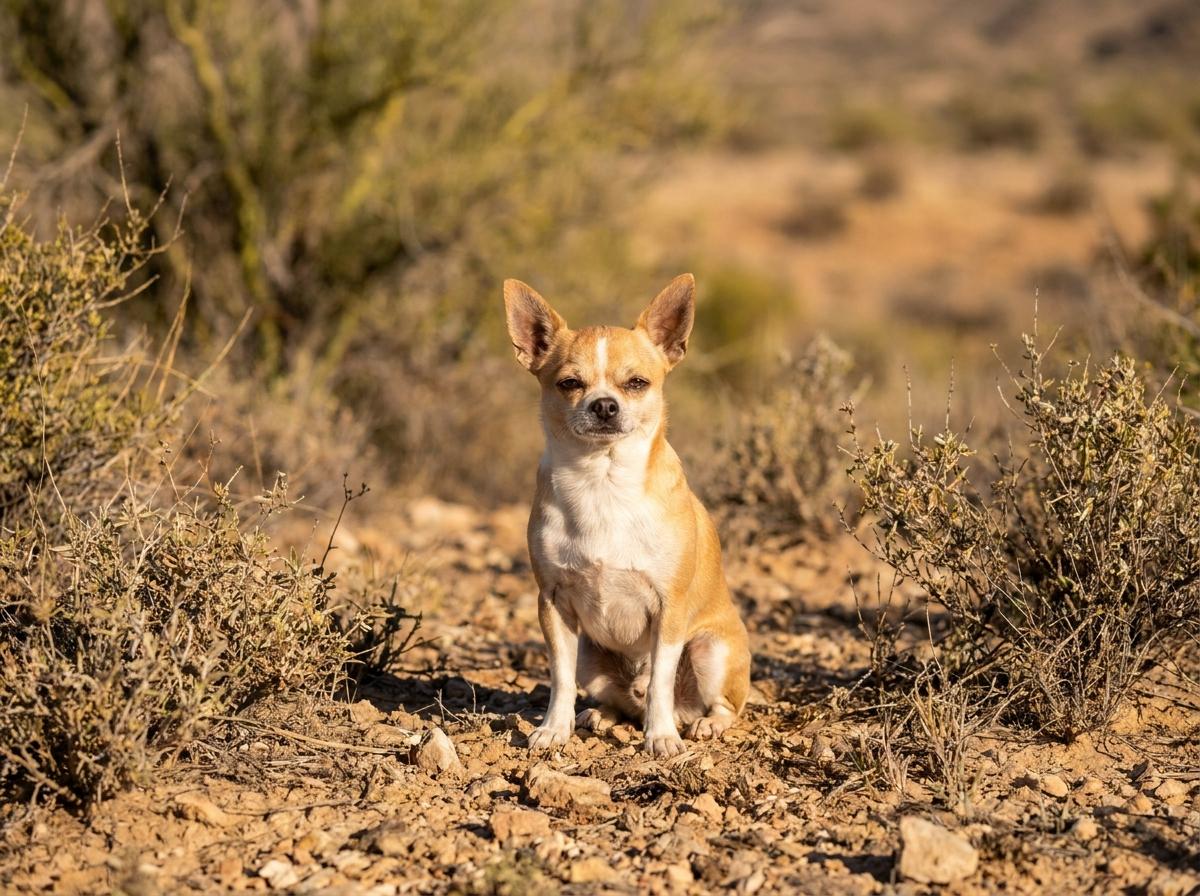
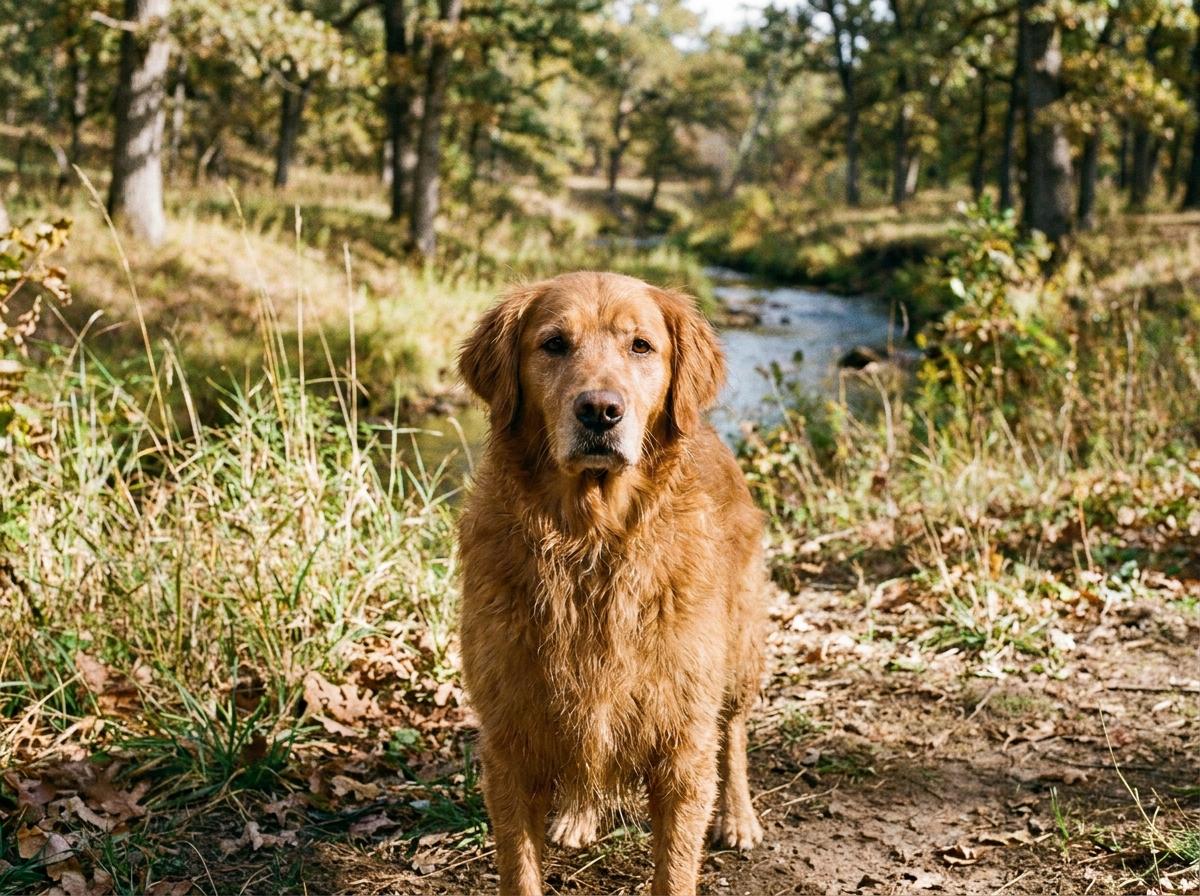
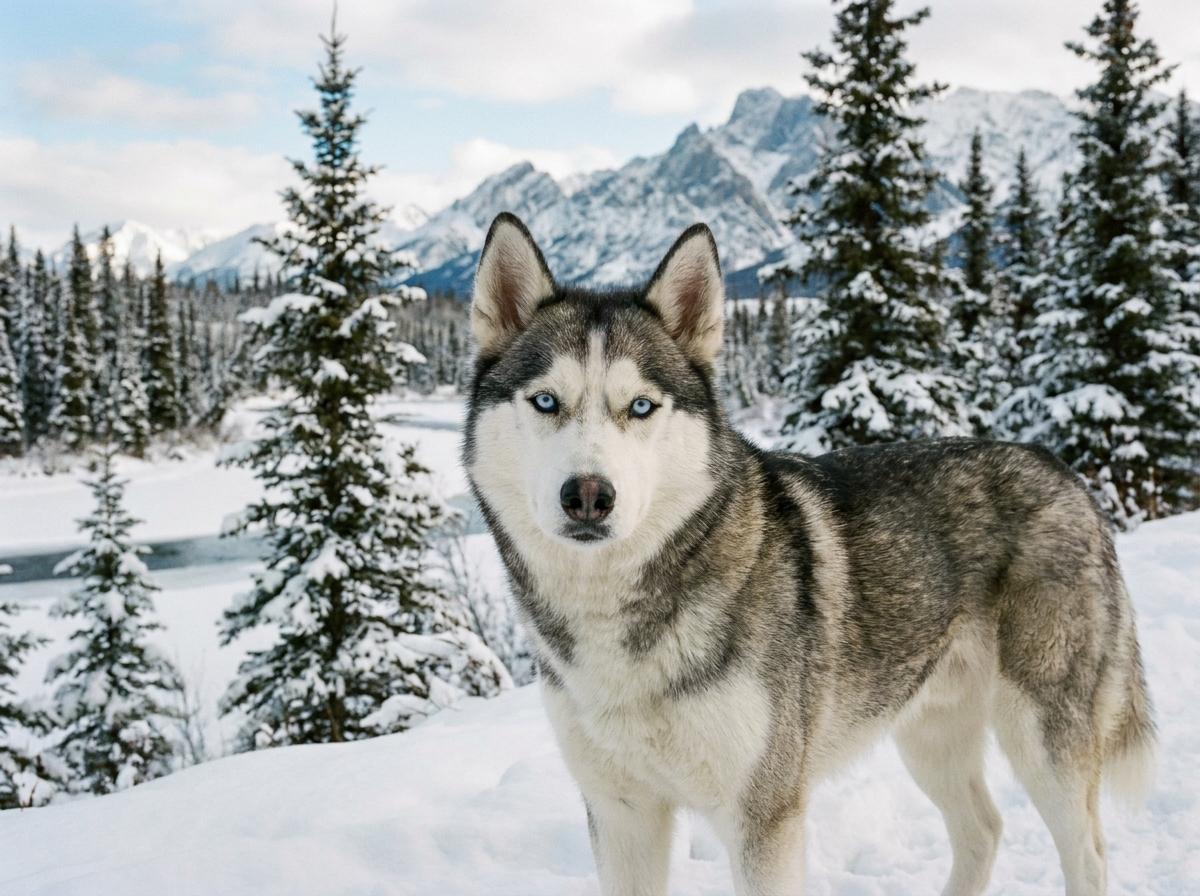
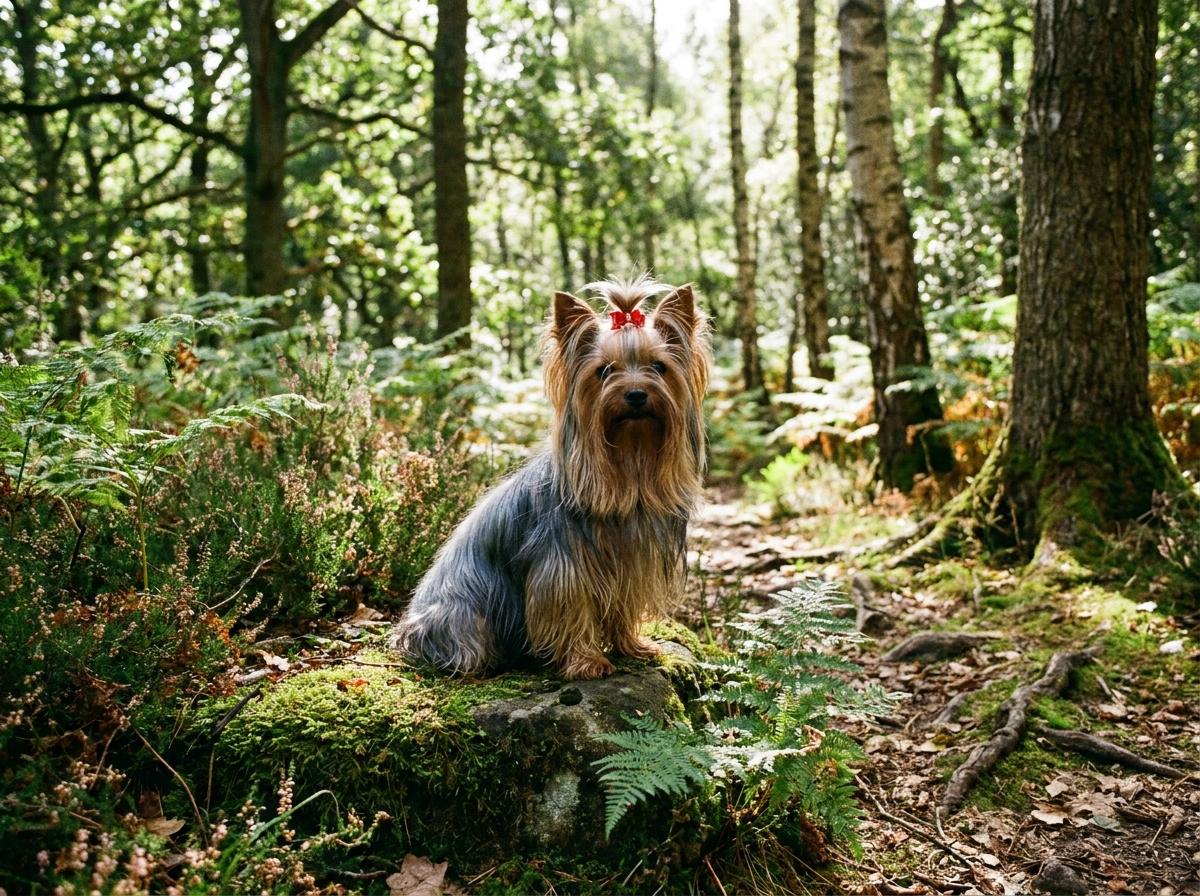
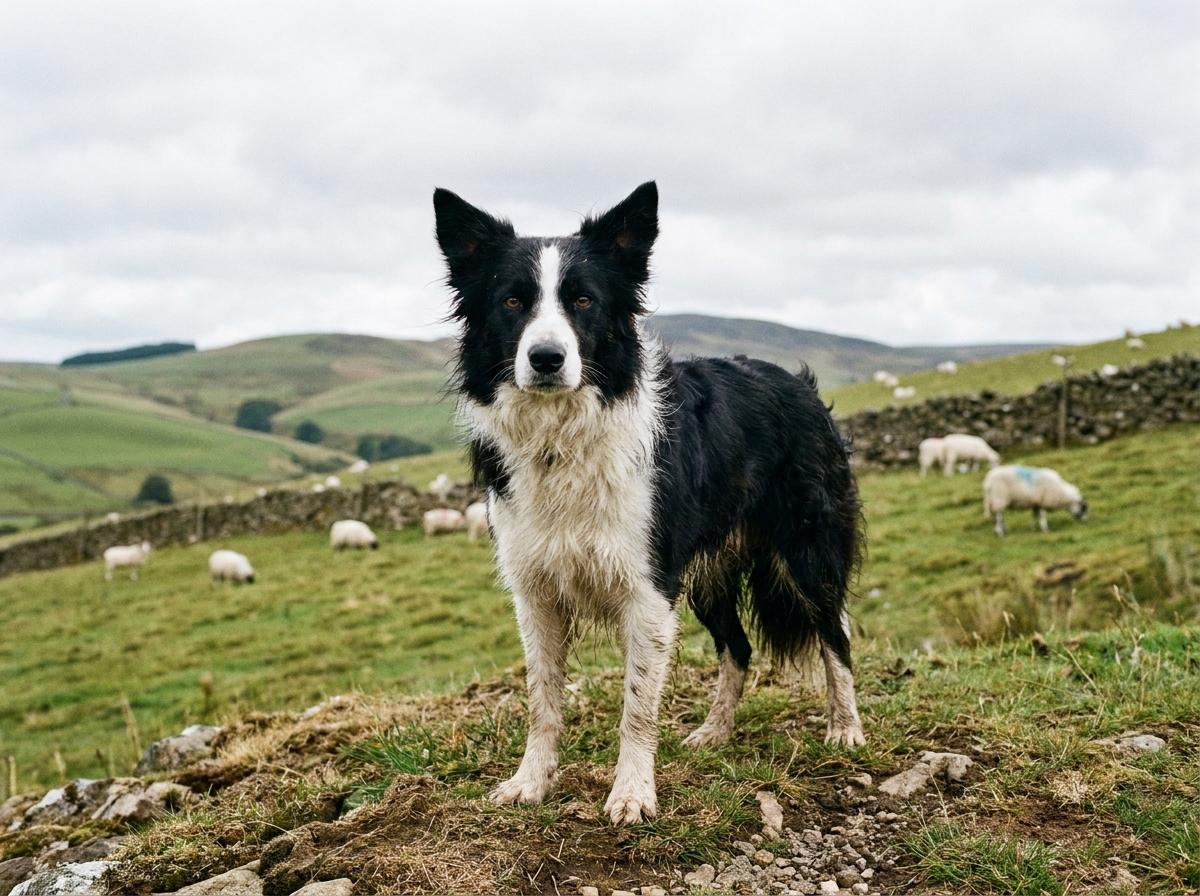
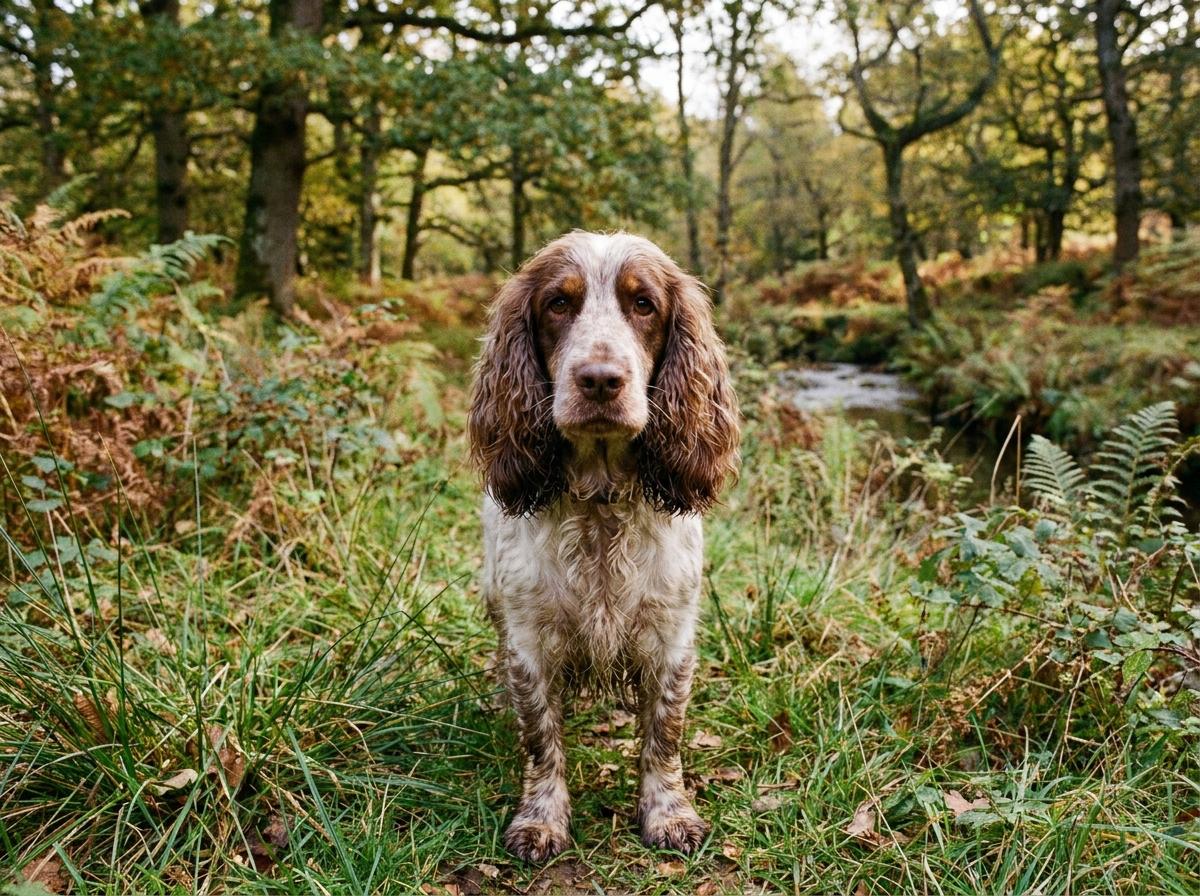
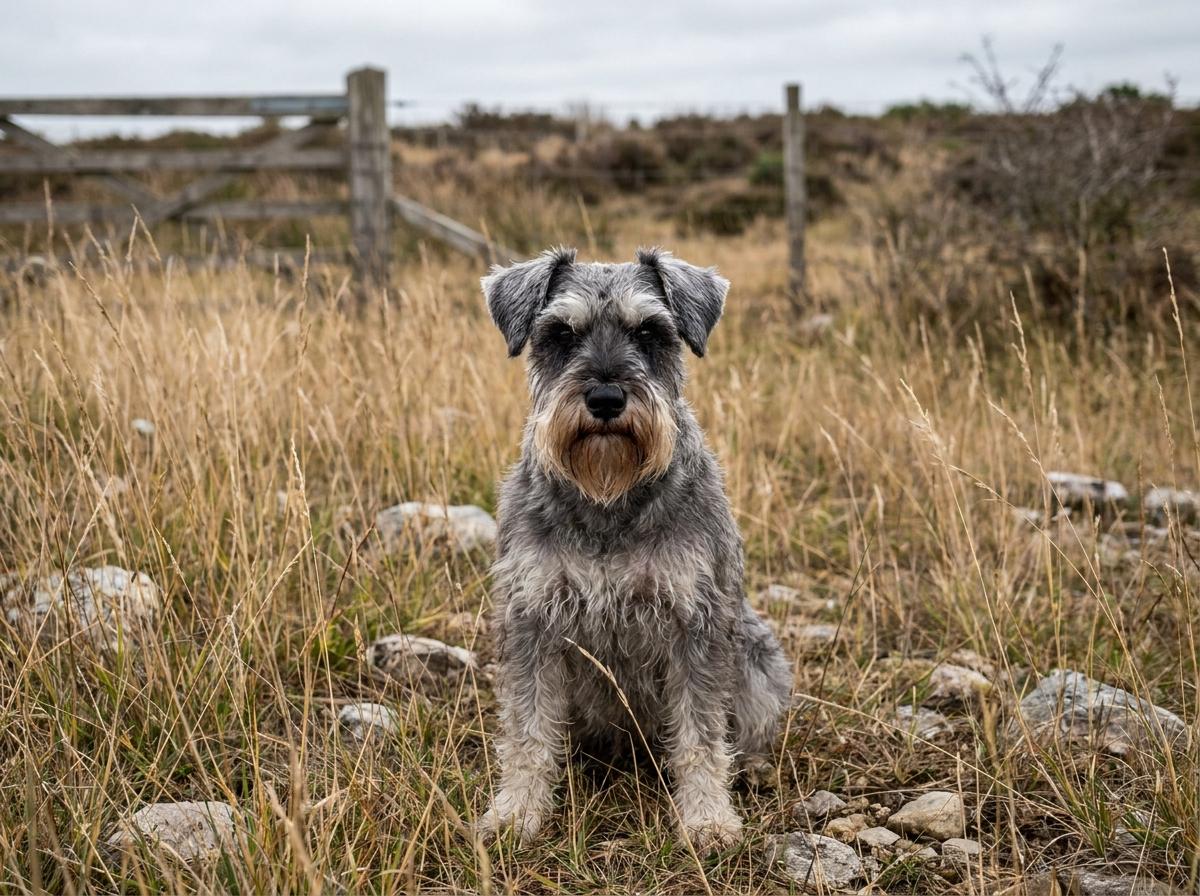
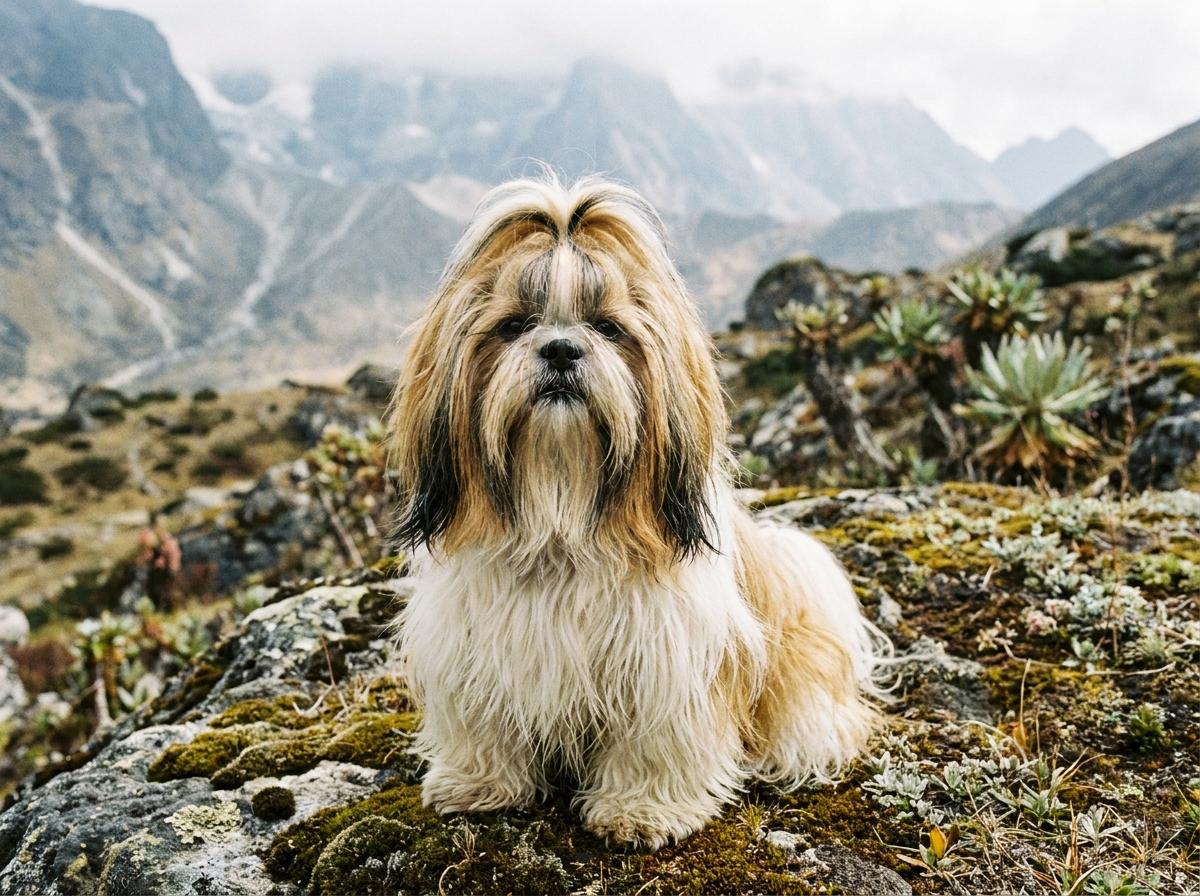
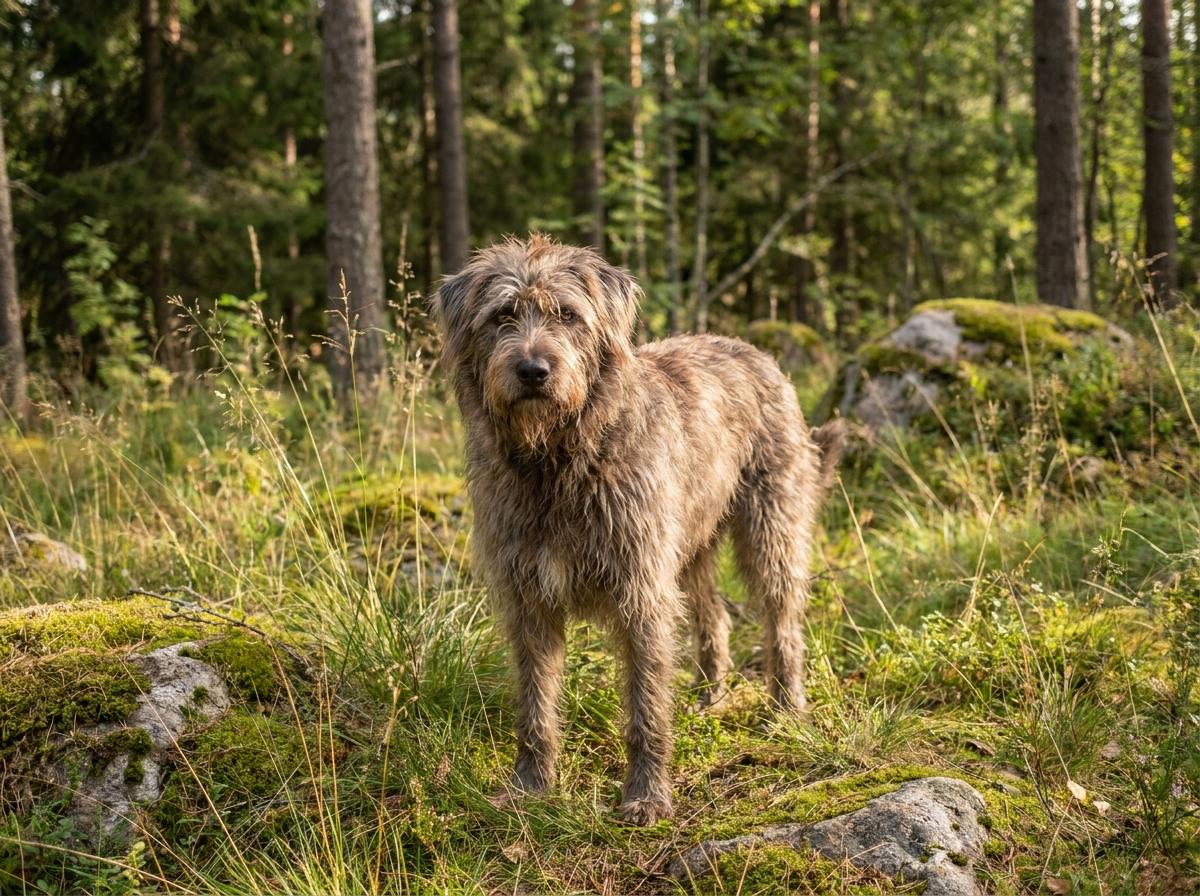
The dog, Canis lupus familiaris, is the domesticated canid shaped from ancient wolf ancestry into thousands of local types, working lines, and recognized breeds. Dogs vary more in size, coat, skull shape, and behavior than any other domestic animal, from livestock guardians and sled dogs to terriers, scent hounds, toy companions, and village dogs. Their usefulness comes from social attention to people, trainability, scenting ability, endurance, guarding instinct, or companionship, depending on the population and the way it has been bred and raised.
Good dog ownership starts with matching the individual dog to the household, not just choosing a look. Exercise needs, coat care, prey drive, heat tolerance, noise, and comfort with children or other animals can differ sharply by breed and line. Puppies need social exposure, basic training, parasite control, vaccination, and a plan for adolescence, while adult rescue dogs may need time to settle and rebuild routines. Responsible breeders screen for inherited disease where tests exist and place pups with records and support; rescues and shelters focus on safe placement and behavior history. Daily care includes appropriate food, dental and veterinary care, identification, humane confinement, and consistent handling. Local rules may affect licensing, leash use, breeding, or ownership of certain breeds.