

Hawaiian Poi Dog
The Hawaiian poi dog was the native dog of the Hawaiian Islands, descended from dogs that Polynesian voyagers carried across the Pacific in double-hulled canoes and raised in island households for centuries. It is extinct. The distinct type faded through the 1800s as introduced dogs crossbred with it and the customs that maintained it fell away, and by the early 1900s at the latest it was gone. No confirmed photograph of a living poi dog is known, no purebred line survives, and nobody can sell you one.
What survives is the story, which is one of the best documented of any Pacific dog, and the name. In Hawaiʻi today, “poi dog” means a mixed-breed dog, said with affection. The islands are full of poi dogs in that modern sense. They are as real as any registered breed, and their records matter just as much. Creatures keeps profiles for hundreds of breeds on the dog species page, and this page covers the historical poi dog in full: what it was, how Hawaiians lived with it, why it disappeared, the strange 1960s attempt to bring it back, and what the name means now.
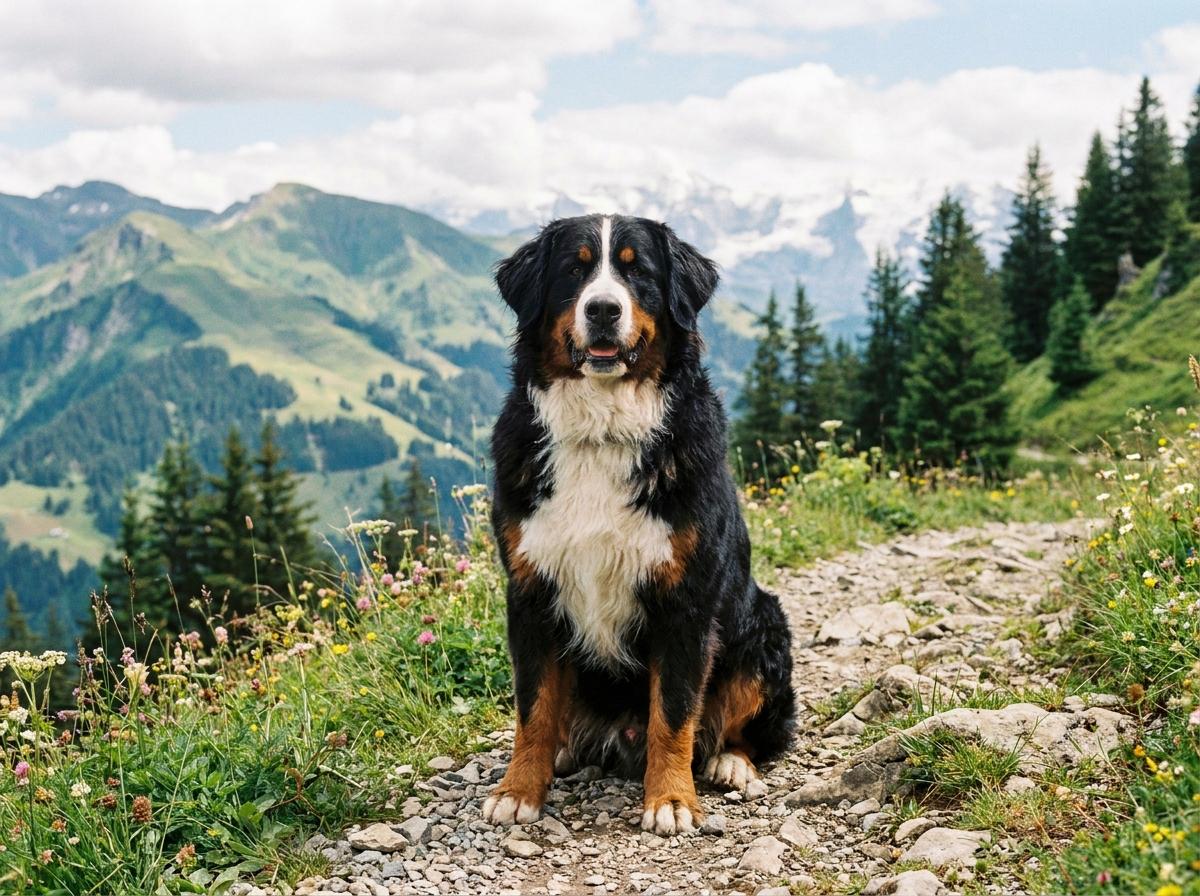
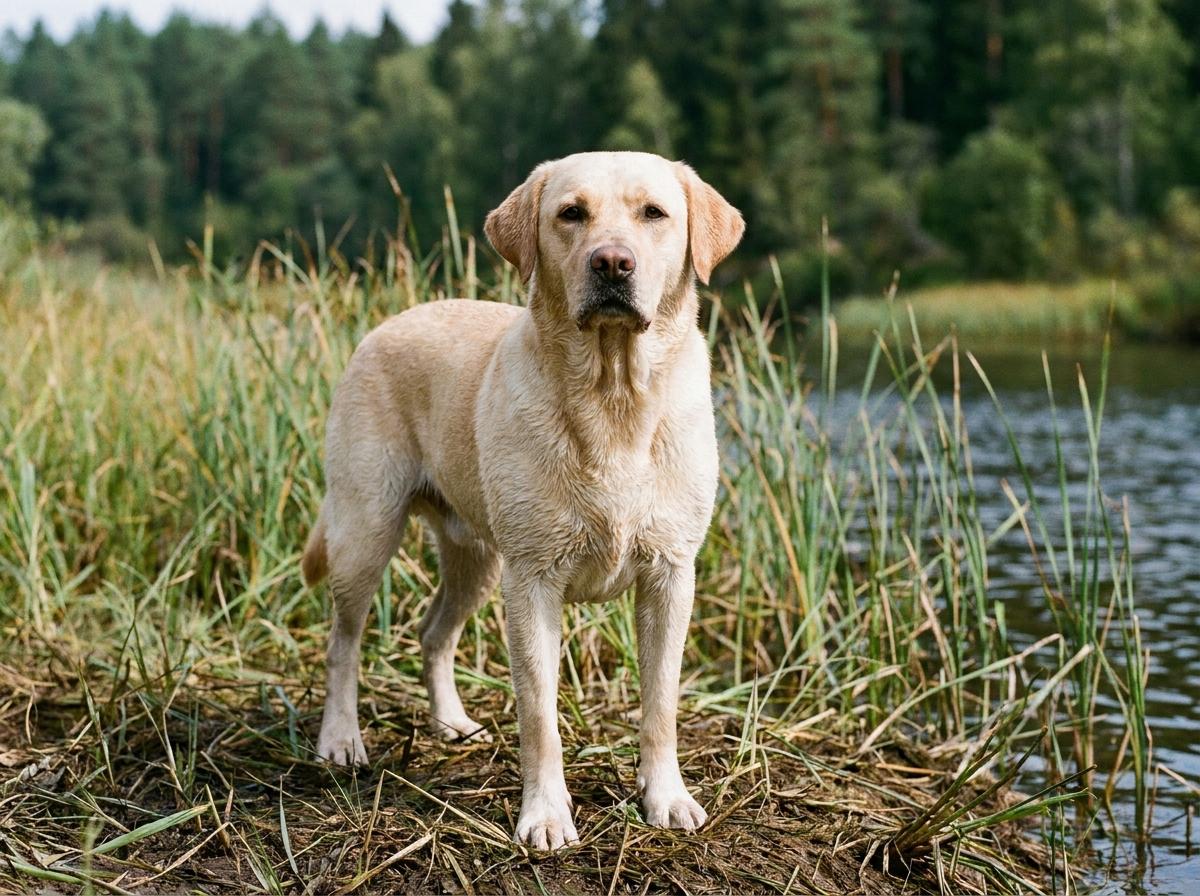
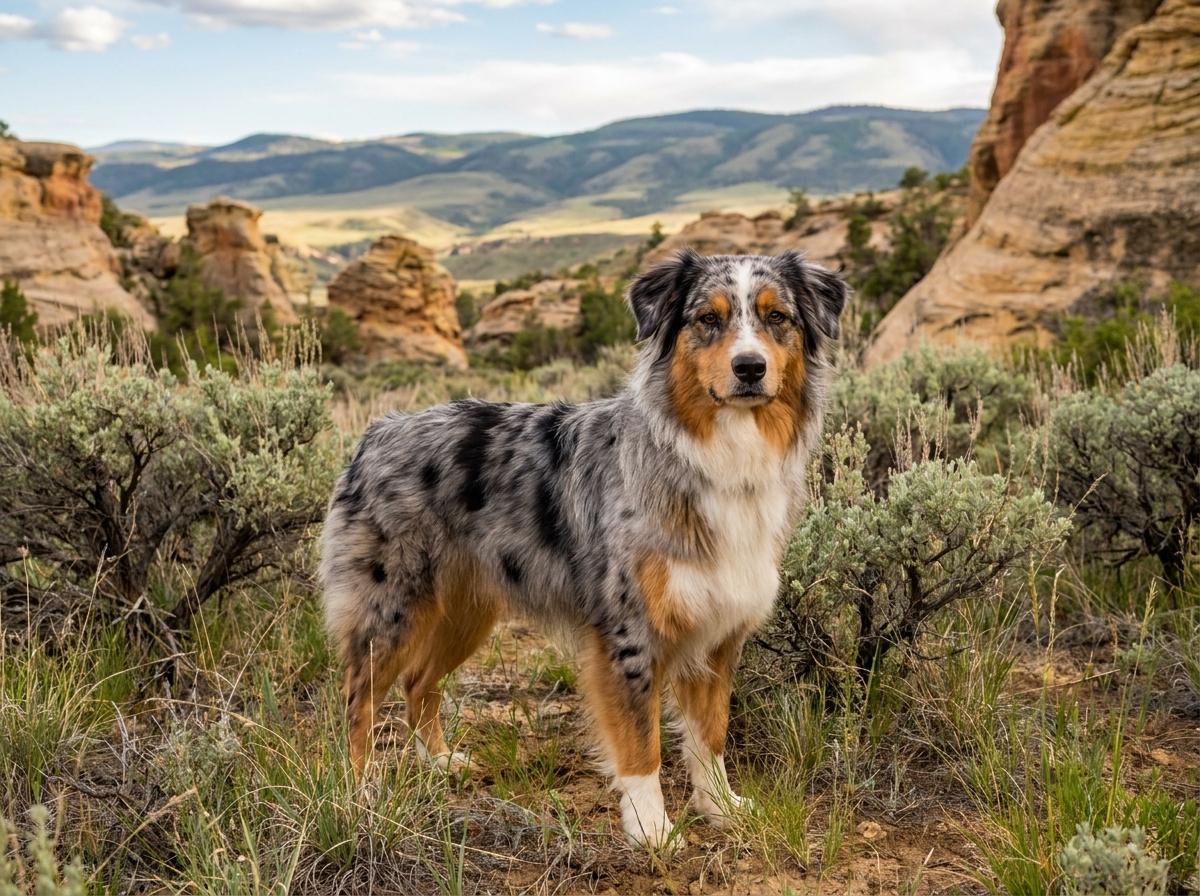
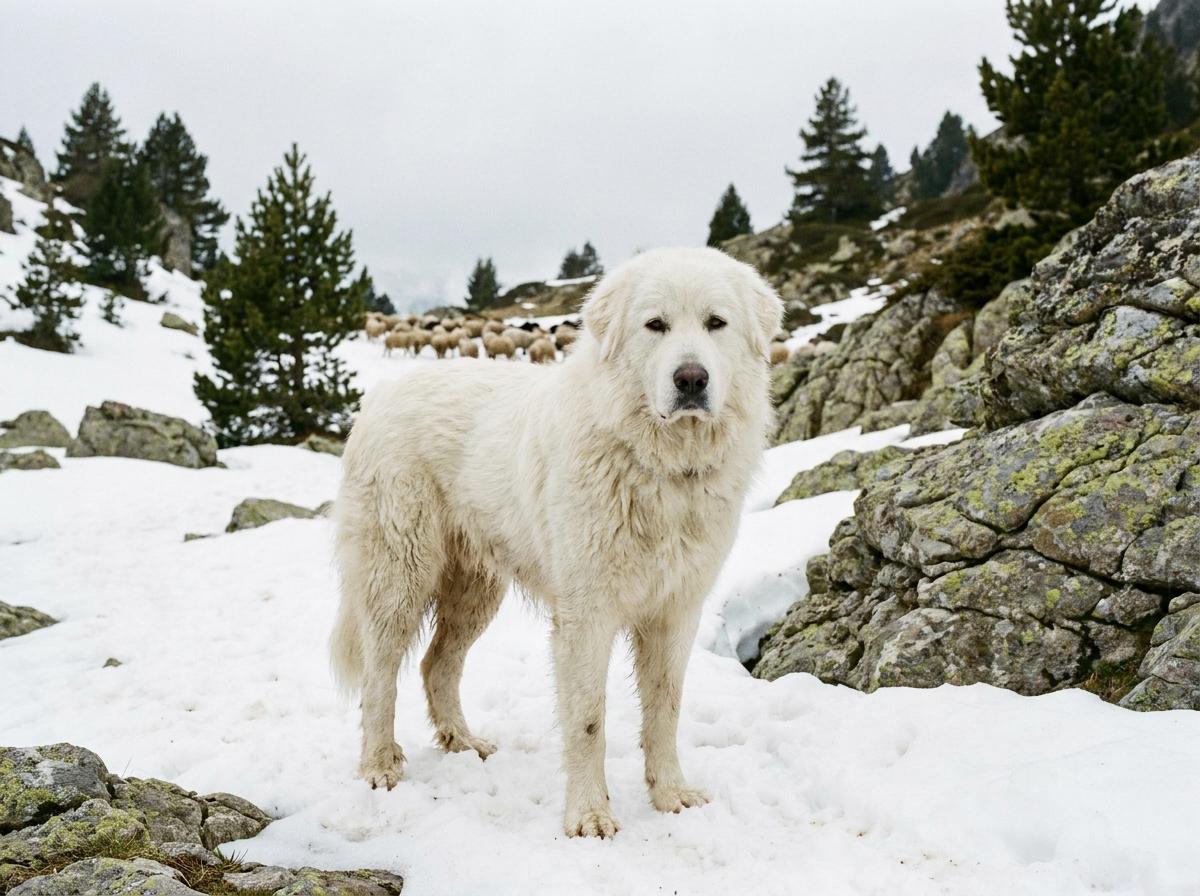
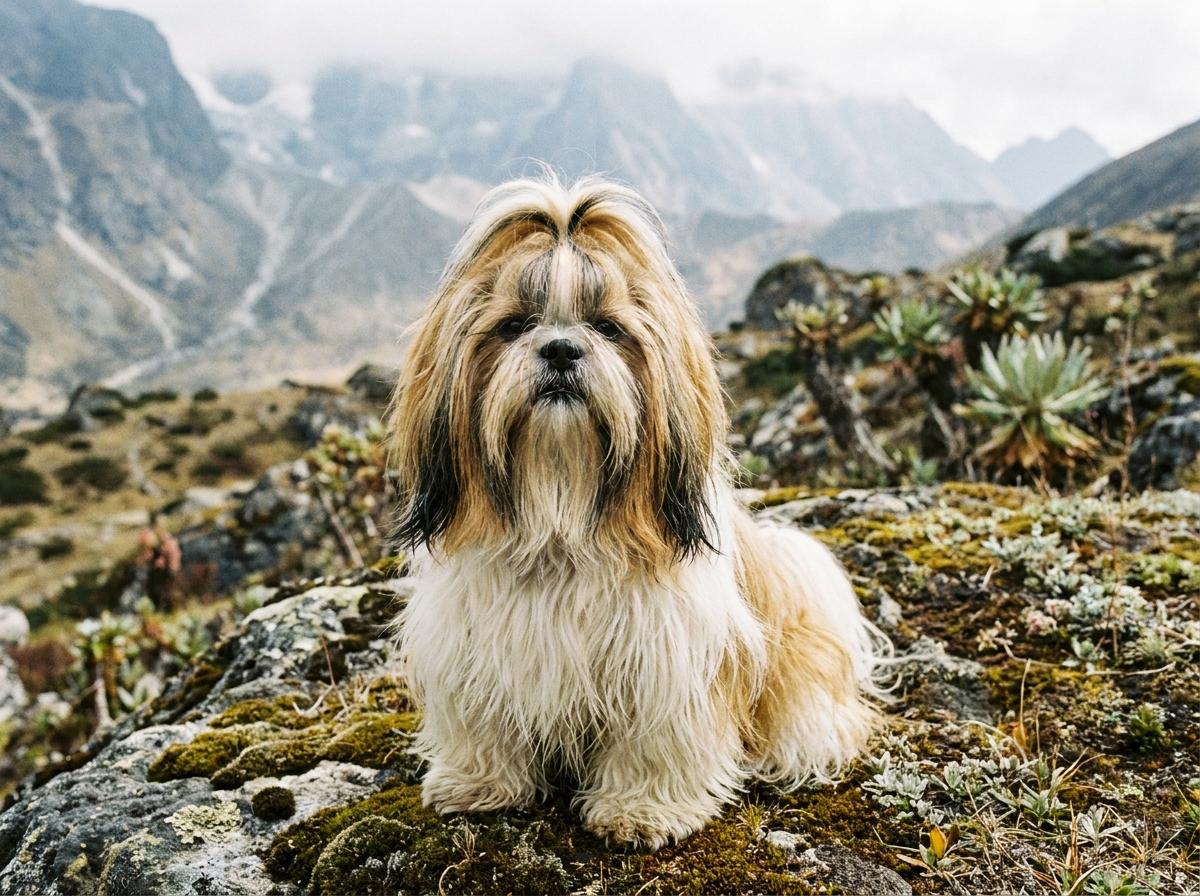
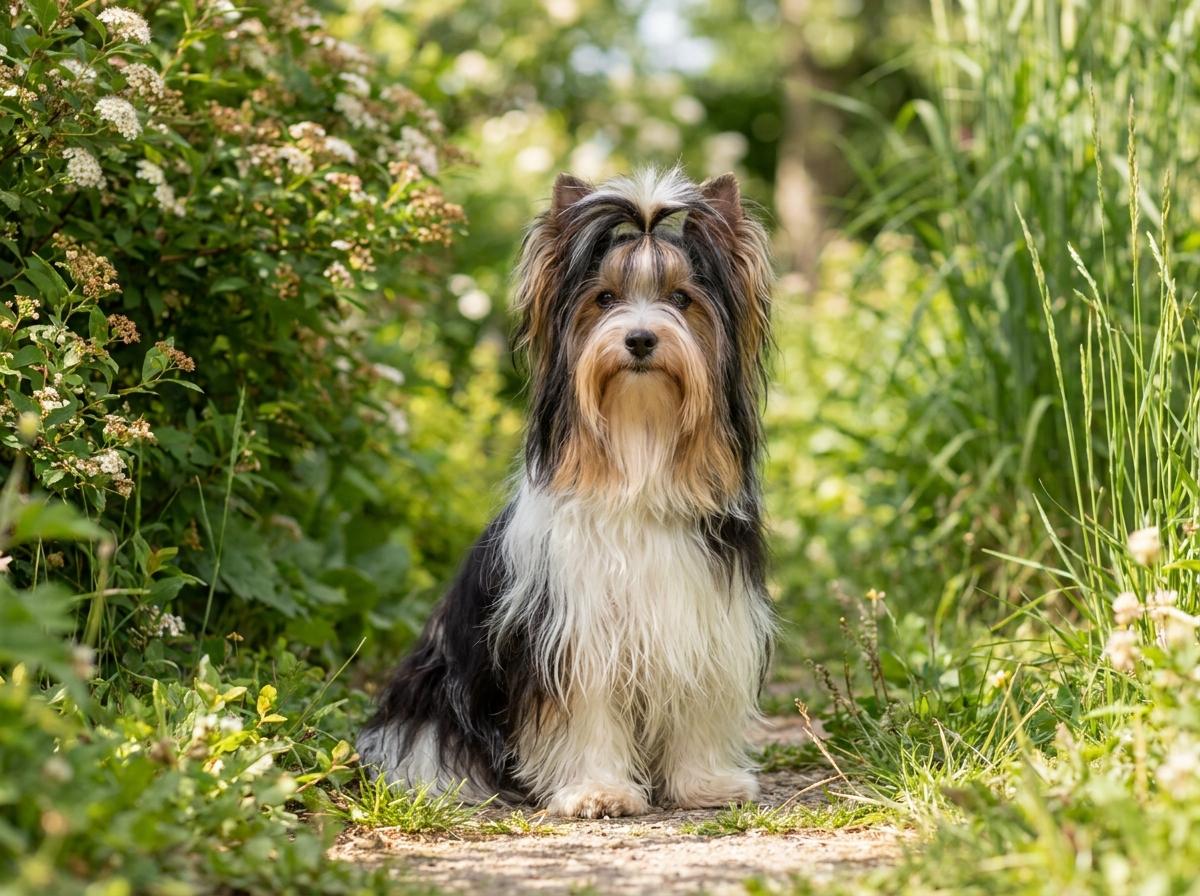
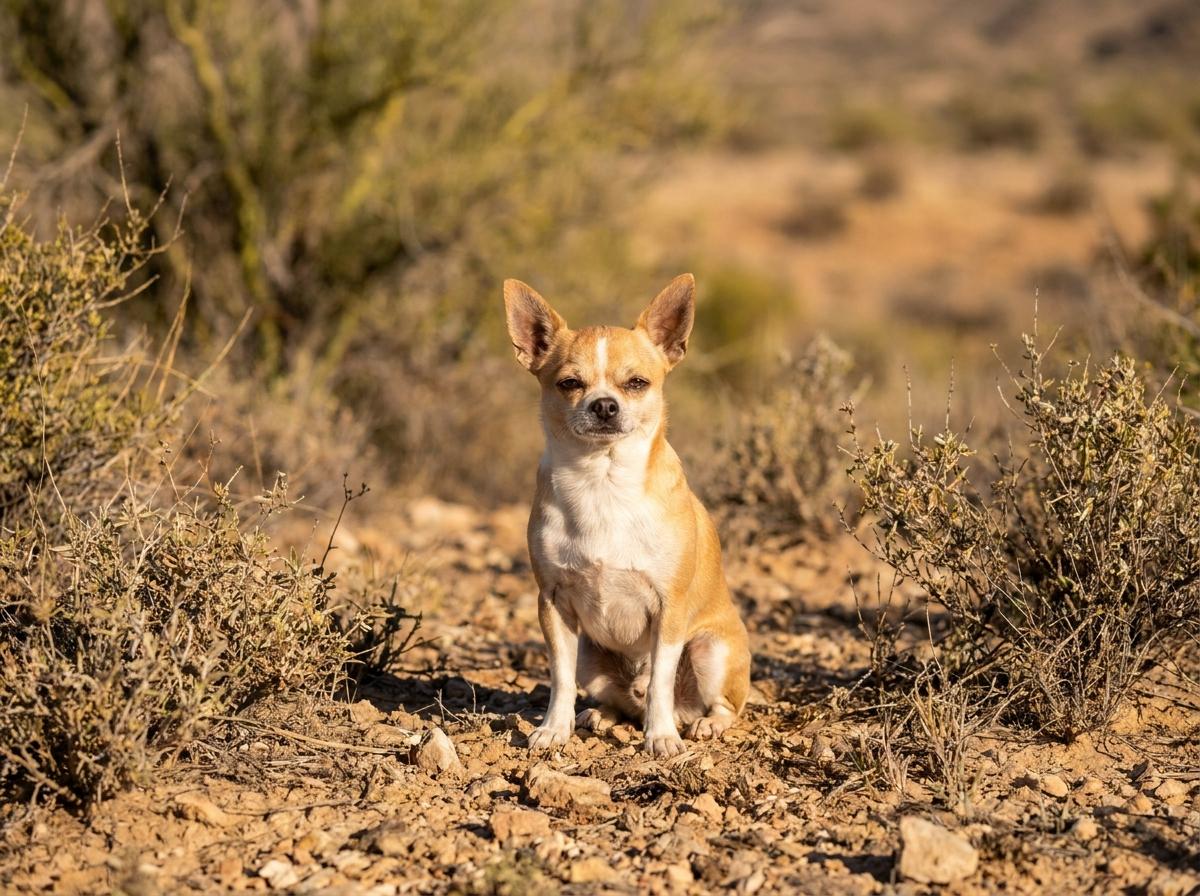
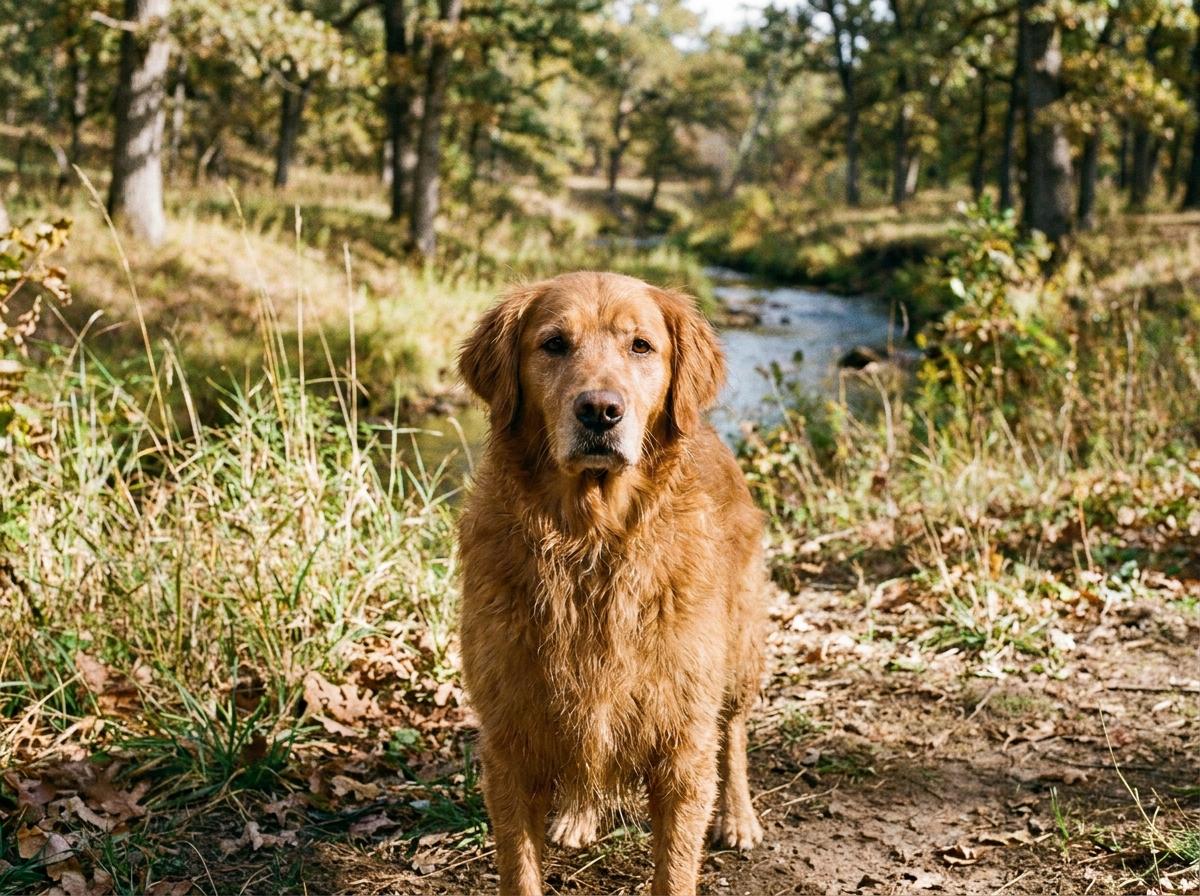
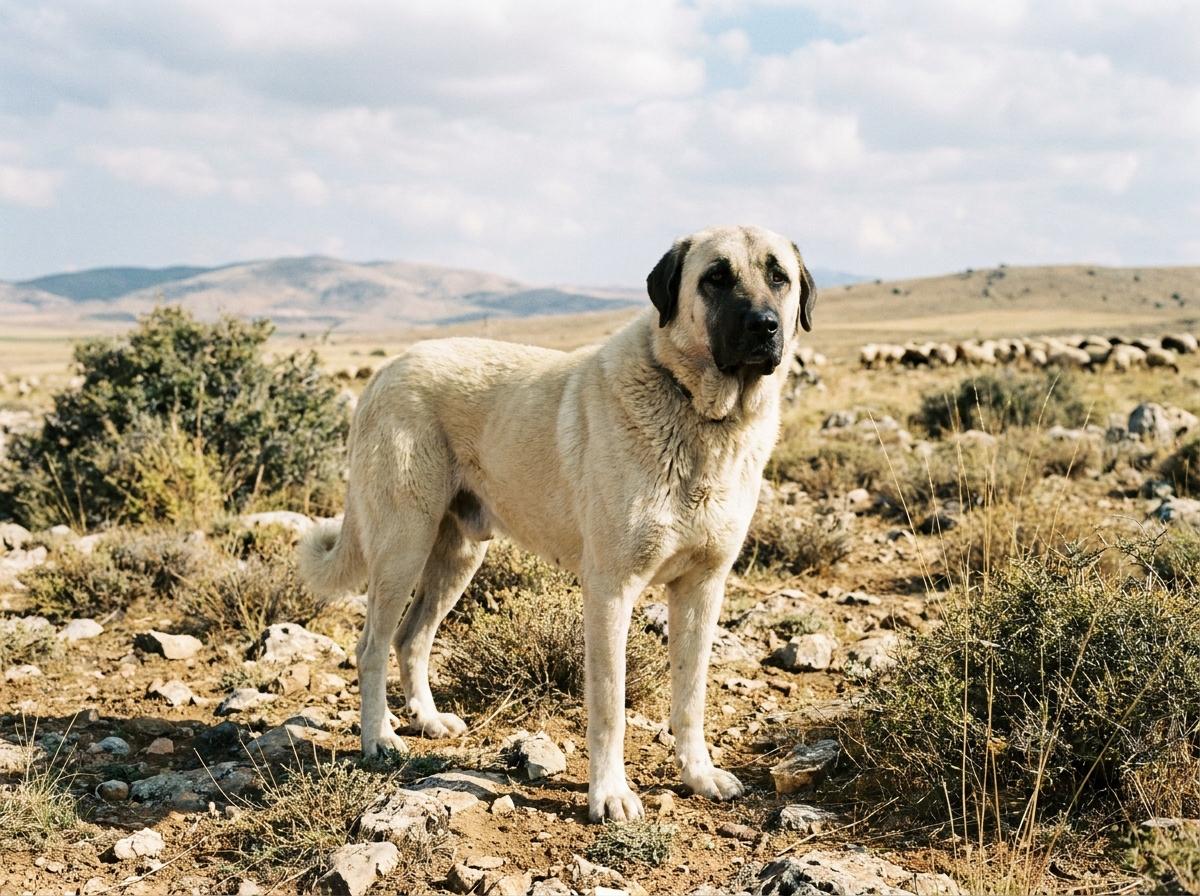
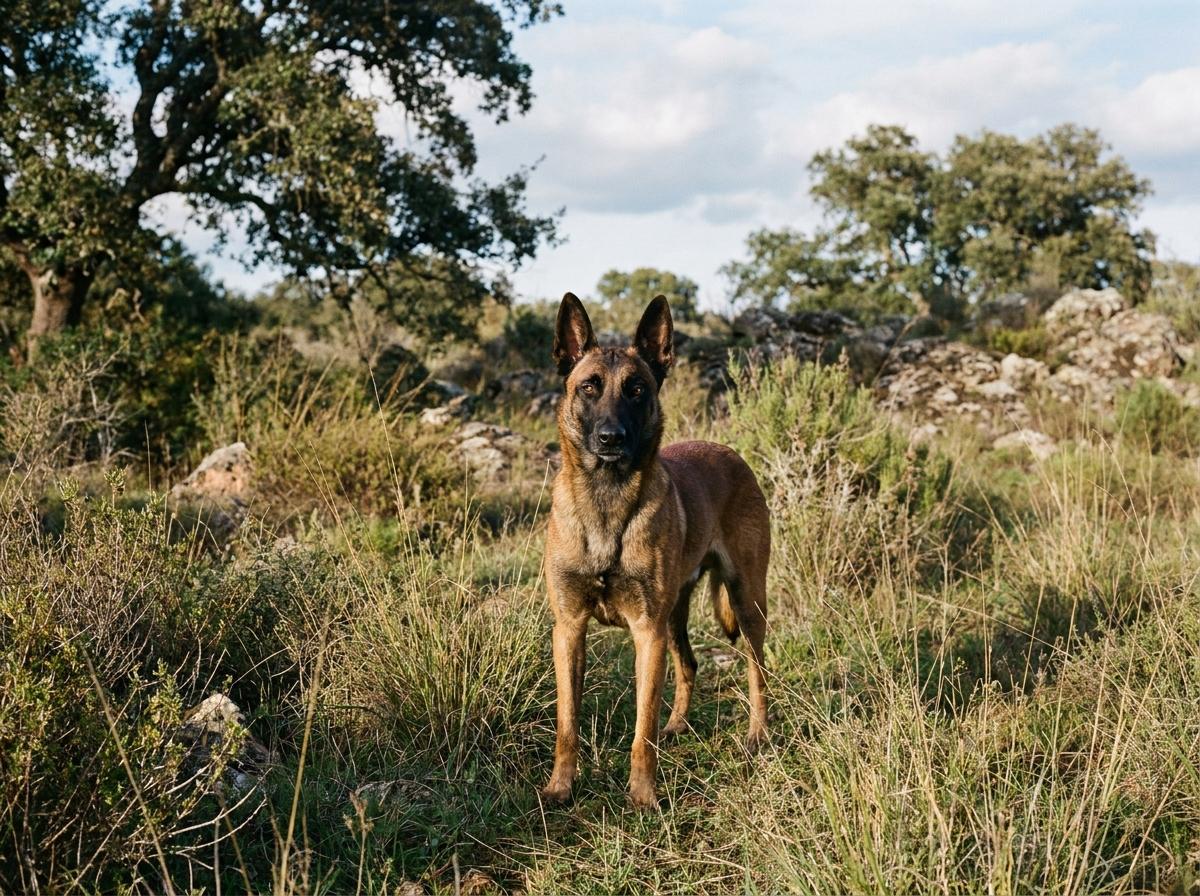
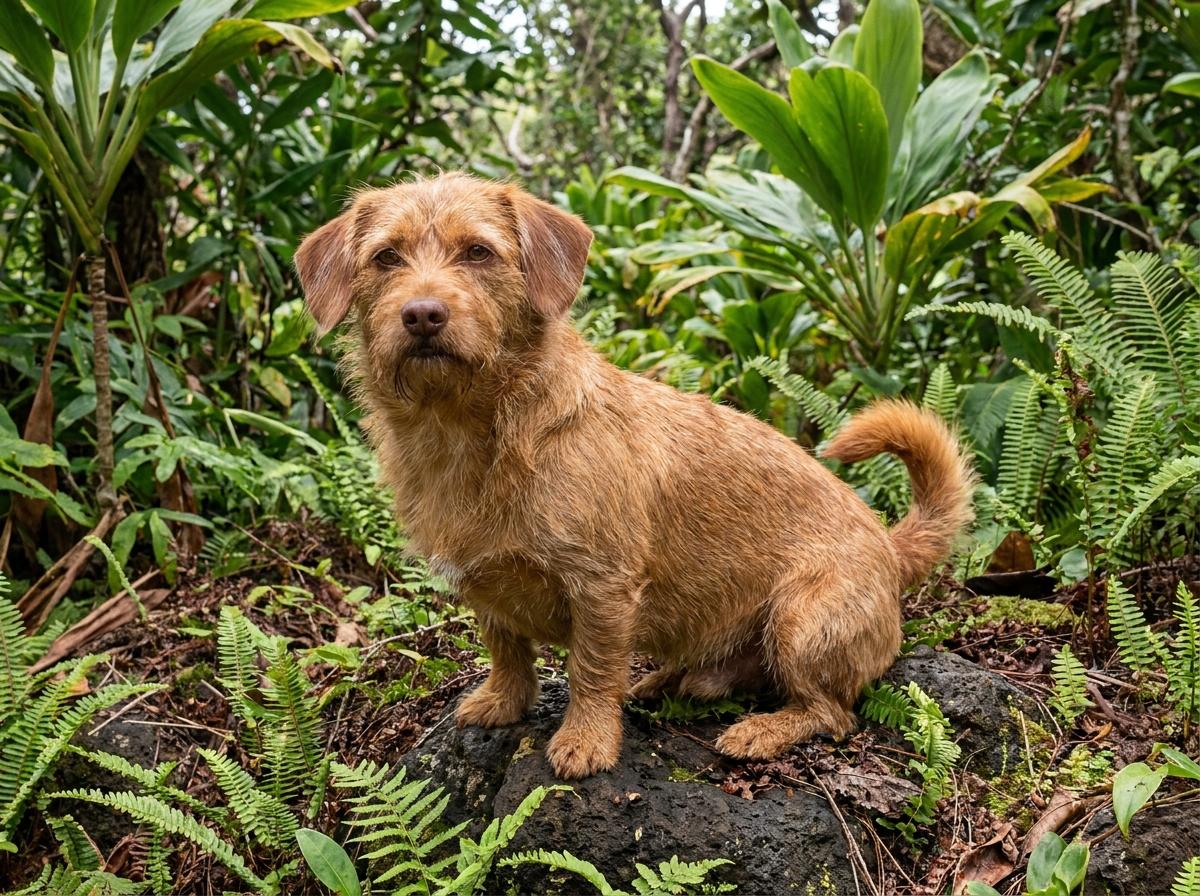
One note before we start. Because no photographs of the living breed exist, every image on this page is a reconstruction generated from the historical record: the descriptions left by 18th and 19th century observers and the physical remains that survive in museum collections. Each one is labeled as such.

AI-generated reconstruction, not a photograph. Based on 18th and 19th century descriptions of the breed.
Browse listings, public profiles, breeders, or add your animal.
What was the Hawaiian poi dog?
The Hawaiian poi dog, ʻīlio in Hawaiian, was the dog of pre-contact Hawaiʻi. It belonged to the wider family of Polynesian dogs that voyaging peoples carried from island group to island group along with pigs and chickens, and its close cousins included the kurī of Aotearoa New Zealand and the native dog of Tahiti. Every one of those island populations is now extinct, which makes the Polynesian dog one of the clearest examples anywhere of a domestic animal lost entirely.
The poi dog was never a breed in the modern registry sense. There was no studbook and no written standard. It was a landrace, a population shaped by isolation, by the absence of other dogs to cross with, and by the way Hawaiians raised it. That last part matters more than it does for most dogs, because the Hawaiian way of raising dogs was unusual: the animals were fed mostly on poi and other cooked plant foods, lived loose around the household, and served purposes that ranged from cherished companion to festival dish. The result, by every surviving account, was a dog unlike anything a European visitor had seen before.
Dogs of the voyaging canoes
Hawaiʻi had no native dogs. Its only native land mammals were bats: genomic work on the islands’ bat lineages notes that only two terrestrial mammals ever established themselves in Hawaiʻi without human help, and both were bats, the Hawaiian hoary bat that still flies there and Synemporion keana, an endemic species known only from fossil remains and now extinct. Every other land mammal in the islands arrived with people, and the dogs came the way the rest of them came: aboard the great double-hulled voyaging canoes, alongside pigs, chickens, and the plants that would become the foundation of island agriculture. The National Park Service’s account of early Hawaiian settlement lists the puaʻa (pig), ʻīlio (dog), and moa (chicken) as the three domestic animals Polynesian settlers established in the islands. Current archaeology places the settlement of East Polynesia, Hawaiʻi included, roughly 800 to 1,000 years ago, so the poi dog’s line had already been Hawaiian for something like half a millennium when Europeans first saw one.
Ancient DNA backs up the voyaging story. A 2018 study of ancient dog remains across the Pacific sequenced a complete mitochondrial genome from a dog excavated at Nuʻalolo Kai on Kauaʻi and found it carried the same maternal lineage, called A2b2, as ancient dogs from islands scattered across the Pacific. An earlier survey of pre-European dog remains from Hawaiʻi, New Zealand, and the Cook Islands found just two maternal haplotypes among nineteen ancient dogs, which those authors suggested could reflect a population founded from very few animals.
Read that carefully, because it is easy to stretch. Maternal haplotypes follow only the mothers, so they cannot count founders, and the 2018 team cautions that short control-region sequences of the kind the earlier survey used give only a partial picture of a population’s diversity. What the DNA establishes is the route: dogs buried in Hawaiian sites shared a maternal line with dogs buried across the Pacific, exactly as you would expect of animals carried island to island by canoe. Whether a narrow founding stock also shaped how the poi dog looked, or how completely it vanished once other dogs arrived, is a further step the genetics has not taken.
Naturalists of the 1800s took the Polynesian dog seriously as a scientific puzzle. Several proposed formal species names for it, including Canis pacificus in 1839, a history that the folklorist Katharine Luomala traced in detail in a 1960 Pacific Science paper, with a companion study of the 18th century sketches of the Polynesian dog that remain among the only images made from life. Luomala, who spent much of her career at the Bishop Museum, is the reason the poi dog is as well documented as it is; most of what this page says traces back to her work and to Margaret Titcomb’s 1969 Bishop Museum monograph Dog and Man in the Ancient Pacific.
What the poi dog looked like
No photograph of a living poi dog has ever been confirmed, so its appearance has to be assembled from three sources: the written descriptions of 18th and 19th century observers, a small number of period drawings that may show the dog, and the bones and teeth that survive in archaeological collections. Assembled, they describe a consistent animal.

AI-generated reconstruction, not a photograph. The broad, flattened head is the trait observers remarked on most.
The poi dog was small to medium, long in the body, and short in the leg, with a deep chest and, on the well-fed animals visitors described, a distinctly round belly. The head was broad and noticeably flat for a dog its size, with prick or semi-prick ears and almond-shaped eyes. The coat was short and came in a range of colors; early accounts mention brown, yellow, and white dogs, and brown ones were distinct enough to carry their own name, ʻīlio mākuʻe. Descriptions collected for the Honolulu Zoo’s later reconstruction project add bowed forelegs and a height of only about 14 inches at the shoulder. Petroglyphs in the islands include simple dog figures with upright ears and curled tails, though how literally to read them is a matter of interpretation.
Two behavioral notes recur in the old accounts. First, the dogs seldom barked; observers described them as quiet, with more of a howl than a bark when they made noise at all. Second, they were placid to the point of sluggishness, trotting along with the household pigs and showing little of the vigilance Europeans expected of dogs. Visitors tended to describe this unkindly. It is fairer to say the poi dog was exactly what its life shaped it to be: a calm, well-fed village animal with no livestock to guard, no game to chase, and no strangers to fear.
One famous claim needs a flag. The flattened head is often explained as a direct result of the poi diet: soft food, the story goes, meant weak chewing muscles, and weak temporal muscles over generations left the skull broad and flat. Early observers speculated along these lines and later writers repeated it as fact. Treat it as a plausible hypothesis, not a settled one. Diet does influence skull development in individual animals, but nobody has demonstrated that poi feeding produced the breed’s head shape, and the type may simply have carried the genetics it carried.
Why it was called the poi dog
Poi is the Hawaiian staple made by cooking kalo (taro) corms and pounding them into a smooth paste. It anchored the whole food system, and it anchored the dog’s diet too. Meat and fish were too valuable to spend on animals, so household dogs ate what the household ate: poi, sweet potato, breadfruit, and scraps. Dogs being fattened deliberately were fed poi in quantity, and early European visitors were struck by how round and how tame the resulting animals were.

AI-generated reconstruction, not a photograph. The dog is shown beside loʻi kalo, the flooded taro terraces at the center of Hawaiian agriculture.
The name “poi dog” itself is an English-language label that stuck after contact; Hawaiians simply said ʻīlio. But the label points at something true. The dog’s diet, its build, its temperament, and its place in the household were all one system with poi at the center. When that food system and the customs around it changed, the dog changed with them, and then it was gone.
The ʻīlio in Native Hawaiian life
It is easy to flatten the poi dog’s story into “Hawaiians ate dogs,” and the reality deserves better than that. Dogs occupied several places in Hawaiian life at once, and the sources describe all of them.
They were companions, and often deeply loved ones. Puppies were raised in and around the household, sometimes given to a child at birth so that dog and child grew up together, and accounts collected by Luomala and Titcomb describe women nursing puppies alongside their own infants, a practice reported across Polynesia that startled European observers into writing it down. A dog raised this way was regarded as a protector of its child, and the bond did not end at death; a tooth from such a dog might be kept and worn as a guardian token. Dogs appear in moʻolelo, the traditional narratives, in guardian roles too, most famously Kūʻīlioloa, a great dog figure associated with Waiʻanae on Oʻahu who protected travelers.
They were also food, and there is no way around it. Baked dog, prepared in the imu (the earth oven), was festival and ceremonial fare, and raising dogs for the table was ordinary husbandry in a land with exactly three domestic animals. The kapu system, which governed eating in detail and forbade women from eating pork, coconuts, and bananas, treated dog differently: by most accounts, including Titcomb’s, dog was a flesh food women could lawfully eat. Archaeological sites across the islands hold large numbers of dog remains, which is precisely why modern ancient-DNA work on the poi dog has been possible.
And they were raw material for one of hula’s most striking ornaments. The kūpeʻe niho ʻīlio is a leg rattle built from rows of drilled dog canine teeth bound to fiber netting, worn in pairs by male dancers so the rhythm of the feet becomes audible. Museum examples, including those held by the Bishop Museum in Honolulu, carry hundreds of teeth apiece, each canine drilled by hand. The ornaments outlived the dogs; with the decline of dog raising after contact, the teeth to make new ones became scarce, and surviving kūpeʻe niho ʻīlio are now treasured museum pieces.
Contact, decline, and extinction
Captain James Cook’s ships reached Hawaiʻi in 1778, and the expedition’s journals noted the island dogs immediately, describing them as the same kind of animal the crews had seen in Tahiti. What followed for the poi dog was quiet and quick by historical standards.
Ships brought dogs, and the newcomers bred freely with the island population. There was no registry, no fanciers’ club, and no reason for anyone at the time to keep the old type separate, so every generation was more mixed than the last. At the same time, the world that had produced the poi dog was coming apart: the kapu system was formally abolished in 1819, missionary disapproval and changing tastes pushed dog raising for food into decline, and poi-fed household dogs stopped being an ordinary feature of daily life. The type was not hunted out or killed off. It was absorbed, one litter at a time.
Within decades of contact, writers were already describing the old ʻīlio as something scarce and fading. Scholars generally treat the poi dog as effectively gone as a distinct animal well before 1900, with the early 20th century as the latest defensible endpoint. After that, the word “poi dog” gradually shifted to its modern meaning: the islands’ ordinary mixed-breed dogs, of any ancestry at all. Whether a thread of the old ʻīlio still runs in them is an open question. The ancient-DNA work cited on this page reads bone from archaeological sites, and it has not traced those pre-contact maternal lineages into any living Hawaiian dog.
The Honolulu Zoo experiment
The strangest chapter in the poi dog’s story came more than half a century after its extinction. In 1967, Honolulu Zoo director Jack Throp launched a project to breed the poi dog back into existence. The method was straightforward: gather island mixed-breed dogs that already resembled the historical descriptions, then select toward the old type generation by generation, checking candidates against the written accounts and the skeletal material museums held. Contemporary reporting described the target as a long-bodied, short-legged dog about 14 inches tall with a broad flat head, pointed ears, and a yellow, white, or brown coat, and by 1970 the zoo kept a kennel of nineteen dogs and estimated the job needed several more years. Within three generations the project had produced a female that matched the old descriptions well.
The project’s most visible moment came in 1976, when the voyaging canoe Hōkūleʻa made its historic first passage from Hawaiʻi to Tahiti, navigated without instruments in the old way. The crew carried the traditional canoe animals, and the Polynesian Voyaging Society’s account of provisioning records that the dog, pig, and chickens aboard all reached Tahiti in excellent health. The dog was Hōkū, from the zoo’s poi dog project, standing in for every ʻīlio that had ever ridden a voyaging canoe.
Then the project simply wound down. It ended quietly in the 1970s with no announcement and no successor program, and the zoo no longer keeps poi dogs of any kind. The verdict on the experiment is the one its own method implies: selective breeding from modern dogs can reproduce a look, but it cannot resurrect a lineage. Hōkū was a moving tribute. She was not a Hawaiian poi dog, and the zoo never claimed otherwise.
What poi dog means in Hawaiʻi today
Ask anyone in Hawaiʻi today what a poi dog is and you will not hear about extinct landraces. A poi dog is a mixed-breed dog, the islands’ default dog, and the term is worn proudly. Shelters and rescues across the state describe their dogs as poi dogs, and plenty of households would not have anything else. The word carries the same warmth “mutt” does on the mainland, with an extra layer of local identity, and it is sometimes applied, gently, to people of mixed ancestry as well.
That modern meaning is the poi dog’s real legacy, and it is a living one. If you share your home with a poi dog in this sense, it deserves the same record keeping any pedigreed dog gets: an identity, vaccination and health history in one place, and continuity when it changes hands or moves between family members. That is exactly what a free Creatures animal profile provides, and no historical extinction gets in the way of it.
Could the poi dog ever come back?
No, not in any meaningful sense, and it is worth being precise about why.
The Honolulu Zoo project demonstrated the ceiling of back-breeding: with patience you can produce dogs that look like the old descriptions. What you cannot do is recover the population itself. The poi dog’s specific genetics, shaped by centuries of isolation, are readable now only in the archaeological bone that ancient-DNA studies sample. You will often read that fragments of it live on in Hawaiʻi’s mixed dogs, and it may well be true, but the research cited on this page does not demonstrate it, and a fragment nobody can identify is not a population anyone can rebuild. Its Polynesian cousins offer no reservoir either; the kurī and the Tahitian dog went the same way in the same era, absorbed by introduced dogs. There is no hidden valley population and no frozen genome waiting.
Records cannot prevent an ending like that, but they are the only thing that survives it. The poi dog is unusually well documented for an extinct landrace only because a museum librarian and a folklorist decided its story was worth writing down while people who remembered fragments of it were still alive. Creatures profiles little-known living dogs for the same reason, from the Xigou, an ancient Chinese sighthound most of the world has never heard of, to the Lobito Herreño, a herding dog from a single island in the Canaries. Documentation while a population is alive is cheap. Reconstruction after it is gone is impossible.
Frequently asked questions
Is the Hawaiian poi dog really extinct?
Yes. As a distinct type it was effectively gone well before 1900, absorbed by crossbreeding with introduced dogs, and scholars put the latest defensible endpoint in the early 20th century. No purebred population, no confirmed photograph, and no preserved breeding line exists.
Can I buy or adopt a Hawaiian poi dog?
No. The historical breed cannot be bought at any price, and anyone offering “purebred Hawaiian poi dog” puppies is misdescribing what they are selling. What you can do is adopt a poi dog in the modern Hawaiian sense, a mixed-breed island dog, through shelters and rescues, which is how most poi dogs find homes today.
What does “poi dog” mean in Hawaiʻi now?
A mixed-breed dog. It is an affectionate everyday term, not an insult, and it is the standard way island shelters and families describe dogs of blended ancestry.
Did Native Hawaiians really eat dogs?
Yes. Dogs raised on poi were festival and ceremonial food, one of only three domestic animals in the islands, and by most accounts dog was a flesh food women could eat under the kapu system while pork was forbidden to them. The same dogs were also companions, children’s guardians, and the source of hula’s dog-tooth leg ornaments. Both things were true at once, and the culture saw no contradiction.
Why did the poi dog have a flat head?
Nobody has proven the popular explanation. Observers speculated that a soft poi diet weakened the chewing muscles and flattened the skull over generations. It is a plausible hypothesis that has been repeated as fact; the head shape may just as well have been ordinary inherited conformation within a closed population.
Is any related Polynesian dog still alive?
No. The kurī of New Zealand and the native dog of Tahiti disappeared the same way in the same period. Ancient-DNA studies can still read their remains, and researchers have suggested that some village dogs in Island Southeast Asia, the region the Pacific dogs set out from, may carry those old lineages, though they are clear that the comparative data to confirm it is thin. Every distinct Polynesian dog population is extinct.
Do this next on Creatures
You cannot add a Hawaiian poi dog to anything, and this page will not pretend otherwise. There is deliberately no marketplace link and no listing alert here, because no honest listing for this breed can exist. What Creatures can do is serve the living dogs the story leads to.
Give your poi dog a profile. Share your home with a modern poi dog, or any dog? Create a free profile for your dog in a few minutes, no account needed to start. Mixed ancestry is no obstacle; the walkthrough is in adding an animal to Creatures.
Keep its history in one place. Vaccinations, vet visits, adoption paperwork, weights: start a record for your dog. The record sheet opens for any visitor to explore, and a free account saves what you enter. See adding a record and health and medical records for how keepers use them.
Run a rescue or kennel? Shelters, rescues, and breeders of living breeds can create a free organization profile so adopters and buyers can find them. Here is how directory listing works and how to add your team.
Find trusted organizations. Search breeders and rescues in the Creatures directory, where island rescues and shelters can list themselves.
Keep exploring. Start from the dog species page, or meet two living dogs almost as little known as the poi dog once was: the Xigou and the Lobito Herreño.