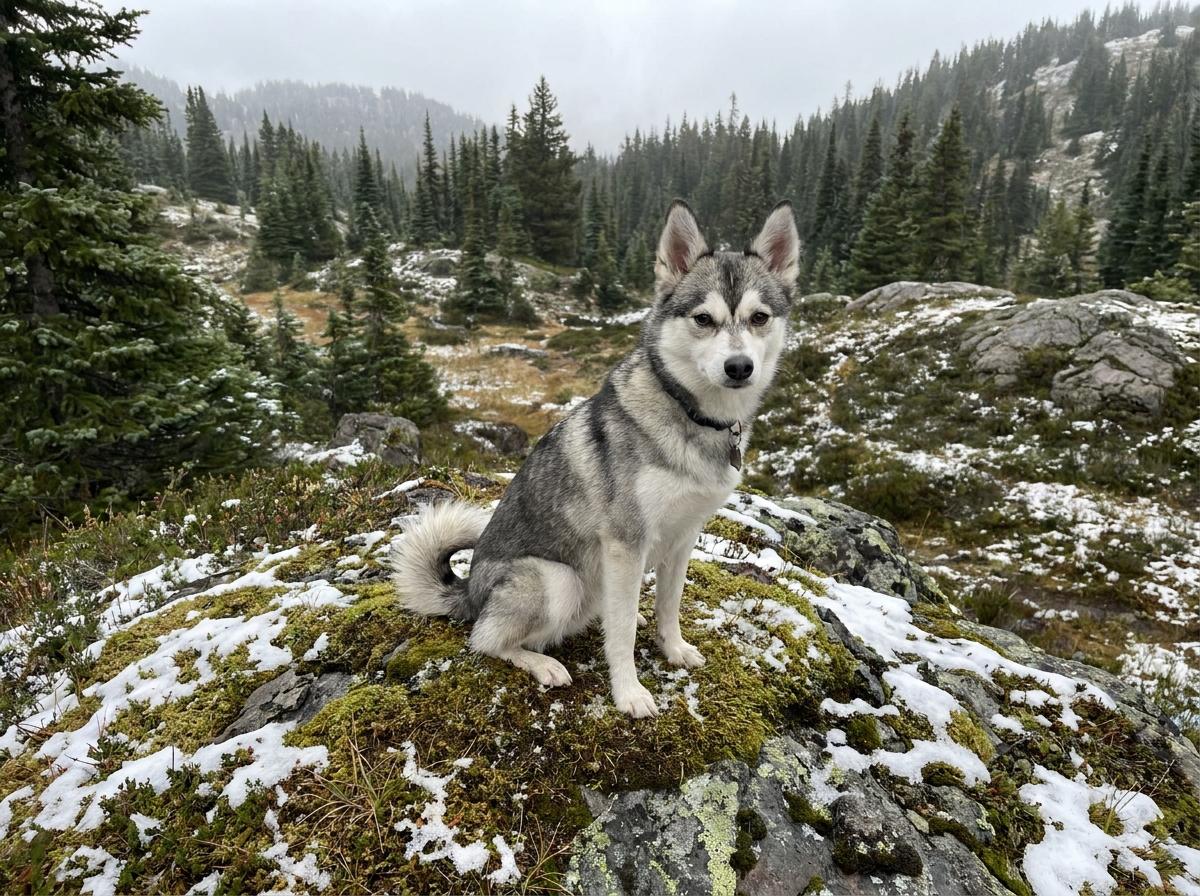
Alaskan Klee Kai
Author: Elliott Garber, DVM · Published
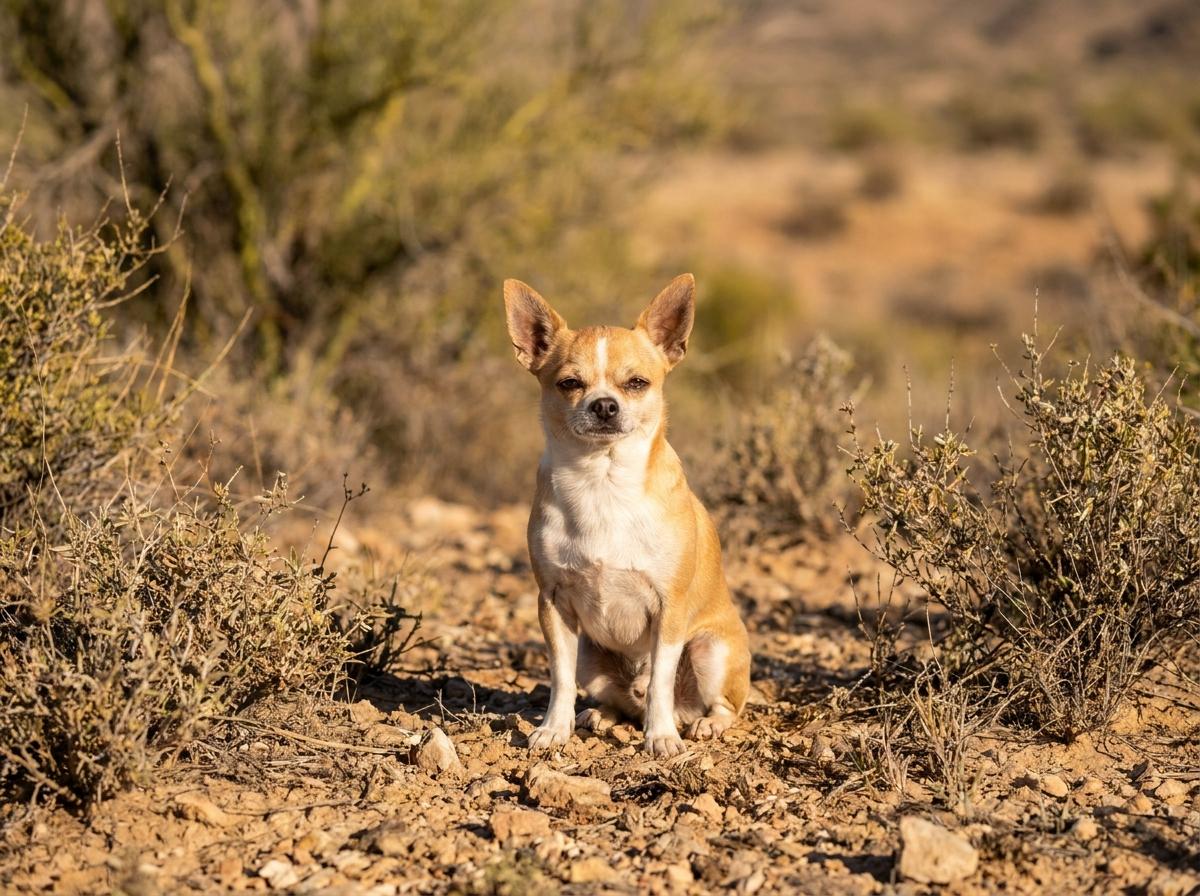
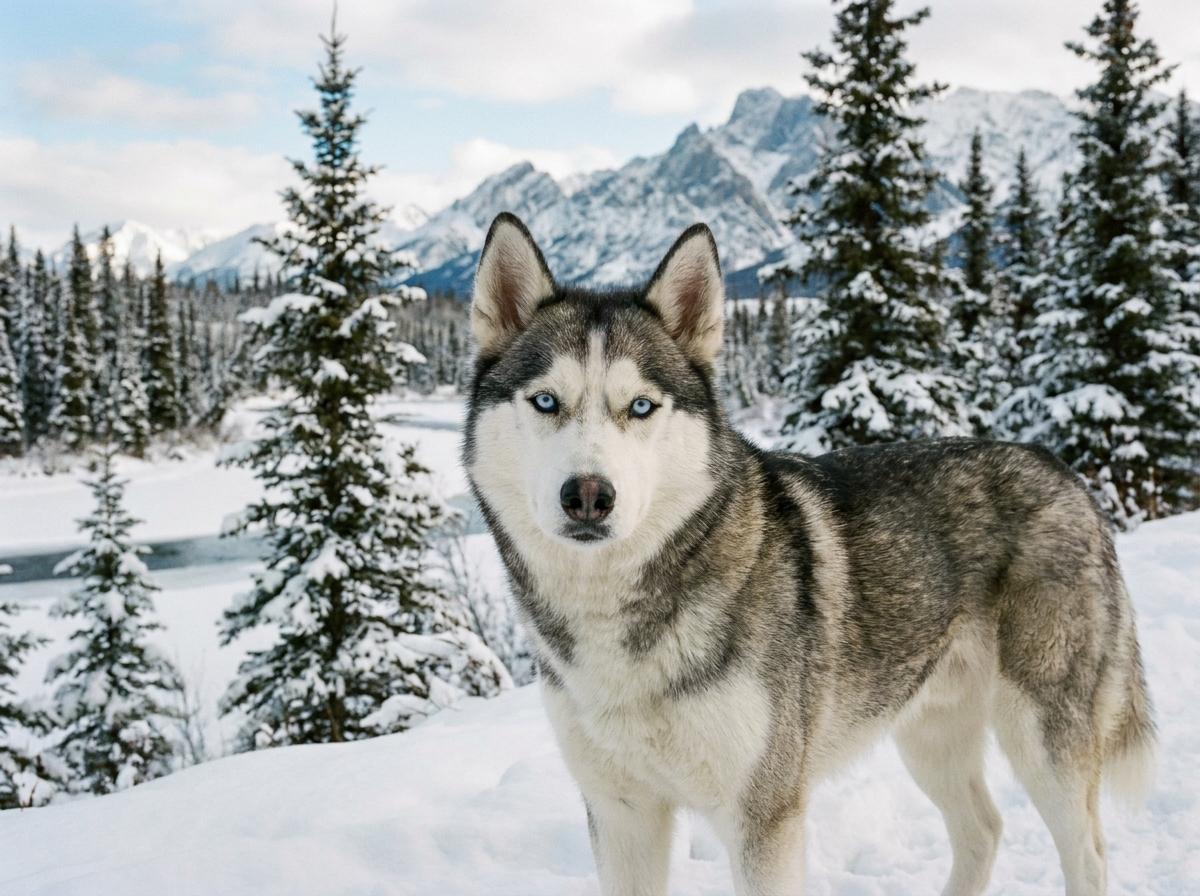
The Alaskan Klee Kai is a small northern-type companion with an expressive mask, upright ears and a curled tail. Its resemblance to a husky can create the wrong expectations. It is an established breed with its own history, and many individuals are reserved with strangers, so social confidence deserves careful attention.
Use the Creatures breeder directory to ask about temperament, everyday handling and health records. A promise that a puppy will stay tiny tells you far less than an honest description of the adults and the home it has experienced. You can also save an Alaskan Klee Kai listing alert to get an email when a matching animal is listed.

AI-generated illustration.
| Development | Alaska; Linda Spurlin and family |
|---|---|
| UKC sizes | Toy, Miniature and Standard, up to 17 in |
| Colors | Black, gray or red with contrasting markings |
| UKC recognition | 1997 |
| AKC status | Miscellaneous Class from June 2025 |
| Screening | Thyroid, patella, cardiac and eyes |
Browse listings, public profiles, breeders, or add your animal.
More than a miniature-husky label
The UKC breed standard describes development in Alaska by Linda Spurlin and her family, with the goal of a companion-sized northern dog. It identifies the contrasting facial mask, erect ears, double coat and well-furred tail carried over the back or side.
A husky-like appearance does not make every small northern-looking dog an Alaskan Klee Kai. Ask for the registered identity and pedigree if the animal is advertised as purebred. If it is a cross or its ancestry is uncertain, that information should remain clear.
Avoid making “teacup” a health or quality category. Ask what a seller actually means by a size label, how an adult was measured and what uncertainty remains for a puppy. A smaller dog is not automatically a better example or an easier companion.
The UKC standard PDF recognizes three height varieties, measured at the withers: Toy up to 13 inches, Miniature over 13 through 15 inches, and Standard over 15 through 17 inches. There is no additional teacup variety. Weight should fit height and bone, rather than a seller’s promise of the smallest possible adult.
UKC recognized the breed in 1997. The coat can be shades of black, gray or red with a distinct mask and lighter contrasting markings. In the AKC system, the breed entered Foundation Stock Service in 2020 and became eligible for the Miscellaneous Class from June 25, 2025. The named AKC parent club is the Alaskan Klee Kai Club of America. Ask which registry and club a seller means when it says registered or club approved.
That documented development is useful when comparing a northern-looking dog with an uncertain ancestry claim. Retain the original papers and use the free dog pedigree chart maker to organize the named ancestors. The coefficient of inbreeding guide explains why pedigree depth matters when discussing relatedness; a shallow chart cannot establish that a mating has no shared ancestry.
Reserve needs thoughtful introductions
UKC describes the breed as active, curious and potentially aloof with unfamiliar people. Use that as a reason to ask about the individual, not as an excuse for leaving fear unaddressed. How does this dog respond to a visitor who gives it space? What happens in a new place?
During a meeting, allow the dog to approach and move away. Do not ask everyone to handle it immediately to prove it is sociable. Ask the breeder or current carer how they build positive experiences and which situations still require support.
If you live in a busy building, discuss lifts, corridors, neighbors and street noise. If you travel often, discuss transport and unfamiliar carers. The setting outside your front door may matter as much as the room inside it.

AI-generated illustration.
Small size does not remove management
Check gates and boundaries with this particular dog in mind. Think through the entrance when groceries arrive, where a lead will be attached and how visitors will follow the same routine. A written arrival plan can prevent different household members making different assumptions.
For walks and training, choose equipment that fits and secure places in which to practice. Ask a qualified instructor to help if you are unsure about fit or handling. Do not make an unfenced outing the test of whether a newly arrived dog will stay close.
AVSAB recommends reward-based training for dogs. Give useful skills a place in the routine: turning attention back to you, entering transport equipment and settling in a safe area. Keep the tasks appropriate to the learner rather than comparing it with an edited training video.
Plan company, activity and rest together
Ask for a realistic account of time alone. What has the dog already practiced, and what does the keeper observe when they leave? A puppy’s future tolerance cannot be promised from a breed description. Arrange support before your work schedule becomes the first test.
Build variety into the activities you discuss with your veterinarian and instructor. Appropriate walks, exploration, training and play should fit the animal’s age and condition. Include a quiet place where the dog can stop interacting.
For another northern-breed comparison, read the Samoyed guide. Its size and coat commitment differ, but both comparisons should focus on actual household routines. The dog hub provides more options if the life you can offer points elsewhere.
A health number is a starting point
The Alaskan Klee Kai Club of America’s health statement identifies thyroid, patella, cardiac and eye screening for breeding stock, with Factor VII DNA testing listed as optional in that statement. It also explains that a CHIC number does not mean all results were normal.
Ask to see the individual results. Check the dog’s identity, assessment date and any limitations with your veterinarian. Do not accept a number or badge as a substitute for reading what was actually found.
For a puppy, distinguish parent screening from the puppy’s own veterinary care. For an adult, ask about current medical needs and past concerns. If a test is not available or something remains unexplained, keep that uncertainty visible while you decide.
Coat care without a cosmetic shortcut
Ask how the double coat is maintained and what changes during heavier shedding. Watch a demonstration that reaches through the coat gently rather than only smoothing the surface. Choose tools that suit the dog and your ability to use them comfortably.
Keep grooming connected to cooperation. A small dog can still find restraint frightening, so ask how its feet, ears and mouth are handled. Seek professional help for painful areas or tight mats. Do not assume a dramatic trim is the answer to every coat problem.
Include grooming instructions in the travel-care plan. A sitter should know what maintenance is needed, what the dog accepts and whom to contact if something changes. “Brush as needed” is less useful than a demonstration followed by a clear note.

AI-generated illustration.
Before you reserve a Klee Kai
Ask which registry will issue the papers, what the adult relatives measure and how the keeper assessed this dog’s response to visitors and handling. Keep the identified health reports, pedigree and written agreement together, including deposit, transport and return terms. Record specific behavior, such as approaching a visitor after watching from behind a gate, rather than simply writing “shy breed”. Request an itemized quote and budget for training and care during travel; the boarding cost guide helps you ask whether a provider can accommodate this dog’s routine. For a puppy, use the vaccination guide when reviewing the supplied records with your veterinarian.
Alaskan Klee Kai questions
Is an Alaskan Klee Kai just a small Siberian Husky?
No. Linda Spurlin’s breed has its own development and UKC recognition; it is also in AKC’s Miscellaneous Class. Appearance alone does not establish ancestry.
Does a CHIC number mean every result is normal?
No. Read the individual results; the breed club’s statement makes this distinction explicitly.
Is the smallest puppy necessarily the best choice?
No. Evaluate health, structure, behavior and placement fit. A marketing size label is not a quality guarantee.
Can a reserved dog become a good companion?
Yes, but choose the individual and support it thoughtfully. Persistent fear or distress deserves qualified help.
Do this next on Creatures
Still looking? Get an alert when an Alaskan Klee Kai is listed, browse Alaskan Klee Kai breeders, or check current Alaskan Klee Kai listings. The Help Center explains saved searches and email alerts.
Already caring for one? Add a record when you have a dated document or useful observation. The form opens for visitors; a free account is needed to save. The Help Center explains adding an animal and adding a record.
Breeders and organizations can create an organization profile for their work. The organization and team guide explains the setup.