


Highland Cows: A Look at Their Temperament
Author: Elliott Garber, DVM
A Reputation for Docility
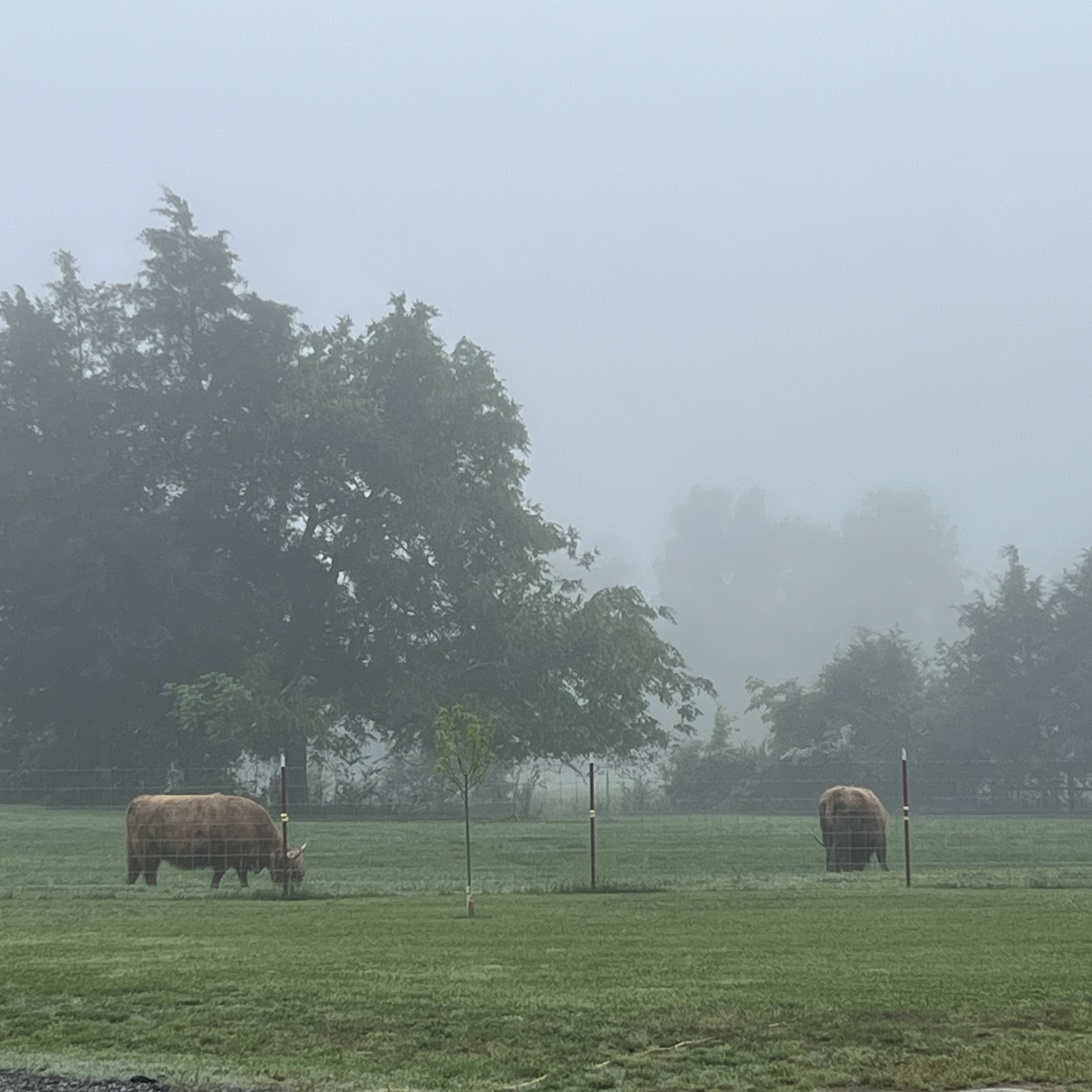
Highland cattle have earned a well-deserved reputation as one of the most docile beef breeds. Spend time around a fold (the traditional term for a herd of highlands) and you will notice a calm, unhurried quality that sets them apart from more reactive breeds. They are not easily spooked by sudden movements, unfamiliar people, or changes in routine. This steady temperament is one of the primary reasons highlands have become so popular on small farms, hobby homesteads, and agritourism operations where cattle and people interact closely.
That said, “docile” does not mean “pushover.” Highland cattle are alert, intelligent animals with their own social rules and boundaries. Understanding their temperament means recognizing both their cooperative nature and the situations where they may push back. Owners who take the time to learn highland behavior will find these cattle remarkably rewarding to work with.
Maternal Instincts and Calving Behavior
Highland cows are widely considered some of the best mothers in the cattle world. Their maternal instincts are strong, consistent, and practical. A highland cow will typically separate herself from the fold shortly before calving, find a sheltered spot, and deliver her calf with minimal difficulty. Calving ease is a genuine hallmark of the breed, thanks to a combination of small calf birth weights and wide pelvic structure in the cows. Assisted births are uncommon, which is a significant advantage for small operations without 24-hour calving surveillance.
Once the calf arrives, the cow is attentive and protective. She will keep her calf close, nurse frequently, and position herself between the calf and any perceived threat. This protectiveness is generally proportional to the situation. A highland cow that knows and trusts her handler will usually allow close approach to her calf, particularly if the handler moves calmly and deliberately. A cow that has had little human contact, or one that feels cornered, is a different matter entirely. New highland owners should always give a calving or freshly calved cow extra space and read her body language carefully before entering her personal zone.
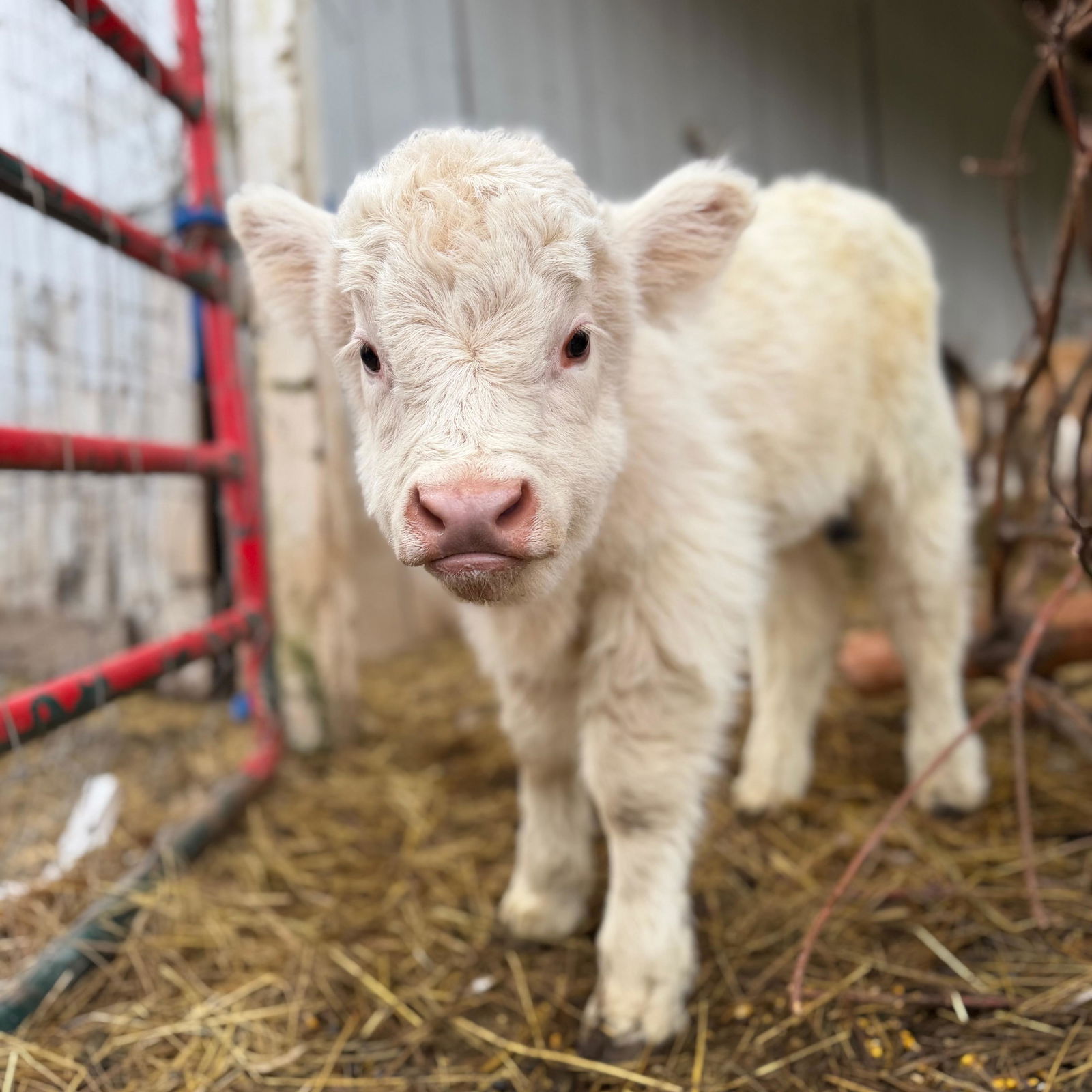
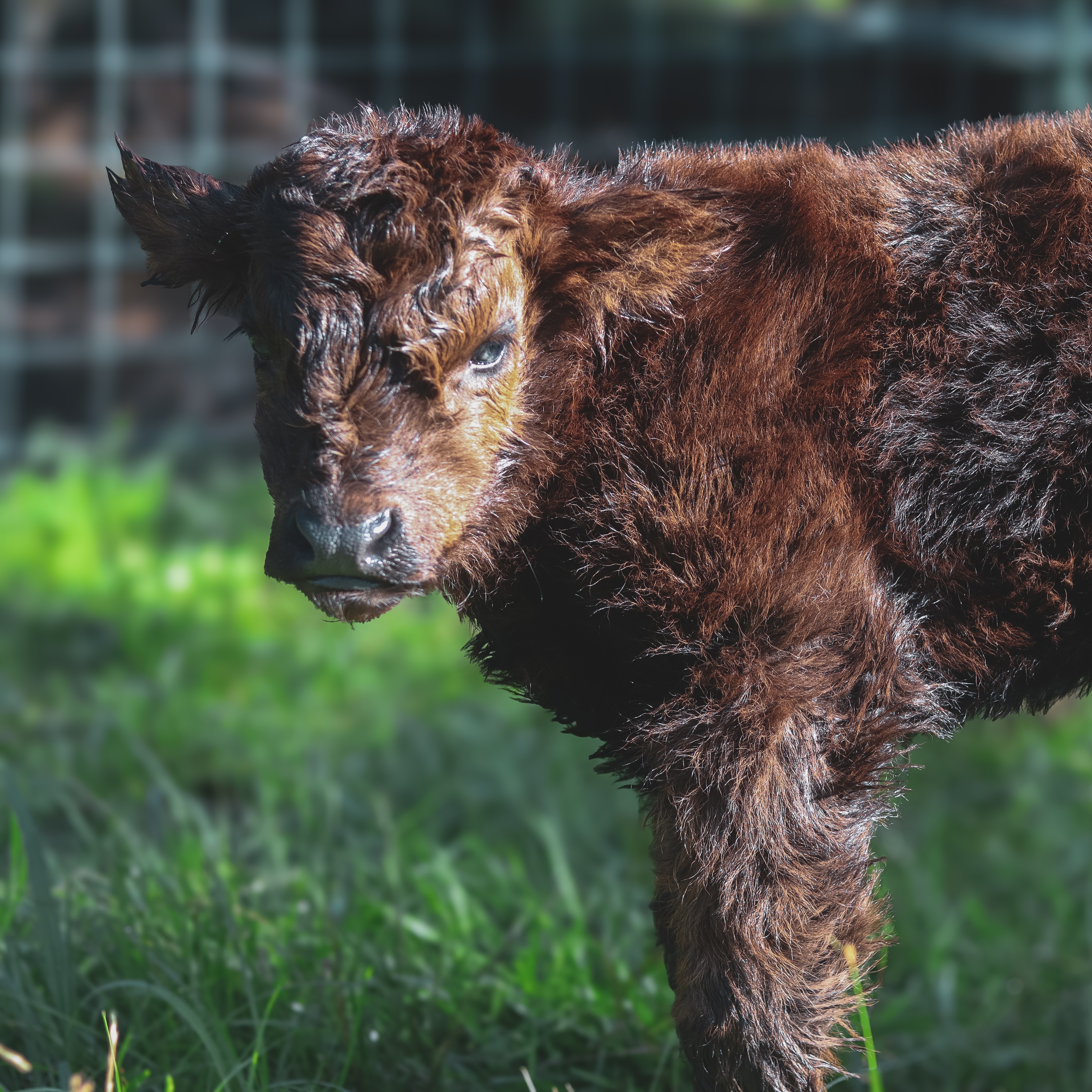
Highland calves themselves tend to be vigorous and up on their feet quickly after birth. They grow at a moderate pace compared to commercial beef breeds, but this slow-growth pattern produces well-conditioned animals that thrive on forage without heavy grain supplementation. For more on raising young stock, see our guide on how to care for your baby highland cow.
Herd Dynamics and Social Structure
Highlands are social animals that function best in groups. A single highland kept alone will often become stressed, vocal, and difficult to manage. The fold operates with a clear social hierarchy, led by a dominant cow who influences movement, grazing patterns, and access to resources like water and mineral stations. Dominance is typically established through posturing, head positioning, and occasional horn contact rather than outright aggression. Compared to breeds like Brahman or some dairy crosses, highland dominance displays are relatively low-key.
Within an established fold, relationships are generally stable. Cattle that have been raised together form lasting bonds and will graze, rest, and move as a cohesive unit. Introducing new animals can temporarily disrupt this stability. When adding a new highland to an existing group, expect a settling-in period of a few days to a couple of weeks. Providing ample space, multiple feeding stations, and the ability for animals to separate and regroup on their own terms helps minimize conflict during introductions.
Bulls within the highland breed are generally calmer than bulls of many other beef breeds, but they are still bulls. A mature highland bull should always be treated with respect and managed with appropriate infrastructure. Never assume that a bull’s past docility guarantees future behavior, particularly during breeding season.
Handling Considerations: Respect the Horns
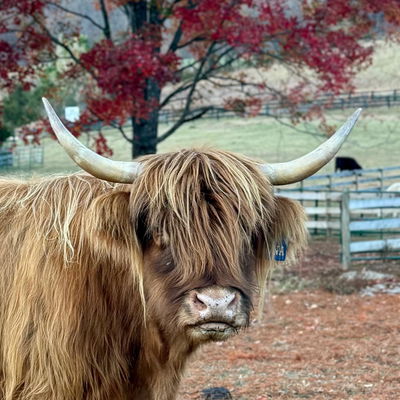
This is the section that separates realistic highland ownership advice from romanticized social media content. Highland cattle have horns. Both sexes grow them, and a mature cow’s horn span can reach three to four feet tip to tip. The horns are functional tools that highlands use for scratching, foraging, establishing dominance, and self-defense. They are not decorative.
In practical terms, this means your handling infrastructure needs to accommodate horn spread. Standard cattle chutes designed for polled (hornless) breeds may be too narrow. Gates need to open wide enough for a horned animal to pass without catching. Feed bunks and hay rings should allow cattle to eat without tangling horns or trapping a neighbor. Many experienced highland owners modify their facilities specifically for horned stock, widening chutes, adjusting headgates, and designing pen layouts that allow animals to move through without tight turns.
When working highlands on foot, whether in a pasture or a pen, stay aware of horn position. A highland cow that swings her head to look at something beside her can inadvertently catch you with a horn tip. This is rarely aggressive. It is simply a consequence of having wide horns in close quarters. Position yourself where you can see the animal’s head and have a clear path to step aside. Experienced handlers develop an instinct for this over time.
Some owners choose to dehorn or tip (blunt the sharp ends of) their highlands’ horns, particularly in close-confinement situations or when cattle will be in frequent contact with children. This is a personal management decision with strong opinions on both sides. If you keep the horns intact, invest in proper facilities and good handling habits. It will save you bruises, veterinary bills, and the occasional torn jacket.
Socialization and Human Interaction
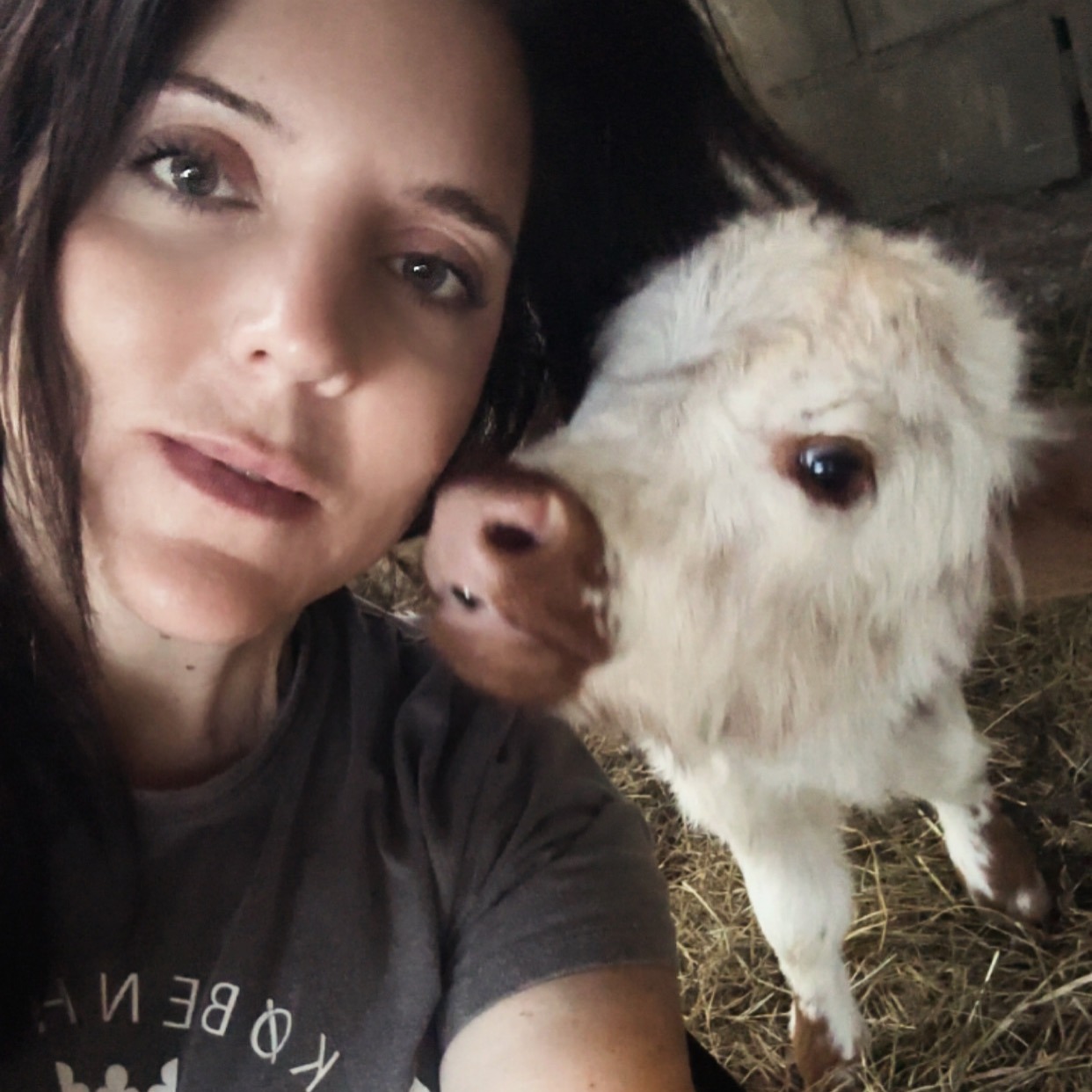
Highland cattle that are handled regularly from calfhood develop a comfort with human contact that can be genuinely remarkable. Many owners halter-train their highlands, teach them to lead, and work with them at close range for grooming, hoof care, and veterinary procedures. This level of socialization takes consistent, patient effort, but the payoff is an animal that cooperates rather than resists routine management tasks.
The key to socializing highlands is low-pressure, positive association. Spend time in the pasture without asking anything of the cattle. Let them approach on their terms. Use feed or treats to build a connection between your presence and something the animal values. Avoid sudden movements, loud voices, and any action that creates fear or pain. Highlands have good memories. A single rough handling experience can set back months of trust-building.
For farms that host visitors, well-socialized highlands are a tremendous asset. Their distinctive appearance draws people in, and their calm nature makes close encounters safe and enjoyable. Miniature highlands are especially popular for agritourism because their smaller size feels less intimidating to visitors, particularly children. Many farms offer photo opportunities, feeding experiences, and “meet the fold” tours that generate meaningful supplemental income.
Seasonal Behavior Patterns
Highland temperament can shift subtly with the seasons. During spring calving, cows are more alert and protective. In summer, when flies and heat become factors, cattle may be more restless and less tolerant of close approach (highlands, despite their adaptability, do prefer cooler conditions and will seek shade, water, and airflow in warm weather). Fall brings breeding season, when bulls are more active and cows in estrus may behave differently than usual. Winter tends to be the calmest period. With adequate forage and shelter from wind, highlands settle into a steady routine and are often at their most approachable.
Understanding these seasonal rhythms helps you time management tasks, schedule veterinary visits, and plan farm activities around the fold’s natural behavioral cycle. If you are considering adding highlands to your property, our highland cattle breed guide covers the full picture, from physical traits to feeding requirements. And when you are ready to start your fold, you will find registered animals from reputable highland cattle breeders and highland cattle for sale right here on Creatures.