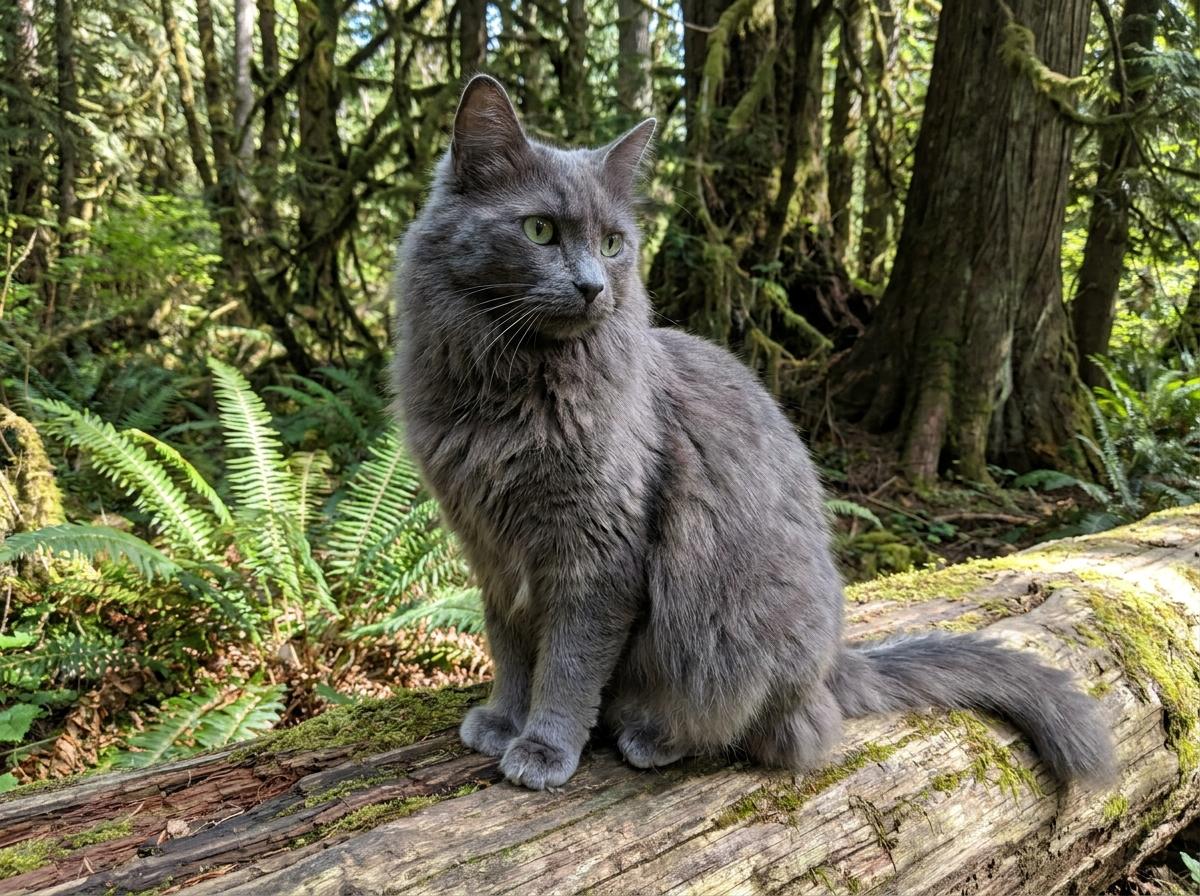
Nebelung
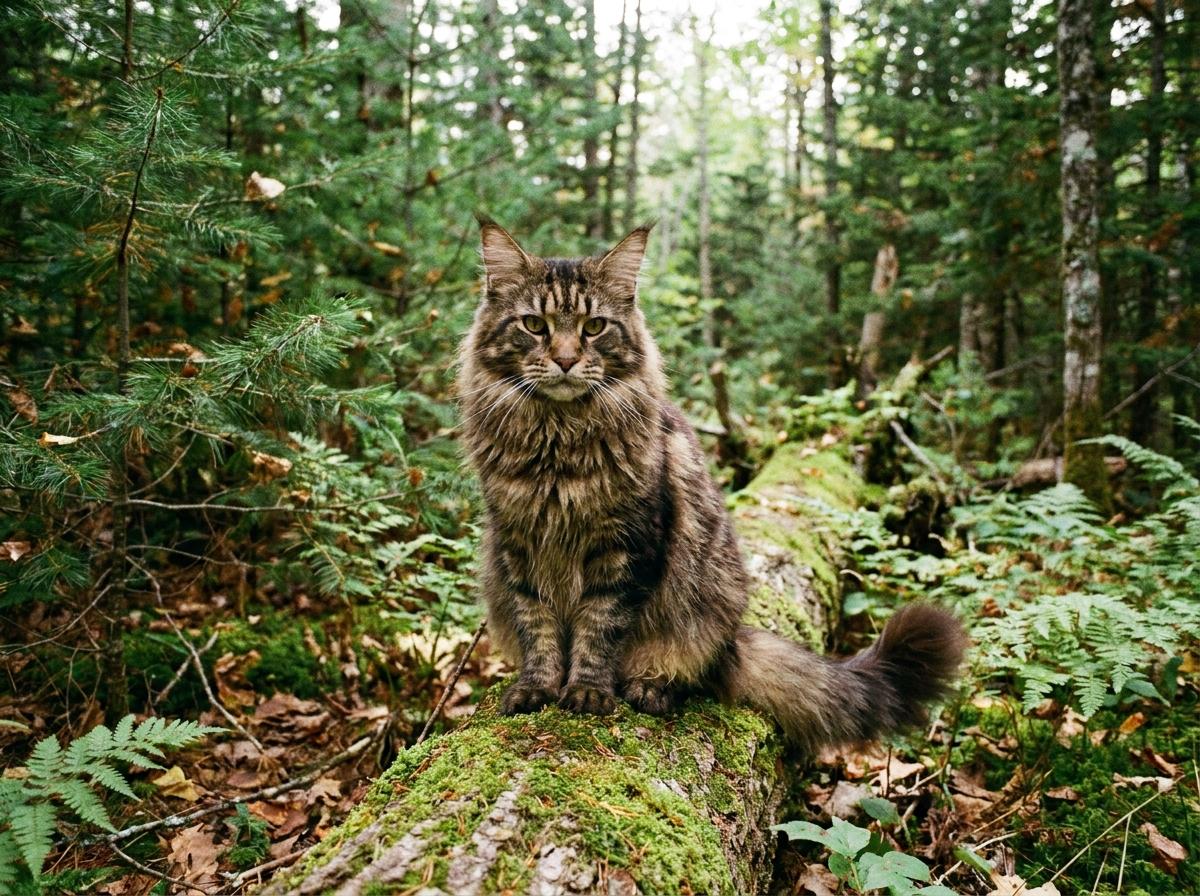
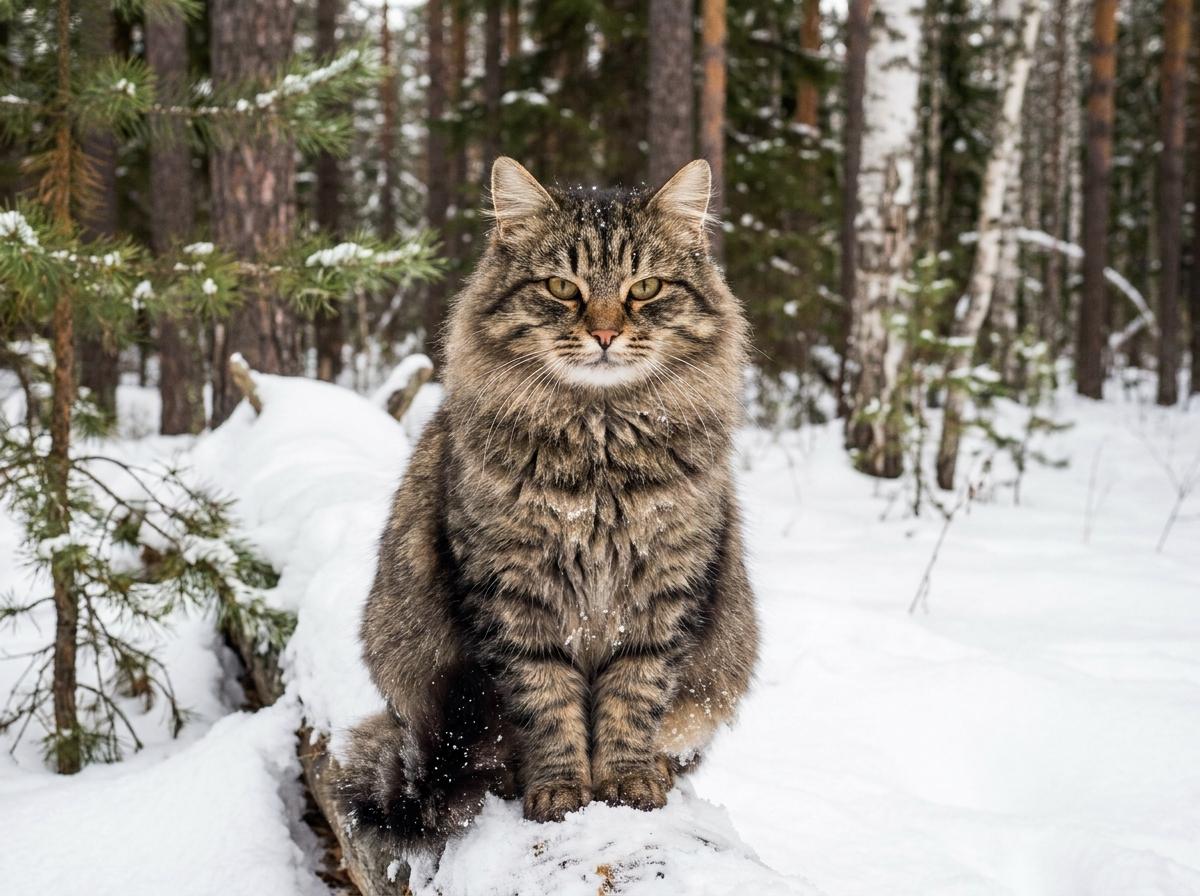
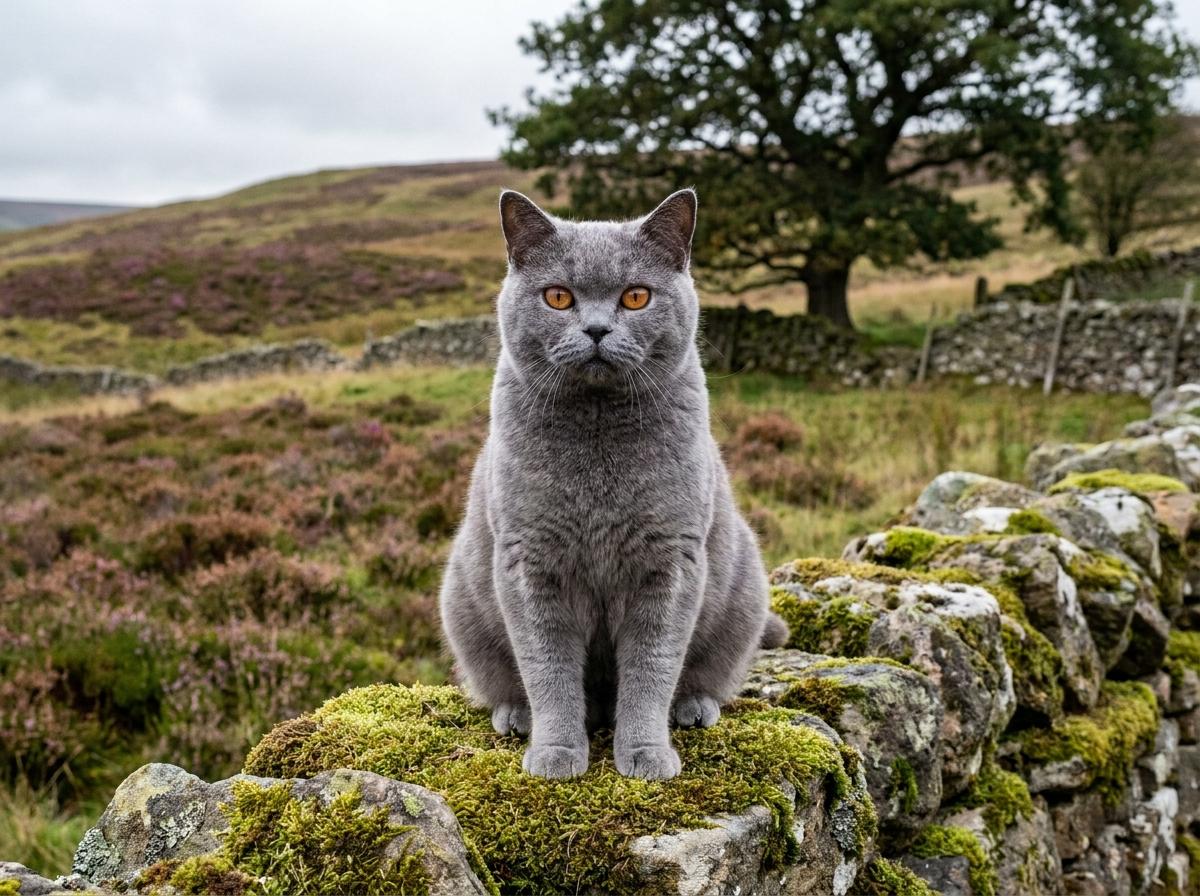
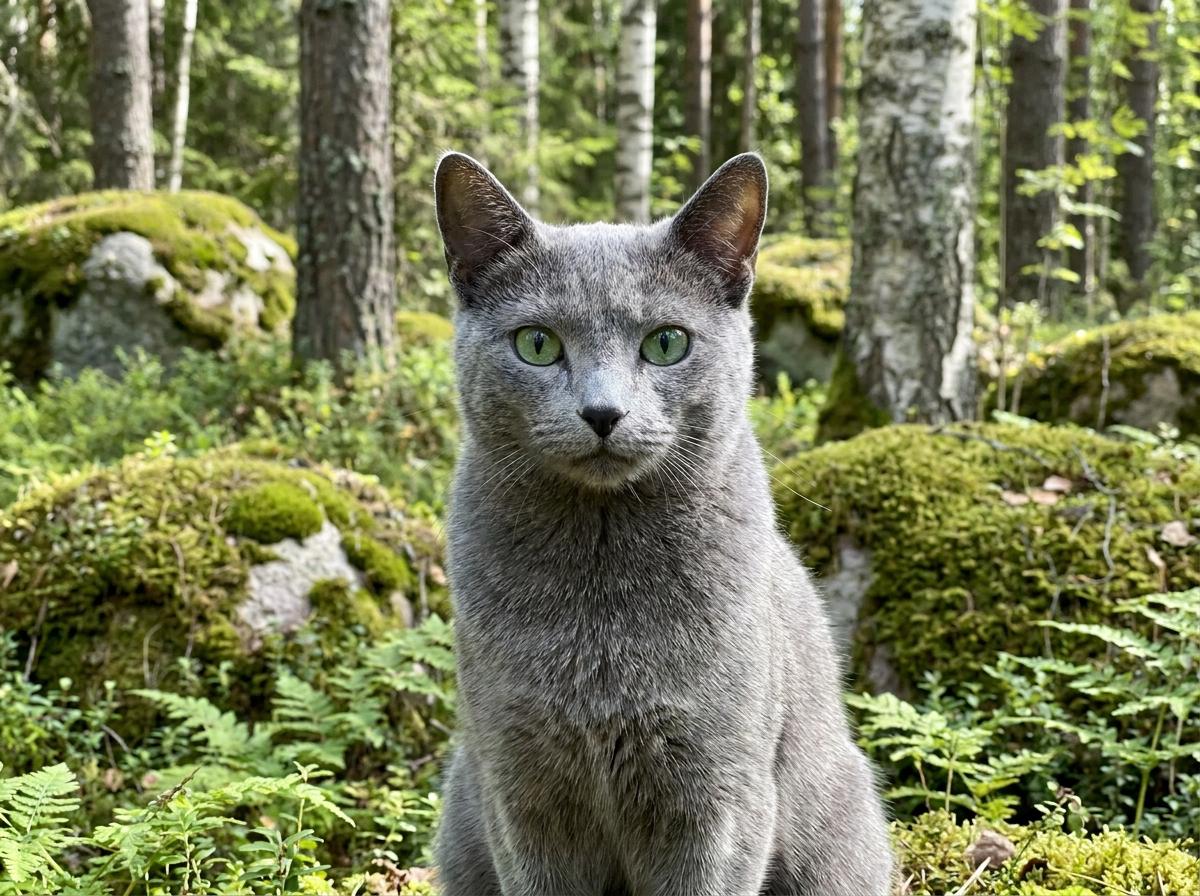
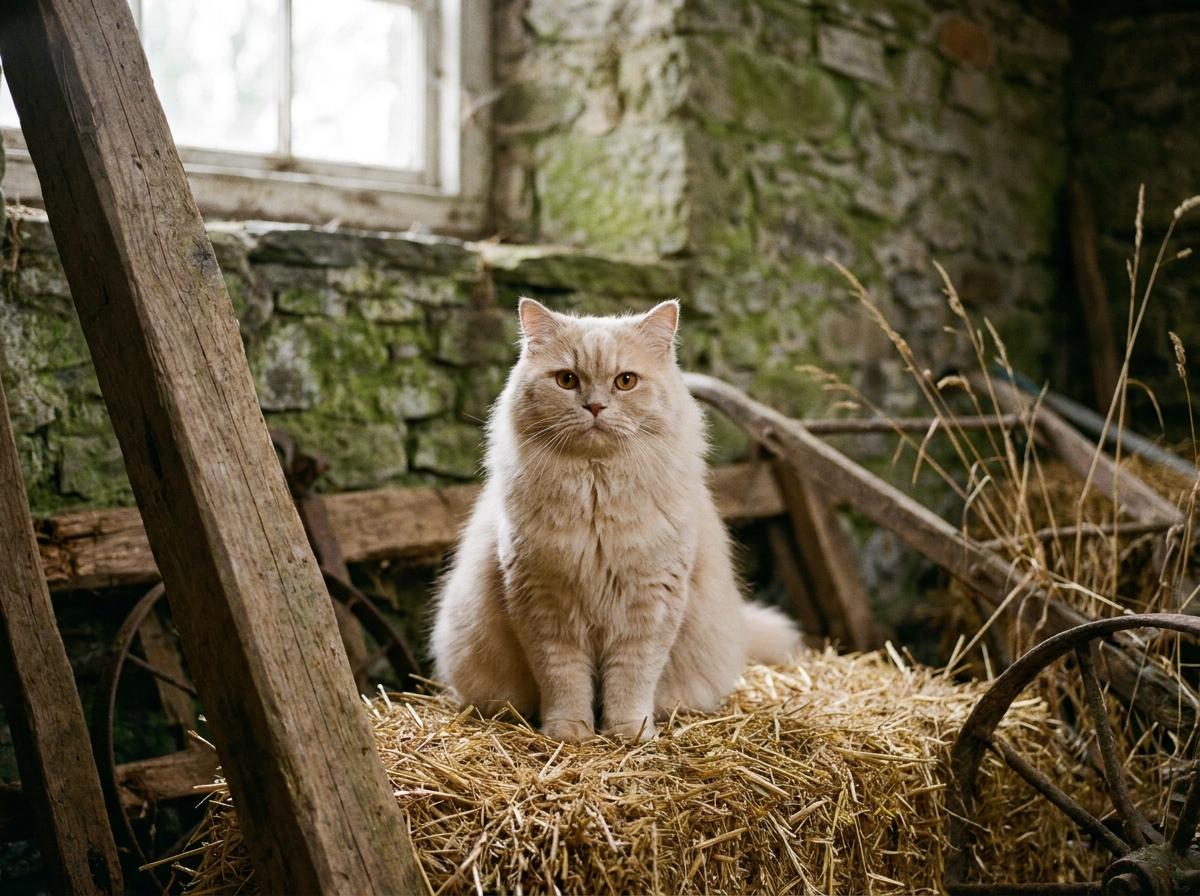
The Nebelung is a medium-sized, blue, semi-longhaired cat with a silver sheen and green eyes. It is related to the Russian Blue, but its plumed tail and longer coat make it distinctive when the full set of traits and pedigree agree. TICA describes a cat that bonds closely with its people and may take time to warm to strangers. If you are comparing breeds, start with the cat breed directory, then use this guide to ask a breeder the right questions.

| Identity | Blue semi-longhair closely related to the Russian Blue |
|---|---|
| Registry | TICA championship breed |
| Coat | Silky blue with silver tipping and a plumed tail |
| Temperament | Playful and attached to familiar people; often reserved at first |
| Care focus | Regular combing, active play, and a gradual introduction to a new home |
Browse listings, public profiles, breeders, or add your animal.
What makes a Nebelung a Nebelung?
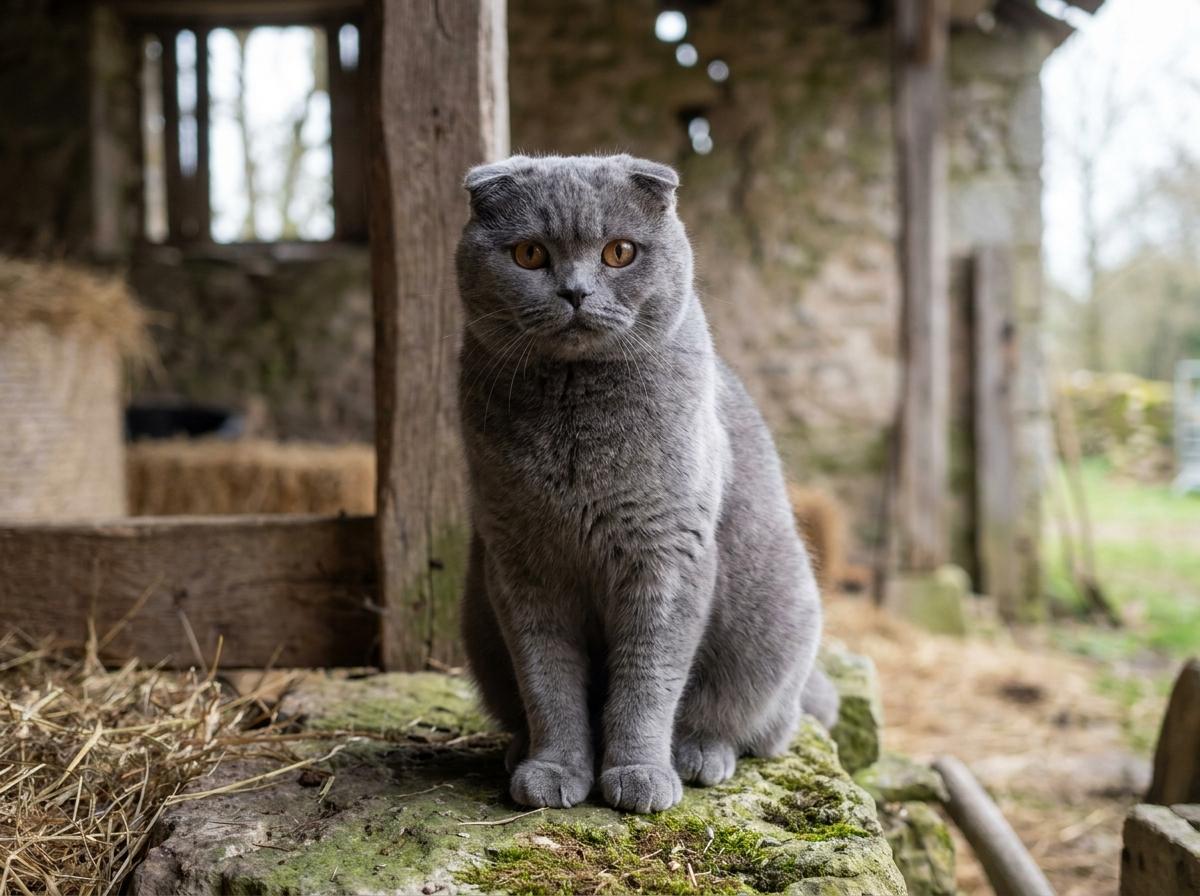
The TICA breed profile describes a longhaired cat with a foreign, rather than cobby, body, wide-set green eyes and a silky blue coat frosted with silver. A random longhaired gray cat may look similar. Pedigree and the whole combination of body, coat and eye color matter more than a single photograph. Compare the rounder, plush-coated British Shorthair and the white-footed Snowshoe before you decide which appearance and activity level suit you.
The breed’s foundation cats, Siegfried and Brunhilde, were born in the 1980s. TICA says Cora Cobb developed the breeding program, used the Russian Blue as an outcross and gained championship recognition in 1997. That is a documented modern breed history, not a claim that every blue longhair descends from Russia.

Temperament and everyday life
TICA portrays the Nebelung as intelligent, playful and devoted to its family, with a reserved side around new people. Let a newly arrived cat choose when to approach. Set up one quiet room with food, water, a litter box, a hiding place and a sturdy scratching surface; expand access after the cat is eating and exploring comfortably. Children should learn to invite play without chasing or lifting a reluctant cat. An individual kitten’s confidence matters more than any breed label.
A Nebelung needs room to climb and ways to use its hunting sequence in play. A broad cat tree, short daily wand-toy sessions and places to retreat are more useful than a claim that the breed is simply calm. TICA notes that these cats enjoy retrieving and climbing. Ask to meet the dam if possible and watch how kittens recover after a small, ordinary surprise.
Coat and health checks
The medium-long coat needs regular combing to prevent tangles, especially behind the forelegs and along the hindquarters. Start short, reward calm handling and check the skin as you go. TICA does not identify a Nebelung-only disease in its public profile; a buyer should still ask for the parents’ veterinary history, current examination, vaccinations and any testing the breeder says was performed. Request the actual records rather than accepting a vague assurance that the line is healthy. A veterinarian can tailor preventive care after the kitten comes home.

Buying a kitten and keeping its history
Ask which registry issued the pedigree, who bred the kitten, what the contract covers and what happens if you cannot keep the cat. Confirm that the kitten is eating independently, comfortable with gentle human contact and seen by a veterinarian before transfer. If the seller advertises a rare color that conflicts with the breed’s blue coat, ask for the registry record and the parent’s details. The cat ownership cost guide can help you budget beyond the purchase; the Maine Coon buyer guide gives a useful checklist for assessing any pedigree-cat seller.
On Creatures, an animal profile can hold the pedigree, photographs, identification and health records together. Use the free cat pedigree chart maker to draft a three-generation chart before you have an account. Once you add the cat, the living pedigree can grow as you link relatives. The chart you make yourself is a planning record, never a substitute for a registry certificate.
A quiet temperament does not remove the need for dated care notes. The cat health record guide shows what to save after each veterinary visit.
The Russian Blue connection and the blue coat
The TICA Nebelung profile dates the foundation cats Siegfried and Brunhilde to 1984 and 1985. Cora Cobb then used the Russian Blue as an outcross while building the longhaired breed; TICA championship recognition came in 1997. An outcross in a breed’s development does not make every longhaired Russian Blue lookalike a registered Nebelung. The individual pedigree is still decisive.
TICA describes a semi-long blue coat with silver tipping, a plumed tail and green eyes. Look for the combination across the animal, not a single silver-lit photograph. In a kitten, ask the breeder what features are still developing and what the written standard says about age-related changes.
Frequently asked questions
Is a Nebelung just a longhaired Russian Blue?
The two are related, and TICA records Russian Blue outcrossing in the Nebelung’s development. They have separate breed identities and coat-length standards. Ask for the registered pedigree rather than assigning a breed from color alone.
Do all Nebelungs have green eyes?
Green is the adult breed look described by TICA. Kitten eye color can change with age, so ask the breeder what the standard expects at the age you are viewing.
Is the breed suitable for a busy home?
It can be, but introductions and retreat space matter. Watch the individual cat’s behavior and discuss the household honestly with the breeder.
Do this next on Creatures
Keep the questions you asked the breeder and the records you receive in one place. Use the actions that fit where you are in the decision.
Watch for a listing. Set a free Nebelung listing alert; supply may be thin, and the guest flow can start with email. See saving searches.
Compare what is available. Browse current Nebelung listings and the public breeder directory. A directory listing is a lead, not a health guarantee.
Start the cat’s history. Add your Nebelung, then follow the animal profile guide.
Keep the evidence. Add a health or identification record. The sheet opens for visitors, and a free account is needed to save. The record guide explains the flow; health records covers veterinary details.
Breed responsibly. If you are a breeder, create a cattery profile and read how directory listings work.
Compare breeds and plan care. See the cat breed index and care reminders for follow-ups.