

Author: Elliott Garber, DVM · Updated
What Is Animal Welfare?
Animal welfare is the physical and psychological well-being of animals under human care. It encompasses how an animal is housed, fed, handled, transported, and treated medically. A good welfare state means the animal is healthy, comfortable, well-nourished, safe, able to express natural behaviors, and free from pain, fear, and distress.
This isn’t just an abstract concept. Animal welfare directly affects everyone who raises, breeds, buys, or sells animals, from highland cattle ranchers to cat breeders to backyard chicken keepers. Understanding welfare science and applying it practically leads to healthier animals, better production outcomes, and stronger relationships between humans and the animals they keep.
Animal Welfare vs. Animal Rights: An Important Distinction
These terms are often confused, but they represent fundamentally different philosophies.
Animal welfare accepts that humans use animals for food, fiber, companionship, work, and other purposes, but holds that we have an obligation to treat them humanely throughout their lives. The welfare position says: if we’re going to keep animals, we must keep them well.
Animal rights holds that animals have inherent rights similar to human rights and that using animals for human purposes is morally wrong. This position opposes keeping animals as livestock, using them in research, and in its strongest forms, even keeping them as pets.
Most livestock producers, breeders, and pet owners operate within the animal welfare framework. They care deeply about their animals’ well-being while also recognizing the legitimate and long-standing relationship between humans and domesticated animals. Good welfare practices and productive animal agriculture are not contradictory. In fact, they’re complementary: well-cared-for animals are healthier, more productive, and more valuable.
The Five Domains of Animal Welfare
The original “Five Freedoms” of animal welfare, developed in the UK in the 1960s, have evolved into the more comprehensive “Five Domains” model. This updated framework recognizes that welfare isn’t just about avoiding negatives. It’s about providing positive experiences.
1. Nutrition
Animals should have access to sufficient, balanced, and species-appropriate food and clean water. This means more than preventing starvation. It means providing the right diet for the species, breed, age, and physiological state. A lactating dairy goat has very different nutritional needs than a dry doe. A miniature donkey requires a very different diet than a horse, and feeding them like a horse is actually harmful.
2. Environment
Animals need appropriate shelter, space, and environmental conditions. This includes protection from weather extremes, adequate space to move and rest comfortably, clean and dry bedding or flooring, appropriate temperature and ventilation, and protection from hazards. A miniature donkey needs at minimum a three-sided shelter and half an acre of turnout. Chinchillas need cool, dry environments and cannot tolerate temperatures above 80°F.
3. Health
Animals should be free from disease, injury, and functional impairments. This requires preventive veterinary care (vaccinations, parasite control, dental care), prompt treatment of illness and injury, and breeding practices that don’t create animals predisposed to suffering. Ethical breeding is a core welfare issue: breeding for extreme traits that compromise an animal’s ability to breathe, move, or function normally violates this domain.
4. Behavioral Interactions
Animals should be able to express natural behaviors and have positive social interactions with conspecifics (others of their own species) and humans. Social species like miniature donkeys, guinea pigs, and sheep must have companions of their own kind. Isolation causes measurable psychological harm in these species. Animals should also have opportunities for exploration, play, foraging, and other species-typical activities.
5. Mental State
The overall emotional experience of the animal matters. This domain acknowledges that animals experience positive states (pleasure, comfort, curiosity, social bonding) and negative states (pain, fear, frustration, boredom, loneliness). Good welfare means minimizing negative experiences while actively promoting positive ones.
The Animal Welfare Act
The Animal Welfare Act (AWA) is the primary federal law governing the treatment of animals in the United States. Enacted in 1966 and amended several times since, it establishes minimum standards of care for animals used in research, exhibition, transport, and by dealers.
Key points about the AWA:
- It’s administered and enforced by the USDA’s Animal and Plant Health Inspection Service (APHIS)
- It covers warm-blooded animals used in research, exhibited to the public, or sold as pets (with notable exemptions)
- It does NOT cover farm animals used for food, fiber, or other agricultural purposes. These animals are governed by state laws and industry guidelines (the Humane Methods of Slaughter Act covers slaughter specifically)
- It does NOT cover rats and mice bred for research, or birds bred for research
- It requires licensing of animal dealers and exhibitors, with regular inspections
State animal cruelty laws provide additional protection and vary significantly by jurisdiction. Some states have strong anti-cruelty statutes with felony penalties, while others have minimal enforcement. Understanding the laws in your state is essential for anyone who keeps animals.
Welfare in Practice: What Good Looks Like
For livestock producers, breeders, and pet owners, good welfare practices include:
For Livestock and Farm Animals
- Species-appropriate housing with adequate space, ventilation, and protection from extremes
- Nutritionally balanced diets appropriate to species, age, and production stage
- Regular veterinary care including preventive medicine
- Low-stress handling techniques
- Humane transportation practices
- Record keeping for health, breeding, and management decisions
- Continuing education on best practices in animal husbandry
For Companion Animals and Pets
- Proper socialization during critical developmental periods
- Enrichment and mental stimulation appropriate to the species
- Regular veterinary check-ups and dental care
- Safe, clean, and appropriately sized living space
- Social companionship (human or conspecific, depending on species needs)
- Force-free, positive reinforcement-based training methods
For Breeders
- Ethical breeding practices that prioritize health and welfare over market trends
- Genetic testing to avoid producing animals with preventable heritable conditions
- Responsible placement of offspring with screened buyers
- Take-back policies for animals that can’t be kept by their purchasers
- Honest representation of animals in sales listings
Why Welfare Matters for the Future of Animal Agriculture and Breeding
Consumer awareness of animal welfare is at an all-time high and continues to grow. Buyers increasingly want to know that their animals came from operations that treat their animals well. Farmers’ markets, direct-to-consumer meat sales, and registered breeding stock all benefit when sellers can demonstrate strong welfare practices.
Regulatory pressure is also increasing. State legislatures continue to pass and strengthen animal welfare legislation. Operations that proactively adopt high welfare standards are better positioned for regulatory changes than those that operate at the minimum.
Most importantly, animals that are well-cared-for are healthier, grow better, reproduce more successfully, and have fewer behavioral problems. Good welfare isn’t just the right thing to do. It’s good management.
Explore Creatures
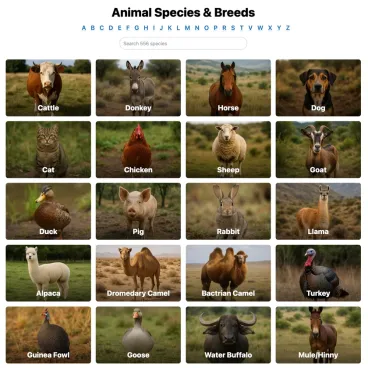
At Creatures, we believe in connecting responsible breeders with informed buyers. Our Breeder Directory helps you find operations committed to quality care, and our Marketplace supports detailed health and registration information in every listing. Browse by species to learn more about the animals you love:
Track Animal Welfare on Creatures
Good welfare starts with good records. Whether you raise livestock, breed companion animals, or keep backyard poultry, tracking health and care data helps you catch problems early and demonstrate your commitment to responsible animal ownership.
- Create an animal profile: Add your animal to Creatures to start building a complete care history.
- Log health and care records: Add a record for vaccinations, vet visits, body condition scores, deworming, and more.
- Looking for responsibly raised animals? Browse the Creatures Marketplace where sellers provide verified health records and care documentation.
- Find ethical breeders: Use the Breeder Directory to connect with breeders who prioritize animal welfare.