


Author: Elliott Garber, DVM · Updated
Why Ethical Breeding Matters
Breeding animals carries real responsibility. Every breeding decision affects the health, temperament, and longevity of the offspring, the welfare of the parents, and the long-term viability of the breed itself. Ethical breeders understand this weight and make decisions accordingly.
The difference between ethical breeding and irresponsible breeding isn’t subtle. It shows up in the health of the animals, the transparency of the operation, the knowledge of the breeder, and the outcomes for buyers. Whether you’re breeding highland cattle, miniature donkeys, dogs, or cats, the principles below apply across species.
The Core Principles of Ethical Breeding
1. Breed for Health First
The most fundamental ethical obligation is to produce healthy offspring. This means:
- Genetic testing for conditions prevalent in the breed before any mating. Most breeds have known heritable conditions. Responsible breeders test for them and make informed pairing decisions.
- Structural soundness over aesthetic trends. Breeding for extreme features (very short legs, flat faces, ultra-small size) at the expense of the animal’s ability to breathe, move, and function normally is not ethical, regardless of market demand.
- Avoiding inbreeding depression. Tracking coefficients of inbreeding (COI) and maintaining genetic diversity within breeding programs protects the health of individual animals and the breed population.
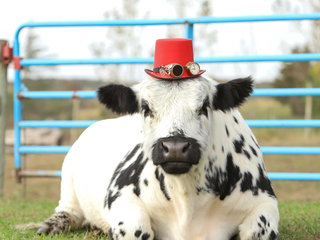
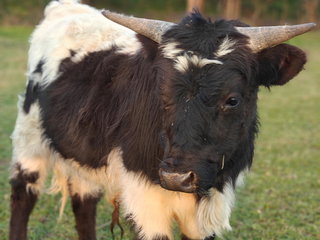
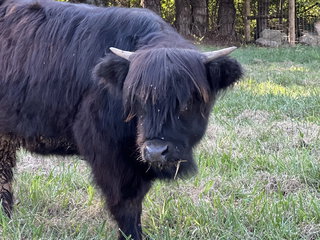
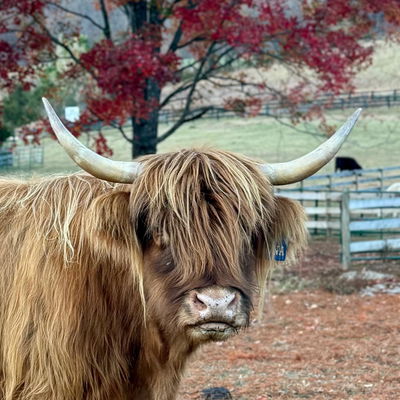
The miniature donkey community’s warnings about breeding for extreme small size and the highland cattle community’s stance on “teacup” and “micro” cattle are good examples of breed communities pushing back against market-driven breeding that compromises welfare.
2. Know Your Breed Standard and Genetics
Ethical breeders are students of their breed. They understand the breed standard, know the strengths and weaknesses of their animals, and can articulate why they’re making specific pairings.
Registration with a recognized breed registry isn’t just paperwork. It’s a commitment to maintaining breed integrity through documented pedigrees, parentage verification, and adherence to breed standards. Organizations like the AHCA (highland cattle), ADMS (donkeys), AKC (dogs), and CFA (cats) exist to protect breed identity and quality.
3. Provide Excellent Care for Breeding Animals
Breeding animals deserve the same quality of life as any other animal in your care, and in many cases more. Pregnant and nursing females need proper nutrition, veterinary monitoring, and appropriate living conditions. Breeding males need proper socialization, health maintenance, and shouldn’t be overbred.
Key welfare standards for breeding stock:
- Appropriate age before first breeding (species-specific, but always after full physical maturity)
- Adequate recovery time between pregnancies
- Proper nutrition for pregnant and lactating females
- Veterinary oversight during pregnancy and delivery
- Clean, safe, and appropriately sized housing
- Social interaction and mental stimulation
- Retirement from breeding before health declines
4. Screen Buyers Carefully
Ethical breeders care about where their animals end up. This means asking potential buyers about their experience, facilities, and plans for the animal. It means sometimes saying no to a buyer who isn’t prepared.
Responsible screening includes:
- Asking about the buyer’s experience with the species/breed
- Confirming they have appropriate housing and fencing
- Ensuring companion animals will have companions (for social species like miniature donkeys and guinea pigs, this is non-negotiable)
- Discussing veterinary care plans
- Including a take-back clause in the sales contract
5. Be Transparent About Everything
Transparency is the simplest test of ethical breeding. Ethical breeders:
- Disclose all known health issues and genetic test results
- Provide complete vaccination and veterinary records
- Share pedigree and registration information before sale
- Welcome farm visits and questions
- Are honest about both the strengths and limitations of their animals
- Don’t misrepresent breed, registration status, age, or health
Recognizing Unethical Breeding Practices
Unethical breeding harms animals, deceives buyers, and undermines responsible breeders. Here’s what to watch for:
Puppy Mills and Volume Breeding Operations
Operations that prioritize volume over quality, keeping animals in substandard conditions with minimal veterinary care, breeding females every heat cycle, and selling animals without health guarantees or registration. These operations exist across species, not just dogs.
Breeding for Extreme Traits
Breeding specifically for features that compromise the animal’s health or quality of life: brachycephalic (flat-faced) dogs and cats that struggle to breathe, “teacup” animals bred to be so small they have chronic health problems, or extreme muscling that causes mobility issues. When a breeding goal creates animals that suffer because of how they look, the practice is unethical.
Misrepresentation
Selling unregistered animals as “purebred,” misrepresenting breed composition, fabricating health records, or using misleading marketing terms (“rare,” “exotic,” “micro”) to justify inflated prices for animals that don’t meet breed standards.
How Buyers Can Support Ethical Breeding
Buyers have enormous power to shape breeding practices through their purchasing decisions. Every dollar spent on an ethically bred animal supports good practices. Every dollar spent on a puppy mill or backyard breeder funds more of the same.
To support ethical breeding:
- Buy from registered breeders who test for genetic conditions and maintain breed standards
- Visit the breeder’s operation (or request video tours for long-distance purchases)
- Ask questions about health testing, breeding philosophy, and what happens if you can’t keep the animal
- Be willing to wait. Ethical breeders often have waiting lists because they breed thoughtfully, not constantly
- Pay a fair price. Quality breeding costs money. Healthy parents, genetic testing, proper nutrition, veterinary care, and responsible management aren’t cheap. A significantly below-market price usually means corners were cut somewhere
- Report unethical operations to breed registries, animal welfare organizations, and local authorities
Find Ethical Breeders on Creatures
The Creatures Breeder Directory connects buyers with breeders across species and breeds. Browse by species, breed, and location to find operations near you. Creatures Marketplace listings include health records, registration information, and seller profiles to help you make informed purchasing decisions.
If you’re a breeder committed to ethical practices, create your profile in the Breeder Directory to reach buyers who value quality and transparency.
Tools for Ethical Breeders on Creatures
Responsible breeding requires meticulous record-keeping. Creatures gives you the tools to track genetics, health, and care for every animal in your program.
- Build your herd or kennel records: Add each animal with breed, registration, and lineage information.
- Document health and breeding history: Log records for health testing, vaccinations, breeding dates, and offspring outcomes.
- Sell with transparency: List animals on the Creatures Marketplace where buyers can see documented health and genetic records.
- Establish your reputation: Join the Breeder Directory to build visibility and credibility with potential buyers.