





Chinchilla
Chinchilla lanigera
Author: Elliott Garber, DVM · Published
A chinchilla is a small, long-lived rodent from the high Andes, and every pet chinchilla belongs to the same species, the long-tailed chinchilla (Chinchilla lanigera). What sellers and searchers call chinchilla breeds are really color mutations of that one species: standard grey is the natural coat, and breeders have since produced white, beige, black velvet, ebony, violet, sapphire and many combinations of them. An adult weighs only 1 to 1.5 pounds, yet veterinary sources put its life at 10 to 20 years, so picking a color is the easy decision and the commitment is the big one. If you are already looking, you can search the chinchilla breeders listed in the Creatures directory by state.
Because color is the first thing chinchilla buyers ask about, the colors come first below: what each one looks like, how it is inherited and the two pairings experienced breeders never make. Prices, lifespan, cool-room care, breeding, buying and record keeping follow, in that order. The seven detailed chinchilla guides, from dust baths to diet, are linked where each topic comes up, and the free chinchilla name generator is there for naming a new kit.

| Species | Long-tailed chinchilla (Chinchilla lanigera); the short-tailed chinchilla is a separate wild species |
|---|---|
| Breeds | No separate breeds: color mutations of one species, such as standard grey, white, beige, black velvet, ebony, violet and sapphire |
| Adult size | About 1 to 1.5 lb (450 to 680 g); body up to 10 in plus a 6 in tail; females usually larger |
| Lifespan | About 10 to 15 years on average and some to 20 (Merck); VCA gives 15 to 20 years |
| Diet | Unlimited grass hay, 1 to 2 tablespoons of plain chinchilla pellets a day, fresh water |
| Heat limit | Heat stroke risk above 80°F (27°C); keep the room cool and dry |
| Social needs | Keep with at least one compatible chinchilla unless a vet advises otherwise |
| Breeding | Gestation about 111 days; litters of 1 to 6 kits, usually 2, born furred with eyes open |
| Price (August 2026) | About $150 to $250 for a standard grey and up to about $800 for recessive colors; rescues often $50 to $175 |
Browse listings, public profiles, breeders, or add your animal.
Chinchilla breeds and colors
There is no such thing as a chinchilla breed in the sense of a dog or rabbit breed. Every domestic chinchilla is the same animal underneath, with the same size, care needs and lifespan. What varies is the coat, and each color comes from a single gene mutation, or a combination of them, that appeared in captivity over the past century. That is why breeders talk about colors rather than breeds. One of the national chinchilla clubs in the United States, the Empress Chinchilla Breeders Cooperative, was founded in 1945 to give new ranchers education and a reputable grading system, and it still runs shows today. Creatures lists each color as a breed so you can find breeders and profiles by color, and the colors with their own detailed pages are linked below.

One pet species, two endangered wild ones
There are two chinchilla species. The long-tailed chinchilla, C. lanigera, is the pet. The short-tailed chinchilla, C. chinchilla, was especially prized for its fur and now survives in only two known regions of Chile. Both are listed as Endangered by the IUCN, according to the San Diego Zoo, which also notes that domestic chinchillas are not subject to international conservation regulations. Wild long-tailed chinchillas live in colonies among the rocks of the Andes of northern Chile, at 3,000 to 5,000 meters, as the Smithsonian’s National Zoo describes, and that cold, dry home explains most of the care rules further down this page.
Every pet descends from a very small founding group. The Empress cooperative traces the domestic herd to 11 chinchillas that the American engineer Mathias Chapman brought to the United States in 1923, while the Merck Veterinary Manual gives 13 animals imported in 1927. Either way, the gene pool started narrow, so pedigrees and honest breeding records matter more here than in many small pets.
Standard grey: the natural color
Standard grey is the wild-type coat and the base every other color is measured against: blue-grey on the back and sides, a white belly, dark eyes, grey ears and dark paws, with each hair darker at the tip. It is the most common color and the least expensive. A standard grey that carries a hidden recessive gene looks exactly like one that does not, which is why some breeders sell greys as carriers of violet or sapphire.
The dominant colors: white, beige, black velvet and ebony
A dominant color shows with a single copy of its gene, so a chinchilla of that color always has at least one parent that carries it. A genetics paper from the University of Zagreb veterinary faculty lists four dominant colors, and a 2022 paper on genetic symbols for chinchilla mutations agrees for white, beige and black velvet:
- White. The Wilson white chinchilla, named after the breeder who first produced it, has a white coat with dark eyes, so it is not an albino. The gene does not express evenly: the same genetic makeup can look pure white, silver (white and grey hairs mixed) or mosaic (white with patches of another color).
- Beige. Beige, usually called Tower beige after its breeder, is a warm tan to apricot coat with red or ruby eyes and pink ears. A beige with two copies of the gene is paler, with lighter eyes, and passes beige to every kit.
- Black velvet. Black velvet, which breeders also write as TOV (touch of velvet), puts a near-black cape over the head, back and thighs, with dark paws and a white belly.
- Ebony. Ebony darkens the whole animal, belly included, and its effect adds up: the more ebony genes a chinchilla carries, the darker it is, from light ebony to a dark ebony that looks completely black. Sources differ on whether a single ebony gene is visible (the 2022 paper treats one copy as hidden), but they agree the effect builds with each copy.
The recessive colors: violet and sapphire
A recessive color shows only when a chinchilla inherits two copies, one from each parent. A grey that carries one copy looks standard, so two ordinary-looking greys can produce a violet kit, while a violet bred to a grey that carries nothing produces only grey kits, all of them carriers.
- Violet. Violet is a soft, lavender-tinged grey with a white belly. The mutation was first bred in Rhodesia, now Zimbabwe, and is sometimes called Afro-violet.
- Sapphire. Sapphire is an intense blue-grey with grey ears and dark eyes.
Because carriers are invisible, these are the colors where a pedigree earns its keep. A breeder who records which animals have produced violet or sapphire kits knows which greys carry the gene; a breeder who does not is guessing.
Combination colors
Most names on a breeder’s price list are combinations of the genes above, and the name tells you which genes are present:
- Pink white: white plus beige. The coat runs from white to cream, with beige’s pink ears and red eyes.
- Brown velvet: beige plus black velvet, a brown cape over a beige base, again with red eyes and pink ears.
- Brown ebony: beige plus ebony. Light ones are often called pastel, mid-toned ones tan, and the darkest chocolate.
- Silver and mosaic: forms of white, not separate genes.
The recessive colors combine with the dominant ones too, which is where the longer color names come from. If a listing uses a combination name, ask the seller which genes the animal carries, because that decides what it can safely be paired with.
The two pairings breeders never make
White and velvet each carry a lethal factor. An embryo that inherits two copies of either gene does not survive, which is why every living white and every living black velvet carries just one copy alongside a standard gene; a 2002 veterinary congress paper describes Wilson white and velvet chinchillas as dominant heterozygotes that carry a lethal gene. Beige and ebony do not have this problem and can be doubled safely. The Zagreb paper states the rule directly: chinchillas carrying the white gene must not be mated to each other, and chinchillas carrying the velvet gene must not be mated to each other.
In practice:
- never pair two animals that carry white, and remember that the gene hides behind other names, because pink whites, silvers and mosaics all carry it;
- never pair two animals that carry velvet, including brown velvets and other velvet combinations;
- a few whites show so little white, sometimes just a small patch on the tail, a paw or the body, that they pass for standard greys, so check both parents before you treat a grey as a non-carrier;
- pair a white or a velvet with a standard grey with no white or velvet parent, or another confirmed non-carrier, which gives about half the kits the color without losing any to the double dose.
The arithmetic is why it matters. When both parents carry one copy, about a quarter of the conceptions inherit two copies and, breeders report, are lost before birth, from litters that average only two kits. Pairing a white with a velvet is not the same mistake, because they are different genes and no kit can get two copies of either. A kit from that pairing can carry both, though, and an animal carrying both should only ever be paired with a partner that carries neither.
Coat types: angora and curly
A few mutations change the coat rather than the color. The long-haired angora, often sold as Royal Persian Angora, was developed in the United States, and a curly-coated mutation first appeared in Germany in ebony chinchillas, according to the 2022 genetic symbols paper. Both are specialty animals that cost far more than the colors.
| Natural color | Standard grey |
|---|---|
| Dominant (one copy shows) | White (Wilson white), beige, black velvet; ebony (cumulative) |
| Safe in a double dose | Beige and ebony |
| Lethal in a double dose | White (including silver, mosaic and pink white) and velvet (including brown velvet) |
| Recessive (two copies needed) | Violet, sapphire |
| Common combinations | Pink white (white and beige), brown velvet (beige and velvet), brown ebony or tan (beige and ebony) |
| Never pair | Two white carriers, or two velvet carriers |
| Coat types | Angora (long hair) and curly |
What chinchillas cost
A chinchilla is cheap to buy and expensive to keep for two decades. The Creatures chinchilla cost guide, checked against published US breeder price lists in August 2026, puts a standard grey at about $150 to $250, the common mutations (beige, ebony, tan and black velvet) at $200 to $400, and mosaic, violet, sapphire and their combinations at $350 to $800. Angoras and curly-coated animals start around $800 and can run into the thousands. Color drives the price because the recessive colors take more generations of deliberate breeding to produce. Rescues and rehomes are the bargain: published adoption fees run about $50 to $175, sometimes with the cage included.
The animal is the small number. A proper setup costs about $350 to $770 new, hay, pellets, dust and bedding run $25 to $55 a month, a yearly exotic vet exam is commonly $50 to $120, and in much of the country you will pay to cool a room every summer. Across a 15 to 20 year life, the cost guide’s realistic middle is $10,000 to $14,000 for one chinchilla. A second chinchilla adds less than you might expect, because the room, the cooling and most of the gear are shared, and the companionship is good for both animals.
How long chinchillas live
Chinchillas are long-lived for their size. The Merck Veterinary Manual’s owner guide puts the average at about 10 to 15 years, with some pets reaching 20, and VCA Animal Hospitals gives a life expectancy of 15 to 20 years. The Smithsonian’s National Zoo puts wild chinchillas at about 10 years, against more than 20 in human care. The record belongs to Radar, a male born in Germany who lived to 29 years and 229 days and died in California in 2014.
The spread between those numbers is mostly care. Heat stroke is the sudden danger, dental disease the slow one, and diet mistakes sit underneath both. Plan for a commitment of 15 years or more: a chinchilla bought by a high school student will likely still need a cool room and an exotic vet after college, several moves and a first job. How Long Do Chinchillas Live? goes through each risk and what aging looks like. If that horizon is too long for your household, shorter-lived small pets such as rats and gerbils may be a better fit.
Caring for a chinchilla
Chinchilla care comes down to a cool room, a big cage with solid places to stand, unlimited hay, dust baths instead of water, a companion and an exotic vet you found before you needed one. Each is summarized here, and Chinchilla Care: Housing, Diet, Heat Safety and Health goes deeper on all of them.

Heat and humidity. Chinchillas are “very tolerant of cold but sensitive to heat,” in the words of the Merck Veterinary Manual. Its owner guide to routine care says they can get heat stroke above 80°F (27°C) and prefer 50 to 60°F (10 to 16°C), and VCA calls 55 to 68°F (10 to 20°C) optimal, with humidity below 40 to 50 percent. Merck’s professional chapter adds a quick check: add the temperature in Fahrenheit to the relative humidity, and treat a total above 150 as dangerous. If you cannot hold a room in the 60s through your hottest week, with air conditioning or a reliably cool interior room, a chinchilla is the wrong pet. A chinchilla that seems overheated is an emergency: move it somewhere cool and call an exotic vet at once for first-aid instructions.
Housing. VCA’s housing guidance sets a minimum of a multi-level cage 3 by 2 by 3 feet for one chinchilla and 3 by 2 by 5 feet for a pair, and prefers wire mesh to wood because chinchillas chew; Merck adds that plastic-coated wire gets chewed too. Give them solid shelves and a solid area to rest on: Merck warns that young chinchillas commonly break a hind leg in wide floor mesh, and standing on wire all day causes sore feet. Breeders in the Empress cooperative point out that chinchillas are rock hoppers rather than natural jumpers, so they favor wider cages over taller ones and set shelves up for limiting fall risks. A solid 15-inch wheel is good exercise for an adult (Empress breeders hold off on wheels until about six months old), but never use a plastic exercise ball, which Merck says is too small and can roll into things. Add a hide box, a hay rack, a water bottle and safe chew wood such as apple, or pine without phenol oils, and never cedar, cherry, citrus wood or anything pressure-treated, per Merck’s list of safe and unsafe woods. Chinchilla Cage Setup covers shelf spacing, bedding and where to put the cage.
Dust baths. Chinchillas clean their coat by rolling in fine chinchilla dust, never in water. Sources differ on how often: Merck’s professional chapter suggests a dust box 2 to 3 times a week for up to 15 minutes, while its owner guide and VCA suggest about 10 to 15 minutes daily. Either way, offer the bath and then take it out, because dust left in the cage gets soiled, and Merck notes that bathing too often irritates the eyes. Chinchilla Dust Bath covers which dust to use and how to adjust for your climate.
Diet. Unlimited long-strand grass hay such as timothy is the diet and the dental care at once, because grinding hay wears down teeth that never stop growing. Add 1 to 2 tablespoons of plain chinchilla pellets a day, fresh water and a little leafy green. Leave out dried fruit, grains, seeds and nuts, which upset a chinchilla’s stomach, and skip alfalfa hay and high-calcium vegetables, which can cause bladder stones, according to Merck’s owner guide to diet; it also says to bring in any new food slowly over several days. The exception is the young and the nursing: NC State’s veterinary hospital reserves alfalfa for chinchillas under six months old and for nursing mothers. What Do Chinchillas Eat? has the full lists of safe and unsafe foods.
Teeth and health. Merck’s owner guide advises having a new chinchilla examined by a veterinarian and tested for parasites before you bring it home, so find an exotic vet first. Dental disease is the big chronic problem: Merck’s professional chapter reports dental abnormalities in one third of apparently healthy chinchillas presented for routine exams. Watch for drooling or a wet chin, dropped food, smaller or fewer droppings, eye discharge and weight loss, and weigh your chinchilla weekly on a kitchen scale so a slow loss shows up in the numbers rather than going unnoticed. Infectious disease is uncommon in pet chinchillas, but ringworm is the exception and is contagious to people, so patchy hair loss needs a vet.
Company and handling. Chinchillas live in colonies in the wild, and a 2024 study of pet chinchilla welfare states that, as social animals, they should not be kept alone. The RSPCA advises keeping a pet chinchilla with at least one other friendly chinchilla unless a vet or behaviourist advises otherwise, as a same-sex pair or group, or with the male neutered, since a male and female kept together will breed. Introductions take patience: the RSPCA suggests housing newcomers near each other for at least a week first, and VCA warns that fighting can cause injury and even death, so supervise every first meeting. Some chinchillas never accept a partner, and one that has to live alone needs time with you every day. Handle gently and never grab the fur: a frightened chinchilla can release a patch of it, called fur slip, and Merck notes the fur takes months to grow back. Chinchillas are nocturnal, and one that is not handled regularly when young can stay nervous and fearful, so they suit a patient teenager or adult better than a young child who wants a lap pet.
Breeding chinchillas
Chinchillas breed slowly. According to the Merck Veterinary Manual, females have a cycle of about 38 days and a breeding season of November to May in the Northern Hemisphere, and gestation averages 111 days, long for a rodent. Most females have two litters a year of 1 to 6 kits, usually 2, which are born fully furred with their eyes open, and young chinchillas reach sexual maturity at about 8 months.

Settle the color plan before you pair anything: no two white carriers and no two velvet carriers, as explained above. Health comes next. Merck’s owner guide says dental problems can be hereditary, so chinchillas with them should not be bred, and the Empress cooperative’s breeder guidelines ask members to avoid lines known for malocclusion, keep an accurate herd book and records, and not send kits to pet homes before 10 weeks of age. Kits nurse until about 6 to 8 weeks old, according to the Smithsonian’s National Zoo. Merck recommends a solid-bottom cage for a female about to give birth, notes that she does not build a nest, and advises handling pregnant females only when necessary. If the male stays with her, she can conceive again almost at once, because the 2002 congress paper notes a heat about 12 hours after she gives birth, so decide beforehand whether he moves out.
Creatures does not have a chinchilla gestation calculator, so count forward yourself. A firm, waxy plug about 2 to 3 inches long found in the cage is a sign a mating has happened, per Merck, which gives you a date to count 111 days from; set a reminder for a couple of weeks before the due date. Record the pairing on the dam’s profile and add the kits as a litter when they arrive (recording births and creating a litter shows how). Kit profiles created from the litter carry the parentage recorded on the breeding, so each kit’s family tree, with its parents’ colors, is on record for the new owner, who needs it to know what genes the chinchilla may carry; pedigree, family and lineage explains how the family tree builds.
Where to find a chinchilla
With a chinchilla, the parents’ colors and the line’s dental history matter as much as the animal in front of you, so buy where someone can tell you both.
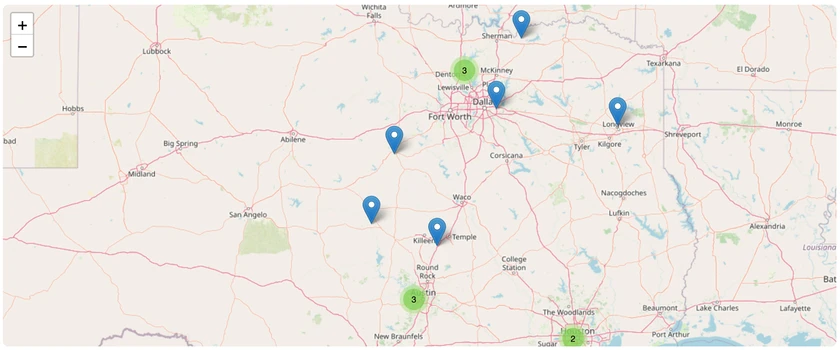
- Breeders. A breeder who keeps pedigrees and can tell you about the parents, the line’s dental history and how the kit was handled is the surest route to a known animal, and the right one for a specific color. You can search chinchilla breeders and farms by state in the Creatures directory; most of those entries come from public sources rather than from the breeders themselves, so reach out and put your questions to each one.
- Rescues. Chinchilla rescues and small-animal shelters take in adults whose owners underestimated the commitment. A rescue can tell you an animal’s temperament and history, and many rehomed chinchillas come with their cage and gear.
- Pet stores. Usually standard greys, available the same day, with the least information about the animal’s parents and exact age.
- Online listings. Sellers on the Creatures marketplace pass verification before they list, but chinchillas appear there only occasionally, so an alert is the practical way to catch one. Where to Buy a Chinchilla goes through each route in detail.
Whoever you buy from, run the checks in Merck’s owner guide to selecting a chinchilla: bright, clear eyes with no discharge, front teeth that meet evenly, no wet fur around the mouth or chin, and no wounds or missing fur. Ask the animal’s exact age, the parents’ colors (so you know what it may carry), whether malocclusion has appeared in the line, and whether you can return it if it becomes sick. A hot, humid room or a seller who asks you nothing about your setup is a reason to walk away. Then book that exotic vet exam and parasite test.
Records to keep
A chinchilla that may live 15 or 20 years outlasts anyone’s memory, and records are what let you spot a slow change or check what a seller told you. For each animal, write down:
- color, sex and birth date, and the sire and dam with their colors and any recessive genes they are known to carry;
- weekly weights;
- dental checks and every vet visit, with the findings and any treatment;
- dust bath routine and any change of diet;
- for breeders, pairing dates, plugs found, litter dates and sizes, and each kit’s color and new home.
A free Creatures profile keeps a chinchilla’s color, pedigree, photos and records together: weigh-ins plot on a chart, the yearly exam and other care can be set as reminders, and if you sell or rehome the animal, you can transfer it to the new owner with that history attached. The help articles on adding a record and health and medical records show each step, and linking a chinchilla’s sire and dam puts its family tree on the profile, where the parents’ colors are easy to check. Still choosing a name? The free chinchilla name generator suggests some.
Frequently asked questions
How many breeds of chinchilla are there?
Strictly, none, because every pet chinchilla is the same species, the long-tailed chinchilla. What are sold as breeds are color mutations: standard grey plus white, beige, black velvet, ebony, violet, sapphire and their combinations, along with the angora and curly coat types.
What are the different types of chinchillas?
There are two species, the long-tailed and the short-tailed chinchilla, both endangered in the wild, and pets are long-tailed chinchillas. Among pets, the types are colors grouped by how they are inherited: standard grey, the dominant colors (white, beige and black velvet, with the cumulative ebony usually counted among them), the recessive colors (violet and sapphire) and combinations such as pink white and brown velvet.
How much is a chinchilla?
In the Creatures cost guide’s August 2026 check of breeder price lists, standard greys ran about $150 to $250, common mutations $200 to $400, and violet, sapphire and mosaic $350 to $800, with angora and curly-coated animals from about $800 into the thousands. Rescues often ask $50 to $175. The setup usually costs more than the animal, and a lifetime of care runs around $10,000 to $14,000.
How long do chinchillas live?
The Merck Veterinary Manual’s owner guide gives an average of about 10 to 15 years, with some pets reaching 20, while VCA Animal Hospitals puts life expectancy at 15 to 20 years. The oldest on record, Radar, lived to 29 years and 229 days.
How big do chinchillas get?
Adults weigh about 1 to 1.5 pounds (450 to 680 grams), with a body up to about 10 inches long plus a 6-inch tail. Females are usually larger than males.
Can you breed two white chinchillas together?
No. White carries a lethal factor, so about a quarter of the embryos from two whites inherit a double dose and, breeders report, are lost before birth, and the pairing gives no more white kits on average than white to standard grey. The same is true of two velvets. Pair a white or a velvet with a standard grey with no white or velvet parent, or another confirmed non-carrier, and remember that pink whites, silvers, mosaics and some near-grey animals with only a small white patch carry white too.
Can a chinchilla live alone?
Chinchillas are social, and welfare guidance is to keep one with at least one compatible chinchilla unless a vet advises otherwise. Introduce new partners slowly and supervise, because fights can cause injuries, and give a chinchilla that has to live alone attention every day.
Which chinchilla is best for a teen or a first-time owner?
We found no published evidence that color affects temperament, so choose on health, age and handling: a calm, well-handled young chinchilla or a rescued adult whose temperament is already known. A standard grey is the most affordable. Before you buy, make sure the household can keep a room cool and commit to 15 years or more.
Are pet chinchillas endangered?
Both wild species are listed as Endangered, but pet chinchillas are captive bred, and the San Diego Zoo notes that domestic chinchillas are not subject to international conservation regulations. Buying a captive-bred pet does not take an animal from the wild.
Do this next on Creatures
Whether you are choosing a first chinchilla, bringing one home or already breeding, these are the useful next steps, in the order most readers need them.
Get told when the right chinchilla is listed. Chinchilla listings are scarce, so set a free chinchilla listing alert and Creatures emails you whenever a chinchilla is posted, so you can check its color first, no account needed to start. Here is how saved searches work.
Find breeders by state. Search the Creatures breeder directory, or go straight to chinchilla breeders and farms, and ask each one about the parents’ colors and the line’s dental history.
Check what is for sale. Browse chinchillas on the Creatures marketplace, where sellers pass verification before they list. Listings come up only now and then, which is why the alert comes first.
Brought a chinchilla home? Create a free profile for each chinchilla with its color, birth date, parents and photos, no account needed to start. The walkthrough is in adding an animal to Creatures.
Keep the records that catch trouble early. Weekly weights, dental checks, vet visits, pairings and litters: add a record. The record sheet opens for any visitor to look around, and a free account saves what you enter. See health and medical records and reminders and upcoming care for the yearly exam.
Breed or rescue chinchillas? Create a free breeder or rescue profile so people searching for a chinchilla, or a particular color, can find you, no account needed to start. See getting listed in the breeder directory and creating an organization.
Name it and record its family. Find a name in the free chinchilla name generator, then link each chinchilla’s sire and dam on its profile so its colors and carriers stay on record; pedigree, family and lineage shows how.







