
Author: Elliott Garber, DVM · Updated
What Is an Animal Health Certificate?
An animal health certificate, formally called a Certificate of Veterinary Inspection (CVI), is an official document issued by a USDA-accredited veterinarian that certifies an animal has been examined and found to be healthy and free of signs of infectious or contagious disease. It is the most important piece of paperwork in any livestock transaction involving transport across state lines.
Store digital copies of your health certificates by using Creatures to add health records for each animal.
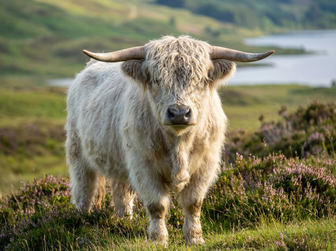
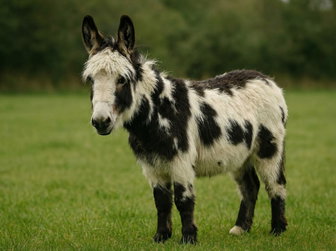
If you are buying or selling animals on the Creatures Marketplace or through any other channel, and the animal needs to cross a state boundary, a CVI is almost certainly required. Failing to obtain one can result in fines, quarantine of your animals, and in some cases criminal charges. This applies to all species, from highland cattle and horses to miniature donkeys and goats.
This guide explains what health certificates are, when you need one, how to get one, what they cost, and the specific requirements that vary by state and species.
When Do You Need an Animal Health Certificate?
Interstate Transport
The most common requirement for a CVI is interstate transport. Nearly every U.S. state requires a health certificate for livestock entering its borders. This applies whether you are moving animals for sale, breeding, shows, exhibitions, boarding, or any other purpose.
The requirement exists because animal diseases do not respect state lines. State veterinarians use CVIs to track animal movement and prevent the spread of diseases like brucellosis, tuberculosis, equine infectious anemia (EIA), and others.
Livestock Shows and Exhibitions
Most livestock shows and exhibitions require a current CVI for every animal entering the facility, even if the show is within your home state. Show organizers implement this requirement to protect all animals at the event. Check the show’s entry requirements well in advance, as some require the CVI to be issued within a specific timeframe (often 30 days) before the event.
Livestock Sales and Auctions
Many auction barns and consignment sales require a CVI for animals brought to the sale facility. Even if the sale is within your state, the auction may require one because buyers may transport purchased animals across state lines.
Intrastate (Within the Same State)
Requirements for intrastate movement vary significantly. Some states require CVIs for any change of ownership, while others only require them for interstate movement. Check with your state veterinarian’s office or your state Department of Agriculture to confirm requirements for movements within your state.
How to Get a Health Certificate
Step 1: Find a USDA-Accredited Veterinarian
Only USDA-accredited veterinarians can issue official CVIs. Not every veterinarian holds this accreditation, so confirm before scheduling. Your regular large animal veterinarian is likely accredited, but it is worth asking. If you need to find one, the USDA APHIS website maintains a database of accredited veterinarians by state.
Step 2: Schedule the Examination
Plan ahead. CVIs are valid for a limited time (typically 30 days, though this varies by state and species), so you need to time the examination close to your travel date but with enough buffer for any issues.
Schedule the exam at least 2 to 3 weeks before your planned transport date. This gives you time to address any problems the veterinarian identifies, complete required testing, and receive results before departure.
Step 3: The Veterinary Examination
During the exam, the veterinarian will:
- Visually inspect the animal for signs of disease, injury, or illness
- Verify identification (ear tags, microchips, brands, tattoos, or registration numbers)
- Confirm the animal’s species, breed, age, sex, and color or markings
- Perform any required tests (varies by destination state and species)
- Review vaccination records
If the animal passes the examination and meets all requirements for the destination state, the veterinarian issues the CVI. If the animal shows signs of disease or fails a required test, the CVI will not be issued until the issue is resolved.
Step 4: Required Testing
Many states require specific disease tests in addition to the physical examination. Common requirements include:
Cattle: Brucellosis testing (varies by state and herd status), tuberculosis testing (particularly for dairy cattle and animals from high-risk areas), and trichomoniasis testing for breeding bulls in many western states.
Horses: A negative Coggins test (EIA/Equine Infectious Anemia) is required by virtually every state. The test must be performed within 12 months of transport in most states, though some require it within 6 months.
Goats and Sheep: Scrapie program compliance and official identification requirements are the primary regulatory focus. Individual buyers or breed programs may also request testing for Caseous Lymphadenitis (CL) or Caprine Arthritis Encephalitis (CAE), though these are less commonly mandated by state import regulations.
Poultry: Avian influenza and pullorum-typhoid testing requirements vary by state and have been particularly strict in recent years due to Highly Pathogenic Avian Influenza (HPAI) outbreaks.
Swine: Pseudorabies and brucellosis testing requirements vary. Many states have additional requirements for feral swine.
Step 5: Electronic vs. Paper Certificates
The livestock industry is transitioning to electronic CVIs (eCVIs). A growing number of states are moving toward requiring electronic certificates for imports, and many veterinarians now issue eCVIs by default. Electronic certificates are processed faster, are harder to forge, and create an automatic digital record in the USDA VSPS (Veterinary Services Process Streamlining) system.
Your veterinarian should be equipped to issue electronic certificates. If they are not, ask them to enroll in the USDA’s VSPS system or find a veterinarian who can issue eCVIs.
What Does a Health Certificate Cost?
CVI costs vary by veterinarian, location, and the number of animals examined. Typical costs include:
- Farm call fee: $50 to $150 for the veterinarian to come to your property
- Per-animal exam fee: $15 to $50 per animal for the inspection and certificate
- Testing fees: $15 to $75 per test, depending on the test type
- Certificate fee: Some states charge a small fee ($5 to $15) for the official certificate form
For a single horse requiring a Coggins test and CVI, expect to pay $100 to $250 total. For a group of 10 cattle requiring brucellosis testing, the cost might be $400 to $800 for the farm call, exams, and testing combined.
Factor these costs into your pricing when selling animals. Buyers often expect sellers to provide a current CVI as part of the sale, particularly for higher-value breeding stock. Including this in your sale price or clearly specifying who covers the cost prevents misunderstandings.
Create a free Creatures account to keep your compliance documents organized and easily accessible when you need them. You can also browse the Creatures marketplace to find animals from sellers with proper health documentation.
State-by-State Requirements: What You Need to Know
Every state sets its own animal import requirements, and they can differ significantly. Here are the key variables:
Entry Permit Requirements
Some states require an import permit in addition to the CVI. The permit must be obtained from the destination state’s animal health authority before transport. States that commonly require import permits include California, Florida, Minnesota, and others. The permit is usually free but must be obtained in advance.
Timeframe Requirements
Most states require the CVI to be issued within 30 days of entry, but some require 14 days or even 10 days. Horses are often given a longer window (6 to 12 months for Coggins tests). Always check the specific timeframe required by your destination state.
Vaccination Requirements
Destination states may require specific vaccinations before entry. Common requirements include brucellosis vaccination for cattle heifers (Bangs vaccination) and rabies vaccination for certain species in certain states.
How to Find Your State’s Requirements
The USDA maintains a database of state animal health officials and their requirements. The most reliable resource is InterstateLivestock.com, which allows you to enter your origin and destination states and provides all current requirements for your species.
You can also contact your state veterinarian’s office directly. Every state has a State Veterinarian who oversees animal health regulations. Their office can provide current, species-specific import and export requirements.
Health Certificates for Online Livestock Sales
The growth of online livestock marketplaces has made interstate animal sales more common than ever. Buyers can now find specific breeds, bloodlines, and individual animals from sellers across the country through platforms like Creatures. This expanded market benefits both buyers and sellers, but it also means navigating health certificate requirements more frequently.
Seller Responsibilities
As a seller on the Creatures Marketplace or any platform, you should:
- Know the health certificate requirements for your state (origin) and be prepared to obtain a CVI before shipping
- Ask the buyer for their state so you can determine destination requirements early in the conversation
- Factor CVI and testing costs into your pricing strategy so there are no surprises
- Keep your animals’ vaccination and health records current so the CVI process goes smoothly
- Build a relationship with a USDA-accredited veterinarian who can accommodate your timeline
Buyer Responsibilities
As a buyer, you should:
- Know your state’s import requirements before purchasing
- Confirm with the seller that a CVI will be provided
- Verify that any required testing has been performed and results are negative
- Keep a copy of the CVI with the animal’s records by logging it in your animal’s health records
- Understand quarantine requirements, as some states require newly imported animals to be isolated for a period after arrival
Working with Livestock Transporters
If you are using a livestock transport service to ship animals, the transporter will need a copy of the CVI to carry with the animals during transport. Professional transporters are familiar with these requirements, but always confirm that all paperwork is in order before the animal is loaded.
The transporter should carry the original or a certified copy of the CVI, proof of any required tests, and the animal’s identification information. If stopped at a weigh station or agricultural inspection point, the transporter must be able to present these documents.
Common Health Certificate Mistakes
Waiting Until the Last Minute
The most common mistake is scheduling the veterinary exam too close to the transport date. If testing is required, results can take 3 to 10 business days. If a test comes back positive or inconclusive, you may need to retest, which can delay transport by weeks.
Not Checking Destination State Requirements
Requirements vary dramatically between states. What works for shipping cattle from Virginia to North Carolina may not satisfy the requirements for shipping to Texas or California. Always verify the specific requirements for your destination state and species before scheduling the veterinary exam.
Expired Certificates
CVIs have expiration dates. If your travel is delayed and the certificate expires, you will need a new examination and a new certificate. Build buffer time into your planning.
Incorrect Animal Identification
The identification on the CVI must exactly match the animal being transported. Mismatched ear tag numbers, incorrect breed descriptions, or other discrepancies can result in the animal being turned away at the destination or held at an agricultural inspection point.
The Bigger Picture: Why Health Certificates Protect Everyone
Health certificates may seem like bureaucratic paperwork, but they serve a critical function in the livestock industry. They protect buyers from purchasing diseased animals. They protect sellers from liability. They protect the broader livestock population from disease transmission. And they provide a documented chain of animal health that supports the integrity of the marketplace.
On Creatures, where we are committed to animal welfare and transparent transactions, health certificates are part of the foundation of responsible animal commerce. Sellers who provide current health documentation and buyers who insist on it are contributing to a healthier, more trustworthy marketplace for everyone.
For more on protecting yourself from fraud in livestock transactions, browse our buyer and seller safety guides.
Ready to buy or sell with confidence? Here’s your checklist:
- Create animal profiles on Creatures with breed, registration, and identification details your vet will need for the CVI.
- Log vaccination and health records so your CVI exam goes smoothly and buyers can verify compliance.
- List on the Marketplace with health documentation attached to build buyer trust.
- Join the Breeder Directory so buyers searching by species and location can find your operation.
Frequently Asked Questions
How long is an animal health certificate valid?
Most states consider a CVI valid for 30 days from the date of issuance, but this varies. Some states require CVIs issued within 14 days, while others accept 60-day windows for certain species. Horses typically have longer validity periods for Coggins tests (6 to 12 months). Always check the specific requirements for your destination state.
Do I need a health certificate for animals staying in the same state?
It depends on your state’s regulations. Some states require CVIs for any change of ownership, for entry into livestock shows, or for movement into certain disease-control zones. Others only require them for interstate transport. Contact your state veterinarian’s office for clarification.
Who pays for the health certificate, the buyer or seller?
This is negotiable and should be agreed upon before the sale. In many transactions, the seller provides the CVI as part of the sale. For higher-value breeding stock, the CVI cost is typically built into the sale price. For lower-value animals, the cost may be split or borne by the buyer. Clarify this in your listing or during negotiations.
Can I transport livestock without a health certificate?
In most cases, transporting livestock across state lines without a valid CVI is illegal. Penalties vary by state but can include fines, mandatory quarantine at your expense, and in severe cases, criminal charges. Even within a state, some movements require health documentation. It is never worth the risk to skip this step.
What happens at an agricultural inspection station?
Several states operate agricultural inspection stations at their borders or along major highways. If stopped, you (or your transporter) will need to present the CVI, proof of testing, and animal identification. If everything is in order, you will be cleared to continue. If documentation is missing or incorrect, animals may be held until proper paperwork is obtained, at your expense.