

Author: Elliott Garber, DVM · Published
Finding a donkey that suits your farm, family, and management style is harder than typing “donkey breeders near me” into a search bar. What usually comes back is a jumble of breeder directories, rescue listings, old classified pages, and social posts with very little context. Some sellers are careful, transparent, and experienced. Others have a cute photo and almost no usable information.
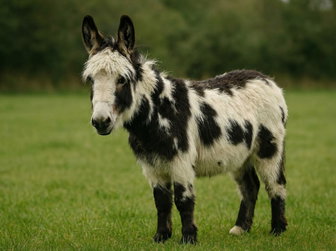
That matters because a donkey isn’t an impulse purchase. Miniature donkeys can live an average of 27 to 33 years, with many reaching 30 to 35 and some even 40 or more, which makes your buying process a long-term decision rather than a casual one. A good match starts with documentation, honest communication, and a farm visit. A poor match usually starts with rushing.
This guide is built for buyers who want more than a list of links. It combines modern digital tools with old-school verification that still matters. You’ll find where to search, how to screen a breeder before you drive across the state, what to inspect on the farm, and how to close the sale without skipping the basics that protect your herd.
Table of Contents
- 1. Start with a Modern Animal Platform like Creatures
- Why Creatures works well early in the search
- What to verify before you rely on a digital profile
- 2. Consult National and Regional Breed Associations
- 3. Engage with Online Communities and Social Media Groups
- Use communities to spot repeat patterns
- What to watch closely in comments and posts
- 4. The Pre-Visit Vetting
- Questions that reveal how a breeder really operates
- Answers that should slow you down
- 5. The On-Farm Visit
- Inspect the farm before you fixate on one donkey
- Handle the donkey yourself
- Stand back and watch
- 6. Finalizing the Sale
- Paperwork first, trailer second
- Confirm transport and arrival details
- Quarantine is cheap insurance
- 6-Point Donkey Breeder Comparison
- Your Donkey’s Journey Starts with a Trusted Partner
1. Start with a Modern Animal Platform like Creatures
You find a donkey listing that looks promising. The photos are good, the price seems fair, and the seller says the animal is healthy. Before you spend a Saturday on the road, use a platform that lets you check whether the breeder can present a consistent record, answer basic management questions, and document the animal beyond a single sales post.
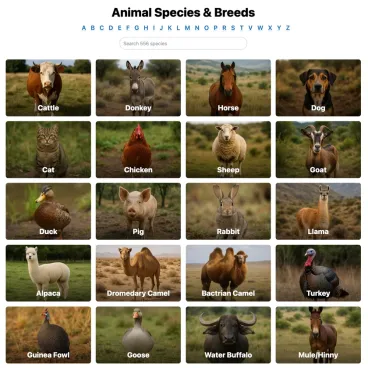
A modern animal platform gives you a better starting point than a general classifieds site because it keeps the search tied to the animal, the breeder, and the paper trail. Creatures is useful for that early screen. It brings listings, breeder discovery, and animal records into one place, which saves time and exposes gaps fast. In practice, that means fewer text threads, fewer missing attachments, and a clearer sense of whether the seller runs an organized program.
A digital profile also helps with a species that is often marketed loosely. Donkeys are sold as pets, companions, breeding stock, guardians, and small-farm animals, and those categories carry different expectations for training, handling, soundness, and paperwork. If you are also comparing similar working or companion animals, Creatures mule and hinny listings can help you separate species-specific needs before you contact breeders.

Why Creatures works well early in the search
Creatures works best at the top of the search process. The Creatures donkey directory helps narrow the field before you start calling farms, especially if local search results are cluttered with outdated ads, resale listings, or animals posted with little background.
That first pass is where buyers waste the most time. I look for three things immediately. Can the breeder identify the donkey clearly? Do the records appear current? Does the listing show enough history to support the asking price?
Those points sound simple, but they expose real trade-offs. A breeder with excellent stock may have a sparse online presence. A polished profile may still belong to someone who cannot produce current health records when asked. Use the platform to sort leads, not to make the final decision.
Practical rule: A complete digital profile is a good sign of discipline. It is not proof of sound management, accurate paperwork, or honest representation.
What a good platform does provide is a single place to review the details that serious buyers should compare side by side. Photos from different dates, videos of movement, registration documents, pedigree information, health notes, and breeding history are far easier to assess when they are not scattered across texts, email chains, and social posts. That distinction is important because a donkey is not an impulse purchase. The cost of a bad match usually shows up later in transport problems, handling issues, unexpected veterinary work, or breeding limitations.
What to verify before you rely on a digital profile
Treat the profile as the start of due diligence. Then verify everything that affects safety, value, and suitability for your farm.
Confirm that the donkey in the listing matches the animal being discussed. Ask for recent photos from both sides, front, and rear. Request the latest hoof trim date, vaccination history, deworming approach, Coggins status if transport requires it, and any registration details the seller claims to have. If the animal is sold as halter trained, companion-safe, or kid-friendly, ask what that means in daily handling. A breeder who handles donkeys regularly should answer those questions without hesitation.
Pay attention to consistency. If the age, height, color, registration status, or breeding history changes from one message to the next, stop and sort that out before you book a visit. Small discrepancies can be innocent. Repeated ones usually are not.
The goal here is straightforward. Use digital tools to get organized, compare breeders faster, and avoid obvious dead ends. Then confirm the details in person, on the ground, with your own eyes and your veterinarian when needed.
2. Consult National and Regional Breed Associations
A buyer calls after driving three hours to see a “mini donkey” that turns out to be taller than advertised, unregistered, and bred with no paperwork trail. That problem is common, and breed associations help prevent it.
If you want a registered animal, start with the relevant association directory and use it as a screening tool, not a final endorsement. Association membership usually means the breeder works within a recognized registry system, pays attention to pedigree, and has at least some ongoing connection to other breeders, exhibitors, and owners. That gives you a better starting point than a random classified ad, especially if you care about future breeding, showing, resale value, or predictable mature size.
Association records also help you ask sharper questions. Instead of asking whether a donkey is “mini,” ask for the registered height classification, the registered name and number, copies of papers, and the registered names of the sire and dam. Sellers who handle registered stock should be able to provide those details quickly.
That matters because loose terms cause expensive confusion.
“Mini,” “micro,” and “pet size” are marketing language unless the seller can tie the animal to an actual registry standard and current paperwork. A breeder may still raise good donkeys without active association involvement, but the burden of proof goes up. In those cases, I want more documentation, more photos, and tighter answers before I spend time on a farm visit.
Associations are also useful for sorting out your real goal. Some buyers search for a donkey and later realize they want a driving animal, a pack animal, or a larger companion better suited to their setup. If you are still comparing species and intended use, mule and hinny listings on Creatures can help you separate donkey listings from other equine options before you contact breeders.
Use association listings with a practical filter:
– Confirm the breeder is currently active, not just listed on an old directory page.
– Ask whether the specific donkey is registered, eligible for registration, or being sold without papers.
– Request clear copies of registration documents before placing a deposit.
– Verify that the breeder’s name matches the paperwork or that they can explain the transfer chain.
– Ask whether the operation is focused on breeding, rescue, or both.
That last point gets overlooked. Rescue organizations, private sanctuaries, and breeders can all appear in the same search results, but they operate differently. A rescue may know a donkey’s handling history well and know very little about pedigree. A breeder may know the bloodlines in detail and still be weak on everyday training. A mixed operation can be perfectly honest, but buyers need to know which hat the seller is wearing for that specific animal.
Association directories have limits too. Some are outdated. Some strong breeders barely touch their listings. Some excellent small breeders are known locally and never bother with association advertising. Use the directory to build a shortlist, then verify everything through direct contact, document review, and an on-farm visit. Association presence is a positive sign. It is not proof of soundness, good handling, or ethical sales practices.
3. Engage with Online Communities and Social Media Groups
You find a promising donkey online on Tuesday night. By Wednesday morning, three people in a breed group say the breeder is excellent, one says communication went quiet after a deposit, and another asks whether the animal ever had its feet trimmed on schedule. That mix of praise and friction is useful. Social platforms are not where I decide to buy, but they are often where I learn what questions need asking before I spend time on a call or drive to a farm.
That is the core value here. Communities give you live, unfiltered buyer experience that directories and sales pages rarely show.
Use communities to spot repeat patterns
Watch the same breeder or seller over time. A single polished listing proves very little. Several months of posts, comments, buyer updates, and tagged photos can tell you whether the operation is consistent, evasive, careful, or disorganized.
Good signs tend to repeat in plain ways. Buyers describe straightforward communication. The breeder posts ordinary handling photos, not only glamour shots. People mention how the donkey settled in after the sale. If the seller uses a platform like Creatures for listings or records, treat that as one data point, then compare it against what owners say in public and what the breeder is willing to show directly.
Communities also help you judge whether the breeder is honest about fit. Donkeys do better in appropriate social and management setups, so I pay attention when a seller asks buyers about fencing, companions, feed, and hoof care. Sellers who screen homes usually care what happens after the trailer leaves.
What to watch closely in comments and posts
Look past the headline and study the details.
- Photos with no context: Cute ears and a clean coat do not tell you whether the donkey leads, stands tied, picks up feet, or tolerates routine care.
- Comment threads that dodge simple questions: If buyers ask about age, registration, height, castration status, or handling, and the answers stay vague, expect more of the same in private messages.
- Urgency around deposits: A seller who pressures you to send money before a proper conversation is increasing your risk, not saving you time.
- Inconsistent identity: Some sellers switch between breeder, broker, rescue, and sanctuary language depending on the post. Ask directly who owns the donkey and who is legally selling it.
- No signs of normal farm life: Repeated close-up photos with no pasture, pen, shelter, herd, or feed setup leave out information you need.
One recommendation from a stranger is only a lead. Ten comments spread across different months that point to the same strength or the same problem deserve attention.
Use groups for local intelligence too. Owners will often say which farrier works donkeys well, which veterinarians are familiar with them, and which breeders have a solid reputation for matching animals to the right homes. That local detail matters because a breeder can look polished online and still have weak day-to-day management.
Private messages have limits. Keep enough of the conversation in places where claims can be checked, and save screenshots of sale terms, health statements, and advertised details. Social media changes fast. Posts get edited. Listings disappear. If a seller will not put basic facts in writing, treat that as a warning sign.
4. The Pre-Visit Vetting
You find a donkey that looks right on paper. The photos are clean, the price is plausible, and the breeder says visitors are welcome. Before you spend half a day on the road, treat the phone call or video call like a clinical history. Good pre-visit vetting filters out poor fits, weak recordkeeping, and sellers who are not ready for a transparent sale.
Serious breeders usually handle detailed questions well. They may need a day to pull paperwork, but they should be able to answer plainly. I get concerned when a seller is defensive about routine questions, changes the story mid-conversation, or wants a deposit before basic facts are confirmed.
Questions that reveal how a breeder really operates
Keep the call focused and specific. Open-ended chatting wastes time. A short checklist gets you better information.
- Health records: Ask what they can send before the visit. That includes vaccination history, deworming schedule, farrier dates, prior illness or injury, and any recent veterinary work. If they use a listing or messaging system on a horse and equine marketplace, ask them to attach records there or email them in one file.
- Handling: Ask what the donkey does in normal management, not what the breeder thinks it could learn. Can it be caught in a pasture, led with a halter, have its feet picked up, stand tied, trailer load, and tolerate basic restraint?
- History: Ask how long the breeder has had the animal, whether it was bred on the farm or brought in, and why it is being sold now. A clear answer matters more than a polished one.
- Identity and paperwork: Confirm age, sex, color, registration status, and whether those details match the records the seller plans to show you. If the donkey is intact, ask whether both testicles are descended and whether any breeding has occurred.
- Daily management: Ask what hay or pasture the donkey is on, whether grain is fed, how turnout is handled, and whether the animal lives alone or in a group.
For miniature donkeys, get plain measurements instead of sales language. Ask for height at the withers, body condition, and current weight estimate if they have one from a recent veterinary or farm record. Words like “small,” “micro,” or “petite” are marketing terms unless someone puts a stick on the animal.
Answers that should slow you down
Weak answers often show up before you ever reach the farm.
“I don’t keep that stuff written down, but he’s never had any problems.”
That tells you the breeder is asking you to trust memory over records. In my experience, memory gets less accurate when the sale depends on it.
Listen for gaps that create practical risk. If the seller cannot say when the donkey last saw a farrier, what it is currently eating, or whether it has ever loaded into a trailer, you are missing information that affects transport, quarantine, and immediate care after purchase. None of those points are minor on pickup day.
Ask about payment and deposits early enough to avoid surprises. Deposits can be reasonable. The terms need to be written, tied to one clearly identified donkey, and clear about refunds, pickup deadlines, and what happens if a pre-purchase exam finds a problem. A clean sale process protects both sides.
5. The On-Farm Visit
You pull into a farm that looked excellent online. Within two minutes, the picture changes. Sagging fence, green water tubs, thin herd mates, and a seller who wants to walk you straight to the sale donkey before you look around. That visit already told you something important.
An on-farm visit is a management inspection first and an animal inspection second. Good breeders know that and do not rush you past the property.
Inspect the farm before you fixate on one donkey
Start at the gate and work slowly. Check fencing for loose wire, sharp edges, broken boards, and places where a small donkey could get a head or foot caught. Look at shelter, shade, drainage, footing around feeders, hay storage, water cleanliness, and manure buildup. Then look at the other animals. I put a lot of weight on herd condition because it is harder to stage than one brushed and haltered sale prospect.
A useful farm does not need to be pretty. It needs to be orderly, safe, and consistent. Feed should be stored dry. Pens should be laid out so animals can move without crowding and injury. The breeder should be able to explain why animals are grouped the way they are, what each group is being fed, and how new or sick animals are separated when needed.
Watch for quiet warning signs. Overgrown feet across several animals usually mean farrier care slips. Heavy parasite burden often shows up in manure management, rough coats, and poor body condition. A donkey standing alone can be fine for a reason, but the breeder should have a clear reason.
Handle the donkey yourself
Ask to see the donkey caught from its normal pen, not tied up and waiting for you. Then watch the breeder halter it, lead it, stop it, back it a few steps, and pick up all four feet. After that, handle the donkey yourself if it is safe. This is the part buyers skip, and they regret it later.
You are checking more than manners. You are checking whether the seller’s description matches reality. A donkey described as easy to handle should allow routine catching and basic foot handling without a wrestling match. If the breeder says the donkey is calm but insists that only they can handle it, treat that as a training gap until proven otherwise.
For buyers who also keep horses, looking at horse sale profiles and care records on Creatures can help set a baseline for the kind of identification, handling notes, and routine care history a responsible equine seller should have on hand. The species differs. The standard for recordkeeping does not.
Stand back and watch
Do not spend the whole visit talking. Put the donkey back with its group and watch for several minutes.
That is often when the useful details show up. You may notice stiffness when the donkey turns, reluctance to bear weight evenly, bullying within the group, coughing around hay, or unusual fearfulness when another animal approaches. I also watch how the donkey responds to ordinary farm activity. A donkey that melts down over a wheelbarrow, barking dog, or opening gate may need more training than the ad suggested.
If breeding quality matters, ask to see the dam or related stock when available. Family resemblance can tell you more about bone, movement, and temperament than a polished sales description. If companion suitability matters more, focus less on pedigree talk and more on soundness, handling, and social behavior. Different buyers should leave the same farm paying attention to different things. That is normal.
One last rule. Never let courtesy override observation. If what you see on the farm conflicts with what you were told before the visit, believe what you saw.
6. Finalizing the Sale
Sale problems often show up after the farm visit, right when a buyer feels committed and stops asking careful questions. That is the point where a good purchase can still go bad. I tell buyers to treat the closing process like a clinical handoff: identify the animal, confirm the terms, document the condition, and make sure transport and arrival are planned before any money changes hands.
Keep the last step calm and plain. If the seller suddenly starts pushing for same-day payment, refuses to put terms in writing, or becomes unclear about who owns the donkey and what records will transfer, pause the deal.
Paperwork first, trailer second
Finish the paperwork before the donkey leaves the property. The contract should include the donkey’s description, age or estimated age, sex, color, markings, price, deposit terms, and exactly what is included in the sale. If registration papers, breeding records, vaccination history, farrier dates, dental history, microchip details, or a Coggins test are part of the agreement, list them one by one.
Do not rely on text messages and verbal promises once the trailer door closes.
For higher-value animals, breeding stock, or any donkey with gaps in its history, schedule a pre-purchase veterinary exam. The buyer should choose the veterinarian. The buyer should pay that veterinarian directly. That reduces pressure on the examiner and gives you a cleaner opinion on body condition, soundness, teeth, feet, skin, eyes, heart and lungs, and any signs that the donkey has been medicated to look better for the sale.
Payment method matters too. Use a traceable form of payment and ask for a signed bill of sale at the time funds are transferred. If a seller resists basic documentation, that is useful information.
Confirm transport and arrival details
Transport is part of the sale, not an afterthought. Confirm who is hauling, when the donkey is leaving, whether the animal loads easily, and what the seller has been feeding. A transport delay of a day or two is manageable. A rushed loading job with an unprepared donkey can turn into an injury risk fast.
Ask the seller to send the donkey with enough of its current feed for a short transition period if possible. Sudden feed changes, long hauling, and immediate turnout with unfamiliar animals create the exact kind of stress that leads to digestive upset, fence running, and difficult introductions.
Quarantine is cheap insurance
Once the donkey gets home, keep it separate from resident equines for an initial observation period. Monitor appetite, manure, rectal temperature, nasal discharge, cough, urination, and attitude. Watch the feet and skin closely. External parasites, rain rot, abscesses, and mild respiratory disease are easier to handle early than after they move through the whole herd.
Responsible ownership also means buying from people who can document what they breed and sell. That matters for breed stewardship, but it also matters for ordinary buyer protection. A donkey with clear identity, handling history, and transfer records is easier to insure, easier to manage medically, and easier to place responsibly later if your situation changes.
Miniature donkeys may fit small farms better than full-sized stock, but they still deserve the same level of planning you would give any equine purchase. Small does not mean simple. A careful closing process is what turns a promising farm visit into a safe, transparent sale.
6-Point Donkey Breeder Comparison
| Approach | Complexity | Resources | Expected outcomes | Ideal use cases | Key advantages |
|---|---|---|---|---|---|
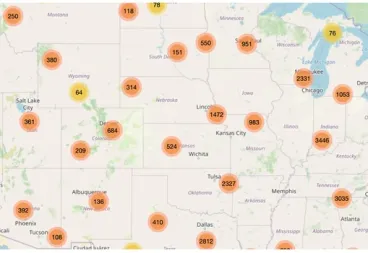
| Start with a Modern Animal Platform like Creatures | Low–Moderate, account setup and learning the interface; dependent on platform adoption | Low, internet access, time to review listings; sellers may incur fees | High transparency and traceability; faster discovery of documented animals | Buyers who want verified records and statewide search; first‑time buyers | Centralized profiles, verified listings, integrated payments and services |
| Consult National and Regional Breed Associations | Moderate, research contacts and member directories; possible membership steps | Low–Moderate, email/phone outreach; occasional membership fees | High likelihood of registered, breed‑standard animals and expert referrals | Seeking purebreds, pedigrees, or breed‑conservation breeders | Registries, codes of ethics, knowledgeable network and pedigree access |
| Engage with Online Communities and Social Media Groups | Low, join groups and monitor conversations; requires vetting | Low, time to read posts and interact; attentive moderation for safety | Variable, candid feedback and leads but inconsistent accuracy | Finding informal breeders, learning lived experience, quick regional leads | Real‑time community insights, candid photos, wide pool of informal sellers |
| The Pre-Visit Vetting: A Breeder Questionnaire | Low, prepare and conduct phone/email screening | Low, time to prepare checklist and ask questions | Improves shortlisting and flags transparency issues before travel | Screening candidates before farm visits to save time and cost | Standardized info gathering, reveals health/training practices and honesty |
| The On‑Farm Visit: What to See and Inspect | High, travel and hands‑on assessment required | Moderate–High, travel costs, time, possible PPE/vet accompaniment | Definitive assessment of animal condition, facility standards, and temperament | Final evaluation prior to purchase; assessing living conditions and handling | Direct observation of herd health, facility safety, and animal temperament |
| Finalizing the Sale: Contracts, Transport, and Quarantine | Moderate, coordinate paperwork, vet exam, and logistics | High, PPE fees, secure payment, transport and quarantine arrangements | Secure transaction, legal protection, reduced post‑purchase disease risk | Completing purchase, interstate moves, minimizing legal/health risks | Written contracts, pre‑purchase exams, professional transport and quarantine protocols |
Your Donkey’s Journey Starts with a Trusted Partner
The right donkey usually comes from the right process. That process isn’t glamorous. It’s a series of practical checks that keep emotion from outrunning judgment.
Start broad, then narrow hard. A platform like Creatures helps you organize your search and compare breeders with more context. Breed associations help you identify people who care about registration, type, and preservation. Social communities help you notice patterns in reputation. None of those steps replace the others. They work best together.
Then do the work buyers often try to skip. Ask for records. Clarify whether you’re dealing with a breeder, a rescue, a sanctuary, or a hybrid operation. Visit the farm. Watch the breeder handle the donkey. Handle the donkey yourself. Read the contract before money changes hands. Quarantine after arrival. These are ordinary habits, but they’re the habits that prevent expensive mistakes and heartache.
Good breeders don’t just sell animals. They explain feed choices, handling habits, social needs, and what the donkey is used to. They know the bloodlines if they breed registered stock. They know the daily routine if they run a companion-focused farm. They’ll also tell you when a donkey isn’t the right fit, which is one of the clearest signs you’re dealing with someone trustworthy.
If you search “donkey breeders near me” with that standard in mind, your results improve fast. You stop shopping for a photo and start evaluating a program. That shift protects your money, your farm, and the donkey you bring home.
If you want one place to start, Creatures makes the search more transparent by combining breeder discovery, animal profiles, health documentation, messaging, and sale logistics in one system. It’s a practical first step for buyers who want better records, clearer comparisons, and a safer path from first inquiry to arrival.







